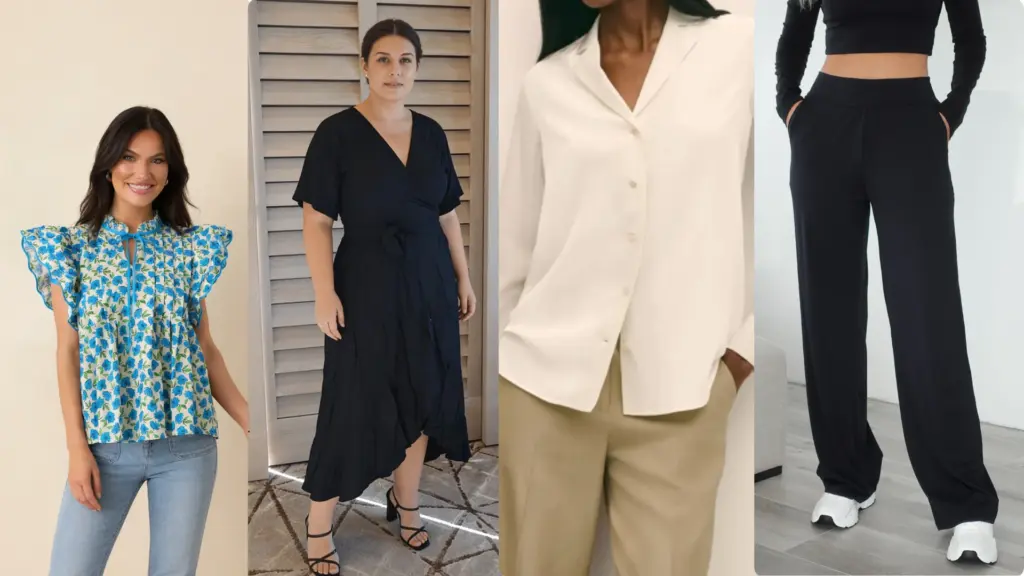
Some outfits just never feel right, no matter how well they fit on the hanger. That confusion often comes from not understanding how the body naturally holds weight.
If you have spent years pulling things off the rack, trying them on in good faith, and still walking away deflated, there is usually a structural reason, not a personal failing.
Learning where soft naturals gain weight and how to dress well can shift that entire experience.
It is not about changing the body, but about seeing it clearly for the first time. There is a quiet relief in realizing that nothing is wrong, only misunderstood.
Once that clicks, getting dressed stops feeling like a struggle and starts feeling natural, easy, and even a little exciting again.
Understanding the Soft Natural Body Type
The Kibbe system, developed by image consultant David Kibbe in the 1980s, identifies 13 body types based on bone structure, flesh distribution, and facial features
The Soft Natural body type is part of the Kibbe system and combines a slightly broad bone structure with soft, natural curves.
The shoulders may look a bit wide, but nothing appears sharp or stiff, and the overall shape feels relaxed, balanced, and easy rather than highly defined.
Weight tends to sit in a soft, blended way instead of creating strong contrasts.
When I first understood this body type, it became clear why certain fitted or structured outfits never felt right and why many girls want Soft Natural body type styling tips.
I’ve worked with clients who identified as Soft Natural after years of guessing wrong. Almost every single one had a closet full of structured blazers and body-con pieces they never reached for.
Where Soft Naturals Gain Weight and How to Dress Well?
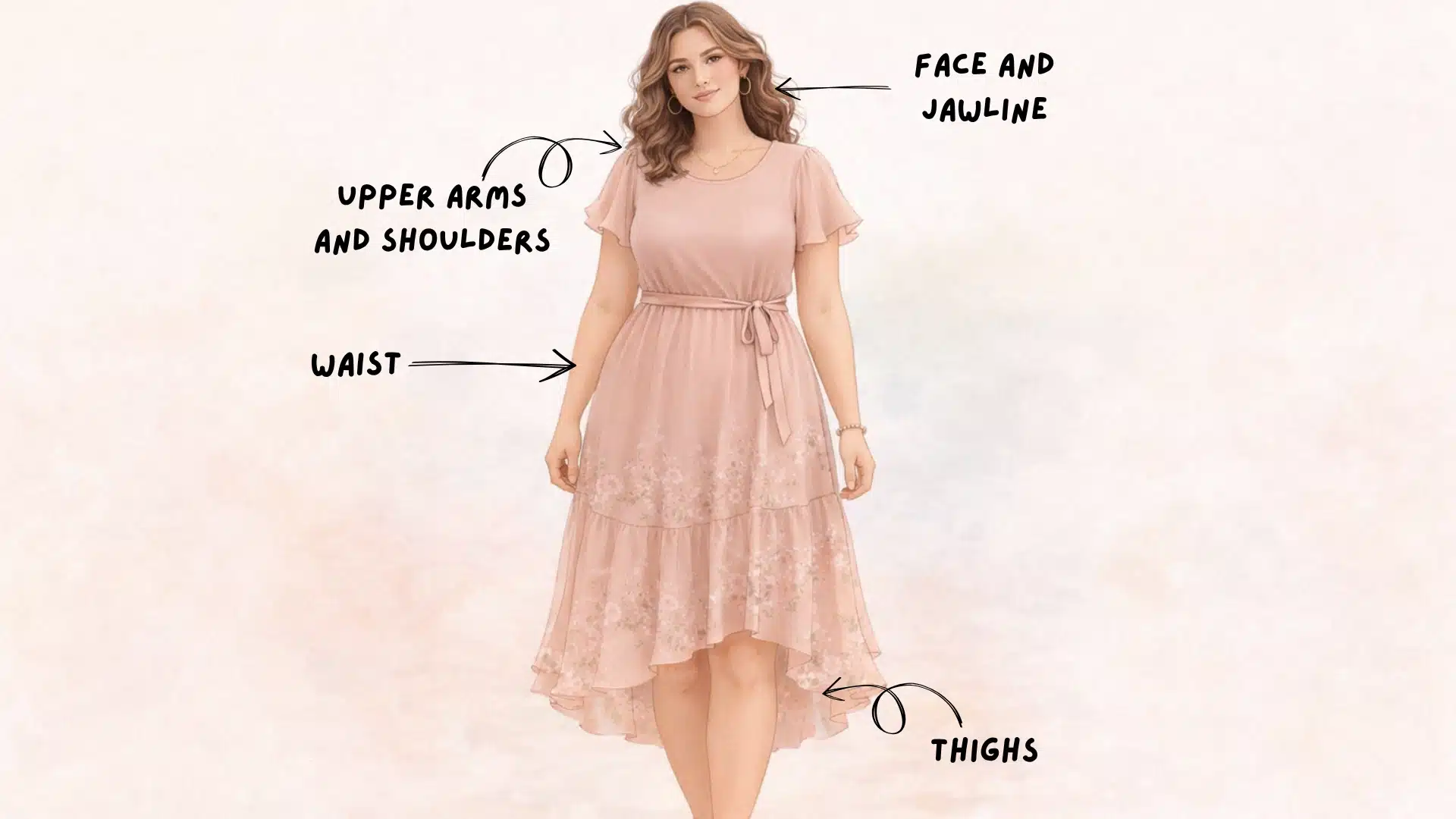
Soft Naturals usually gain weight in a way that looks even and soft across the body rather than in one sharp or defined area, and the weight blends into the natural structure.
1. Upper Arms and Shoulders
Soft Naturals often notice weight showing up first in the upper arms, making them look fuller.
The shoulders may appear slightly broad, but they stay soft and rounded instead of sharp. This can make tight sleeveless tops or stiff fabrics feel restrictive or unflattering.
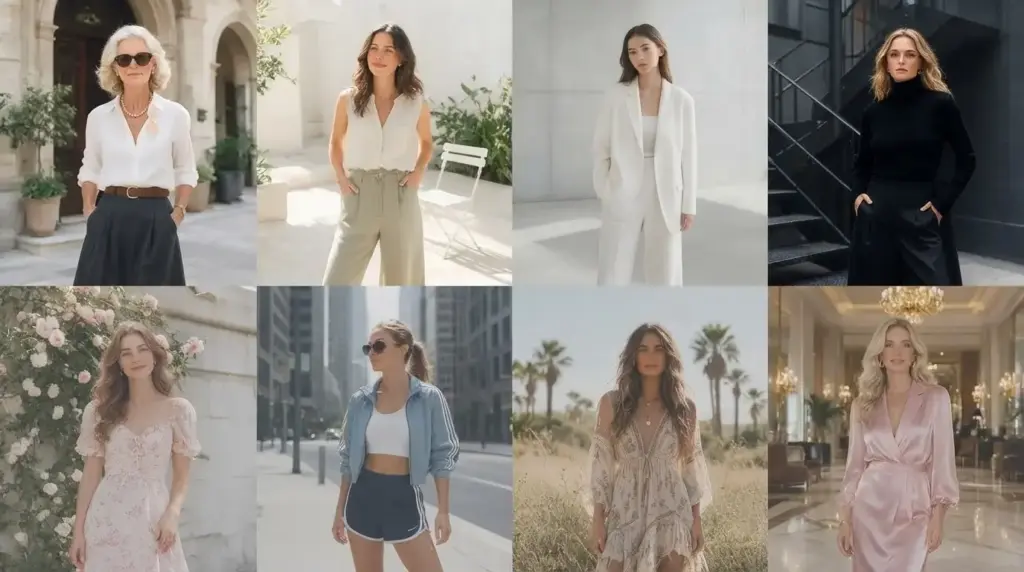
A better choice is soft sleeves, flutter sleeves, or relaxed cuts that allow movement. Light fabrics that drape instead of cling help balance this area.
Fabrics that work well here: jersey, washed linen, silk charmeuse, or any material that falls away from the arm rather than gripping it. Avoid ponte, thick cotton poplin, or any structured weave
2. Waist and Midsection
Weight around the waist tends to show as a gentle thickening rather than a loss of shape. The waist is still there, but it does not look sharply defined.
Very tight or structured clothing can make this area feel boxed in and uncomfortable. Instead, soft waist definition works much better.
Wrap dresses, elastic waists, or lightly tailored pieces give shape without forcing it. Midweight fabrics that skim the body help create a smoother look.
The idea is to suggest the waist, not squeeze it into a strict outline.
3. Hips and Thighs
The hips and thighs hold weight in a soft and blended way, keeping the body balanced from top to bottom.
There is no extreme contrast, which makes the silhouette look naturally even.
Tight bottoms or stiff denim can highlight heaviness in this area, while relaxed fits create a better flow. Straight leg pants, soft wide leg styles, and mid-rise jeans work well here.
Fabrics with a bit of movement help avoid a heavy look. Keeping the lower half comfortable and fluid supports the overall balance of the body.
4. Face and Jawline
Weight gain often shows in the face through fuller cheeks and a softer jawline. This creates a rounded and approachable look that matches the rest of the body.
Styling can help keep the face looking fresh and balanced. Open necklines, soft collars, and slightly longer earrings can add length visually.
Avoid very tight or high necklines that crowd the face, and light layering near the neckline also helps.
The goal is to keep the area open and soft so the natural features remain the focus without feeling heavy.
How Weight Distribution Affects Overall Shape?
Weight distribution in soft naturals creates a shape that looks smooth and blended rather than sharp or highly defined.
There are no harsh angles, and the body often appears softly wide instead of structured.
This is why very stiff or tailored clothing can feel out of place, as it fights against the natural flow of the body.
I have noticed that when Soft Natural body types in girls wear rigid pieces, they make their bodies look heavier instead of balanced.
Softer fabrics and relaxed shapes work much better. This understanding makes it easier to move into styling choices that support comfort, movement, and a natural silhouette.
Styling Tips to Balance Weight Gain Areas
Dressing a Soft Natural becomes much easier when the focus is on balance and flow. Since weight appears softly across the body, the goal is to guide the eye smoothly instead of creating harsh lines. Small styling choices can make a big difference in how the overall shape looks.
- Use vertical elements: Long lines like open cardigans, vertical seams, or longer tops help create length and reduce the appearance of width.
- Choose fabrics with movement: Soft, lightweight materials that move with the body keep the look natural and prevent areas from feeling heavy.
- Keep open necklines: Slimming necklines like scoop, V-neck, or open collars create space around the upper body and draw attention upward.
- Define the waist gently: Use wrap styles or relaxed tailoring to suggest shape without tightening the midsection too much.
- Balance top and bottom: Pair slightly fitted pieces with relaxed ones to maintain an even and natural silhouette.
Conclusion
Understanding where Soft Naturals Gain Weight and how to Dress Well makes a real difference in how outfits look and feel every day.
Weight gain in this body type is natural and follows a soft, balanced pattern, so there is no need to fight it.
I have found that comfort and natural flow always lead to better styling choices than forcing structure.
Dressing well comes down to working with your body, not against it. Soft shaping, relaxed fits, and balanced outfits bring out the best results without effort.
Try these tips with your own wardrobe and notice the difference.
Have you noticed these patterns in your own body or styling choices? Share your experience in the comments.
Frequently Asked Questions
What Role Do Accessories Play for Soft Naturals?
Accessories should feel relaxed and not too sharp or heavy. Rounded shapes, slightly chunky but soft designs, and natural textures work best. Overly delicate or very sharp accessories can look out of place.
Are Patterns and Prints Suitable for Soft Naturals?
Yes, but softer and blended prints work better than sharp or very geometric patterns. Natural, slightly irregular designs complement the body’s softness and keep the overall look balanced.
Which Celebrities Are Considered Soft Naturals?
Common examples include Jennifer Aniston, Scarlett Johansson, and Drew Barrymore. They are often associated with the body type based on their balanced shape, soft curves, and slightly broad structure.