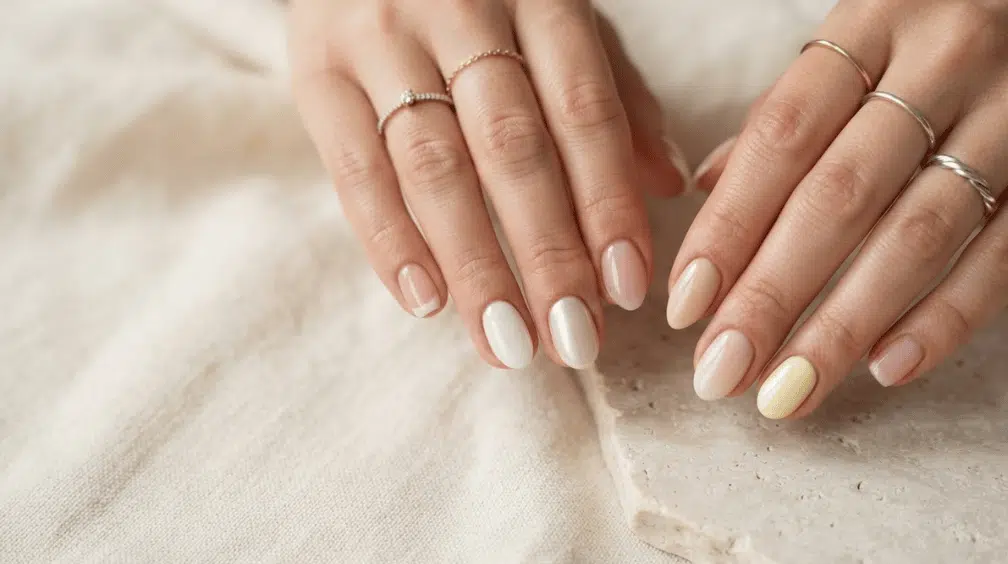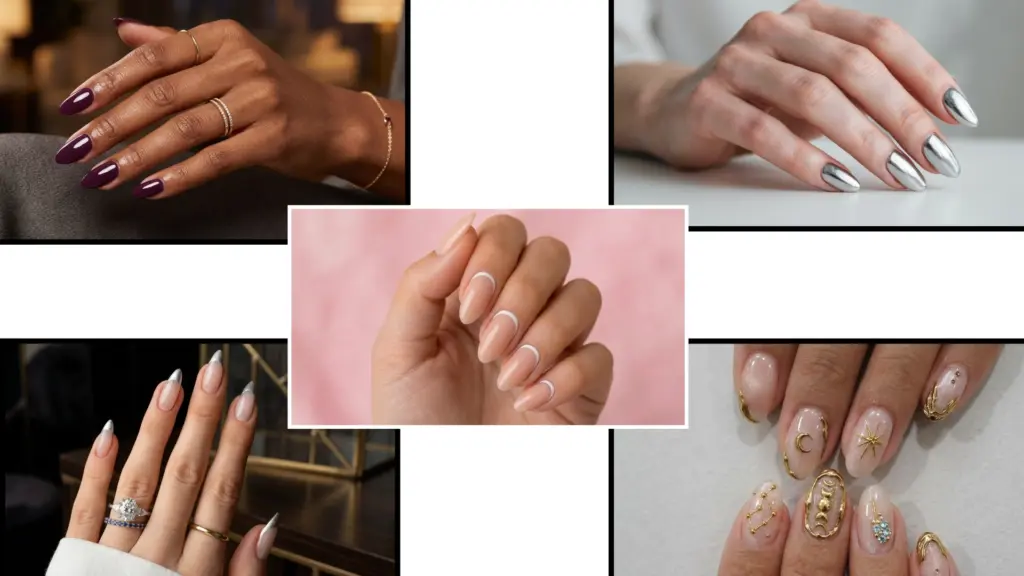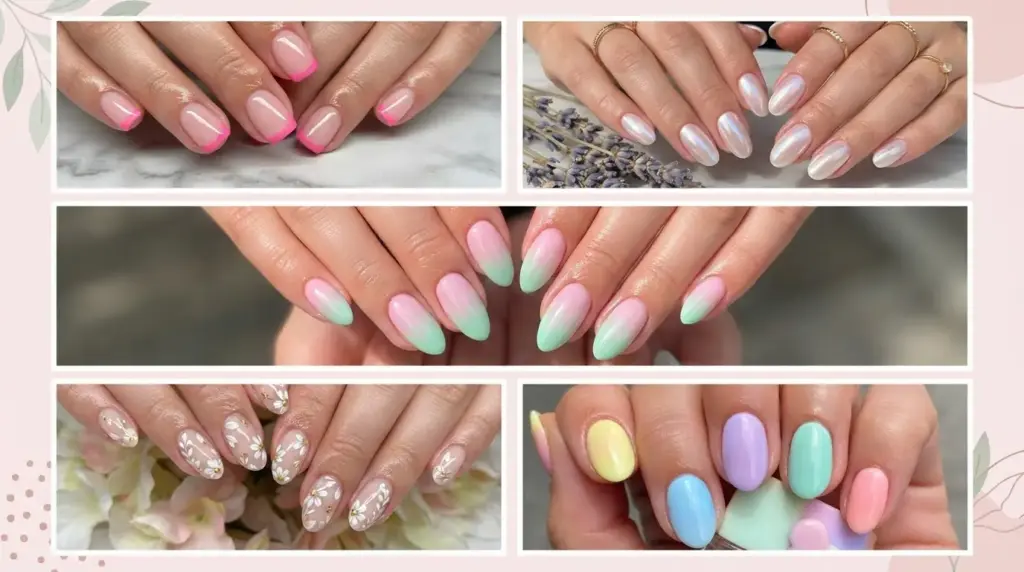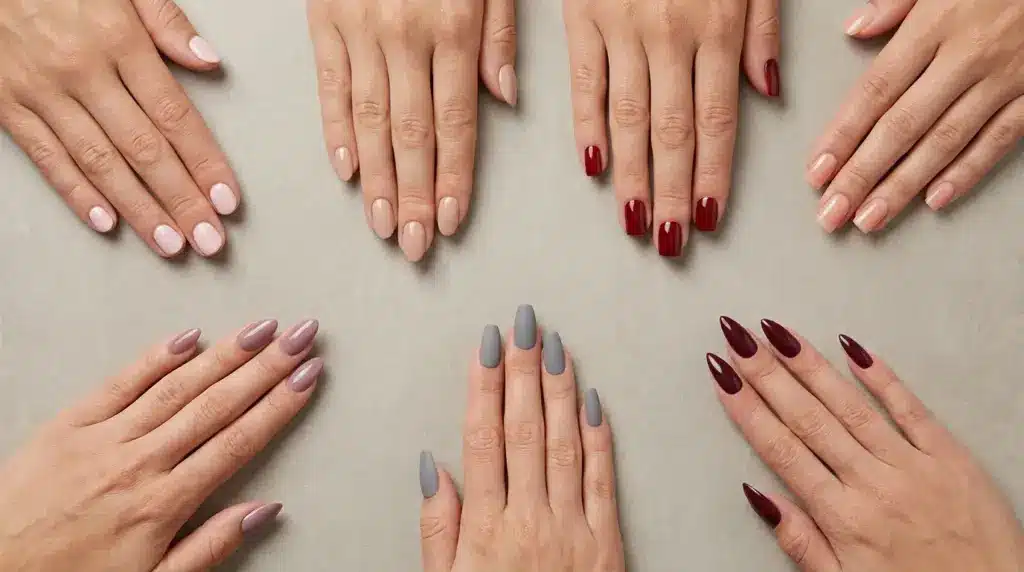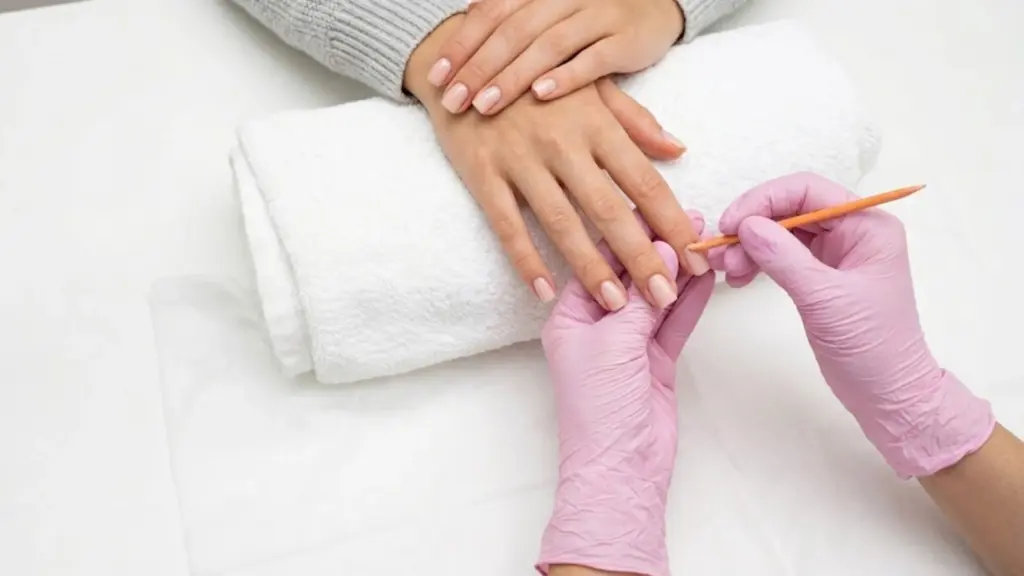
Choosing a nail look gets easier when you can see how each style works. Some looks feel soft and natural, while others look bold, glossy, or more dressed up.
Photos matter here because small changes in shape, length, color, and finish can change the whole mood of a manicure.
This blog on types of nails and types of manicures will help you compare the most common styles without making it confusing.
Ahead, you will see popular nail shapes, manicure styles, and nail finishes with simple image ideas.
You will also get a clear idea of what each look is best for, whether you want something for daily wear, a clean salon look, a special event, or a style that stands out more in photos.
Types of Nails by Shapes
Nail shapes define the overall outline of your nails and can subtly change how your hands look, from soft and natural to bold and dramatic.
1. Round Nails
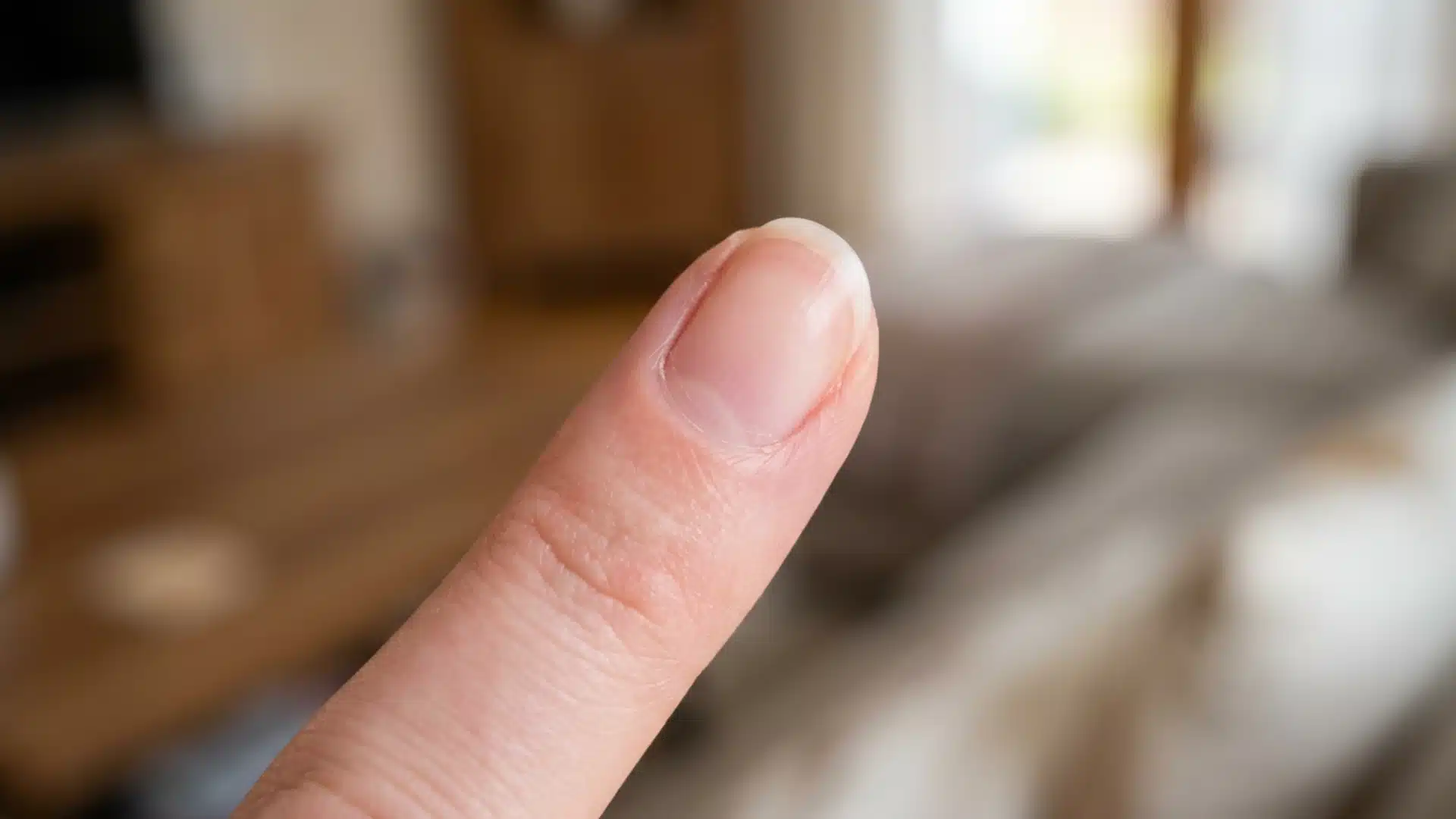
Round nails follow the natural curve of the fingertip and are one of the easiest shapes to maintain. The sides are gently rounded with no sharp edges, making them practical for everyday life.
This shape is ideal for people who prefer short, natural-looking nails or who work with their hands frequently. Because there are no sharp corners, round nails are less likely to snag or break.
They are also a great choice for strengthening natural nails since the curved edge reduces pressure on weak points.
2. Square Nails
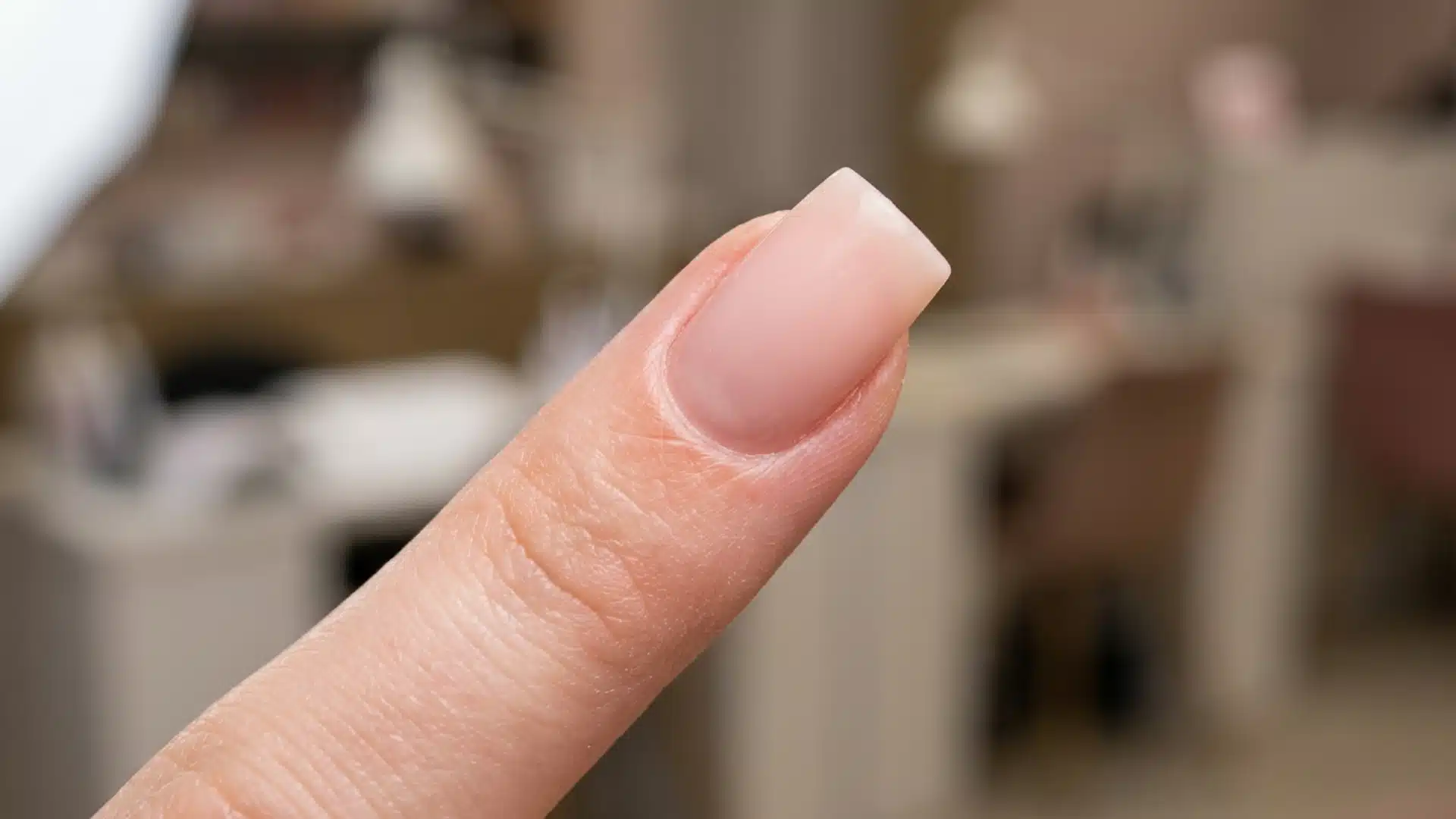
Square nails are defined by straight side walls and a flat, sharp tip. This creates a bold, structured appearance that feels modern and clean.
They work especially well on longer fingers because the straight edges can sometimes make shorter fingers appear wider. Square nails are easy to maintain at home since filing is straightforward.
It also gives a strong, polished look that pairs well with both simple and detailed nail designs.
3. Squoval Nails
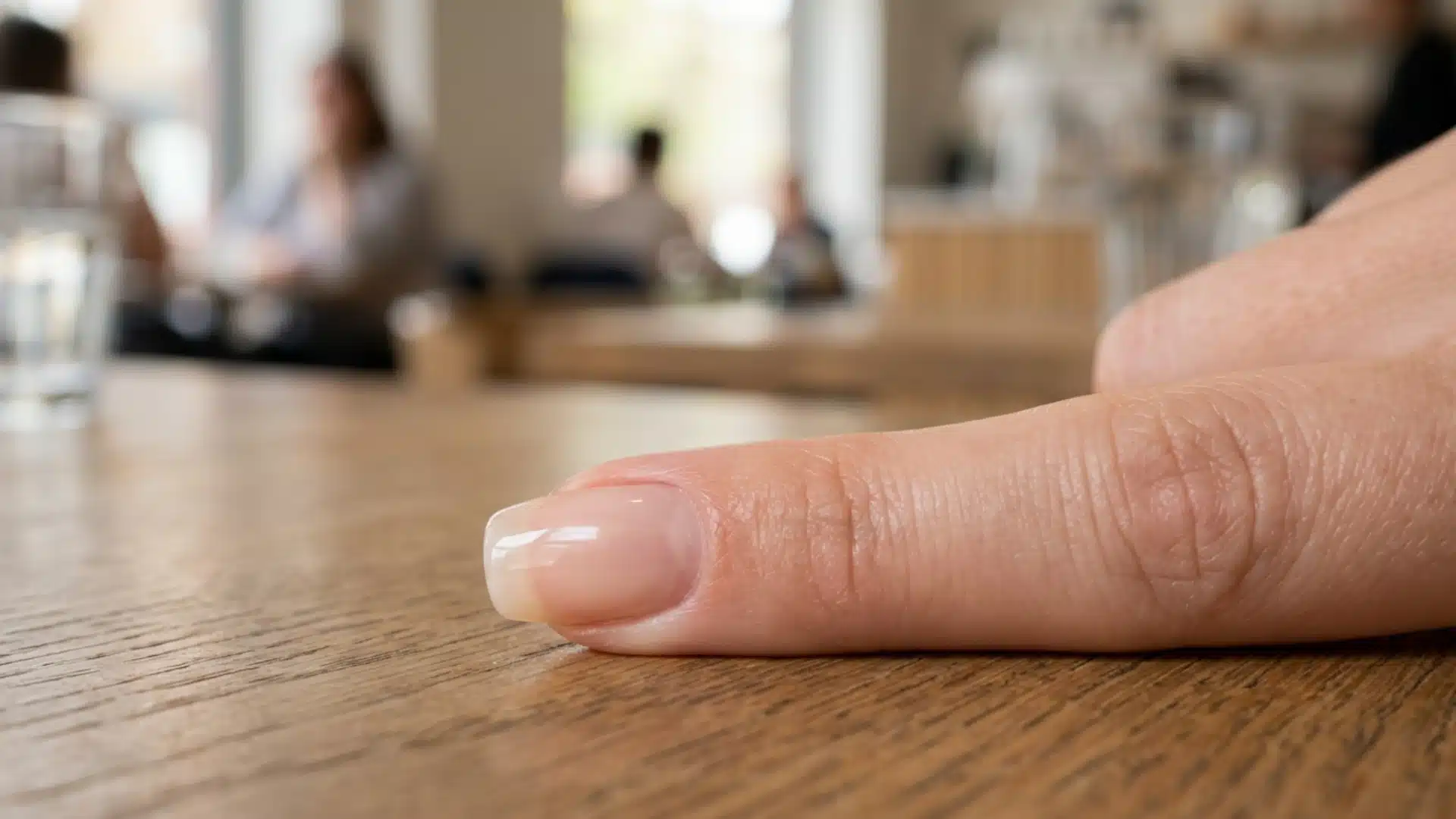
Squoval nails combine the structure of square nails with the softness of oval edges. The tip is flat and square, but the corners are rounded off to reduce sharpness.
It is practical, durable, and suitable for almost all nail lengths. Many nail technicians recommend squoval nails for first-time clients because they are stylish without being high-maintenance.
Squoval shape also reduces breakage, making it one of the most wearable everyday options.
4. Oval Nails
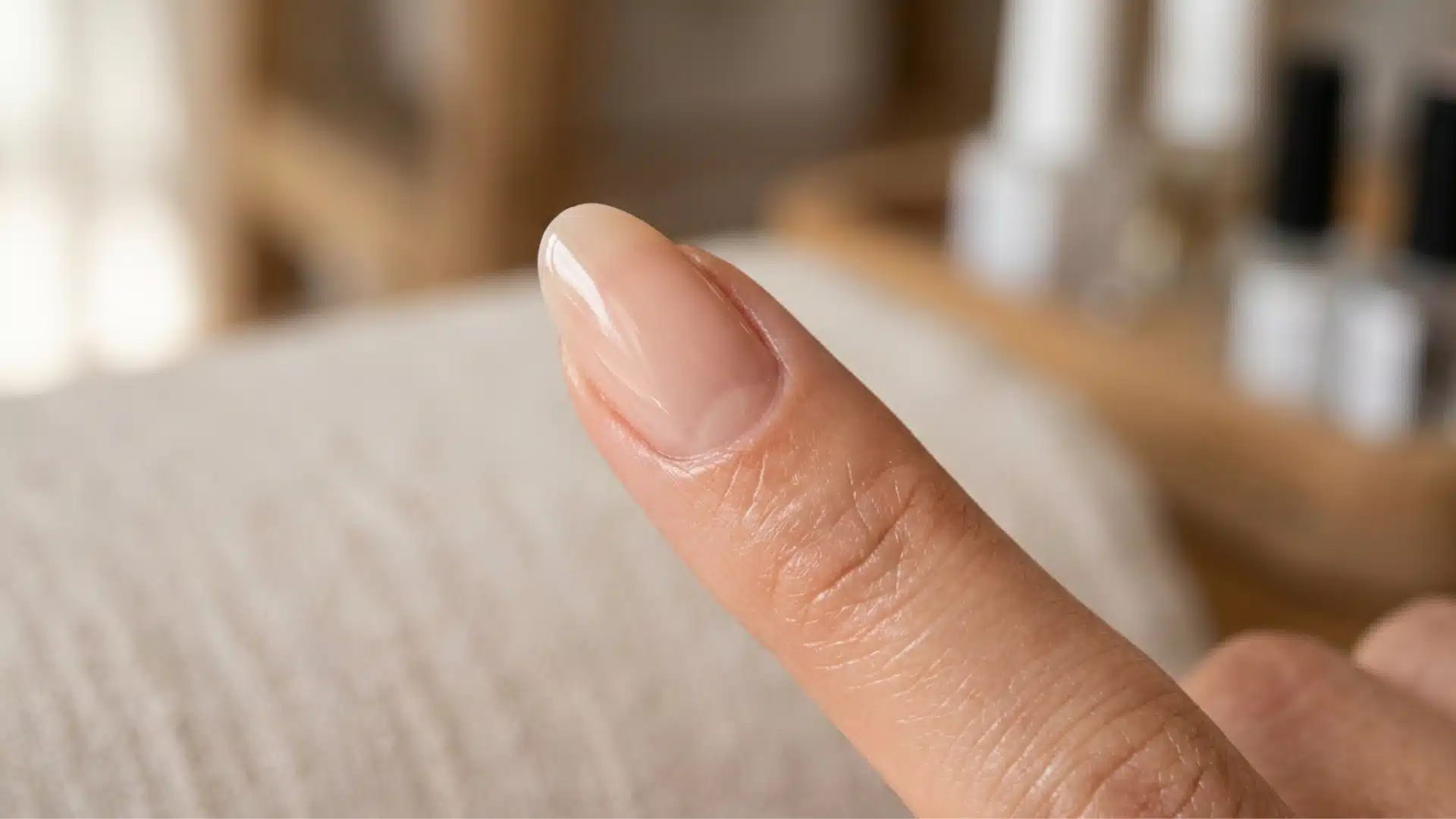
Oval nails are gently tapered along the sides, with a rounded tip that closely follows the natural shape of the fingertip. This creates an elongated and elegant appearance.
They are especially flattering for shorter or wider nail beds because they visually slim and lengthen the fingers. However, oval nails require some care, as the tapered sides can be weaker if the natural nail is thin.
These nails also transition well into other shapes if you decide to grow or reshape your nails later.
5. Almond Nails
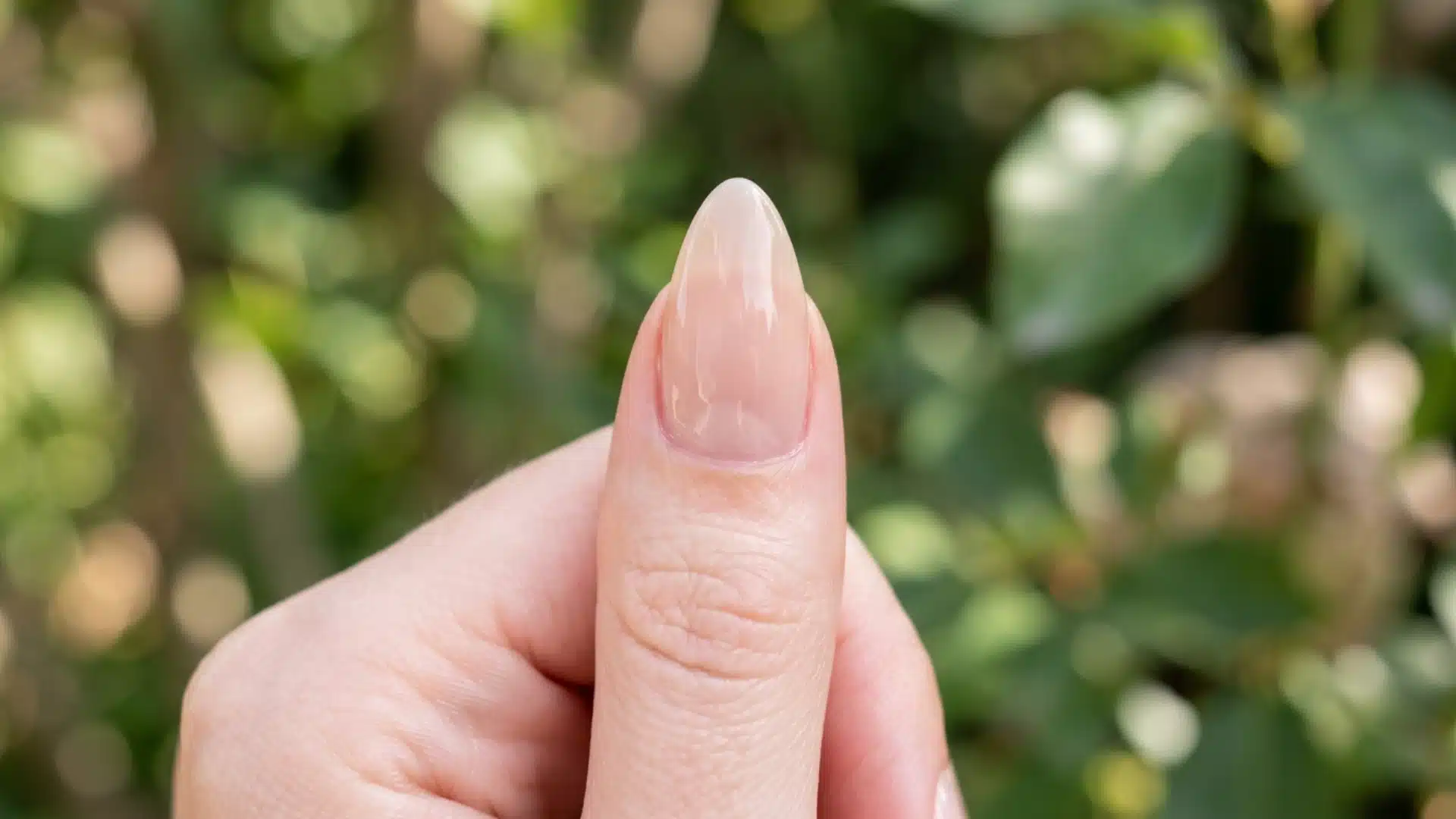
Almond nails are similar to oval nails but more tapered, ending in a soft peak. The shape resembles an almond, which is where the name comes from.
Almond nails are often chosen for gel or acrylic extensions since natural nails alone may not be strong enough to maintain the shape without breaking.
Moreover, they are highly popular for their slimming effect and soft, feminine finish.
6. Coffin Nails (Ballerina Nails)
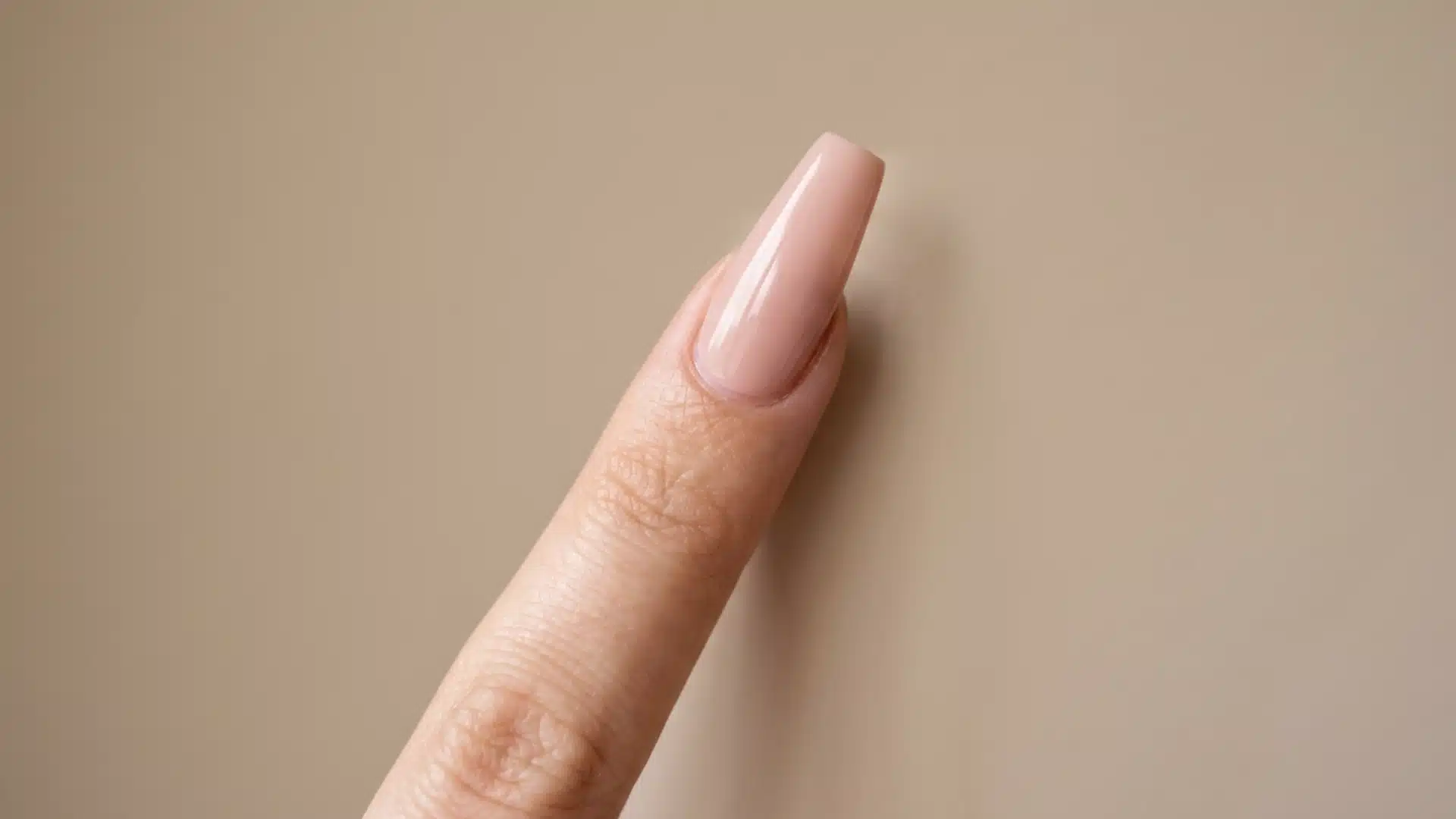
Coffin nails are long, tapered nails that end with a flat, squared-off tip. The shape resembles a coffin or a ballerina slipper, which gives it its two common names.
This shape is especially popular for nail art because the flat surface provides a large canvas. Coffin nails are almost always created with acrylic or extensions, as they require length and strength to maintain their structure.
They are often chosen for bold, trendy looks that stand out on social media.
7. Stiletto Nails
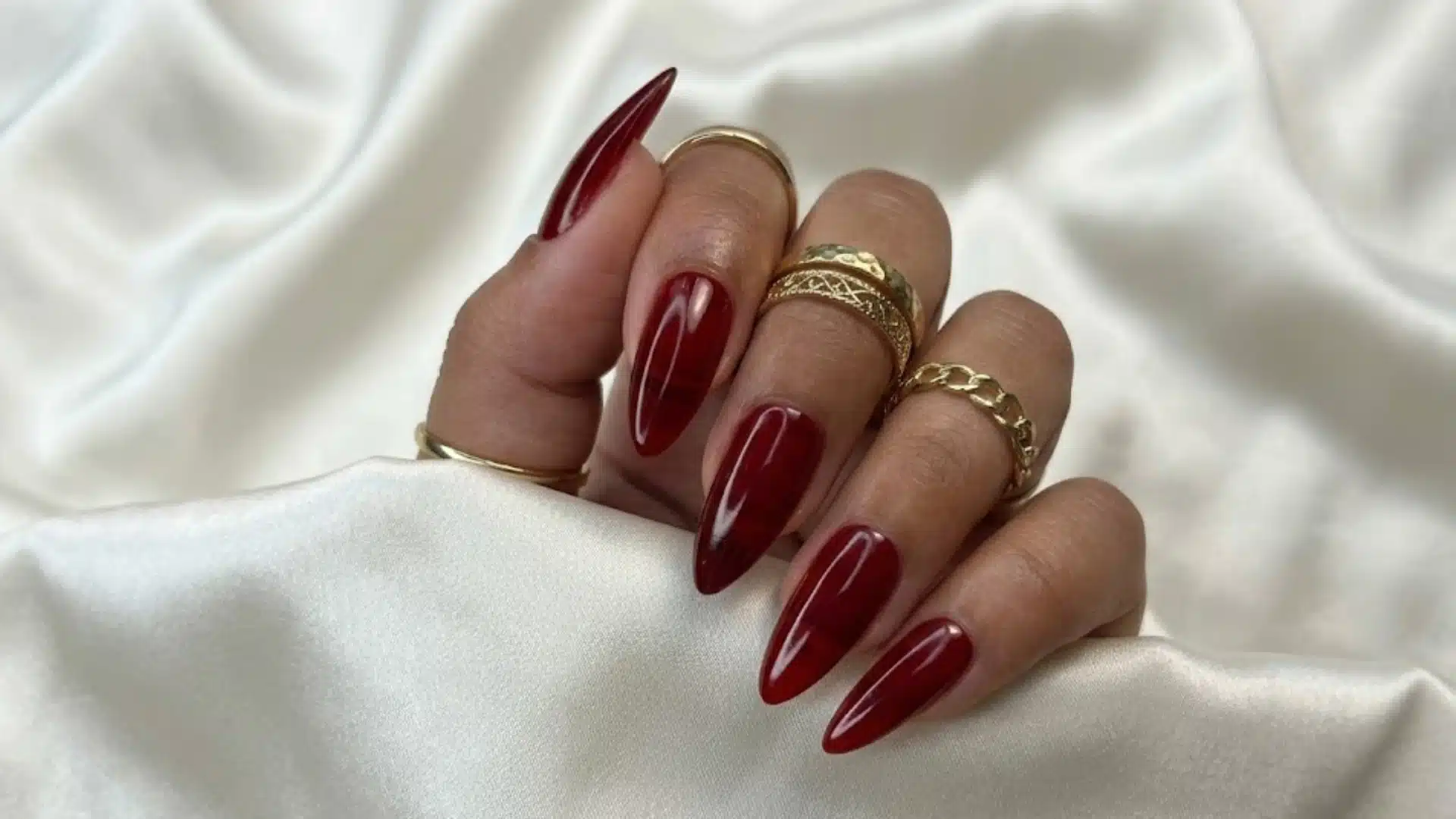
Stiletto nails are long, narrow, and sharply pointed. They are one of the most dramatic nail shapes and are designed to stand out.
They visually elongate the fingers and are often used for fashion-forward or editorial looks. However, they are not practical for everyday tasks and are prone to breaking if not reinforced with acrylic or hard gel.
These nails are best suited for special occasions or statement nail styles rather than daily wear.
Main Types of Nails by Base Material
The main types of nails usually refer to the base used for a manicure. Some people keep their natural nails, while others choose acrylic, gel, dip powder, press-on nails, or builder gel for more length, strength, or style.
| Nail Type | What It Means | Best For |
|---|---|---|
| Natural nails | Your own nails shaped, cleaned, and polished | Simple everyday manicures |
| Acrylic nails | Nail extensions made with acrylic powder and liquid | Long nails and bold designs |
| Gel nails | Gel polish or gel structure cured under a nail lamp | Glossy color and lasting shine |
| Dip powder nails | Powder color layered over the nail for a smooth finish | Strong color and durable wear |
| Press-on nails | Ready-made nails attached with glue or adhesive tabs | Quick style changes at home |
| Builder gel nails | A thicker gel is used to add strength and light structure | Protecting and growing natural nails |
Manicure Types and What Makes Each One Different
A manicure type refers to the product and application method used on the nail. Each one has a different wear time, removal process, and level of commitment.
1. Classic Polish
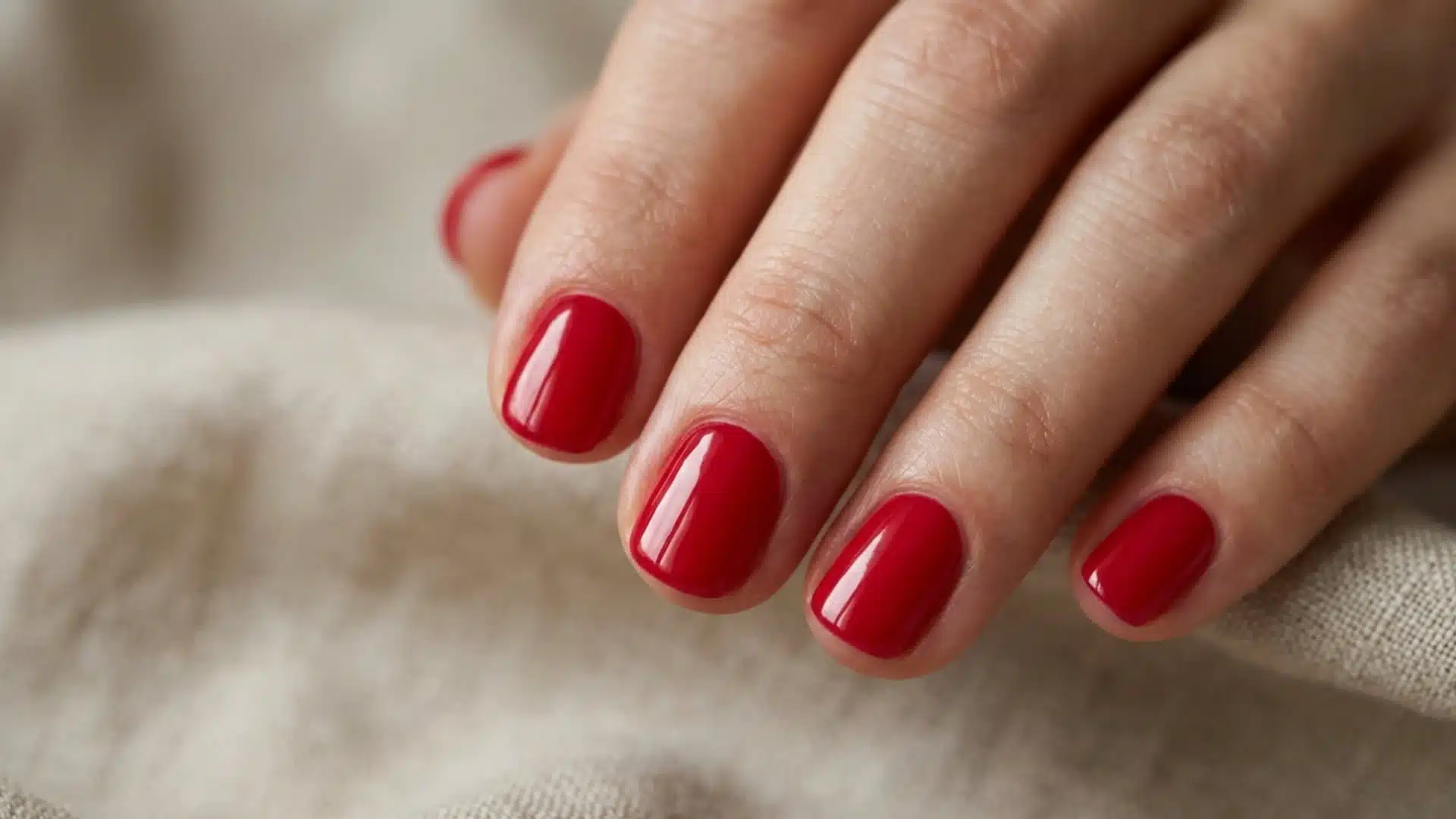
Classic polish is standard nail lacquer applied over a base coat and sealed with a top coat. It air-dries, requires no lamp, and lasts about 5 to 7 days before chipping.
It’s the gentlest option on natural nails and the easiest to remove at home with standard remover.
A good starting point if you’re new to manicures or want something low-commitment between salon visits.
2. French Manicure
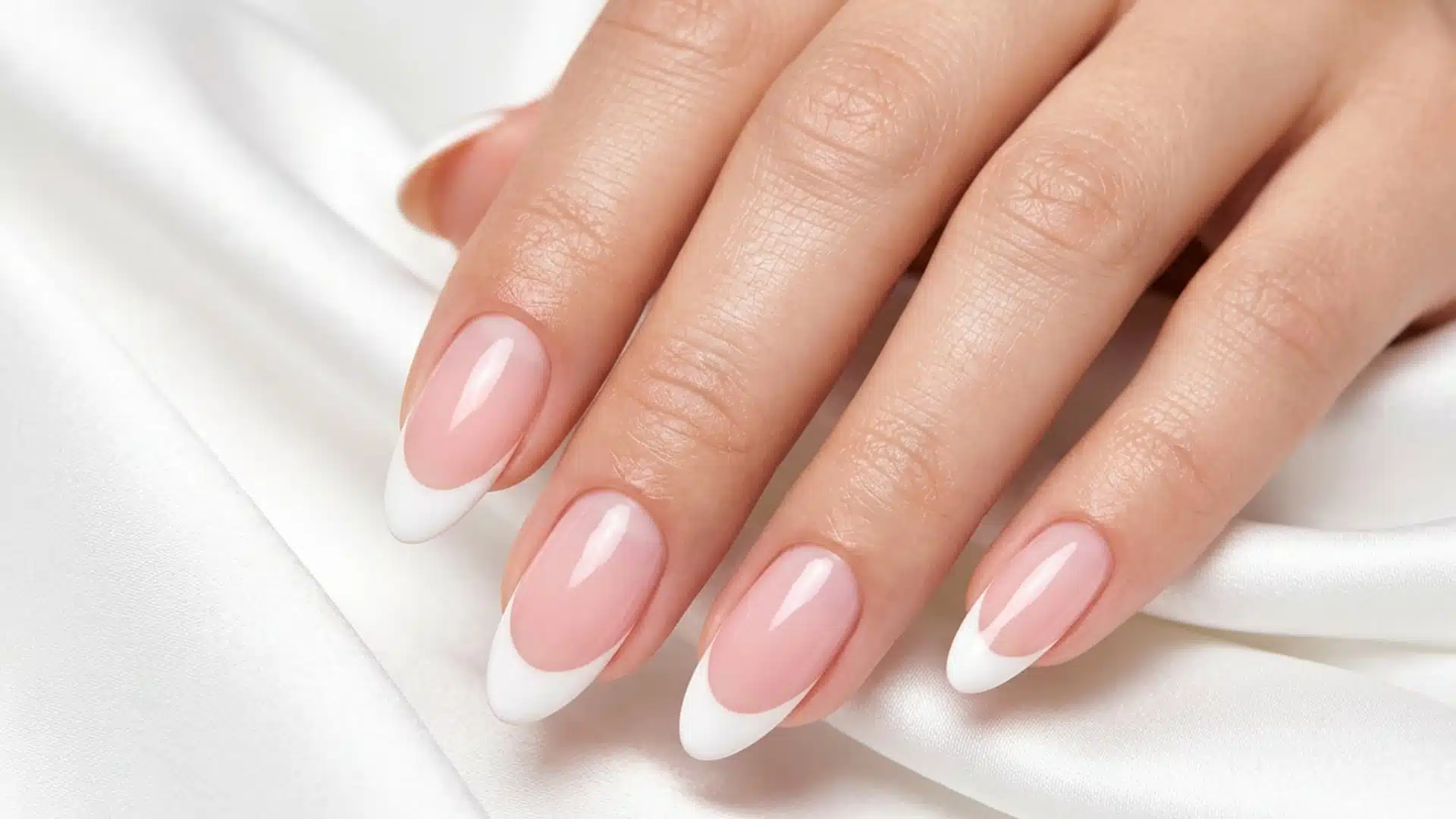
A French manicure is a finish style, not a separate product.
It uses a nude or sheer base with a white or softly colored tip to create a clean, elongated look. It can be done in regular polish, gel, or acrylic.
Oval and squoval shapes suit it best because the tip line follows the natural nail curve. It reads as polished without being loud, which is why it never fully goes out of rotation.
3. Gel Manicure
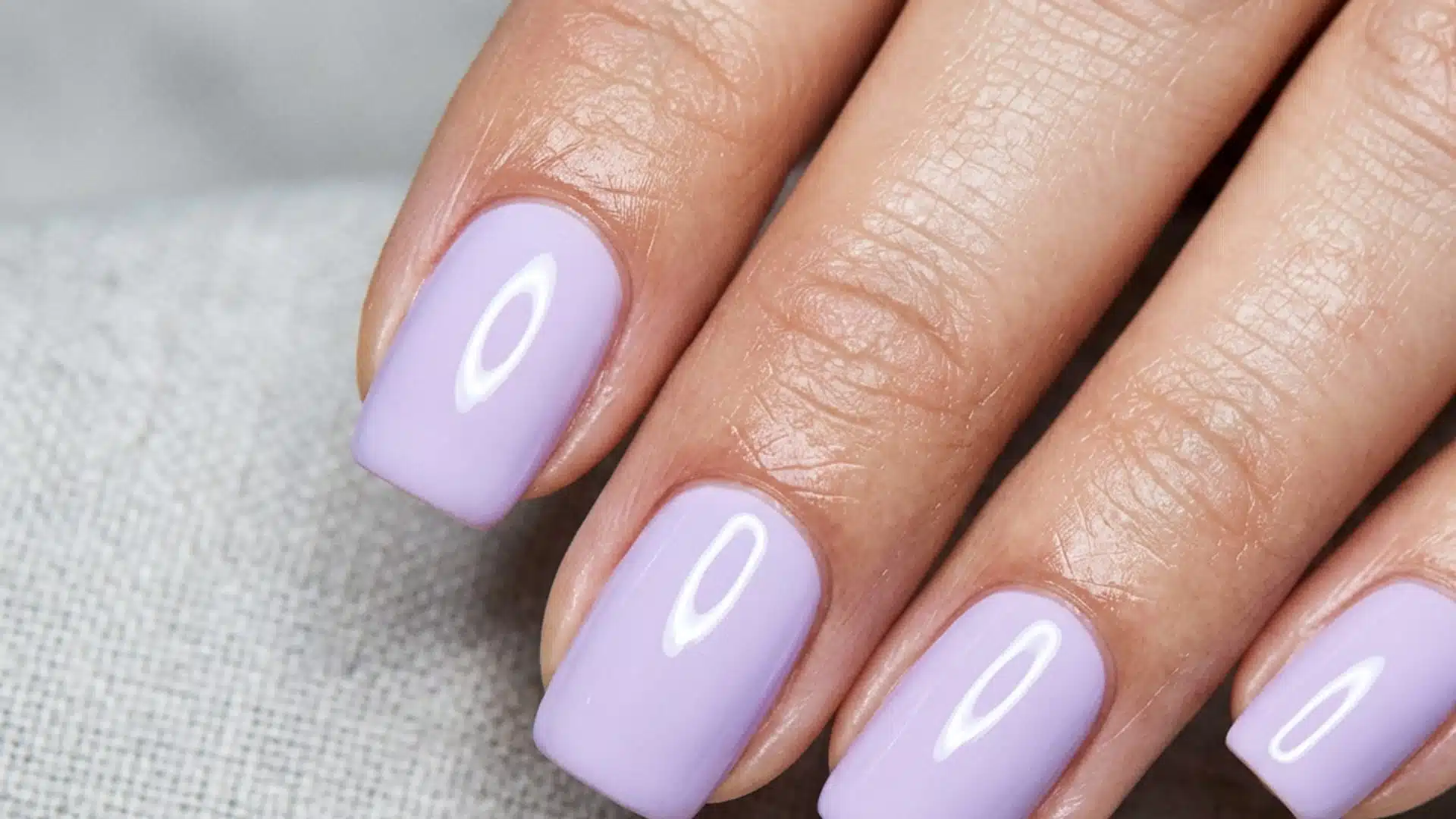
Gel polish is cured under a UV or LED lamp and lasts two to three weeks with strong chip resistance.
The finish stays glossy throughout the wear period, which regular polish rarely does past day five.
Removal requires soaking in acetone, so it’s worth doing at a salon to avoid thinning the nail plate.
For a side-by-side look at how it compares to regular lacquer, the post on gel vs regular polish breaks it down clearly.
4. Acrylic Manicure
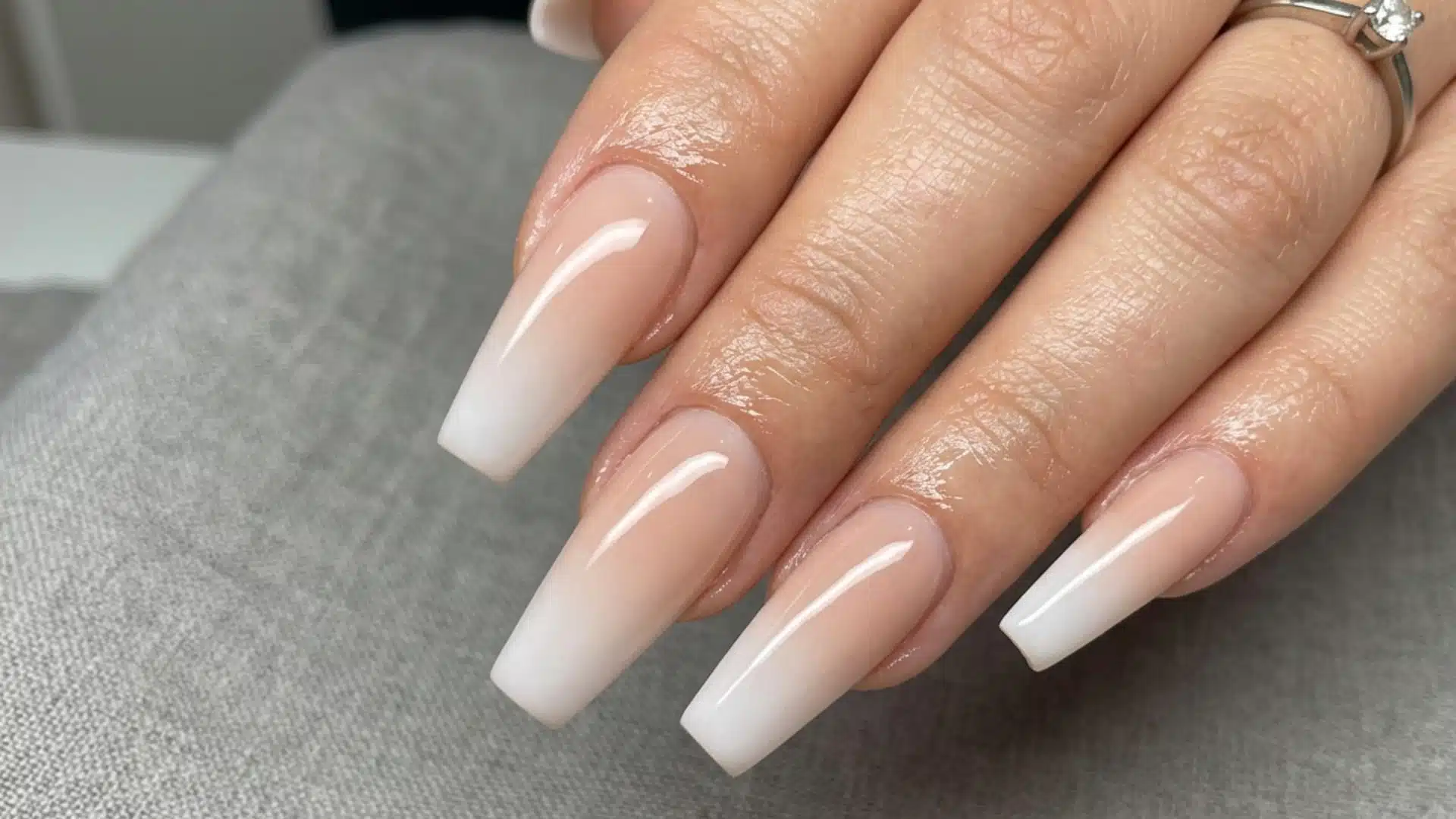
Acrylics use a mix of liquid monomer and powder polymer sculpted directly over the natural nail or a tip to add length and structure.
They’re the standard choice for coffin, stiletto, and flare shapes because the product hardens firm enough to hold the form.
Fills are needed every two to three weeks as the natural nail grows. The acrylic nail lifespan post covers timing and fill cycles in detail.
5. Dip Powder Manicure
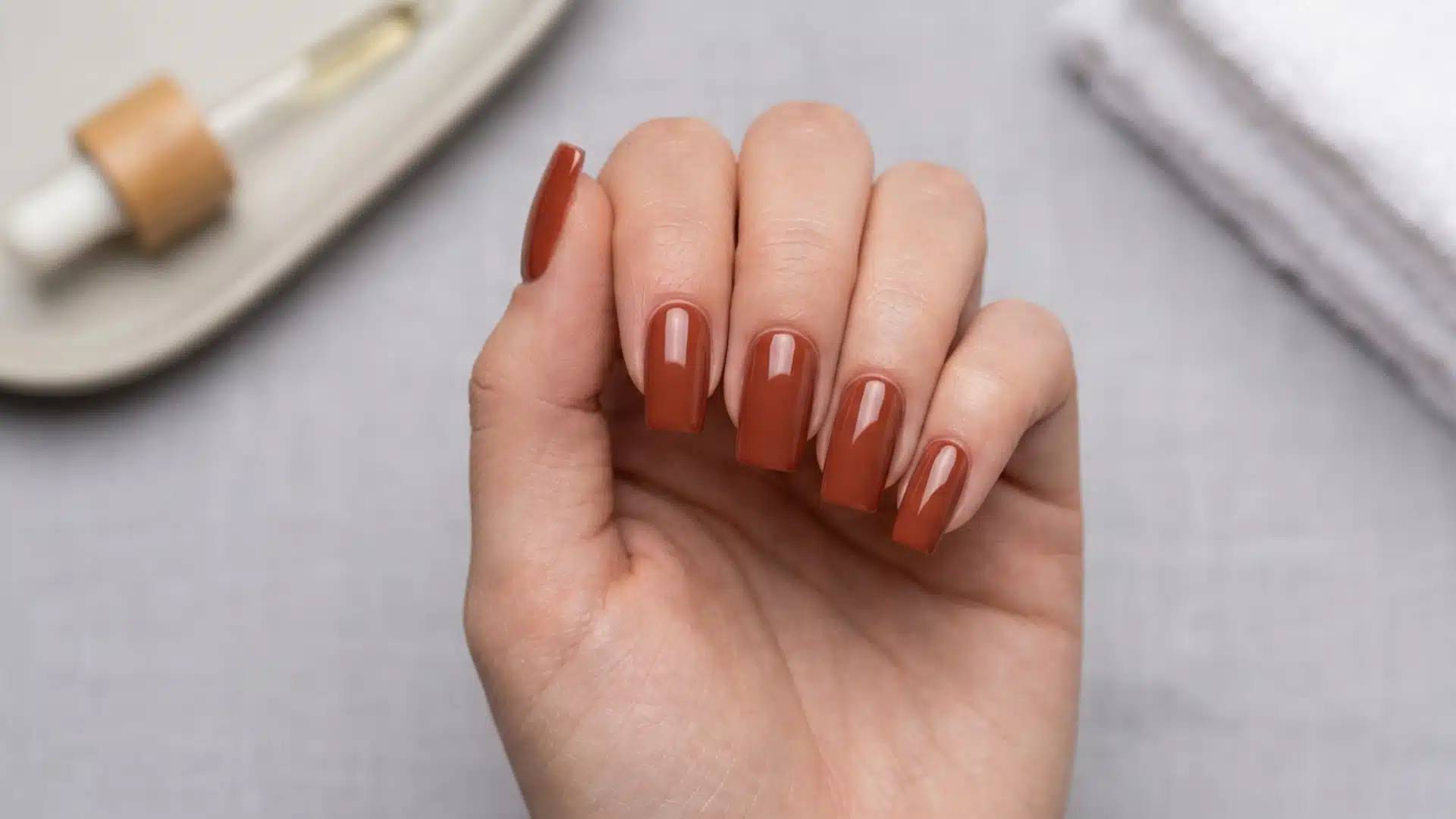
Dip powder involves coating the nail in a bonding liquid, dipping it into colored powder, and sealing with a resin topcoat.
No lamp is needed. It lasts three to four weeks and tends to feel lighter on the nail than acrylic.
The finish is matte before the topcoat and glossy after.
Many clients prefer it over gel for longer wear without the UV exposure, though removal still requires an acetone soak.
6. Polygel Manicure
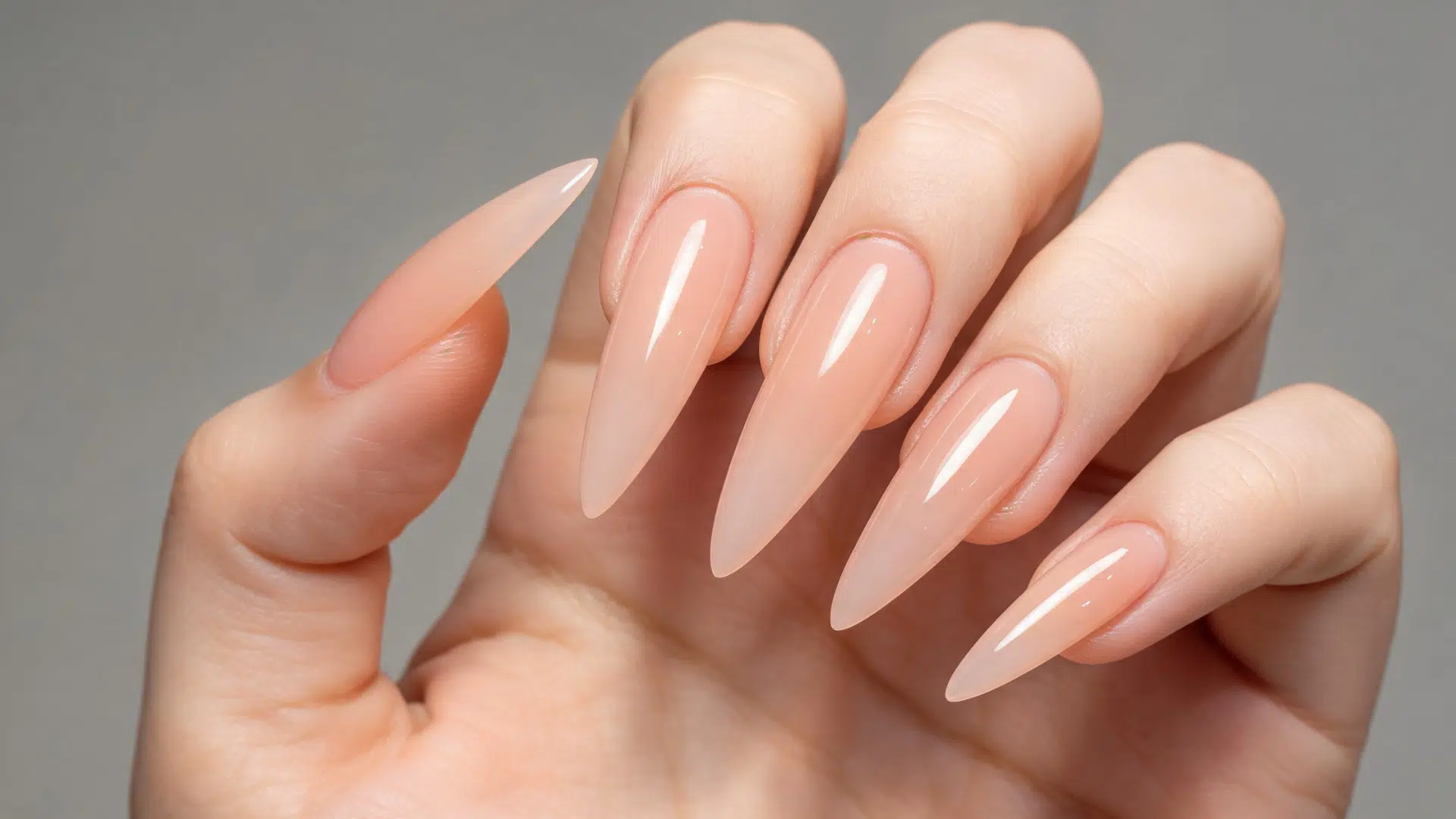
Polygel is a hybrid product that combines the strength of acrylic with the flexibility of gel.
It comes in a thick, putty-like consistency that’s easy to shape and control, and it doesn’t harden until cured under a lamp.
It’s lighter than traditional acrylic, has no strong odor, and works well for extensions where clients want structure without heaviness.
A good middle-ground option for anyone who finds acrylics too rigid.
7. Builder Gel Manicure (BIAB)
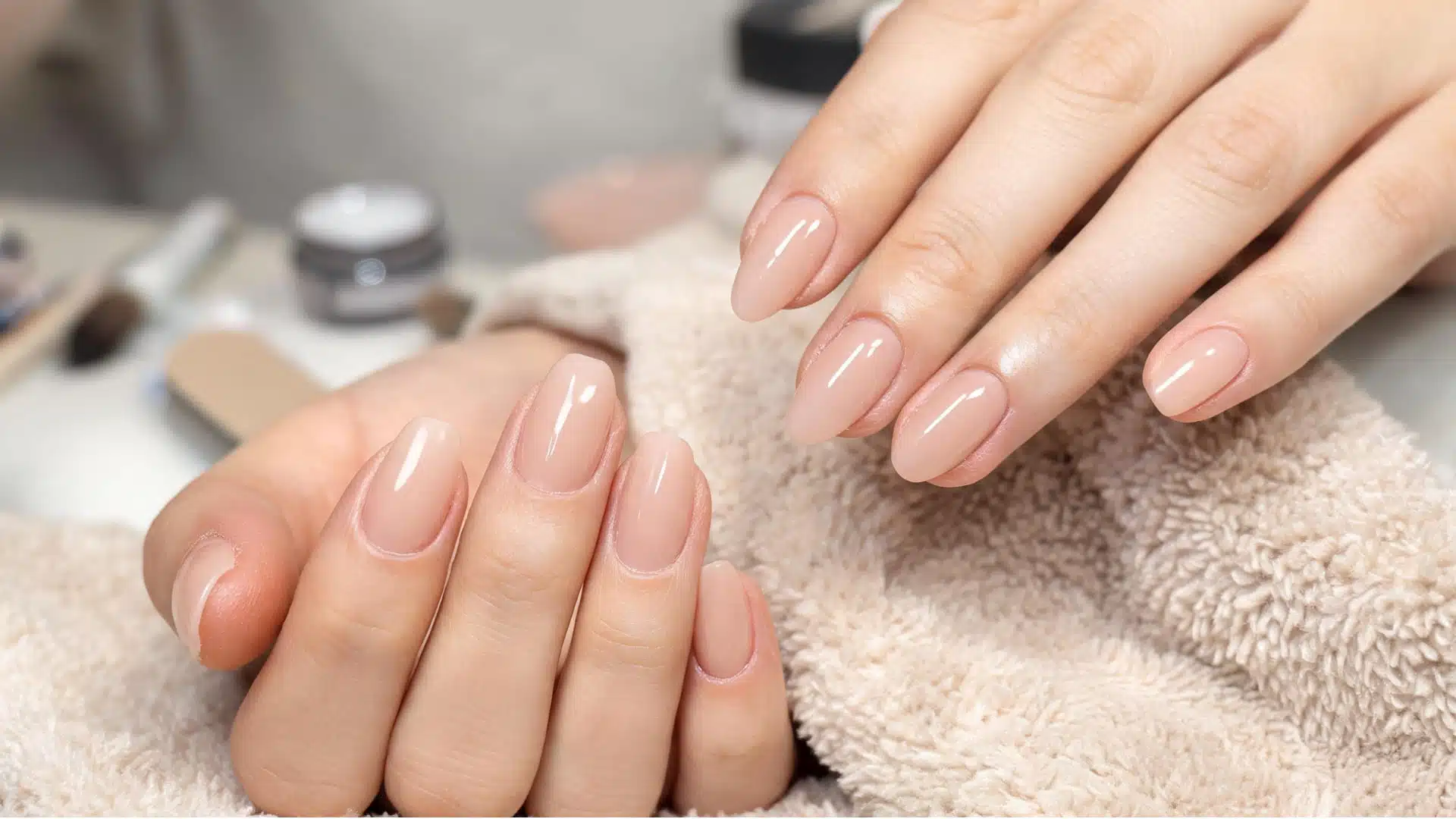
Builder gel, often called BIAB, is a thicker gel formula used to strengthen or lightly extend the natural nail.
It doesn’t add dramatic length but creates a protective layer that reduces breakage on brittle nails. It cures under a lamp like regular gel and lasts for two to three weeks.
I reach for this with clients who want their natural nails to grow out without snapping, rather than those looking for a full extension set.
8. Shellac
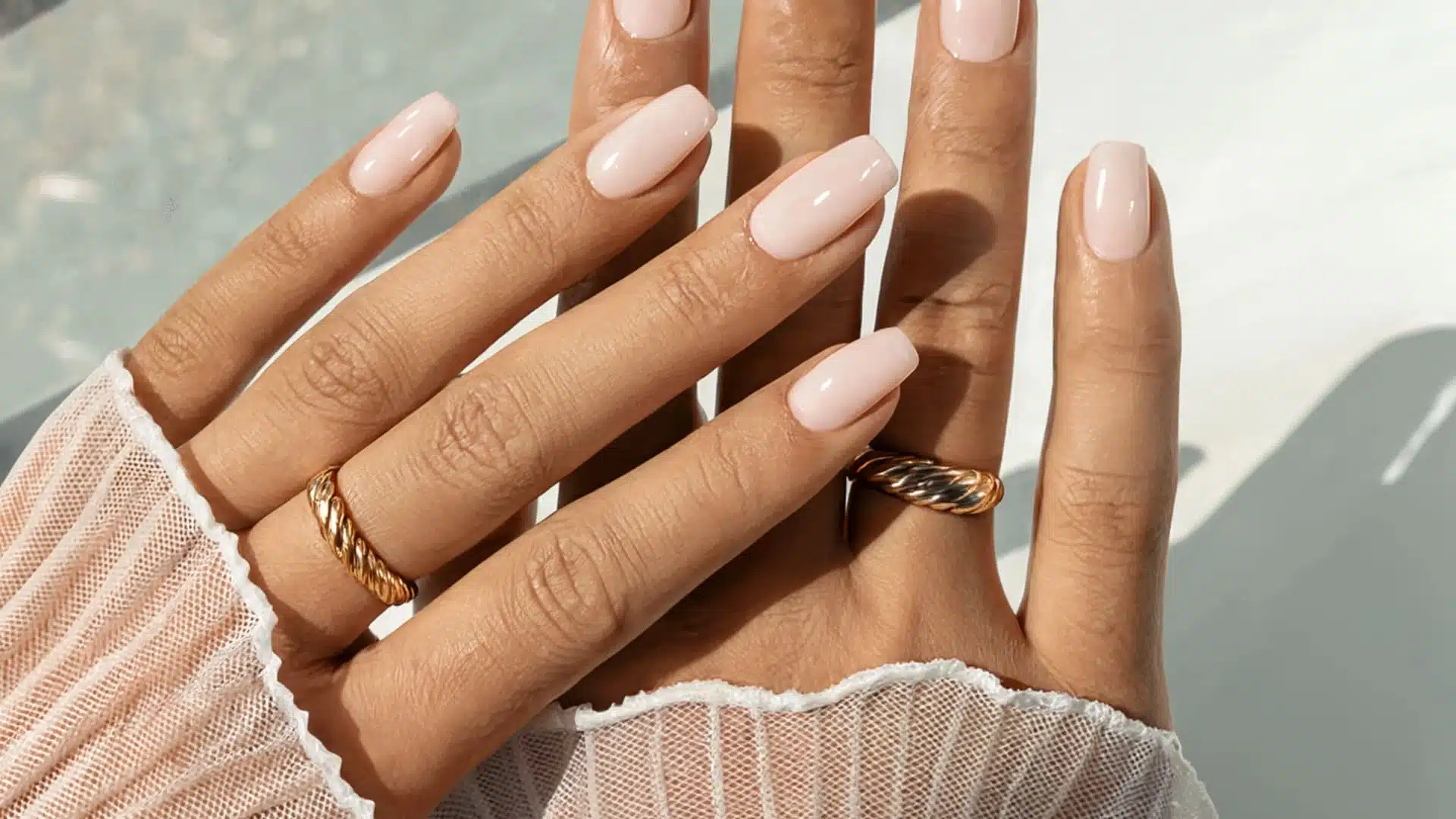
Shellac is a gel-polish hybrid developed by CND. In salons, the word is often used as a general term for any gel manicure, but technically it refers only to CND’s specific formula.
It’s applied and cured the same way as gel polish, lasts around two weeks, and removes cleanly with acetone.
If your salon lists shellac on the menu, it’s effectively a gel finish with CND products, not a meaningfully different category.
Nail Finishes that Change the Whole Look
Shape and manicure type are only part of the picture. The finish of the surface texture applied over the color changes how a set actually looks in photos and in person. These are the four most common finishes.
| Finish type | What it looks like | Best for |
|---|---|---|
| Glossy | High-shine, reflective surface | On any occasion, the standard salon finish |
| Matte | Flat, no-shine surface | Modern and office-appropriate looks |
| Chrome / metallic | Mirror-like shine in silver, gold, or rose gold | Bold statements and special occasions |
| Glazed donut | Subtle iridescent shimmer over nude tones | Minimalist, everyday glam |
How to Pick the Right Nail Shape for Your Hands?
Nail shape is less about trends and more about proportion.
Short or wide nail beds suit round and oval shapes best, as both shapes draw the eye upward and create the illusion of length.
Squoval works well here too since the softened corners avoid adding extra width. Long or narrow nail beds are more flexible, though almond and coffin tend to look the most balanced.
Short fingers benefit from oval and almond, both of which add perceived length without going dramatic.
Long fingers can carry almost anything, including a stiletto, an arrowhead, and a flare, without the shape overpowering the hand.
The simplest rule is to think about what your hands actually look like at rest, not just in photos.
Common Nail Shape Mistakes to Avoid
Small filing and shape decisions have a bigger impact than most people expect. These are the ones worth knowing before you sit down in the chair.
- Choosing a length your lifestyle won’t support: Stiletto looks incredible but makes typing and daily tasks genuinely hard.
- Ignoring nail bed width: Square and coffin shapes can widen the nail bed. Oval and almond shapes create a sense of length instead.
- Skipping fills on extended shapes: Lifted edges let moisture in, which leads to breaks or infection.
- Filing in both directions: Back-and-forth weakens the nail edge. Always file in one direction.
- Going too long for a first set: Start shorter than you think you want. You can always go longer next time.
Conclusion
Nails are one of the small things that can make you feel pulled together without much effort.
Once you know your shapes and understand what each manicure type actually does, every salon visit gets easier.
No more going blank when someone asks what you want, and no more ending up with a set that looks great in the chair but doesn’t suit your hands or your week.
If you’re just starting out, squoval or oval in a gel finish is a solid place to begin.
And if you’ve been wearing the same shape for years, it might be worth trying something slightly different next time.
Small changes are easy to reverse, and you might find something that suits you better. Drop your current favorite nail shape in the comments.
Frequently Asked Questions
What is the Most Low-Maintenance Nail Shape?
Round and oval are the easiest to maintain. Both shapes file close to the natural nail contour, so they’re less likely to catch on things and easier to touch up between visits. Short round nails are a particularly good choice if you’re hard on your hands.
Which Nail Shape Makes Fingers Look Longer?
Oval and almond are the most effective for creating the illusion of length. Both taper toward the tip, drawing the eye upward and making fingers appear slimmer. Squoval works as a softer alternative if you want some elongating effect without a fully tapered shape.
How Often Should I Change My Manicure Type to Protect Natural Nails?
There’s no fixed rule, but an occasional break between gel or acrylic sets is worth building in. A week or two with regular polish or a strengthening base coat lets the nail plate recover. Thinning or peeling after removal is a clear sign to take a longer rest.