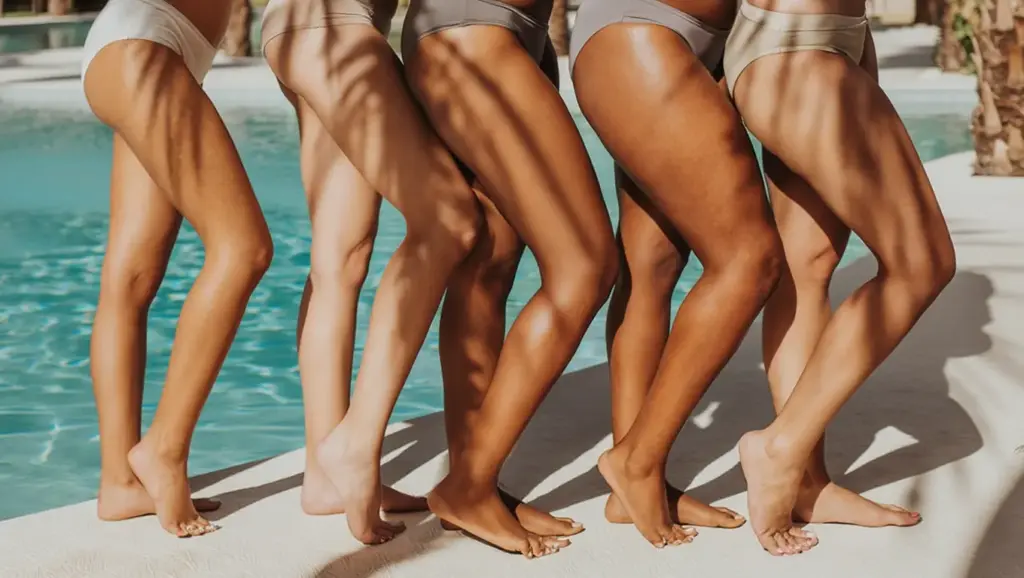
A fresh tan often brings that warm, sun-kissed glow many people enjoy after a beach trip, vacation, or tanning session.
The skin looks slightly darker, healthier, and more vibrant. But after a few days, a common question usually comes to mind: how long does a tan last?
Some people notice their tan fading quickly, while others keep the color for several weeks. The answer is not always the same because tanning results depend on how the tan was achieved.
Time in natural sunlight, a spray tan appointment, a self-tanner applied at home, or sessions in a tanning bed can all produce different results on the skin.
Another concern many people have is how long it takes for a tan to fade once daily routines begin.
This is a question beauty professionals and dermatologists hear often, and the answer varies more than most people expect.
This blog explains typical fading timelines, factors that affect how long a tan lasts, and simple habits that can help maintain that sun-kissed color a little longer.
How Long Does a Tan Last: Quick Reference by Method
| Tanning Method | How Long It Lasts | Fading Begins |
|---|---|---|
| Natural Sun Tan | 2 to 4 weeks | 7 to 10 days |
| Tanning Bed | 7 to 14 days | 7 to 10 days |
| Spray Tan | 5 to 10 days | 5 to 7 days |
| Self-Tanner / Fake Tan | 4 to 10 days | 4 to 5 days |
The sections below explain why each method fades at a different rate and what you can do to slow that process down.
How Tanning Changes Skin Color
Tanning happens when skin reacts to ultraviolet radiation from sunlight or artificial sources such as tanning beds.
When UV rays reach the skin, they stimulate specialized cells called melanocytes. These cells produce melanin, the natural pigment responsible for skin color.
Melanin plays an important protective role. As UV exposure increases, the skin produces more melanin to help shield deeper layers from potential damage.
This increased pigment spreads through the outer skin layer, causing the skin to appear darker. The darker shade people see after time in the sun is the visible result of this process.
However, a tan is not permanent. The darker tone develops in the outer layer of the skin, which gradually sheds and replaces old cells with new ones.
Skin completes a full renewal cycle roughly every 28 days, which is why even a deep tan fades within a few weeks, regardless of how it was developed. As this natural renewal occurs, the extra pigment slowly fades.
This is why tanning creates a temporary color change, while natural skin tone remains the long-term baseline once the tan fades.
How Long Does a Tan Last
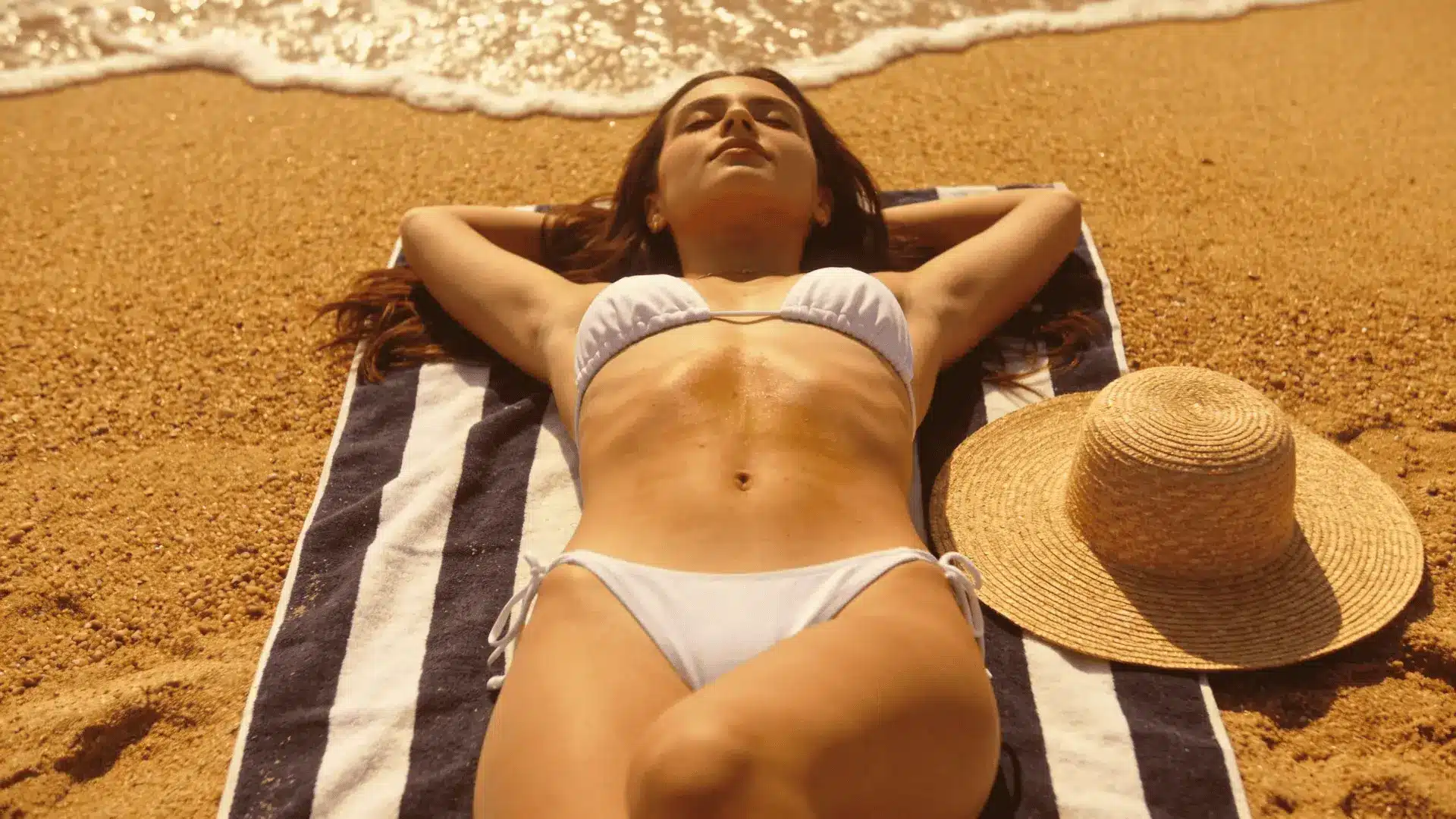
Many people ask how long a tan lasts naturally after spending time in the sun.
In most cases, a natural tan begins to fade within 7 to 10 days, although the color may still remain visible for 2 to 4 weeks, depending on the depth of the tan.
This fading happens because the outer layer of skin constantly renews itself. Old skin cells that contain extra pigment slowly shed and are replaced with fresh cells that match the body’s natural skin tone.
As this process continues, the darker shade gradually becomes lighter.
However, the exact duration can vary from person to person. Skin type, hydration, and daily skin care habits all play an important role.
People who keep their skin moisturized and avoid frequent exfoliation may notice their tan lasting longer than those with dry skin or more frequent skin renewal.
Skin type also plays a measurable role. People with naturally higher melanin levels, such as those with medium to deeper skin tones, tend to hold a tan noticeably longer than those with fair skin.
Fair skin typically has faster cell turnover, which means the tanned cells shed sooner and fading begins more quickly.
How Long Does it Take for a Tan to Fade
How long it takes for a tan to fade depends largely on which tanning method was used, as each one affects the skin at a different depth.
For a natural sun tan, fading typically begins after about 7 to 10 days as the outer skin layer sheds the extra pigment. The full fade usually takes 2 to 4 weeks.
Spray tans and self-tanners fade more quickly because the color sits only on the surface of the skin. Most people notice visible fading within 5 to 7 days, with the tan fully gone by day 10.
Tanning bed results behave similarly to a natural sun tan since UV light does stimulate melanin production.
However, the tan may fade slightly faster due to shorter and more concentrated exposure sessions compared to gradual sun exposure over several days.
Several habits can influence how quickly this process happens. Frequent exfoliation, long showers, and daily bathing can speed up fading by removing the outer skin layer more quickly.
Swimming in chlorinated pools or saltwater can also accelerate fading. Chlorine breaks down the surface layer of skin more aggressively than fresh water, while saltwater draws moisture out of skin cells, both of which speed up the natural shedding process.
On the other hand, continued sun exposure may maintain the darker tone for longer.
How Long Does a Natural Sun Tan Usually Lasts
A natural tan usually forms gradually over time in sunlight. Because the color develops through increased melanin production in the skin, it often lasts longer than many artificial tanning methods that only affect the outer surface layer.
In most cases, a natural tan remains visible for about 2 to 4 weeks, depending on skincare habits and skin type. Proper hydration and gentle skincare can help the color remain noticeable for longer.
Darker tans that develop after several days of sun exposure may last slightly longer because more pigment has formed in the skin.
Even then, the color slowly fades as the body replaces old skin cells with new ones during the normal renewal cycle.
Some people maintain their tan by spending time in the sun regularly. Continued sun exposure can keep melanin levels elevated, which helps the darker tone remain visible for longer.
One step that is often overlooked is exfoliating the skin before sun exposure.
Removing dead surface cells before tanning allows fresh skin cells to absorb the sun’s rays more evenly, which helps the resulting tan develop more smoothly and stay visible for longer.
Applying broad-spectrum sunscreen during sun exposure is also recommended. Sunscreen reduces the risk of sunburn, which can cause peeling and premature fading.
A properly applied SPF does not prevent tanning entirely but helps the tan develop more gradually and evenly while protecting the skin.
How Long Spray Tans Last on Skin

Spray tans work differently from natural sun tans because they color only the outer layer of the skin.
The solution used in spray tanning reacts with surface skin cells to create a darker tone, but it does not change melanin levels within the skin.
Because the color stays only on the top layer, spray tans usually last about 5 to 10 days. As the outer skin cells naturally shed, the artificial color gradually fades, and the skin returns to its original tone.
Daily habits can affect how quickly the tan fades. Frequent showering, sweating, swimming, and exfoliation can remove the surface layer more quickly, causing the color to fade sooner.
One detail worth knowing is that darker spray tan shades can appear to last longer than lighter ones. This is not because the tan itself lasts longer but because the fade from a deeper color is more gradual and less noticeable visually. A lighter shade will reach a clearly faded point faster simply because there is less color contrast to begin with.
If you are booking a spray tan for a specific event, scheduling the appointment one to two days before the event gives the solution time to fully develop and set before you need it to look its best.
Proper aftercare can help extend the results. Keeping the skin moisturized, using gentle body cleansers, and avoiding harsh scrubs may help the spray tan last longer and remain even and visible.
How Long Does a Self-Tanner or Fake Tan Last
Self-tanners and fake tan products work through a different mechanism than spray tans, even though the two are often confused. Most self-tanners contain an active ingredient called dihydroxyacetone, commonly known as DHA.
DHA reacts chemically with amino acids in the outermost skin cells to produce a brown color, without any UV exposure or melanin involvement.
Because this color develops only at the very surface of the skin, self-tanners typically last between 4 and 10 days. The variation depends on the quality of the formula, how well the skin was prepared before application, and how consistently the skin is moisturized afterward.
Dry skin tends to shed more rapidly than oily or well-hydrated skin, which means people with drier skin types may see their self-tan fade closer to the four-day end of that range.
Exfoliating thoroughly before applying a self-tanner is especially important with DHA-based products.
Since the reaction only happens at the surface, applying a self-tanner over a layer of dead skin cells means those cells will shed within days, taking the color with them. Starting on fresh skin gives the tan a longer surface to cling to.
Gradual tanning lotions work similarly but are designed for daily use at lower DHA concentrations. They build color gradually over several days and can also be used to maintain a fading tan or to top up a spray tan as it begins to lighten.
How Long Do Tanning Bed Results Typically Last

Tanning beds create results similar to natural sun tanning because they expose the skin to ultraviolet light that stimulates melanin production.
As melanin increases, the skin appears darker, which creates the tan people notice after a session.
In most cases, tanning bed results remain visible for about 7 to 10 days before fading begins. The color slowly becomes lighter as the outer skin layer renews and older cells with extra pigment shed naturally.
Some people maintain their tan by scheduling regular tanning sessions. Repeated exposure can keep melanin levels higher, helping the darker tone remain visible for a longer period.
However, frequent sessions may increase the risk of skin irritation and long-term skin damage. Anyone with a skin condition, photosensitivity, or concerns about UV exposure should speak with a dermatologist before using tanning beds regularly.
Because of this, basic skin protection and proper skin care remain important. Hydration, moisturizers, and limiting excessive exposure can help support healthier skin while maintaining the appearance of a tan.
Factors That Affect How Long a Tan Lasts
Several factors influence how long a tan stays visible on the skin. Even when two people spend the same amount of time tanning, the results may last for different lengths of time.
- Skin Type and Natural Melanin Levels: People with higher melanin levels tend to develop deeper, longer-lasting tans, while lighter skin types may see their tan fade more quickly due to lower melanin levels.
- Hydration and Skin Moisture: Well-hydrated, moisturized skin maintains a smoother surface layer, which helps slow the shedding of skin cells that contain the darker pigment.
- Frequency of Showers and Exfoliation: Frequent bathing, scrubbing, or exfoliating can cause a tan to fade sooner by removing the outer skin layer, where the tan primarily resides.
- Sun Exposure Habits: Continued time in the sun can maintain melanin production and keep the tan visible for longer. However, limited exposure allows the skin to return to its natural tone more quickly.
- Skin Care Routine: Daily practices such as moisturizing, gentle cleansing, and avoiding harsh products can help achieve longer-lasting tanning results by protecting the outer skin layer.
- Pre-Tan Preparation: Exfoliating before tanning removes dead surface cells and allows the tan to develop on fresher skin, which tends to hold color more evenly and for longer.
- Clothing and Friction: Tight clothing, rough waistbands, and repeated friction against the skin can rub away surface color, particularly with spray tans and self-tanners. Wearing loose, breathable fabrics in the first 24 hours after tanning helps preserve the color.
- Water and Swimming Habits: Regular swimming in chlorinated pools or saltwater environments accelerates fading compared to fresh water. Applying a layer of SPF before swimming provides some barrier and also protects the skin from sun damage at the same time.
Ways to Help a Tan Last Longer
Certain daily habits can help maintain the darker shade for longer. Since tanning color sits mainly in the outermost skin layer, gentle care and proper hydration can help slow fading.
- Keep Skin Moisturized Daily: Regular moisturizing helps maintain healthy skin and slows down the shedding of surface cells that hold the tan.
- Avoid Excessive Exfoliation: Frequent scrubbing or strong exfoliating products quickly remove the outer skin layer, causing the tan to fade sooner.
- Stay Hydrated: Drinking enough water helps maintain skin moisture from within, supporting healthier skin and helping the tan remain visible longer.
- Use Gentle Cleansers: Mild body washes clean the skin without stripping natural moisture, helping protect the surface layer where the tanning color remains.
- Limit Long Hot Showers: Long exposure to hot water can dry the skin and speed up the removal of outer skin cells that contain the darker pigment.
- Apply Gradual Tanning Products if Needed: Gradual tanning lotions can help maintain the color as the natural tan starts to lighten, keeping the skin tone more consistent.
- Use SPF After Tanning: Applying sunscreen once a tan has developed helps protect the skin from further UV damage and prevents sunburn, which can cause peeling and uneven fading.
Conclusion
A tan can give the skin a warm, sun-touched appearance, but the color is never permanent.
In most cases, people asking how long a tan lasts can expect the darker shade to begin fading within about a week and remain visible for up to two to four weeks, depending on skin care and skin type.
The fading process happens naturally as old skin cells shed and new cells replace them.
Many also wonder how long it takes for a tan to fade, and the answer often depends on tanning method, hydration, daily habits, and exposure to water or exfoliation.
Simple steps such as moisturizing, gentle cleansing, and proper sun protection can help maintain healthy skin while keeping the tan visible a bit longer.
Share how long your tan usually lasts in the comments and help other readers compare their experience.