Many people think lip blush is a quick beauty fix, but it’s not safe for everyone. A small detail in your health history can completely change whether you should get it or wait
I’ve had clients ready to book lip blush right away, but one question about their medical history changed everything.
Lip blush is a cosmetic tattoo that uses a needle to puncture the skin and deposit pigment, so proper healing matters.
Certain health conditions and skin issues can increase the risk of complications, including infection, cold sore flare-ups, scarring, and poor pigment retention.
Skipping proper screening can turn a cosmetic procedure into a painful and expensive mistake.
This guide explains who should avoid lip blush, what health risks to take seriously, and how to assess your risk factors before booking.
What Is Lip Blush and Why Screening Matters?
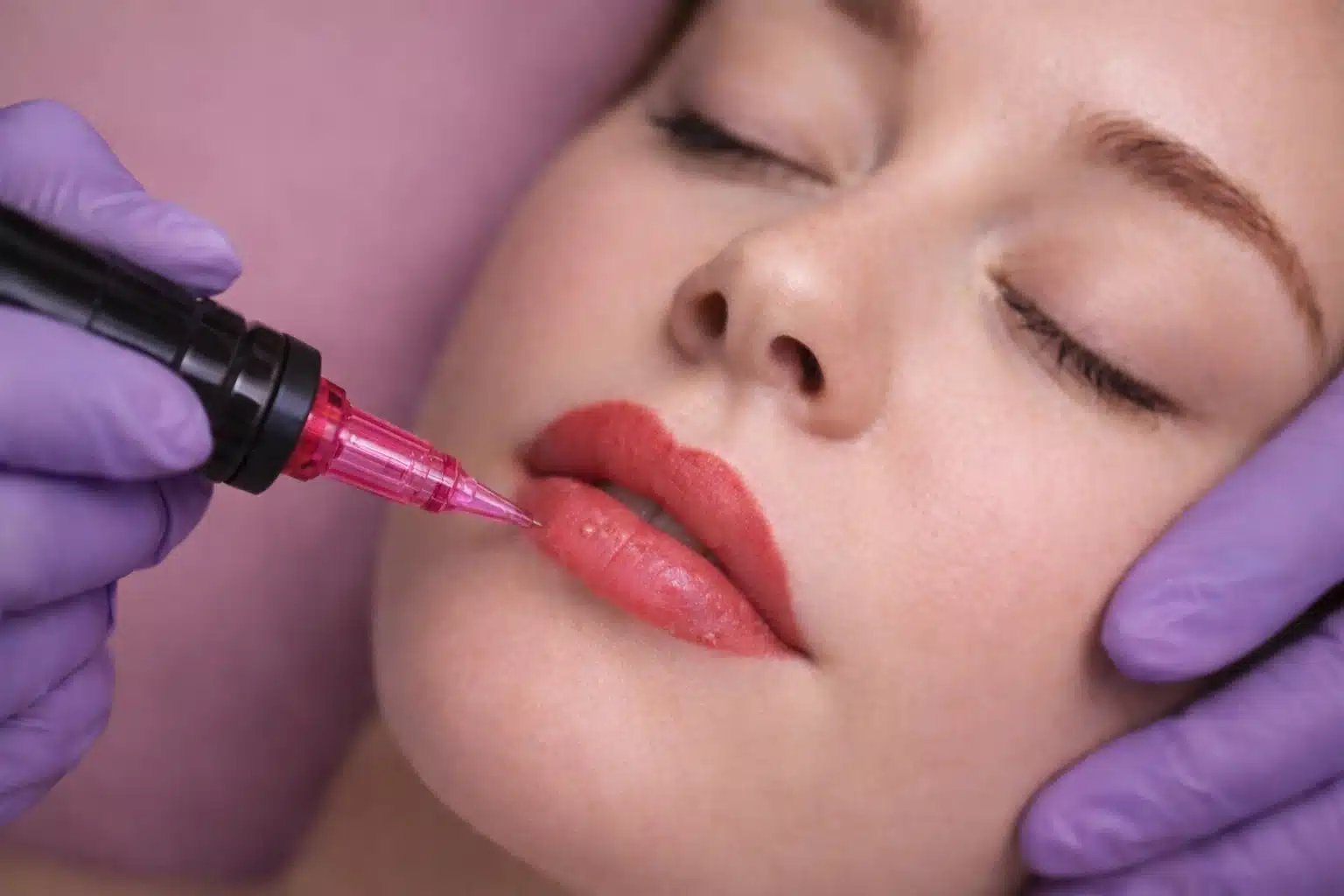
Lip blush is a semi-permanent cosmetic tattoo technique in which a trained artist uses fine needles to place pigment into the lips, creating a soft tint that can last 1 to 3 years.
Because the procedure breaks the skin barrier, healing is a major part of the result.
If your immune system is compromised or your skin is already reactive, healing can become unpredictable, and pigment retention can suffer.
That is why pre-procedure screening should never be treated as optional.
A responsible technician should review your medical history, medications, lip condition, and active skincare ingredients before booking.
Medical Conditions That Make Lip Blush Riskier
Certain health conditions can affect healing, bleeding, infection risk, and how well pigment settles into the lips. That is why reputable studios require a full medical disclosure form before treatment.
1. Autoimmune Disorders and Diabetes
Conditions such as lupus and rheumatoid arthritis can affect how the skin heals and responds to trauma.
In some cases, the body may react more aggressively to the procedure, leading to inflammation or poor pigment retention.
Uncontrolled diabetes is another major concern because high blood sugar can slow wound healing and raise the risk of infection.
Many qualified artists require physician clearance before treating diabetic clients, especially if blood sugar control has been inconsistent.
2. Blood-Clotting Issues and Heart Conditions
People taking blood-thinning medications such as aspirin or warfarin may bleed more during the procedure.
Excess bleeding can interfere with pigment placement and lead to uneven results.
Heart conditions also warrant extra care, as some numbing agents may contain epinephrine, which can affect heart rate.
If you have a cardiac condition, it is smart to get your doctor’s approval before scheduling.
Supplements such as fish oil, vitamin E, and ginkgo may also increase bleeding and are often paused before treatment if your doctor approves.
3. Active Cancer Treatment or Recent Chemotherapy
Anyone actively undergoing chemotherapy or radiation should postpone lip blush.
These treatments can suppress immune function, reduce the predictability of healing, and increase the risk of infection.
Cancer survivors may still be eligible later, but written clearance from an oncologist is often recommended before proceeding.
Some recovery medications can also make the skin thinner or more reactive, which is another reason a full medication review matters.
Skin Conditions That Can Affect Lip Blush Results
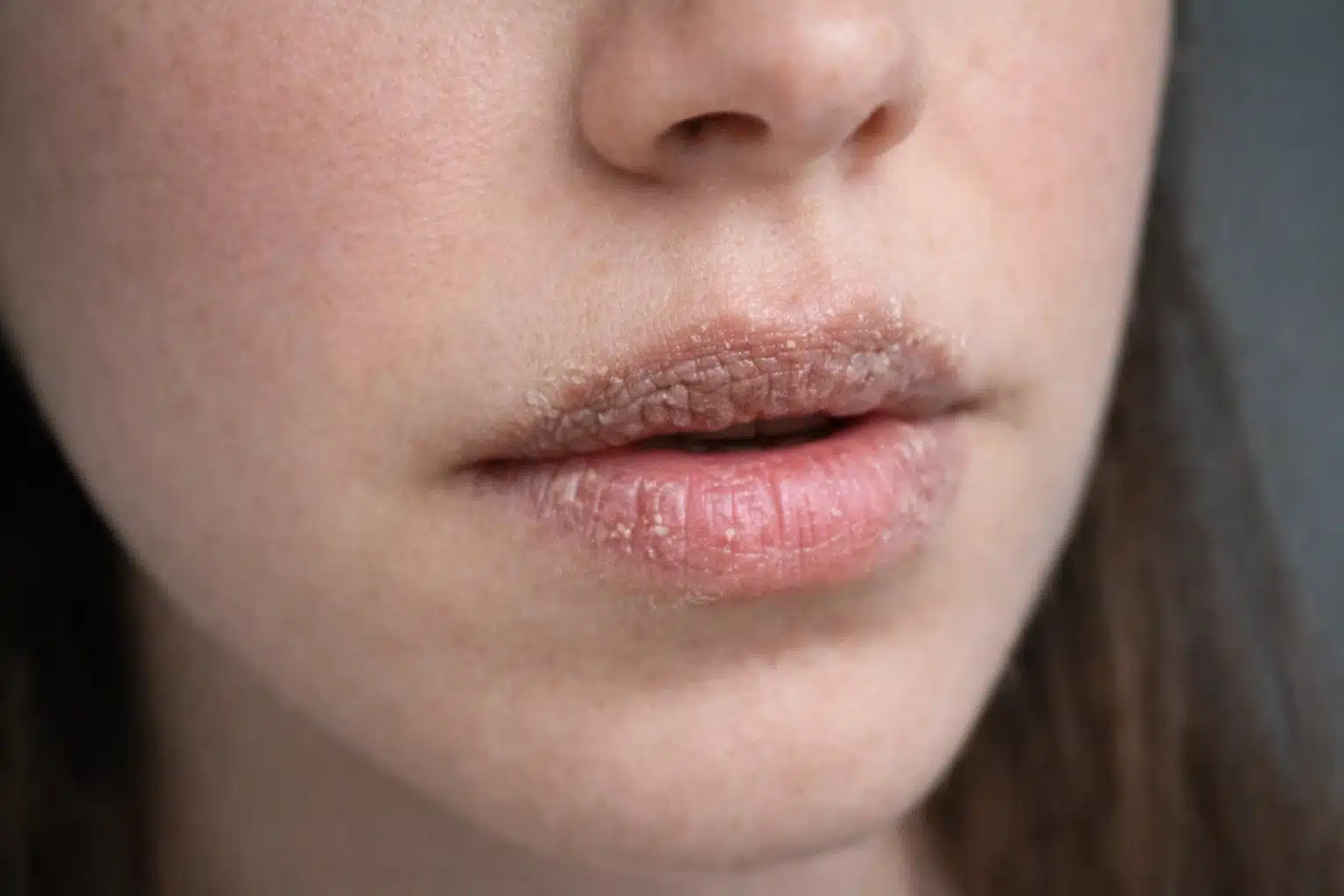
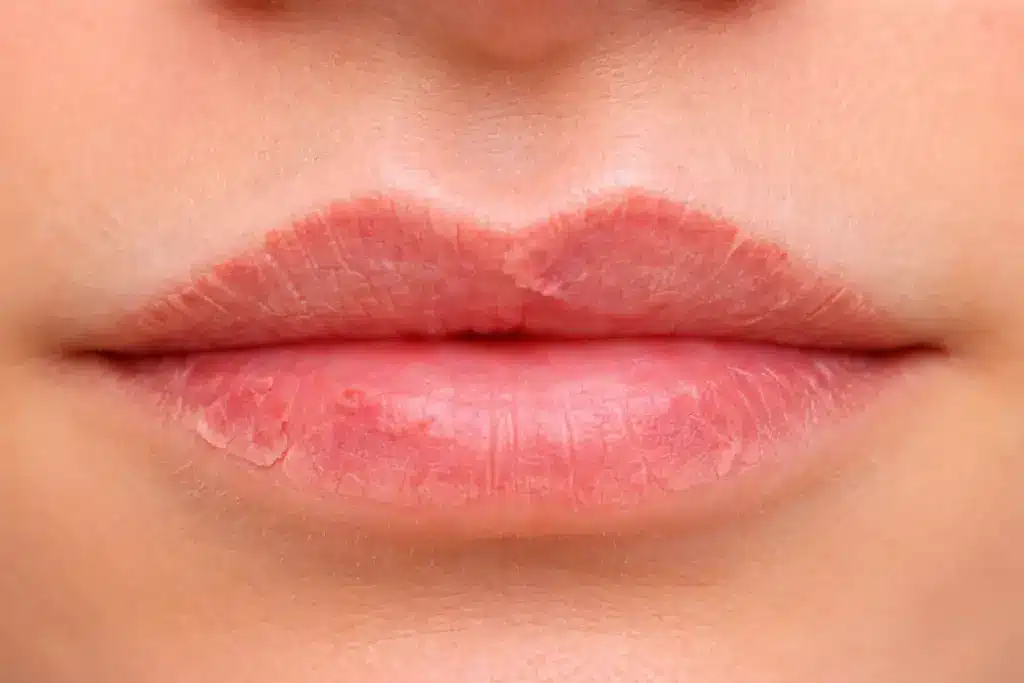
The condition of your lips directly affects both healing and final color. If the lip tissue is inflamed, flaky, cracked, or irritated, the result is rarely ideal.
1. Cold Sores and Herpes Simplex Virus (HSV-1)
This is one of the biggest concerns with lip blush.
The herpes simplex virus can remain dormant around the lips, and the trauma from cosmetic tattooing may trigger an outbreak.
If you have ever had a cold sore, you may need prescription antiviral medication before your appointment.
Many clients are advised by their doctor to start medication such as Valtrex or Acyclovir before treatment and continue after, depending on their medical history.
Ignoring this step can affect healing and may also interfere with pigment retention.
If you are also trying to understand long-term color changes, it helps to know how lip blush fades over the years.
2. Eczema, Psoriasis, and Keloid Scarring
Active eczema or psoriasis on or around the lips makes the area too inflamed for safe tattooing.
The skin may not hold pigment evenly, and healing may become inconsistent.
People prone to keloid scars should also proceed very carefully.
Keloids form when the body overproduces scar tissue after skin injury, and cosmetic tattooing can trigger that response in some people.
If you have a history of raised or thick scarring, a dermatology consultation is a smart step before booking.
Medications and Products to Pause Before Lip Blush
Some medications and skincare products can interfere with healing, increase bleeding, or reduce pigment retention:
- Accutane: Many artists require clients to wait at least 12 months after stopping it because it can affect skin sensitivity and healing.
- Retinol and Retin-A: These speed up cell turnover, which may affect how well pigment settles.
- Chemical exfoliants: AHAs and BHAs can leave the lip area more sensitive than usual.
- Topical steroids: Long-term use can thin the skin.
- Blood thinners and NSAIDs: These may increase the risk of bleeding during the procedure.
Retinol products are commonly stopped well before treatment, but the exact timing should follow your technician’s and doctor’s guidance.
Important Safety Factors: Pregnancy, Nursing, and Lip Fillers
Pregnant and nursing clients are usually advised to avoid lip blush.
Hormonal changes can affect healing, and many numbing agents used during the procedure are not routinely recommended in these situations without medical guidance.
If you have recently had lip fillers, most artists recommend waiting at least 4 to 6 weeks so the filler can settle before tattooing.
Doing both too close together may increase swelling and affect the final shape or pigment placement.
Most reputable studios also avoid performing lip blush on anyone under 18.
If you fall into any of these categories, start with a consultation and, when needed, speak to a board-certified dermatologist or doctor first.
Common Risks Every Candidate Should Know
Even healthy candidates can expect some temporary side effects and possible risks:
- Swelling, redness, and tenderness: Common for the first 2 to 3 days.
- Dryness and flaking: Often part of the normal healing phase during the first week.
- Allergic reactions: Rare, but possible with pigments or topical products.
- Infection: Poor hygiene during or after the procedure can increase this risk.
- Scarring: More likely when the technique is too aggressive, or aftercare is ignored.
- Uneven color healing: Can happen if your natural undertone, lip condition, or aftercare is not handled properly.
- Faster fading: Smoking and repeated lip trauma may reduce pigment longevity.
What Comes Next for Lip Blush Safety?
The cosmetic tattoo industry is steadily improving its safety standards.
Better pigment formulas, stronger hygiene protocols, and more formal training are helping reduce preventable complications.
Patch testing, full medical intake forms, and stricter screening are becoming more common at reputable studios.
Long-term maintenance matters too.
Many clients do not realize that skipping touch-up appointments can lead to uneven fading and color distortion over time.
As more research and industry guidance develop, screening will likely become even more standardized. Until then, a detailed consultation with a qualified professional is still the safest first step.
Conclusion
Lip blush can create beautiful, low-maintenance results, but it is not the right procedure for everyone.
Medical conditions, active skin issues, certain medications, pregnancy, and recent fillers can all affect the safety of the treatment and the lips’ healing.
A responsible technician should never rush past screening to secure a booking.
Before you commit, ask about their consultation process, infection-control standards, pigment choices, and aftercare guidance.
A good professional will not dodge those questions.
If you are unsure whether you are a suitable candidate, that uncertainty is a sign to pause and get proper medical advice before moving forward.
Not sure if lip blush is safe for you right now? Drop your questions in the comments or share your situation, and I will help you figure out the next step
Frequently Asked Questions
Can I Get Lip Blush if I Have Cold Sores?
Possibly, but only with proper preparation. If you have a history of cold sores, ask your doctor whether antiviral medication is recommended before and after the procedure.
How Long Should I Wait After Accutane for Lip Blush?
Many technicians require a wait of at least 12 months after your last Accutane dose, but you should confirm the timing with your prescribing doctor and the artist performing the procedure.
Is Lip Blush Safe During Pregnancy?
Most professionals will not perform lip blush during pregnancy or nursing because healing can be less predictable, and product safety is not always well established for those situations.
What Happens if I Do Not Disclose My Medical History?
You increase your risk of preventable complications. Conditions such as diabetes, autoimmune disorders, clotting issues, and active skin conditions can directly affect healing and safety.