Hollywood loves a good mystery, and for decades, one of the most persistent whispers has been about the actress with a glass eye.
But is that term actually what it seems?
The truth behind this long-standing rumor is far more complex and fascinating than a simple prosthetic, weaving together tales of medical history, personal resilience, and cutting-edge digital magic.
This blog will break down the Tinseltown legend, from the iconic story of “the actress with a glass eye” to the real conditions and visual effects behind it all.
You will know the line between myth and reality, and what those famous eyes on screen are really showing us.
What Does “Glass Eye” Actually Mean in Hollywood?
Let’s get one thing straight before we start to talk about glass eyes. When most people say “actress with a glass eye,” they almost never mean it literally.
The term is a carry-over from an older era when ocular prosthetics were actually made of blown glass, a craft that originated in 16th-century Venice and traveled to Germany before making its way to Hollywood’s doorstep.
Today, what we casually call a glass eye is technically an ocular prosthesis, a custom-fitted, acrylic shell painted by hand to match the wearer’s natural eye.
But here’s where it gets interesting in Hollywood specifically. A huge chunk of what fans label as a “glass eye” on an actress is not a prosthetic at all.
It’s often corneal scarring from an old accident, optic nerve damage where the eye is physically intact but has lost vision, or even a medical condition like heterochromia.
The camera is merciless with detail, and under HD lighting on a big screen, any irregularity in an eye becomes a talking point.
That same attention to detail is why viewers often debate Lena Headey’s eye color, as lighting shifts and natural variation can make her eyes appear different from scene to scene.
That is exactly why such conversations around the actress with a glass eye and some actresses’ eye colors never really left Hollywood’s orbit.
Sandy Duncan: The Rumored Actress with a Glass Eye
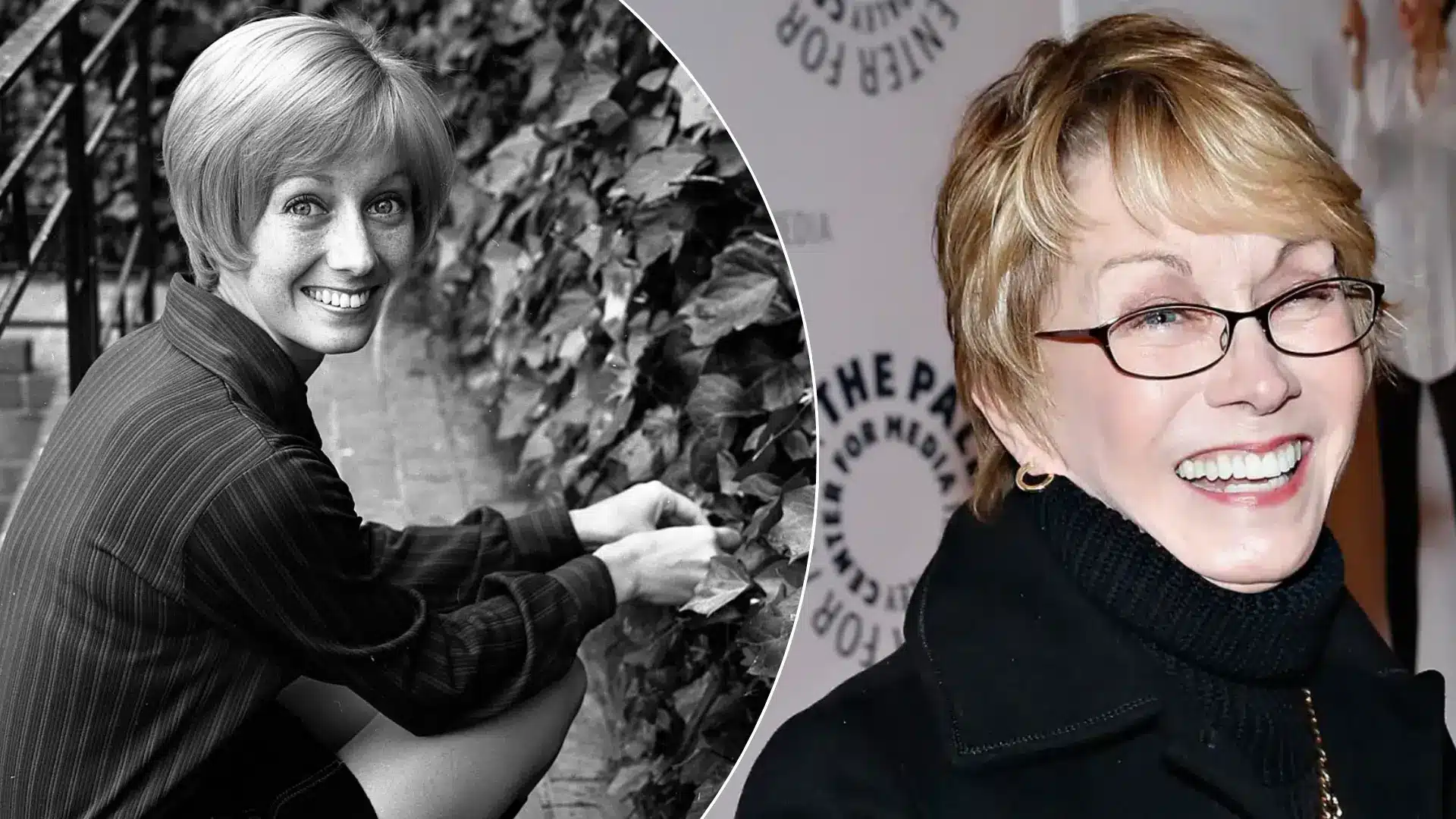
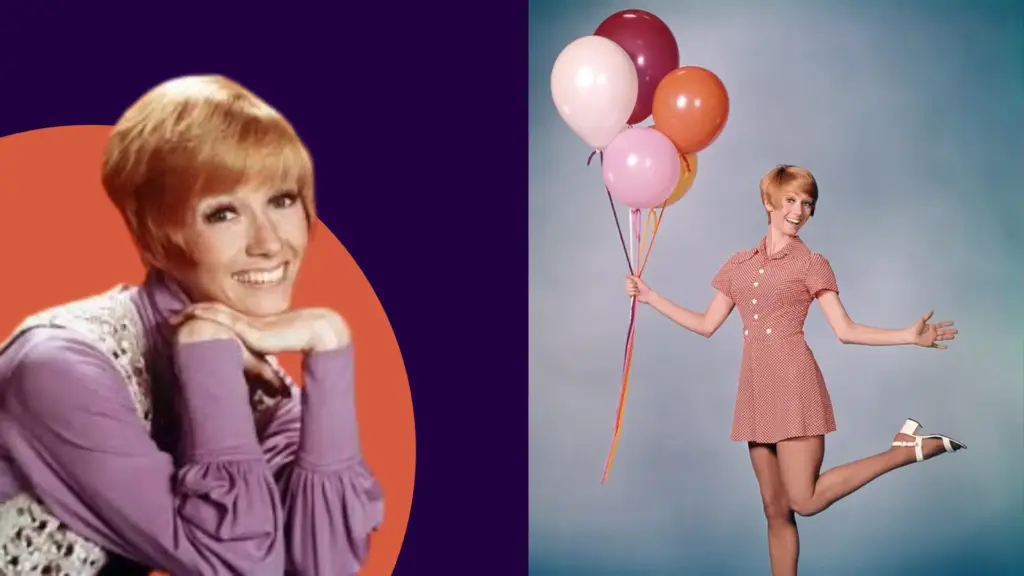
In the glittering world of 1970s Hollywood, few stars shone as brightly as Sandy Duncan, the bubbly actress, singer, and dancer whose infectious energy defined an era.
Renowned for her Tony Award-nominated performance as Peter Pan on Broadway, her Disney classics, and CBS sitcoms like Funny Face and The Sandy Duncan Show, Duncan became a household name for her wide smile and nimble footwork.
Yet, for more than 50 years, she has also been known as the actress with a glass eye, a persistent rumor that has shadowed her career.
The speculation emerged due to a high-profile health challenge in her mid-20s that visibly altered her left eye’s appearance, leading fans and tabloids to assume a prosthetic replacement.
Duncan has addressed the rumor in interviews over the decades, consistently setting the record straight with characteristic good humor.
The joke even made it onto Family Guy twice, and she laughed about it rather than contesting it. That kind of long-term grace under a mischaracterization is, honestly, its own kind of performance.
The 1972 Brain Tumor Surgery that Changed Everything
It all started in late 1971, right after wrapping the pilot for her CBS sitcom Funny Face.
Sandy Duncan began experiencing symptoms that led doctors to discover a benign brain tumor pressing against her left optic nerve.
In a grueling 10-hour procedure at UCLA Medical Center, surgeons opened the top of her skull to remove the growth.
- The tumor was successfully excised, but the optic nerve was irreparably damaged, leaving her permanently blind in that eye.
- The eye itself remained intact and continued to move in sync with her right eye, so doctors and Duncan chose to leave it, and hence, no glass replacement was ever needed.
- Right after surgery, her slightly altered gaze, scars, and temporary wig sparked the instant rumor that she now had a prosthetic “glass eye.”
What followed was not a story about a glass eye, but a lasting Hollywood myth built from a real surgery, a visible change, and years of public misunderstanding.
Eyes in Hollywood: What Viewers Miss
In Hollywood, distinguishing a real eye from digital wizardry has become increasingly challenging as CGI technology advances.
Visual effects artists employ sophisticated tools such as eye-tracking algorithms and digital compositing in software like Nuke to replace or enhance an actor’s eyes frame by frame.
This allows for impossible hues, glowing irises, or even full eye replacements without relying on uncomfortable contacts or prosthetics.
Such techniques are particularly prevalent when crafting otherworldly appearances, including those captivating purple, lavender, and pink eyes in actors that spark endless online speculation.
The larger takeaway is that a viewer’s instinct to call something a “glass eye” is often their brain registering something unfamiliar about an eye, be it asymmetry, unusual pigmentation, or lack of light reflection, without having the vocabulary to name it correctly.
VFX artists actually count on that instinct when designing character looks, because audiences accept visual anomalies as authentic if the performance sells them.
Real Prosthetic Eyes in Hollywood: Rare Cases and Eye Conditions
Beyond the myths, there are some well-known actors with distinctive eye conditions or prosthetics who show how unique features can shape screen presence without limiting talent or performance.
- Peter Falk: He lost his right eye to retinoblastoma at age 3 and wore a prosthetic that became part of Columbo’s signature look. This distinctive look became part of his screen presence, especially in Columbo
- Sammy Davis Jr.: He lost his left eye after a 1954 car crash, wore a prosthetic, and continued performing as a major Rat Pack legend.
- Forest Whitaker: He suffers from hereditary ptosis, a drooping eyelid condition that adds depth to his gaze, and never pursued cosmetic surgery for it.
- Mila Kunis: For years, she dealt with blindness in one eye caused by an iritis-related cataract. After surgery restored her vision, many fans only later learned that she had quietly managed the condition while working in film and television.
- Kristen Bell: She has strabismus, which can cause one eye to drift, especially when tired. On set, it is managed with minor on-screen corrections, sometimes handled in post-production.
Conclusion
Hollywood has always turned visible difference into mythology, and the story of the actress with a glass eye proves how quickly audiences fill in the blanks when a face on screen looks even slightly unfamiliar.
What makes this rumor so enduring is not just curiosity, but the way it sits at the intersection of medicine, performance, and image-making.
Behind the gossip, there is often a far more human story, one about adaptation, confidence, and the pressure of being watched in extreme detail.
What other long-standing Hollywood myths do you think need a closer look? Share your thoughts in the comments below!
Frequently Asked Questions
Are Modern Ocular Prosthetics Still Made from Glass?
No, today’s ocular prosthetics are custom-made from medical-grade acrylic, hand-painted to match the patient’s natural eye precisely.
Can You Wear Contact Lenses over Prosthetic Eyes?
No, contact lenses require a functioning cornea. Prosthetic eyes are solid shells, so contacts cannot be placed over them.
Can CGI Fix Uneven Eye Appearance in Post-Production?
Yes, VFX artists routinely adjust eye alignment, brightness, and movement digitally, often without audiences noticing any correction was made.
Why Did Sammy Davis Jr. Sometimes Wear an Eyepatch?
He often wore a stylish eyepatch over his prosthetic eye for aesthetic reasons, turning it into a signature part of his iconic stage persona.