
Starting a new medication can make you pay extra attention to small changes, especially when the number on the scale starts moving.
It can feel confusing when that shift was not expected, and even small fluctuations can start to feel bigger than they are.
Spironolactone is often prescribed for acne, PCOS, or hormonal issues, and it is normal to wonder what it might do to the body over time.
Some people notice changes early, while others do not see much difference at all. That mix of experiences is what makes it harder to understand what is actually going on.
In the middle of all that, searches around Spironolactone and Weight: Gain, Loss, Appetite Guide start to show up more often. This blog keeps things simple and clear.
It explains why weight might go up or down, why bloating can show up, and how appetite fits into the picture. It also helps separate what needs attention from what can simply be tracked and understood over time.
What is Spironolactone and How Does It Work
Spironolactone is a prescription medication that was first used to treat high blood pressure and heart issues.
Over time, it started being used for other concerns like hormonal acne, PCOS, fluid retention, and even hair thinning in women. It works in two main ways, and both matter when looking at body changes.
One part of its action is as a diuretic, where it helps the body release excess salt and water through urine while keeping potassium levels balanced.
This happens by blocking a hormone that normally signals the body to hold onto fluid. At the same time, it also affects hormones by reducing the impact of androgens, which are linked to acne and similar symptoms.
Because of this dual effect, both fluid balance and hormone levels can shift, which may influence weight and appetite.
Does Spironolactone Cause Weight Gain or Weight Loss
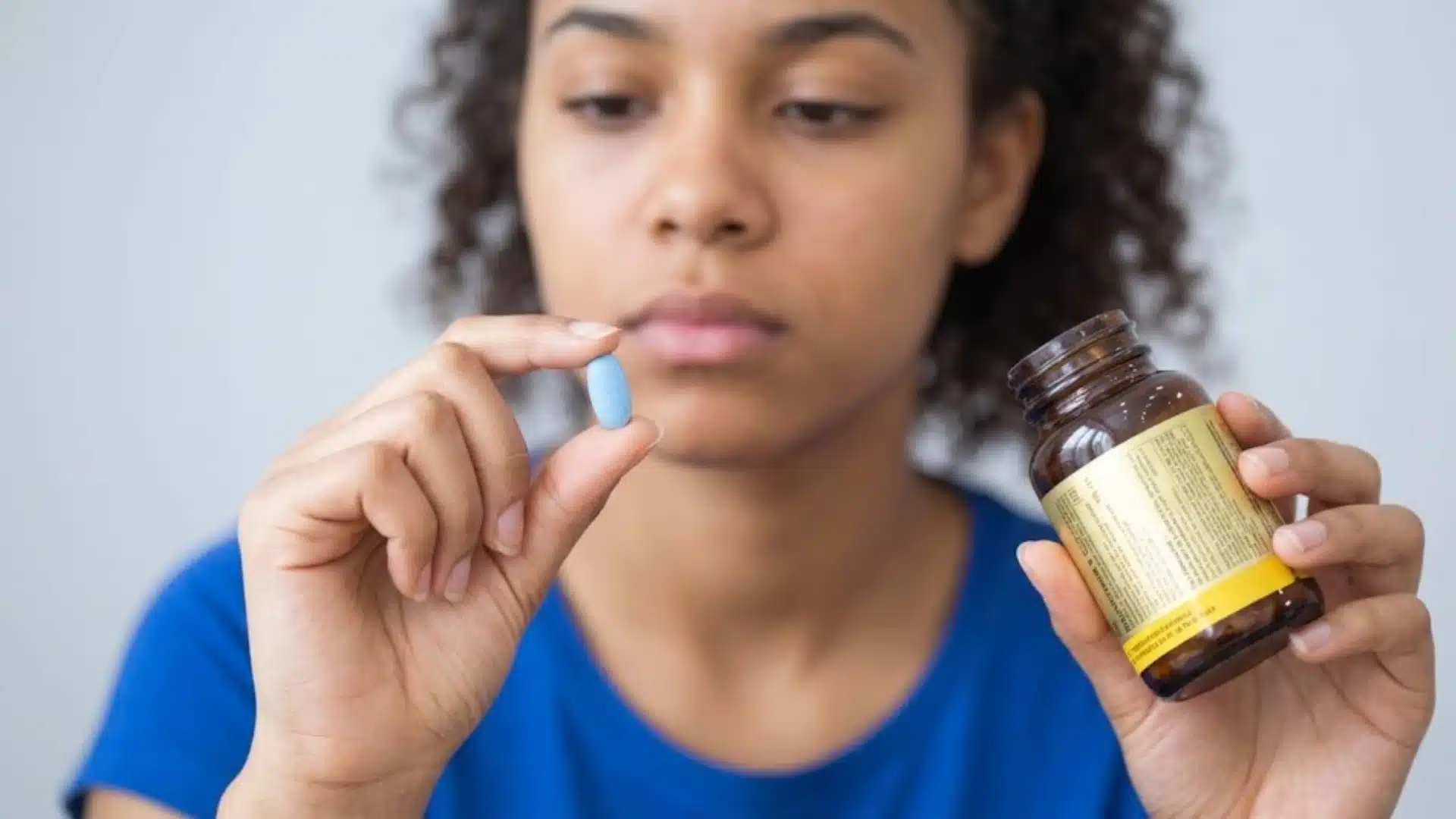
The short answer is that spironolactone is not known to directly cause fat gain. Most clinical sources describe it as weight-neutral when it comes to body fat.
What it does affect more clearly is water weight, which can change how the scale looks in the early days. Since it blocks a hormone that helps the body hold onto fluid, it often leads to increased urination.
Because of this, some people notice a slight drop in weight during the first week or two, which usually comes from losing excess fluid rather than fat.
If you’re curious about how others experienced these early changes, the spironolactone before-and-after stories cover a range of timelines and real results worth reading.
At the same time, weight gain can still happen, but it is rarely caused by the medication itself. Conditions like PCOS or other factors like diet and routine play a bigger role.
Does Spironolactone Affect Appetite
Appetite changes can happen with spironolactone, but they are not the same for everyone. Some people notice a drop in appetite, which can make eating feel lighter or more controlled in the first few weeks.
This has a possible explanation, since the medication reduces androgen levels, and those hormones can influence cravings, especially in people with PCOS.
Because of this, a few people end up eating less than usual early on, which may slightly affect weight beyond fluid loss.
At the same time, others notice the opposite and feel hungrier than usual, especially during the adjustment phase. It can feel a bit uneven at first, with hunger changing at different times of the day.
Why Weight Changes Differ From Person to Person
Weight changes on spironolactone are not random; they depend on factors like health condition, dosage, diet, and daily habits working together.
1. Underlying condition
The reason for taking spironolactone matters more than most people expect. Someone using it for PCOS starts with a different hormonal setup compared to someone taking it for acne.
PCOS often involves insulin resistance and ongoing inflammation, both of which can affect weight on their own.
The medication works alongside these factors, not in isolation, which is why results can look different from one person to another.
2. Dosage and duration
Spironolactone can be prescribed in a wide range, usually between 25 mg and 200 mg daily, and that difference can shape how the body responds.
Higher doses tend to have a stronger effect on fluid levels, which may show up as quicker changes on the scale.
If you’re unsure about how long treatment typically continues, this guide on how long to stay on spironolactone for acne safely breaks it down clearly.
Over time, the body adjusts, so short-term shifts often look very different from what happens after a few months.
3. Diet
Daily eating habits, especially sodium intake, play a direct role in how the body holds or releases water.
Even if the medication is helping reduce fluid retention, high-sodium meals can quickly offset that effect. Potassium intake also matters since spironolactone helps retain it.
A diet already high in potassium can push levels higher, which is why balance and awareness become important over time.
4. Activity level and stress
Movement and stress both influence hormone balance, which connects back to how the body manages fluid and weight.
Changes in routine, exercise intensity, or stress levels can shift how the body responds day to day.
It is common to see small weight changes linked to hydration and activity alone, which shows that the number on the scale often reflects multiple factors at once.
How to Manage Weight While Taking Spironolactone
Some changes need attention, and knowing when to check with a doctor can prevent small issues from turning into bigger concerns over time.
- Stay hydrated, but smartly: Drink water steadily through the day instead of large amounts at once, especially during heat or exercise, since this medication increases fluid loss.
- Watch sodium, not just calories: High sodium intake can lead to fluid retention, so reducing processed foods and frequent restaurant meals helps keep weight changes more stable.
- Track trends, not daily numbers: Weigh at the same time daily, but focus on weekly averages since short-term fluctuations are often water, not actual weight change.
- Be cautious with potassium: Since spironolactone retains potassium, avoid supplements and limit very high potassium foods unless advised, as excess levels can affect heart and kidney function.
- When to call your doctor: Consistent unexplained weight gain over several weeks, noticeable swelling in the limbs, breast tenderness, dizziness, or ongoing nausea should be discussed with a doctor, not self-managed.
Conclusion
Weight changes can feel personal, even when they come from simple shifts inside the body. Understanding the difference between water changes and actual fat gain makes things much clearer.
When it comes to Spironolactone and Weight: Gain, Loss, Appetite, the pattern remains consistent.
This medication does not directly drive fat gain or loss, but it does affect fluid levels, which can show up on the scale, especially in the first couple of weeks.
Since results vary based on dosage, condition, and daily habits, it helps to focus on weekly trends, stay hydrated, and keep sodium in check before making assumptions.
If something feels off or does not settle, it is always worth checking with a doctor. Have you noticed any changes since starting? Share your experience in the comments.
Frequently Asked Questions
Does Spironolactone Slow Down Metabolism?
There is no strong evidence that spironolactone directly slows metabolism. Any perceived changes are usually linked to hormonal shifts or lifestyle factors rather than a direct metabolic effect of the medication.
Can Stopping Spironolactone Cause Weight Changes?
Some people notice temporary weight changes after stopping, especially if fluid balance shifts back or hormonal symptoms return. These changes are usually mild and settle over time.
Does Spironolactone Affect Body Composition, like Muscle or Fat Distribution?
Spironolactone does not directly change muscle mass or fat distribution, but hormonal changes may slightly influence how the body stores fat in certain individuals over time.