Spironolactone for Hair Growth: Results and Timeline is often talked about when hair thinning does not improve with usual fixes.
Hair thinning can feel frustrating, especially when nothing seems to help. For hormonal hair loss, this medication often comes up as an option.
Spironolactone is commonly used in women dealing with androgen-related shedding. It helps manage the hormonal side of hair loss, which is often the root cause.
Still, it is not a quick solution. Results take time and steady use. This blog breaks down what spironolactone is, how it helps reduce thinning, and what the timeline looks like over the months.
It also covers expected results, possible side effects, and a few simple tips that can help improve the outcome.
What is Spironolactone?
Spironolactone is a prescription medication first used for high blood pressure and fluid retention. Over time, it became known for its effect on hormones, especially androgens.
These hormones are present in both men and women and can play a role in hair thinning. Because of this, it is now used to manage conditions like acne, PCOS, and hormone-related hair loss.
It is most often given to women dealing with androgen-driven shedding, also known as female pattern hair loss. This use is off-label, but it is widely prescribed by dermatologists.
It is not usually recommended for men due to its hormonal impact. Treatment often starts at a low dose, around 25 mg daily, then increases to 100 to 200 mg based on response.
It is usually taken at night. In some cases, a low-dose contraceptive is added to help manage side effects.
How Spironolactone Helps with Hair Growth?
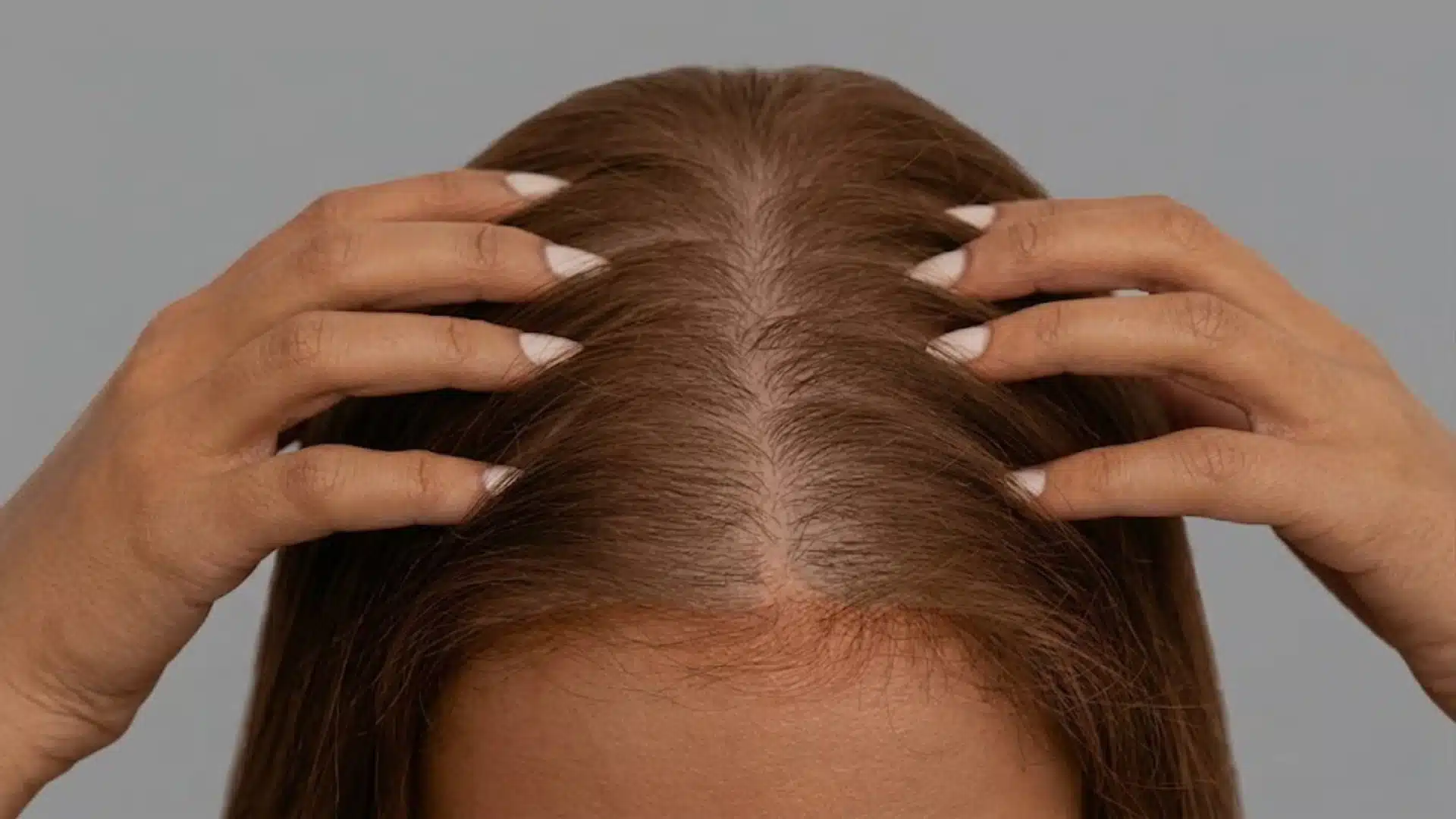
Spironolactone works by blocking androgen receptors in the body. This reduces the effect of male hormones on hair follicles.
One key hormone involved is DHT, which can shrink follicles and speed up hair thinning in people who are sensitive to it.
By limiting its impact, the medication helps slow down hair loss and allows weaker follicles to recover over time. It mainly works for hormonal hair loss.
This includes cases linked to androgen activity. It does not help much with other causes like nutrient deficiencies, physical damage, stress-related shedding, or medical treatments like chemotherapy.
Because of this, identifying the cause of hair thinning matters. A dermatologist can check hormone levels and scalp condition before suggesting treatment.
Spironolactone for Hair Growth: Results and Timeline
Understanding the timeline helps set clear expectations and makes it easier to stay consistent with treatment, since progress builds slowly over time rather than all at once and not in sudden, visible jumps.
1. First 1 to 2 Months
The early phase often feels discouraging because shedding can increase as the hair cycle adjusts to internal hormonal changes.
This is a normal response and not a sign that the treatment is failing or making things worse. There is still no visible regrowth at this stage, which is completely expected.
The focus should remain on consistency in dosage, while monthly photos can help capture slow changes that are otherwise easy to miss.
2. 3 to 4 Months
By this stage, the rate of hair fall usually begins to slow down, which is often the first clear and reassuring sign that the treatment is starting to work.
Shedding is more manageable than before, and some may notice slight improvements in density, such as a less visible parting or better coverage.
While regrowth is still limited, these early shifts indicate progress. Doctors may review results around this time and adjust dosage if needed.
3. 5 to 6 Months
Hair starts to look fuller as thinning becomes less noticeable, and strands feel thicker and stronger than before. The overall texture may improve, making hair appear healthier and easier to manage.
This is also the stage where external care plays a bigger role, since heat styling, sun exposure, and harsh products can slow recovery.
Supporting the scalp with gentle care helps maintain steady and visible improvement.
4. 6 to 12 Months
This phase usually brings the most noticeable changes, with visible regrowth appearing in areas that were previously thinning and overall density improving more clearly.
Hair begins to look fuller, with better volume and texture across the scalp.
Results still vary based on factors like age, overall health, and how early treatment started, but this stage often marks a meaningful turning point for many people sticking with the treatment.
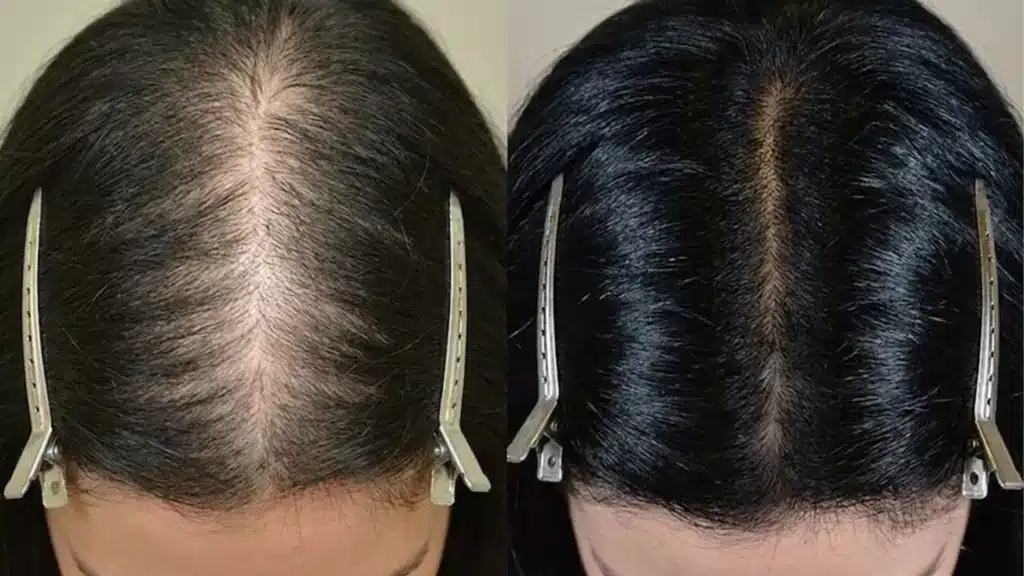
If you want to see how real users experienced this phase, the spironolactone before and after stories shared by women on different timelines can help set honest expectations.
Spironolactone Results: What to Expect Over Time
Most women notice a meaningful slowdown in shedding within three to six months as the medication begins to regulate hormone activity.
Hair strands often start to feel thicker and stronger because the pressure from DHT on the follicles is reduced, which helps improve overall hair quality.
Partial regrowth is possible, especially in areas where thinning is still mild to moderate. However, full restoration is not common, and expectations should stay realistic.
Starting treatment earlier gives follicles a better chance to recover and respond well. While it is not a permanent fix, consistent use makes it one of the more reliable options for managing hormonal hair thinning.
Common Side Effects of Spironolactone
Like any medication, spironolactone comes with side effects that should be understood before starting treatment, even if most are manageable.
- Irregular periods: Menstrual cycles may become lighter, delayed, or irregular, especially during the first few months as hormones adjust.
- Dizziness or low blood pressure: Some may feel lightheaded when standing up quickly due to changes its blood pressure regulation.
- Breast tenderness: Hormonal shifts can cause mild swelling, sensitivity, or discomfort in the breast area for some users.
- Frequent urination: Its diuretic nature increases urine production, which can feel inconvenient but is usually not a serious concern.
- Weight fluctuations: Some users also notice minor changes in body weight in the early months due to its diuretic effect; understanding how spironolactone affects weight can help you tell the difference between fluid changes and actual weight shifts.
Tips to Get Better Results
Small habits can make a noticeable difference in how well the treatment works over time and how steady the progress feels.
- Consistency matters: Take the medication at the same time daily, preferably in the evening, to align with possible drowsiness effects.
- Maintain a healthy diet: Focus on iron, protein, zinc, and biotin, while avoiding excessive high-potassium foods that may affect balance.
- Stay hydrated: Drink enough water throughout the day to support your body, especially since the medication increases urination frequency.
- Protect your scalp externally: Use gentle shampoo, rinse after swimming, and consider light scalp sun protection to support follicle health.
- Regular check-ups: Follow up with your doctor to monitor progress, adjust dosage if needed, and check potassium levels and blood pressure.
Conclusion
Hair thinning can affect confidence, but the right approach can lead to steady improvement over time.
For hormonal hair loss, spironolactone offers a well-supported option that helps reduce shedding and improve thickness gradually.
The results are encouraging, but patience and consistency matter more than anything else. If you are thinking about starting, set clear expectations from the beginning.
Track your baseline, stay consistent through the early months, and give it at least six months before judging results. If progress feels slow, that is normal, since visible changes often appear later.
Have questions or personal experiences with spironolactone? Share them below and join the conversation.
Frequently Asked Questions
Can Spironolactone Be Taken Long-Term for Hair Loss?
Yes, it is often used as a long-term treatment for managing hormonal hair thinning. Stopping the medication may lead to a gradual return of hair loss, so doctors usually recommend continued use based on individual response and tolerance.
Does Spironolactone Interact with Other Medications or Supplements?
It can interact with certain medications, especially those affecting potassium levels or blood pressure. Supplements like potassium or certain herbal products may also need caution, so it is important to review everything with a doctor before starting.
Can Lifestyle Habits Impact How Well Spironolactone Works?
Yes, factors like stress, poor nutrition, and inconsistent routines can affect overall hair health. While the medication targets hormones, supportive habits like a balanced diet and proper scalp care can improve overall results.