A client asked me last month if a peptide shot could do what her jawline needed without a full surgical procedure. I get some version of that question most weeks, so I want to answer it plainly.
GHK-Cu is the injectable peptide with the strongest skin-specific research behind it for firmness and collagen support, while growth-hormone peptides such as CJC-1295 and Ipamorelin affect skin more indirectly.
Results build over months, not days, and none of these peptides replace a full skin tightening procedure when sagging is significant.
What most searches on this topic skip is the line between skin that feels less firm and skin that has actually started to sag, and that distinction decides whether a peptide is even the right tool for the job
What are Injectable Peptides?
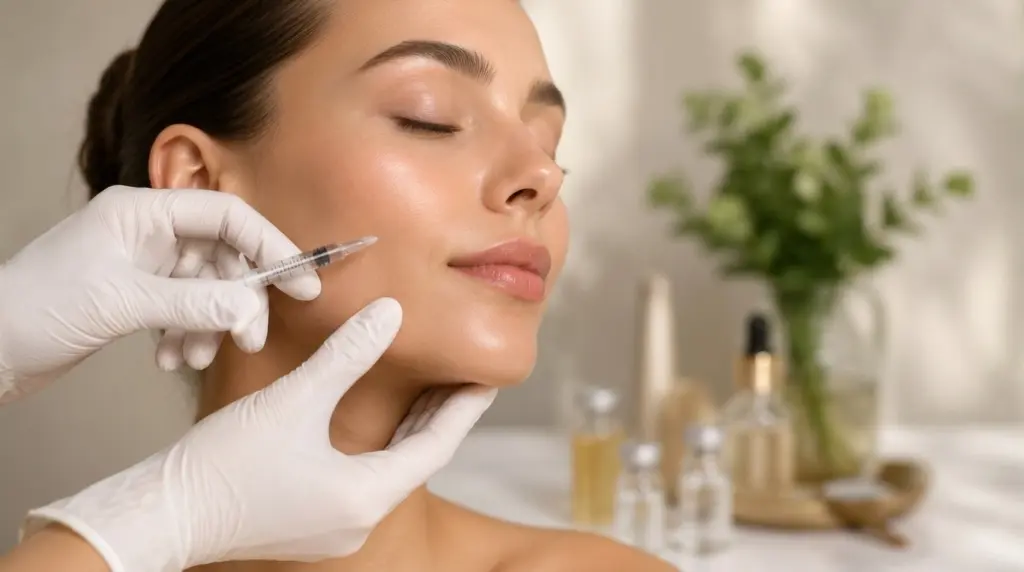
Injectable peptides for skin tightening are short chains of amino acids delivered under the skin to signal fibroblasts, the cells that make collagen and elastin, to stay active longer. The goal is firmer skin over time, not an immediate lift.
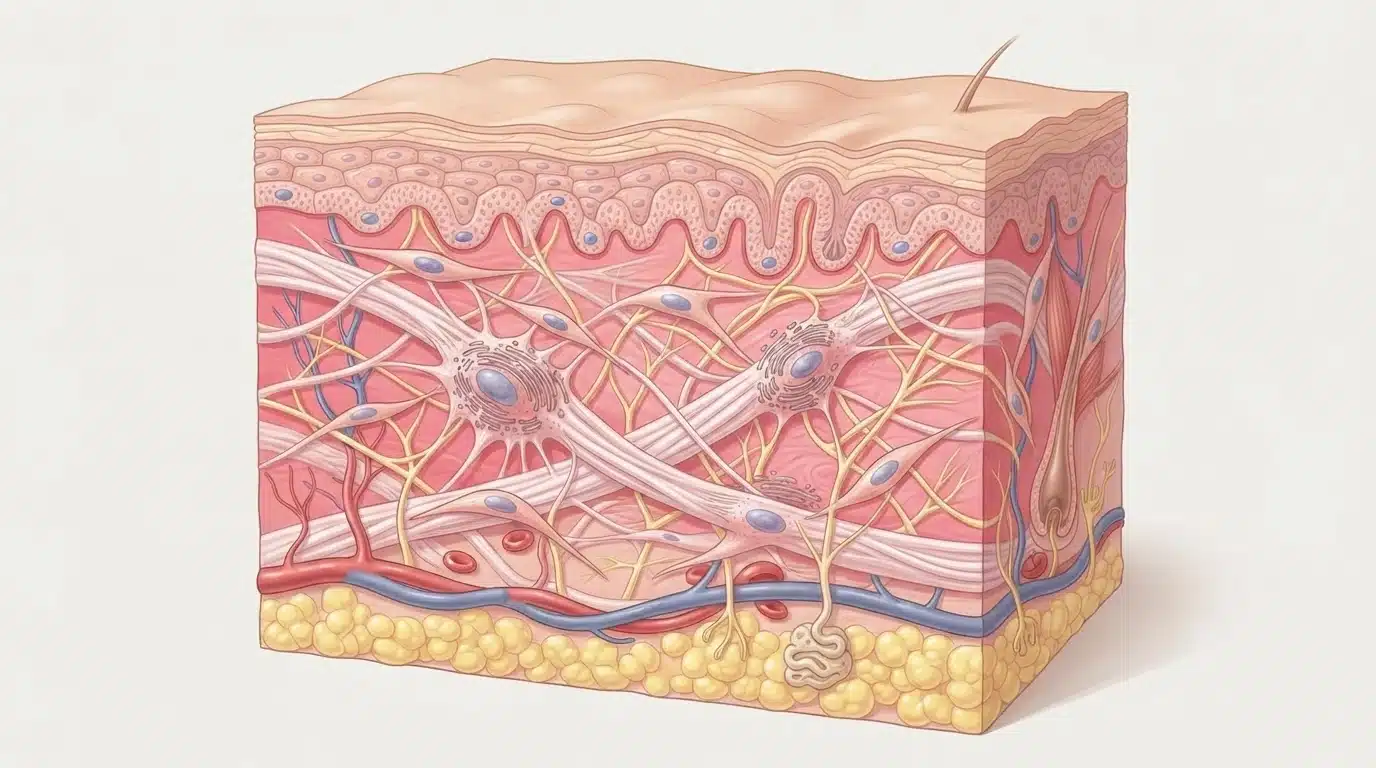
Peptides act as messengers, telling cells when to start or stop processes like collagen production and tissue repair. Skin firmness depends on collagen and elastin, the proteins that give skin its structure, and fibroblasts make both.
As you age, fibroblast activity slows and collagen production drops, which is part of why skin starts to feel less firm and can eventually develop that thin, crinkled texture. That’s why I split the comparison below into peptides with real skin-specific research and the ones borrowed from other fields.
Why Peptides Support Firmness and Collagen

Once fibroblasts are signaled to stay active longer, that effect tends to show up in a few specific, visible ways.
- Firmer-feeling skin over time: fibroblasts are the cells responsible for producing collagen and elastin, so keeping them signaling longer can help skin feel more supported rather than progressively looser
- Softer-looking fine lines: fine lines tend to form as collagen density drops, and steady collagen turnover may help smooth these areas, though the change builds slowly rather than showing up right away
- A more resilient collagen structure: some peptides are studied specifically for triggering new collagen formation, a mechanism backed by fibroblast collagen research, which is why they carry stronger evidence for firmness claims than peptides that only affect collagen indirectly
- Results shaped by consistency and skin type: how noticeable any of this becomes depends heavily on your specific treatment plan and how your individual skin responds
None of these effects happen overnight, which is exactly why the ranking system below weighs evidence so heavily before calling any one peptide “best.”
How These Peptides Get Ranked
Calling a peptide “best” only makes sense against clear standards, so I measured every option below the same way. I built this scale from the questions clients ask me before a consultation, not from how often a peptide trends online.
- Research depth: how much published evidence, including real-world usage patterns, backs the claims
- Main purpose: whether the peptide targets skin directly or through a different pathway, like growth hormone release
- Skin evidence: how specific the research is to firmness and collagen, not just wound healing
- Safety data: how well-documented the risks and sourcing are
- Cosmetic relevance: whether it is used for skin goals in clinics, or borrowed from another field
Ranking this way gives a more honest picture than a popularity order, which is why GHK-Cu leads the table below even though other peptides get more attention online.
Comparing Specific Peptide Options
GHK-Cu has the most skin-specific research of the injectable peptides discussed for tightening, followed by growth-hormone peptides (CJC-1295, Ipamorelin) and recovery peptides (BPC-157, TB-500), which affect skin more indirectly.
1. GHK-Cu Copper Peptide

GHK-Cu is a copper-binding peptide that occurs naturally in the body and decreases with age. It has a longer research history tied to wound healing and skin repair than most other peptides on this list.
Studies suggest it may support collagen production and reduce signs of tissue damage.
Providers usually point to its role in skin quality rather than dramatic lifting, often pairing it with gentler at-home habits between sessions. Results are described as gradual, and response varies based on skin condition and treatment plan.
2. CJC-1295 and Ipamorelin

This pairing works through the growth hormone pathway rather than acting directly on skin cells. Clinics that offer it often frame it as a broader anti-aging approach for people looking to avoid going under the knife, with skin quality as one of several potential benefits alongside sleep and recovery support.
The cosmetic evidence here is thinner than what exists for GHK-Cu. I tell anyone weighing this pairing to treat skin firmness as a secondary effect, not the main reason to book it, and to ask the provider to walk through the hormonal effects first.
3. BPC-157 and TB-500
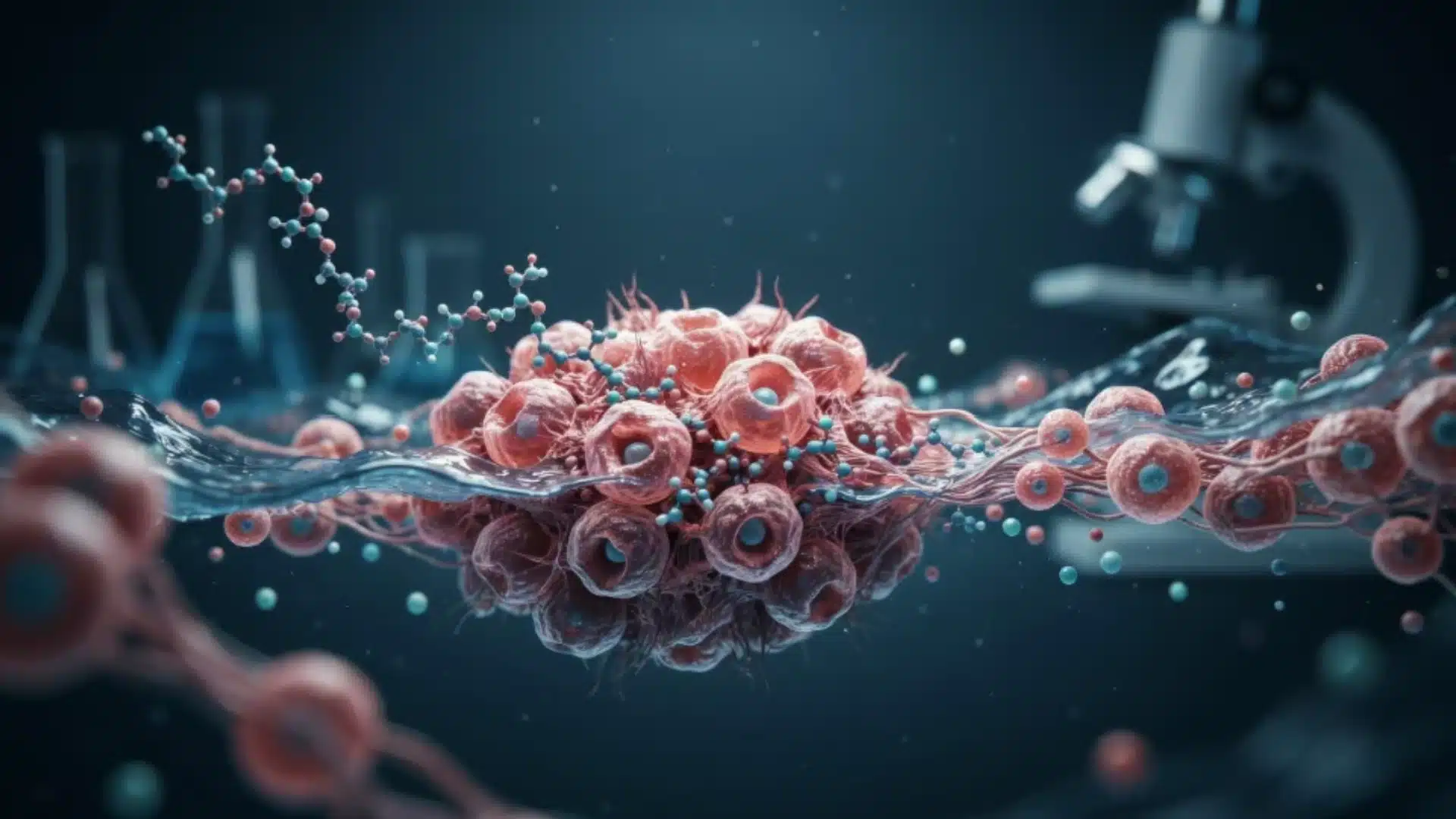
These two are recovery-focused peptides that originated in discussions about tissue repair and injury healing, not skin cosmetics.
They entered aesthetic conversations partly because tissue repair and skin repair share overlapping biology at the cellular level. Neither is a standard cosmetic treatment for loose or aging skin, and ongoing formulation and regulatory hurdles keep it in early-stage territory
Anyone who sees them marketed specifically for skin tightening should ask a provider for the actual research behind that claim before moving forward with treatment.
Injectable Peptides vs. Topical Peptides and Other Skin Tightening Treatments
Injectable peptides are not the only route to firmer skin, and they are not necessarily the strongest one. For visible sagging rather than a loss of skin quality, energy-based options like radiofrequency and ultrasound tend to produce more noticeable change.
I usually point clients toward a dedicated skin tightening procedure once laxity, not just texture, is the main concern.
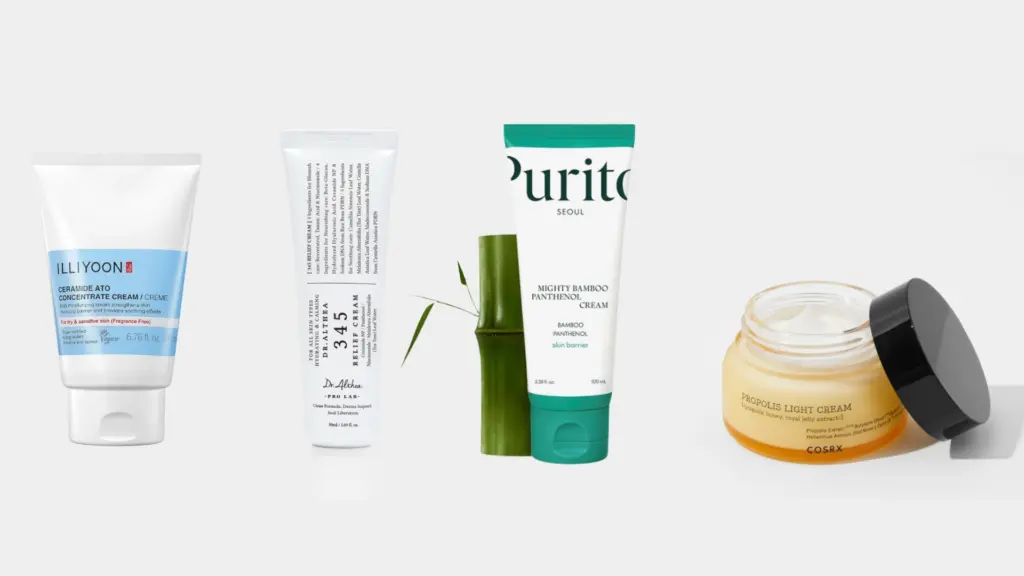
- Topical peptides (Matrixyl): lower risk, milder results, applied at home
- Injectable peptides (GHK-Cu, CJC-1295, Ipamorelin): stronger signaling effect, provider-administered, moderate risk
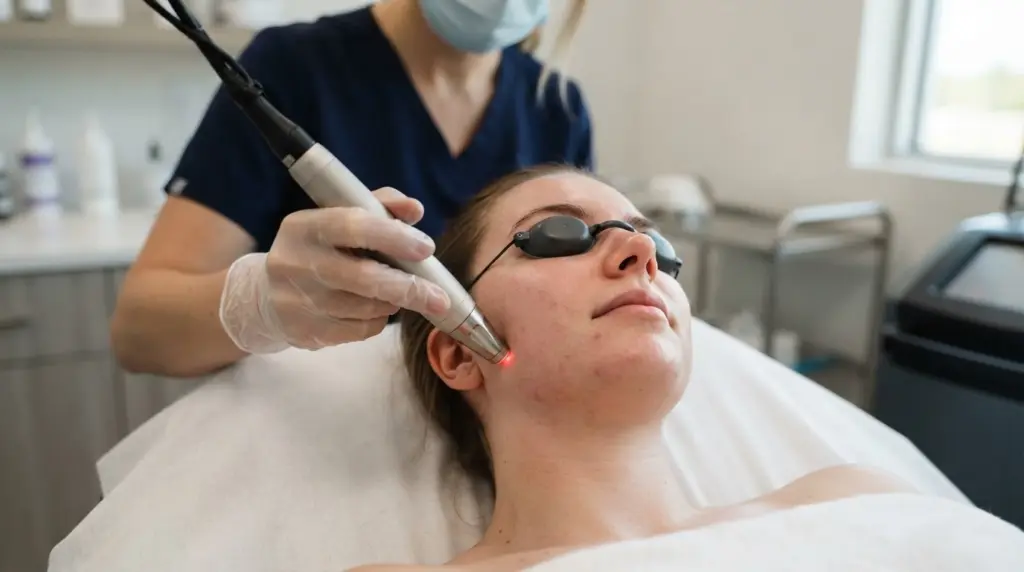
- Energy-based tightening (radiofrequency, ultrasound, laser): better for visible sagging, higher cost, minimal downtime
- Surgical lifting: most dramatic, durable result, highest cost and recovery time
Peptides fit best as a supporting layer underneath one of these approaches, not a replacement.
Peptide Comparison at a Glance
Once you know the individual peptides, it helps to see them side by side. This table lines up the four most discussed options for a fair comparison, using the same standards from the ranking criteria above.
Peptide | Purpose | Evidence Level | Main Consideration |
|---|---|---|---|
GHK-Cu | Collagen and skin repair support | More studied | Results vary by individual |
CJC-1295 | Growth hormone pathway support | Limited cosmetic evidence | Needs medical guidance |
Ipamorelin | Growth hormone stimulation | Limited skin-specific evidence | Response differs person to person |
BPC-157 | Recovery and tissue support | Early-stage research | Not a standard cosmetic treatment |
The table makes one thing clear: GHK-Cu has the strongest link to skin-specific outcomes. The others offer indirect benefits, but carry more uncertainty and need a longer provider conversation first.
Is It Safe to Get Injectable Peptides for Skin Tightening?
Injectable peptides for skin tightening are only as safe as the provider administering them and the product they source, since most cosmetic peptide uses aren’t specifically approved for skin tightening. Here’s what I check before I’ll recommend anyone move forward:
- Medical supervision: injectable peptides should only be administered by a qualified provider
- Regulatory status: many cosmetic peptide uses are not specifically approved for skin tightening
- Product sourcing: quality and purity vary widely between suppliers and clinics
- Individual health: existing conditions and medications can change how a peptide affects you
Skipping any of these steps raises the risk of a poor outcome or an unexpected reaction. I’ve seen a short consultation save someone from a much bigger problem more than once, so I don’t treat it as optional.
How Much Do Injectable Peptides Cost?
Pricing for injectable peptides varies widely and depends on the specific peptide, your provider’s location, and how many sessions your plan calls for, so there is no single reliable number to quote here.
Clinics in larger cities generally charge more than those in smaller markets, and combination treatments, like pairing a peptide with radiofrequency tightening, cost more than a single peptide alone. Some clinics price per vial, others per course of treatment, so two quotes that look similar on paper can cover very different amounts of product.
Because pricing shifts so often, I tell every client to ask their provider for a written estimate rather than trust a number they saw online. A consultation is the only reliable way to get a figure that reflects your plan and your goals.
How Long Do Results Take?
Patience matters more with peptides than with most cosmetic treatments. The points below break the process into three stages, so you know what to expect at each point along the way.
- First few weeks: Skin may feel slightly different depending on the treatment plan
- Several months: Collagen-related changes usually need this much time to show up
- Long term: Maintenance sessions depend on individual response and goals
There is no fixed schedule that applies to everyone, since skin condition, age, and peptide used affect the pace of change. A provider can give a more accurate timeline.
How to Choose the Right Option
Narrowing down your choices among the many peptides for skin tightening gets easier once you break the decision into a few clear steps instead of trying to compare every option at once.
- Identify your main skin concern, such as firmness, texture, or overall tone
- Ask a provider which peptide has evidence tied to that specific concern
- Confirm the provider’s experience with the treatment you are considering
- Review safety information and any health conditions that could affect your results
- Set a realistic timeline before committing to a full treatment plan
Working through these steps in order keeps the decision grounded in your needs rather than a trending option. A good provider will walk through each point before recommending a plan.
Who Should Be Careful with These Peptides?
People who are pregnant or breastfeeding, anyone managing an active medical condition, and anyone taking medication that could interact with a peptide’s effects should approach injectable peptides with extra caution and let a provider make the final call. These are the groups I make a point of flagging before any referral goes out.
- Pregnancy or breastfeeding: generally advised to wait until more is known
- Autoimmune or hormone-sensitive conditions: raise these with a provider first, since peptides interact with the body’s signaling pathways
- Certain medications: anything affecting hormone levels, wound healing, or immune response needs a provider check first
Anyone expecting an instant lifting effect similar to a surgical procedure should also reconsider before booking treatment. Peptides work gradually, and in my consultations, setting that expectation early is often what separates a happy client from a disappointed one.
Final Verdict
My take, after fielding these questions for years: GHK-Cu remains the injectable peptide most frequently discussed for skin support, mainly because it has the most skin-specific research behind it.
CJC-1295, Ipamorelin, and BPC-157 serve different purposes and carry more uncertainty for cosmetic use, so they deserve a longer conversation before you commit to either one.
Injectable peptides are not a full replacement for fillers, lasers, or surgical options, especially when skin laxity is significant. They work best as part of a gradual approach to skin quality rather than a quick fix, and they tend to disappoint anyone expecting a same-day change.
Before starting any treatment, I want you to talk with a qualified provider so you understand which peptides for skin tightening, if any, actually fit your skin goals and health history.
Frequently Asked Questions
What is the Best Injectable Peptide for Skin Tightening?
GHK-Cu is generally considered the best-researched injectable peptide for skin tightening because it has the most skin-specific evidence for supporting collagen and tissue repair.
Are Injectable Peptides Safe for Skin Tightening?
Injectable peptides can be reasonably safe when administered by a qualified provider using a well-sourced product, but many cosmetic peptide uses are not specifically approved for skin tightening.
Can Peptide Injections Be Combined with Botox or Fillers?
Yes, many providers combine treatments to address different concerns at once, but the right combination depends on your skin goals and should be planned with a professional.
Do Injectable Peptide Treatments Hurt?
Most people describe mild discomfort similar to a standard injection. Numbing options are sometimes available, and any pain typically fades shortly after the session ends.
How Often Do You Need Repeat Sessions?
This depends on the specific peptide and your body’s response. Providers often recommend a series of sessions followed by occasional maintenance visits based on results.