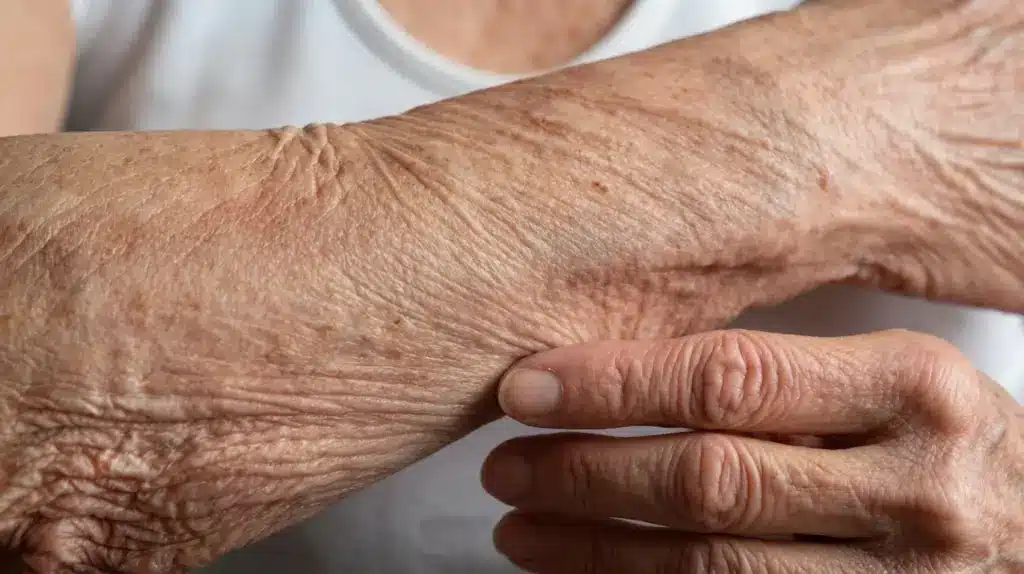
Have you noticed your skin looking thinner, more wrinkled, or less smooth than it used to be and wondered what caused these changes? What is crepey skin, and why does it appear on areas like the hands, neck, arms, and under the eyes?
Crepey skin can appear on areas like the hands, neck, arms, and under the eyes, creating a loose, finely wrinkled texture that can become more noticeable over time.
Aging, sun exposure, dehydration, and reduced collagen production can all affect how firm and smooth the skin looks.
Learn what crepey skin looks like, the main reasons it develops, the areas where it commonly appears, everyday care habits that may help, and when it may be worth speaking with a dermatologist.
What is Crepey Skin and What Does it Look Like?
Crepey skin is skin that’s grown thin, loose, and finely wrinkled, the texture people compare to crepe paper, which is exactly where the name comes from.
It’s different from a deep wrinkle, which tends to sit in one line from repeated expression. Crepey skin spreads out. It affects a wider stretch of surface and gives it that soft, crinkled look.
It builds slowly, as skin loses collagen, elasticity, and moisture. You’ll usually notice it first in the places already working with less cushioning and more sun exposure: hands, neck, chest, arms, and under the eyes.
It’s also worth separating from sagging skin, which is more about volume loss and reduced structural support underneath. Crepey skin is more about the texture and thickness of the skin itself.
Why Skin Becomes Thin and Crepey?
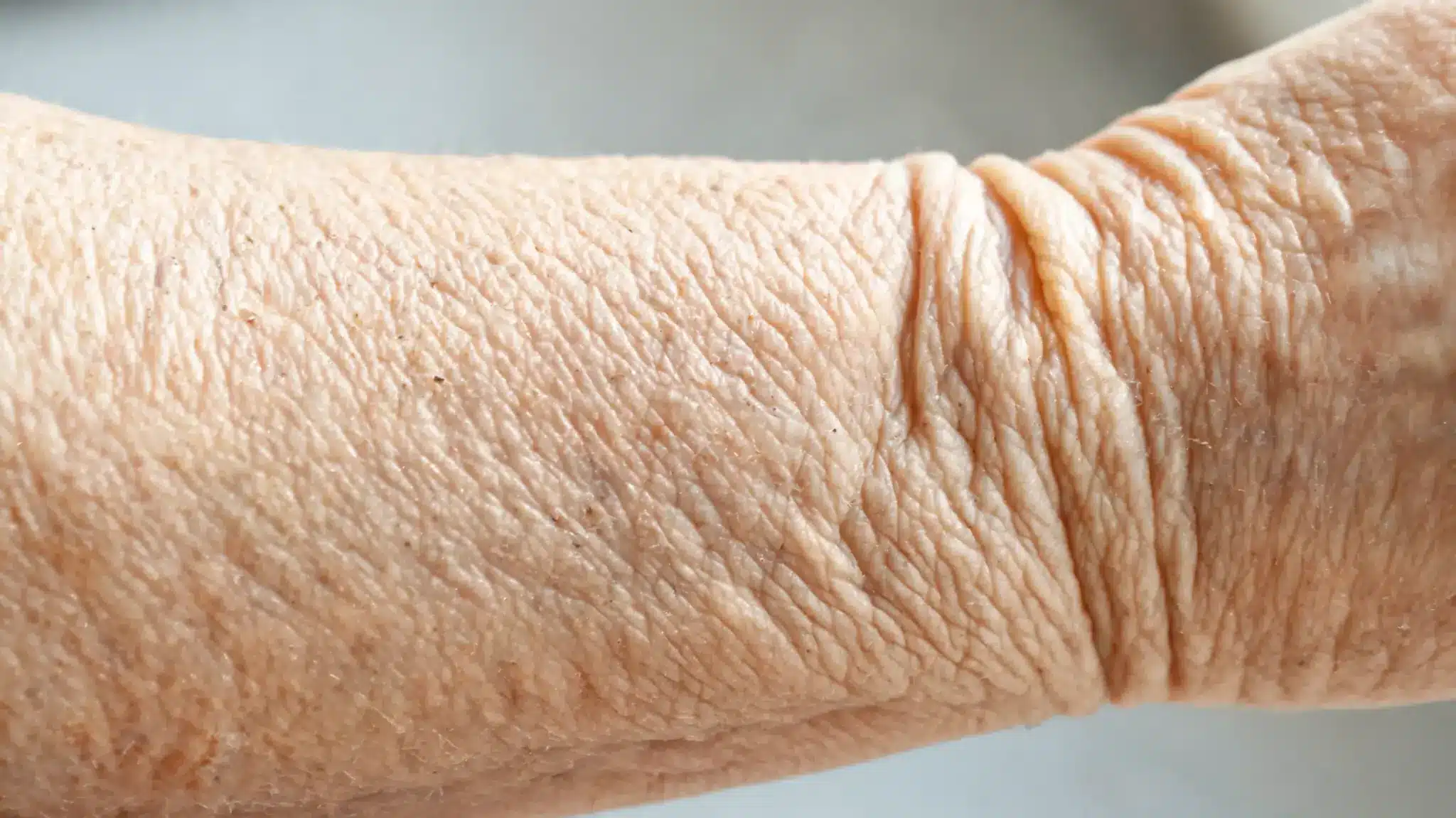
Crepey skin usually develops due to a mix of natural aging, environmental damage, and daily habits. Some causes cannot be controlled, but protecting the skin and maintaining healthy routines may help slow visible changes.
- Collagen and elastin breakdown with age: These proteins keep skin firm and bouncy, and your body makes less of them over time.
- Cumulative sun exposure: Years of UV exposure wear down collagen faster than aging alone ever would.
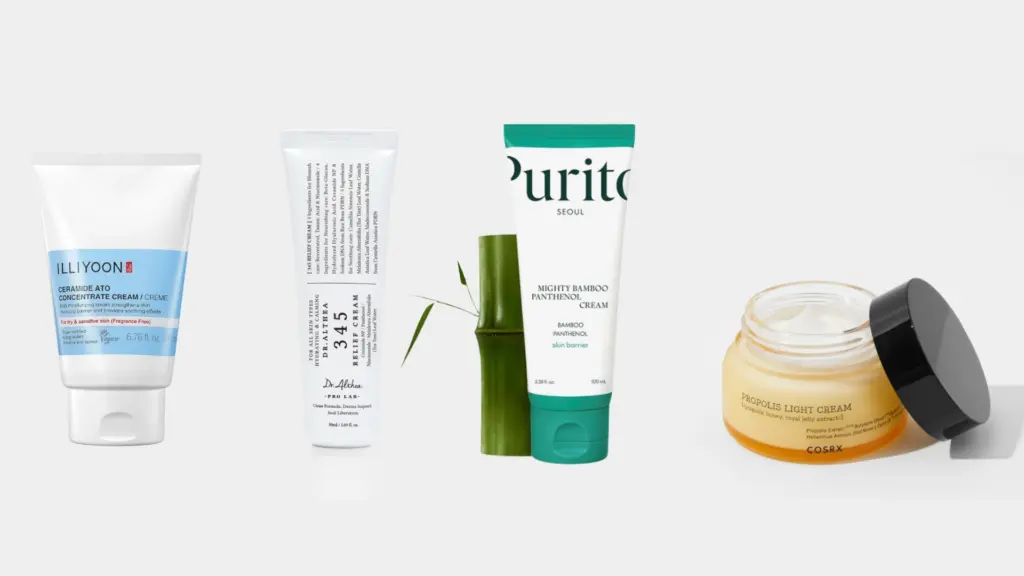
- Dehydration and barrier damage: When skin loses moisture, it may look dull, thinner, and less plump. A weakened skin barrier also makes it harder to retain hydration, which is where a gentle daily moisturizer can make a noticeable difference.
- Rapid weight loss: Losing body volume quickly can leave skin with less support, causing a looser appearance. Gradual weight changes and strength training may help maintain skin structure.
- Hormonal changes: Lower estrogen levels during menopause can affect collagen production, moisture retention, and skin thickness, making texture changes more noticeable.
- Lifestyle factors: Smoking, poor sleep, high stress, and low nutrient intake may affect the skin’s repair process and contribute to faster visible aging.
Understanding these causes can help you choose better prevention habits and make skincare choices based on what your skin needs.
Early Signs of Crepey Skin
Crepey skin often develops gradually, so the first changes can be easy to miss. Recognizing these early signs can help you build a quick skincare refresh into your routine and focus on prevention before the texture becomes more noticeable.
You may notice:
- Skin appearing thinner or less plump than before
- Fine lines spreading across larger areas instead of forming deeper wrinkles
- Reduced elasticity, with skin taking longer to return to its normal shape
- Increased dryness or rough texture despite regular moisturizing
- Looser-looking skin around areas like the arms, neck, and knees
These changes can appear at different ages depending on genetics, sun exposure, hormones, and lifestyle habits. Early care with sunscreen, hydration, and gentle skincare can help support smoother-looking skin and maintain skin health over time
Where Does Crepey Skin Commonly Appear?
Crepey skin doesn’t hit every part of the body the same way. Where it shows up first usually comes down to how thin the skin already is there, plus how much sun or movement that spot gets. Here’s a closer look at each area, along with what actually causes it and what tends to help.
1. Under-Eye Area
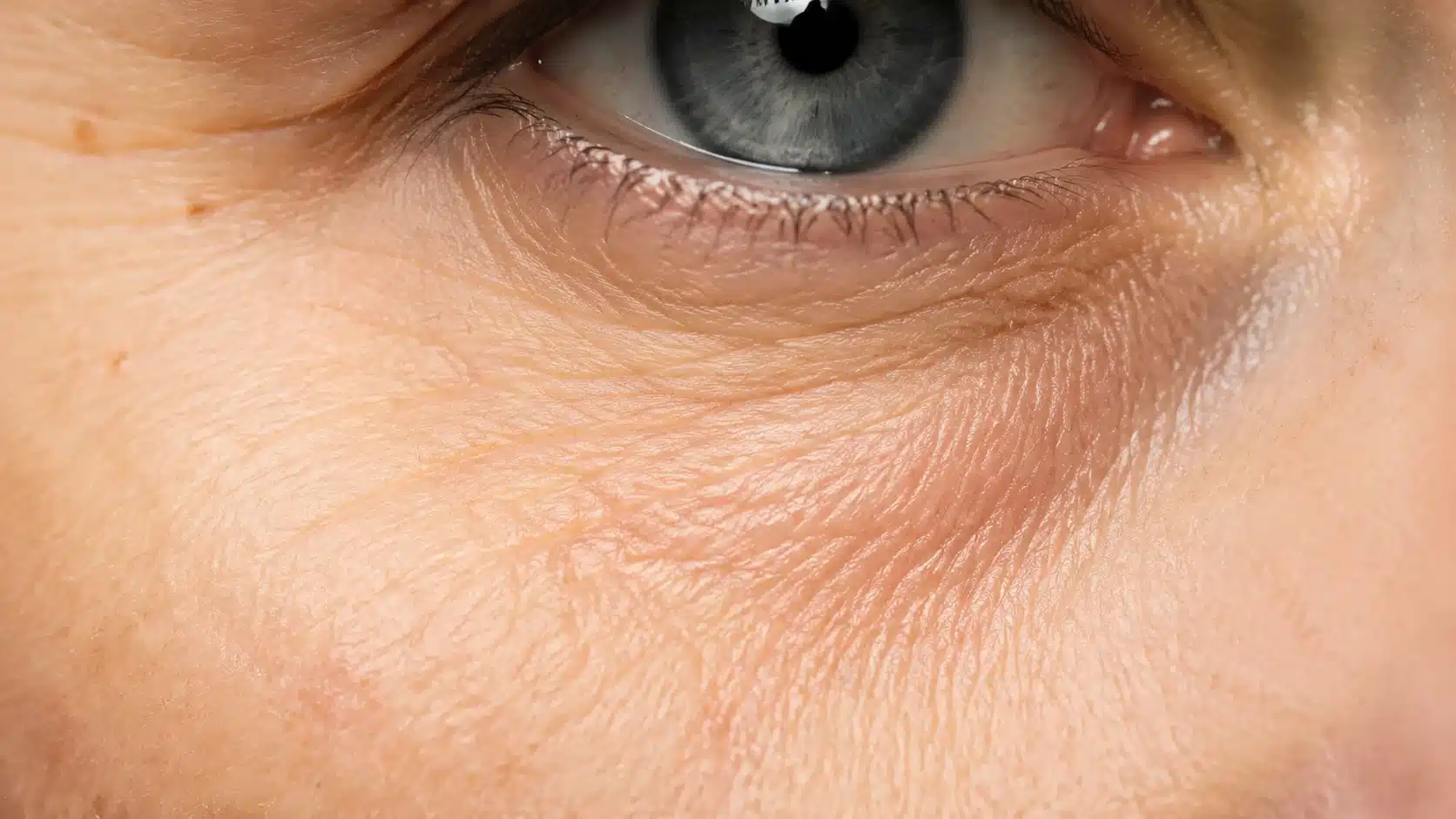
- Why it happens: This skin is the thinnest on the entire body, sometimes less than half a millimeter thick, with very little fat or oil underneath to cushion it. Constant squinting or rubbing, especially with allergies, speeds it up further.
- What helps: A gentle peptide or caffeine-based eye cream can firm things up slightly, but patting instead of rubbing and never skipping sunscreen this close to the eyes makes the biggest difference.
2. Neck and Décolletage
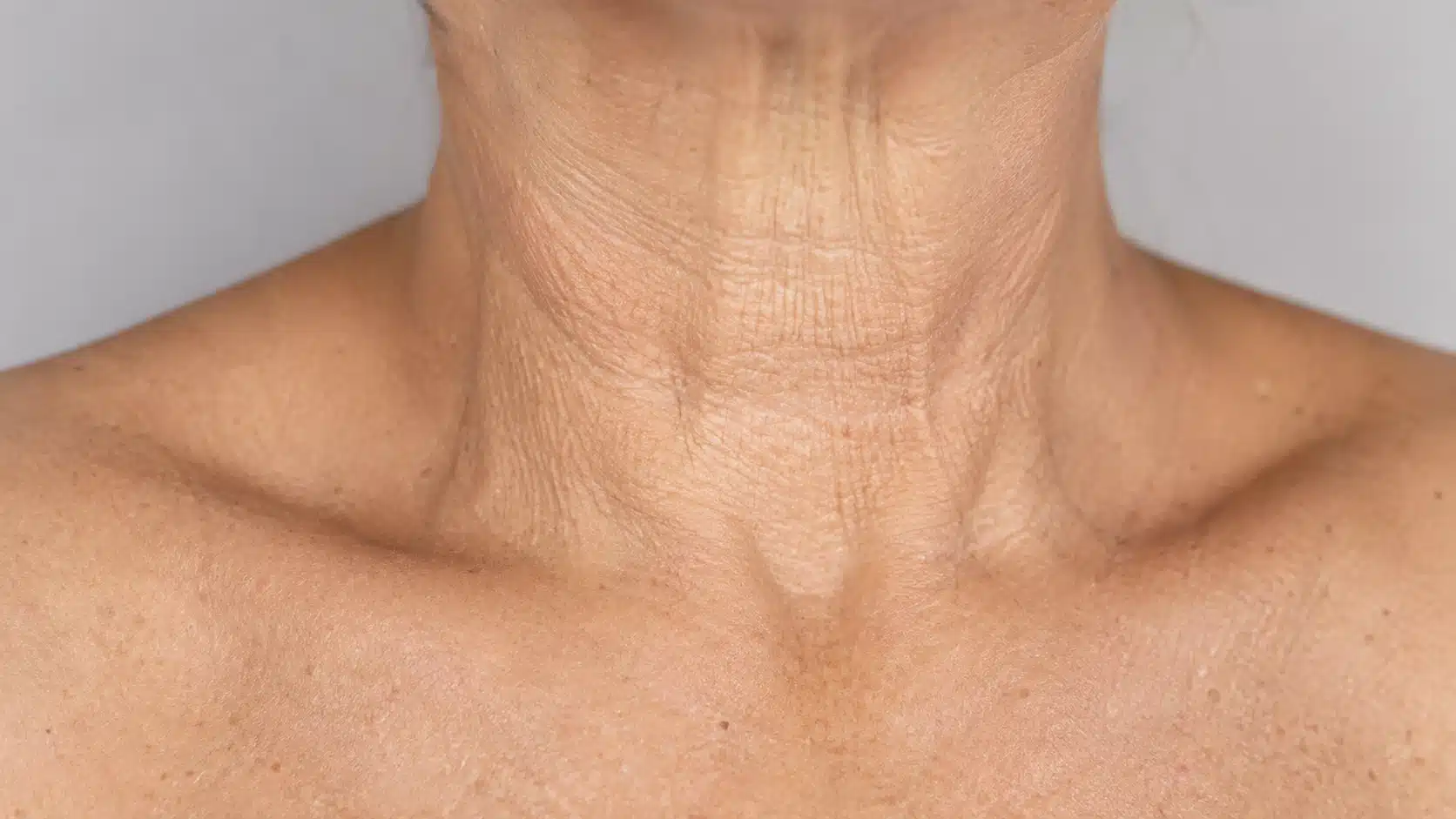
- Why it happens: The neck gets almost as much sun as the face over a lifetime but has far fewer oil glands to keep it hydrated. Looking down at phones constantly adds to the creasing over time.
- What helps: Extend your face skincare routine down to the neck and chest instead of stopping at the jawline, and use a firming neck cream with peptides alongside daily SPF applied all the way down.
3. Hands
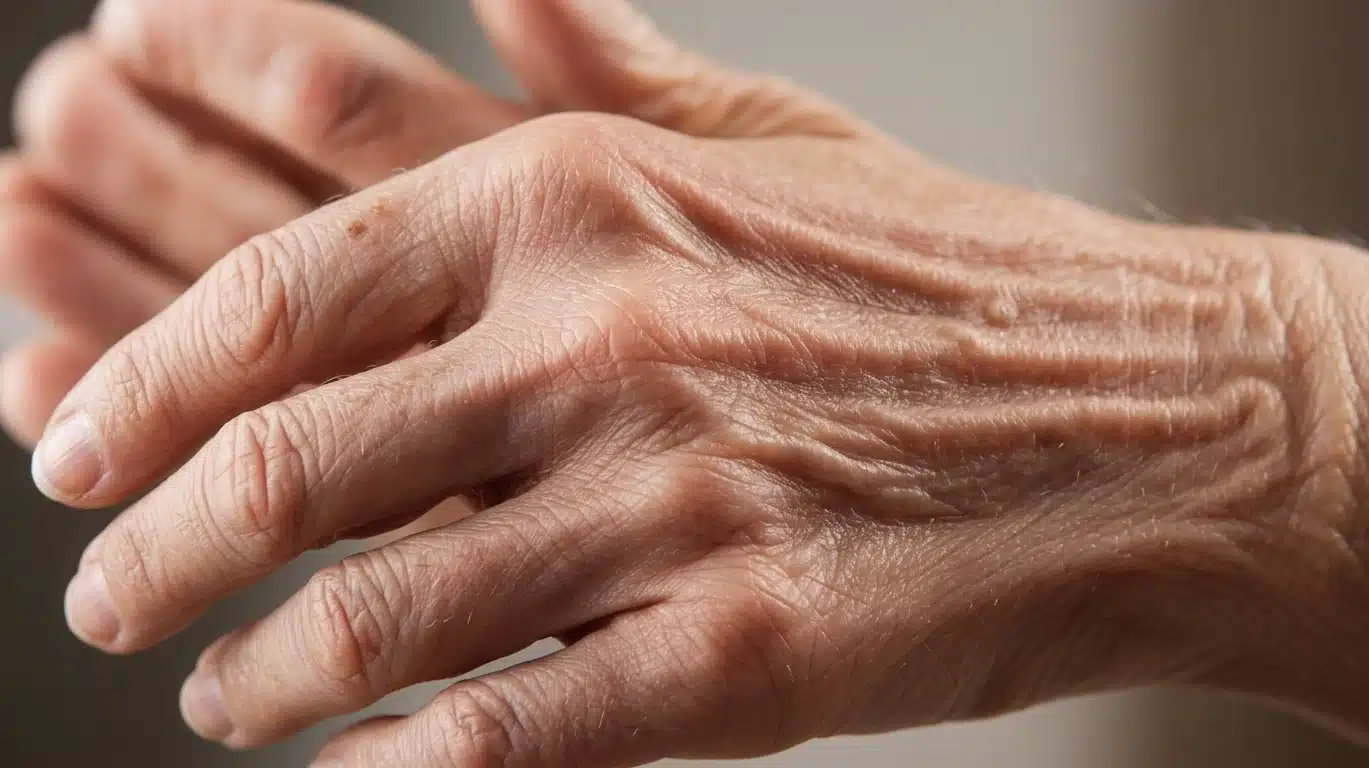
- Why it happens: Years of washing, sanitizing, and sun exposure take a toll, especially since hands have very little natural fat padding to begin with.
- What helps: Rich hand creams with shea butter or ceramides applied after every wash rebuild lost moisture, and following a layered hydration approach can help lock it in. Gloves for dishes or gardening, plus a dedicated SPF for the back of the hands, slow things down further.
4. Arms and Legs
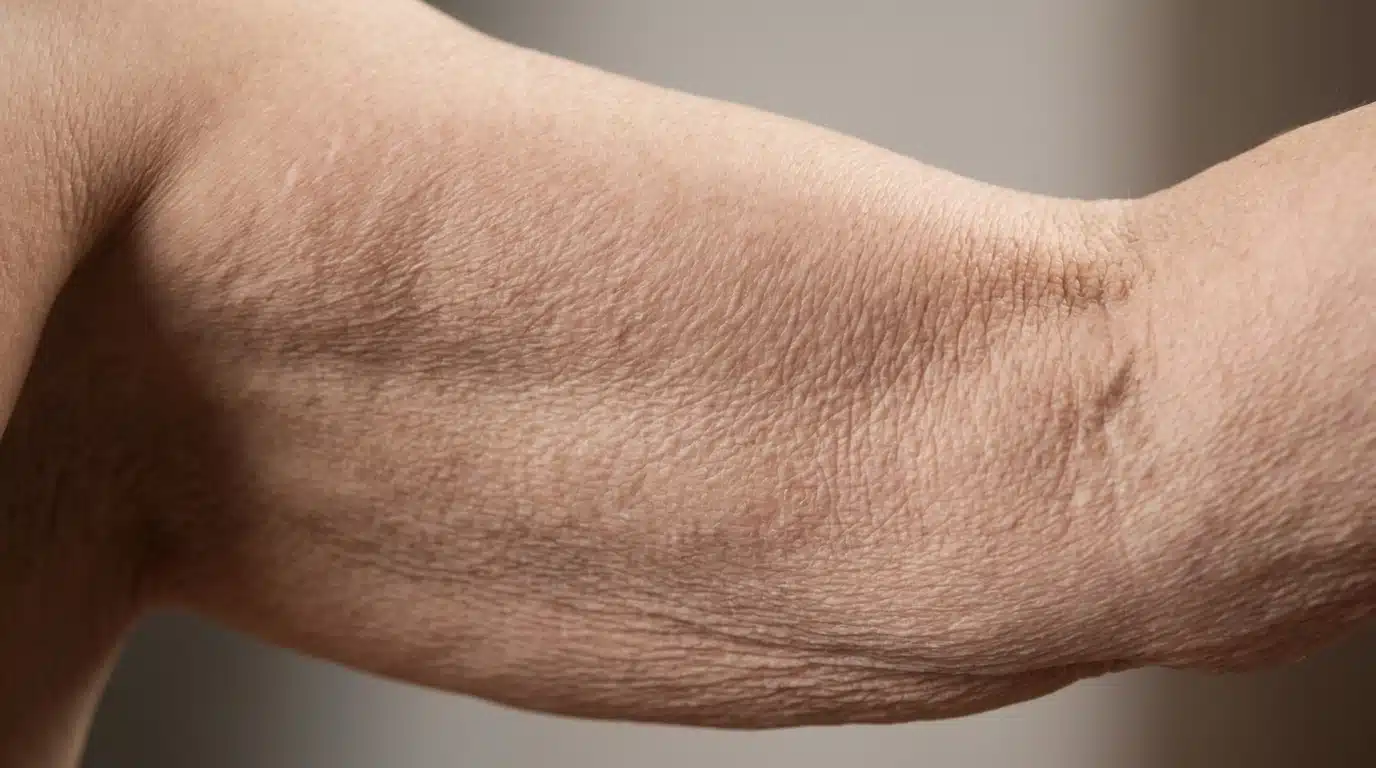
- Why it happens: This one’s mostly about dryness rather than sun damage, and lower humidity in colder months makes it noticeably worse as dry air pulls moisture out of the skin.
- What helps: Switch to a thicker, oil-based body lotion in winter instead of a light one. Lactic acid or urea-based creams also smooth texture here since they exfoliate gently while pulling in hydration.
5. Stomach and Torso
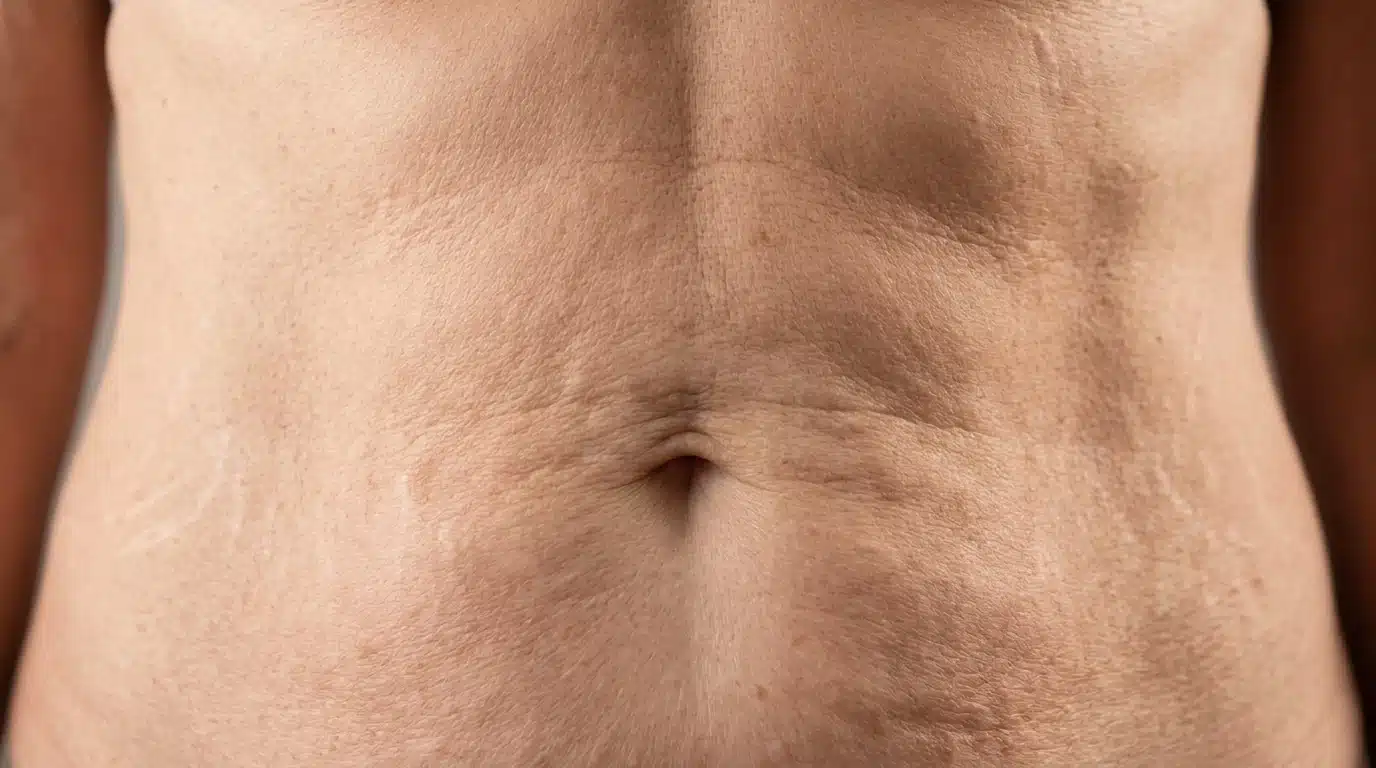
- Why it happens: Usually tied to a stretch-and-release cycle, weight fluctuation, pregnancy, or rapid weight loss, all of which ask the skin to expand or contract faster than collagen can keep up.
- What helps: Firming body creams with peptides or retinol help modestly, but pacing weight changes gradually and adding strength training supports the underlying tissue rather than just the surface. Staying hydrated matters more here than people assume.
Once you know which area you’re dealing with, you can actually target the fix instead of throwing the same routine at everything.
Crepey Skin vs Dry Skin: What’s the Difference?
Dry skin and crepey skin can look similar because both may make the skin appear rough or less smooth. However, the causes and changes behind them are different.
Dry skin happens when the skin lacks enough moisture or has a weakened barrier. It may feel tight, flaky, or uncomfortable and often improves when hydration is restored.
| Dry Skin | Crepey Skin |
|---|---|
| Caused mainly by low moisture levels | Linked to collagen loss and thinning skin |
| May feel tight, rough, or flaky | Looks thin and finely wrinkled |
| Often improves quickly with hydration | Usually needs long-term care |
| Affects the skin surface | Involves changes in skin structure |
Crepey skin involves changes deeper within the skin, including reduced collagen, elastin, and thickness. Moisturizers can make it look healthier, but improving the texture usually requires consistent care over time.
When to See a Dermatologist
Most of the time, this is a cosmetic issue tied to aging, sun, or dryness, not something medical. That said, a few signs mean it’s worth getting a professional opinion instead of just adjusting your routine at home.
Sudden changes over a short period, unusual texture, discoloration, itching, or skin that isn’t responding after several months of consistent care are reasons to book an appointment.
It’s also worth checking in if crepey-looking skin shows up alongside unexplained weight loss, since that combination can sometimes point to something beyond normal aging.
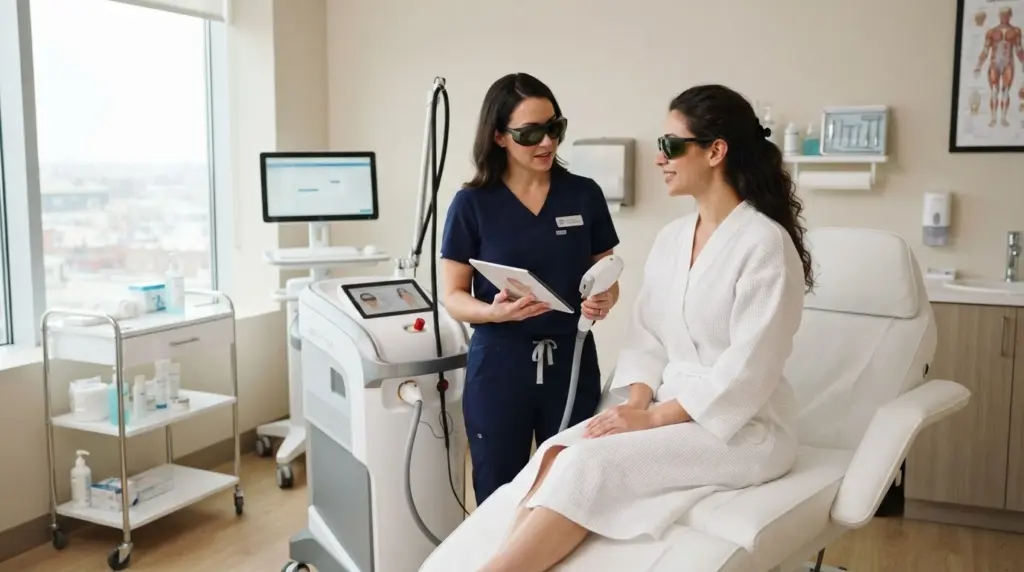
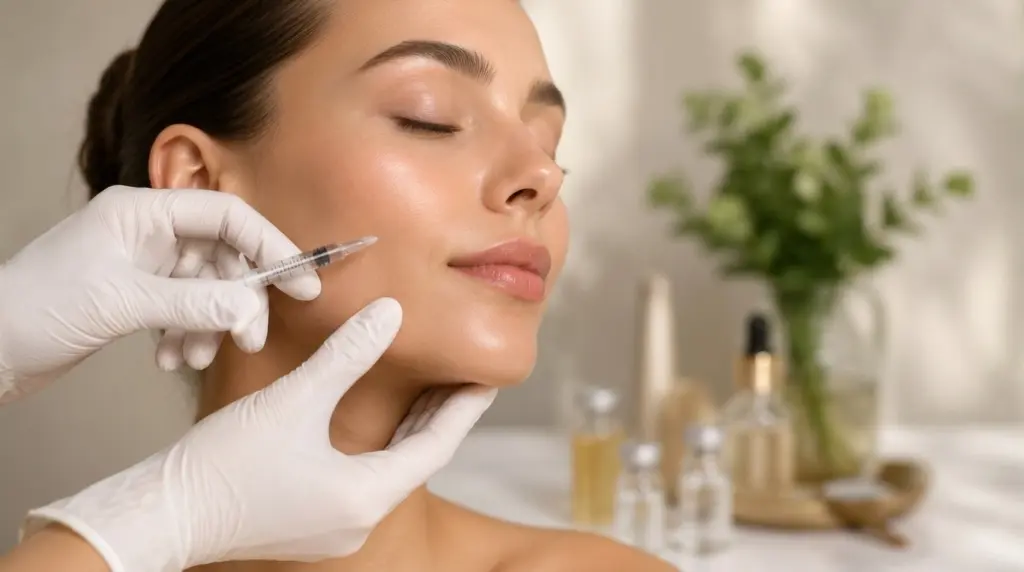
A dermatologist can rule out other causes and walk you through options like prescription retinoids or in-office treatments that go further than over-the-counter products can.
Do’s and Don’ts for Crepey Skin
There’s no single product that fixes this; it really comes down to a handful of small habits done consistently, and just as importantly, a few habits avoided.
| Do’s | Don’ts |
|---|---|
| Apply SPF daily, even indoors, to help protect collagen from UV damage. | Skip sunscreen on cloudy days or when staying inside. |
| Moisturize after showering while skin is slightly damp to retain hydration. | Over-exfoliate or use harsh soaps that weaken the skin barrier. |
| Eat a balanced diet with protein, greens, and citrus for skin support. | Ignore hydration or rely only on topical products. |
| Use retinoids or peptides slowly for long-term skin support. | Wait until visible crepey skin appears before building a routine. |
| Take warm showers instead of hot ones to prevent dryness. | Use scalding water that strips natural oils. |
Consistency matters more than quick fixes. These habits work gradually, with improvements and damage building over weeks and months rather than overnight.
Final Care Note
I learned this back in my swim coaching days, watching what daily sun exposure did to skin over a season, and it stayed with me: the damage that adds up slowly can also be slowed down slowly.
You don’t need to fix everything tonight.
If you’re wondering whether that thin, crinkled texture on your hands or neck can be prevented, the honest answer is: mostly, yes, with consistency, not a single product.
Pick one habit from this list. Maybe it’s finally adding SPF to your morning routine. Start there. That’s enough for now.
Frequently Asked Questions
Is Crepey Skin Genetic?
Yes, genetics influence how much collagen and elastin you naturally produce, so some people notice crepey skin earlier than others despite similar sun exposure and lifestyle habits.
Does Makeup Make Crepey Skin Look Worse?
Heavy or matte makeup can settle into fine texture and highlight it further. Lightweight, hydrating formulas blend more smoothly and tend to minimize how noticeable crepey skin appears.
Can Exercise Help Prevent Crepey Skin?
Strength training supports underlying muscle and tissue, which can improve how skin looks and feels, especially on the stomach, arms, and legs where volume loss is common.
Can Crepey Skin Be Reversed Completely?
Crepey skin can often look smoother with consistent skincare, treatments, and hydration, but restoring lost collagen completely is not usually possible.