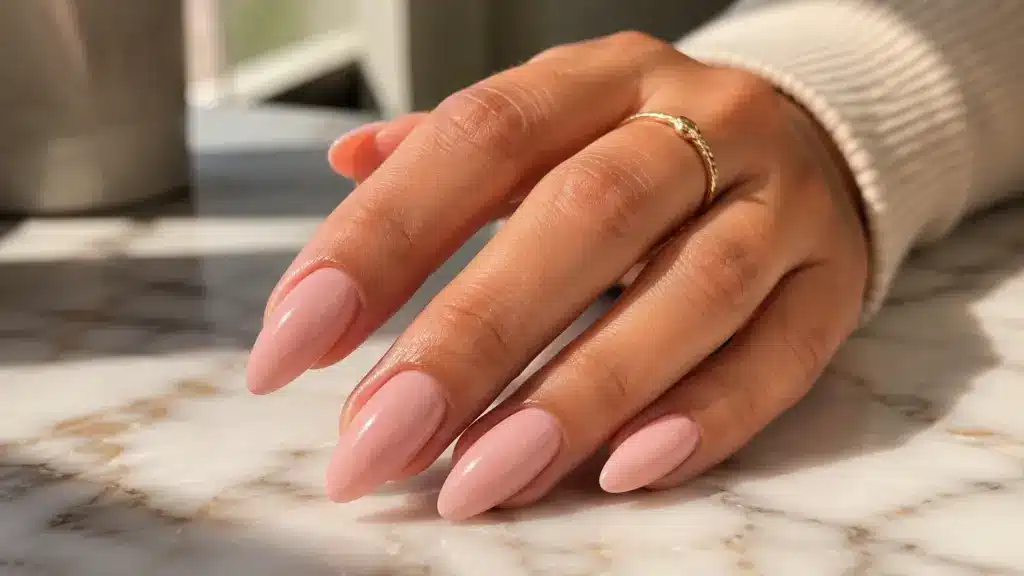
I grew up watching my mom do nails at our family salon in Houston. Saturday mornings meant the hum of the drill, the faint smell of monomer, and clients coming back week after week for their fills.
One thing I noticed early on: two clients could get the exact same set on the same day and have completely different results two weeks later.
Same product, but different lives outside the salon, and I wondered, “how long do acrylic nails last?”
Acrylic nails last differently for everyone. Some people get a solid three weeks before needing a fill. Others are back at the salon in two. What changes the outcome is not luck.
It is a mix of how the nails were applied, how fast your natural nails grow, and what your hands go through day to day.
That gap, between what a set is supposed to do and what it actually does in your hands, is what this guide is about.
How Long Do Acrylic Nails Last on Average?
Acrylic nails usually last around 2 to 3 weeks before they need a fill. During this time, the natural nails continue growing, which creates a visible gap near the cuticle area.
A fill helps refresh the manicure and keeps the acrylic balanced and secure. With regular fills and proper care, a full acrylic set can last around 6 to 8 weeks before complete removal or replacement is needed.
The exact timing depends on nail growth, nail length, daily habits, and how well the acrylic was applied.
Some people may need fills sooner if their nails grow quickly or if they use their hands often during the day.
Waiting too long between fills can cause lifting, cracks, and large gaps near the cuticle. This can weaken the acrylic and make the nails more likely to break.
What is an Acrylic Fill?
An acrylic fill is a touch-up appointment for nails that have started to grow out. As your natural nails grow, a small gap appears near the cuticle.
This gap shows where the acrylic ends and your real nail begins. It can make the manicure look less neat, even if the tips still feel strong.
During a fill, the nail tech cleans the area, files the old acrylic, and checks for lifting or weak spots.
Then, fresh acrylic is placed over the grown-out space near the cuticle. This blends the old acrylic with the new growth, so the nail looks smooth again.
A fill helps keep acrylic nails strong, balanced, and clean between full sets. Most people need one every 2 to 3 weeks.
What Affects How Long Acrylic Nails Last?
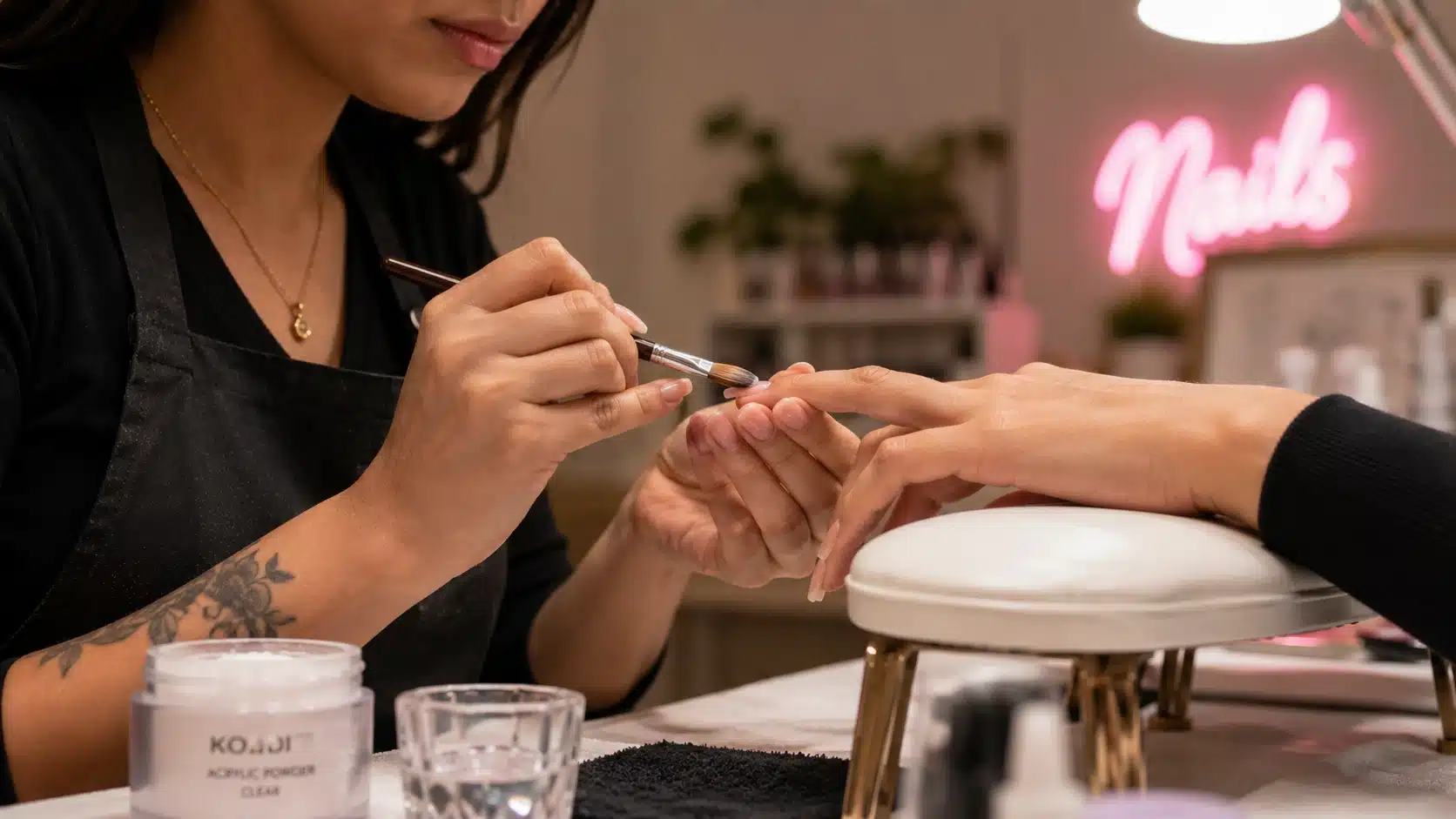
The lifespan of a set depends on several factors working together. Once you understand them, you have real control over the outcome.
1. Natural Nail Growth
Natural nail growth plays a big role in how long acrylic nails last. Some people have faster nail growth than others, which means the gap near the cuticle appears sooner.
When the gap becomes too large, the acrylic can feel unbalanced and start lifting around the edges. Faster growth usually means fills are needed more often, sometimes every two weeks.
Slower nail growth can help acrylics stay fresh a little longer. Growth speed may also change because of age, diet, hormones, or seasonal changes.
Even with a perfect acrylic set, natural growth will still affect the overall look and strength over time.
2. Nail Length and Shape
The length and shape of acrylic nails can affect how well they hold up. Longer nails usually face more pressure during daily activities like typing, opening containers, or lifting objects.
This can lead to cracks, lifting, or broken tips sooner than expected. Certain shapes also handle pressure differently.
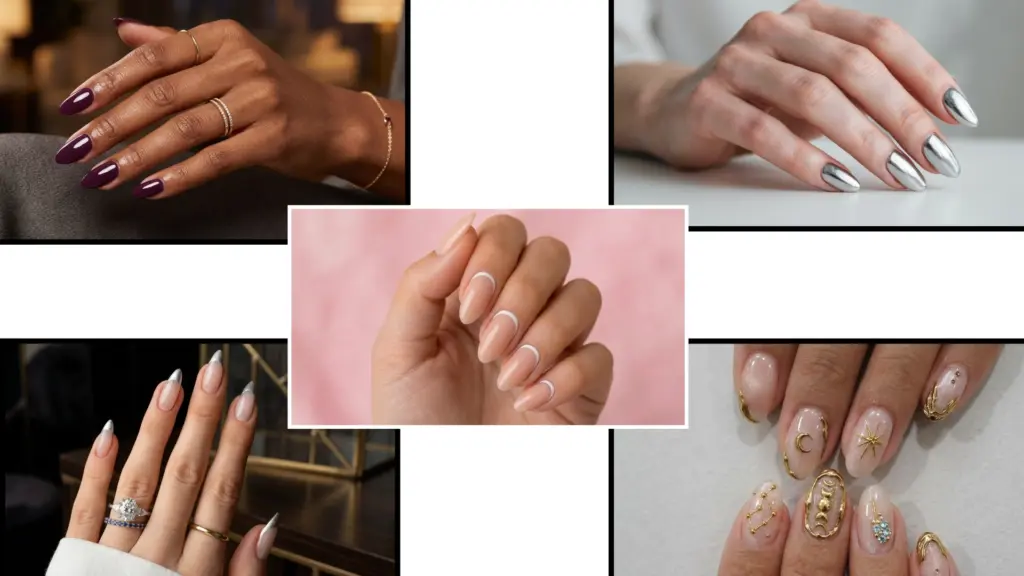
Coffin and stiletto nails may look stylish, but sharp edges can weaken the structure over time. Shorter shapes like round or squoval are often easier to maintain because they place less stress on the nail.
Balanced length and shape choices can help acrylic nails stay secure and look cleaner between fill appointments.
3. Salon Application
Acrylic nails often last longer when they are applied properly from the start. Nail prep is one of the most important steps during the appointment.
If the natural nail is not cleaned, dried, and shaped correctly, the acrylic may lift early. The quality of the acrylic products also matters.
Cheap products or rushed application can lead to weak spots and uneven texture. A skilled nail tech usually applies the acrylic evenly and seals the edges properly to reduce lifting.
Good shaping and smooth blending near the cuticle also help the nails stay balanced and natural-looking for a longer time.
4. Daily Hand Use
Daily habits can affect acrylic nails more than most people realize. Hands are used constantly throughout the day, so nails face pressure during simple tasks like typing, cleaning, cooking, or opening packages.
Using acrylic nails as tools can weaken the tips and increase the risk of cracks or lifting. Jobs that involve frequent hand use may also wear down the nails faster.
Repeated impact and pressure can slowly loosen the acrylic from the natural nail underneath.
Gentle habits help acrylics stay in better shape. Small changes in daily routines can make a noticeable difference in how long they last.
5. Water Exposure
Too much water exposure can shorten the lifespan of acrylic nails. Water may seem harmless, but frequent soaking can weaken the bond between the acrylic and the natural nail.
Long showers, swimming, washing dishes, or cleaning without gloves can slowly cause lifting around the edges.
Once lifting starts, moisture can get trapped underneath the acrylic, which may lead to damage or discoloration.
Nails also expand slightly when exposed to water often, and this movement can stress the acrylic layer over time. Wearing gloves during cleaning tasks and avoiding long soaking sessions can help acrylic nails stay secure and last longer.
Signs Your Acrylic Nails Need Attention
Small changes in your acrylic nails can point to damage, lifting, or irritation. Catching these signs early can help prevent bigger nail problems later.
- Lifting at the edges: The acrylic starts to pull away from the natural nail near the sides or the cuticle area. This can trap moisture underneath and make the nails weaker over time.
- Pain or pressure: Acrylic nails should not feel painful during normal daily activities. Pressure, soreness, or throbbing can mean the nails are too tight, damaged, or lifting underneath.
- Cracks: Small cracks in the acrylic can quickly turn into larger breaks if ignored. Cracked acrylic may also put stress on the natural nail underneath.
- Green, yellow, or brown marks: Discoloration under the acrylic may happen when moisture gets trapped between the acrylic and the natural nail. It should not be ignored, especially if the color spreads.
- Large cuticle gap: A wide gap near the cuticle means the nails have grown out too much. This can make the acrylic feel uneven and more likely to lift or break.
- Loose tips: Tips that move or feel unstable are a sign that the acrylic bond is weakening. Loose acrylic can snag easily and may damage the natural nail if pulled.
If you need to remove the set before you can get in, the guide to removing acrylics without acetone covers gentler options that protect the nail underneath.
How to Make Acrylic Nails Last Longer
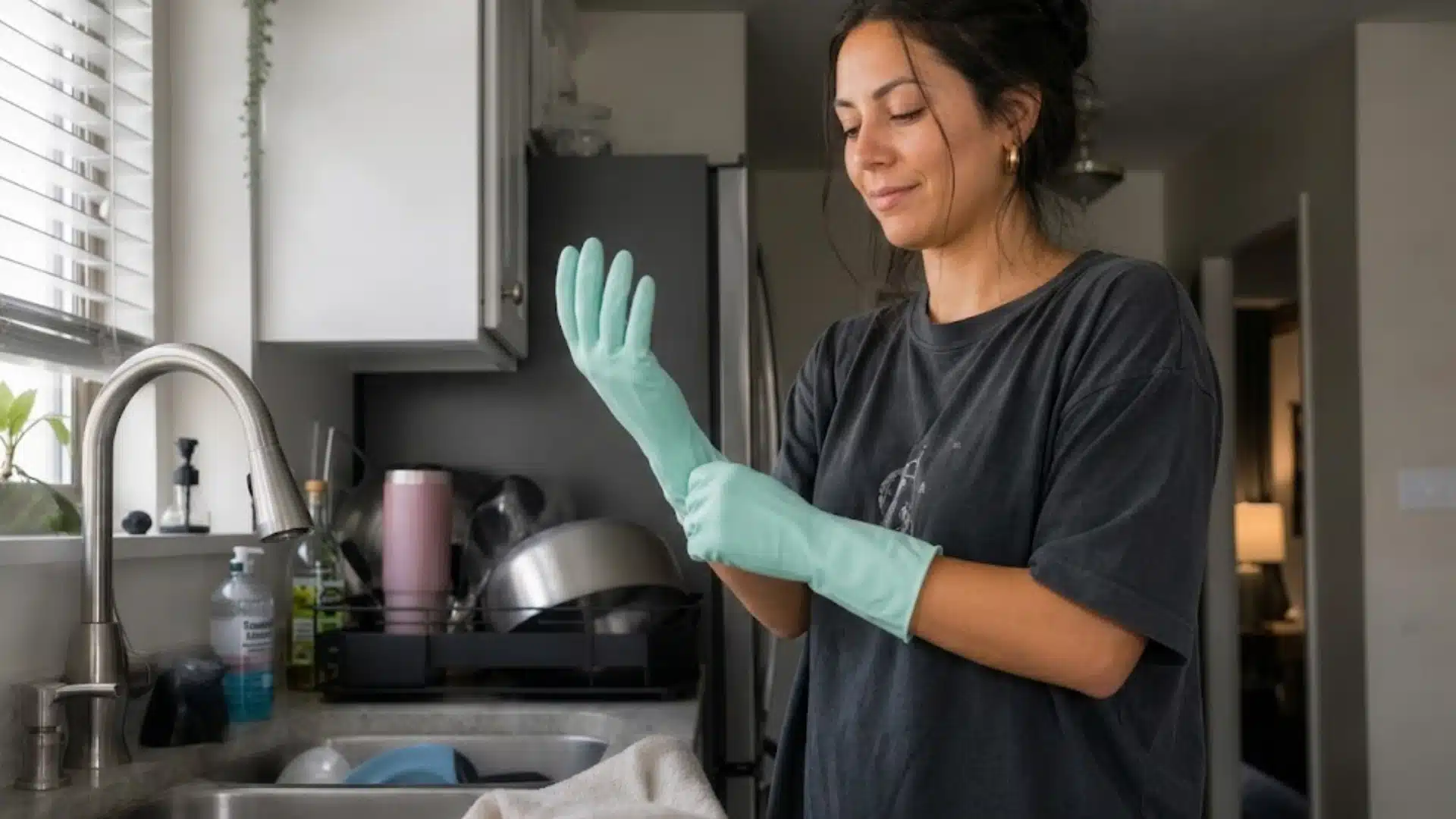
Most of this comes down to small, consistent habits rather than dramatic changes.
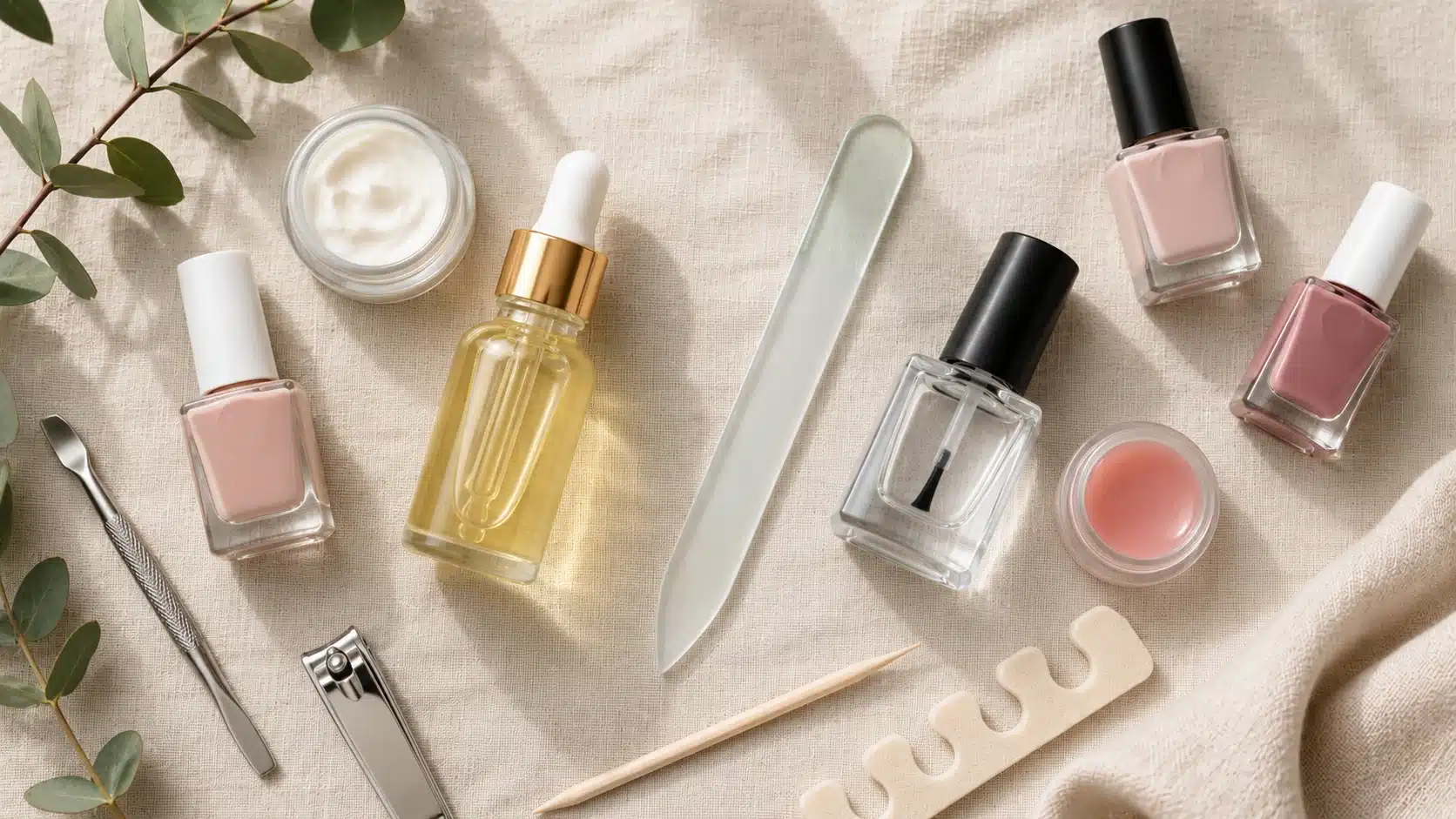
- Cuticle oil: Apply it daily between appointments to keep the skin at the base of the acrylic flexible and less likely to dry out.
- Gloves: Wear them when cleaning since dish soap, bleach, and household cleaners can break down the adhesive holding your set in place.
- Nails as tools: Avoid opening packaging, scraping labels, or prying things open with your nails because it puts stress on the acrylic edge.
- Length: Keep your nail length in sync with your daily routine. Shorter sets usually hold up better and grow out more cleanly.
- Top coat: Apply a fresh layer every few days to protect the surface and keep the finish looking clean.
- Gel polish: Try layering gel polish over acrylics if you want better color longevity between fills. The gel nails at home guide walks through the process step by step.
How Long Do Acrylic Nails Last vs. Gel Nails?
The two systems work differently, and understanding that matters when you are deciding between them. Acrylic nails are harder and less flexible, which makes them more resistant to physical stress and better suited for length and sculpted shapes.
Most acrylic sets outlast gel manicures by one to two weeks before a fill or redo is needed.
Gel manicures feel lighter and more natural on the nail. They tend to be gentler on the natural nail plate over time, which I think matters more than people realize if you wear enhancements year-round. If you want length extensions, acrylics are usually the stronger choice.
If you want a polished, protected natural nail without extensions, gel is worth considering.
For those who enjoy gel polish on top of their acrylics and want to change the color between fills, browsing the best Korean gel polish brands yields affordable options with impressive staying power.
Both are safe when applied and removed correctly. Both need consistent care to stay looking good.
How Often Should You Replace a Full Acrylic Set?
Fills keep a set going, but there is a natural limit. Most nail professionals recommend a full soak-off and a fresh application every 6 to 8 weeks, which works out to about 3 to 4 fill cycles.
After that, product buildup can make fills less precise, and the nail structure harder to keep clean. A fresh set gives you a clean bond to the nail plate, which is healthier for the nail long term.
It is also a genuinely good moment to try something different. Starting fresh opens up the full range of shapes and finishes.
Before you commit to another several weeks of the same look, a browse of trendy nail colors to try is worth it for some fresh ideas.
After soaking off a full set, give your natural nails a short break if you can. Even a week without product lets the nail plate recover. Moisturize well during that window, trim your nails to a comfortable length, and let them settle before the next set.
As nail specialist Dr. Dana Stern noted in NPR’s nail health guide, removing all product before annual skin checks matters because the natural nail can reveal health changes that go unnoticed under enhancement wear.
That is a small thing that most wearers never think about, and it is worth building into your routine.
Conclusion
Finding your fill rhythm usually takes one or two sets. Once you know it, acrylics stop feeling high maintenance and start feeling like a normal, easy part of your week.
The clients who came in most consistently were not the ones with the most time or the most money. They were the ones who figured out their personal schedule and stuck to it.
Two weeks or three weeks, short set or long, gloves for cleaning, and cuticle oil before bed. That was it. That was the whole system.
If a set keeps lifting in the same spot, say something. A good nail tech will adjust their prep on the next visit, and you will see the difference.
Your nails and your schedule can work together. It just takes a little attention to figure out where yours line up.
Share your full schedule or the one product that genuinely changed your nail routine in the comments.
Frequently Asked Questions
Do Acrylic Nails Damage Natural Nails over Time?
Acrylic nails are safe for most people when applied and removed correctly. Damage typically comes from improper removal, specifically peeling or prying the acrylic off rather than soaking it.
The American Academy of Dermatology recommends professional removal to protect the nail plate. Building rest periods between sets also helps keep the natural nail in good condition over the long term.
What Happens if You Skip a Fill Appointment?
The gap between the cuticle and the acrylic widens, shifting the nail’s balance and increasing the risk of catching on something and snapping.
Moisture can also accumulate beneath lifted edges, creating conditions where bacteria or fungus can grow. Pushing past four weeks without addressing the regrowth is where the risk to the natural nail rises noticeably.
Can You Shower and Swim with Acrylic Nails?
Yes. Brief water exposure, like showering, is fine. Prolonged soaking, such as lap swimming, hot tubs, or long baths, weakens the bond over time.
If you swim regularly, drying your nails thoroughly after water exposure and applying cuticle oil afterward helps protect the seal at the base of the acrylic.