Dark spots on the face are a form of hyperpigmentation that occurs when the skin overproduces melanin in a concentrated area, typically triggered by sun exposure, post-acne inflammation, or hormonal changes such as melasma.
I remember noticing a dark patch just above my cheekbone a few weeks after a breakout I’d picked at more than I should have. The pimple healed, but the mark didn’t.
I waited for it to fade on its own for a long time before I stopped waiting and actually learned what it needed. What shifted things wasn’t an expensive treatment.
It was understanding which ingredients actually target melanin, and applying them in a consistent order, every day.
This guide covers exactly that: the best OTC ingredients, a simple daily routine, and when to consider professional treatment if products stop being enough.
What Actually Causes Dark Spots on the Face?
Sun exposure is the most common. UV rays signal the skin to produce more melanin as a protective response, and over time, that melanin clusters into visible patches on the cheeks, forehead, upper lip, and nose bridge.
The spots that come from years of cumulative sun exposure are sometimes called age spots or sun spots, and they tend to persist without targeted treatment.
Post-inflammatory hyperpigmentation (PIH) appears after skin injury or irritation. A healed pimple, a picked scab, or even a product that was too harsh for your skin can leave a dark mark behind.
PIH is more common in medium and deeper skin tones because those complexions have more active melanocytes.
The American Academy of Dermatology notes that dark spots from post-inflammatory causes can take 6 to 12 months to fade without targeted intervention.
Hormonal shifts, particularly during pregnancy or with certain contraceptives, can trigger melasma: larger, often symmetrical patches of discoloration that typically settle across the cheeks, forehead, and upper lip.
Hormonal changes and dark spots often go together, and understanding that connection helps set realistic expectations for treatment timelines.
Melasma is the hardest type to treat and usually requires more patience than sun spots or PIH.
The Best OTC Ingredients to Remove Dark Spots on Face
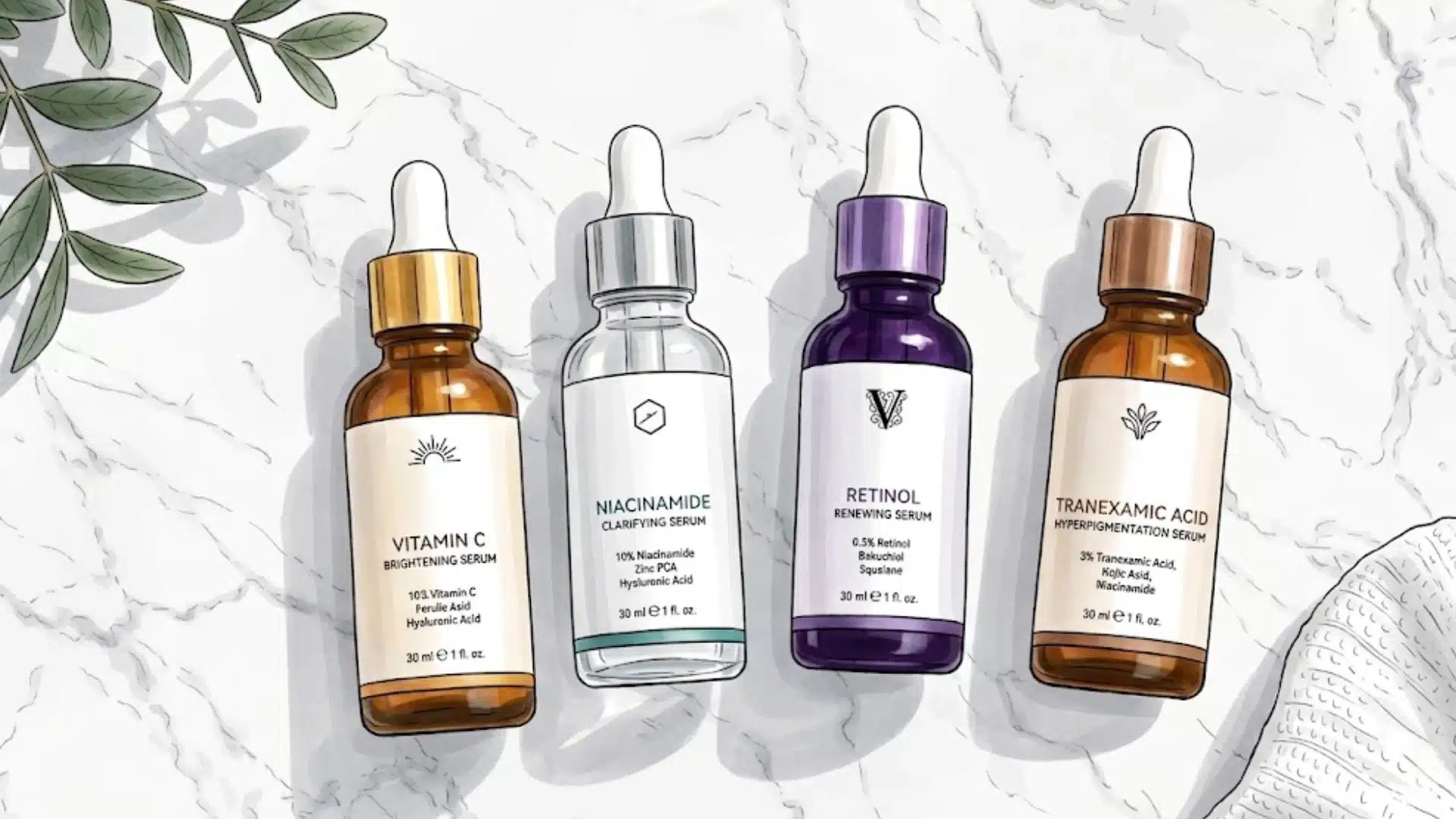
These five ingredients are what dermatologists and aestheticians rely on most. They work at different points in the melanin production process, which is why pairing two of them often produces better results than using one alone.
1. Vitamin C
Vitamin C is a tyrosinase inhibitor. Tyrosinase is the enzyme that drives melanin synthesis in skin, and vitamin C disrupts it before pigment has a chance to form.
It also neutralizes free radicals from UV exposure before they can deepen existing spots. With consistent AM use, the result is gradual brightening and a more even tone overall.
Look for L-ascorbic acid at 10-20% concentration in opaque, airless packaging, as vitamin C oxidizes quickly when exposed to air and light.
2. Niacinamide
Niacinamide (vitamin B3) works at a different stage than vitamin C.
Rather than blocking melanin production, it prevents the transfer of melanin from melanocytes to the surface skin cells, where it shows as a visible dark spot. Think of it as stopping what’s been made from reaching the surface.
It’s gentle enough for daily use across all skin tones, pairs well with most other actives, and doubles as a barrier-support ingredient.
3. Retinol
Retinol accelerates cell turnover, which means pigmented surface cells shed faster and fresher, and more evenly-toned cells replace them sooner.
It addresses fine lines, texture, and discoloration, making it a high-return addition to any PM routine.
Start slow. A 0.025-0.05% concentration, two or three nights per week, lets your skin adjust before increasing frequency. Retinol increases photosensitivity, so it goes in the evening only, and the following morning requires SPF without fail.
CeraVe Resurfacing Retinol Serum is a gentle, ceramide-supported option for beginners. For prescription-strength retinoid (tretinoin), a dermatologist can calibrate the concentration to your skin, which tends to work faster for deep PIH.
4. Tranexamic Acid
Tranexamic acid is relatively new to the OTC market but well-studied for both melasma and post-inflammatory hyperpigmentation.
It works by interrupting the signal between UV-exposed cells and the melanocytes that would otherwise respond by producing more pigment.
It’s a useful alternative for people who find vitamin C irritating, since tranexamic acid is considerably gentler on reactive skin.
5. Azelaic Acid
Azelaic acid is the ingredient I’d suggest first for anyone with sensitive or reactive skin.
It reduces melanin production and has a mild anti-inflammatory effect at the same time, which makes it well-suited for the PIH that follows acne: it addresses the discoloration and some of the inflammation that drives it.
Prescription azelaic acid at 15-20% (available as Finacea or Azelex) is more potent and worth discussing with a dermatologist if the OTC concentration isn’t moving things after three months.
How to Remove Dark Spots on Face with a Simple Daily Routine
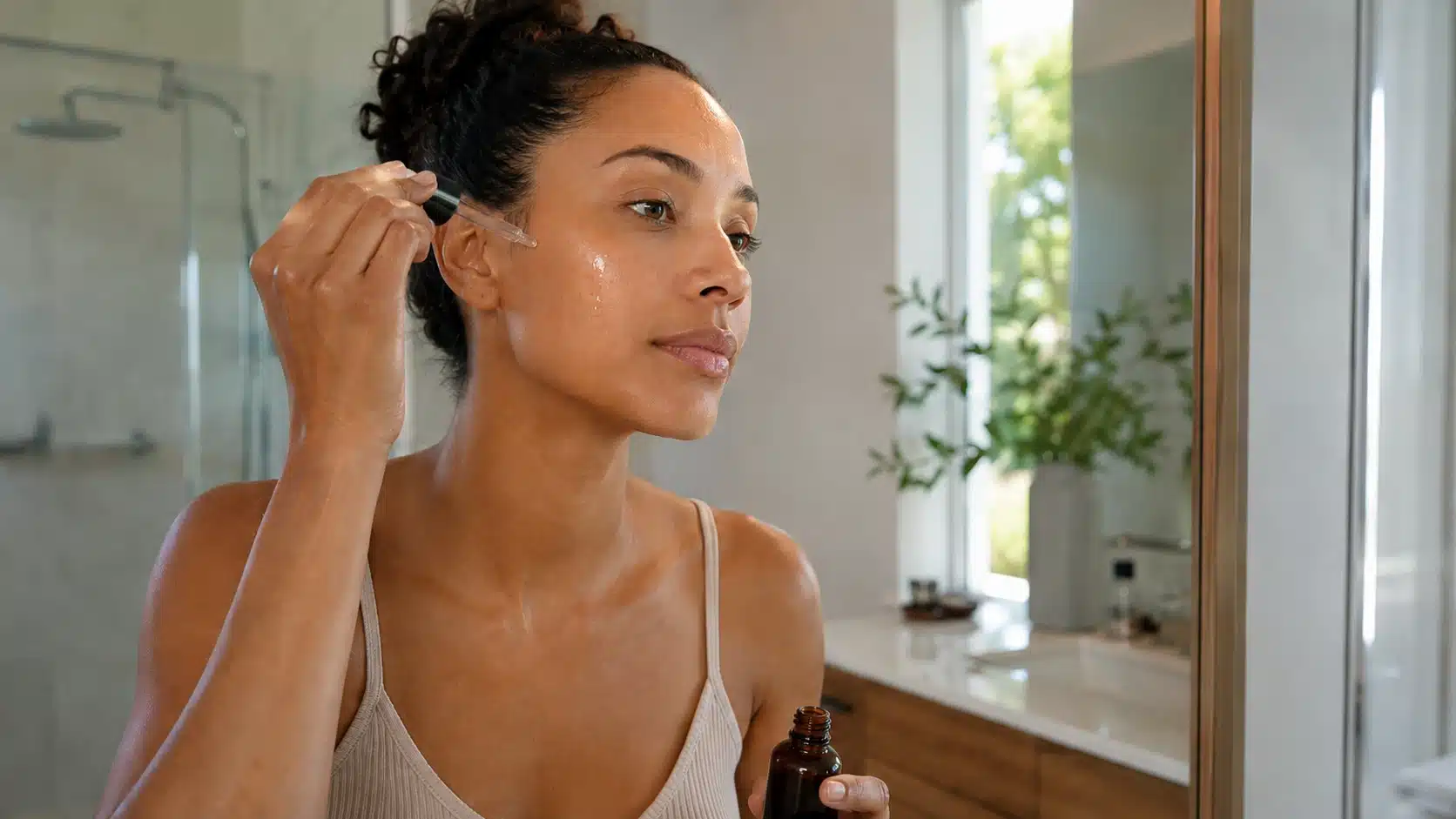
The ingredient list matters less than whether the routine actually fits into your day. Here’s a workable AM/PM structure for most skin types.
Morning: Gentle cleanser, then vitamin C serum on dry skin (not damp, it absorbs better this way), a light moisturizer, then SPF 30 or higher as the final step. That last part is the one most people skip, and it’s the one that determines how much progress the rest of the routine can make.
Evening: Cleanser, then niacinamide serum (gentle enough for daily use). On alternate nights, swap niacinamide for retinol or azelaic acid, building frequency slowly over four to six weeks. Finish with a moisturizer that supports the skin barrier, especially if retinol is in the rotation.
One thing worth knowing: you don’t need every ingredient on this list running at once. Start with two: vitamin C in the morning and niacinamide or azelaic acid in the evening.
Pairing the right products with a steady routine is the foundation of any good dark spot corrector approach.
Building a consistent skin care routine around two or three proven actives tends to outperform layering five at once.
Professional Treatments for Stubborn Dark Spots
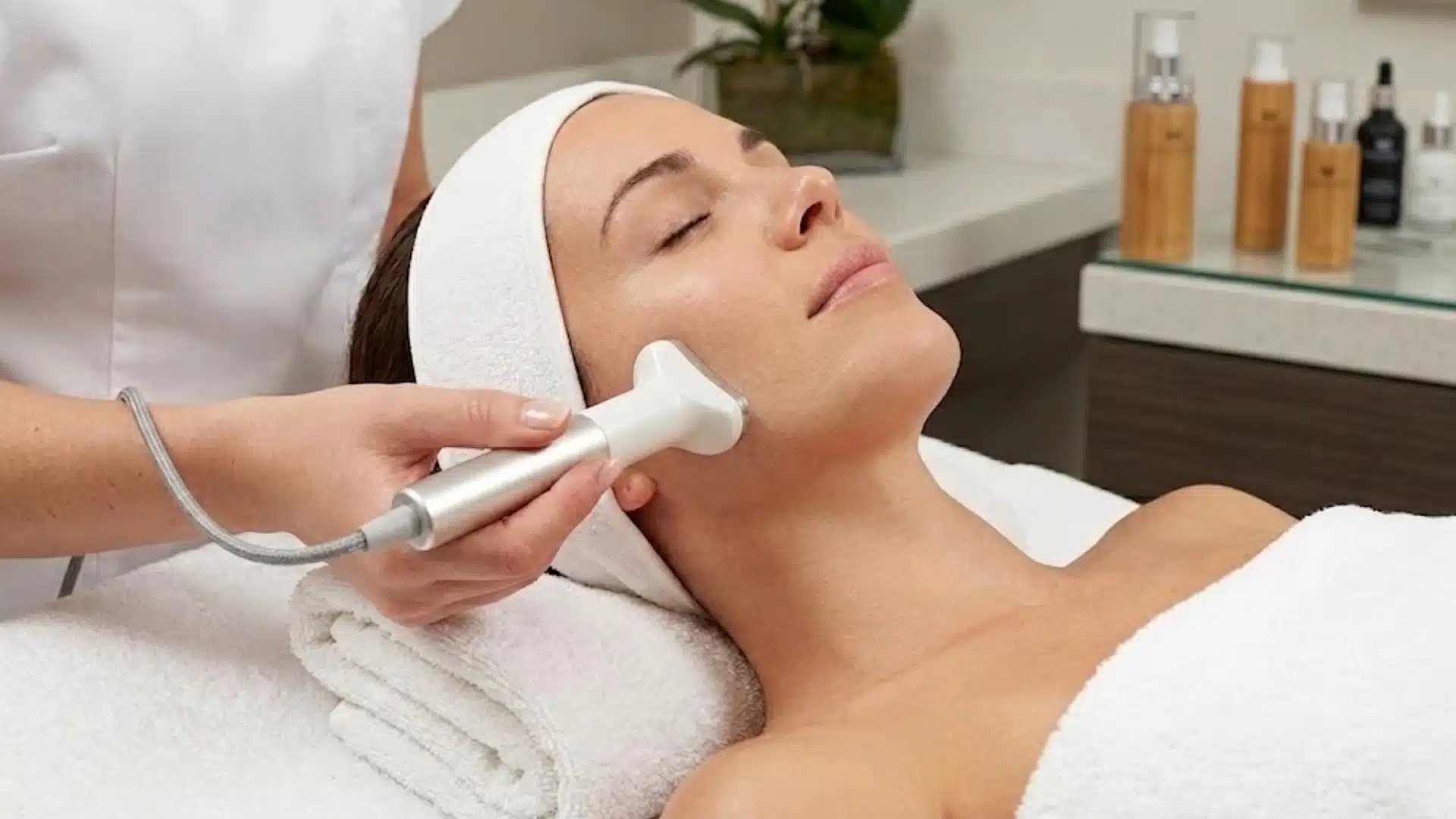
Some dark spots do not fade with regular skincare alone. In those cases, dermatologists may suggest stronger treatments based on the skin type and depth of pigmentation.
Chemical peels use acids to remove damaged surface layers and improve uneven tone over time. Laser treatments target deeper pigmentation, but they need proper care and multiple sessions for safe results.
IPL, also called intense pulsed light therapy, works better for certain sun spots and discoloration caused by UV damage.
Microdermabrasion gently exfoliates the outer skin layer and may help mild surface pigmentation look smoother.
Prescription creams with tretinoin, hydroquinone, or azelaic acid are also common for stubborn marks and melasma.
Darker skin tones need extra care with strong treatments because irritation or heat can sometimes trigger more pigmentation.
A dermatologist can choose safer settings, gentler formulas, and a slower treatment plan to reduce the risk of uneven skin tone.
What to Avoid When Treating Dark Spots
Some quick fixes can irritate the skin, slow healing, and make pigmentation look darker instead of helping it fade evenly over time.
- Lemon juice: Lemon juice may look natural, but it can irritate the skin, cause burns, and make dark spots appear darker after sun exposure.
- Harsh scrubs: Strong face scrubs can damage the skin barrier, create redness, and worsen post-inflammatory hyperpigmentation, especially on sensitive or acne-prone skin types.
- Unlabelled lightening creams: Products without clear ingredient labels may contain harmful substances that irritate the skin and lead to uneven tone or long-term damage.
- Mercury products: Some skin-lightening creams contain mercury, which can damage the skin and may also affect overall health with repeated use over time.
- Illegal OTC hydroquinone products: Unapproved hydroquinone creams may cause irritation, patchy discoloration, or ochronosis, a condition that creates stubborn blue-black skin pigmentation.
- Too many actives at once: Using acids, retinoids, vitamin C, and exfoliants together too often can weaken the skin barrier and trigger more pigmentation issues.
Conclusion
Fading dark spots on the face is less about chasing one miracle product and more about building a routine your skin can handle every day.
The best results usually come from two or three proven ingredients, used consistently, with sunscreen every morning to stop new marks from getting darker.
Dark spots do not appear overnight, so they usually do not fade overnight either. Most need weeks of steady care before you notice a real change.
That can feel slow, but patience matters here. A simple routine you can repeat is often better than switching products every few days, which can irritate your skin.
If an ingredient, serum, cream, or sunscreen has helped fade your dark spots, share it in the comments. Someone else may be dealing with the same marks and looking for the product that finally makes a visible difference.
Frequently Asked Questions
Can Dark Spots Come Back After They Fade?
Yes, they can, especially if the original trigger continues. Sun spots return quickly without ongoing SPF use. PIH can reappear with new breakouts or skin irritation.
Fading a spot without addressing its cause is a short-term fix. Daily sun protection and treating the underlying issue, whether that’s acne, hormonal changes, or unprotected sun exposure, is what keeps them from cycling back.
Is It Safe to Layer Vitamin C and Niacinamide Together?
It is. An older concern about the two reacting and causing flushing has been largely addressed by research and reformulation.
Used together, they target different steps in the melanin process. Applying vitamin C in the morning and niacinamide in the evening is the most common pairing, though many people use both in the same routine without issues.
How Long Does It Realistically Take to See Results from OTC Dark Spot Products?
Most people see a visible change between 8 and 12 weeks of consistent daily use. Melasma and deep post-inflammatory hyperpigmentation can take 4 to 6 months to resolve.
The AAD notes that spots sitting close to the skin surface fade faster than deeper pigmentation. If there’s no visible change after 12 weeks on a steady routine, a stronger formulation or a dermatology consultation is the next practical step.