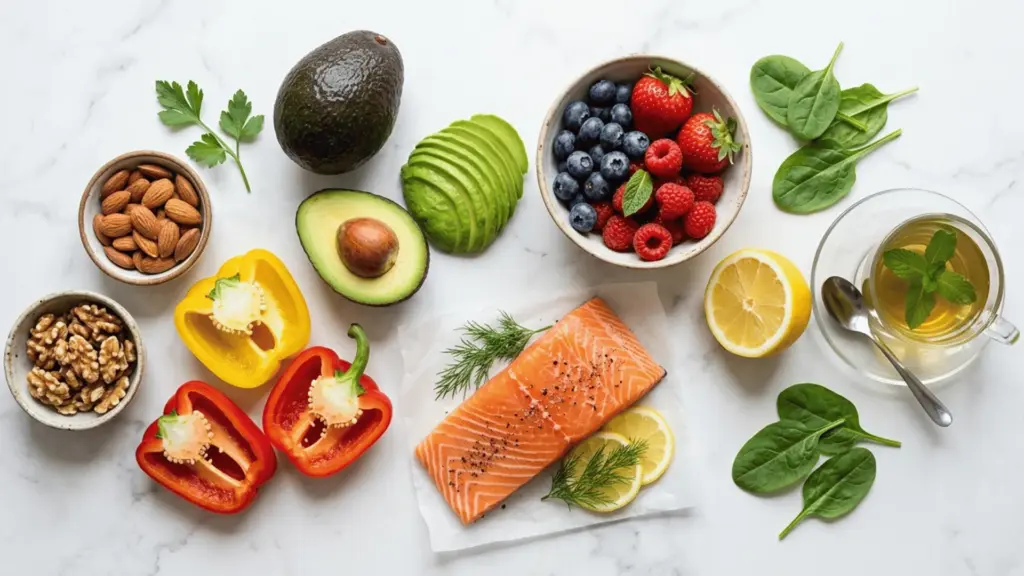
Dull skin, uneven tone, and early signs of aging kept reappearing despite trying different skincare products. The real shift started after paying attention to diet.
What goes on the plate began to reflect directly on the skin. Hydration improved, texture felt smoother, and that natural glow slowly came back without relying too much on creams.
Working as an aesthetician, I saw the same pattern with clients week after week: the ones who noticed the biggest improvements in clarity and texture were usually the ones who had quietly changed something in their diet. Not perfectly. Just consistently.
From personal experience, certain foods made a noticeable difference, especially when added consistently. Small changes like including healthy fats, fruits, and nutrient-rich meals worked better than quick fixes.
This blog shares the best foods for healthy skin, along with key nutrients, real benefits, and simple dietary habits that support long-term skin health.
Why Food Matters for Skin Health
Skin reflects overall health, and diet can influence skin barrier function, inflammation, and aging-related changes.
A recent review in Nutrients found that predominantly whole-food dietary patterns are associated with better skin health, with nutrients such as vitamins A, C, and E, omega-3 fatty acids, zinc, and polyphenols playing supportive roles in collagen synthesis, antioxidant defense, and inflammation control
- Collagen production for firmness
- Hydration for smooth texture
- Protection against UV and pollution
- Reduced inflammation (less acne and redness)
Foods rich in omega-3 fatty acids, antioxidants, and vitamins A, C, and E play a major role in maintaining healthy, balanced, and naturally glowing skin.
Key Nutrients for Skin Health at a Glance
Certain nutrients play a direct role in maintaining hydration, supporting collagen production, reducing inflammation, and protecting the skin from environmental damage. This table highlights the most important nutrients and their best food sources.
| Nutrient | Primary Benefit | Top Food Sources |
|---|---|---|
| Omega-3 fatty acids | Moisture barrier, reduced inflammation | Salmon, mackerel, chia seeds, walnuts |
| Vitamin C | Collagen synthesis, brightening | Bell peppers, citrus, berries, broccoli |
| Vitamin E | Antioxidant protection, cell repair | Almonds, avocado, sunflower seeds |
| Vitamin A / Beta-carotene | Cell turnover, sun protection | Sweet potatoes, carrots, leafy greens |
| Lycopene | UV protection, texture improvement | Tomatoes, watermelon |
| Zinc | Acne control, wound healing | Nuts, seeds, legumes |
| Probiotics | Gut-skin clarity | Yogurt, kefir, fermented foods |
| Polyphenols / Flavanols | Inflammation, elasticity | Green tea, dark chocolate, berries |
Best Foods for Healthy Skin
The secret to a natural glow might not be in your skincare routine at all; it starts on your plate, and the right foods can transform your skin from within.
1. Fatty Fish (Salmon, Mackerel, Sardines)
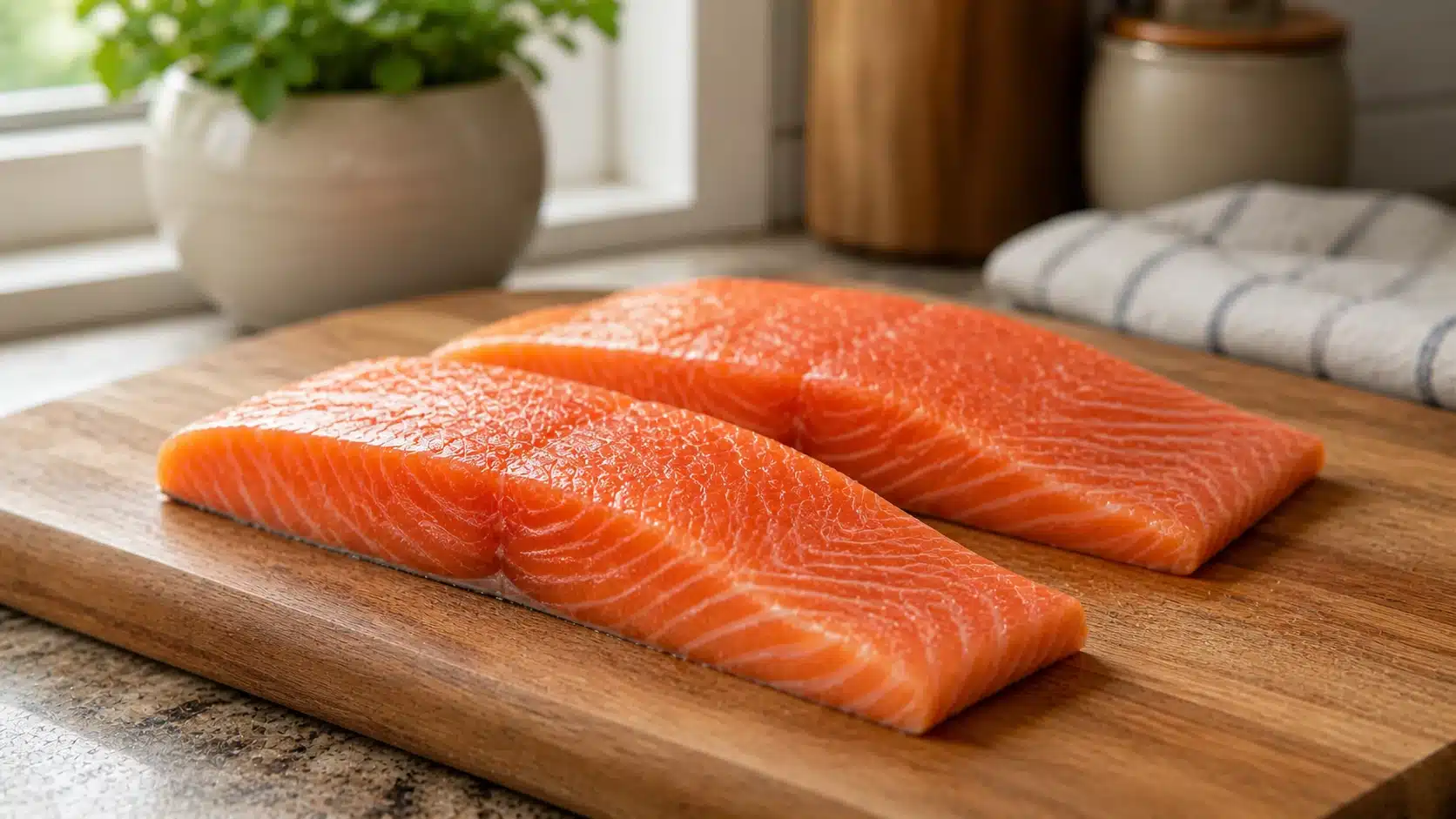
Fatty fish are one of the most powerful foods for skin health. Omega-3 fatty acids help maintain the skin’s lipid barrier, which keeps moisture locked in and irritants out.
An omega-3 deficiency can directly cause dry, flaky skin, and studies show fish oil supplements may also help manage inflammatory skin conditions like psoriasis and lupus.
- Benefit: Deep hydration, reduced acne, and smoother skin texture
- Key nutrients: Omega-3, Vitamin D, Vitamin E
2. Avocados
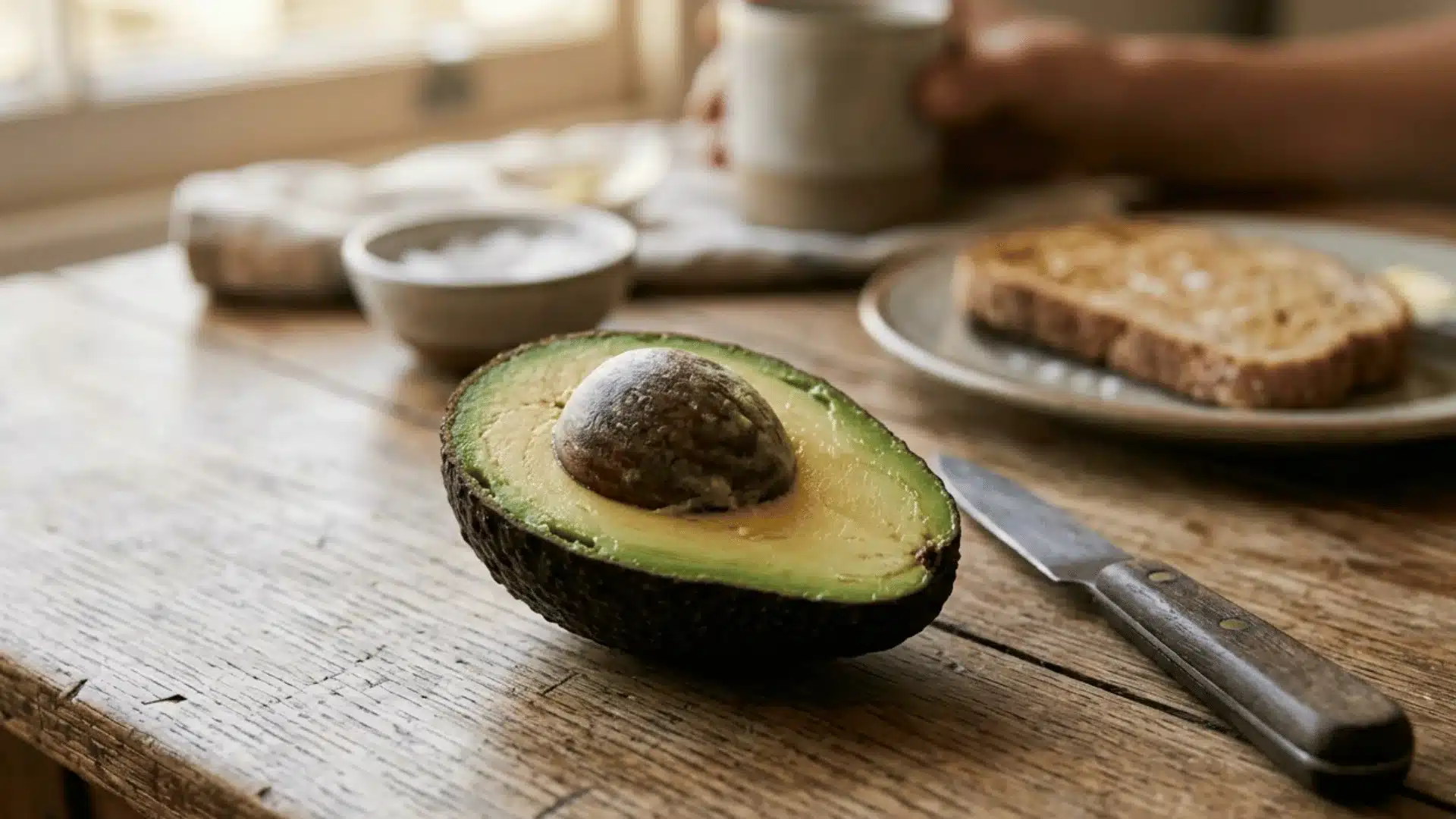
Avocados are packed with healthy fats that nourish the skin from within. These fats help maintain softness and elasticity, while vitamin E protects against oxidative stress caused by pollution and sun exposure.
Vitamin C supports collagen production, making skin appear firmer over time.
- Benefit: Soft, elastic skin with improved firmness
- Key nutrients: Healthy fats, Vitamin E, Vitamin C
3. Bell Peppers
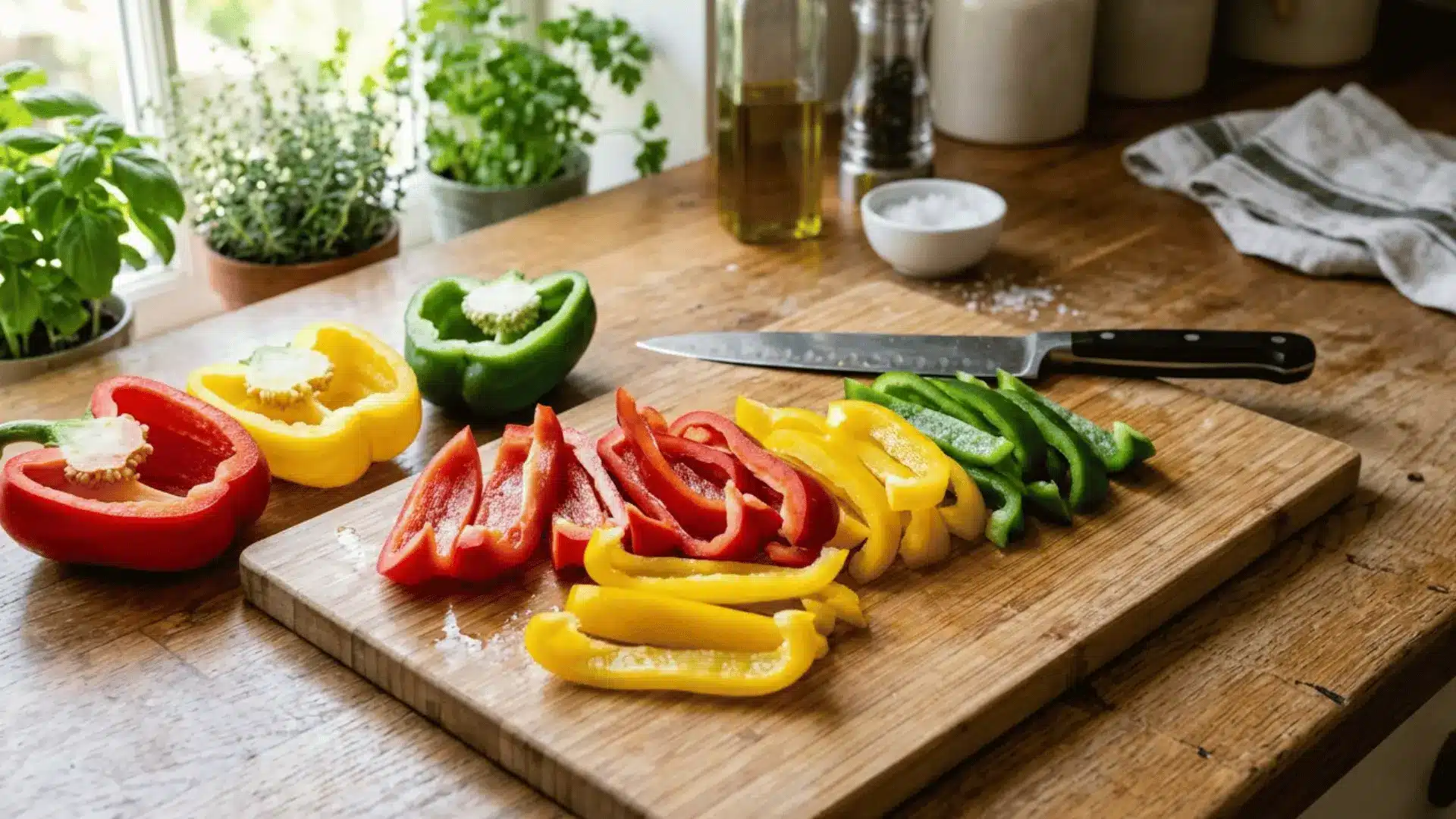
Bell peppers, especially red and yellow ones, are extremely rich in vitamin C. One cup of chopped red bell pepper provides around 190% of the daily recommended vitamin C intake, more than most citrus fruits.
Vitamin C is essential for collagen synthesis, and beta-carotene converts to vitamin A in the body, which helps maintain healthy skin cells and prevents dryness.
- Benefit: Brighter complexion and stronger skin structure
- Key nutrients: Vitamin C, Beta-carotene
4. Berries (Strawberries, Blueberries, Raspberries)

Berries are loaded with antioxidants that help fight free radicals, which are responsible for premature aging.
They support collagen production and help reduce oxidative stress, which can dull the skin over time. Regularly including berries can improve skin clarity and tone.
Note: If you combine blueberries with dairy in the same meal, your body may absorb fewer antioxidants from the berries.
- Benefit: Youthful glow and reduced signs of aging
- Key nutrients: Antioxidants, Vitamin C
5. Sweet Potatoes

Sweet potatoes act as a natural skin protector. Beta-carotene helps defend against sun damage and contributes to a warm, healthy skin tone. It also supports skin cell production, which keeps the surface smooth and even.
- Benefit: Natural glow and improved skin tone
- Key nutrients: Beta-carotene (Vitamin A)
6. Nuts (Almonds, Walnuts)
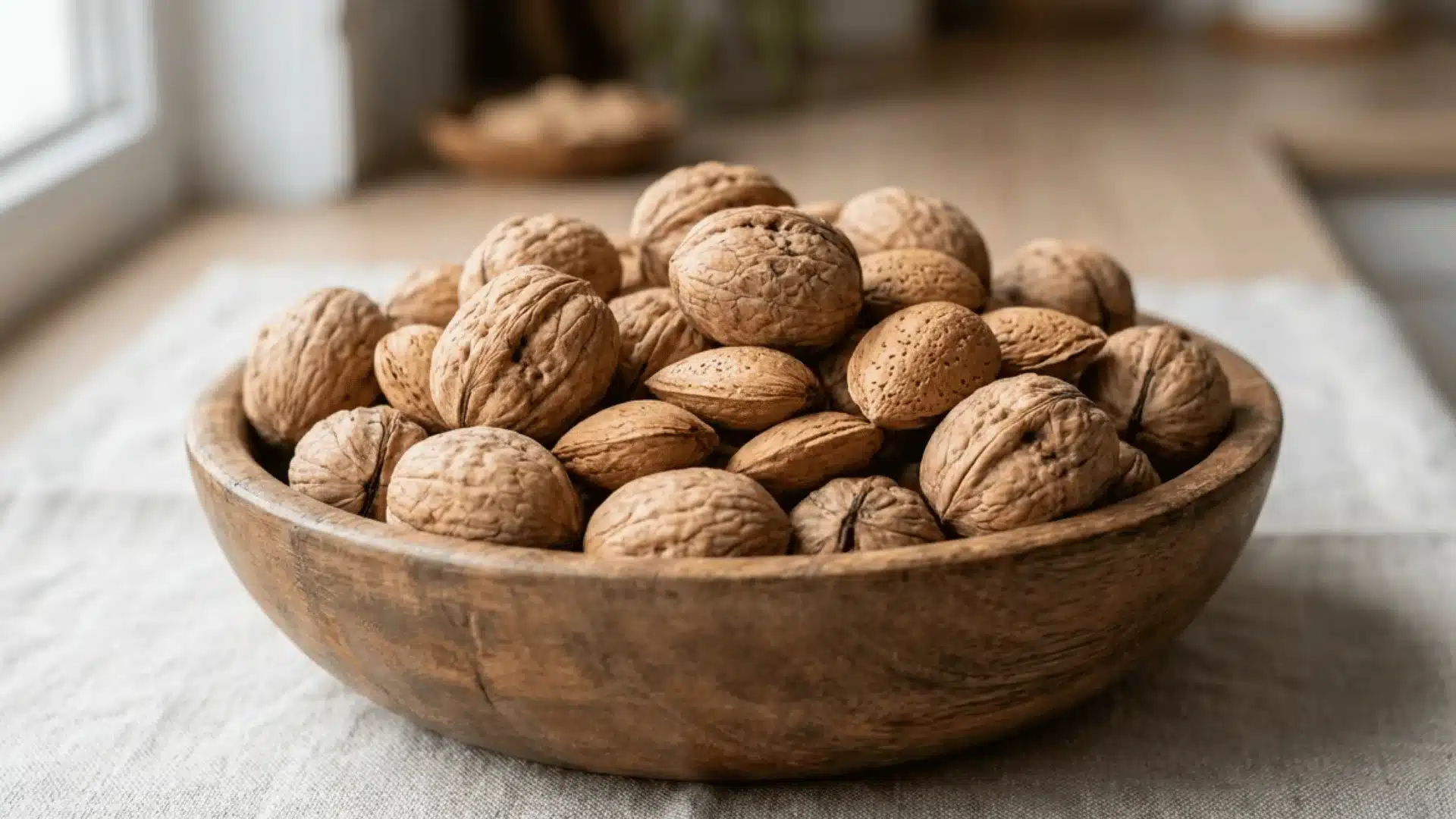
Nuts are essential for maintaining healthy skin due to their high vitamin E content. Just one ounce of almonds provides around 37% of the daily recommended vitamin E intake.
Walnuts are particularly notable as they are richer in both omega-3 and omega-6 fatty acids than most other nuts. Zinc in nuts also helps control inflammation and supports the healing of acne-prone skin.
- Benefit: Stronger skin barrier and fewer breakouts
- Key nutrients: Vitamin E, Healthy fats, Zinc
7. Broccoli
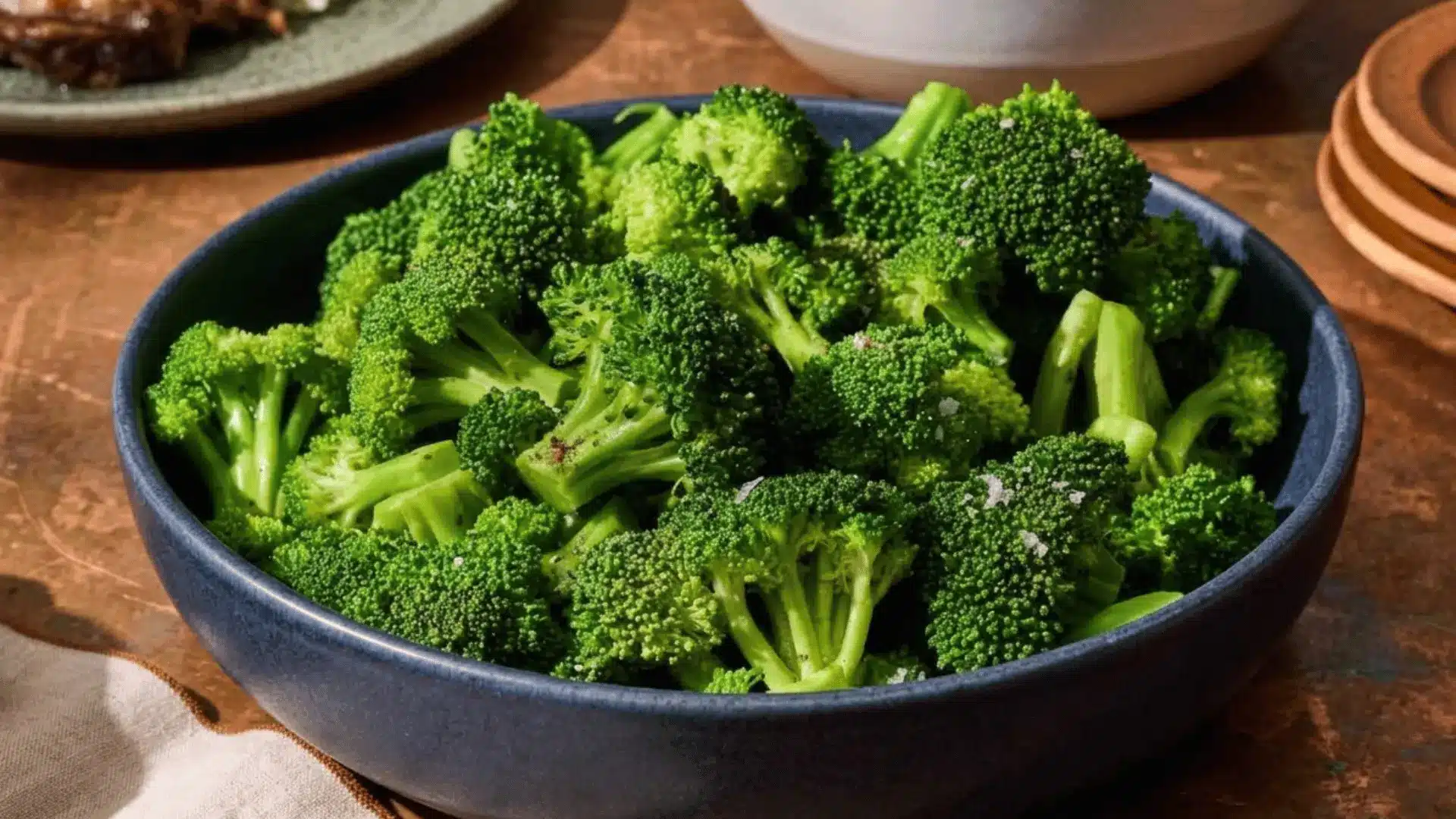
Broccoli is a frequently overlooked skin food that deserves a spot in regular meals. It contains zinc, vitamin A, and vitamin C, plus a compound called sulforaphane.
Sulforaphane is a potent protective agent against sun damage; it works by neutralizing free radicals and activating the body’s own protective systems.
Lutein in broccoli functions similarly to beta-carotene and helps prevent skin from becoming dry and wrinkled.
- Benefit: UV protection, anti-aging defense, and clearer skin
- Key nutrients: Vitamin A, Vitamin C, Zinc, Sulforaphane
8. Citrus Fruits (Oranges, Lemons)

Citrus fruits are known for boosting collagen levels, which keep skin firm and youthful. They also help brighten dull skin and support the body’s repair of damaged tissues.
Drinking fresh lemon water or eating whole citrus daily can gradually improve skin clarity over several weeks.
- Benefit: Radiant and even-toned skin
- Key nutrients: Vitamin C
9. Leafy Greens (Spinach, Kale)
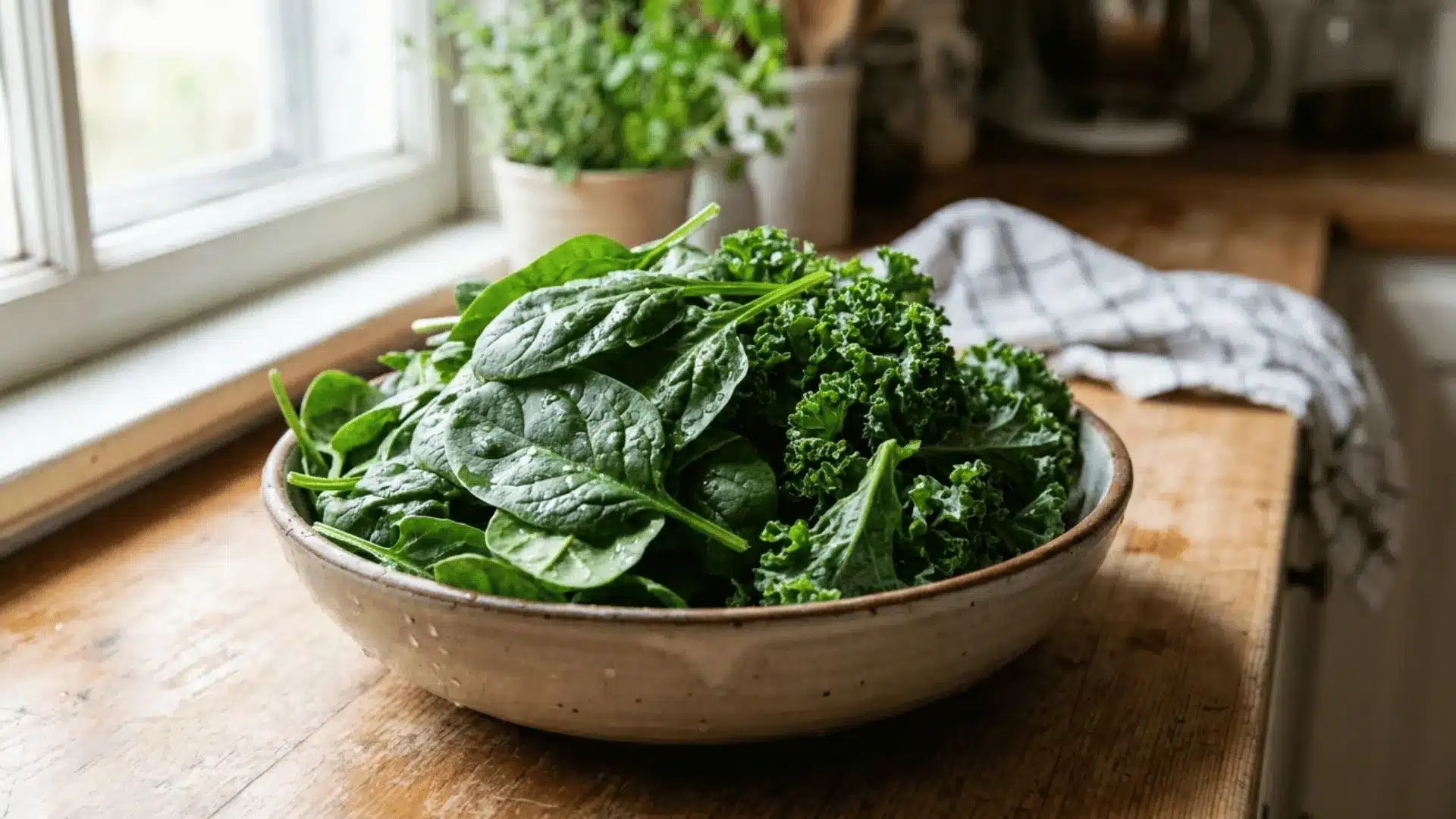
Leafy greens help detox the body and improve blood circulation, which directly reflects on the skin. Vitamin A promotes cell turnover, while vitamin C supports collagen production. Iron in leafy greens carries oxygen to skin cells, supporting that healthy, rosy glow.
Lutein and zeaxanthin in these greens also provide an additional layer of protection against sun-related skin damage. These greens also help reduce puffiness and dullness.
- Benefit: Clear, refreshed, and healthier-looking skin
- Key nutrients: Vitamin A, Vitamin C, Iron
10. Tomatoes
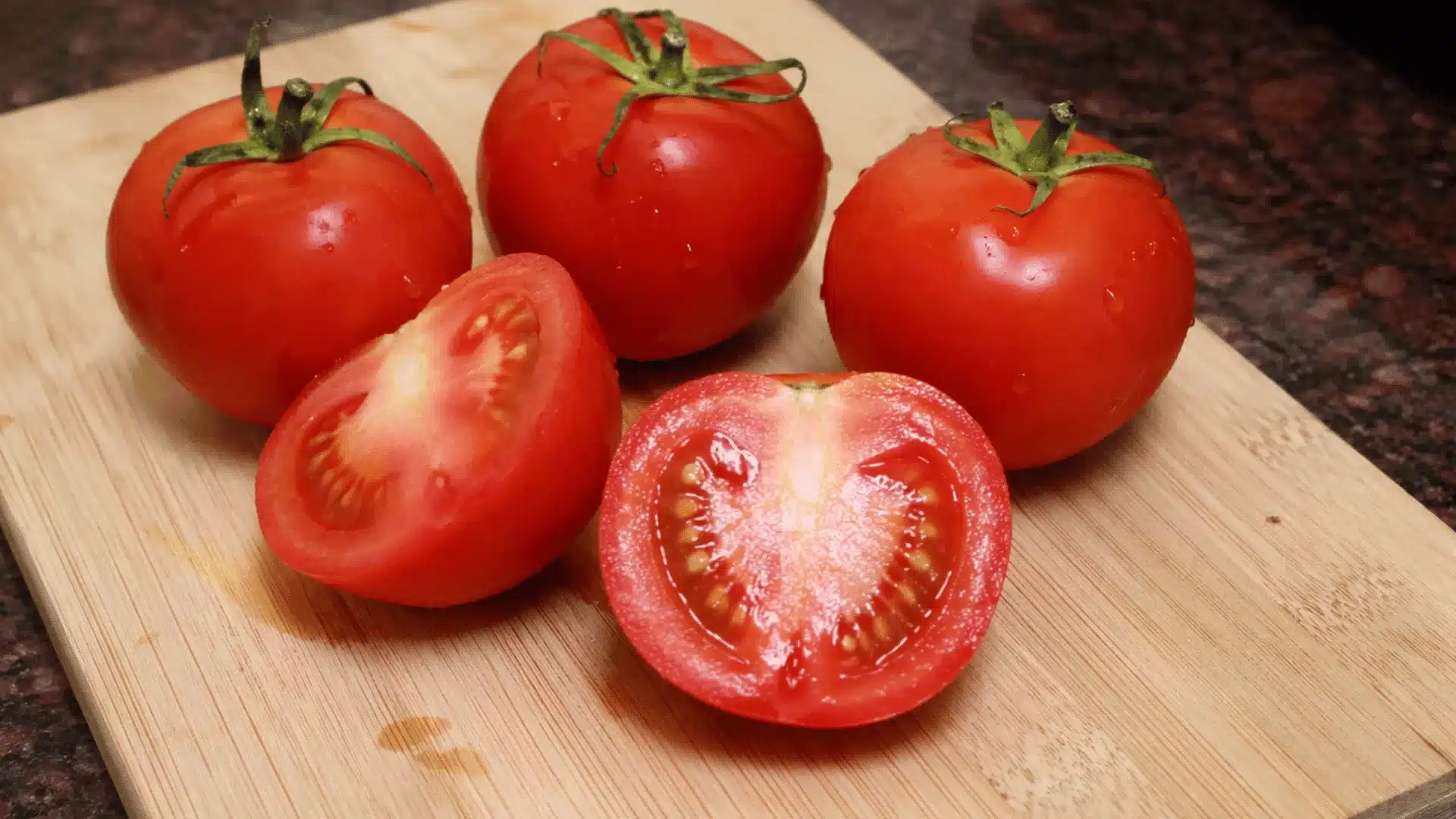
Tomatoes are rich in lycopene, an antioxidant that helps protect the skin from sun damage. Cooking tomatoes actually increases lycopene availability, so tomato sauce and paste are among the most effective delivery methods.
Pairing tomatoes with a source of healthy fat (like olive oil) further improves your body’s ability to absorb the carotenoids. Regular consumption can reduce redness and improve overall skin texture.
- Benefit: Protection from sun damage and smoother skin
- Key nutrients: Lycopene
11. Green Tea

Green tea contains powerful compounds that reduce inflammation and protect skin cells from damage. It can help manage acne and improve skin elasticity.
Drinking green tea daily may also reduce redness and irritation.
- Benefit: Calm, clear, and balanced skin
- Key nutrients: Catechins (Polyphenols)
12. Dark Chocolate (70%+ Cocoa)
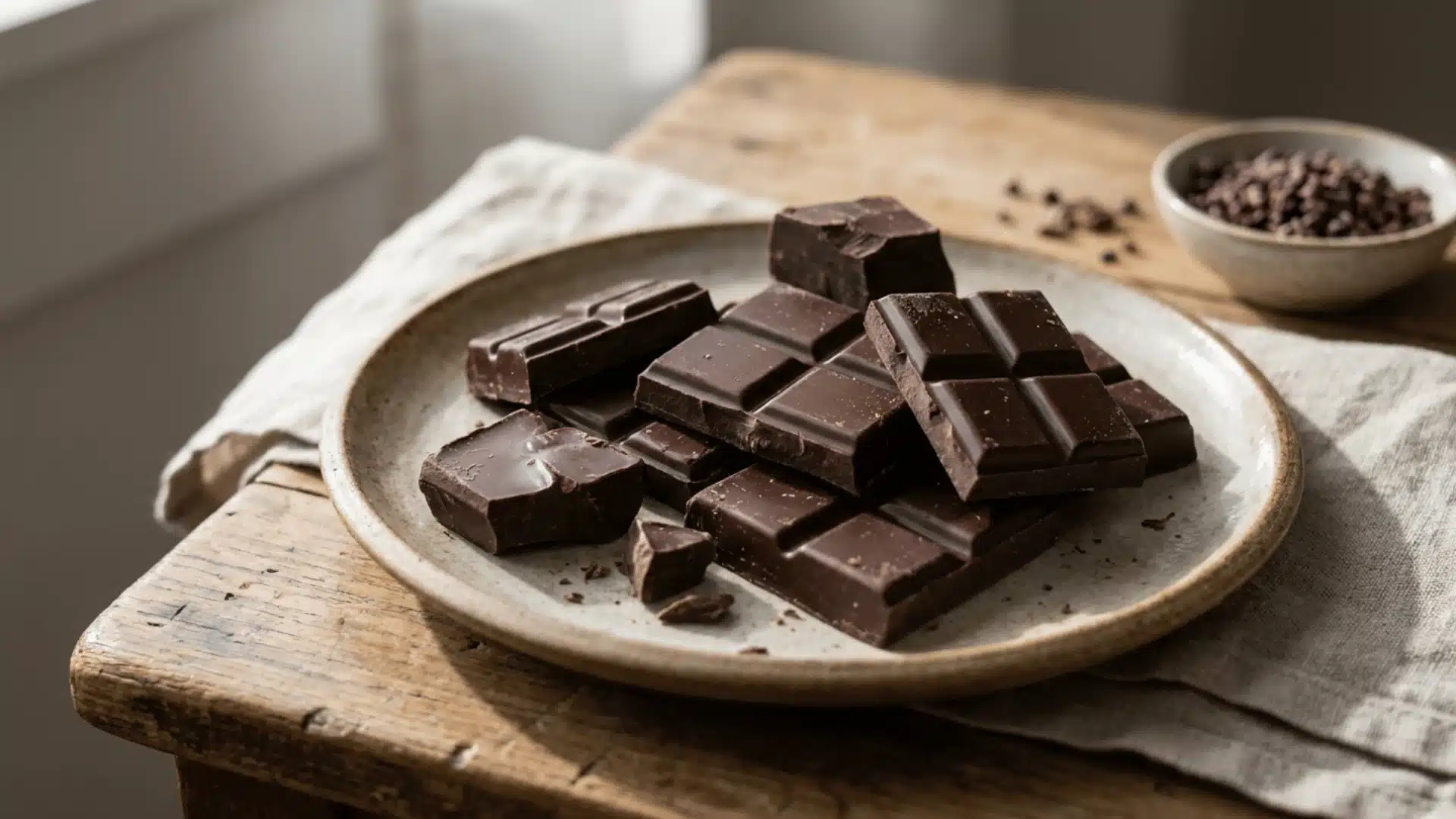
Dark chocolate in moderation can benefit skin health. Flavanols and antioxidants improve blood circulation, increase skin hydration, and support collagen production.
Dark chocolate also contains copper and magnesium, both of which are involved in skin repair and elasticity. It can also make skin feel thicker and more resilient over time.
- Benefit: Improved hydration and smoother texture
- Key nutrients: Flavanols, Antioxidants, Copper, Magnesium
13. Carrots
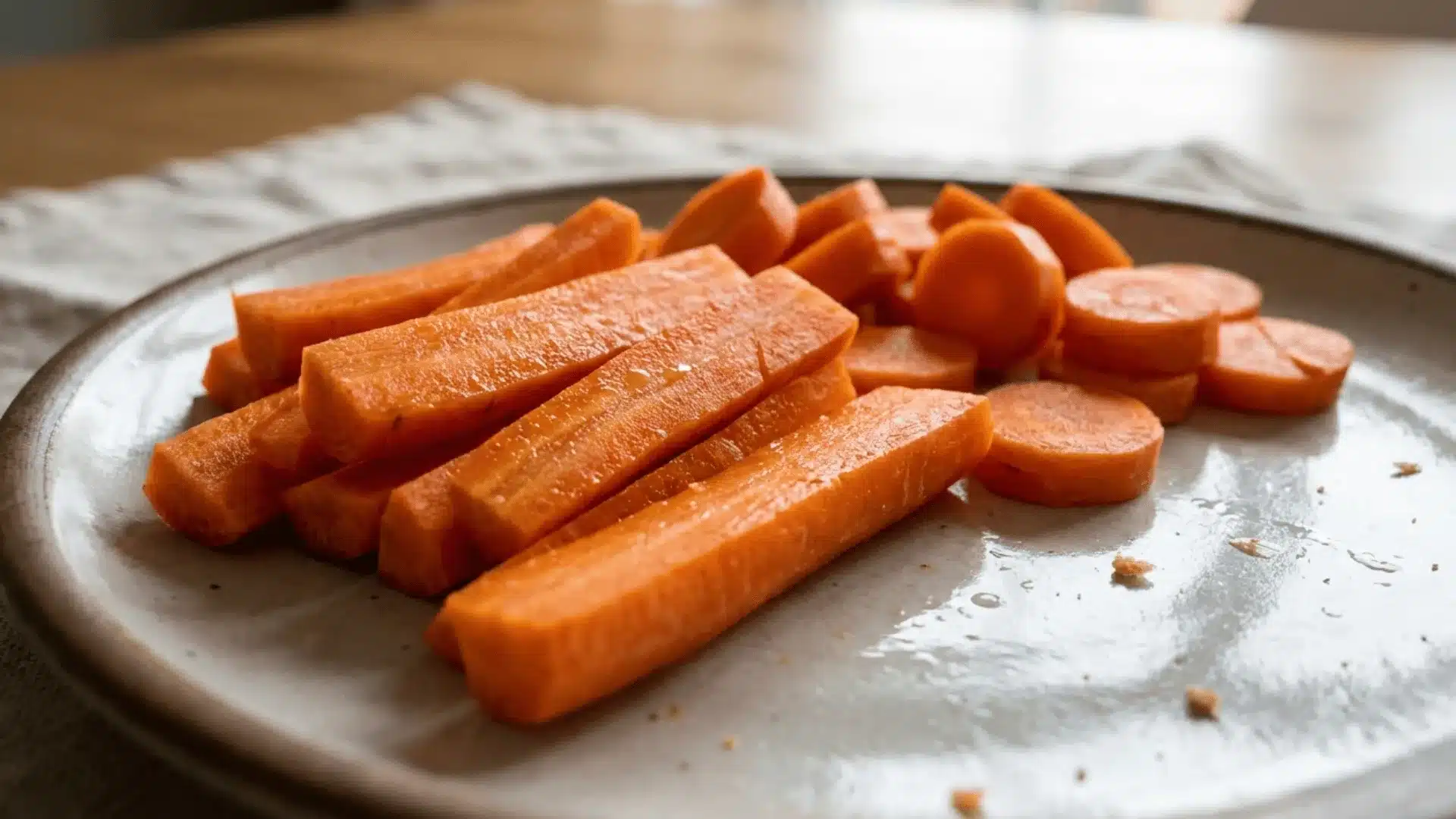
Carrots support skin repair and maintenance by providing vitamin A. They help prevent dryness and protect against environmental damage.
Regular consumption can also contribute to a natural, healthy glow.
- Benefit: Smooth skin with a natural brightness
- Key nutrients: Beta-carotene
14. Yogurt (Probiotic Foods)
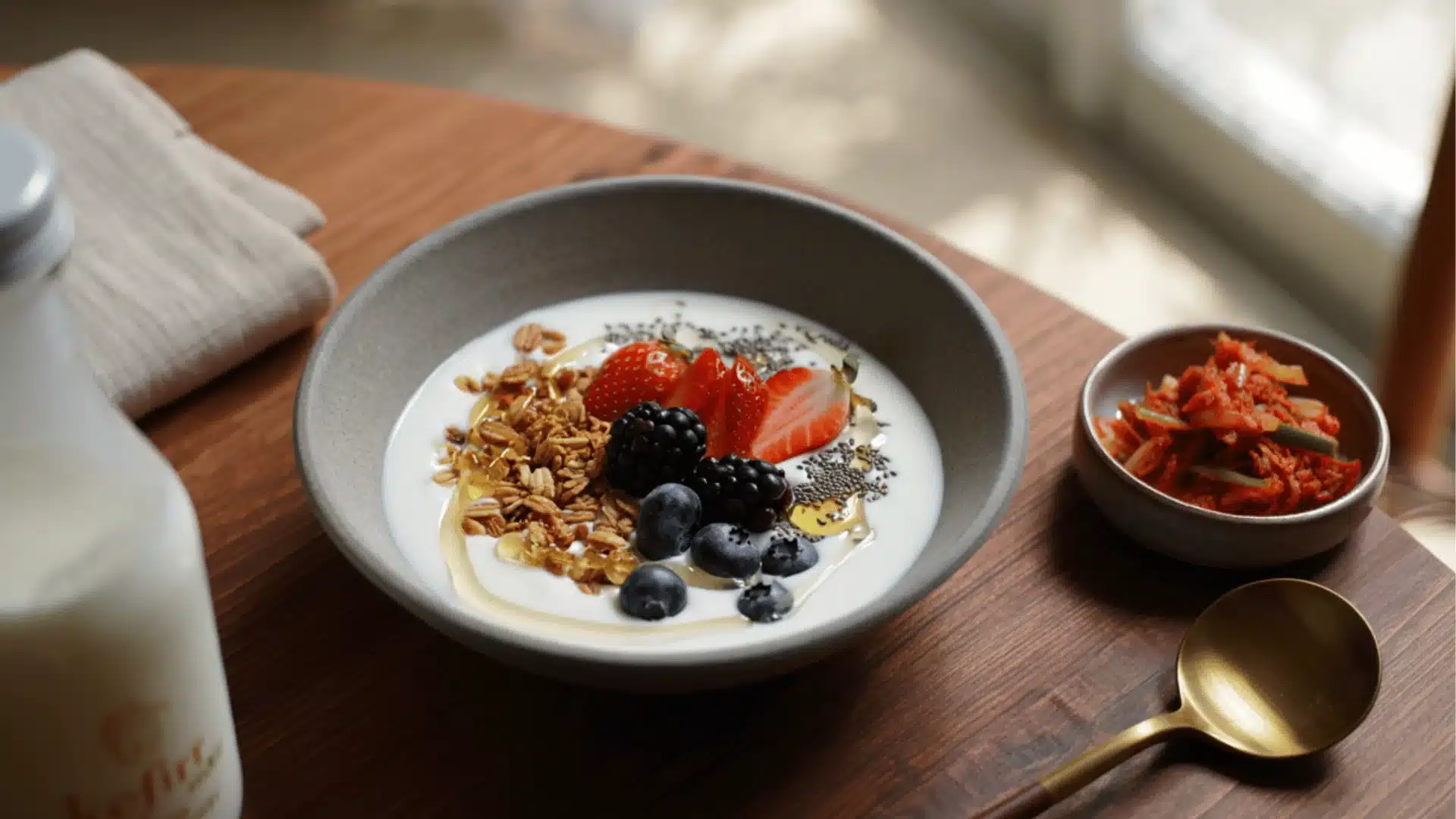
Gut health often reflects directly on the skin, especially when it comes to breakouts and irritation. Yogurt contains probiotics that help maintain a balanced gut microbiome, which may support clearer and calmer skin over time.
Kefir and fermented foods like kimchi offer similar benefits for those avoiding dairy. The protein content also helps support skin repair, renewal, and overall skin strength.
- Benefit: Clearer skin and improved balance
- Key nutrients: Probiotics, Protein
15. Seeds (Chia Seeds, Flaxseeds)
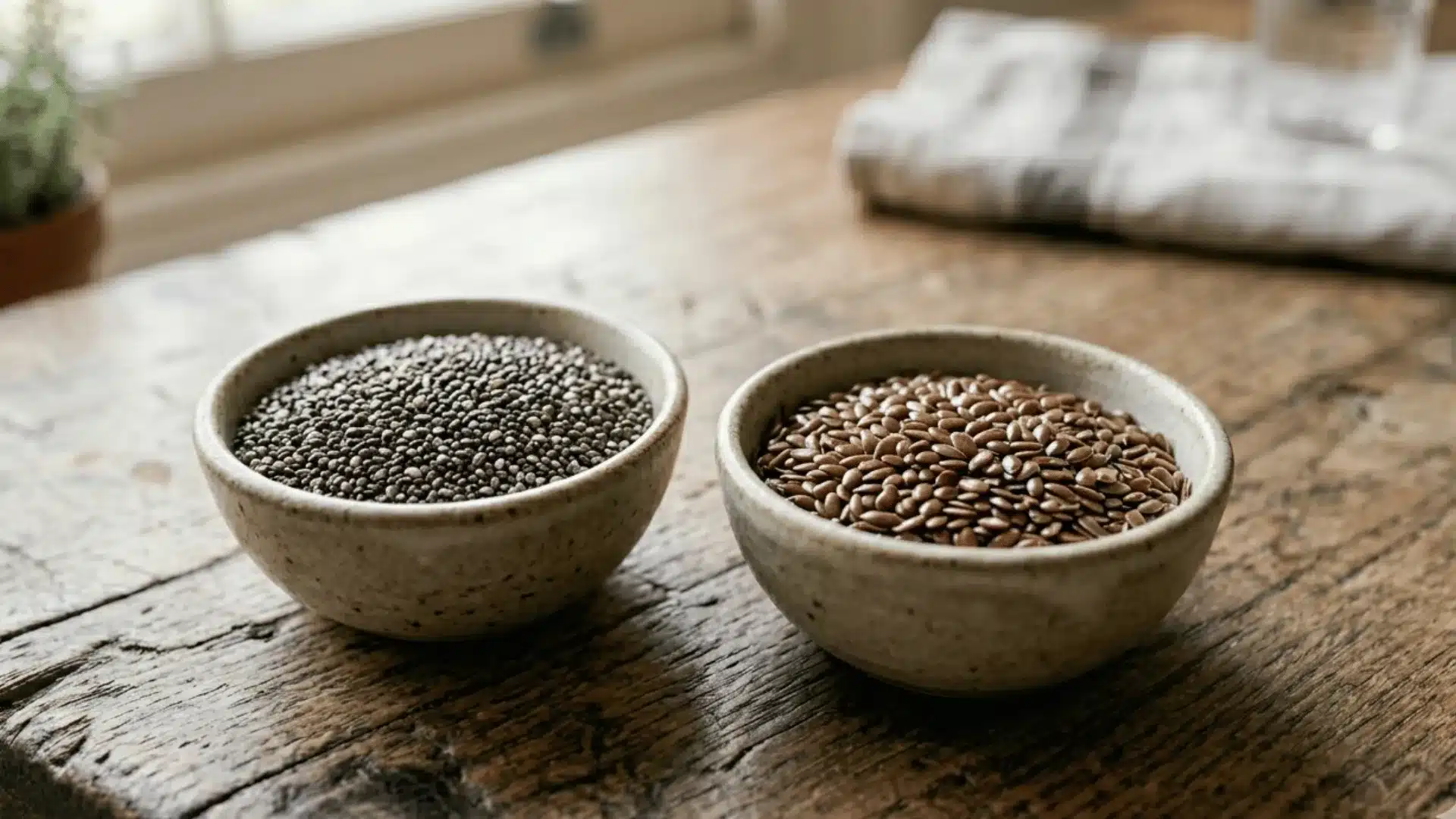
Seeds are small but powerful for skin health. Omega-3 fatty acids reduce inflammation and support hydration, while fiber helps remove toxins from the body.
Sunflower seeds are also worth including as they provide selenium, which works with vitamin E to prevent cellular damage. They are easy to add to smoothies, yogurt, or salads.
- Benefit: Hydrated, nourished, and healthier skin
- Key nutrients: Omega-3, Fiber
Dietary Habits for Naturally Glowing Skin
Many blogs focus only on specific foods, but daily habits make the biggest difference. Consistency in eating patterns and nutrient balance plays a key role in how skin looks and feels over time.
- Eat Balanced Meals: Combine healthy fats, protein, and vegetables in each meal. This helps the body absorb nutrients more effectively and supports overall skin repair and renewal.
- Stay Hydrated: Water supports skin elasticity and helps flush out toxins. Research shows that increasing daily water intake can improve blood flow to the skin, strengthen its barrier, and enhance skin elasticity. Proper hydration keeps the skin looking fresh and prevents dryness and dullness.
- Add Healthy Fats Daily: Healthy fats from sources like nuts, seeds, and avocados help maintain moisture levels and keep skin soft.
- Be Consistent: Skin improvements take time. Following a balanced diet regularly for a few weeks can lead to visible changes. Track your skin weekly with photos, not daily. Daily changes are too subtle to notice and lead to discouragement. Weekly comparison shows the real trajectory.
Foods to Limit If Skin Feels Inflamed or Dull
Some foods may not harm everyone, but they can make skin feel more oily, puffy, or irritated when eaten too often.
- High sugar foods: Candy, pastries, and sweet drinks can spike blood sugar and may make dullness or breakouts worse.
- Fried foods: Greasy foods can add more processed fats to the diet, which may not help skin that already feels inflamed.
- Too much alcohol: Alcohol can dry out the body and may leave skin looking tired, puffy, or less fresh.
- Highly processed snacks: Chips, packaged sweets, and instant foods often have extra salt, sugar, and oils that do not support balanced skin.
- High glycemic meals: White bread, sugary cereal, and refined pasta may trigger breakouts in acne-prone skin for some people.
If your skin is also reactive to topical products, it helps to pair a cleaner diet with makeup safe for sensitive skin to avoid undoing the progress made from within.
Limiting these foods while focusing on whole, nutrient-rich options helps support skin repair and balance. Small dietary adjustments can reduce common skin issues and improve clarity.
Conclusion
Healthy, glowing skin does not come from expensive products alone. Daily food choices play a much bigger role than most people realize.
The best foods for healthy skin work by supporting the body from within: improving hydration, boosting collagen production, reducing inflammation, and protecting against everyday damage from UV exposure, pollution, and dietary gaps.
Real results come from consistency. Adding just a few of these foods into regular meals can slowly improve skin texture, tone, and overall appearance.
Small changes like including fruits, healthy fats, and nutrient-rich options can make a visible difference over time.
Start adding a few of these skin-friendly foods into daily meals and pay attention to the difference over time. If there is a favorite food or personal skincare habit that works well, share it in the comments and join the conversation.
Frequently Asked Questions
How Long Does It Take for Diet Changes to Improve Skin?
Skin does not change overnight. Most people start noticing visible improvements in 3 to 6 weeks with consistent healthy eating. This is because the skin renewal cycle takes time, and nutrients need to build up in the body to show results.
Can Diet Alone Give Naturally Glowing Skin?
Diet plays a major role, but it works best when combined with proper hydration, sleep, and basic skincare. A nutrient-rich diet builds the foundation, while lifestyle habits support long-term skin health and glow.
Is Coffee Good or Bad for Skin Health?
Coffee in moderation is generally fine, but excessive caffeine and added sugar may contribute to dehydration and dull-looking skin. Hydration balance plays an important role in maintaining healthy skin.