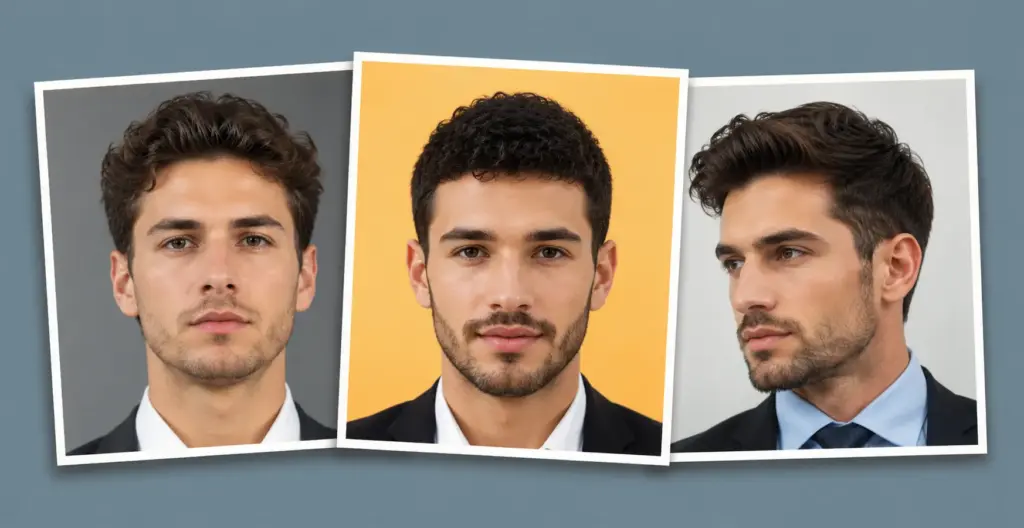
A fresh haircut can change how you carry yourself at work. It can make a basic shirt look sharper, make your face look more awake, and make morning styling feel less like a task.
But choosing the right cut is where most men get stuck. Some styles look great in photos but feel too casual for the office. Others look clean but need more product, time, or upkeep than you want to deal with.
That is why professional hairstyles men choose should feel polished without looking stiff. The goal is a haircut that fits your workplace, your hair type, and the way you actually get ready every morning.
The tricky part is that not every polished haircut works for every man. Some styles need thick hair. Some need a daily product. Some look great in photos but feel too stiff in real life.
This guide offers professional hairstyles men can wear for office, formal, business casual, and modern work settings.
What Makes a Man’s Hairstyle Professional
A professional hairstyle looks clean, balanced, and easy to control. It does not have to be boring, but it should look like you meant to style it that way.
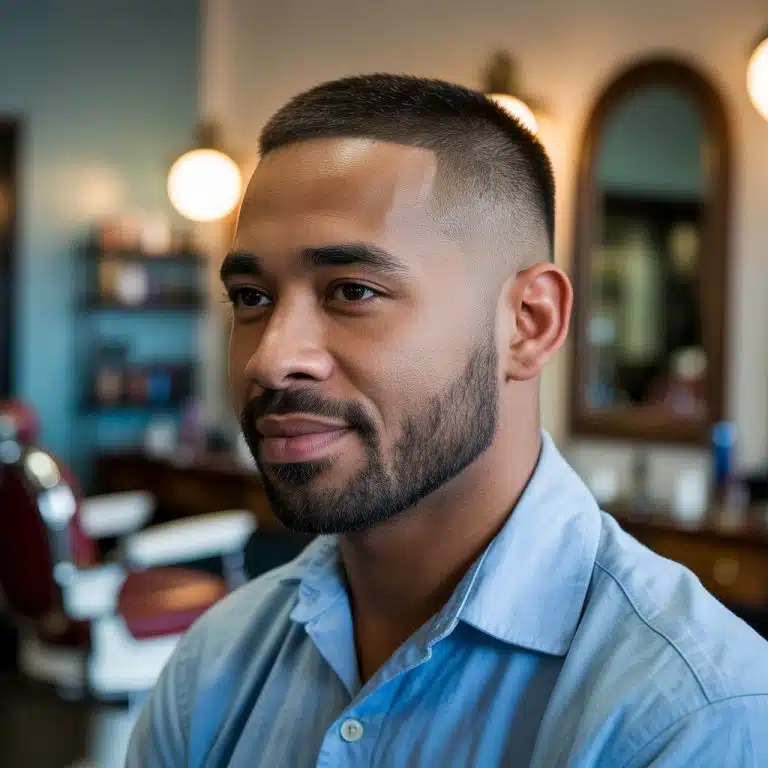
The main details are simple: neat sides, a clean neckline, controlled top length, and a finish that suits your workplace. A soft taper or low fade usually feels more office-safe than a harsh high fade.
The haircut should also grow out well between appointments. If the sides look messy after one week, it may be too sharp for your routine.
For men who like faded styles, the safest approach is a low fade, shadow fade, or clean taper. It should look neat from the front, sides, and back because every angle matters in a professional setting.
How to Choose The Right Professional Hairstyle for Men
The best professional hairstyle depends on workplace standards, hair type, maintenance needs, and personal styling preferences. A haircut should look polished while still fitting comfortably into daily routines.
- Match the hairstyle to your workplace: Corporate offices usually suit classic cuts like a taper, side part, Ivy League, crew cut, or business taper.
- Consider your office dress code: Business casual workplaces allow more flexibility with styles like a comb-over, low fade, textured crop, brushback, or controlled quiff.
- Creative workplaces allow more texture: Curly tapers, medium flow styles, side-swept fringes, and textured fringes can still look professional with clean edges.
- Choose a style based on hair type: Fine hair often works better with shorter cuts that hold shape, while thick hair usually needs weight removal and structure.
- Think about daily maintenance: Buzz cuts and crew cuts require very little styling, while pompadours, slick backs, and quiffs need more time and hair products.
- Keep face shape in mind: Certain styles balance facial features better and can improve the overall appearance of the haircut.
- Focus on clean grooming: Even modern or textured hairstyles tend to look more professional when the neckline, sides, and edges stay neat.
Professional Hairstyles Men Can Try
This list is built for visual inspiration, but every haircut also has a practical use. Save the ones that match your hair type, workplace, and styling patience.
1. Classic Taper
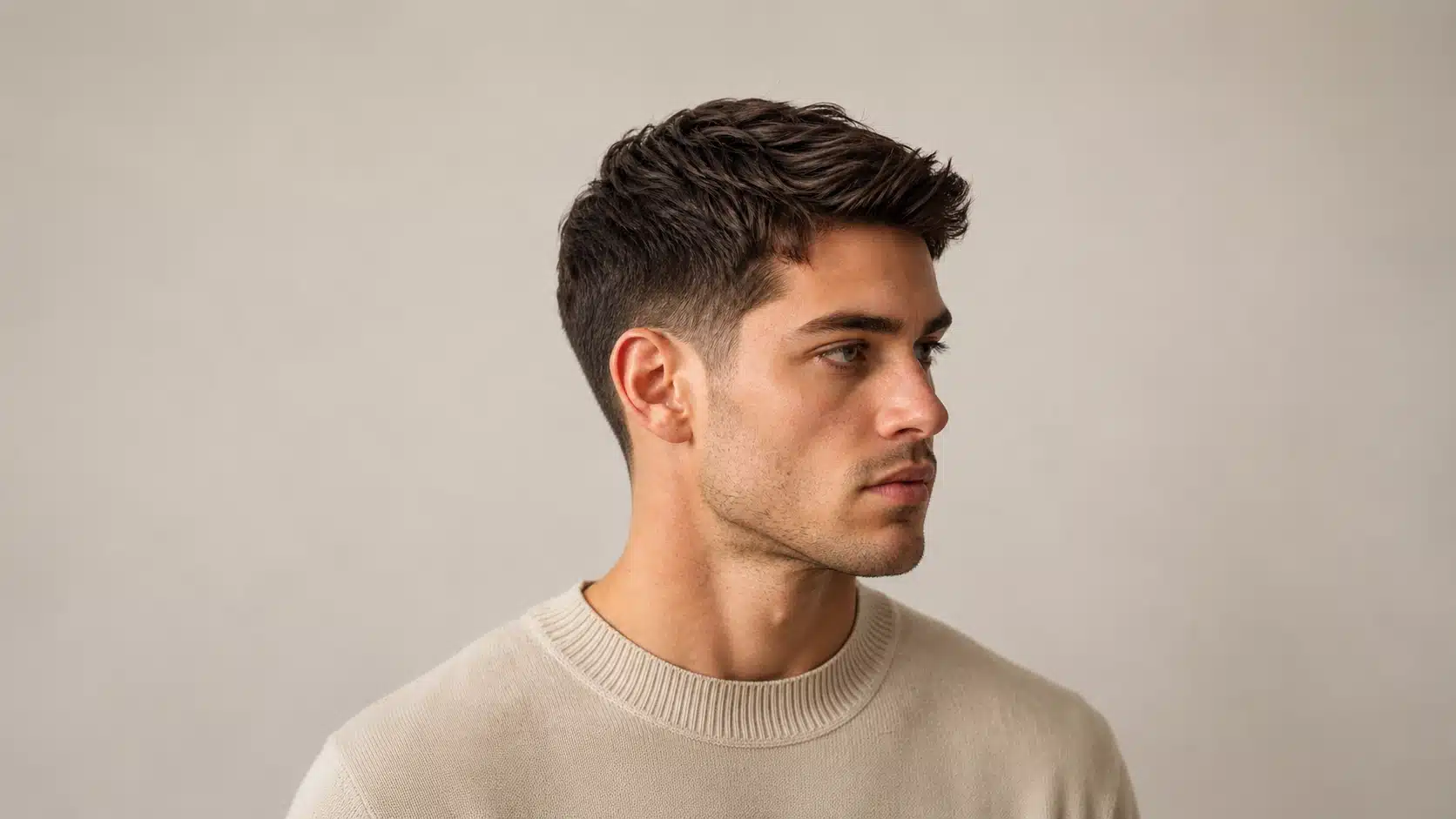
The classic taper is one of the safest professional hairstyles men can choose. The sides gradually shorten without looking too sharp or trendy.
It works for most hair types and grows out neatly. Ask your barber for a clean taper around the ears and neckline with enough length on top to style naturally.
2. Side Part
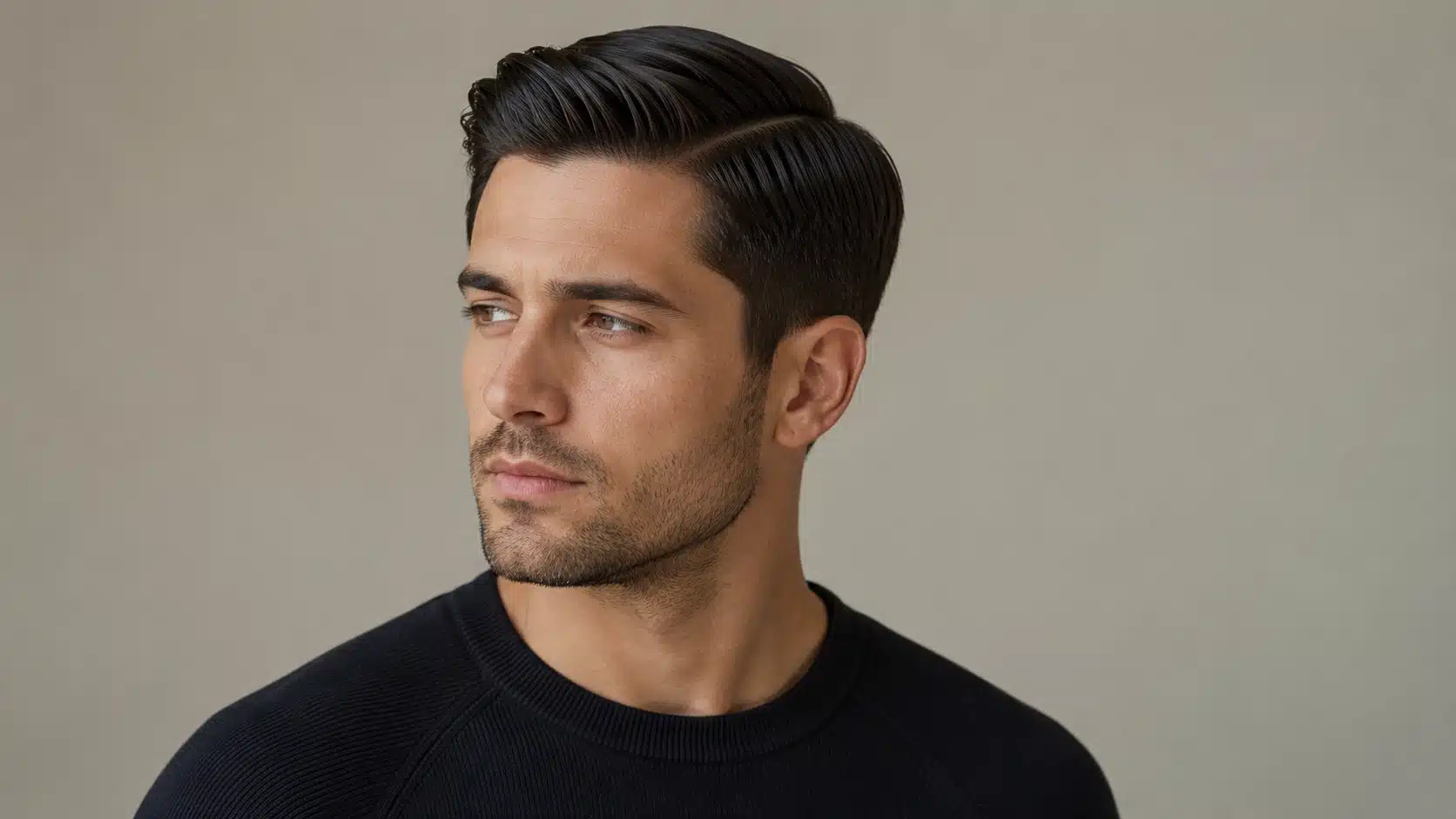
The side part has a formal, tidy look that needs little drama. It works best with straight, wavy, or medium-thick hair.
Keep the part soft for a modern finish. A hard part can look too sharp for some offices.
3. Ivy League Cut
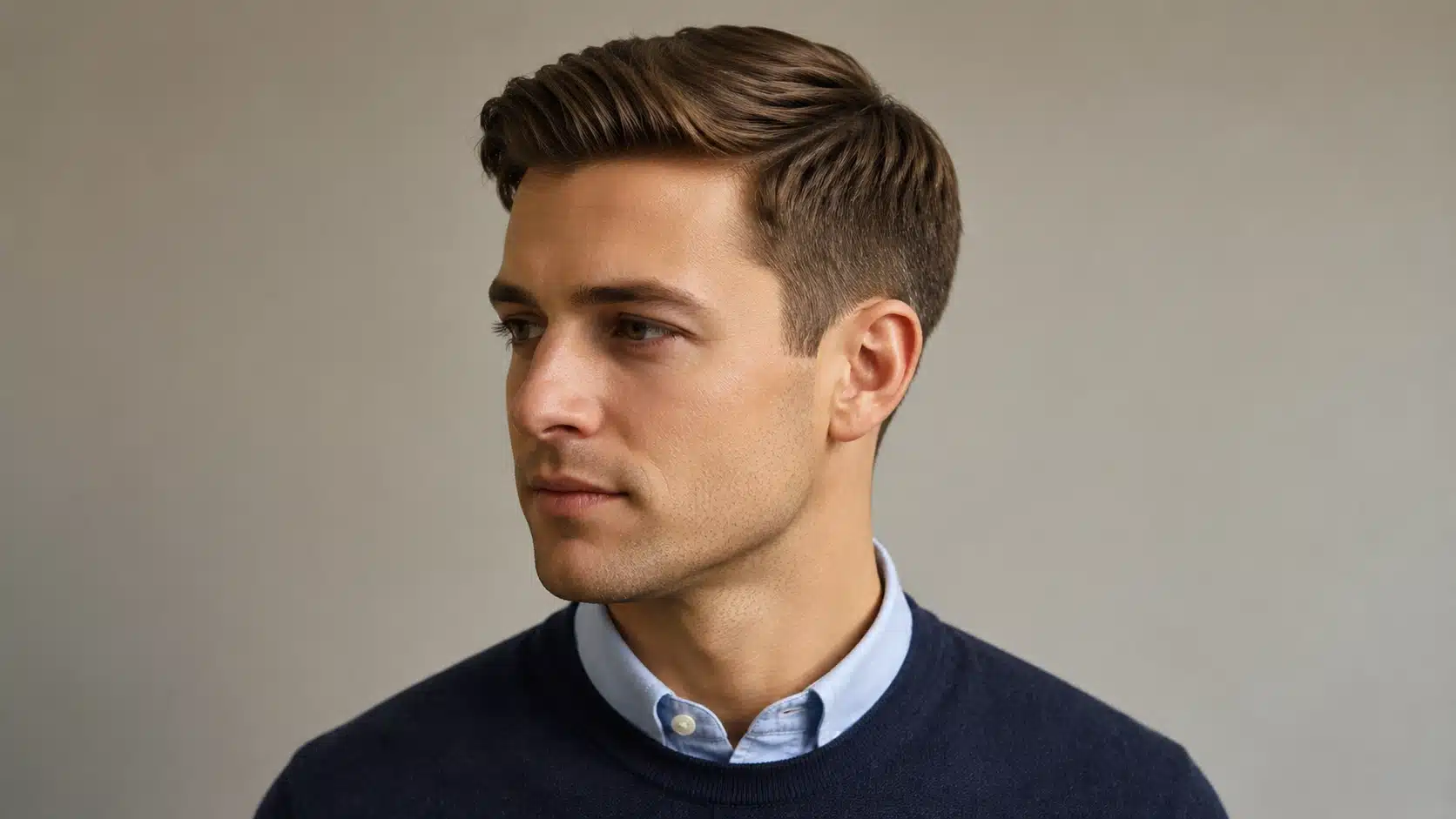
The Ivy League is slightly longer than a crew cut, so you can brush it to the side or wear it lightly textured. It feels polished but not stiff.
It is a good option if you want short hair with some styling room. Ask for a neat top with tapered sides and a natural side direction.
4. Crew Cut
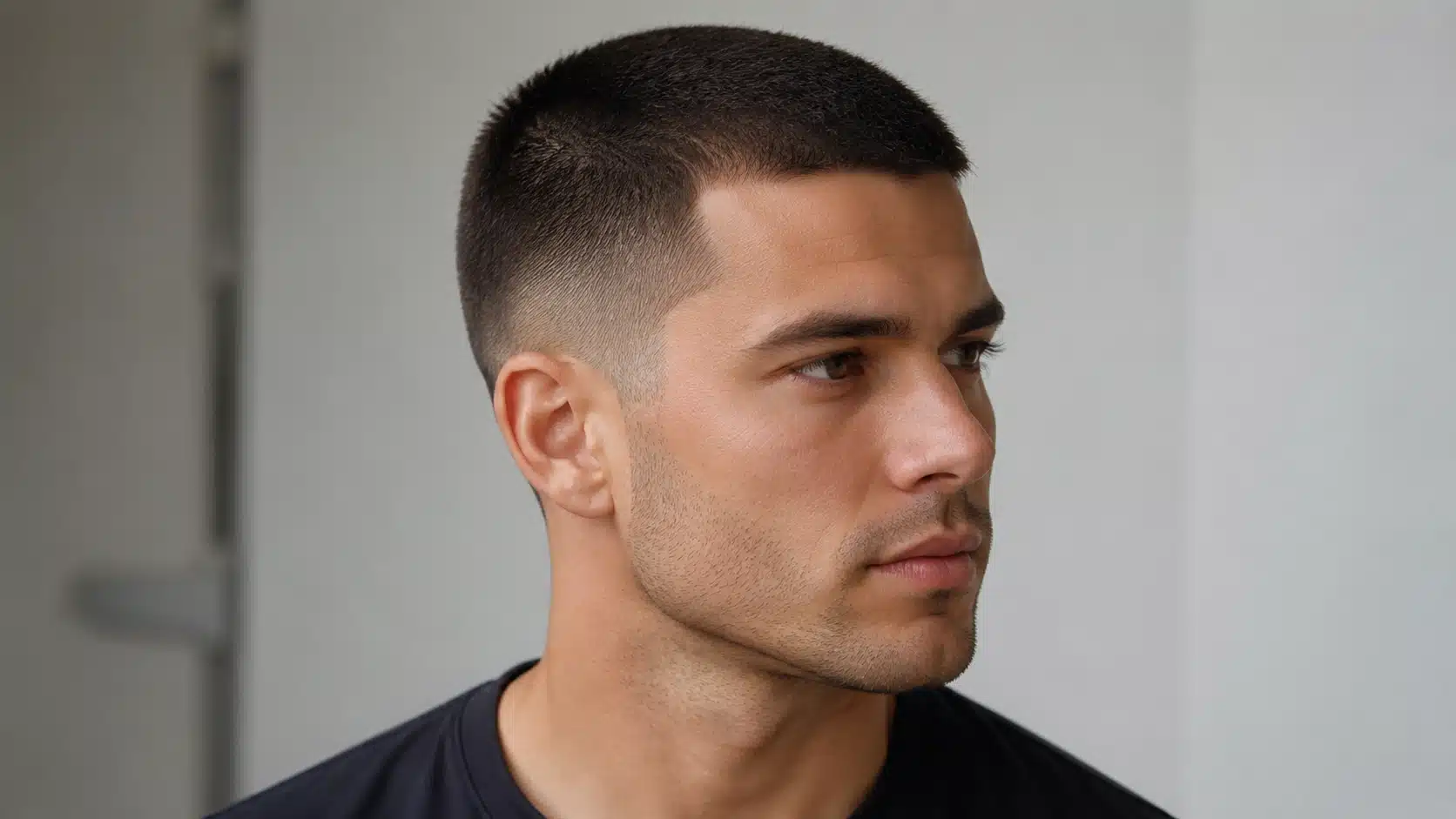
A crew cut is short, clean, and easy to maintain. It works well for busy men who want a professional look without daily styling.
The top should stay slightly longer than the sides. That small difference keeps it from looking too flat.
5. Buzz Cut
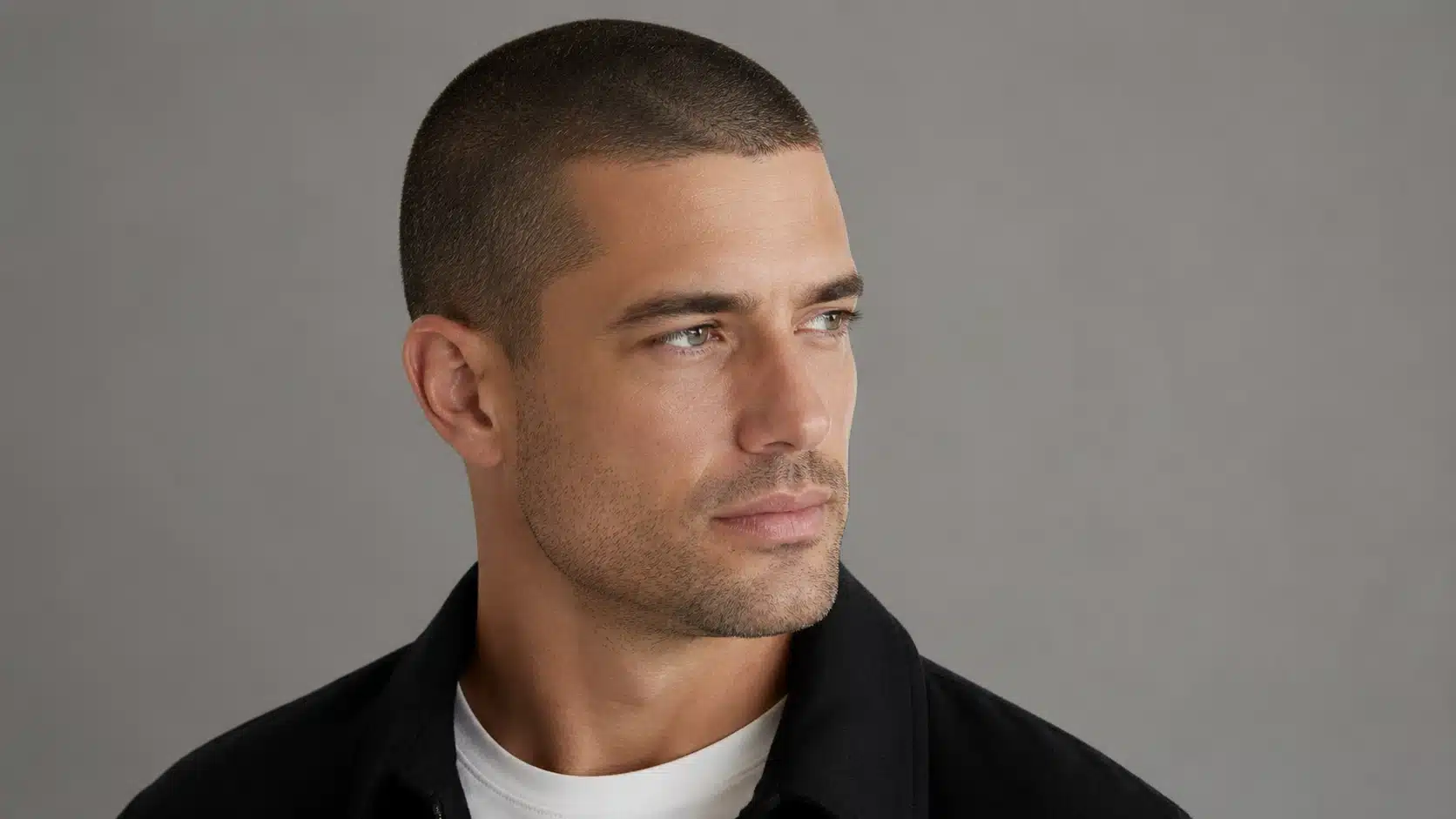
A buzz cut is simple and sharp when the hairline, neckline, and beard are kept neat. It is one of the easiest options for men who want a low-effort routine.
It also works well for thinning hair. The key is regular trims, because uneven growth shows quickly.
6. Business Taper
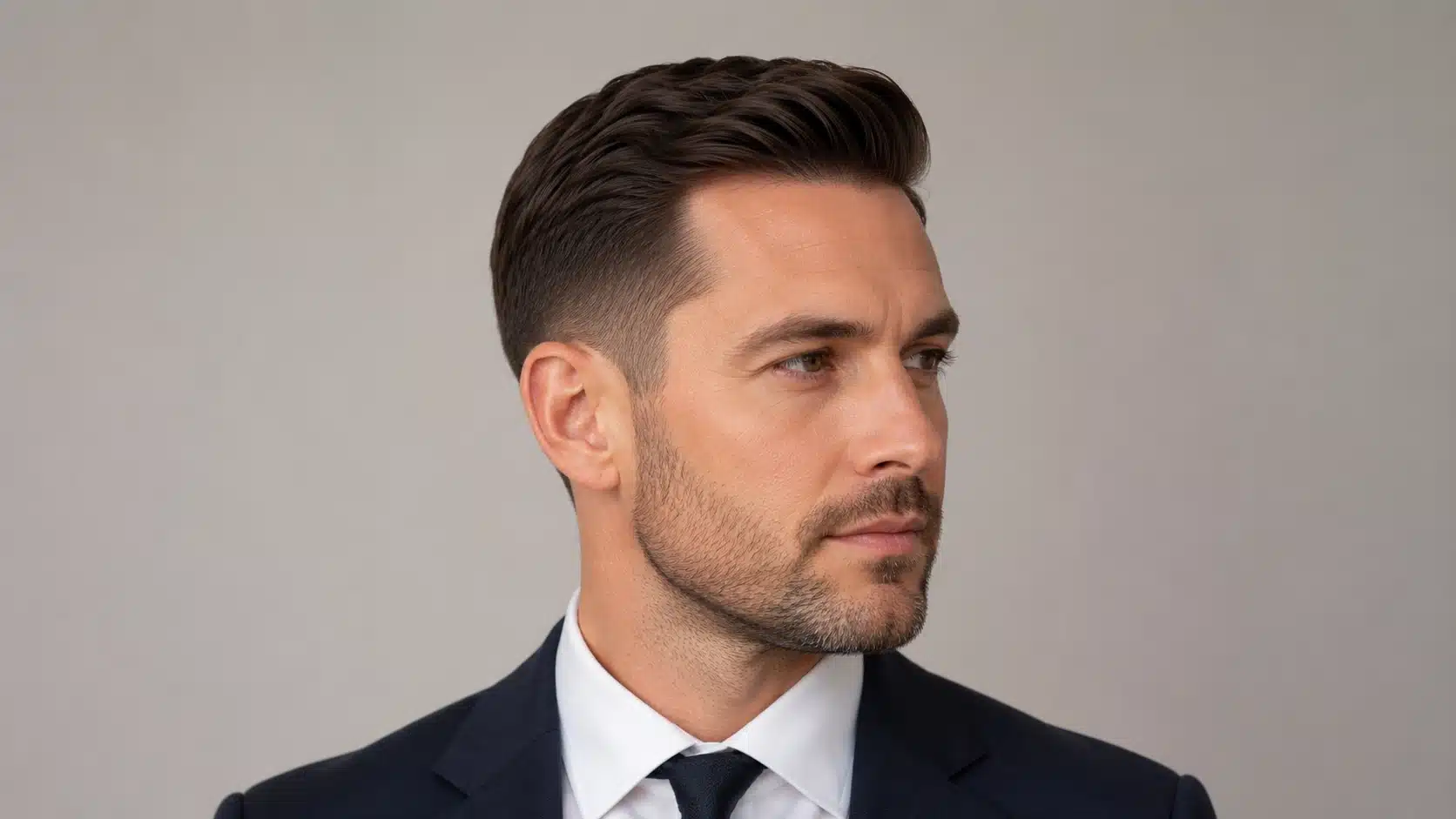
A business taper keeps the overall shape soft and controlled. It is less severe than a fade but still clean enough for formal work settings.
This is a strong choice for men who often wear suits or button-downs. It gives structure without making the haircut the loudest part of the look.
7. Tapered Comb Over
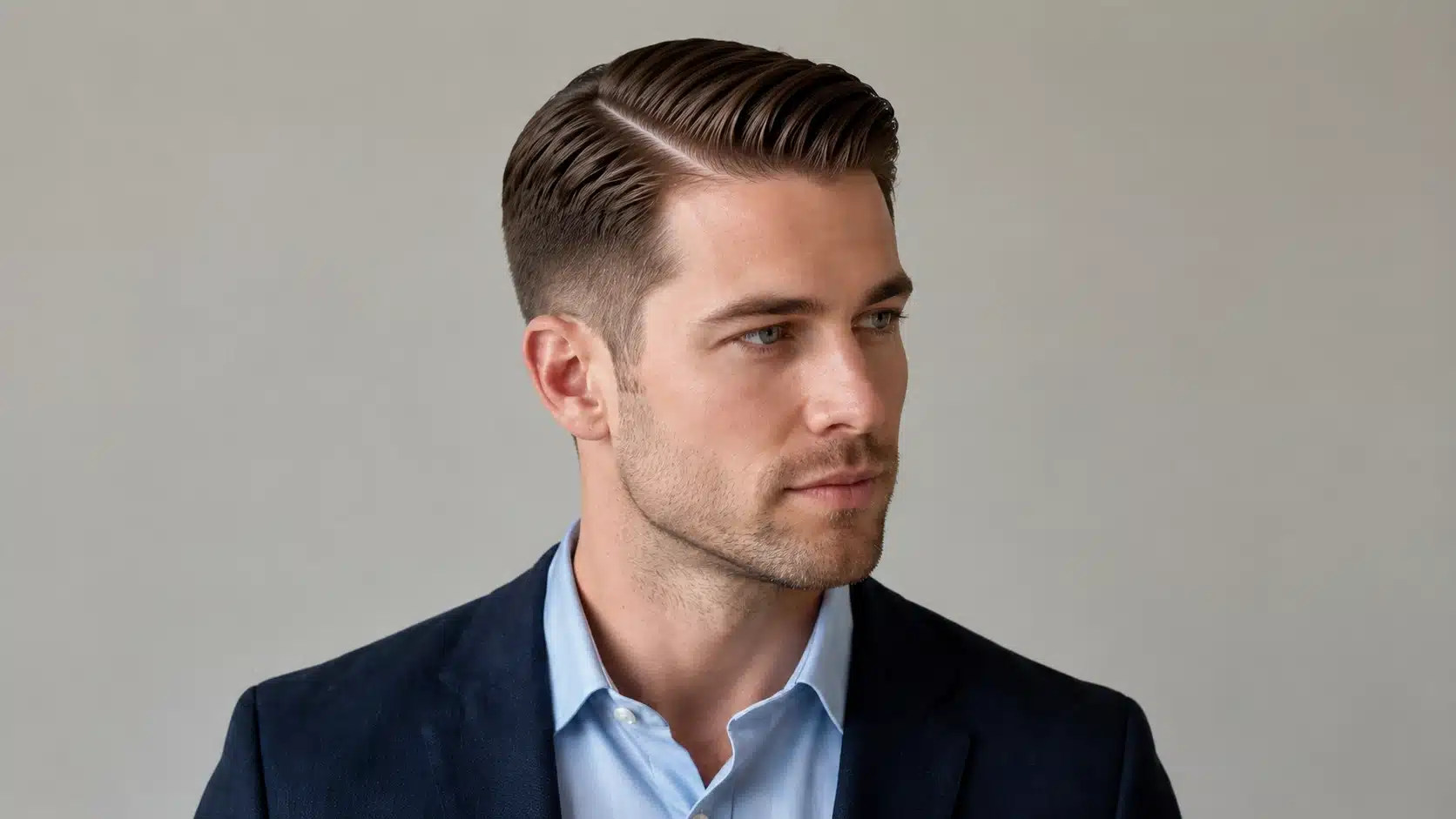
A tapered comb over gives you a classic shape with a cleaner side profile. It can look formal or business casual depending on the finish.
Use a light cream or paste for natural movement. Use pomade only if you prefer a more polished look.
8. Low Fade with Side Part
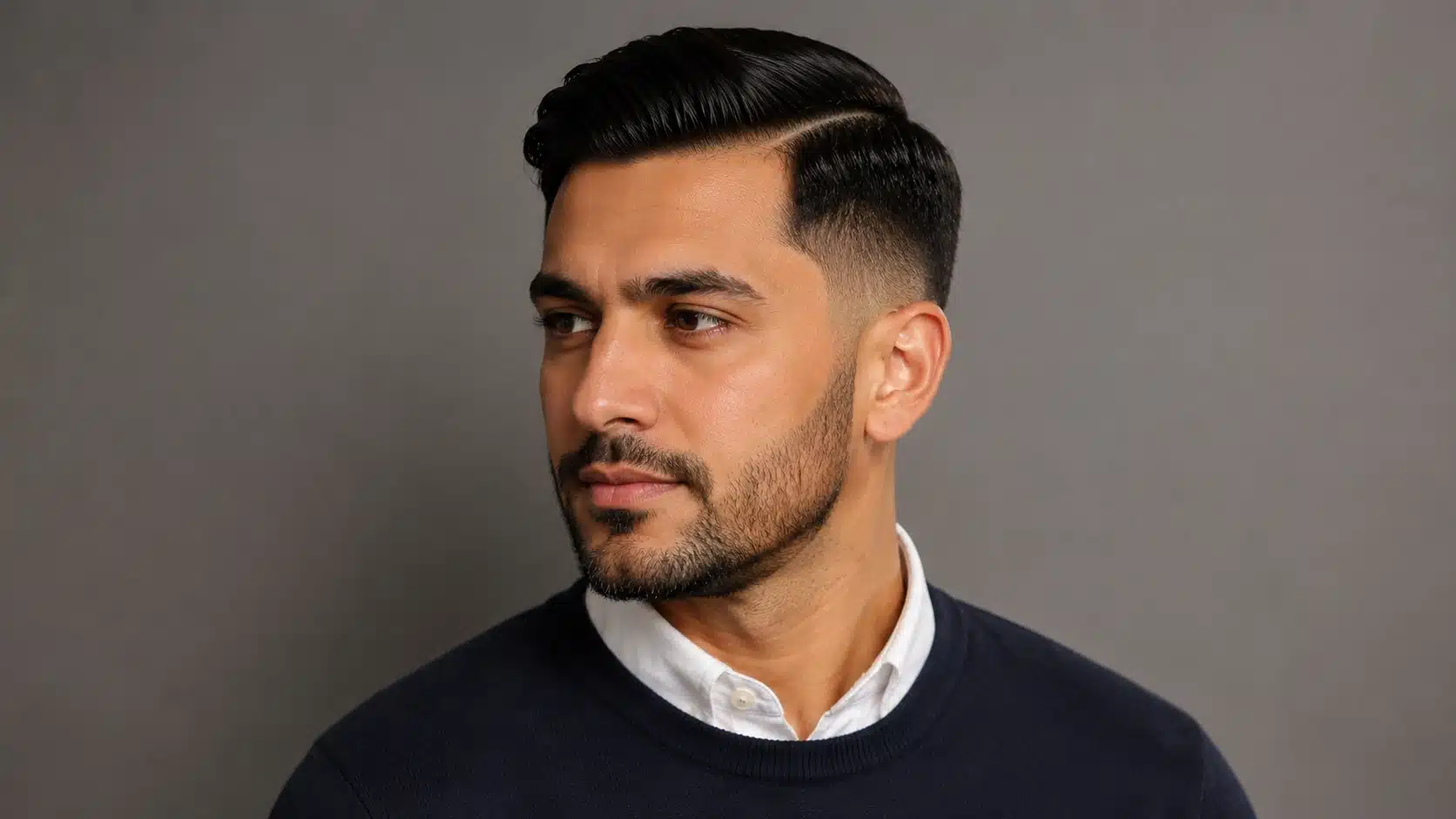
A low fade with a side part feels modern but still work-friendly. Since the fade starts low, it keeps the haircut clean without looking too bold.
This style works well for men who want a sharper finish than a taper. Keep the top smooth and avoid excessive height in formal settings.
9. Mid Fade with Neat Top
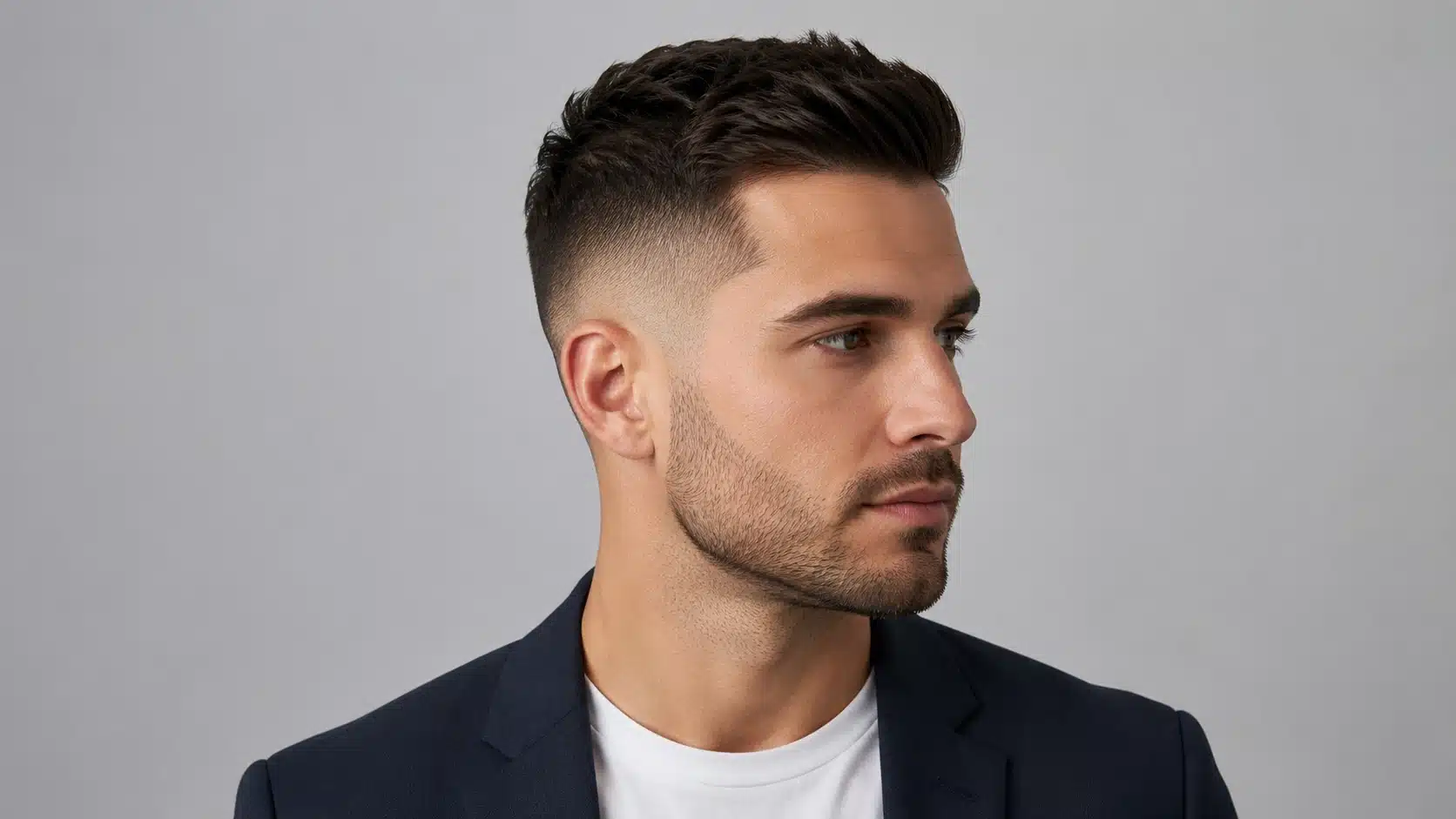
A mid fade can still look professional when the top is kept under control. It is better suited to flexible offices than to very formal workplaces.
The clean top is what keeps it office-safe. Ask your barber to blend the fade smoothly and avoid a harsh skin-heavy contrast.
10. Shadow Fade

A shadow fade leaves a little darkness at the shortest point. That makes it softer than a skin fade.
It is a good middle ground if you want a fresh cut but still need it to feel mature. It pairs well with crops, comb-overs, curls, and brush-backs.
11. Short Textured Crop
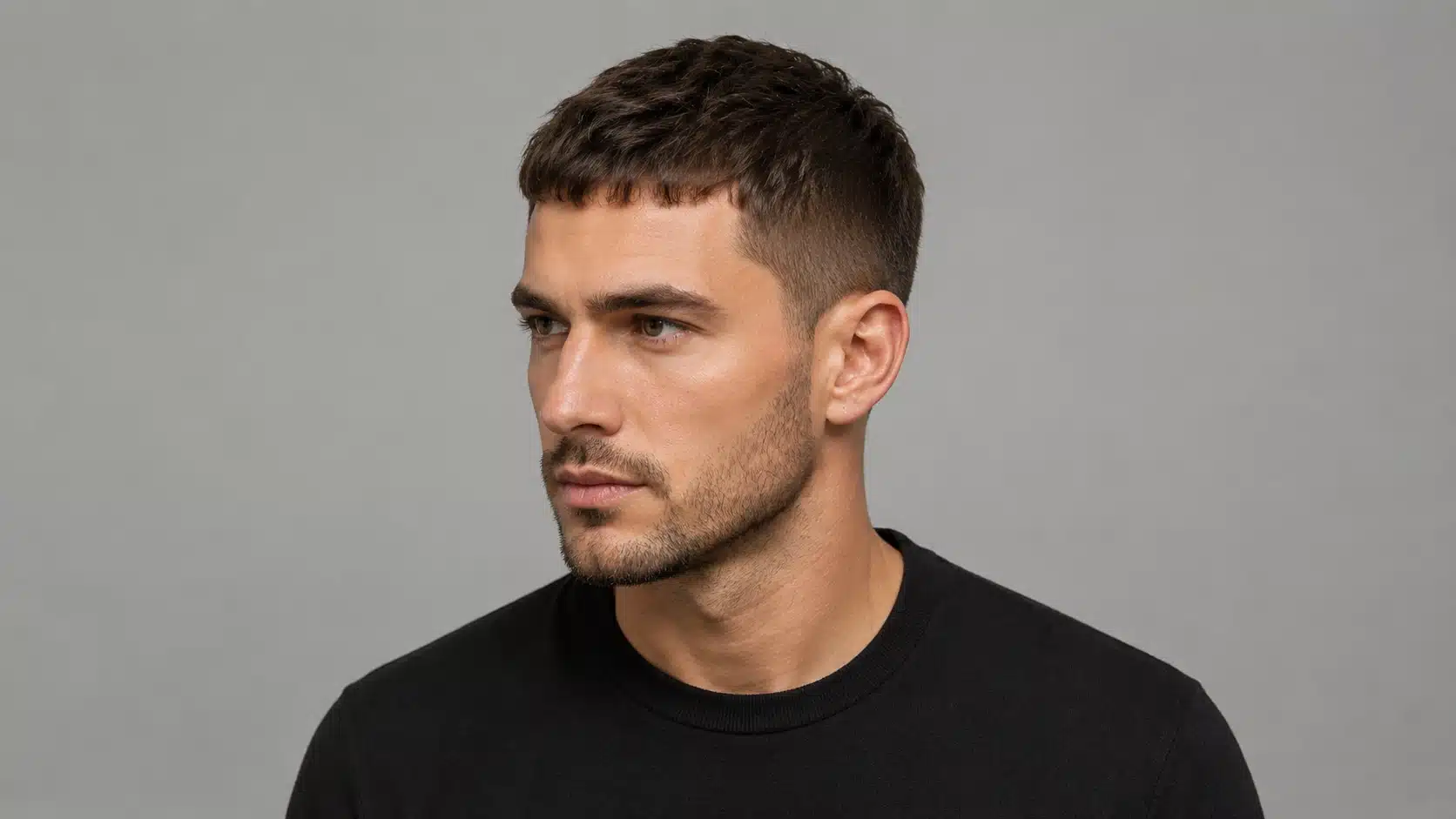
A short textured crop is modern, easy, and practical. It works especially well for thick hair or straight hair that needs shape.
Keep the texture controlled. Too much separation can make it look casual instead of professional.
12. French Crop
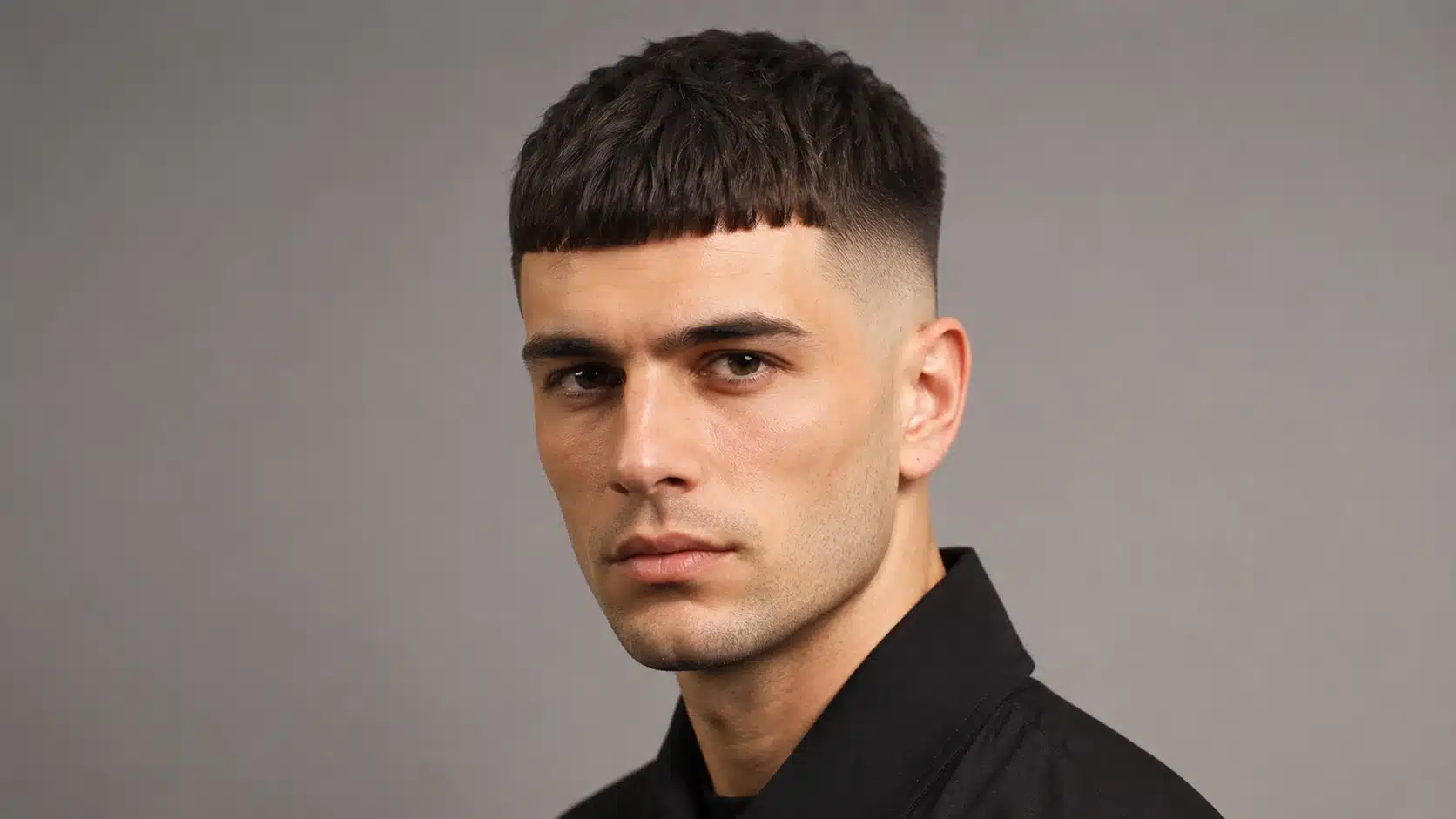
The French crop has a short fringe and neat sides. It is easy to style because the hair naturally sits forward.
This cut works well if you do not want to spend time brushing your hair back. Keep the fringe trimmed above the brows for a cleaner work look.
13. Caesar Cut
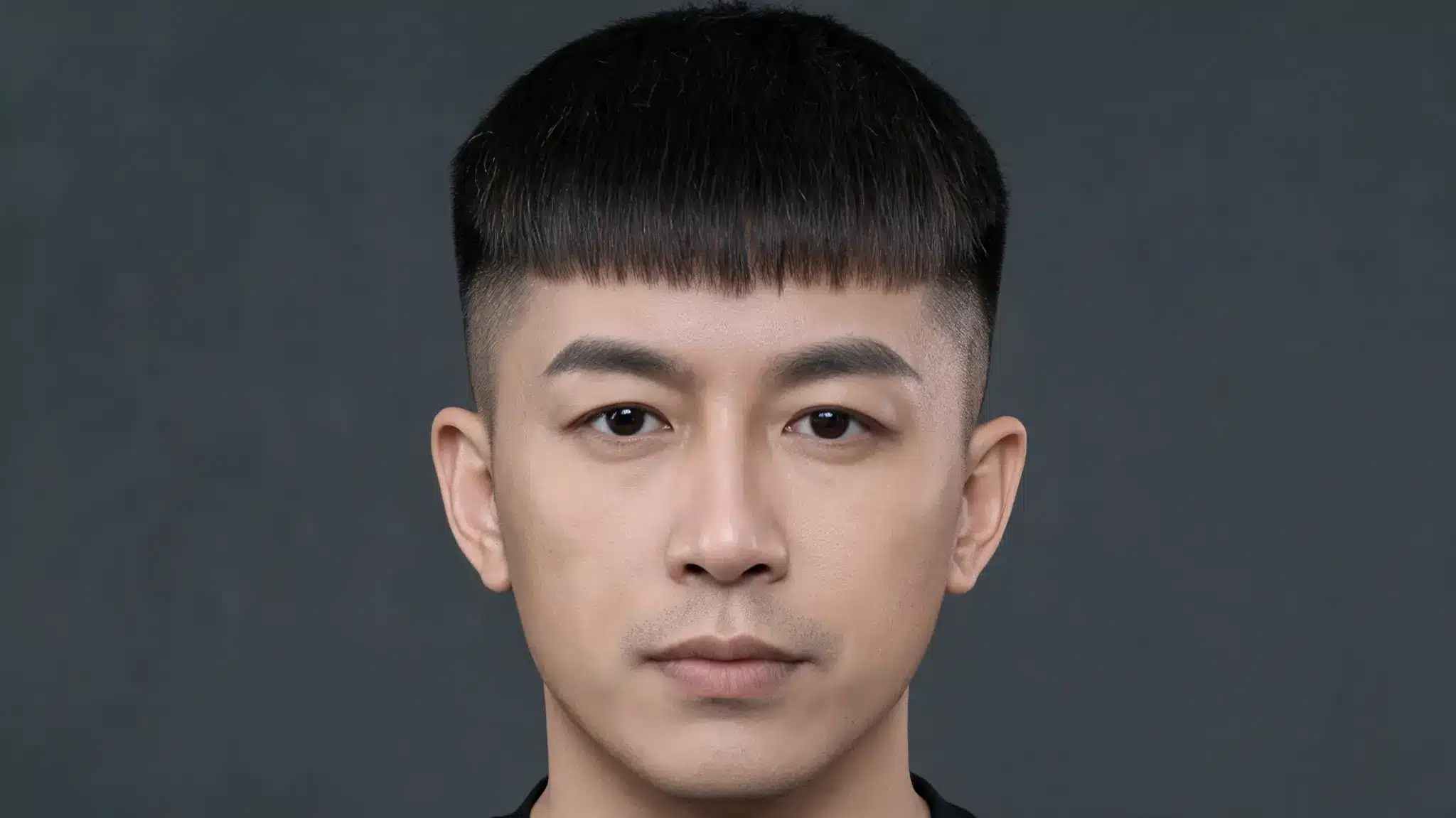
The Caesar cut is short, structured, and forward styled. It is useful for men who like clean lines and less daily styling.
It works best on straight or thick hair. Keep the sides tapered so the cut does not look too heavy.
14. Slick Back

The slick back can look very professional when it is controlled. The mistake is using too much product, which makes the hair look greasy.
Use a small amount of pomade or styling cream. The finish should look smooth, not wet.
15. Brush Back with Taper
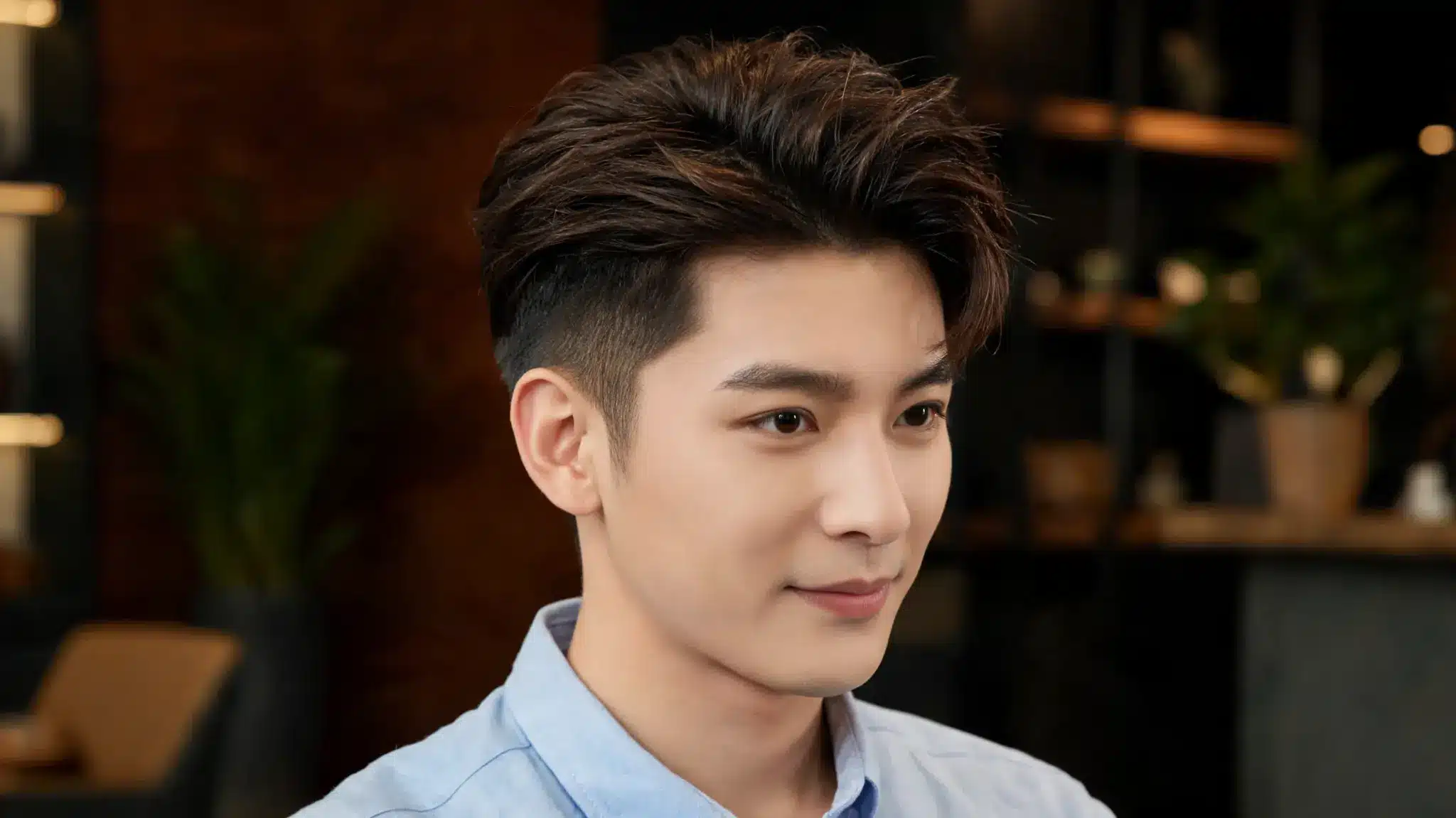
A brush back with taper is softer than a slick back. It gives the hair direction without forcing it flat.
This is one of the better professional hairstyles men can try if they want movement. It works well with medium-length hair, straight, wavy, or thick.
16. Modern Quiff
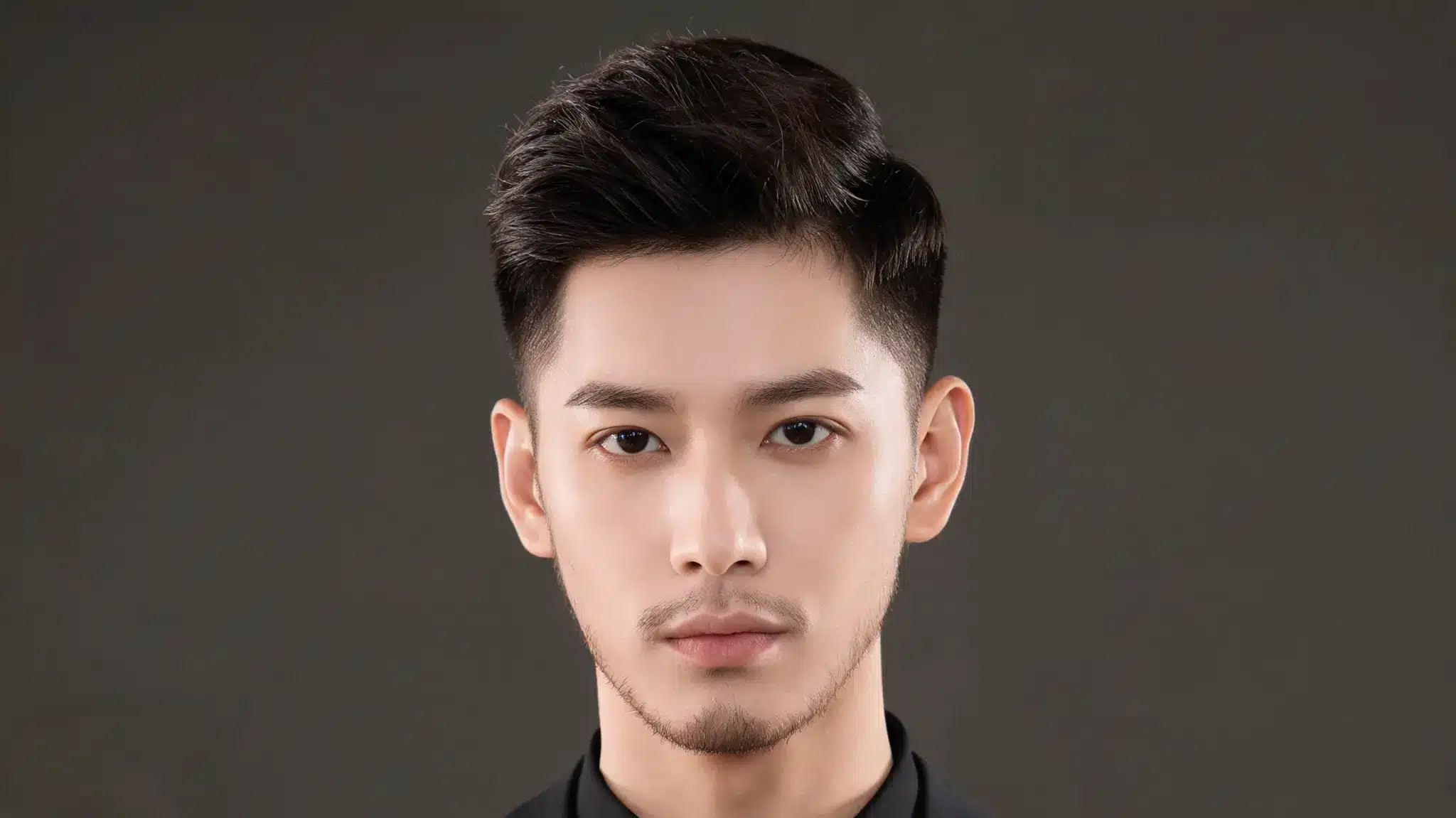
A modern quiff can work in professional settings if the height is moderate. Keep it shaped, clean, and away from the face.
It is a good choice for men who want personality without looking too casual. Use matte clay or paste to avoid a shiny finish.
17. Short Pompadour
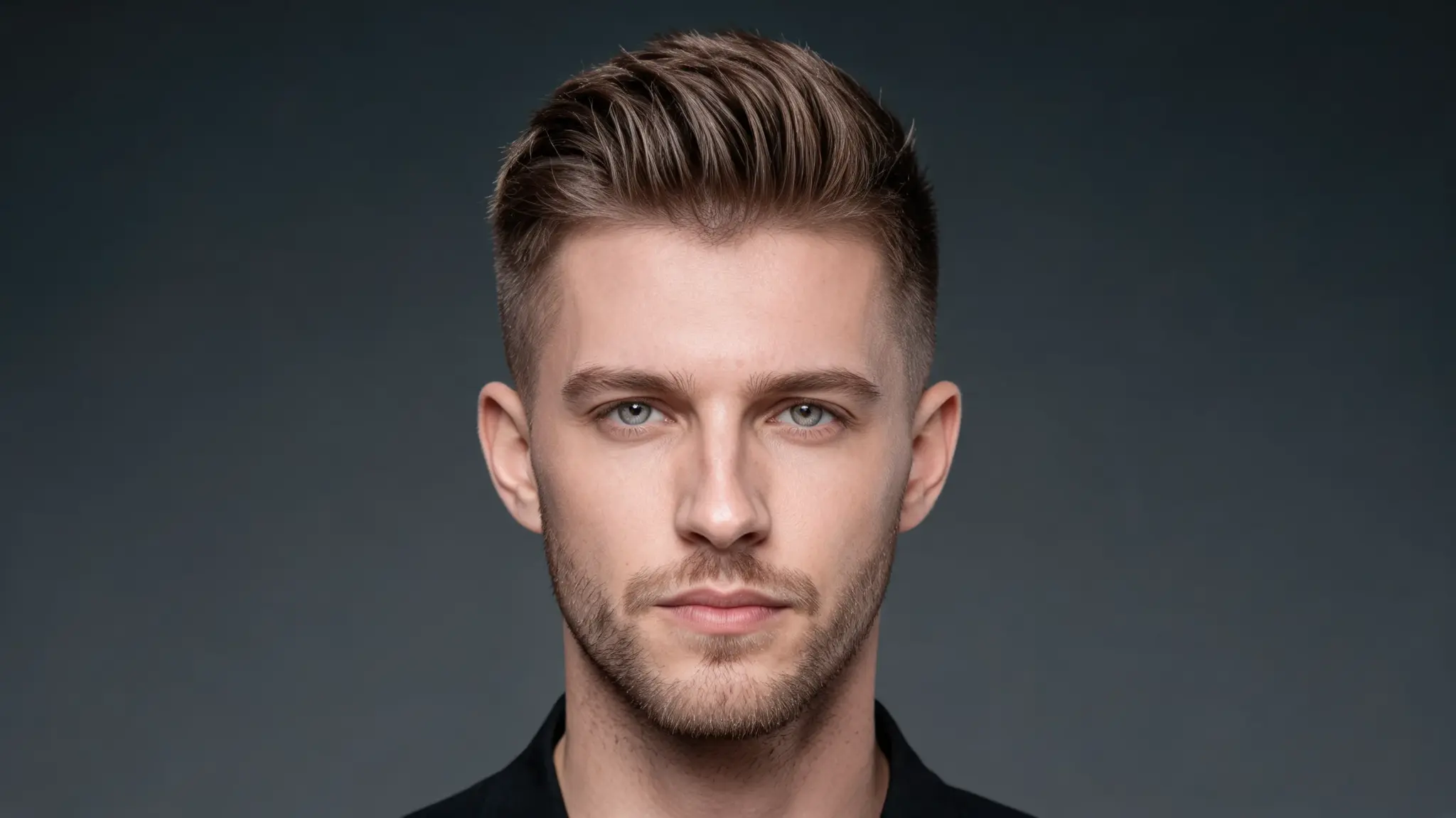
A short pompadour gives height at the front while keeping the sides neat. It feels more formal than a messy quiff.
Keep the volume realistic for work. A lower pompadour looks cleaner and is easier to manage during the day.
18. Regulation Cut
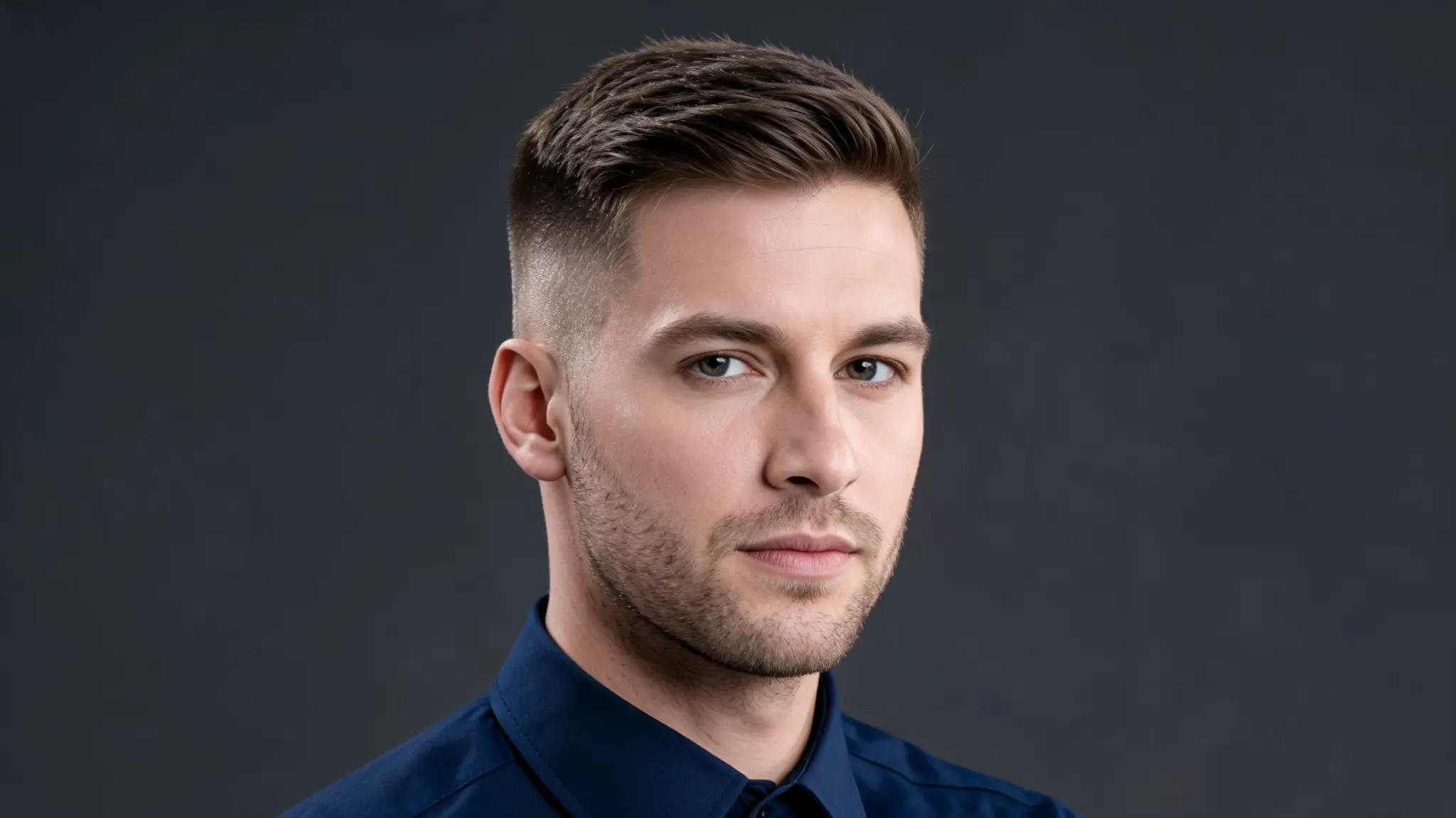
The regulation cut has a military-inspired shape with short sides and a neat top. It looks disciplined without being too extreme.
This style works well for men who like structure. You can check out military haircuts for men, post if you want more short, clean haircut ideas.
19. High and Tight
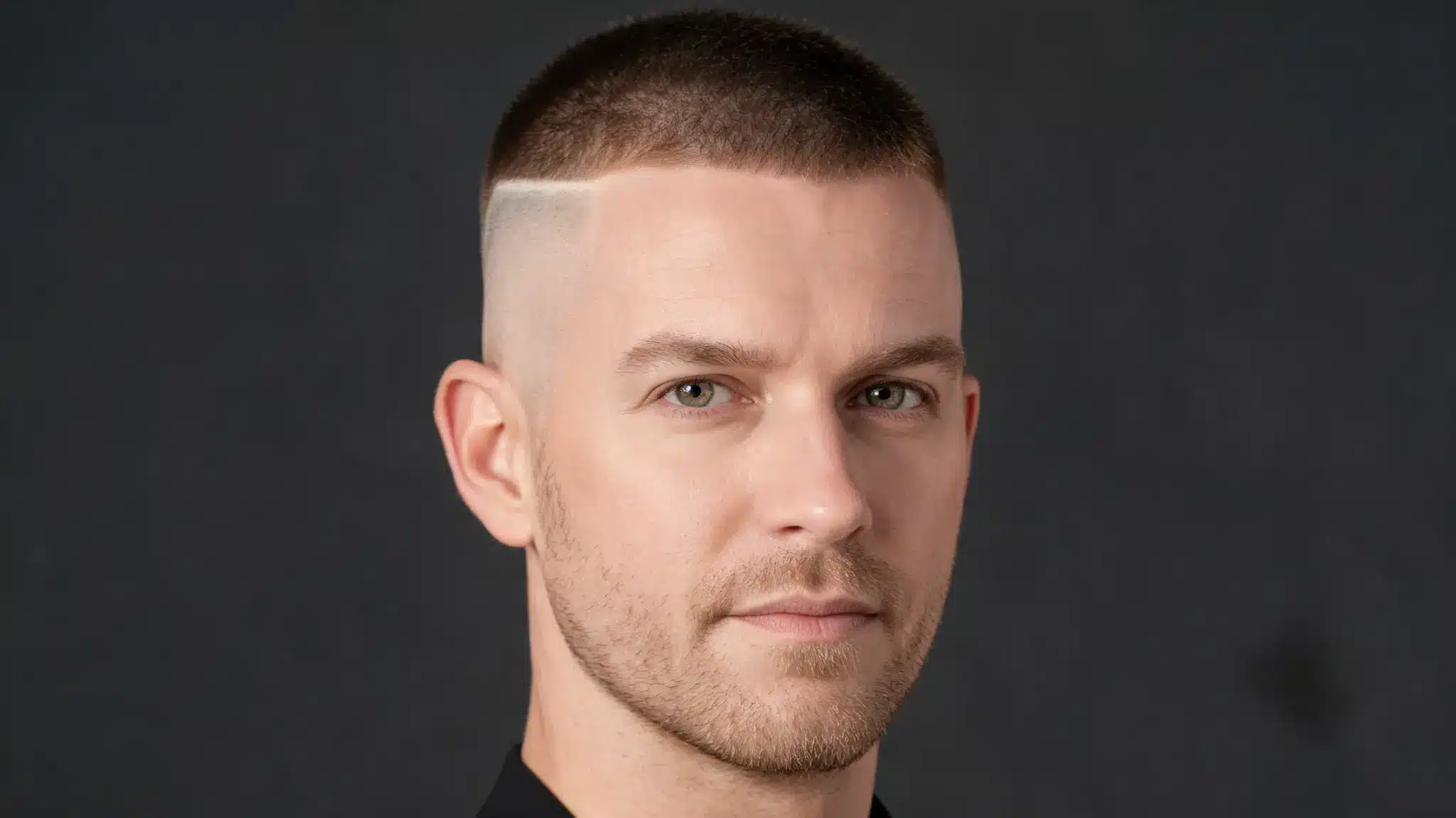
The high-and-tight is sharp, minimal, and easy to wear. It works best when your workplace allows very short sides.
Keep the top neat and the edges clean. If the contrast feels too strong, ask for a softer version instead.
20. Short Back and Sides
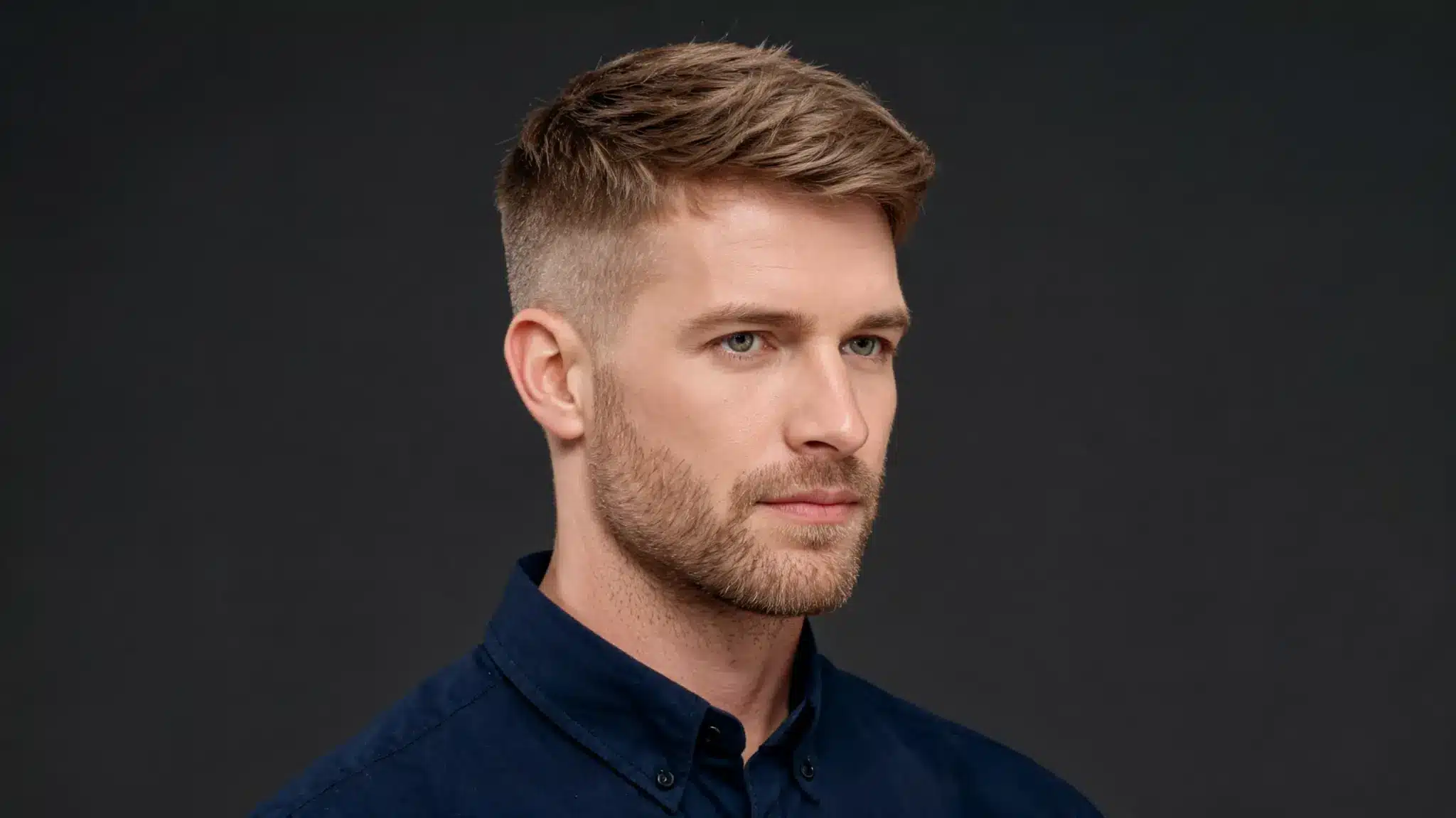
A short back and sides is a reliable professional cut because it can be shaped to suit almost any hair type. It keeps the sides in check while leaving room for styling on top.
This haircut can be worn with a side part, a brush back, a crop, or a natural texture. That flexibility is why it keeps showing up in men’s grooming conversations.
21. Side-Swept Fringe
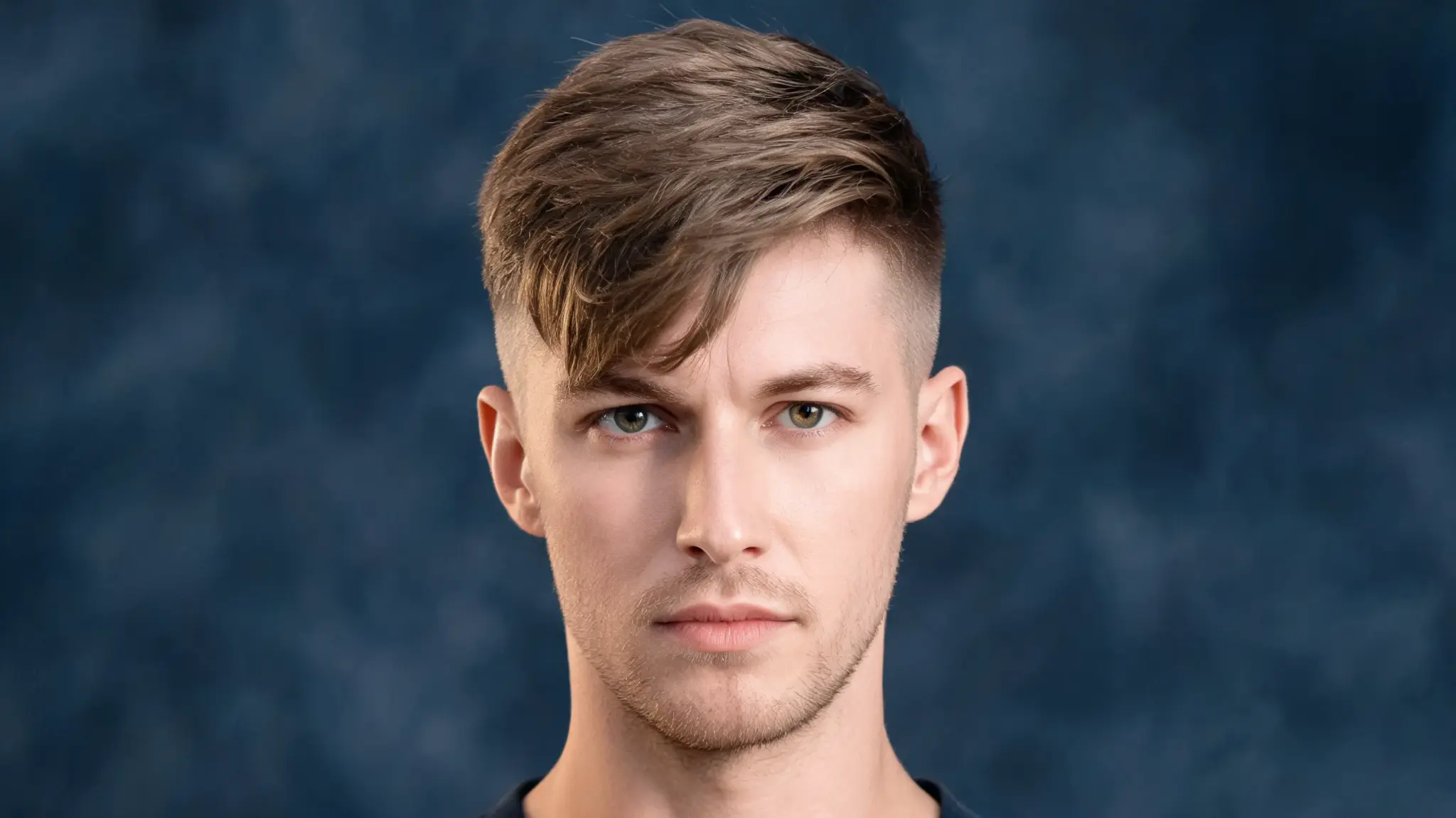
A side-swept fringe gives a softer look while still feeling tidy. It works well for men who do not like exposing the full forehead.
Keep the fringe light and controlled. If it falls into the eyes, it starts looking less professional.
22. Textured Fringe
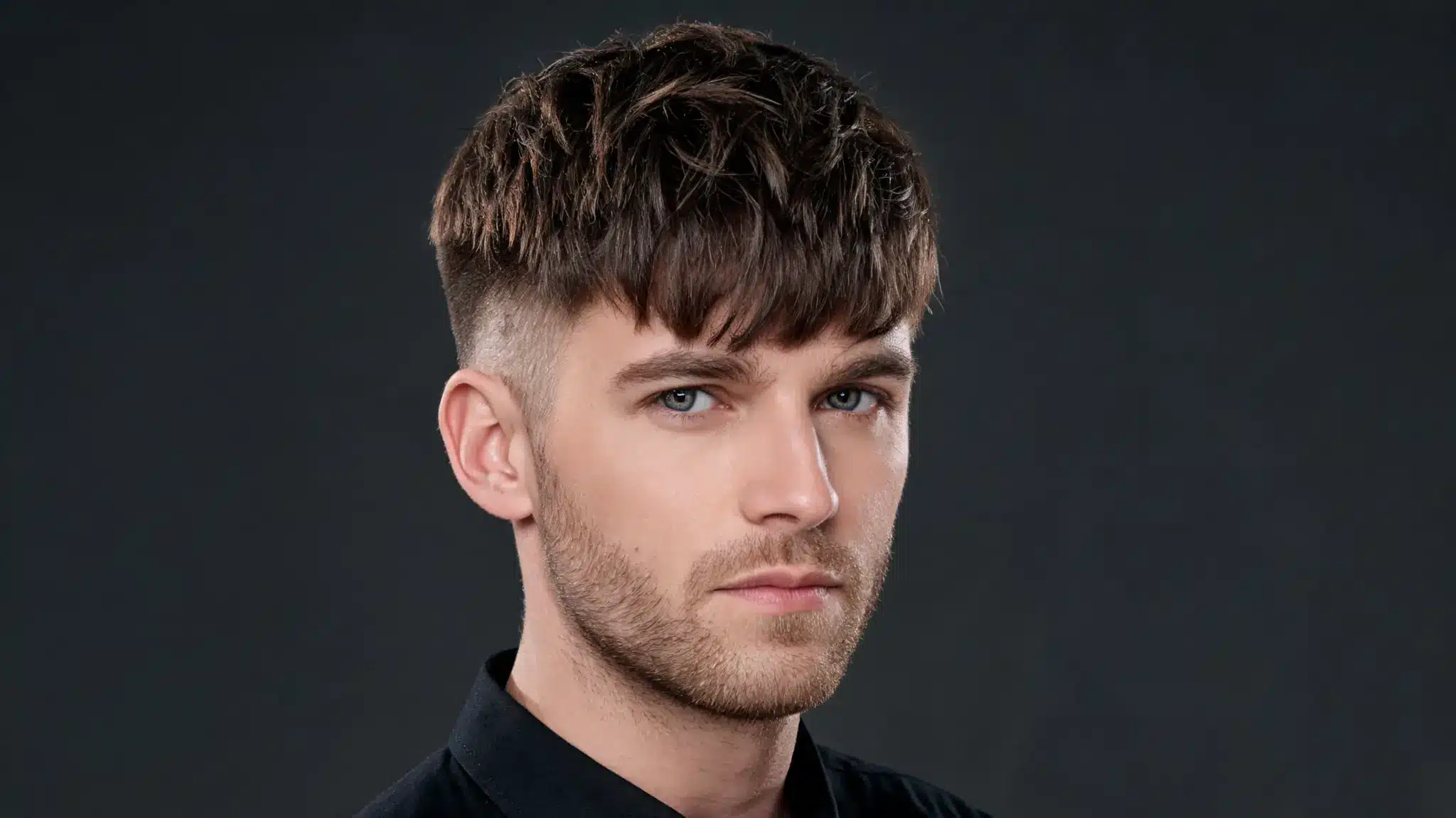
A textured fringe can work well in creative or relaxed offices when the shape looks controlled. It gives the haircut movement without making it look careless.
Ask your barber for a light texture through the top and a fringe that sits above the eyes. The goal is soft definition, not a messy or heavy front.
23. Neat Curly Taper
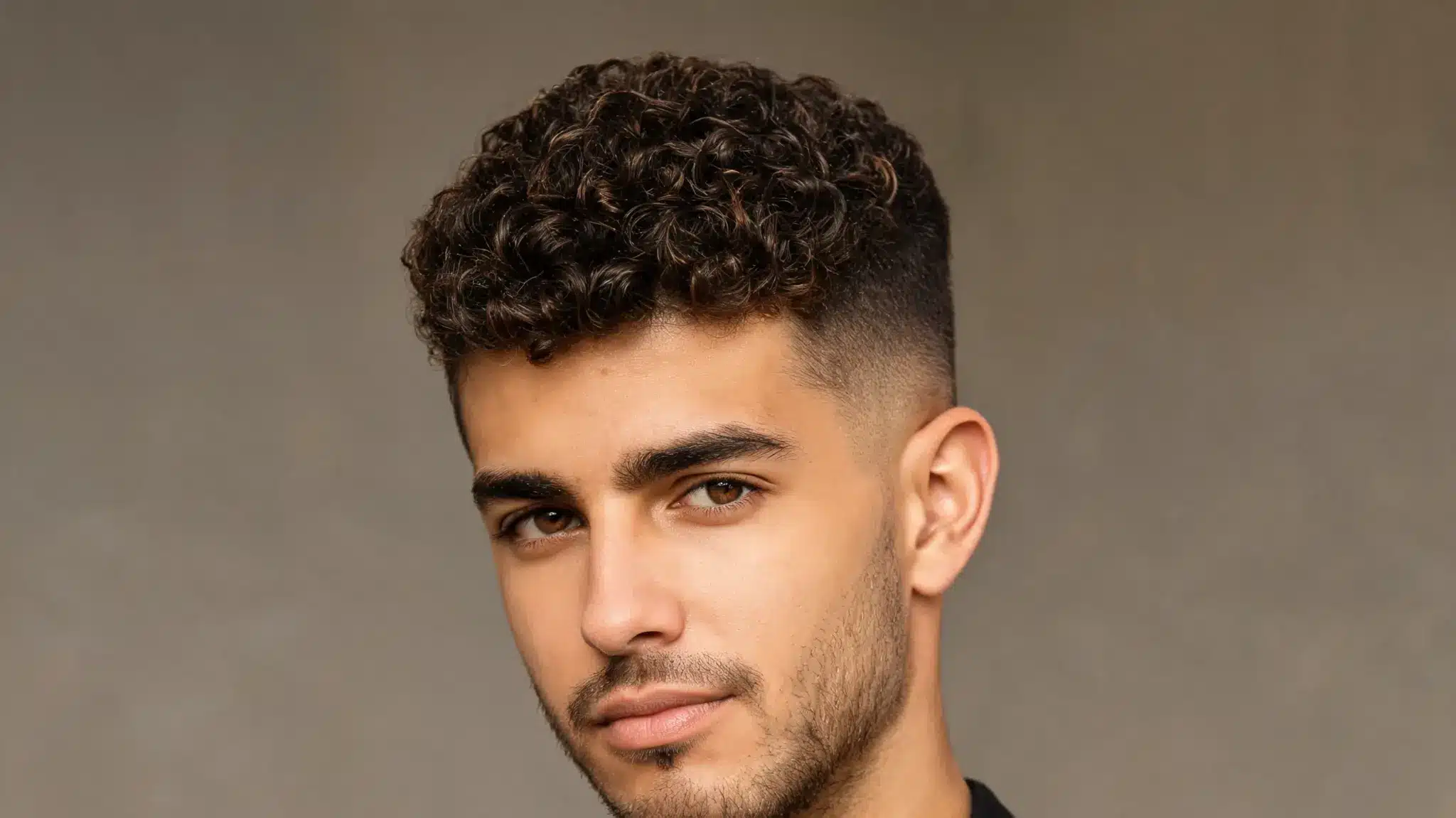
A neat, curly taper lets natural texture show without making the shape bulky. The taper keeps the sides and neckline clean.
This works well for curls that need structure. Use curl cream lightly so the hair looks defined but not stiff.
24. Curly Low Fade
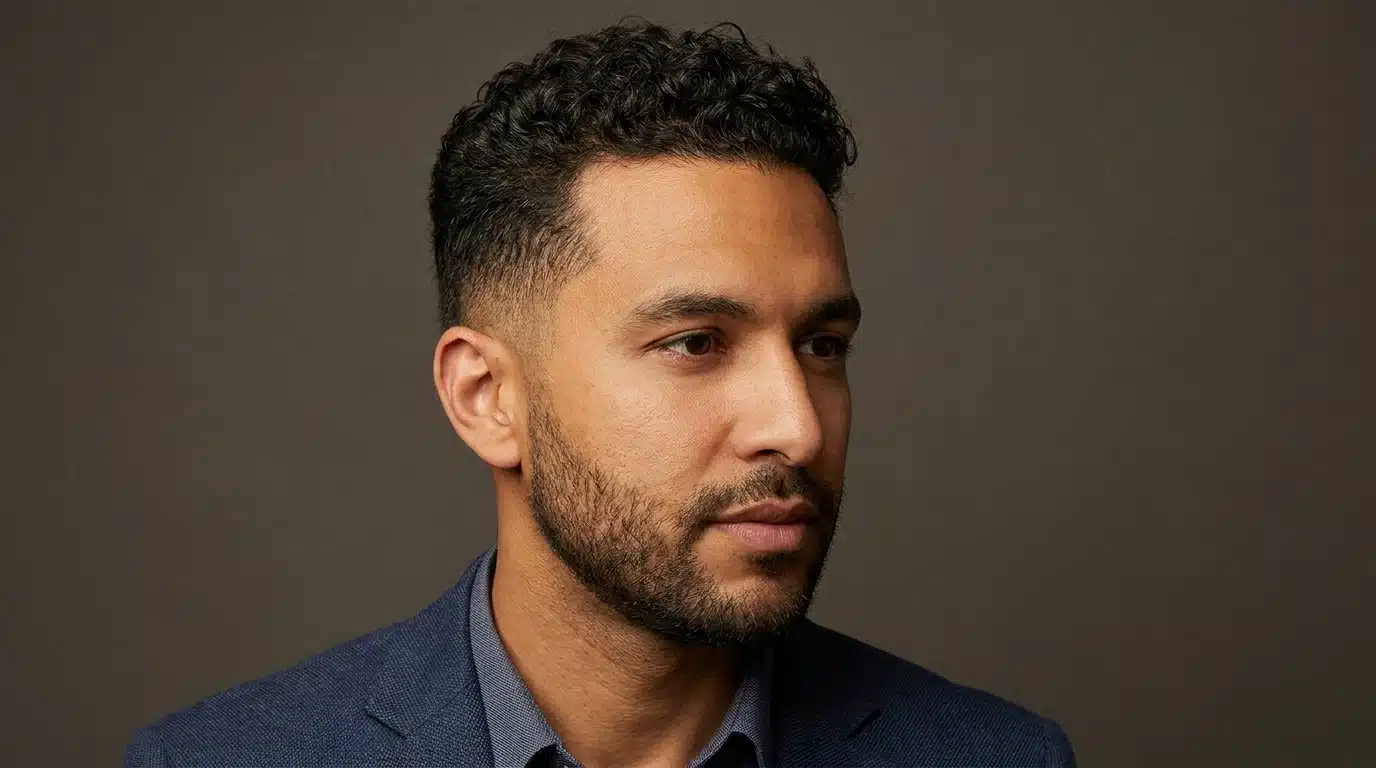
A curly low fade gives clean sides with curl volume on top. It is modern but still easy to maintain a professional tone.
Keep the fade low and the curls shaped. This avoids the top looking too wide or heavy.
25. Coily Taper Cut
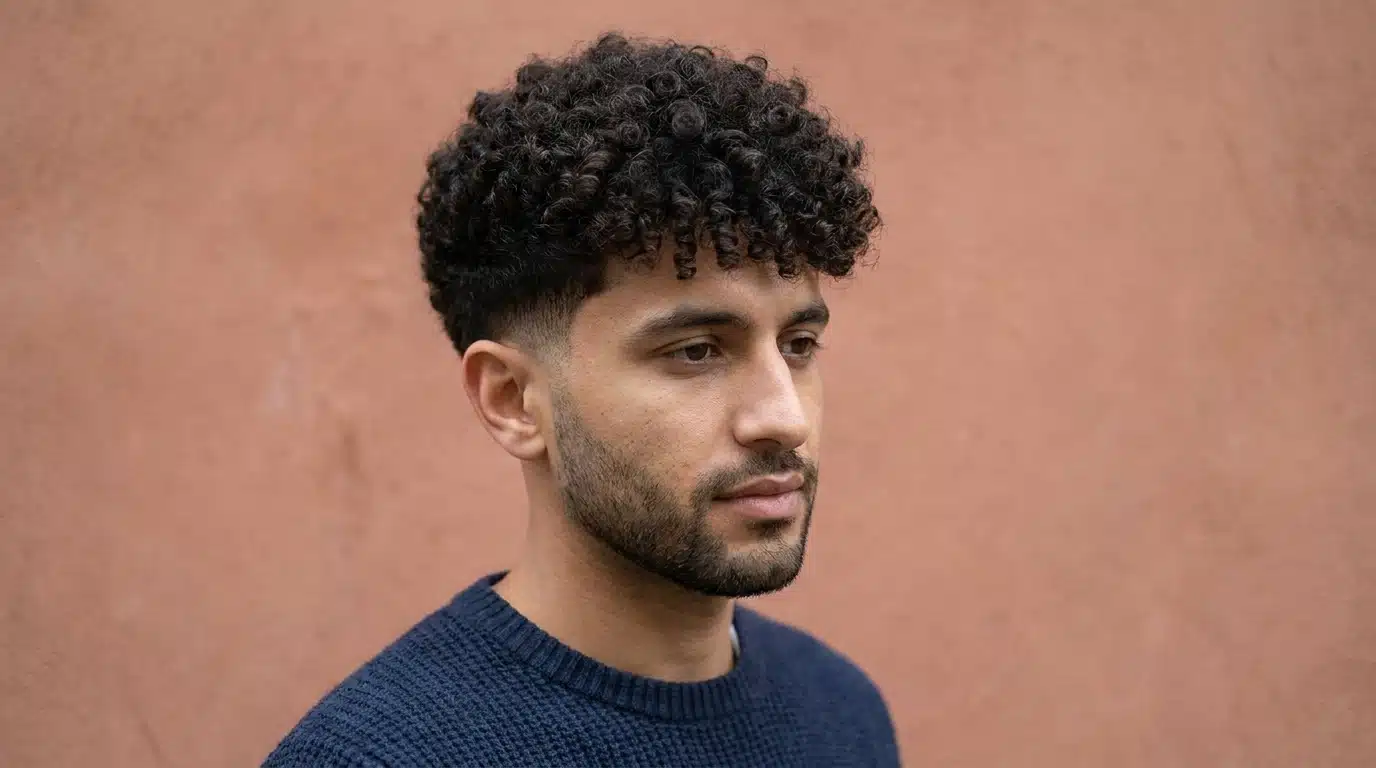
A coily taper cut keeps natural texture visible while giving the haircut a clean outline. It works best with regular shape-ups.
Moisture matters here. Dry coils can lose shape faster, so a simple routine helps the cut stay neat.
26. Wavy Side Part
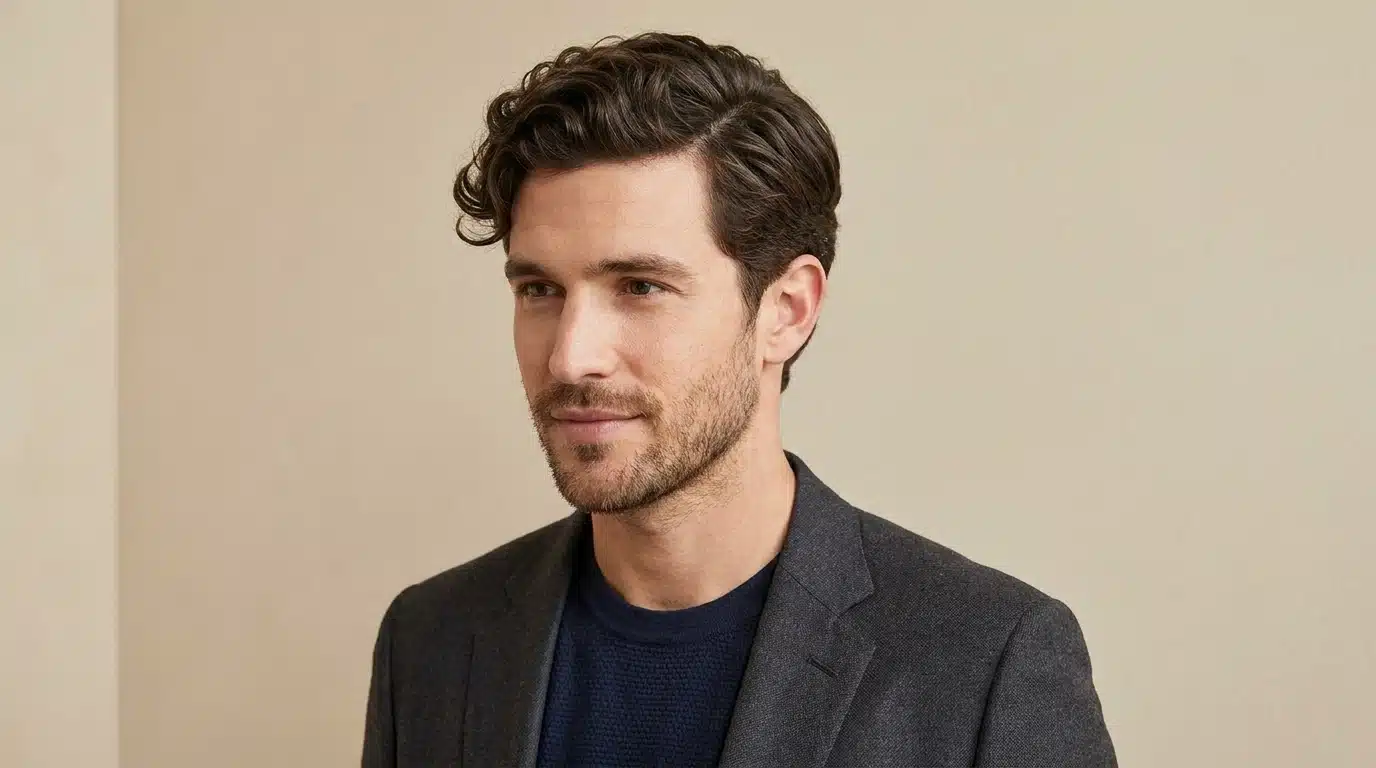
A wavy side part adds more movement to a classic style. It is less stiff than a straight side part and works well for medium-density hair.
Use a light cream instead of a heavy gel. The waves should look controlled, not flattened.
27. Medium-Length Flow

A medium-length flow can look professional in modern workplaces if the ends are trimmed and the hair is kept away from the face. It works best when the shape is clean around the ears and neck.
This style needs more care than shortcuts. If the ends look dry or uneven, the whole haircut feels less polished.
28. Long Hair Tied Back
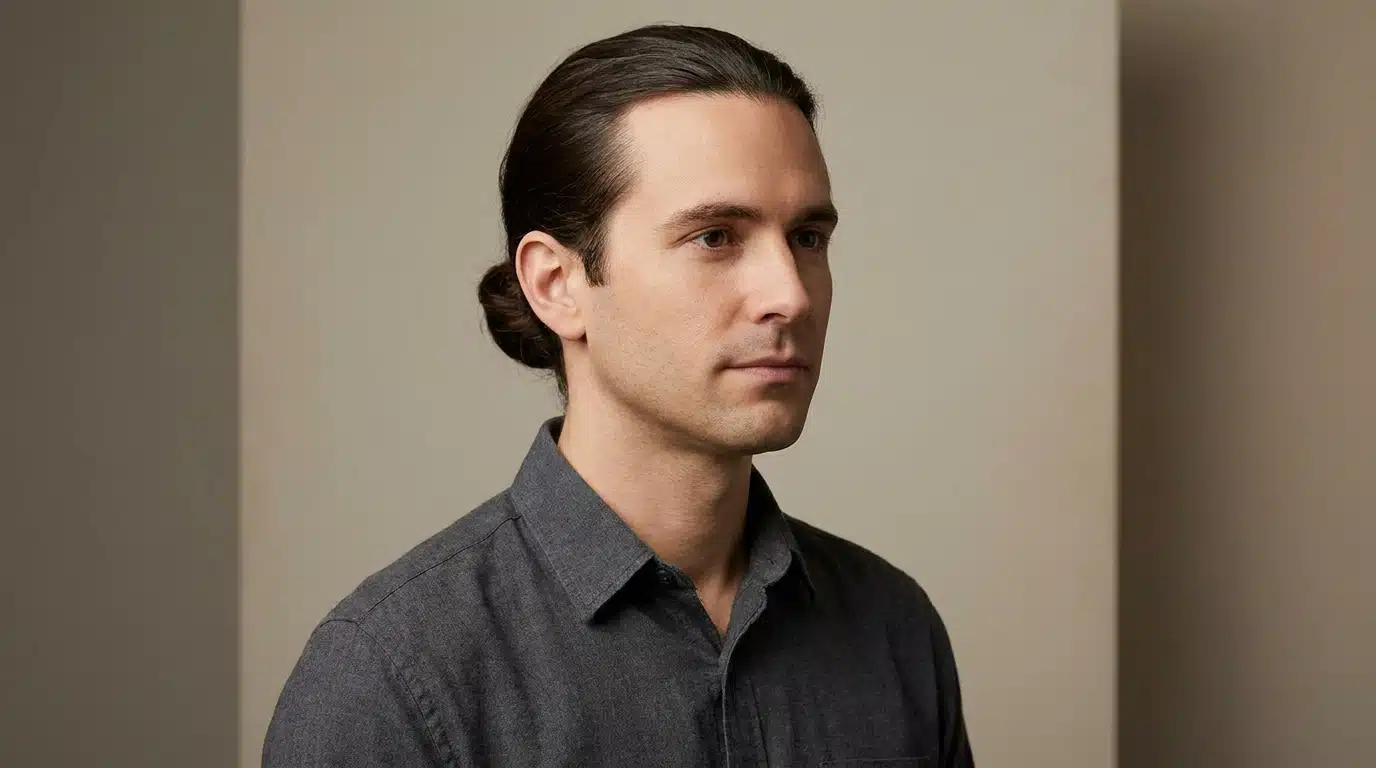
Long hair can be professional when it is clean, controlled, and tied low. A low tie looks calmer than a high bun in formal settings.
Keep the hair smooth around the hairline and avoid loose pieces falling into the face. It also helps when beard and neckline grooming are tidy.
29. Clean-Shaven Head
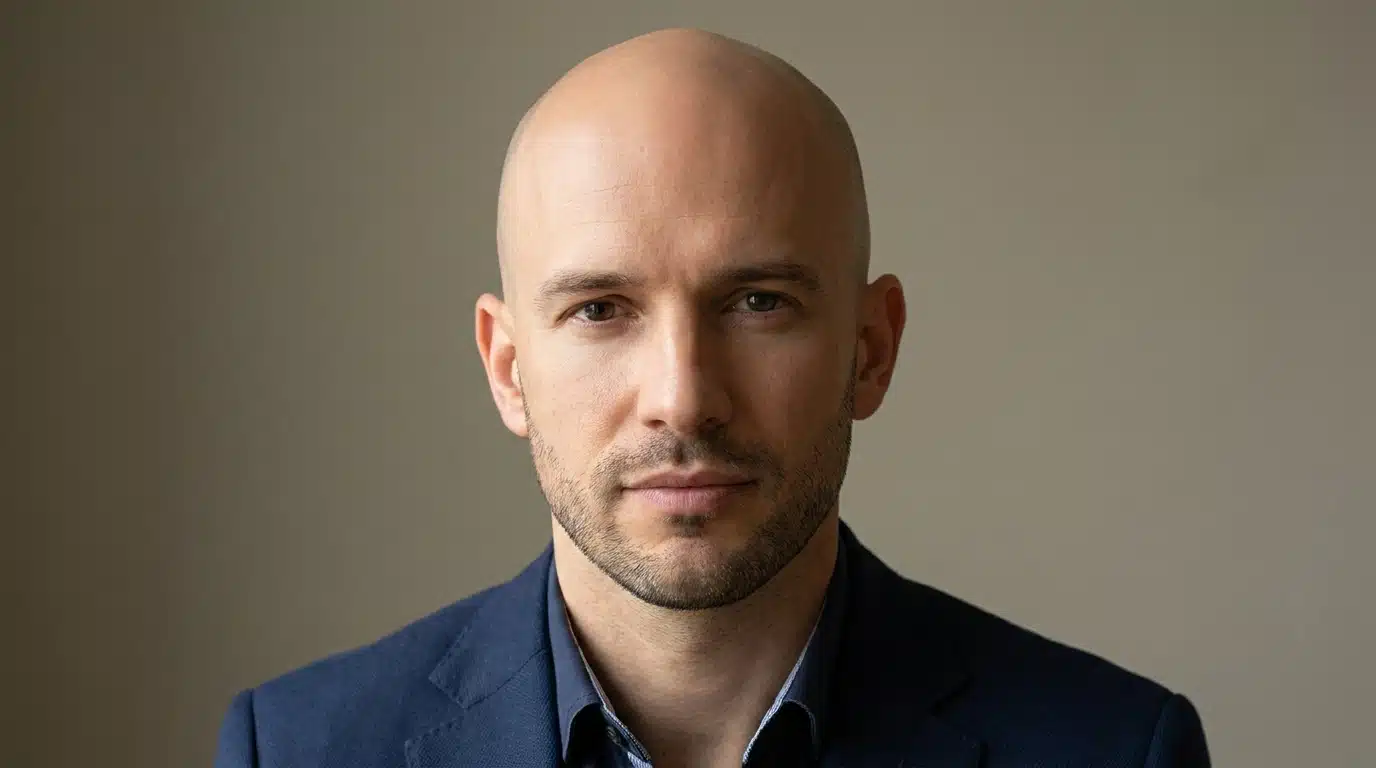
A clean-shaven head can look strong and professional, especially for men with thinning hair. It works best when the scalp, beard, and neckline are maintained.
This style is simple, but it still needs upkeep. A clean shave or even stubble keeps it looking intentional.
Best Professional Hairstyles by Hair Type
Different hair types need different cuts because texture, density, and volume change how a hairstyle sits. Use this table to match your hair type with professional haircuts that are easier to style and maintain.
| Hair Type | Best Haircuts |
|---|---|
| Straight hair | Side part, Ivy League cut, slick back, comb over, Caesar cut |
| Thick hair | Crew cut, taper, textured crop, Caesar cut |
| Fine hair | Ivy League cut, short crop, soft side part, brush back |
| Curly hair | Curly taper, curly low fade |
| Wavy hair | Wavy side part, brush back, classic taper, medium flow |
| Thinning hair | Buzz cut, crew cut, short crop, shaved head |
Best Professional Hairstyles by Face Shape
Choosing a hairstyle that matches face shape can improve balance, highlight facial features, and create a cleaner professional appearance overall.
- Oval face: An oval face can handle most professional hairstyles. Ivy League cuts, side parts, crew cuts, and tapers are especially easy to wear. For more face-shape ideas, see BNL’s guide to short haircuts for oval faces.
- Round face: A round face often benefits from a little height. A controlled quiff, short pompadour, brush back, or tapered top can make the face look longer.
- Square face: A square face works well with clean, structured cuts. Crew cuts, buzz cuts, classic tapers, and side parts suit the stronger jawline.
- Long face: A long face usually looks better without too much height. Side parts, crops, fringe styles, and lower-volume brush backs create better balance.
- Diamond face: A diamond face can handle texture well. Side-swept styles, medium tapers, and shaped crops soften the cheekbone area without hiding the face.
How to Style Professional Men’s Hair Without Overdoing It
Professional hair should look controlled, not stiff. The goal is to make the haircut look neat while keeping the finish natural enough for everyday work.
Use less product than you think. Most professional hairstyles men wear to work look better when a small amount of product is evenly distributed throughout the hair.
Choose the product based on your hair type. Matte clay or paste gives a natural finish, while light cream works well for waves, curls, and softer brush backs.
Pomade can look polished, but too much can make the hair look oily. Start with a small amount, then add more only if your hair needs extra control.
The American Academy of Dermatology also notes that oil-heavy styling products can clog pores around the hairline, forehead, and neck.
Your beard matters too. A sharp hairstyle with an overgrown beard can feel unfinished, so keep both trimmed and balanced.
Common Mistakes That Make Men’s Hairstyles Look Less Professional
Even a good haircut can lose its professional appearance when styling, maintenance, or haircut choices do not match the overall look.
- Choosing a fade that is too high: A high fade can look too casual for a strict office. If you are unsure, choose a low fade, shadow fade, or classic taper.
- Using too much product: Crunchy gel, greasy pomade, or heavy shine can make a good haircut look dated. Start with a small amount, then add more only if the hair needs control.
- Ignoring the neckline: A messy neckline can ruin the shape in a hurry. Schedule trims before the cut loses its clean outline.
- Letting the fringe cover the eyes: Fringe can work professionally, but it should not fall into your eyes. Keep it short, side-swept, or lightly textured.
- Copying a haircut that fights your hair type: A style that works on thick straight hair may not sit the same on fine, curly, or thinning hair. Choose a cut that works with your natural texture.
- Skipping beard balance: A sharp haircut with an overgrown beard can look messy. Keep the beard trimmed to match the clean shape of the hairstyle.
- Letting the top get too bulky: Too much weight on top can make the haircut look heavy and unplanned. Ask for light shaping or texture to keep the style controlled.
Conclusion
Professional hairstyles men choose should do three things well: fit the workplace, suit the hair type, and feel realistic for daily styling.
A classic taper, side part, Ivy League cut, crew cut, or short back and sides will always be safe. But textured crops, curly tapers, low fades, and longer controlled styles can work too when the shape is clean.
The best move is to save two or three styles from this list before your next appointment. Then ask your barber which one fits your hair texture, face shape, and routine.
These small steps usually lead to a haircut that looks sharper for longer and feels easier to maintain.
Which professional haircut would you try first? Drop your pick in the comments, or save this guide before your next barber visit.
Frequently Asked Questions
What are the Most Professional Hairstyles for Men?
The classic taper, side part, Ivy League cut, and crew cut are among the safest professional hairstyles for men. They look clean, grow out well, and work in most formal or office settings.
What Professional Hairstyle is Best for Thinning Hair?
Buzz cuts, crew cuts, short crops, clean shaves, and soft side parts can work well for thinning hair. Shorter styles usually look cleaner than trying to hide thinning areas with longer hair.
How Often Should Men Get a Professional Haircut?
Most professional haircuts look best with a trim every 3 to 6 weeks. Fades and short tapers need more frequent upkeep, while medium-length styles can usually go a little longer.