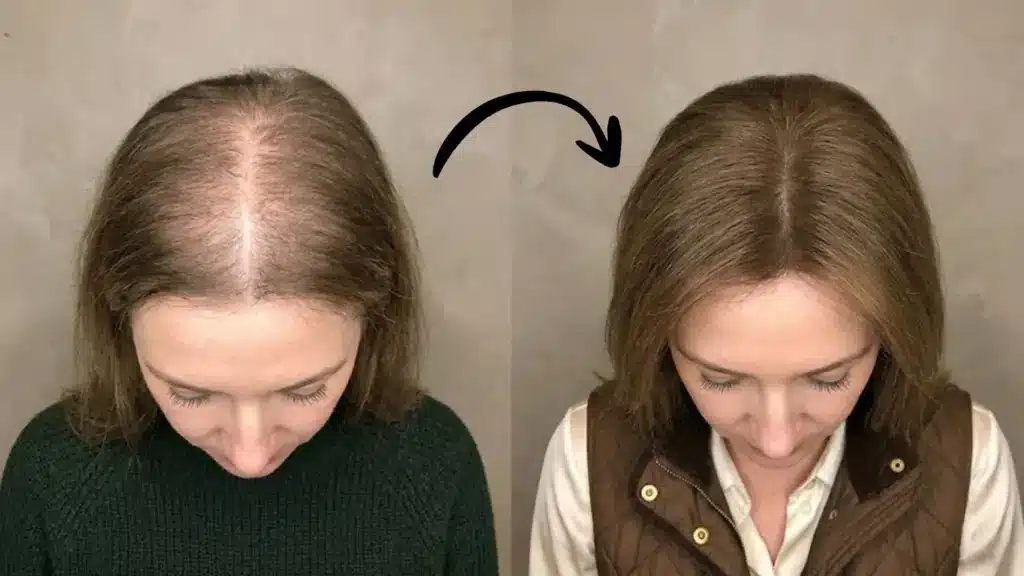
Hair thinning can feel frustrating, especially when the scalp starts to show through the part line or the crown. I’ve spoken to a lot of women who say they noticed the change gradually.
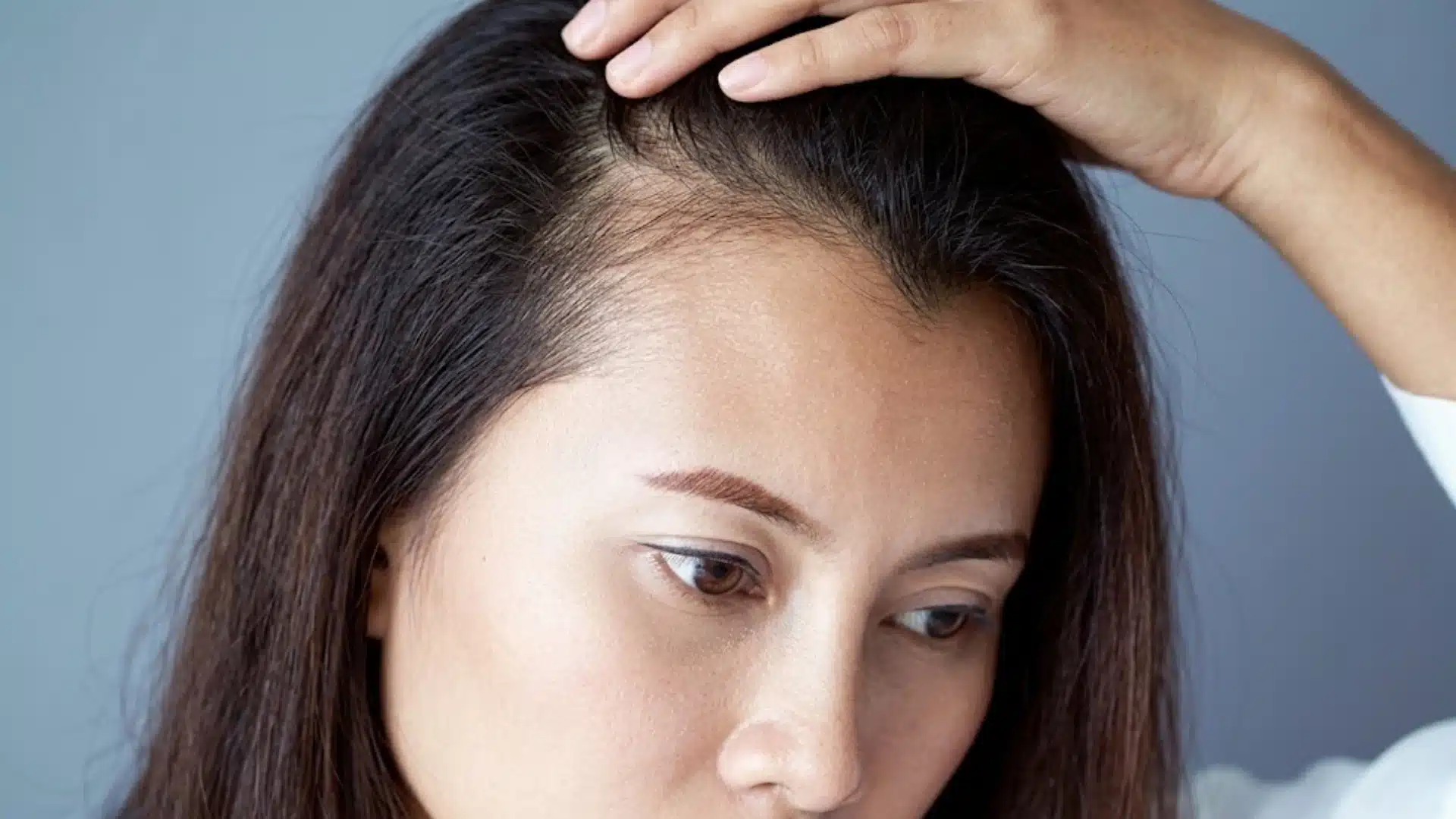
A wider part or a bit more scalp showing at the crown. The kind of thinning that regular styling starts to struggle with.
That is where scalp micropigmentation for women can help create the look of fuller hair.
It does not grow new hair or stop hair loss. Instead, it makes thin areas look denser and less noticeable.
In this blog, you will learn what the treatment is, how it works, who it may suit, what results to expect, and how it compares with other hair loss options.
What is Scalp Micropigmentation?
Scalp micropigmentation is a cosmetic treatment that uses tiny pigment dots to give the scalp the appearance of fuller hair.
The process is often compared to a scalp tattoo, but the pigment is placed in a way that mimics natural hair follicles rather than creating traditional tattoo art.
It is commonly used on thinning areas, patchy spots, and visible part lines. The treatment works by reducing the contrast between the scalp and the hair.
This makes thin areas appear denser and less noticeable. Unlike a hair transplant, it does not move or grow hair.
It also differs from hair fibers and wigs because the results stay in place without daily application or removal.
According to the Cleveland Clinic, scalp micropigmentation is a cosmetic treatment that can help cover bald spots or create a fuller-looking scalp.
Why Women Get Scalp Micropigmentation?
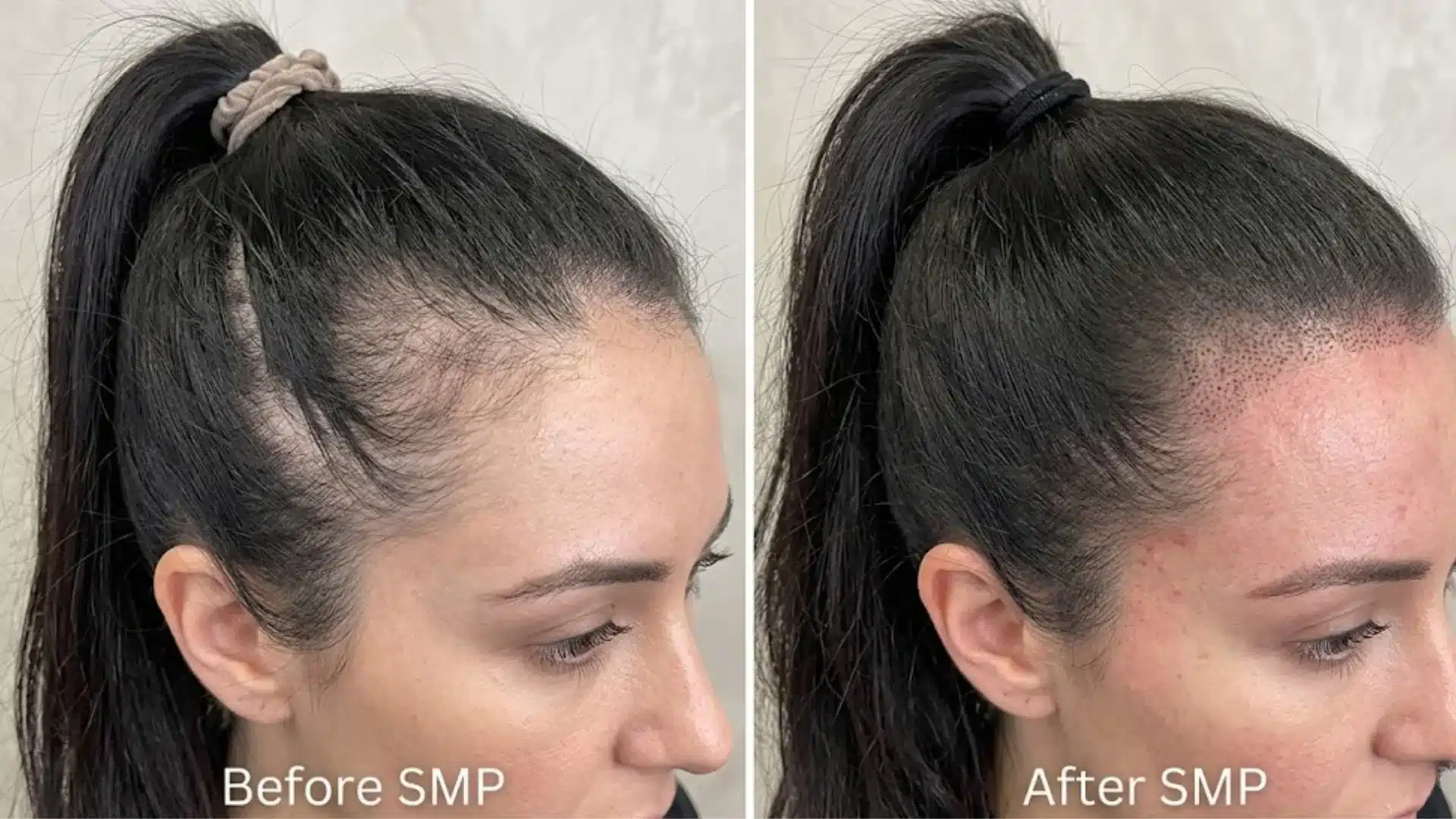
Women often choose this treatment when thinning hair makes the scalp more visible, and regular styling no longer gives enough coverage.
- Wider part line: It can make a thin or widening part look fuller by darkening the scalp beneath the hair, so the gap looks less noticeable.
- Crown hair loss: It helps add the look of density around the crown, where thinning can be harder to hide with regular styling or hair products.
- Patchy hair loss: It can soften the look of small bald spots or uneven thinning by filling the visible scalp with tiny pigment dots.
- Visible scalp through long hair: It helps the scalp blend better with nearby hair, so long hair can look fuller without needing daily cover-up products.
- Scalp scars: It can help hide old scalp scars, including healed hair transplant scars, by matching the pigment with the surrounding hair shade.
- Styling comfort: It can make women feel more at ease wearing different hairstyles because thin areas may look less obvious in normal light.
How Scalp Micropigmentation Helps with Female Hair Loss?
Scalp micropigmentation for women helps make thin areas look fuller on the outside.
The pigment sits on the scalp in tiny dots, which helps reduce the bright contrast between skin and hair.
This can make a wide part line look softer and less open, especially when the hair is styled normally.
It can also work with short, medium, or long hair because the goal is not to change the hairstyle.
The pigment is matched to the natural hair shade and placed where the scalp shows the most. Still, it is important to keep expectations clear.
Scalp micropigmentation can camouflage hair loss and make thinning areas look denser, but it does not treat the reason behind hair loss.
If shedding is sudden, severe, or ongoing, a dermatologist should check the cause first.
If you are trying to understand why hair sheds in the first place, that is a useful step before deciding whether SMP is the right fit for your situation.
Who Should Be Careful with Scalp Micropigmentation?
Scalp micropigmentation may not suit everyone, especially when the scalp is already irritated or the hair loss condition is still active.
People with scalp infections should avoid treatment until the area fully heals, since broken or inflamed skin can react badly to the pigment process.
Those with psoriasis, eczema, or other scalp flare-ups may also need to wait because the treatment can irritate sensitive skin further.
Women with a history of keloid scarring should be careful, as the skin may heal differently after the procedure.
Heavy or ongoing shedding can also affect results over time. If hair loss continues to progress, the treated area may no longer blend evenly with the surrounding hair.
Unrealistic expectations can also lead to disappointment, since the treatment only creates the appearance of density.
Disclaimer: It is always best to speak with a dermatologist before treatment, especially if hair loss is sudden or linked to a scalp condition.
How the Scalp Micropigmentation Process Works?
The process usually starts with a consultation where the artist checks the scalp, discusses hair-loss concerns, and decides whether the treatment is suitable.
This step also helps identify the areas that need more coverage.
After that, the hairline or density plan is mapped out based on the natural hair pattern. The pigment shade is then matched carefully to the existing hair color so the final result blends well.
During the session, tiny pigment dots are placed across thinning areas using a small needle device.
The goal is to create soft-looking density rather than sharp or obvious marks.
Most women need multiple sessions because the color and spacing are built gradually for a more natural result. There is also healing time between sessions.
If you want to understand what happens to the skin during recovery, our guide on scalp healing and pigment settling explains what to expect day by day.
The scalp often looks slightly darker at first. Give it a couple of weeks. The pigment softens noticeably as the skin settles, and the final color is quite different from the immediate post-session look.
How Scalp Micropigmentation Compares with Other Options
Women dealing with thinning hair have several options, and SMP sits in a specific niche among them. Each option works differently and comes with its own benefits, maintenance level, cost, and expected results.
| Option | What it does | Key difference from SMP |
|---|---|---|
| Hair fibers/sprays | Temporary cover for thin areas | Washes off daily; good for events but not long-term |
| Minoxidil (topical) | Can slow shedding and support regrowth | Treats the cause; requires ongoing daily use |
| Hair transplant (FUE/FUT) | Moves real follicles to thinning areas | Surgical; not suitable for diffuse thinning patterns |
| Scalp micropigmentation | Creates the look of density | Non-surgical; cosmetic only; no regrowth |
What to Expect After Scalp Micropigmentation
Scalp micropigmentation can last for years, but proper aftercare and maintenance are important to keep the results looking natural over time.
- Long-lasting results: The pigment can stay visible for several years, especially when the treatment is done correctly and the scalp is cared for properly afterward.
- Gradual fading: The pigment slowly fades over time because of skin renewal, sun exposure, and regular scalp washing, which can soften the appearance gradually.
- Touch-up sessions: Some women may need occasional touch-ups to refresh faded areas and maintain even-looking density, especially if hair loss patterns continue changing later.
- Sun protection: Wearing hats or using scalp-safe sun protection can help preserve the pigment and prevent faster fading caused by direct UV exposure.
- Early aftercare: The first few days matter because scratching, sweating, or washing the scalp too soon may affect how the pigment settles into the skin.
Scalp Micropigmentation: Pros and Cons
Scalp micropigmentation can be helpful for many women, but it is still important to understand both the benefits and limits.
| Pros | Cons |
|---|---|
| It is a non-surgical treatment with no hair transplant procedure. | It does not grow new hair or stop hair loss. |
| It can give quick visual density in thin-looking areas. | It may need touch-ups as the pigment fades over time. |
| It removes the need for daily fibers, sprays, or cover-up powders. | Poorly done work can look too dark, flat, or unnatural. |
| It can help with different thinning patterns, including part lines and crowns. | It is not ideal during scalp infections, flare-ups, or irritation. |
| The results stay in place once the scalp has healed properly. | It needs a skilled provider to create a soft, natural look. |
Conclusion
SMP can help women make thinning areas look fuller by adding the look of soft density to the scalp.
It can improve the appearance of a wide part line, sparse crown, patchy spots, visible scalp, and even some healed scars. It does not grow new hair or stop shedding.
It only helps thin areas look less noticeable. Results can last for years, but fading, touch-ups, aftercare, and the artist’s skill all matter.
If your hair loss is new, sudden, or getting worse, speak with a dermatologist before booking treatment.
Would you consider SMP for thinning hair or a wider part line? Share your thoughts in the comments.
Frequently Asked Questions
Can Women Color Their Hair After Scalp Micropigmentation?
Yes, most women can still dye or color their hair after the scalp has fully healed. Many artists recommend waiting until the healing period is complete before using hair color products.
Does Scalp Micropigmentation Hurt for Women?
Pain levels vary from person to person, but many women describe the feeling as mild discomfort rather than severe pain. Some areas of the scalp may feel more sensitive during treatment.
Can Scalp Micropigmentation Be Removed or Corrected?
Yes, unwanted pigment can sometimes be lightened or removed with laser treatments. Some providers can also adjust the pigment shape or color if the results need correction later.