Layered haircuts are everywhere right now, but not every layered cut gives the same result. Some look soft and bouncy, while others feel bold, messy, and full of texture.
That is where the confusion starts, because both styles can look similar at first glance.
If you are stuck between a butterfly cut vs wolf cut, the choice comes down to the kind of shape, volume, and face-framing effect you want.
One keeps the hair looking longer and more polished. The other adds a sharper, undone look with heavier layers. Ahead, you will get a clear comparison of both hairstyles.
I will break down their shape, layers, volume, styling needs, maintenance, face shape match, and hair type fit so you can decide which cut makes the most sense for you.
What is a Butterfly Cut?
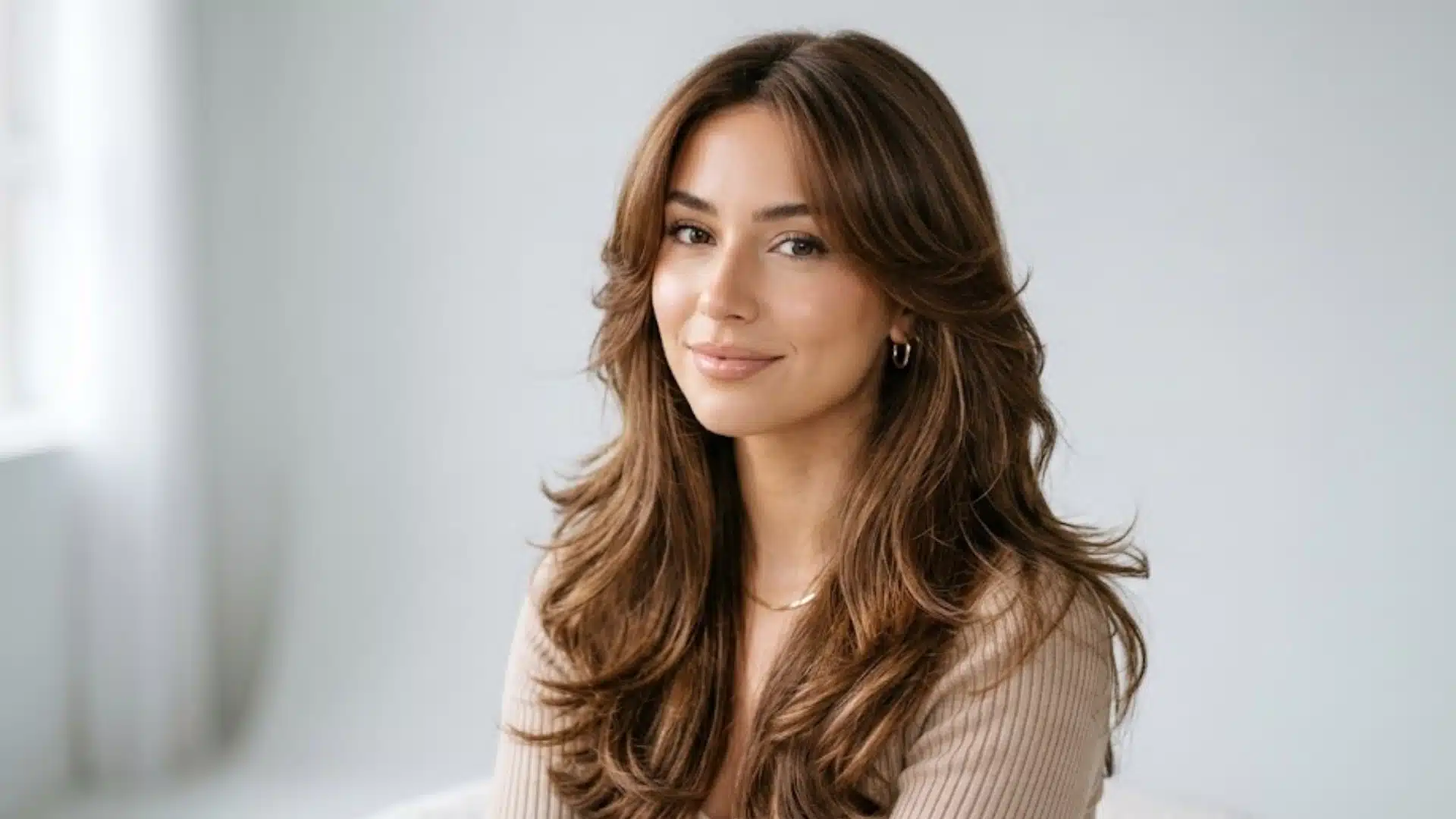
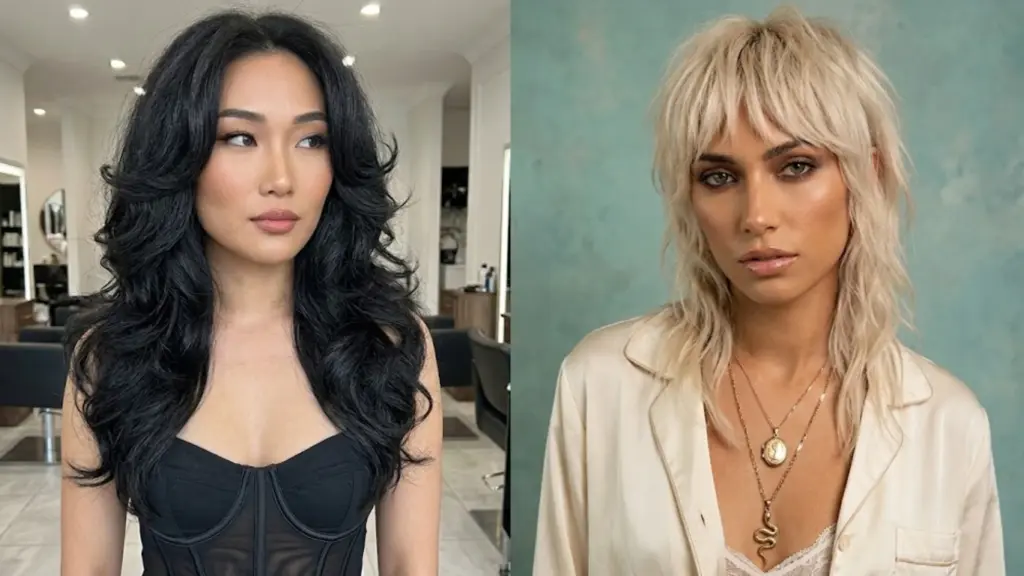
A butterfly cut is a layered hairstyle that gives the hair a soft, lifted, and flowy shape.
It is called a butterfly cut because the shorter front layers open around the face like wings, while the longer layers stay at the back.
The idea is to create two distinct layers without making the hair look short. The shorter layers sit around the face, usually near the cheekbones, chin, or collarbone.
The longer layers blend into the rest of the hair, so the overall length does not look too short.
I think this cut is genuinely underrated for people who want a fresh shape without committing to a big chop.
The layers remove extra weight and add movement, but the hair still feels full. It is a good middle ground if you are not ready for anything too dramatic.
It works best for people who want a fresh shape without losing length. It is also great for adding movement to long or medium hair.
If you are looking for professional hairstyle ideas that still feel current and soft, the butterfly cut is one of the easiest to pull off.
What Does a Wolf Cut Look Like?
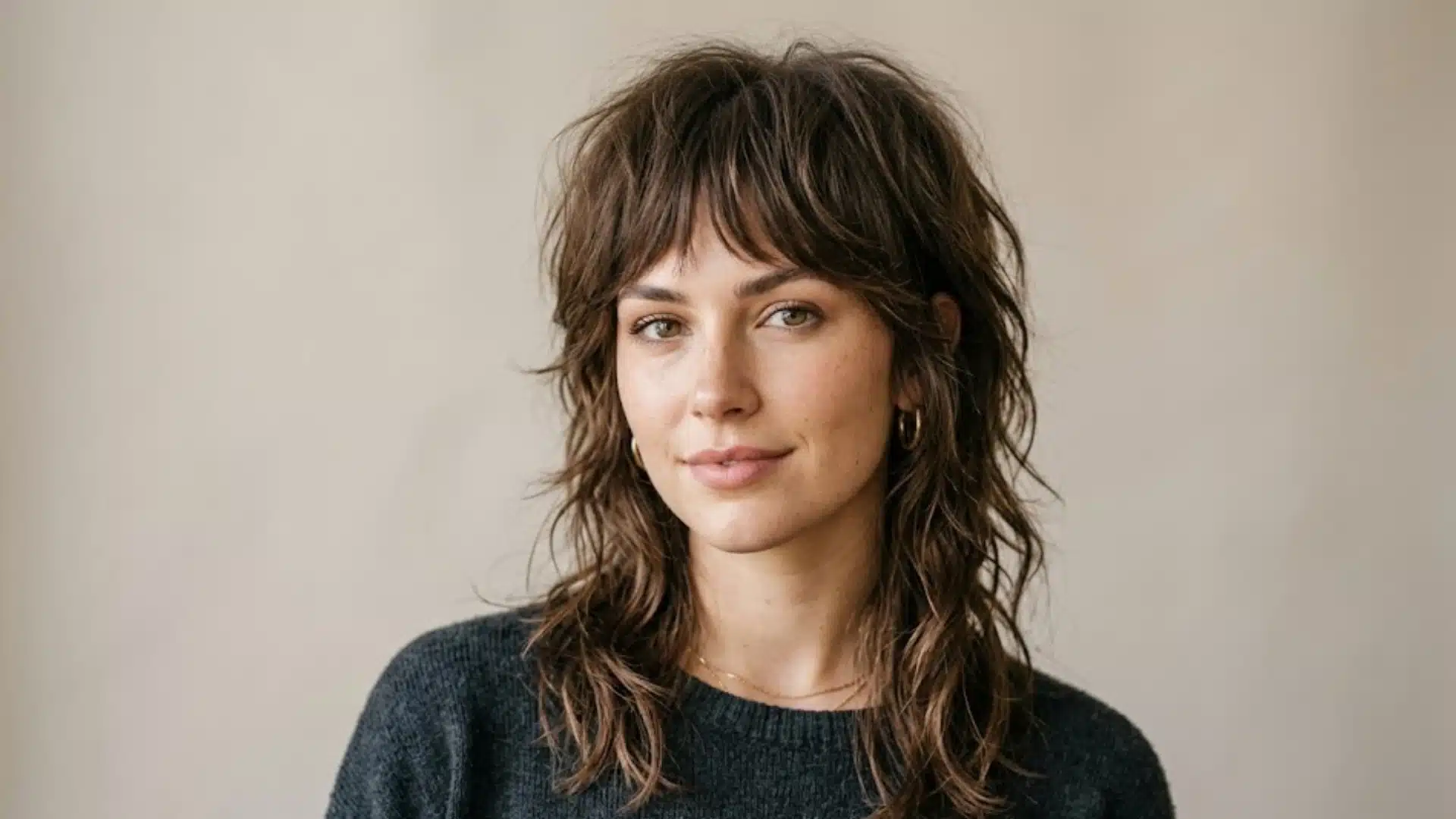
The wolf cut features a voluminous, rounded crown with shorter layers on top that taper into longer, wispy pieces toward the back and ends.
Think lots of texture through the mid-lengths, choppy face-framing pieces, and a shape that looks deliberately undone.
From the front, it gives a full, shaggy silhouette. From the side, the longer back layers create a subtle mullet effect.
It is a mix of a shag cut and a mullet, so it has shorter layers on the top and longer pieces toward the back.
The top layers are usually cut with more volume around the crown. The sides and ends are left lighter, piecey, and less blended.
This creates that rough, undone look that makes the cut stand out.
The wolf cut looks edgy because it does not try to be too neat or polished. It is meant to have movement, texture, and a little chaos.
It works best for people who want a hairstyle with attitude. It is also a good pick for anyone who likes volume, shape, and a cool, lived-in finish.
Butterfly Cut vs Wolf Cut: Key Differences
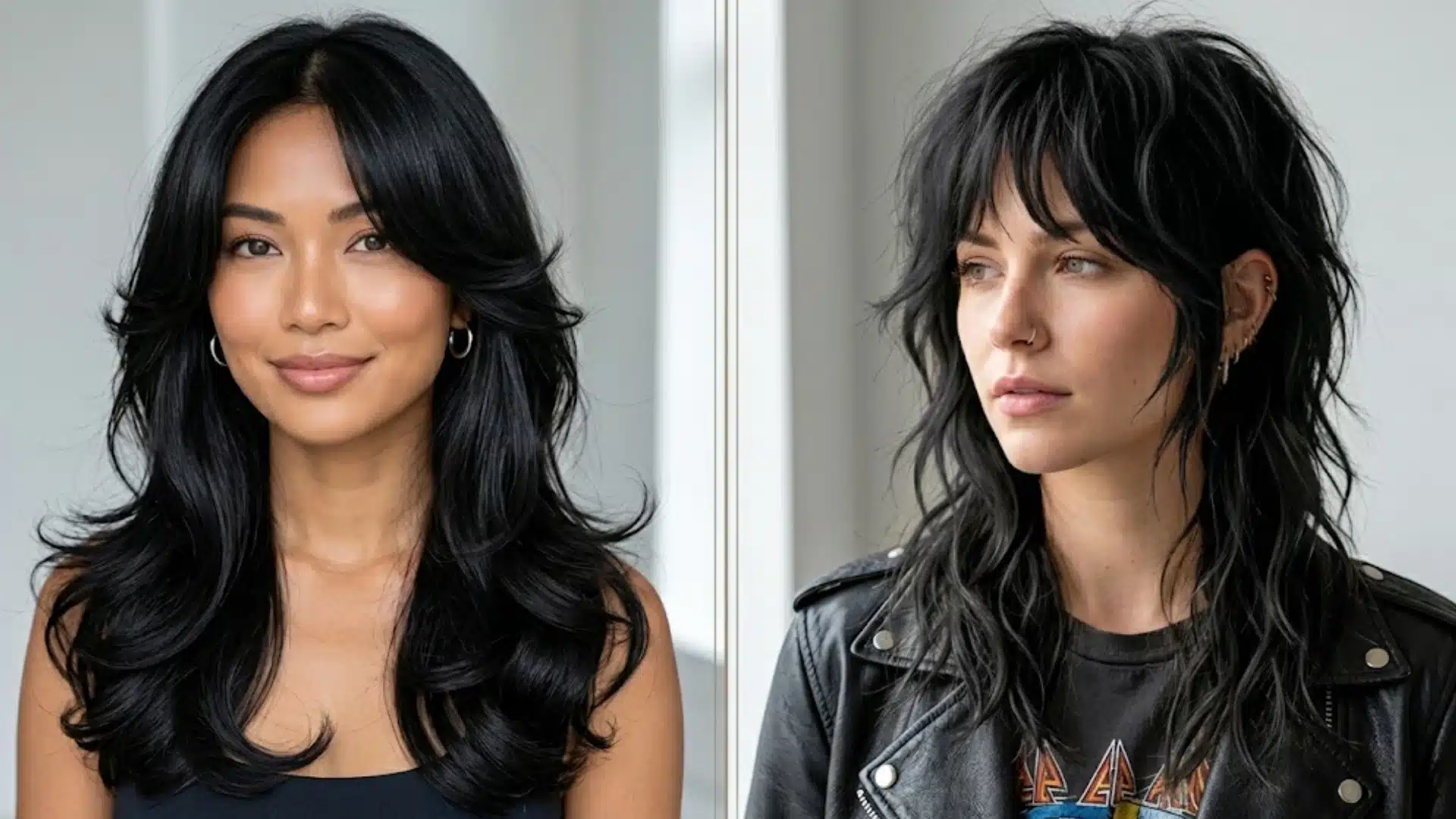
Both hairstyles use layers, but they create very different results in shape, volume, styling effort, face-framing, and overall mood.
1. Overall Shape
The butterfly cut has a soft, rounded shape that keeps the hair looking full and flowy. It usually gives a smooth outline, with shorter pieces around the face and longer layers falling through the back.
The shape feels more polished and balanced, so it works well for people who want movement without a messy finish.
The wolf cut has a rougher shape. It is fuller at the crown and thinner near the ends, which gives it a bold, shaggy look.
2. Layer Placement
In a butterfly cut, the layers are placed to blend smoothly into the rest of the hair. The shorter layers sit around the face, while the longer layers keep the length visible.
This makes the haircut look soft and connected. In a wolf cut, the layers are placed with more contrast.
The top layers are shorter, and the lower layers are lighter and more piecey. This placement gives the wolf cut its messy, textured finish and makes the shape look more dramatic.
3. Volume
A butterfly cut usually adds volume through the mid-lengths and around the face. It gives the hair bounce without making the top look too heavy.
This makes it a good choice for anyone who wants soft lift and fuller-looking ends. A wolf cut creates more volume near the crown.
The shorter top layers help the hair stand up more, especially with natural waves or styling products. It gives a fuller top and a lighter bottom, which makes the haircut look more edgy.
4. Face-Framing Effect
The face-framing pieces in a butterfly cut are usually soft, long, and blended. They can start near the cheekbones, chin, or collarbone, depending on the face shape and hair length.
This gives the face a smoother and more lifted look. A wolf cut frames the face in a stronger way.
The pieces are often shorter, choppier, and less blended. This creates more texture around the cheeks and jawline. It can make the haircut feel more expressive and bold.
5. Final Look and Vibe
The butterfly cut gives a pretty, soft, and polished finish. It looks bouncy, fresh, and easy to wear, especially when styled with a blowout or loose waves.
It is a good option for someone who wants layers without going too bold. The wolf cut has a messier and more daring vibe. It looks textured, cool, and a little undone.
It is better for someone who wants their haircut to stand out and feel more relaxed, edgy, and full of attitude.
Which Cut Works Better for Your Hair Type?
Hair type can change how each cut looks, sits, and moves, so the better choice depends on texture, thickness, and natural volume.
- Straight hair: A butterfly cut can give straight hair more movement without making it look too messy. A wolf cut adds texture and shape, but it may need styling to avoid looking flat.
- Wavy hair: Both cuts work really well on wavy hair. If you are unsure how your natural texture behaves, it helps to first understand the difference between wavy vs curly hair before booking your appointment. A butterfly cut gives waves a soft and smooth shape, while a wolf cut makes them look more undone and textured.
- Curly hair: A butterfly cut can shape curls nicely and help them fall with more balance. A wolf cut can add volume, but the layers need to be cut carefully to avoid too much bulk.
- Thick hair: A butterfly cut removes weight in a softer way while keeping the hair full. A wolf cut can remove bulk faster and add a stronger shape through the crown and ends.
- Thin hair: A butterfly cut can make thin hair look fuller when the layers are light and blended. A wolf cut may make thin hair look weaker if too many layers are removed.
Which Cut Suits Your Face Shape?
Face shape matters because the right layers can balance your features, soften sharp areas, or add height where needed.
| Face Shape | Butterfly Cut | Wolf Cut |
|---|---|---|
| Round face | Adds length through soft, longer layers and makes the face look more balanced. | Adds height at the crown, which can make the face look less wide. |
| Oval face | Works well because the balanced shape suits soft, flowing layers. | Also works well because oval faces can carry bold texture and messy layers. |
| Square face | Softens sharp angles around the jaw with smooth face-framing pieces. | Adds texture around the face and can make strong features look less stiff. |
| Heart-shaped face | Balances the chin area with soft layers around the lower face. | Adds width and movement around the upper and middle parts of the face. |
Which One is Easier to Maintain?
A butterfly cut is usually easier to maintain because the layers are softer and more blended. It grows out in a smoother way, so the shape does not look awkward too quickly.
Daily styling is also simple. A round brush, blow dryer, or loose waves can bring out the bounce without much effort.
A wolf cut needs a little more upkeep because the layers are shorter, choppier, and more defined.
Once the crown layers grow out, the cut can lose its shape faster. It may need regular trims to keep that messy, edgy look in place.
For daily styling, the butterfly cut usually takes less time. The wolf cut can still look cool with a natural finish, but it often needs texture spray, scrunching, or light shaping to look intentional.
Conclusion
Both hairstyles can give your hair more shape, but they do it in different ways. The butterfly cut is softer, smoother, and more polished.
It keeps the length visible while adding bounce around the face. It is a better pick if you want layers that feel pretty, light, and easy to style.
The wolf cut is messier, bolder, and more daring. It adds texture near the crown and gives the hair a cool, undone finish.
In the butterfly cut vs wolf cut debate, the right choice depends on your hair type, face shape, styling routine, and the kind of look you feel most confident wearing.
So, do you want something soft and flowy or bold and edgy? Comment below and tell us which cut you would choose for your next hair change.
Frequently Asked Questions
Can a Butterfly Cut or Wolf Cut Work with Bangs?
Yes, both cuts can work with bangs, but the result will look different. A butterfly cut pairs well with curtain bangs because they blend into the face-framing layers. A wolf cut works better with wispy, shaggy, or textured bangs that match its messy shape.
How Often Should These Haircuts Be Refreshed?
A butterfly cut can usually be refreshed every 8 to 12 weeks because the layers grow out softly. A wolf cut may need a trim every 6 to 8 weeks, especially if the shorter crown layers start losing their shape.
Can These Cuts Be Done on Short Hair?
Yes, but the effect will be different from long hair. A short butterfly cut may look more like soft face-framing layers. A short wolf cut can look more bold and shaggy because the choppy layers become more noticeable.