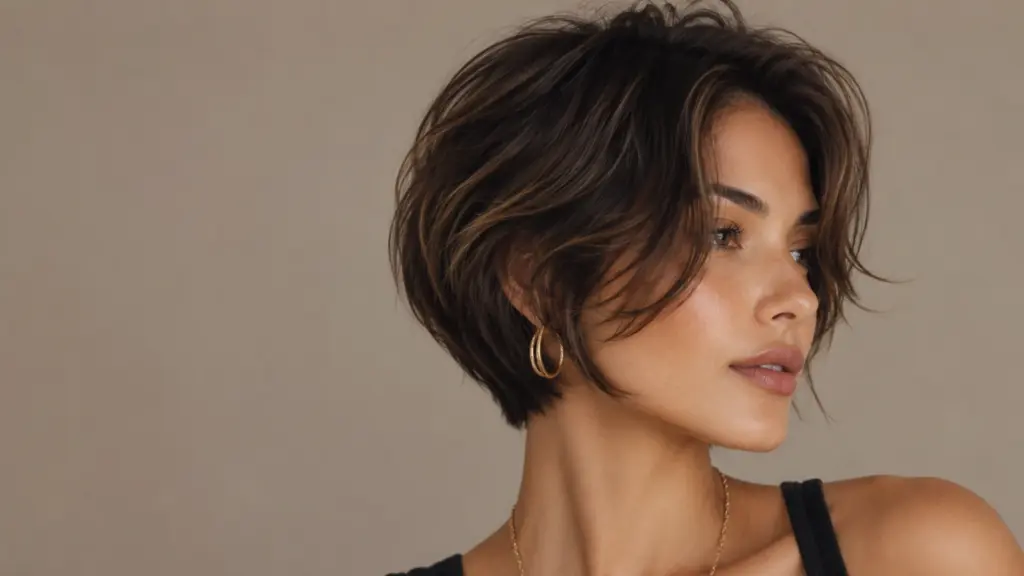
The fine hair bixie haircut kept popping up everywhere, but I honestly didn’t think it would work on thin, flat hair.
Most short cuts looked good for a week, then turned into a styling struggle every morning. The bixie felt different the first time I saw it done right.
It had shape without looking stiff. It added movement without making the ends look thinner. That balance is what makes this cut stand out.
I started noticing how many stylists were shaping fine hair with soft layers and a lighter texture rather than heavy stacking.
The result looked fuller, easier to manage, and far less flat around the crown. A good bixie cut does not need hours of styling either.
With the right shape and a few simple tricks, the hair keeps its lift and softness through the day.
What is a Fine Hair Bixie Cut?
The bixie sits between a pixie and a bob, typically landing between the ear and the chin.
It has shorter layers throughout the crown and sides, with longer face-framing pieces in front.
The result is a textured cut with soft movement that works particularly well on fine hair. For fine hair, the cut works because shorter length removes the weight that pulls thin strands down.
According to the American Academy of Dermatology, being gentle with your hair, limiting heat styling, and using lightweight products can help reduce breakage and support healthier-looking hair.
The bixie sidesteps that problem by keeping length where it creates shape rather than drag.
Stylists often describe the layering technique here as “feathered,” meaning the layers blend gradually rather than cutting bluntly.
How a Bixie Cut Balances Different Face Shapes?
The bixie works well on oval, heart, round, and diamond face shapes because the cut balances softness and structure.
The volume at the crown elongates rounder faces, while the longer face-framing front pieces soften sharper angles.
- Heart-shaped faces look balanced with side-swept front sections that reduce the focus on a wider forehead.
- Oval faces have the most flexibility and can wear almost any bixie variation successfully.
- Square jaw lines can work with a bixie, too, though results vary.
- For diamond face shapes, a side part rather than a straight bang keeps the forehead open and reduces width at the cheekbones, a small detail that makes a visible difference.
The lighter layering around the face can reduce rigidity, but it is worth asking your stylist to assess your specific jaw shape before committing. Bringing a reference photo helps.
The mix of shorter layers and soft movement makes the style adaptable without looking too heavy or overly structured across most face shapes.
Best Fine Hair Bixie Haircut Styles
Fine hair benefits from bixie haircut styles because layered texture and tapered shaping create natural movement, fuller volume, and a soft finish without thinning the ends.
1. Soft Layered Bixie

This is the most natural-looking option, and honestly, the one I’d steer most people toward first.
Layers are blended rather than choppy, so the finish looks polished without much effort.
It suits fine hair well because smooth, graduated layers don’t expose the lack of density. Volume comes from the cut shape rather than product load, which keeps daily styling light.
2. Textured Bixie Cut
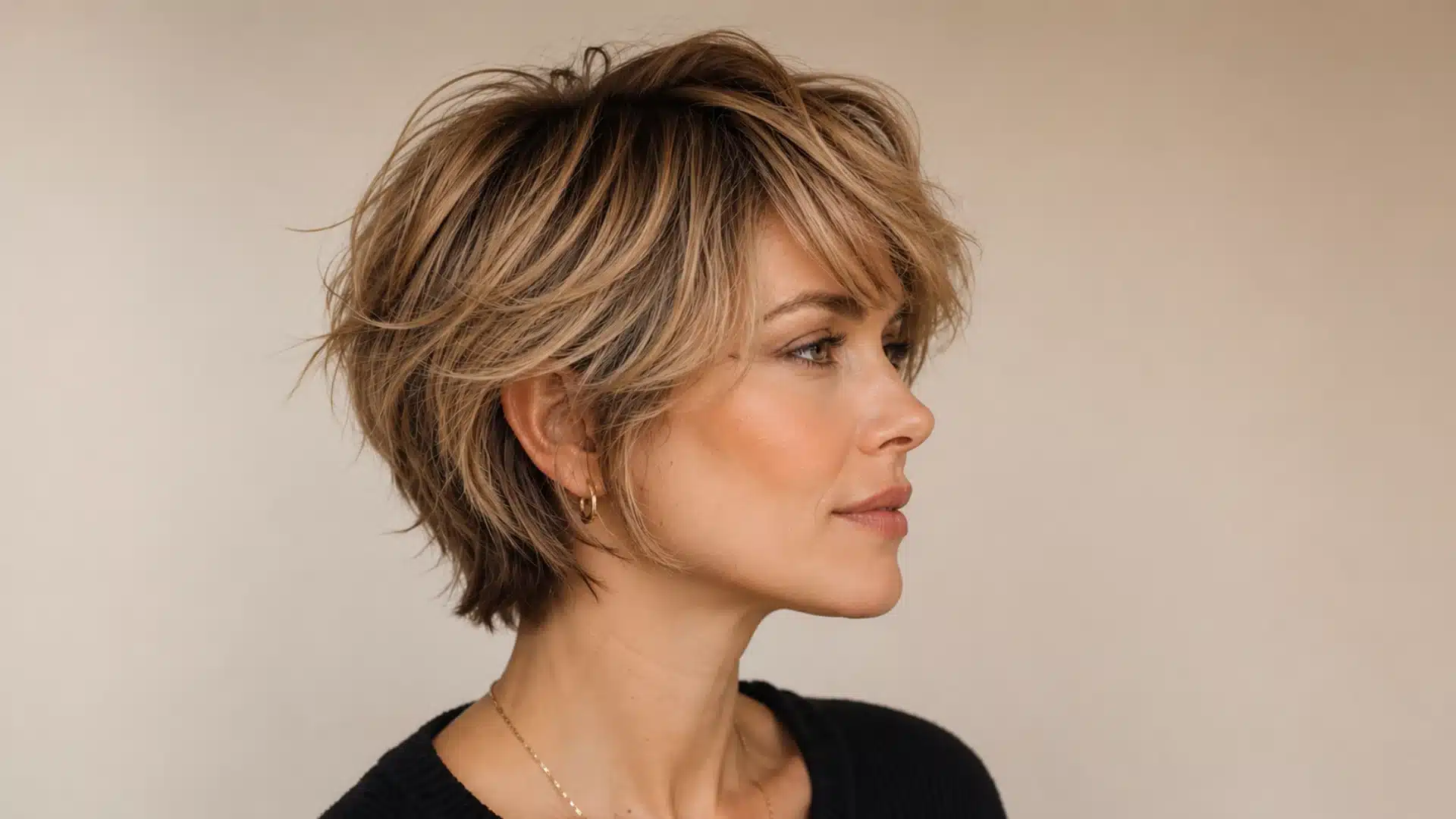
Choppy, piece-y layers are built into this variation to add shape and dimension. Fine hair looks visibly fuller because the uneven ends catch light at multiple angles.
It’s also the most forgiving style between washes, since a bit of day-two texture only helps the look. A light texturizing spray is all you need to refresh it.
3. Side Swept Bixie
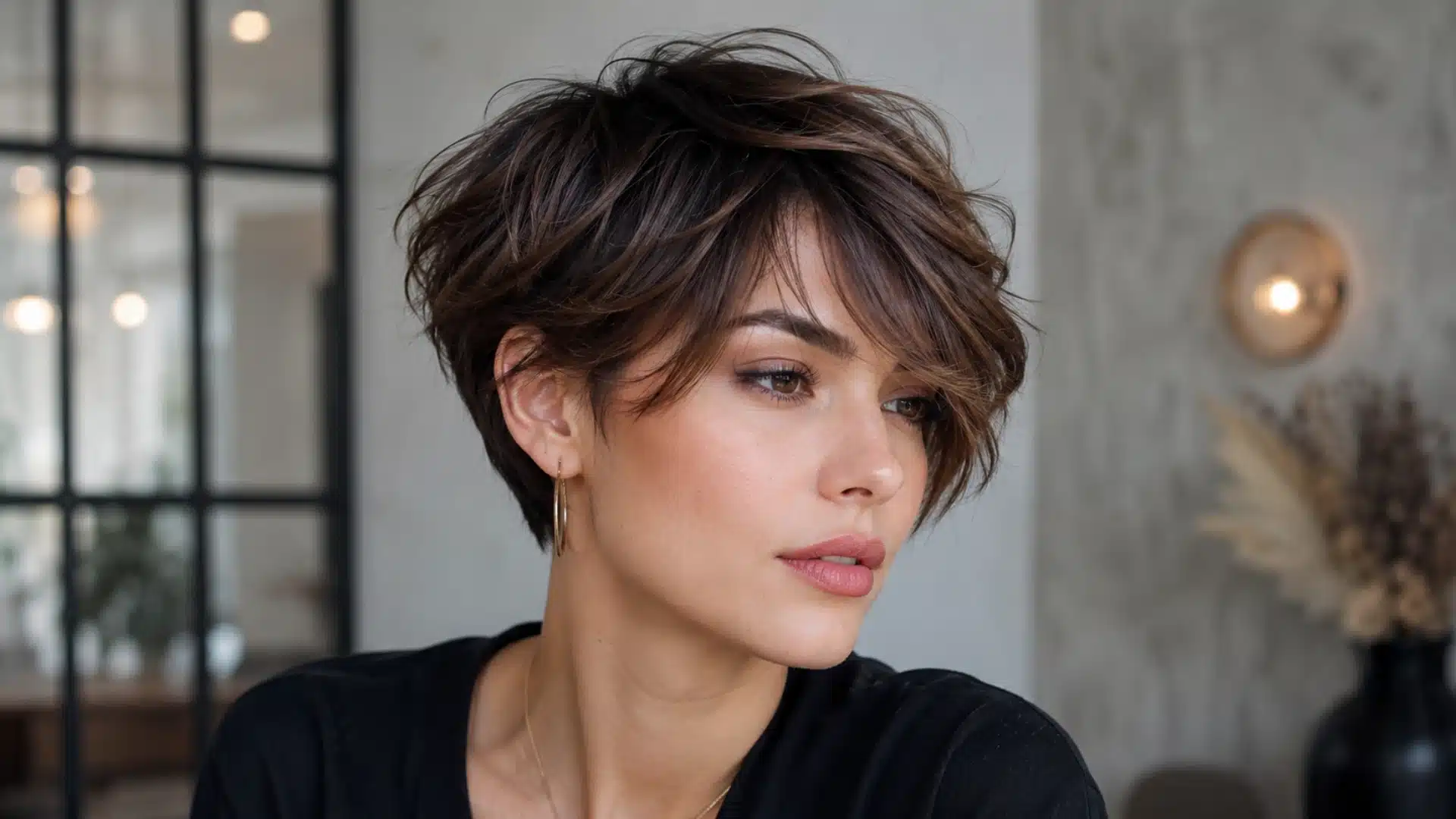
A deep side part or softly swept front section creates a face-framing effect that draws attention upward.
This works well for fine hair because the diagonal lines create the impression of volume near the roots.
It’s a subtle shift from a center part, but it makes a real difference in how lifted the overall shape looks, especially when paired with light texturizing spray and softly layered ends for added natural movement and fullness.
4. Curly or Wavy Bixie
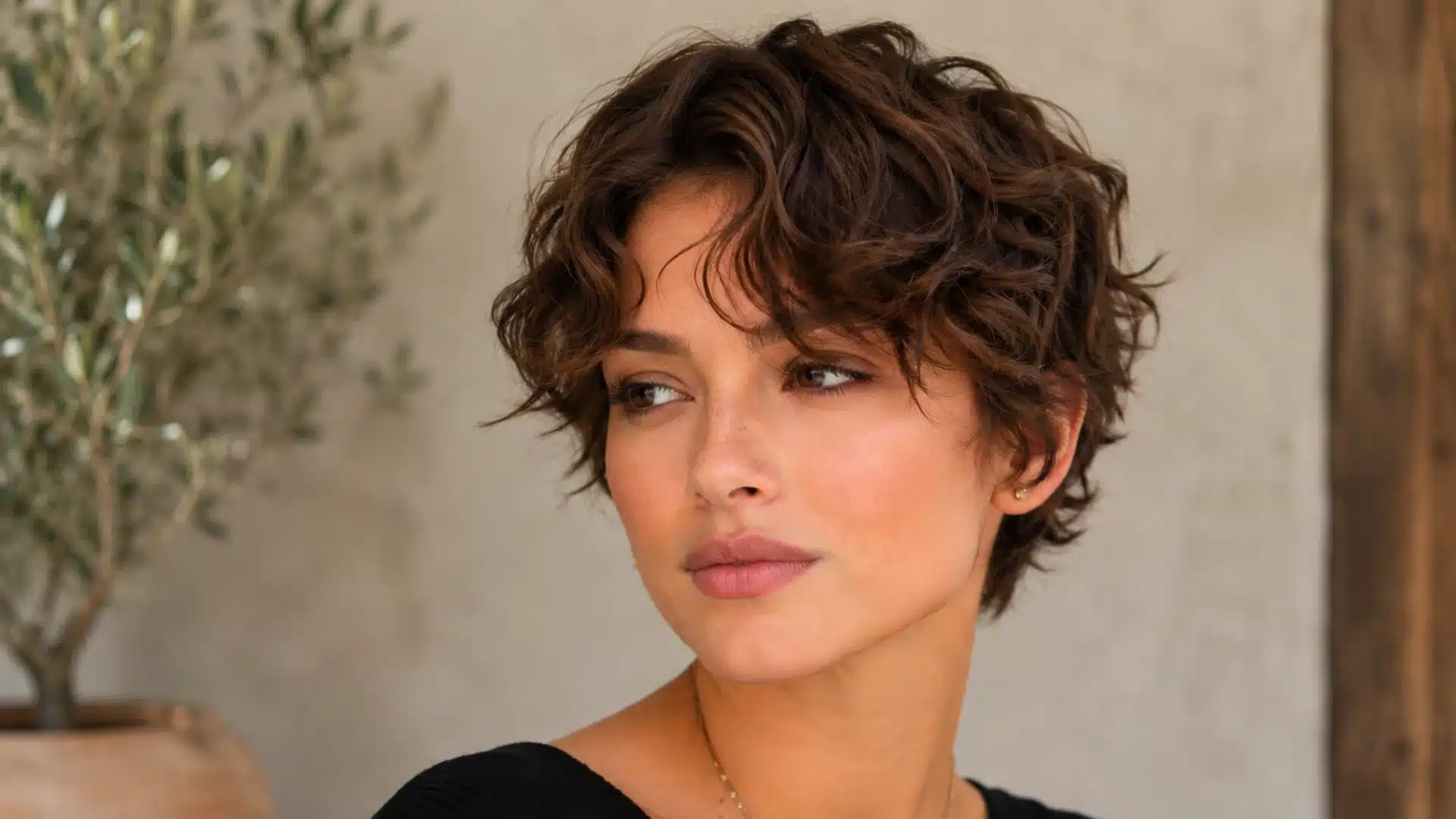
If your fine hair has any natural wave, a bixie cut can bring it out. Layers remove the weight that drags waves flat on longer styles.
The texture fills the silhouette and makes the hair look thicker overall.
A diffuser on low heat with a small amount of curl cream keeps waves defined without frizz, and honestly takes less time than trying to tame longer wavy hair.
5. Sleek Bixie Style

This variation pulls in the opposite direction: smooth, polished, and flat-ironed.
Fine hair can carry a sleek bixie well as long as a root-lifting spray goes in before the blow-dry, keeping the crown from looking flat.
It takes a little more effort in the morning than the textured versions, but it photographs beautifully and holds up well in professional settings.
6. Shaggy Bixie Cut

A shaggy bixie works beautifully on fine hair because the soft, undone layers create movement without needing heavy styling.
The slightly messy finish makes the hair look fuller, especially around the crown and sides.
This style suits anyone who prefers a relaxed haircut that does not look too polished. A small amount of texturizing spray through the ends is enough to bring out the shape.
7. Bixie with Curtain Bangs

Curtain bangs add softness around the face while keeping the bixie light and airy. For fine hair, this works well because the parted fringe creates width near the cheekbones and gives the front section more shape.
The key is keeping the bangs soft, not thick or blunt. Light curtain bangs blend into the side layers, making the whole cut look fuller without weighing down the hair.
8. French Girl Bixie

The French-inspired bixie keeps the shape soft, airy, and slightly undone. Fine hair benefits from this style because the lightweight layers create natural movement without making the ends appear thin.
A slightly tousled finish and soft fringe help the cut feel fuller around the face.
This version works especially well for anyone wanting a stylish short haircut that still feels effortless and wearable every day.
9. Tapered Bixie Cut

A tapered bixie keeps the neckline shorter while leaving more softness and length through the crown and front. This shape gives fine hair a fuller appearance because the stacked back creates natural lift without heavy layering.
It is also one of the easiest bixie styles to maintain since the tapered shape holds volume naturally. A quick blow-dry at the roots is usually enough to keep the style looking fresh and lifted.
Styling Tips for Hair Bixie Haircut
A fine hair bixie cut needs the right routine to keep volume, texture, and movement through the day. Small changes in how you dry and finish the hair make a noticeable difference.
- Blow-dry upward for a crown lift: Use a small round brush and blow-dry technique, pulling sections upward as you dry to create fullness at the crown. This is the single most effective thing you can do for a fine hair lift.
- Direct front layers away from the face: Blow-drying face-framing pieces backward gives the bixie a softer, more lifted shape.
- Add texture instead of product weight: A light texturizing spray creates separation and dimension without flattening fine strands.
- Trim every 4 to 6 weeks: Regular trims keep the bixie shape clean and prevent fine strands from losing their lift as they grow.
- Tell your stylist exactly what you want: Bring a reference photo and mention that you have fine hair. Ask specifically for feathered layers at the crown, not chunky ones. The more specific you are, the better the result.
- Condition ends only, not roots. For fine hair, conditioner applied at the roots can weigh strands down and flatten the crown. Work it through mid-lengths to ends only, and rinse thoroughly.
Best Hair Products for a Bixie Cut
Product choice matters more for fine hair because the wrong formula flattens a bixie cut quickly. The general rule: anything lightweight works, anything heavy does not.
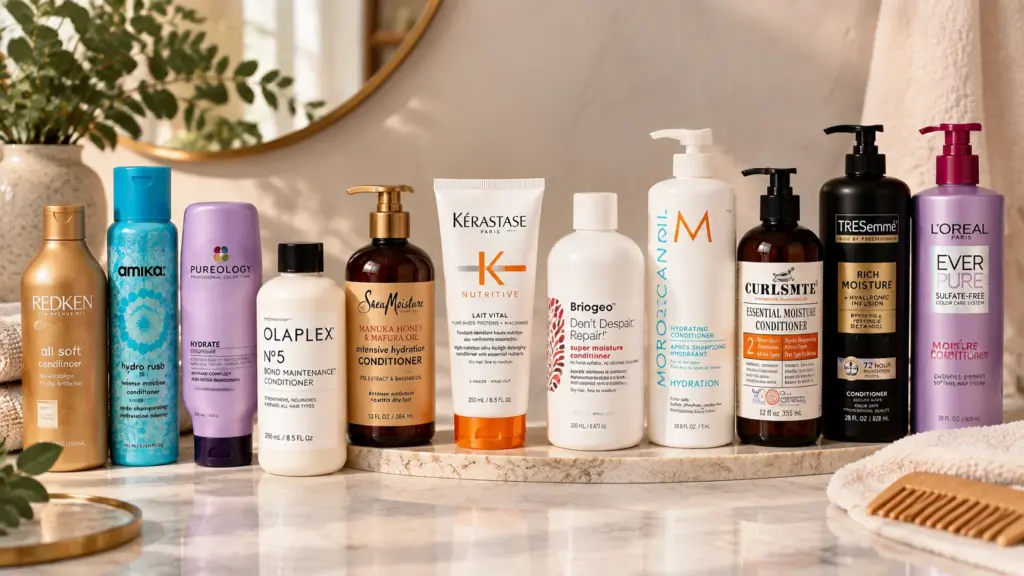
Use a lightweight volumizing shampoo like Living Proof Full Shampoo at the roots and let the lather rinse through the ends naturally.
Apply a lightweight mousse, such as Moroccanoil volumizing mousse , to damp hair before blow-drying for soft volume without weight.
Dry shampoo between washes adds texture and grip at the roots, helping the style look fresh longer. Tinted formulas work especially well on fine hair because they avoid visible white residue.
Finish with a texture spray or sea salt spray through the ends to define layers and create a soft, tousled finish without heaviness.
Common Bixie Cut Mistakes to Avoid
A fine gair bixie haircut needs balance and lightweight styling. Avoiding common mistakes helps the bixie cut maintain volume, softness, and shape for longer.
- Too many short layers: Excessive layering can make fine hair look wispy rather than full. Feathered layers work; blunt choppy ones do not.
- Heavy styling products: Thick pomades, rich creams, and oils flatten a fine hair bixie cut immediately.
- Daily flat ironing: Overusing a flat iron removes the soft texture and volume that help a bixie appear fuller. Use it occasionally, not as a daily tool.
- Ignoring the blow-dry direction: Drying hair downward instead of upward is the fastest way to kill crown volume on fine hair.
For anyone noticing fine hair thinning over time beyond what a cut can address, there are longer-term options worth knowing about.
Conclusion
A fine hair bixie cut done well makes thin hair look fuller, feel lighter, and stay easy to style each morning.
The shape does most of the work, but the routine matters too: blow-dry upward, use lightweight products at the roots, and trim the layers before they start to droop.
If short haircuts have felt risky because of fine hair, the bixie is worth reconsidering. It works with the qualities that usually make fine hair difficult by creating lift and texture without losing softness.
If you’re coming from mid-length or longer hair, ask your stylist to cut it in two stages. A gradual change gives you time to adjust and helps refine how the layers sit on shorter fine hair.
Have you tried a bixie cut for fine hair, or thinking about getting one soon? Share your experience, favorite styling tips, or questions in the comments below.
Frequently Asked Questions
Can Fine Hair Hold a Bixie Cut without Looking Too Sparse?
Yes, the bixie is built on layering, and layers create volume by adding dimension at multiple points rather than relying on density. Fine hair holds a bixie well as long as the layers are feathered rather than chunky and the cut is kept at the right length.
Does Color Affect how a Bixie Looks on Fine Hair?
Highlights and balayage can add depth and dimension, making a bixie cut look fuller on fine hair. A single-process color often appears flat on short, fine styles. If getting color and a cut together, ask for dimension instead of solid coverage.
Is a Bixie Cut Low Maintenance for Fine Hair?
A textured bixie needs little daily styling, while a sleek bixie takes more effort to maintain. Choose the style that fits your morning routine.