Woke up with a random pimple right before something important? Yeah, that timing never misses. The first instinct is to fix it fast, and that is where pimple patches suddenly feel like a lifesaver.
But the real question is, how long do pimple patches take to work, and can they actually calm a breakout overnight?
The truth is, results are not always instant, but they can be surprisingly quick when used the right way.
Some spots shrink within hours, while others take a full night to show a visible change.
This blog breaks down what actually happens after you apply a patch, how long you should keep it on, and whether pimple patches work for every type of acne.
What Do Pimple Patches Actually Do?
Pimple patches are small, sticker-like treatments that sit directly on a breakout to help it heal faster. Most are made with hydrocolloid, a material originally developed for wound care that pulls excess fluid from the skin.
One thing worth clarifying here: hydrocolloid is water-based, which means it does not absorb oil directly.
Instead, it maintains a moist, healing-friendly environment while drawing out water-based fluids such as pus.
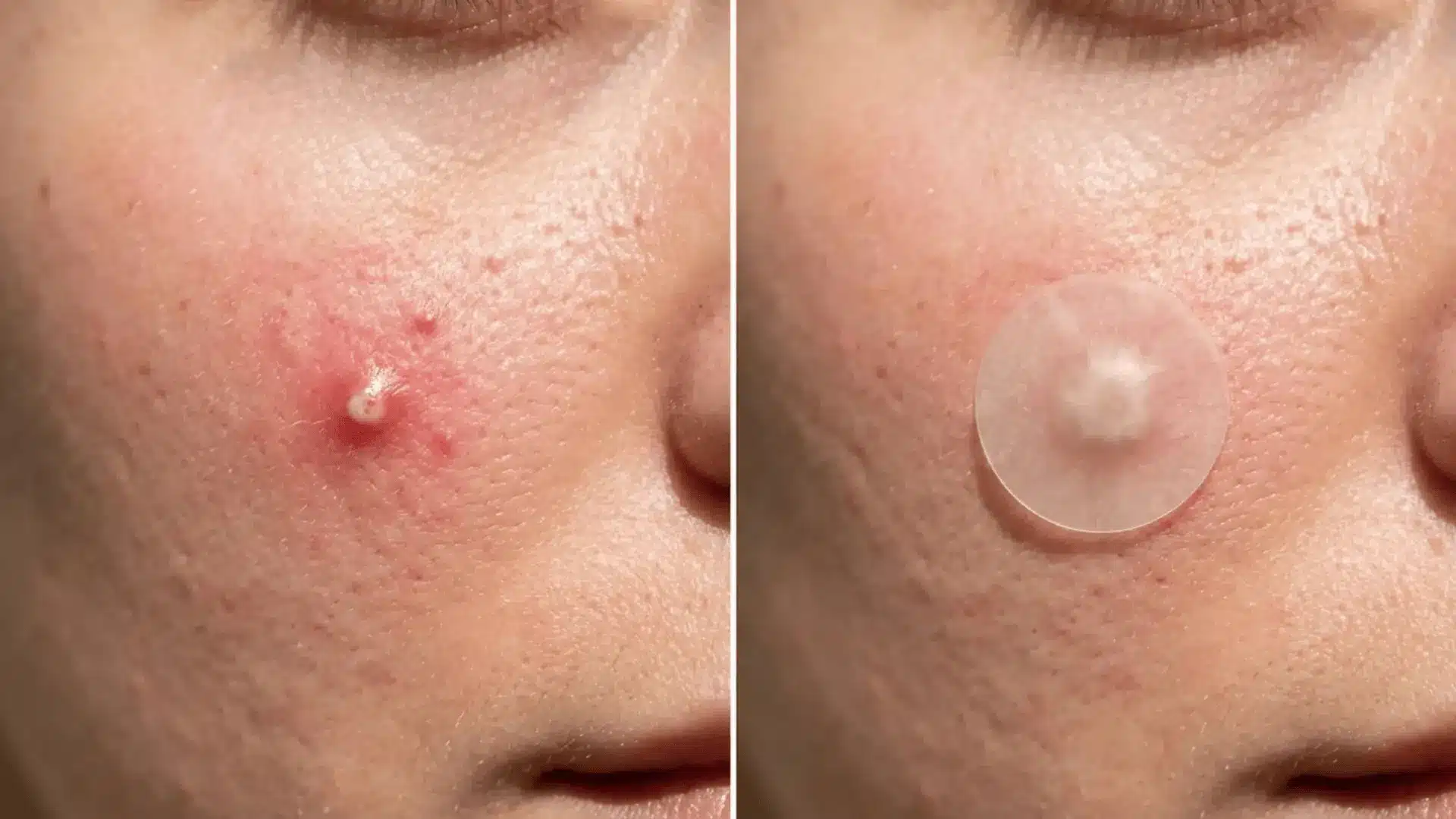
- When placed on a pimple, the patch absorbs trapped fluid, which is why it often turns white after a few hours. At the same time, it creates a protective barrier over the spot, keeping bacteria, dirt, and fingers away from the area.
Beyond plain hydrocolloid, there are now medicated patches that include active ingredients like salicylic acid, niacinamide, or tea tree oil, which help target bacteria and unclog pores while the patch protects the surface.
A newer category, microneedle patches, uses tiny dissolving needles to push actives deeper into the skin. These are better suited for stubborn or early-stage breakouts that have not yet surfaced.
So, do pimple patches work? Yes, especially for surface-level pimples like whiteheads. They can reduce swelling, speed healing, and prevent picking, which often makes acne worse.
As a licensed aesthetician, one of the first things I tell clients is to patch-test medicated patches before committing to overnight use.
Salicylic acid patches in particular can irritate sensitive or compromised skin. If you have reactive skin, start with a plain hydrocolloid patch and see how your skin responds before adding an active.
How Long Do Pimple Patches Take to Work
Pimple patches usually start working within a few hours, but visible results often show between 6 to 12 hours. In many cases, leaving a patch on overnight gives the most noticeable difference by morning.
For small whiteheads, the patch can pull out fluid fairly quickly, making the pimple look flatter and less red within one use.
However, deeper or earlier-stage breakouts may take a bit longer and might need repeated use over a day or two.
Quick reference: expected timeline by pimple type:
| Pimple Type | Expected Visible Results | Patches Effective? |
|---|---|---|
| Whitehead | 4–8 hours | Very effective |
| Pustule | 6–12 hours | Effective |
| Early-stage / blind pimple | 2–4 days (with microneedle patch) | Medicated/microneedle only |
| Papule | Minimal improvement | Protective only |
| Cystic acne | No meaningful result | Not effective |
| Blackhead | No meaningful result | Not effective |
The key is to keep expectations realistic. Pimple patches can speed up the healing process, but they are not an instant fix for every type of acne. Matching the patch type to the breakout type is what actually determines how well they perform.
What Happens After Applying a Pimple Patch
Once a pimple patch is applied, the process starts quietly but becomes noticeable over time.
In the initial hours, the patch begins absorbing fluid from the pimple, even if there is no visible change right away.
As it works, the patch slowly turns white, showing that it is pulling out oil and buildup from the spot.
Overnight, the difference becomes more obvious. By morning, the pimple usually looks flatter, less swollen, and not as red. The patch is often filled, which means it has done its job.
By the next day, after removing the patch, the area looks calmer and easier to deal with. The pimple may not disappear completely, but healing is clearly in progress.
Once you remove the patch, do not skip aftercare. Gently cleanse the area to remove any residue, then apply a lightweight moisturizer or a targeted spot treatment if needed.
Leaving the area bare and untouched gives the skin the best chance to continue healing on its own.
Pimple patches work differently depending on the type of acne, with the best results seen on surface-level breakouts that contain fluid.
How to Use a Pimple Patch Correctly?
Most people apply patches correctly in theory, but get small details wrong that cut the results short. Here is the full sequence:
- Start with clean, dry skin: Make sure the area is freshly cleansed and completely dry. Any leftover moisture or skincare product can stop the patch from sticking properly.
- Apply before other skincare products: Place the patch as the very first step in your routine. If products are already on the skin, wait until everything is fully absorbed before applying.
- Press firmly for a secure seal: Use clean, dry fingers to gently press the patch onto the pimple. Hold it in place for a few seconds to ensure the edges are sealed well.
- Leave the patch undisturbed: Keep it on for at least 6 hours. Overnight use works best for most people. Avoid removing it too early.
- Remove at the right time: Take off the patch once it turns white or opaque, or after 24 hours at most.
- Follow up with gentle care: Cleanse the area after removal and apply a moisturizer. If needed, place a new patch to continue the process.
Tips to Get Faster Results from Pimple Patches
Once you have the application steps right, these are the less obvious decisions that actually determine how fast results show up.
- Pick the right patch for the right pimple: A plain hydrocolloid patch only works when fluid is already present. For blind or under-the-skin breakouts, a microneedle or medicated patch is the correct tool. Using the wrong type produces no visible result, regardless of how long you leave it on.
- Time it to your skin’s cycle: Applying a patch at the first sign of a whitehead, before it fully surfaces, gives the hydrocolloid more time to work as the pimple develops. Waiting until a spot is at its most inflamed means the patch is playing catch-up.
- Keep the rest of your routine simple on patch nights: Avoid layering multiple actives on the same evening you use a patch. The occlusive environment can amplify absorption, which increases the chance of irritation. Choosing makeup safe for acne-prone skin during the day also reduces the chance of reintroducing irritants that slow overnight healing.
- Patch test medicated versions before overnight use: If you are using a salicylic acid or tea tree oil patch for the first time, test it on your inner arm for a few hours before applying it to your face overnight. I include this step with every new medicated product I introduce to a client’s routine. It has prevented more unnecessary flares than I can count, and the packaging almost never mentions it.
- Layer with actives only if your skin tolerates it: Applying a thin layer of benzoyl peroxide or salicylic acid before placing the patch may increase ingredient absorption due to the sealed environment. If you have sensitive or reactive skin, use a plain hydrocolloid patch alone and skip this step entirely.
Are Pimple Patches Worth Using?
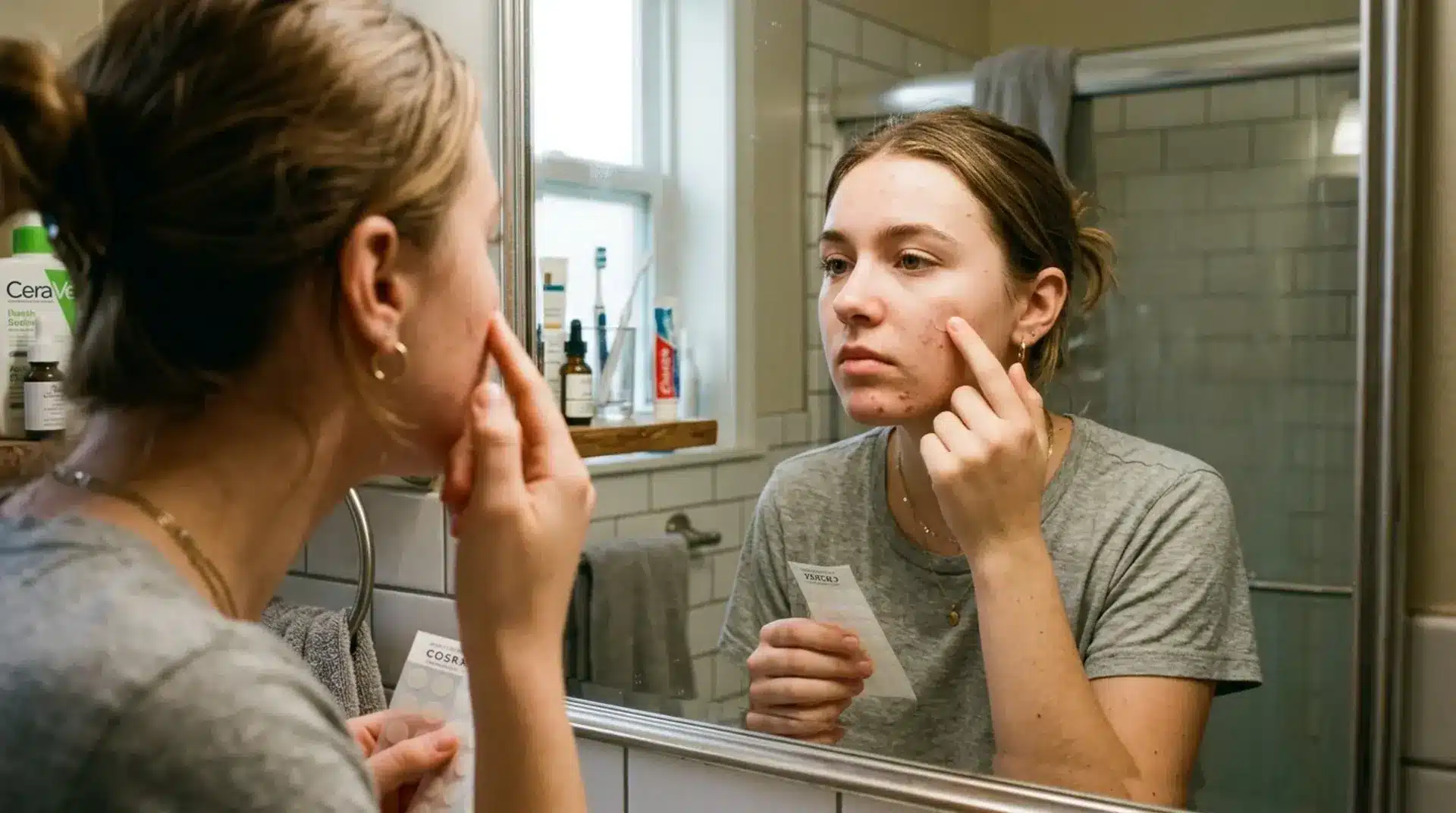
Pimple patches are definitely worth using, but only when expectations are realistic. They are not a miracle fix for every breakout, yet they can make a noticeable difference when used on the right kind of acne.
From experience, they work best on whiteheads and surface-level pimples where fluid is already present.
In these cases, they help reduce swelling, flatten the spot, and prevent the urge to pick, which often makes things worse.
For deeper or stubborn acne, results are limited, so they should not be the only solution.
Still, as a quick, low-effort fix for sudden breakouts, pimple patches can be a reliable part of any simple skincare routine.
When to stop and see a professional: If you are reaching for a new patch every day on the same area, or if your breakouts are consistently deep, painful, or leaving marks, that is the skin telling you it needs more than a patch can offer.
A dermatologist or licensed aesthetician can help identify whether hormonal acne, congestion, or something else is driving the pattern and build a plan that actually addresses it at the root.
Common Mistakes that Slow Down Results
Using pimple patches the wrong way consistently reduces their effectiveness. These are the mistakes worth correcting first.
- Applying to pimples that have not surfaced: If there is no fluid present, there is nothing for the patch to absorb. For under-the-skin breakouts, a microneedle or medicated patch is the better choice.
- Applying to oily or unwashed skin: The patch will not adhere properly, limiting how well it seals and absorbs.
- Removing the patch too early: The minimum effective window is 6 hours. Taking it off at 2 hours means the absorption process has barely started.
- Reusing patches: Used patches carry absorbed bacteria and lose their adhesive grip. Reusing them exposes the skin to what was just drawn out and reduces the seal significantly.
- Leaving a patch on for more than 24 hours: Once the patch is saturated and the adhesive begins to loosen, it no longer protects or heals. Prolonged contact with a saturated patch can actually macerate the surrounding skin, causing mild irritation or redness in the area that was not originally affected.
Conclusion
Pimple patches are not instant magic, but they do work faster than most people expect.
In many cases, you can start seeing changes within a few hours, with the best results showing overnight. The key is using them the right way and being consistent with your routine.
They work best when applied to the right type of pimple, left on long enough, and not messed with while they are doing their job.
Small habits like keeping skin clean and being patient can make a big difference in how well they perform.
So, if random breakouts keep showing up at the worst times, pimple patches can be a simple fix that actually helps.
Tried them before or thinking about it? Drop your experience or questions in the comments; let’s talk real results.
Frequently Asked Questions
Can You Apply Skincare over a Pimple Patch?
Most pimple patches work best on bare skin, so applying skincare over them can reduce effectiveness.
Can You Wear Makeup over a Pimple Patch?
Yes, some thin patches allow makeup to be applied on top, but it may affect how well the patch sticks.
Do Pimple Patches Expire?
Yes, over time, they can lose their ability to stick and absorb properly, so always check the packaging.
Can Pimple Patches Help with Acne Scars?
No, they do not treat scars, but they can help prevent picking, which reduces the chances of scarring.