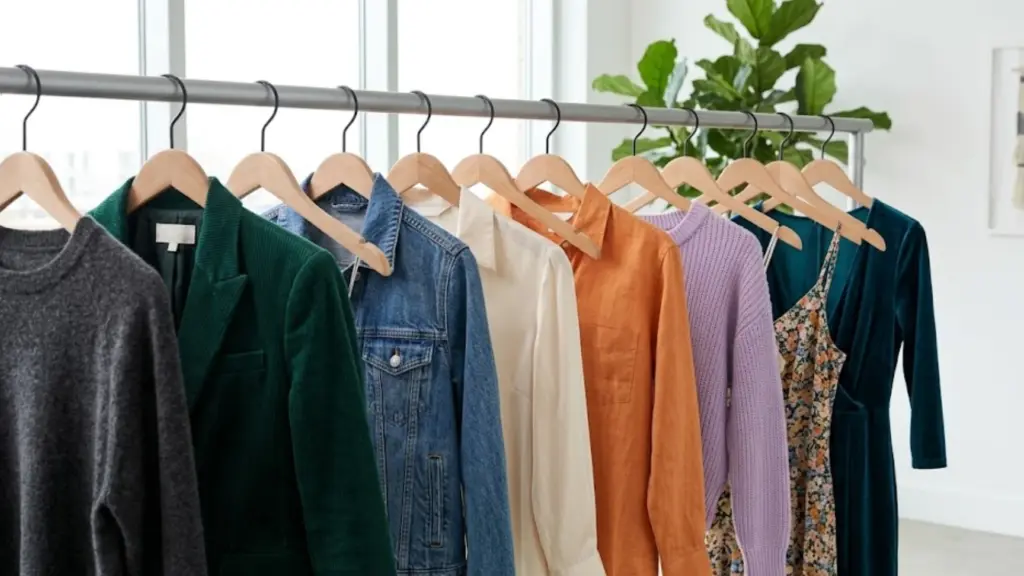
Aritzia does something clever: it makes trend shopping feel grown-up.
The store is calm, the palette is clean, the styling looks effortless, and suddenly a blazer or bodysuit feels less like impulse buying and more like a smart wardrobe investment.
That is why the fast fashion debate around Aritzia is so interesting. It does not look like the usual churn of cheap racks and disposable outfits, but appearance can be misleading.
New styles still arrive quickly. Viral pieces still move through social feeds. Many shoppers still buy because the moment tells them to.
So where does Aritzia really sit between fast fashion, premium basics, and ethical style?
To answer that, we have to look past the polished fitting rooms and into how the brand actually sells, produces, and positions its clothes.
What Does Fast Fashion Actually Mean?
Fast fashion is a business model built around getting new clothing styles into stores as quickly as possible.
These brands focus on trend-led clothing, drawing inspiration from runway shows, celebrities, and social media.
To keep up with demand, they rely on high-volume production, creating large quantities of clothing in a short time.
Prices are usually lower than those of many traditional fashion brands, making trendy pieces more accessible to shoppers. Another key feature is quick product turnover.
New collections arrive frequently, while older styles are removed to make room for fresh designs. This creates a constant cycle of new products.
Fast fashion is also linked to a short clothing life cycle, as many items are designed to match current trends rather than remain wardrobe staples for years.
Together, these traits define what most people consider fast fashion.
Understanding your personal style identity can also help you know which pieces are worth buying and which only look good on a hanger.
Is Aritzia Fast Fashion or Something Else?
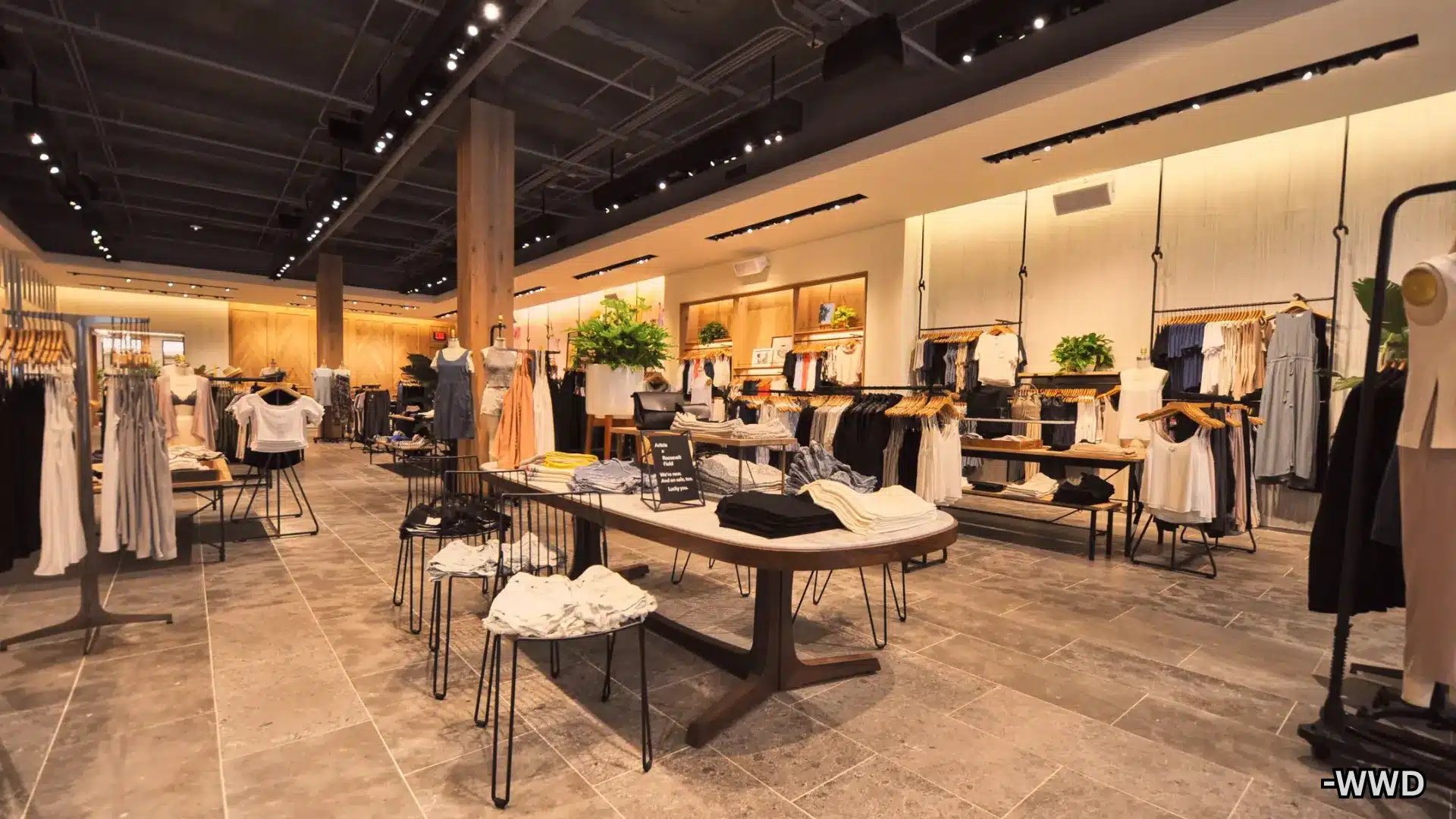
Aritzia is not classic fast fashion, but it does sit close to that space in some ways. The brand is not as cheap as Shein, H&M, or many ultra-fast-fashion brands.
It also does not feel as rushed as brands that push out huge trend drops every week. However, it still shares several traits that keep it relevant to the fast-fashion conversation.
- Higher prices: Aritzia costs more than classic fast fashion brands, so the pieces are not usually bought as cheap throwaway items.
- Longer-lasting pieces: Some coats, trousers, sweaters, and basics can hold up well with proper care.
- Better fit and fabric focus: The brand pays more attention to shape, cut, fabric feel, and clean styling.
- Polished brand image: Aritzia presents itself as more elevated, minimalist, and premium than most fast-fashion stores.
- Less disposable feel: Compared with brands like Shein, many Aritzia pieces feel more like planned wardrobe buys.
Because of this mix, many fashion shoppers describe Aritzia as “premium fast fashion.” It offers a more polished image and often better quality, but it still uses a trend-focused retail model that overlaps with fast fashion.
Why Do People Think Aritzia Feels Like Fast Fashion?
Aritzia can feel close to fast fashion because it follows trends, updates styles often, and creates demand around popular pieces.
- Trend-focused pieces: Aritzia offers many styles that align with what’s popular right now, from basics to going-out outfits.
- Frequent new arrivals: The brand adds new items often, keeping shoppers checking for new pieces.
- Strong social media influence: Many Aritzia items gain popularity on TikTok, Instagram, and through influencer and outfit videos.
- Popular styles move quickly: Some pieces sell out fast, which creates pressure to buy before they are gone.
- Large in-house range: Aritzia has many in-house labels, so it can offer coats, trousers, dresses, denim, basics, and seasonal styles.
Aritzia Quality: Better Than Fast Fashion?
Aritzia’s quality is often better than that of classic fast fashion, but it depends on what you buy.
Many shoppers rate its coats, trousers, blazers, and basics higher because these pieces usually have cleaner cuts, better structure, and a more polished feel.
A good wool coat or tailored trousers can last longer than a trend-only item from a cheaper brand. That matters because fast fashion is often tied to short use and quick replacement.
When a piece stays in your closet for years, it weakens that label. Still, not every Aritzia item feels equal. Some thin tops, delicate knits, or trendy pieces may not hold up as well as the price suggests.
So the answer is mixed. Aritzia can offer better quality than fast fashion, but that is not guaranteed for every item.
Aritzia Sustainability And Ethics
Aritzia has public sustainability claims, but this part of the brand still needs a careful look. Its FY2025 Impact Report provides current updates on its People and Planet work, including impact goals and progress. Still, outside ratings are more mixed.
- Public claims: Aritzia reports on sustainability, people, planet, and impact through its annual disclosures.
- Transparency concerns: Shoppers may still want clearer proof around factories, wages, materials, and supply chain standards.
- Third-party ratings: Good On You currently rates Aritzia “Not Good Enough” for its overall impact.
This matters because fast fashion is not only about the speed of trends or price. Ethics, waste, labor, and transparency also shape the answer. If a brand looks polished but offers little evidence, shoppers may still question how responsible it really is.
Is Lululemon Fast Fashion?
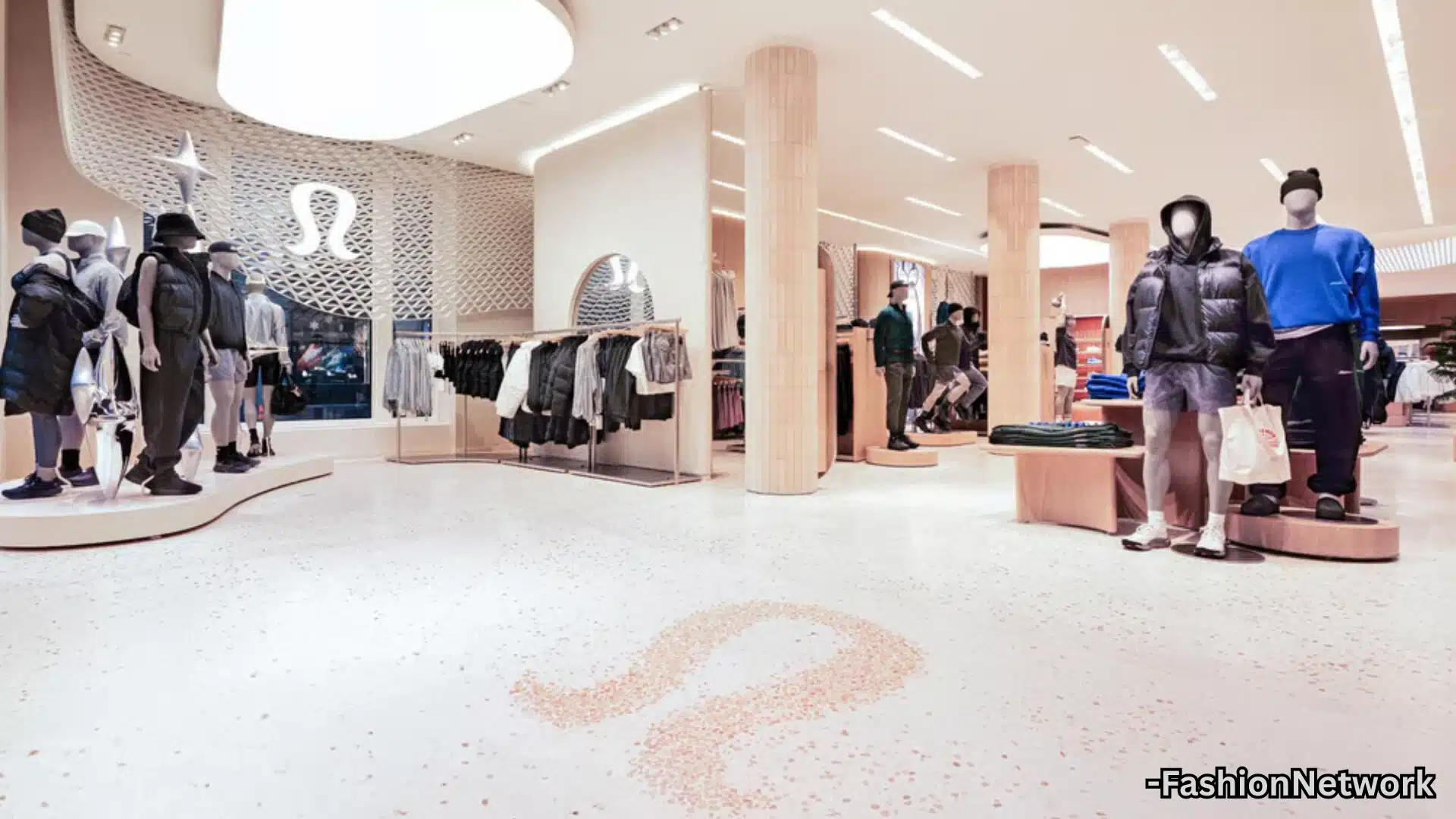
Lululemon does not fit the traditional fast fashion model. Its business is built around premium athleisure, technical fabrics, and products designed for repeated wear rather than quick trend turnover.
Leggings, jackets, bras, and training pieces usually sit at a higher price point, and the design process is slower than that of brands that copy trends and push new items to shelves within weeks.
That puts Lululemon further from fast fashion than Aritzia or Abercrombie.
That said, it is not a perfect slow fashion brand either. Lululemon still releases new collections, uses synthetic performance fabrics, and operates at a large global scale.
The difference is that its core promise is performance, durability, and brand loyalty, not disposable trend chasing.
So the fair answer is this: Lululemon is premium athleticwear, not fast fashion overall today.
Is Abercrombie Fast Fashion?
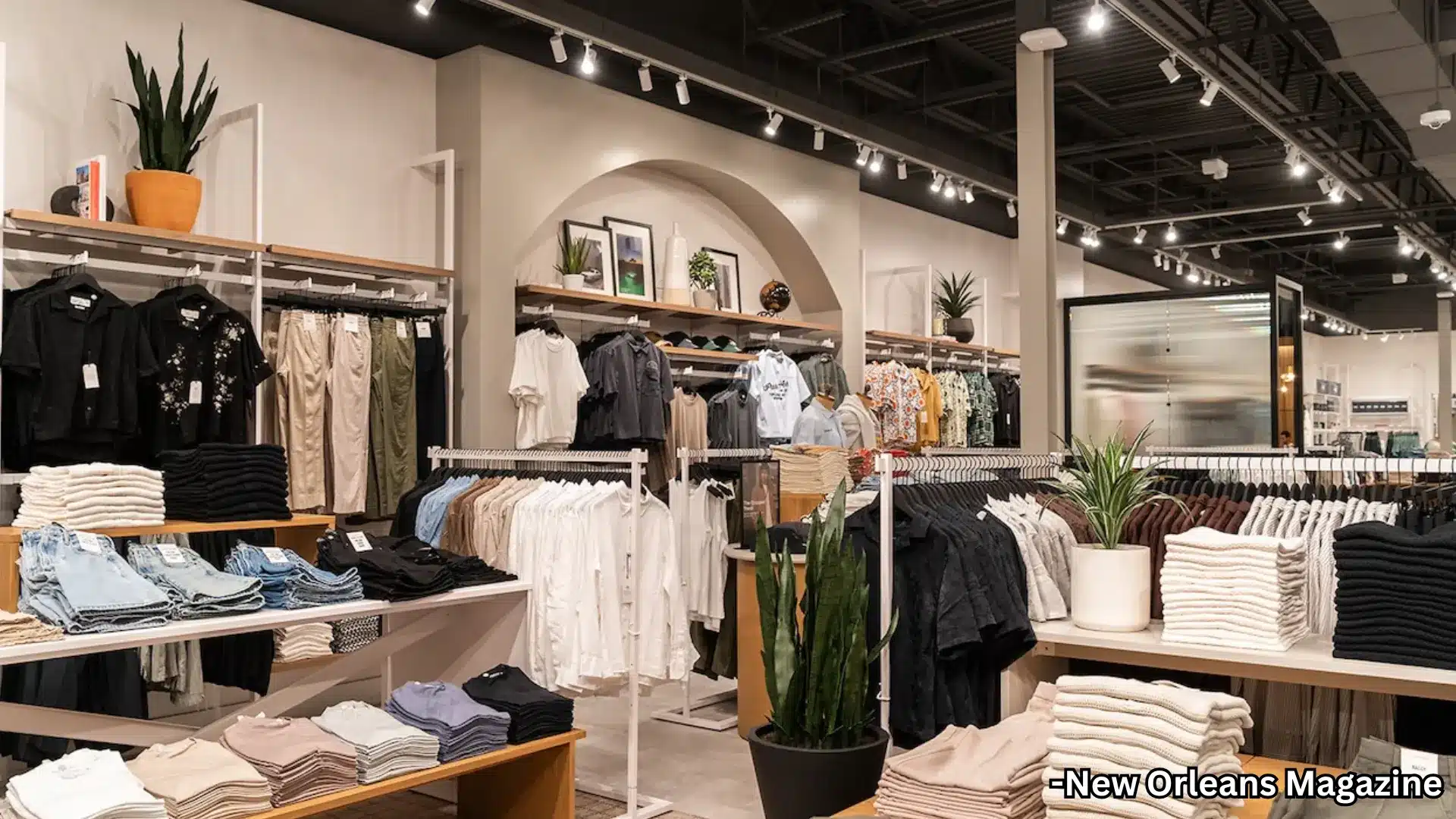
Abercrombie is much closer to traditional fast fashion than Aritzia or Lululemon.
The prices may look more premium than those of Shein, H&M, or other budget retailers, but the business model still depends on fast product turnover and trend demand.
New arrivals appear often, collections follow what is already moving on social media, and the brand produces at a scale that relies on global factory networks.
That combination matters more than the price tag. A higher price can make the clothes feel more considered, but it does not automatically mean slower production, better labor practices, or stronger materials.
Abercrombie has improved its image, styling, and store experience, but the structure still points toward fast fashion.
It sells trend-led clothing quickly and in volume, with limited transparency compared with brands that prioritize responsible production.
Aritzia vs. Lululemon vs. Abercrombie: Quick Comparison
These three brands sit at different points on the fast-fashion spectrum.
Aritzia looks polished but still follows trend-led retail, Lululemon has a stronger product model, and Abercrombie stays closest to classic fast fashion.
Brand | Fast Fashion? | Good On You Rating | Transparency Score | Price Range | Verdict |
Aritzia | Premium fast fashion | Not Good Enough | 21 to 30% | $40 to $500+ | Fast fashion dressed up |
Lululemon | Not fast fashion | Not Good Enough | 52% | $60 to $200+ | Better model, ethics gap |
Abercrombie | Yes | Not Good Enough | 21 to 30% | $30 to $200+ | Closest to traditional fast fashion |
The takeaway is simple: price alone does not decide whether a brand is responsible.
Lululemon performs better on transparency, while Aritzia and Abercrombie still rely more on speed, style turnover, and limited disclosure. That gap matters for shoppers.
Supply Chain Realities and Labor Concerns
None of these brands gives shoppers full visibility into the factories or workers behind each garment. Aritzia sources from China, India, and Indonesia, but does not publish a full factory list.
A review published in Nature Reviews Earth & Environment found that fashion generates more than 92 million tonnes of waste each year and uses 79 trillion liters of water, showing the issue affects every price point.
Wages are another concern, as the legal minimum wage in many production countries often falls below a living wage.
Factory audits can also miss subcontractors and lower-tier suppliers. So shoppers cannot trace one item to exact workers, wages, or factory conditions.
The fair response is pressure for clearer disclosure and for verified living-wage commitments.
Should You Buy From Aritzia?
Aritzia can be a better choice when purchases are intentional, focused on long-term use, and based on quality rather than short-lived trends.
- Buy less, choose better: Focus on fewer pieces that match your daily style, fit your wardrobe, and will not sit unused after one season.
- Wear them often: Choose items that work across different outfits, seasons, and occasions, so the cost feels easier to justify over time.
- Avoid trend-only purchases: Skip pieces that only feel exciting because they are popular right now, especially if they may look dated soon.
- Check fabric and care details: Look at the material, washing rules, and care needs before buying, since these details affect how long it lasts.
- Consider secondhand options: Pre-owned Aritzia can give you the same look for less money while helping reduce extra clothing waste.
Conclusion
Aritzia lands in a grey area. It is not built like the cheapest fashion chains, and many shoppers go there for a cleaner, more elevated look.
The brand also has a stronger appeal in wardrobe staples, workwear, outerwear, and polished everyday outfits.
Still, it is part of a retail system that encourages regular buying, seasonal updates, and trend-aware shopping. That is why Aritzia’s fast fashion has no flat, yes or no answer.
The better answer is this: Aritzia is closer to premium trend retail than traditional slow fashion. If you shop there, make each purchase count.
Pick items that match your real wardrobe, not just your saved outfit screenshots.
Would you still buy from Aritzia after knowing this? Share your thoughts in the comments.
Frequently Asked Questions
Does Aritzia Have Sales?
Yes, Aritzia has sales, but discounts are usually not the main reason people shop there. The brand often keeps its premium image even during sale periods.
Is Aritzia Clothing True to Size?
Aritzia sizing can vary by label, fabric, and item type. Some pieces fit slim, while coats, trousers, and basics may fit differently across collections.
Can You Resell Aritzia Clothing?
Yes, Aritzia has strong resale demand on platforms like Depop, Poshmark, and eBay. Popular coats, trousers, blazers, and basics often hold interest better than trend-only pieces.