
A good haircut should not need a speech to explain itself. It should look sharp when you leave the chair, grow out clean, and still make sense on a rushed morning.
That is where the textured French crop fade earns its place.
It has the neat edges of a fade, the controlled mess of a choppy top, and a fringe that gives the whole cut attitude without making it high-maintenance.
I’ve shaped this cut for clients with fine hair, thick coils, and everything in between, and the version that works best is almost never the boldest.
Too much weight, the wrong fade height, or a flat fringe can change the whole result. Get those pieces right, and the cut does most of the work for you.
What is a Textured French Crop Fade?
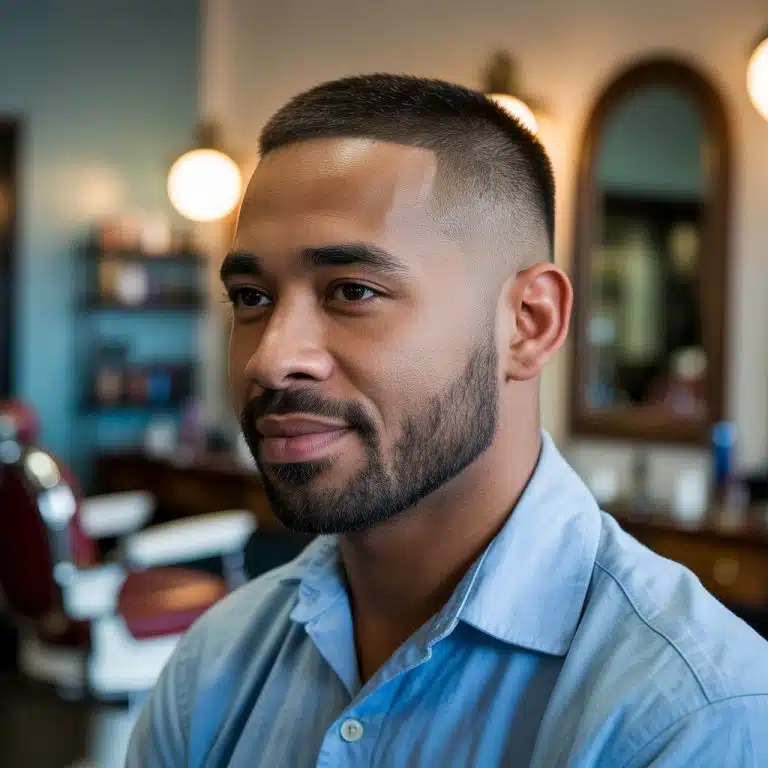
A textured French crop fade is a short men’s haircut built around a choppy top, forward fringe, and clean faded sides.
The fringe defines the cut: it can be blunt, broken, or piecey across the forehead. The top adds movement without extra length, while the fade keeps the sides tight and easy to maintain.
- Classic French crop: Smoother, neater, and less textured.
- Textured crop: Choppy top, but the front usually blends into the rest instead of forming a clear fringe line.
- Caesar cut: Short all over with a stricter forward fringe.
- Modern taper fade: Focuses on the side blend rather than the fringe, so it can accommodate a variety of short styles.
The textured French crop fade works best when the top has movement, but the outline still looks controlled. That balance keeps it sharp without making it look like you spent too long on it.
Why is the Textured French Crop Fade so Popular?

The cut stays popular because it solves real haircut problems without asking much of you daily. It adapts to different hair types, face shapes, and routines without needing to be restyled from scratch each morning.
- Clean without stiffness: The fade keeps the sides neat, while the choppy top stops the cut from reading as formal.
- Low maintenance: A small amount of matte clay, paste, or sea salt spray is usually enough.
- Useful fringe: The forward fringe can soften a broad forehead, reduce focus on a receding hairline, and add shape to rounder faces.
- Works in different settings: A cleaner version suits work; a looser, more textured version is easy for weekends.
- Fits many hair types: Straight, wavy, curly, thick, and fine hair all take this cut well with small adjustments.
Barbers recommend it often because clients can wear it comfortably between trims without it looking neglected.
The Key Features of a Textured French Crop Fade
Understanding these three parts helps you describe exactly what you want to your barber and makes it easier to spot when something’s off before you leave the chair.
1. Texture
Texture in this cut means controlled movement, not messy hair. The barber uses point cutting to break up the top so it sits with separation rather than lying flat.
Ask for point-cutting specifically; carelessly used thinning shears can make the crop look patchy rather than sharp.
A choppy texture yields more visible pieces and a rougher finish. Structured texture stays neater with softer movement.
For products: matte clay adds hold and separation, sea salt spray gives grip, and texture powder lifts finer hair at the crown.
2. Fringe
The fringe is the defining feature of a fringe French crop fade. It sits forward across the forehead and can be blunt, textured, short, or slightly longer, depending on the look you want.
A blunt fringe creates a sharper line and feels more polished. A textured fringe has softer, broken ends and looks more relaxed.
A longer fringe can soften a high forehead; a shorter fringe adds structure to rounder faces without needing a full side part.
If you’re unsure which version suits your face, the guide to men’s fringe styles covers every option in detail and can help you narrow down your choices before the appointment.
3. Fade
The fade controls how sharp the cut looks from the sides and back. A low fade starts near the ear, keeping the cut subtle.
A mid fade adds more contrast and is usually the most balanced choice. A high or skin fade creates the strongest edge but needs more frequent trims.
A drop fade curves behind the ear, giving the back a cleaner shape without changing the fringe.
For a full breakdown of every option and how they compare, the guide to types of fade haircuts covers each one clearly.
Best Fade Height for Your Face Shape and Head Shape
Face shape is the easiest way to choose fade height. The goal is balance: the right fade should sharpen your features without making the face look too wide, long, or narrow.
- Oval: Most fade heights work. Choose based on style preference; mid fades look balanced, skin fades add more contrast.
- Round: A mid-to-high fade helps slim the sides and add height. Keep the fringe shorter and structured.
- Square: A low-to-mid fade softens the jaw and temples without making the cut look too harsh.
- Rectangle or oblong: Choose a low fade, keep some side width, and avoid adding too much height on top.
- Diamond: A mid fade works well. Avoid skin fades if they make the temples look narrower.
Tell your barber the fade height, your face shape, whether you want a textured or blunt fringe, and how much weight you’d like taken from the crown.
For a broader look at how different cuts suit different faces, the men’s haircut types guide details the key differences.
Popular Textured French Crop Fade Variations
These variations let you adjust the same core cut for your face shape, hair type, daily routine, and workplace.
1. Messy Low Taper Textured French Fade

Best for: Thick hair, casual outfits, oval or longer face shapes.
This messy, low-tapered textured French fade keeps the sides clean while leaving more movement on top. The low taper sits close around the ear and neckline, so it feels softer than a sharp skin fade.
The top has a loose texture and a natural fringe that falls forward rather than sitting perfectly shaped. It works well if you want a haircut that looks styled without trying too hard.
The best part is the relaxed finish, because it still looks good when your hair gets a little messy during the day.
2. Low Fade with Blunt Fringe
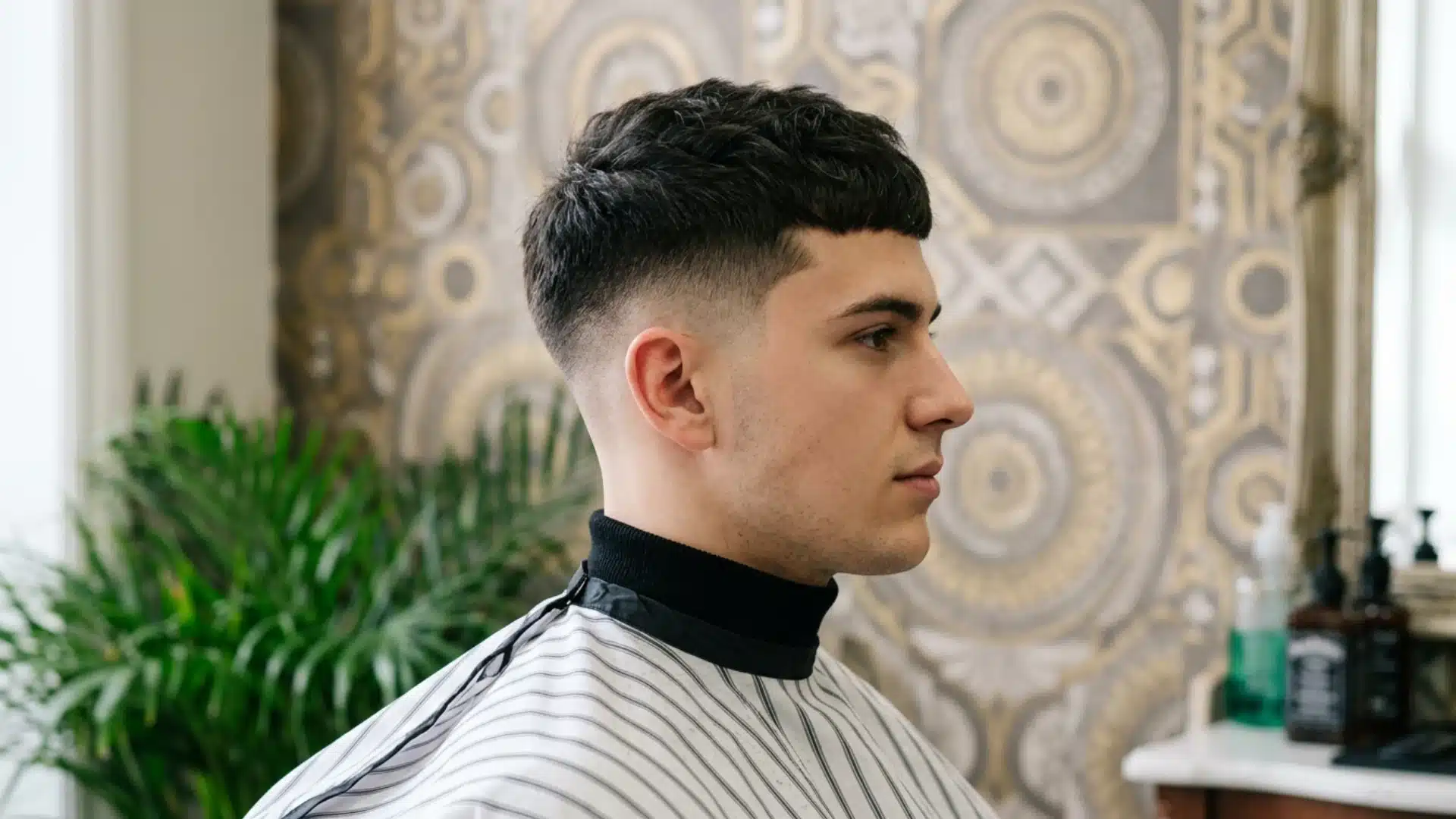
Best for: Office wear, square faces, clean styling.
The low fade with blunt fringe keeps the cut subtle and controlled. The fade starts close to the ear, so the sides stay fuller and less bold than a mid or skin fade.
The blunt fringe creates a sharper line across the forehead and gives the crop a neater finish. It suits professional settings and usually grows out more quietly between trims.
3. Skin Fade with Choppy Texture
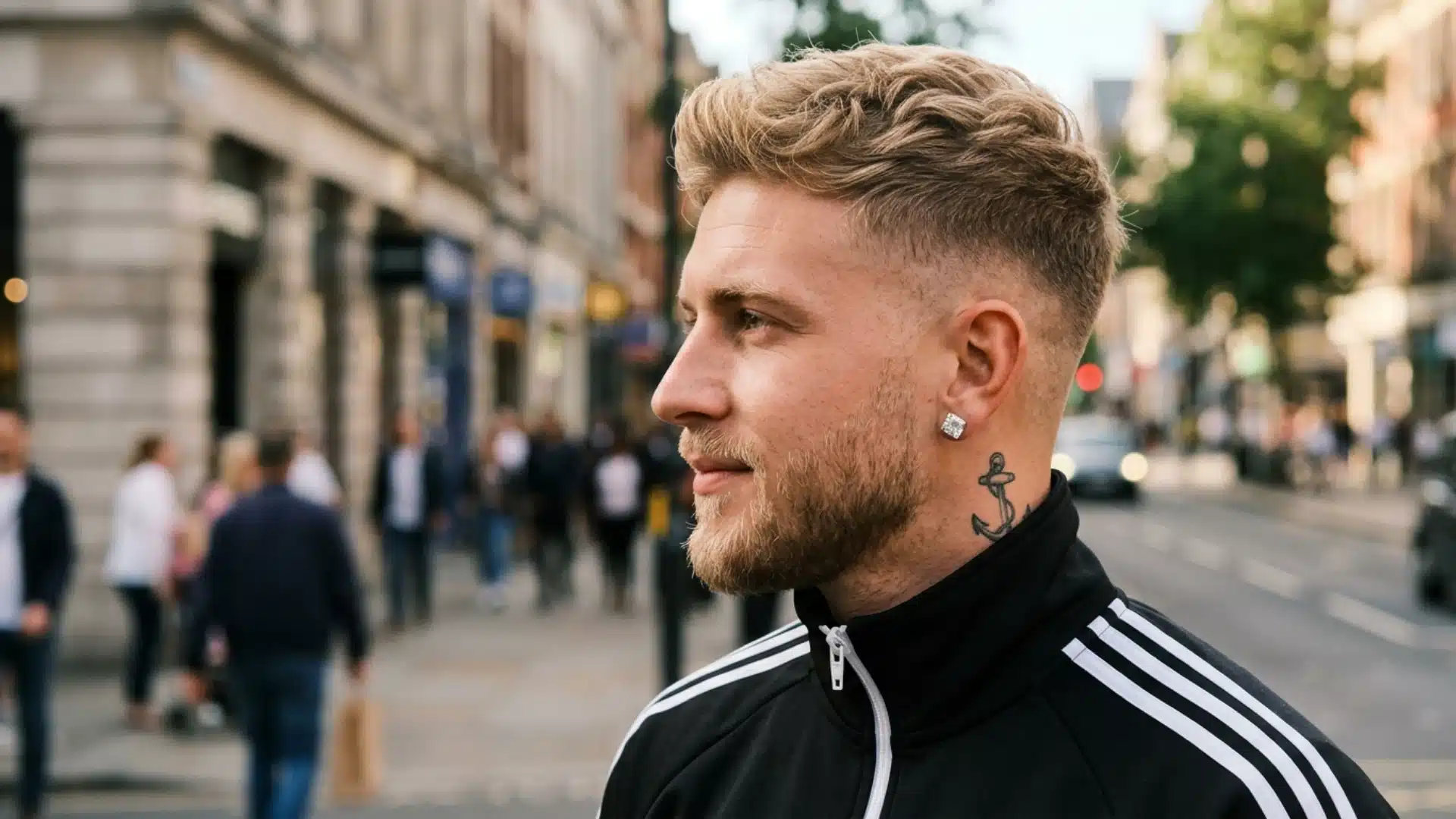
Best for: Bold looks, thick hair, strong contrast.
The skin fade with choppy texture is the sharpest version of the textured French crop. The sides fade down to skin, while the top stays broken up and piecey to stop the cut from looking too rigid.
It needs trims every two to three weeks because the contrast grows out fast. It also works best when the scalp is clear.
4. Drop Fade with Long Fringe
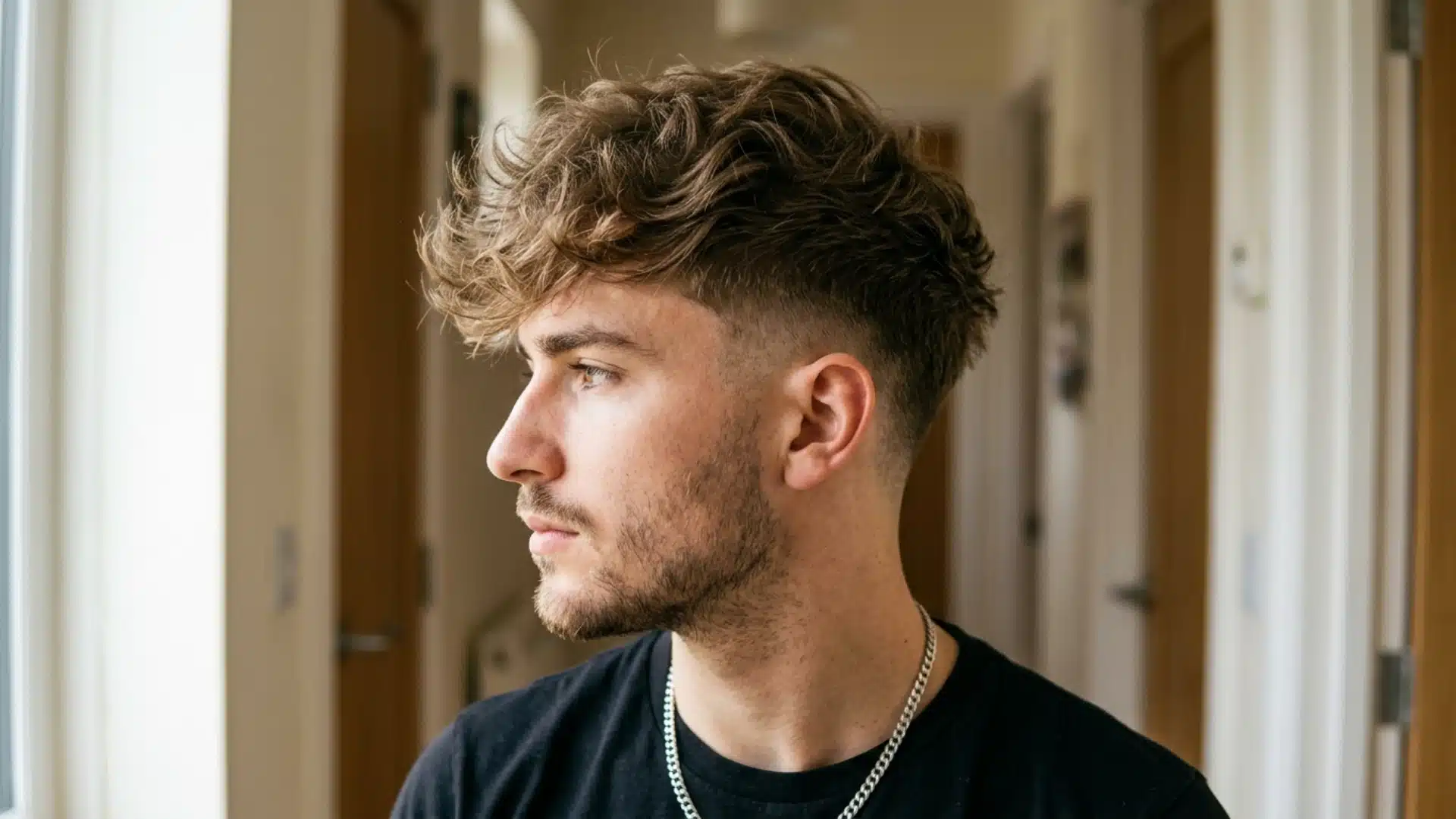
Best for: Longer fringe, softer shape, grow-outs.
The drop fade curves lower behind the ear, giving the back of the haircut more shape than a standard fade. Paired with a longer fringe, it feels less sharp and more relaxed.
The front sits lower on the forehead and moves more naturally, which can soften a longer face or a high forehead. It keeps the structure while allowing more length on top.
5. Curly Textured French Crop Fade

Best for: Curly hair, volume, natural texture.
This version uses the curl pattern as the main feature. The top stays longer so curls can form properly, while the fringe is shaped forward rather than cut into a hard line.
A low or mid fade keeps the sides controlled without compromising balance. Styling usually needs curl cream and careful drying rather than heavy clay, scrunch it in while damp, and leave it alone
6. Soft Taper Fade with Piecey Top

Best for: Easy upkeep, fine hair, longer gaps.
A soft taper fade with a piecey top gives the French crop a cleaner, more natural grow-out. The sides are tapered rather than heavily faded, so the haircut looks less sharp but stays tidy longer.
The top has light separation rather than heavy choppiness. It suits busy schedules, conservative workplaces, or anyone who wants texture without frequent trips to the barber.
What to Tell Your Barber for a Perfect Cut?
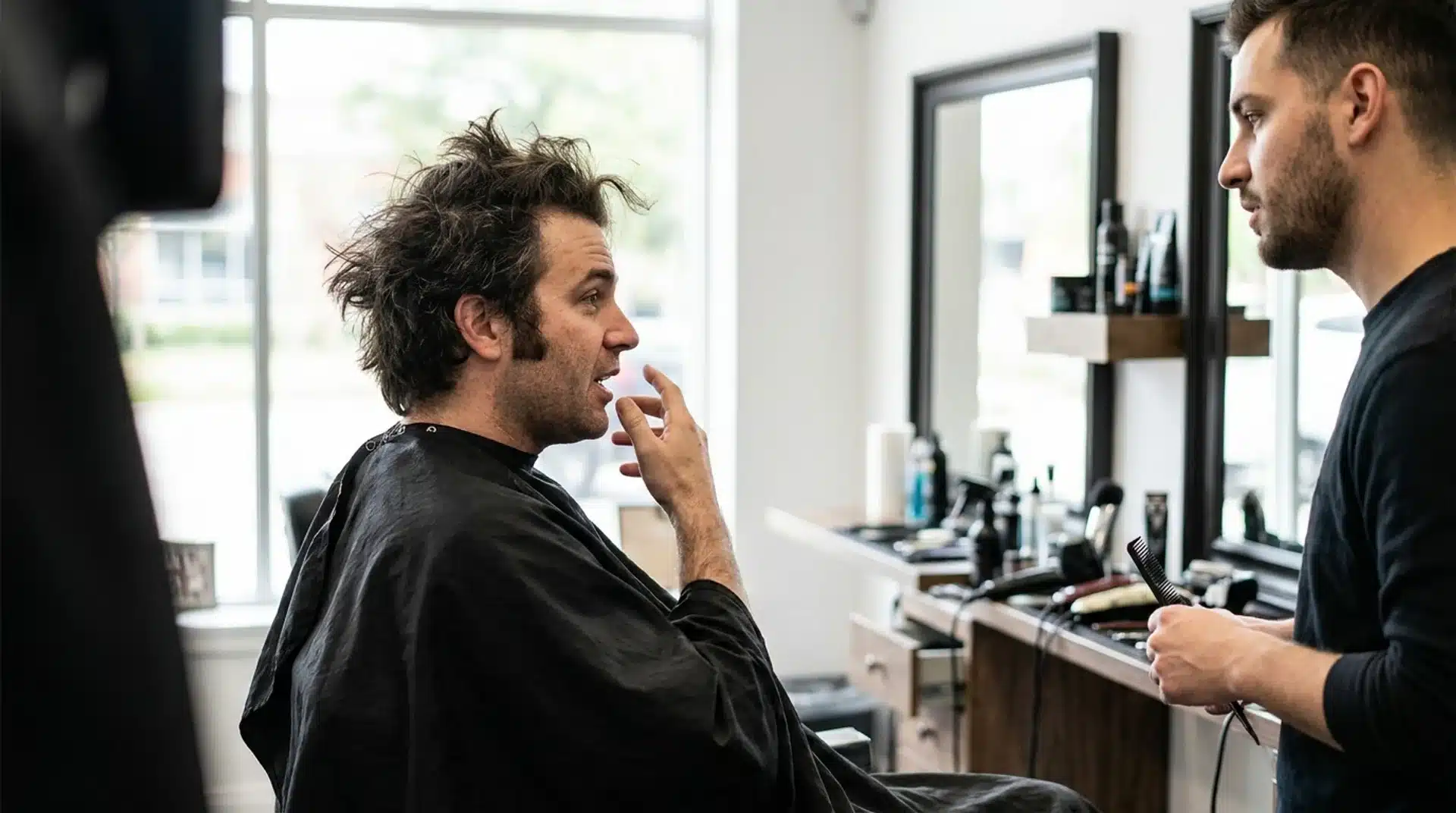
Walk in with the right details, and your barber can execute the cut cleanly the first time.
- Fade height: Specify low, mid, or skin, and where you want it to start (e.g., “mid fade from the temple”).
- Fringe style: Tell them whether you want a blunt, sharp line across the forehead or a softer, textured fringe with broken ends.
- Fringe length: Above the brow sits sharper and cleaner; at or just below the brow feels more relaxed.
- Top texture: Ask for point cutting if you want visible separation and choppiness, or a softer pass if you prefer subtle movement.
- Crown control: Let them know whether you want weight taken out to reduce bulk or kept in to increase volume.
- Fringe direction: Ask them to dry the fringe forward and down during the cut, not just cut it and leave it to settle on its own. This sets the shape before you leave the chair.
How to Style a Textured French Crop Fade by Hair Type?
Styling a textured French crop fade should be quick.
Set the fringe direction first, then add a light product for grip or hold. Keep the product away from the roots and fringe if your hair collapses easily.
- Straight hair: Mist sea salt spray on damp hair, blow-dry forward and down, then add a little matte clay through the mid-lengths.
- Wavy hair: Scrunch sea salt spray or light cream into towel-dried hair. Add paste only to the ends if more definition is needed.
- Curly or coily hair: Apply curl cream, diffuse on low, and finger-shape the fringe forward. Do not brush after styling.
- Fine hair: Use texturizing powder at the crown for lift. Skip clay, it usually weighs fine hair flat within a couple of hours.
- Thick hair: Use medium-hold matte clay with a rough blow-dry to control weight and stop the front from lifting.
If the fringe will not sit forward, dry it forward and down before adding product.
Pros and Cons of the Textured French Crop Fade
The textured French crop fade is easy to style, but it still needs regular upkeep. This table helps you decide if the cut matches your hair, schedule, and style preference.
| Pros | Cons |
|---|---|
| Works on straight, wavy, curly, thick, and fine hair with small adjustments | Needs trims every three to six weeks to keep the fringe and fade clean |
| Takes about two minutes to style once the routine is set | Skin fades grow out visibly faster than low or taper fades |
| Suits most face shapes when the fade height is chosen well | A badly cut fringe can throw off the whole shape |
| Grows out without a harsh or awkward stage | Not ideal for men who want longer hair or high volume |
| Fringe adds useful face framing | Texture can collapse in humidity without the right matte product |
Maintenance, Grow Out, and Cost Guide
Here’s what to expect after you get the cut: how often it needs to be reshaped, how it grows out, what it usually costs, and how to maintain it at home.
1. Trimming Schedule
Most men with a mid fade, high fade, or skin fade need side touch-ups every two to three weeks. The top and fringe usually hold shape longer, so a full cut every four to six weeks works for many.
A soft taper is more forgiving and may stretch closer to seven weeks. If the fringe drops into your eyes or the fade looks bulky, book sooner between barber visits.
2. Growing It Out
The textured French crop fade grows out better than many short cuts because the top already has movement.
As the fade softens, the style shifts to a short, textured crop rather than looking unfinished. The fringe becomes longer rather than awkward, especially if it was cut with a textured finish at the ends.
You can usually stretch the time between trims by styling the front forward and keeping the sides brushed down with control.
3. Cost Guide
Costs vary by city, barber experience, and fade detail. In many US cities, a standard cut often runs $30 to $60, while specialist skin fades can cost more because they require extra precision.
Fade-only touch-ups may be cheaper than a full cut.
If you get several full cuts per year plus occasional cleanups, expect the yearly cost to depend heavily on your location and schedule choices.
4. At-Home Care Between Visits
Wash your hair two to three times a week, unless your scalp needs more or less. Overwashing can strip natural oils, while underwashing can cause buildup.
Condition the mid lengths, not the scalp, to avoid greasy roots. Use a clarifying wash monthly to remove clay, paste, powder, and spray.
A peer-reviewed study in Skin Appendage Disorders found that washing frequency affects both scalp and hair condition, so finding the right rhythm for your scalp matters as much as the products you use.
Conclusion
The textured French crop fade proves that a haircut does not need extra length or heavy styling to look sharp.
Its strength is in the details: a fringe that shapes the face, texture that keeps the top from sitting flat, and a fade that makes the whole cut feel clean.
When those parts are balanced, the result looks fresh without looking forced.
The right version depends on your hair type, face shape, and how often you want to sit in the barber chair, so do not leave the details vague. Bring a photo, ask for the fade height you want, and be clear about the fringe.
Thinking about trying this hairstyle? Tell us which version best fits your style.
Frequently Asked Questions
Is the Textured French Crop Fade Suitable for Men Over 40?
Yes. The textured French crop fade can suit men over 40 when the finish is kept clean and balanced.
A low fade with a blunt fringe gives a sharper, refined look, while a soft taper feels more natural and easier to maintain. Avoid extreme skin fades if you want a more classic result.
What Products Should I Avoid with This Cut?
Avoid high-shine pomades, wet-look gels, and heavy creams. These products flatten the texture, weigh down the fringe, and can make the hair look greasy.
This cut works best with a matte finish, so matte clay, sea salt spray, or texturizing powder is usually a better choice.
How Soon After Getting the Cut Should I Style It?
You can style it the same day. The barber usually sets the fringe, fade, and top texture during the appointment, so the basic routine should already be clear.
Some men prefer to wait until the first wash because the fringe often settles into a more natural shape afterward.
Can the Textured French Crop Fade Work for a Receding Hairline?
It can. The forward fringe is one of the most practical features of this cut for men with a receding hairline. A blunt or heavier fringe draws attention to the brow line rather than the scalp.
Keep the fringe at eyebrow level or just above, and ask your barber to avoid going too short at the front corners.