I’ve worked on a lot of scalps that came in worried about the same thing: a shower drain full of hair and flakes on every dark shirt. So, can dandruff cause hair loss? Short answer: not usually, and not permanently.
But it can absolutely trigger real, visible shedding through itching, irritation, and scratching. Here’s how to tell what’s actually happening on your scalp
A healthy scalp creates a better environment for normal hair growth. When dandruff causes itching, discomfort, or visible buildup, the scalp may become irritated, affecting how hair feels and behaves.
Understanding the connection between dandruff and shedding can help you manage scalp health and recognize when hair loss may have another cause.
What is Dandruff, Exactly?
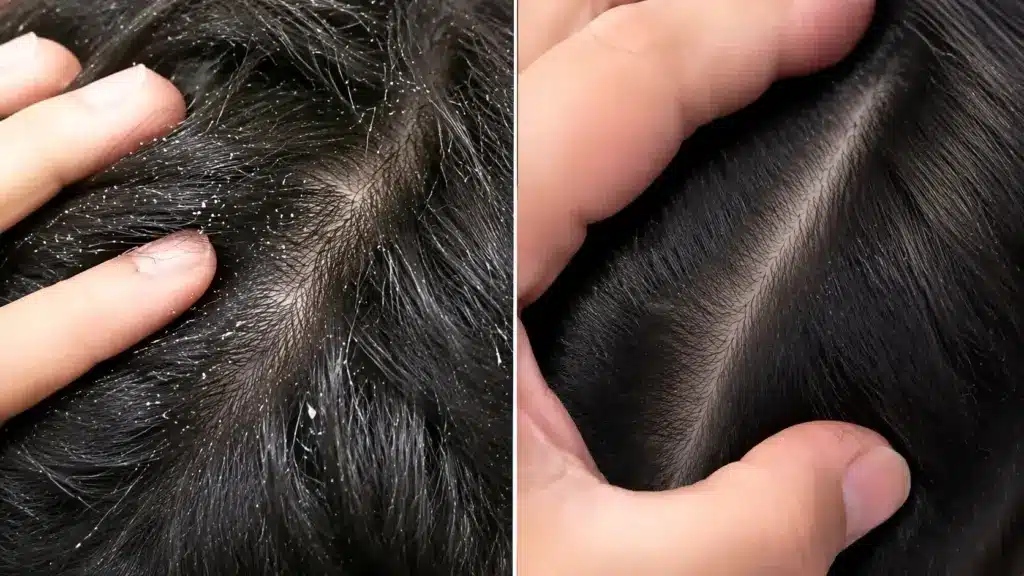
Dandruff is a common scalp condition that causes flaking, dryness, and itching. It’s linked to a naturally occurring scalp yeast called Malassezia, which can overgrow and irritate sensitive skin.
Dandruff affects up to 50% of adults at some point, making it one of the most common scalp complaints I see in practice.
In more severe or persistent cases, dandruff can progress to seborrheic dermatitis, a related condition characterized by redness, thicker scaling, and more pronounced irritation.
That distinction matters because more severe scalp inflammation is where the hair-loss connection gets stronger.
Can Dandruff Cause Hair Loss?
No, dandruff does not usually cause permanent hair loss. It can, however, contribute to temporary shedding when itching, irritation, and scratching affect the scalp environment.
Dandruff itself doesn’t attack hair follicles. What matters more is how you respond to it. Persistent itching leads to scratching, and scratching can irritate the scalp, weaken hair strands, and knock loose hairs out before they’re ready to shed naturally.
In my experience, most dandruff-linked shedding clears up within a few weeks of calming the scalp down, not the hair itself.
Treating the underlying scalp condition, keeping up a gentle care routine, and resisting the urge to scratch all support a healthier environment for normal hair growth.
How Dandruff May Contribute to Hair Shedding
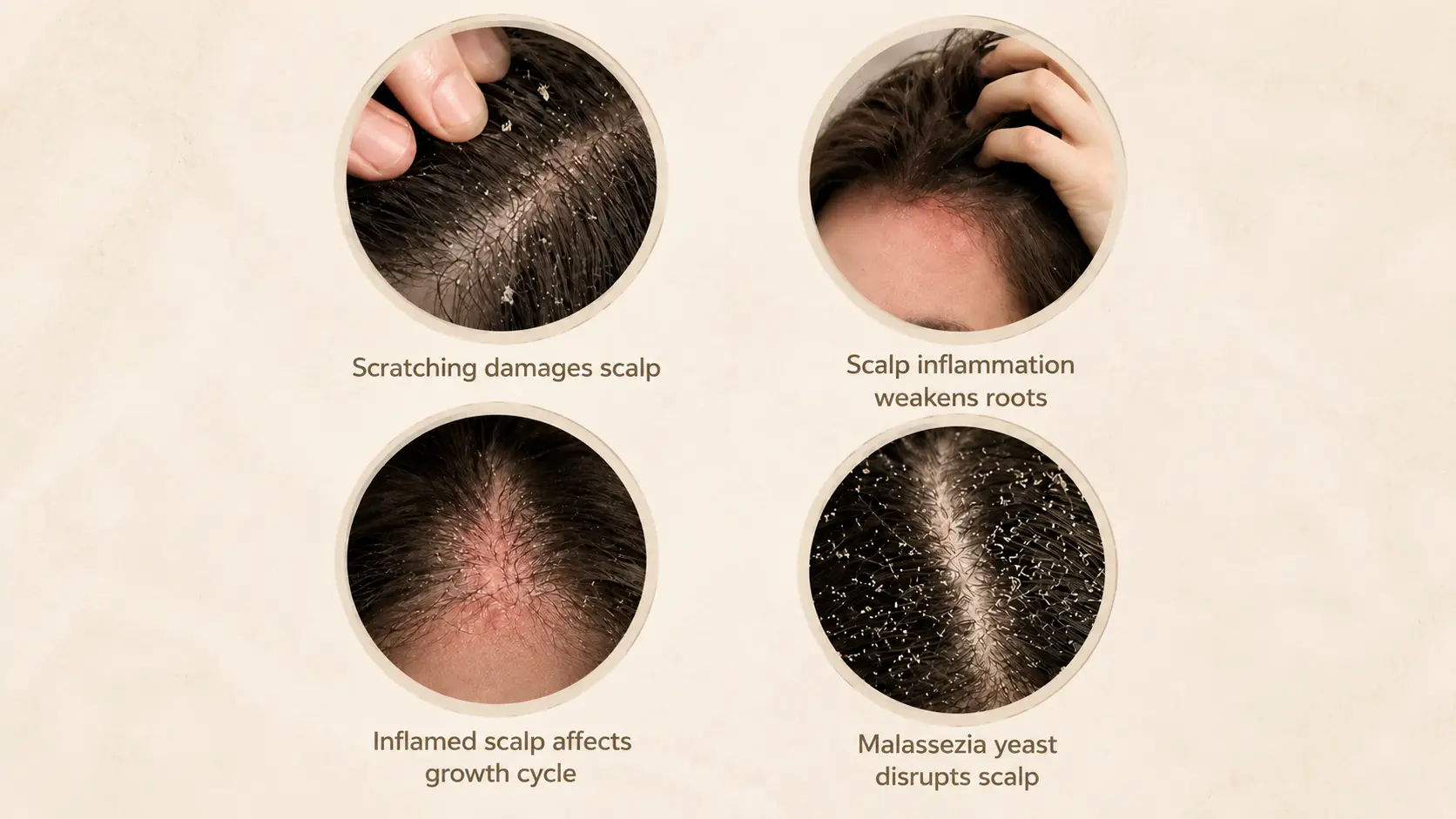
Dandruff-related shedding usually comes from changes in scalp condition rather than direct damage to hair follicles. A few specific reactions can make hair fall more noticeable.
1. Scalp Inflammation
Dandruff can create an irritated scalp environment, especially during flare-ups. Inflammation may disrupt normal scalp comfort and make hair feel weaker or more prone to shedding, which can affect everyday hair shedding.
Reducing scalp irritation through proper dandruff care can help maintain a healthier scalp environment and support normal hair growth conditions.
2. Scratching and Hair Breakage
Persistent itching caused by dandruff often leads to repeated scratching. Aggressive scratching can irritate the scalp, weaken hair strands, and increase breakage.
It may also loosen hairs that are already in the shedding phase. Gentle scalp care and suitable dandruff treatments can help reduce this cycle.
3. Changes in Scalp Environment
Dandruff may involve changes in scalp oil production, dead skin buildup, and irritation. These factors can affect scalp balance and make shedding more noticeable.
Keeping the scalp clean, managing excess buildup, and following a suitable hair care routine can support better scalp comfort and healthier hair habits.
4. Disruption of the Hair Growth Cycle
Severe scalp irritation from dandruff may affect the normal hair growth environment, and looking at factors that trigger flaking helps explain why. When the scalp remains uncomfortable for an extended period, more hairs may enter the shedding phase earlier than expected.
Managing dandruff symptoms can help create better conditions for maintaining a normal hair growth cycle
Which Types of Dandruff are More Likely to Affect Hair Shedding?
Different types of dandruff affect the scalp differently. Some forms may cause more irritation, itching, or buildup, making temporary hair shedding more noticeable.
| Type of Dandruff | Signs | Effect on Hair Shedding |
|---|---|---|
| Seborrheic Dermatitis | Redness, oily flakes, itching | May increase temporary shedding due to scalp inflammation. |
| Dry Scalp Flaking | White flakes, dryness, itching | Scratching may cause breakage and temporary shedding. |
| Product Buildup Flaking | Scalp residue and buildup | May irritate the scalp and make shedding more noticeable. |
Identifying the type of dandruff, including the yeast behind flaking, can help improve scalp care. Managing flakes, irritation, and buildup may reduce shedding related to scalp discomfort.
Why Does Dandruff Make Hair Loss Look Worse?
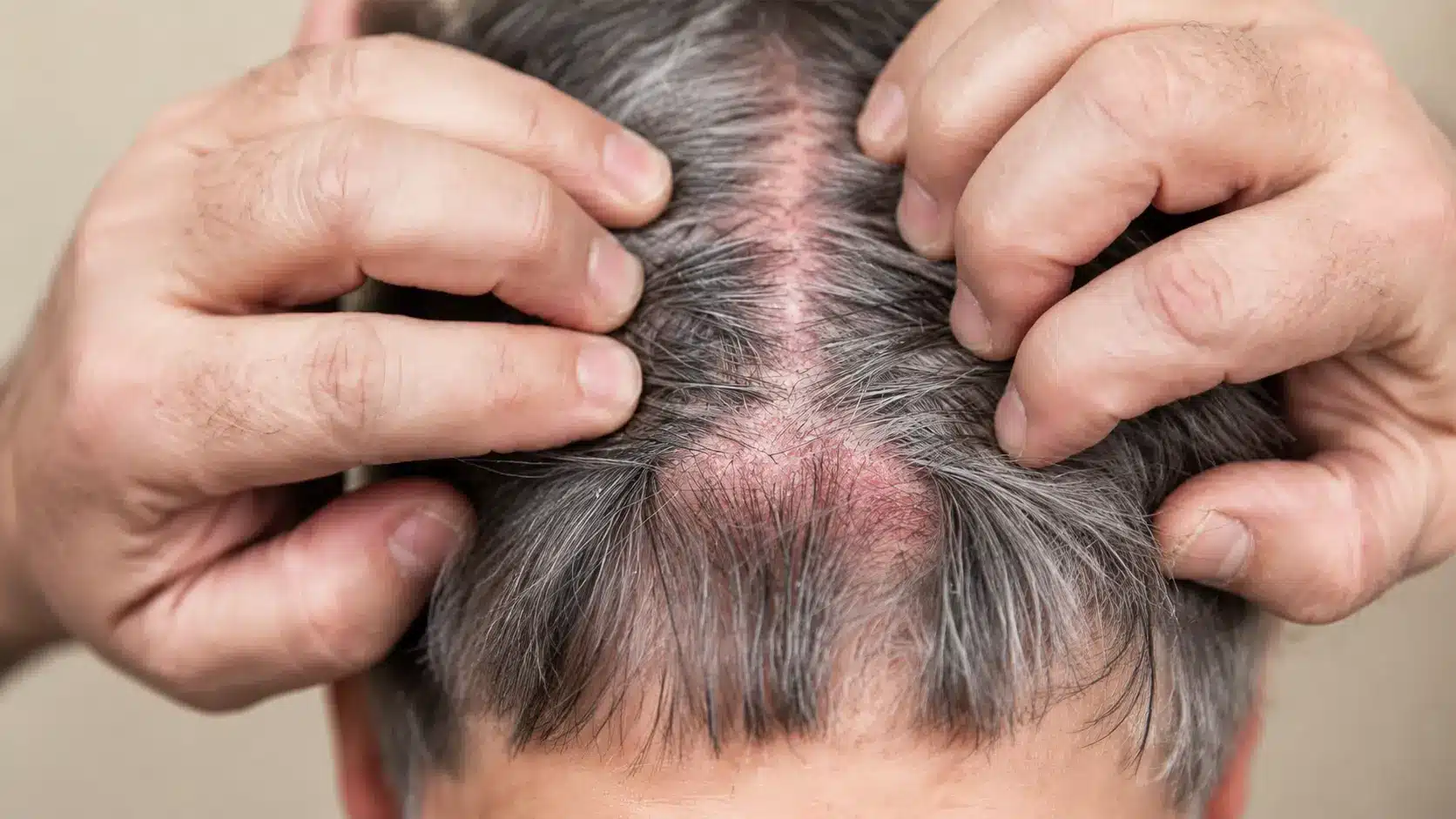
Dandruff can make hair shedding appear more noticeable even when it is not causing permanent hair damage.
Flakes may collect around loose hairs, making fallen strands easier to see on clothing, pillows, brushes, or bathroom surfaces.
People may also associate dandruff with increased hair loss because:
- Itching makes them check their scalp more often
- Scratching can bring out loose hairs
- Visible flakes create the impression of an unhealthy scalp
Looking at the overall pattern of shedding, scalp symptoms, and how long the problem continues can provide better clues about the actual cause.
Can Treating Dandruff Reduce Hair Shedding?
Treating dandruff can help reduce hair shedding when the main reason behind hair fall is scalp irritation, itching, or frequent scratching.
When dandruff symptoms improve, the scalp may become more comfortable, which can reduce factors that contribute to temporary shedding.
However, dandruff treatment does not fix every type of hair loss. If shedding is caused by genetics, hormonal changes, nutritional deficiencies, or another health condition, controlling dandruff alone may not solve the problem.
| Treating Dandruff May Help With | It May Not Fix |
|---|---|
| Reduced scalp itching | Genetic hair loss |
| Lower scalp irritation | Hormonal hair changes |
| Less flaking and buildup | Nutritional deficiencies |
| Reduced scratching-related shedding | Other medical hair conditions |
Treating dandruff can improve scalp-related shedding, but ongoing hair loss may require a closer look at other possible causes.
Signs Your Hair Loss May Be Related to Dandruff
Certain patterns can help indicate whether dandruff symptoms and shedding occur together. Observing these changes may provide useful clues about the possible connection.
Signs to notice:
- Hair shedding increases during dandruff flare-ups
- Scalp itching appears before increased shedding
- Flakes are visible along with loose hairs
- Scalp irritation improves when dandruff is controlled
- Shedding decreases after scalp symptoms improve
Tracking changes in scalp symptoms and shedding patterns can help determine whether dandruff may be contributing to temporary hair shedding and guide better scalp care decisions.
How to Manage Dandruff and Support Hair Health
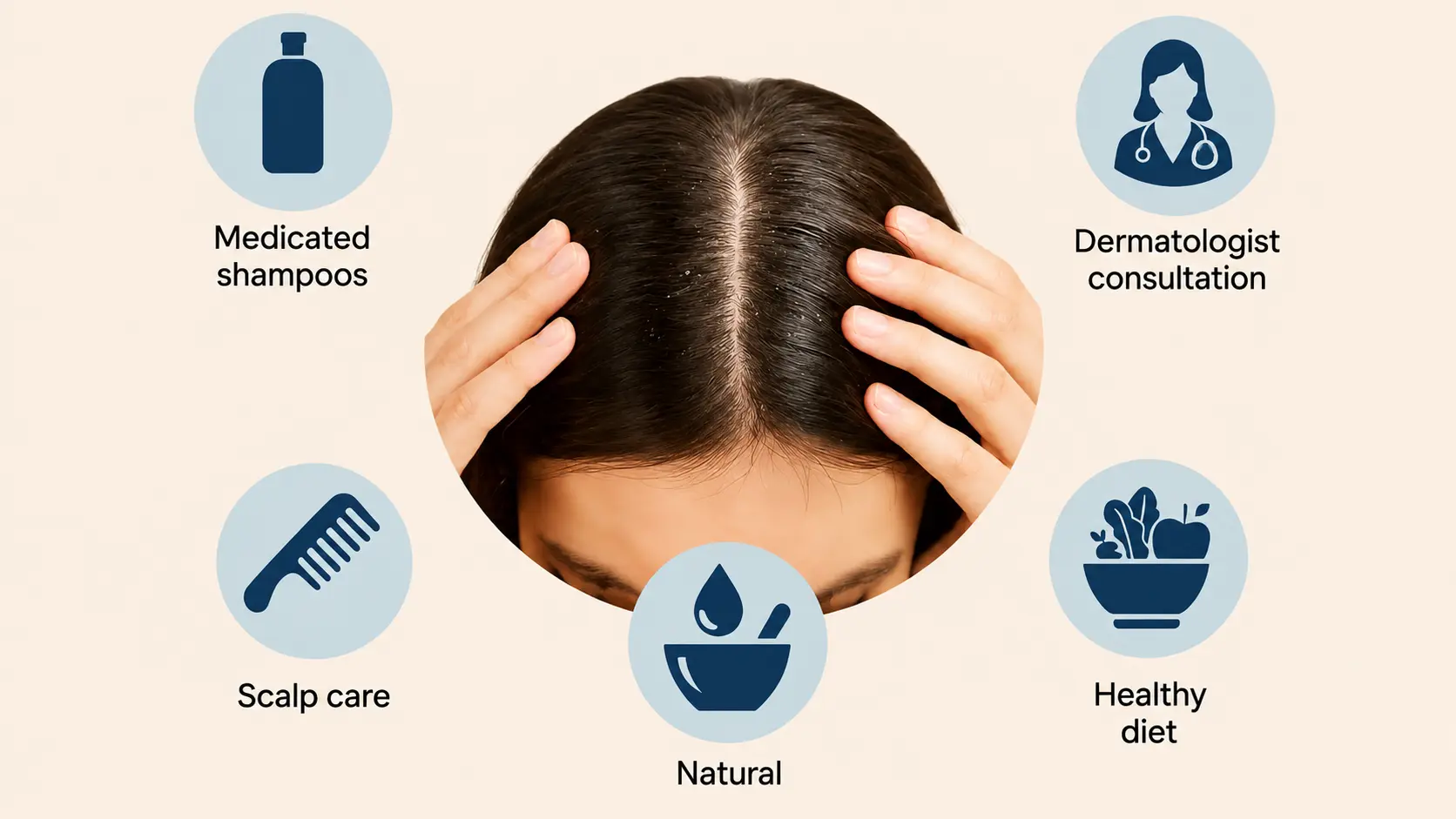
Managing dandruff involves caring for the scalp while protecting hair quality. A consistent routine can help reduce irritation, maintain scalp comfort, and support healthier hair habits.
1. Use Suitable Anti-Dandruff Treatments
Anti-dandruff products can help manage flakes and scalp irritation. Ingredients such as ketoconazole, zinc pyrithione, and selenium sulfide are often used to help control dandruff.
Helpful approaches include:
- Choosing products with suitable active ingredients
- Following product instructions carefully
- Using treatments consistently for better results
2. Maintain a Gentle Scalp Routine
A gentle routine can help protect the scalp barrier, reduce irritation, and support overall scalp comfort.
Helpful habits include:
- Washing hair according to scalp needs
- Avoiding harsh products
- Limiting excessive scratching
- Removing buildup from styling products
3. Support Overall Hair Health
Healthy hair depends on both scalp care and daily habits. Supporting overall hair health can help maintain stronger strands and reduce unnecessary breakage.
Helpful practices include:
- Maintaining balanced nutrition
- Managing stress levels
- Avoiding excessive heat styling
- Handling hair gently
Combining dandruff treatments with healthy scalp and hair habits can help improve comfort and support better hair condition over time.
Can Severe Dandruff Cause Permanent Hair Loss?
Severe dandruff may increase scalp discomfort and shedding, but permanent hair loss is usually linked to other factors. Long-lasting symptoms may require evaluation to identify the actual cause.
However, ongoing scalp inflammation or another underlying condition may affect overall hair health. If shedding continues even after dandruff improves, the cause may be related to factors beyond scalp flaking.
Understanding the reason behind hair loss is important because different causes require different approaches. Managing dandruff can help improve scalp comfort, but persistent or unusual shedding may need further evaluation to identify the right solution.
Dandruff vs. Other Causes of Hair Loss
Hair shedding can have different causes, and dandruff is only one possible reason. Comparing dandruff-related shedding with other hair loss patterns can help you understand the differences.
| Dandruff-Related Shedding | Other Hair Loss Causes |
|---|---|
| Often appears with itching and flakes | May occur without scalp symptoms |
| Linked with scalp irritation | May involve genetics, hormones, or health factors |
| May improve after dandruff control | Often requires specific treatment |
| Usually causes temporary shedding | May cause ongoing thinning or patch loss |
Understanding the cause of hair loss helps you choose the right approach rather than assuming dandruff is the only reason for shedding. A clearer diagnosis can guide better care decisions.
When Should You See a Dermatologist for Hair Loss and Dandruff?
Dandruff-related shedding often improves when scalp irritation and itching are properly managed. However, certain warning signs may suggest that hair loss is linked to another condition and requires professional evaluation.
You should consult a dermatologist if you notice sudden heavy hair loss, bald patches, or continued shedding even after dandruff improves.
Other signs that need attention include severe scalp redness, pain, thick scaling, or crusting on the scalp, as these may indicate a different scalp disorder.
A dermatologist can examine your scalp, identify the actual cause of hair loss, and recommend suitable treatment based on whether the issue is related to dandruff, another scalp condition, or a separate hair loss problem.
Final Thoughts
The link between dandruff and hair loss is often misunderstood. While whether dandruff can cause hair loss is a common concern, the connection is usually related to scalp irritation, itching, and temporary shedding rather than permanent follicle damage.
However, itching, scalp irritation, inflammation, and repeated scratching may contribute to temporary shedding.
Taking care of your scalp with suitable dandruff treatments, gentle hair habits, and a consistent routine can help improve scalp comfort and reduce irritation.
If shedding continues even after dandruff improves, occurs suddenly, or involves bald patches, it may indicate another cause. Consulting a dermatologist can help identify the reason and guide the right approach for healthier hair and scalp.
Frequently Asked Questions
Can Dandruff Affect Hair Texture?
Dandruff may affect how hair feels by creating scalp buildup and dryness. Improving scalp health can help hair feel cleaner and more manageable, but changes in texture may have other causes.
Does Treating Dandruff Help New Hair Growth?
Treating dandruff does not directly regrow hair but can improve scalp conditions. A healthier scalp environment may support normal growth cycles when shedding is linked to irritation.
Can an Itchy Scalp Cause Hair Fall?
Yes, frequent scratching from an itchy scalp can irritate the skin and weaken hair strands. Managing itching triggers can help reduce unnecessary breakage and temporary shedding.
Can Dandruff Cause Uneven Hair Loss?
No, dandruff usually does not cause patchy hair loss. Uneven shedding or bald spots may indicate another condition that requires evaluation from a dermatologist.
How Long Does Hair Shedding from Dandruff Last?
Hair shedding linked to dandruff may improve after scalp symptoms are controlled. The duration varies depending on treatment response, scalp condition, and other factors affecting hair health.