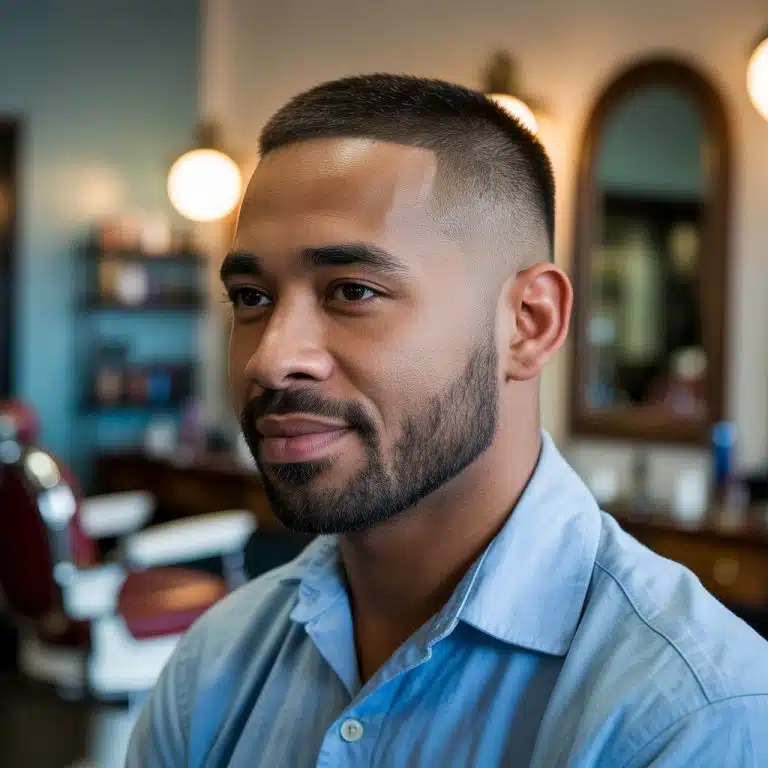
I still remember the client who came in carrying the same photo on his phone for months. Different days, different moods, always the same reference.
It took a while for either of us to name it properly. It was a Caesar cut. He just did not know what to call it.
That story repeats itself more often than people think.
The Caesar cut is one of those styles that men gravitate toward instinctively without always having the language to ask for it.
If you are visiting a barber for the first time or switching up a style you have worn for years, here are Caesar cut styles for men worth knowing before you sit in the chair.
What is a Caesar Cut for Men?
Named after Roman Emperor Julius Caesar, who reportedly wore the style to soften a receding hairline, the cut works on straight, wavy, and curly hair alike.
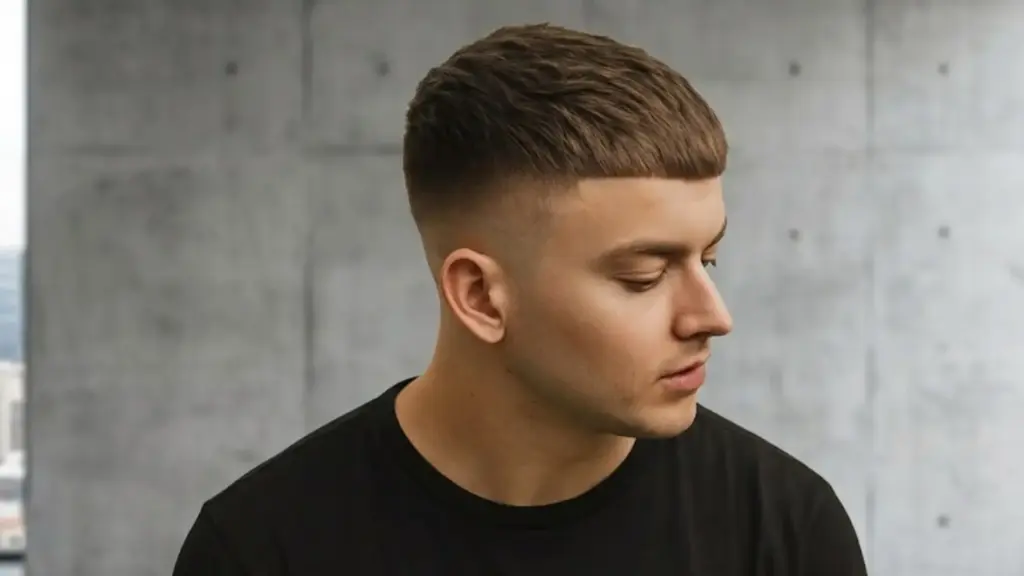
The Caesar cut has three defining features: a straight fringe brushed forward over the forehead, an even length across the top, and short sides that are tapered or faded.
Those three elements together are what separate it from everything else. Without the forward fringe, you have a crew cut. Men often confuse the Caesar with the French crop.
The French crop carries more weight at the front with a choppier fringe, while the Caesar keeps things shorter and more uniform.
Both are good cuts, solving slightly different problems. For a clear breakdown of how they compare, the main types of men’s haircuts are worth reading before your next appointment.
Caesar Cut Styles for Men to Try Right Now
Every style below works differently depending on your hair type, face shape, and how much time you want to spend on upkeep. Browse through and find the one that feels right for you.
1. Classic Caesar Cut
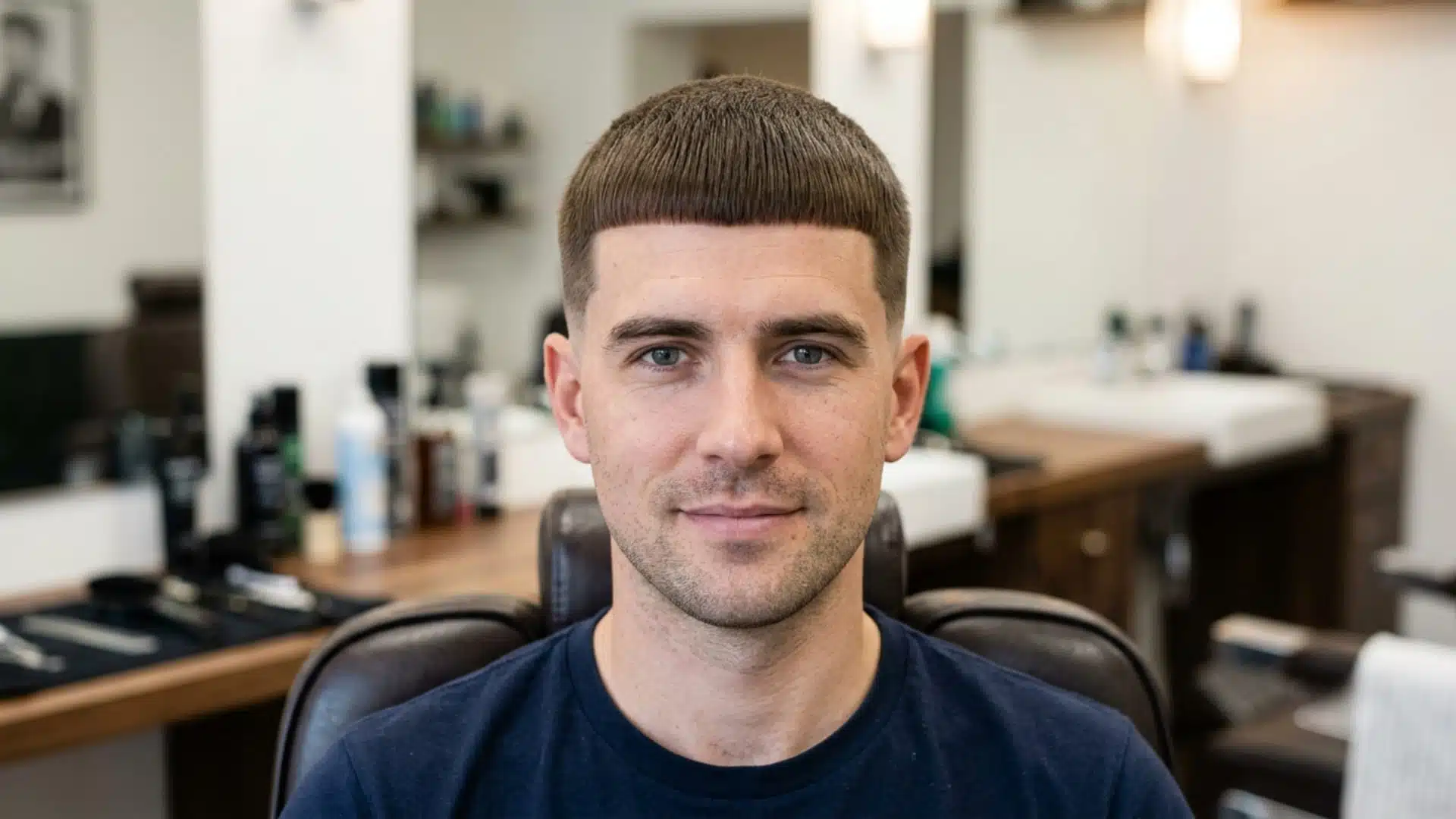
The classic Caesar cut keeps things clean and uncomplicated. Hair sits at an even length across the top, with a straight, blunt fringe brushed forward over the forehead.
The sides are short and tapered, creating a neat, unified shape.
It suits most face shapes and works on straight or slightly wavy hair. Style it with a small amount of matte paste, and you are done in under two minutes.
2. Textured Caesar Cut
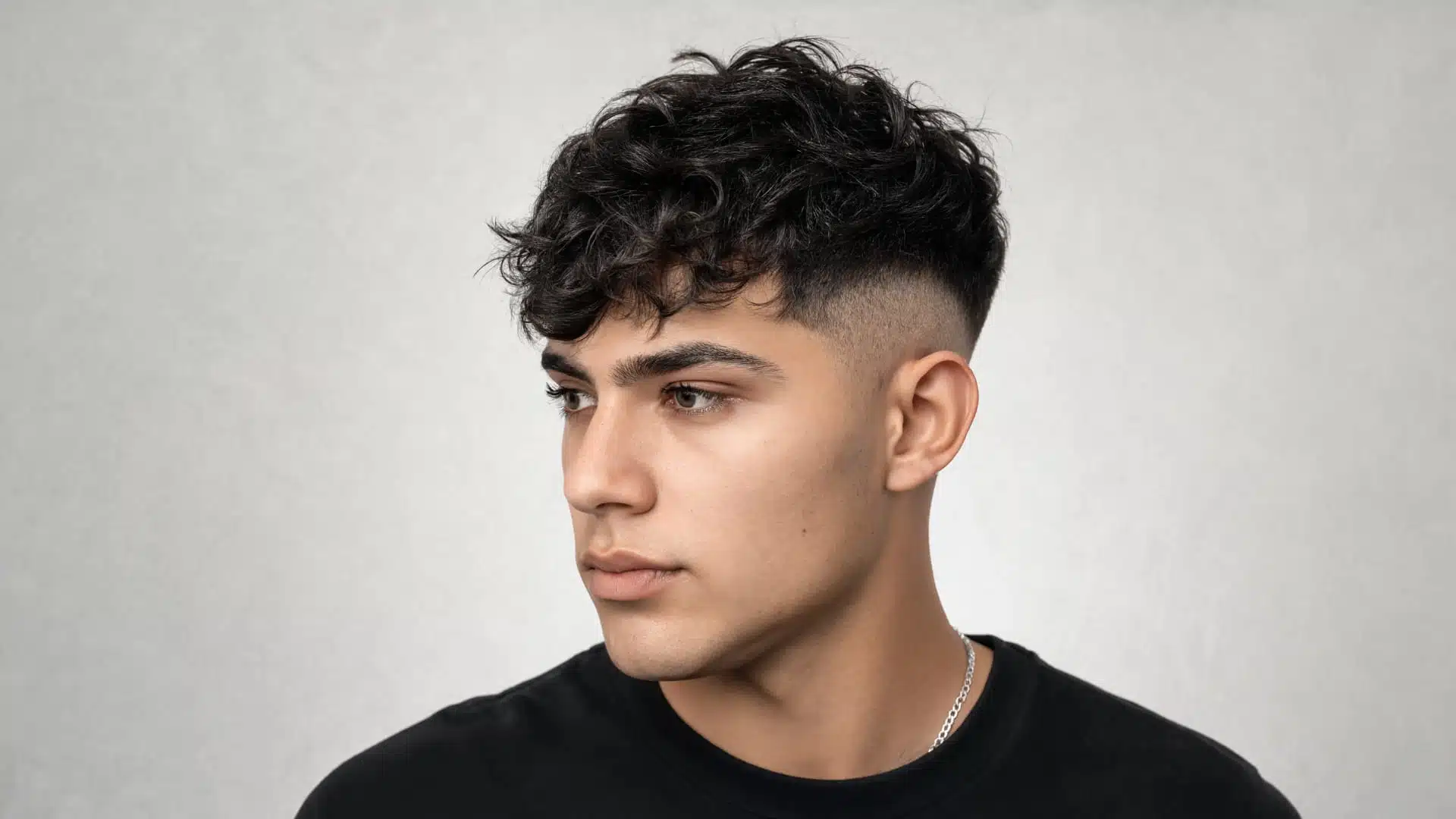
The textured Caesar cut is the modern standard for a reason.
Choppy, point-cut layers on top break up the surface, adding movement and making the hair look fuller than it actually is.
The skin fade on the sides creates a sharp contrast, while the messy fringe keeps it feeling current without trying too hard.
Use matte clay pressed in with your fingers for the best finish.
3. Caesar Fade (Low/Mid/High)
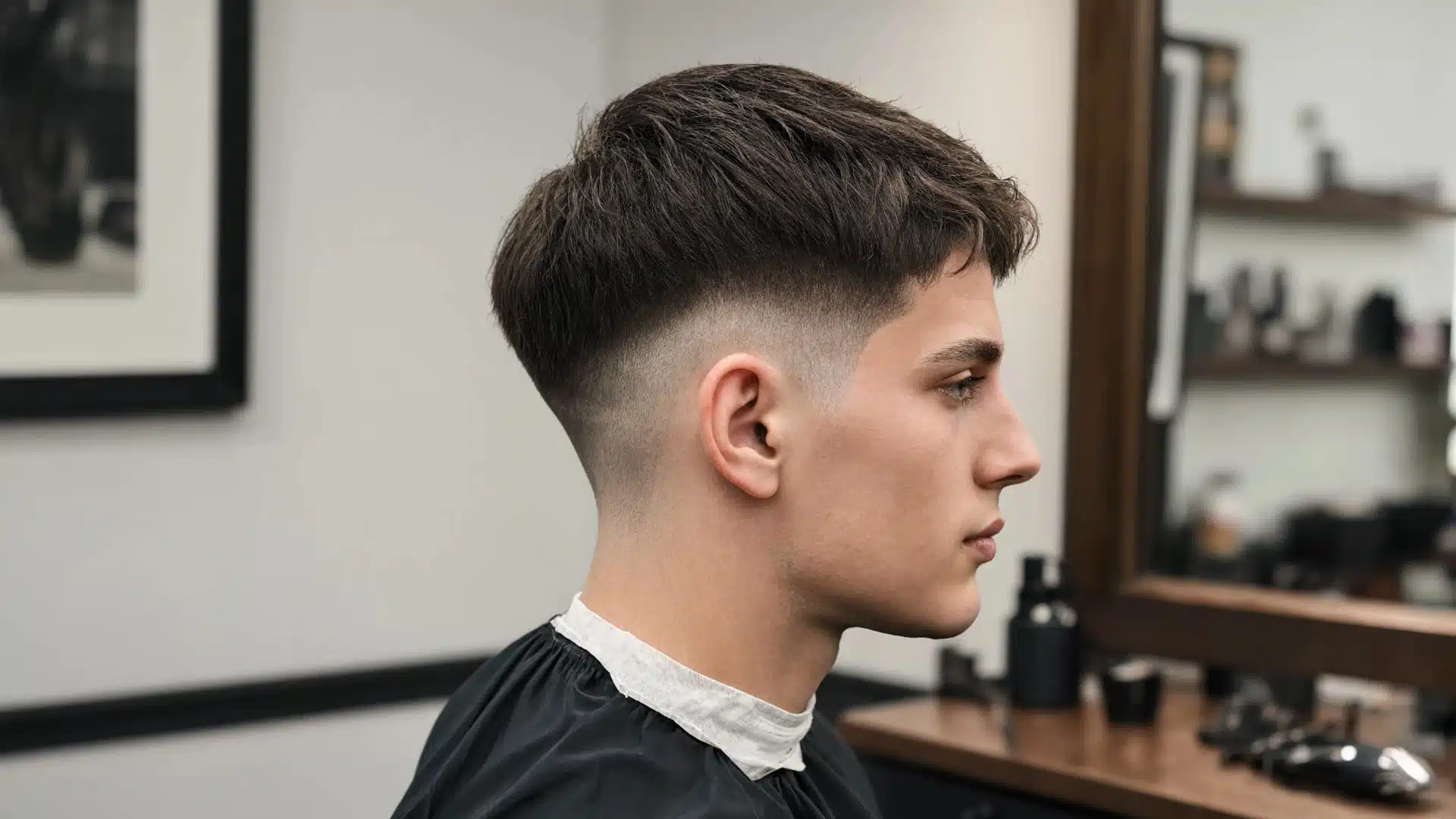
Adding a fade changes the entire personality of the Caesar cut.
A low fade keeps things subtle and professional. A mid fade sharpens the contrast and suits most face shapes well.
A high fade is bold, creates maximum visual impact, and works best on men who visit the barber regularly. All three variations pair well with a textured top.
Bring a reference photo and specify the fade height clearly.
4. Caesar Taper Fade
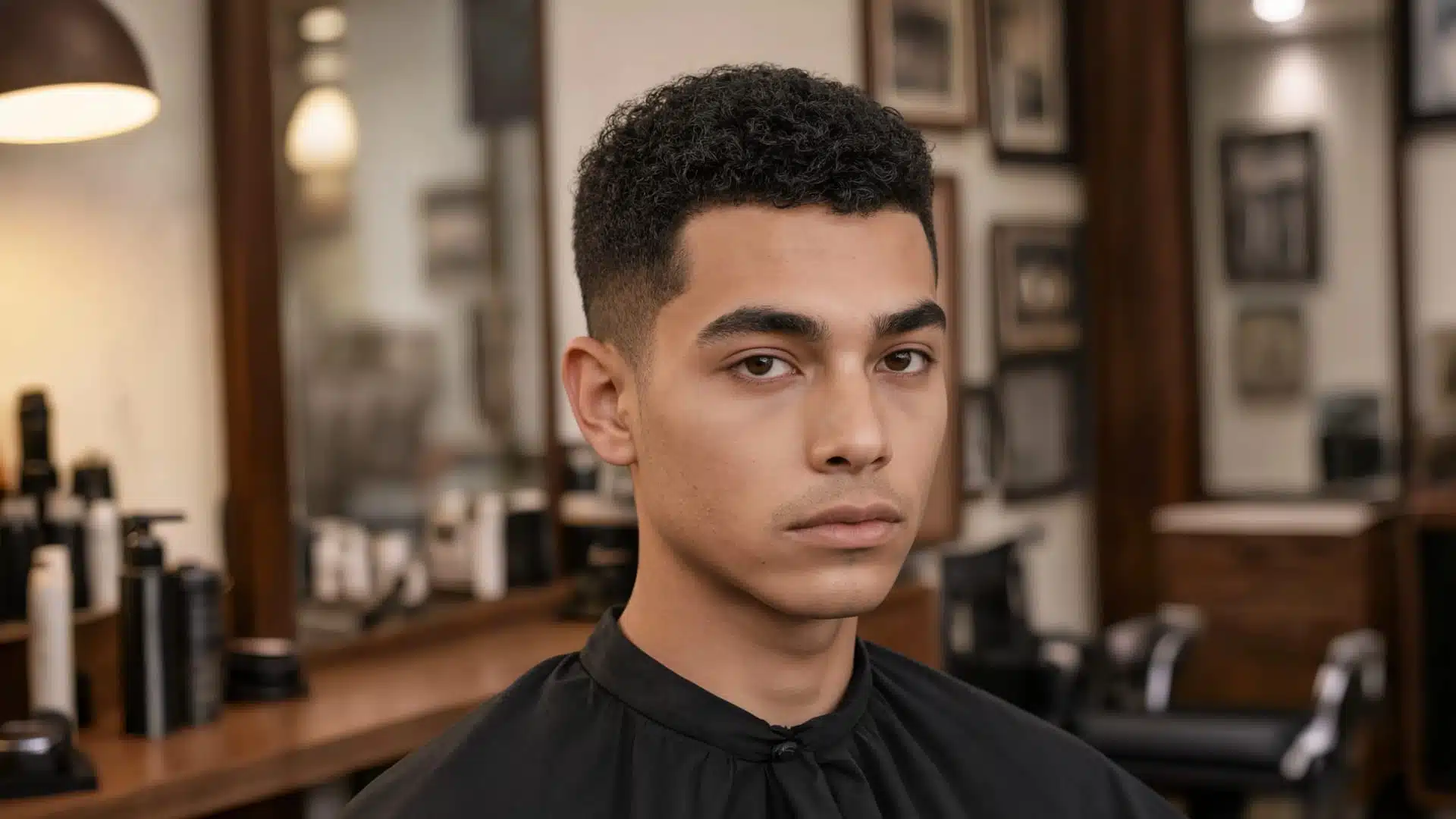
The Caesar taper fade is the go-to for men who want structure without the sharpness of a skin fade.
The sides are graduated naturally with scissors and clippers, creating a softer, more traditional transition. It suits professional settings and grows out cleanly between barber visits.
Pair it with a lightly textured top and a matte product for a finish that reads polished without feeling overdone or high-maintenance.
5. Long Caesar Cut

The long Caesar cut keeps three to four inches of length on top, letting the fringe sit closer to the brow for a more dramatic effect.
The extra length allows for real texture and movement, making it one of the more versatile Caesar variations.
It suits oval and oblong face shapes particularly well. Blow dry forward, work in a light-textured cream, and let the hair settle naturally.
6. Short Caesar Cut
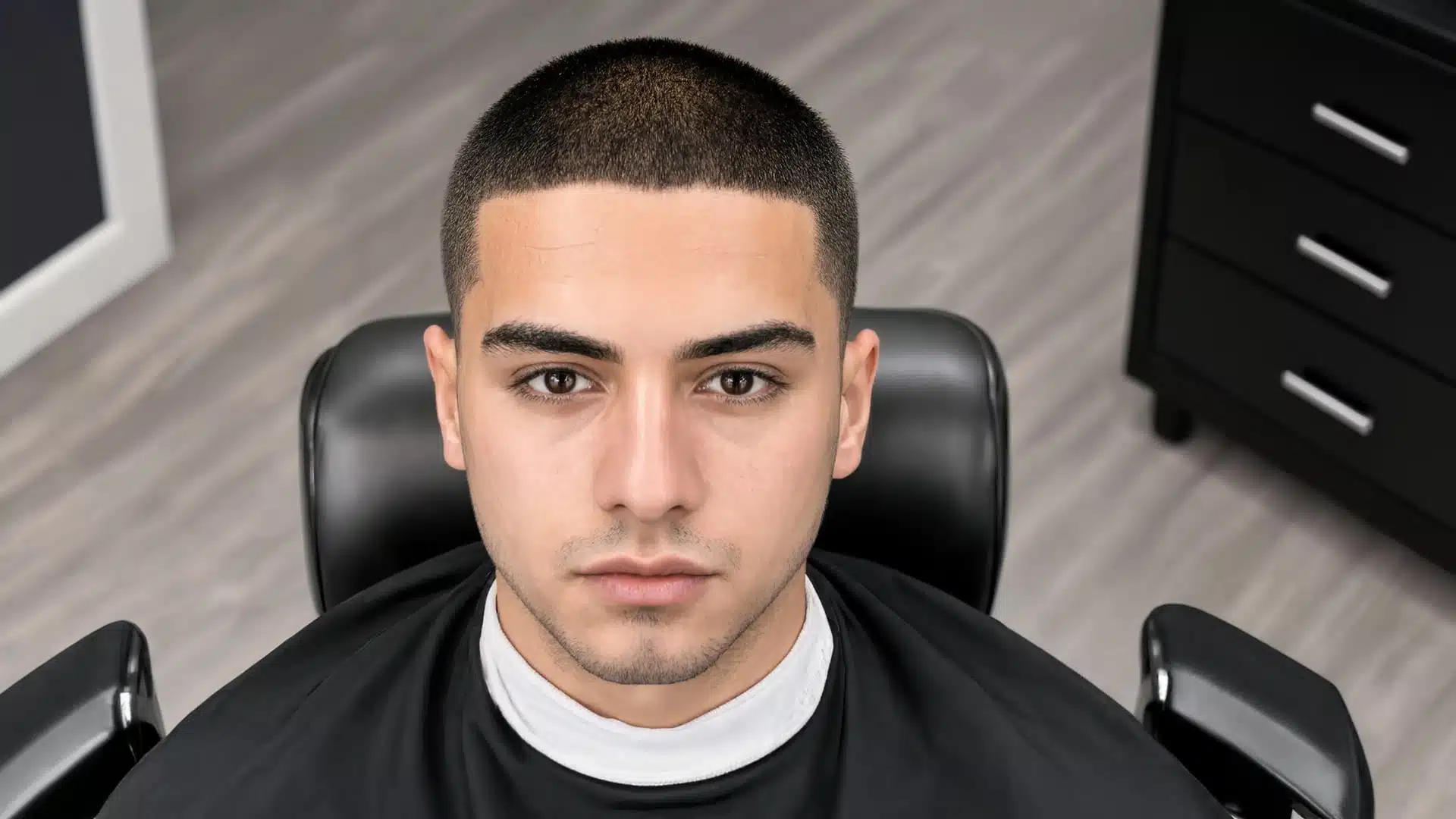
The short Caesar cut strips the style back to its most practical form. The top stays closely cropped, the fringe is tight, and the sides are neatly faded or tapered.
There is very little styling involved, which is exactly the point.
It works well in hot weather, suits active routines, and looks equally sharp in a meeting room or on a weekend. A quick blow-dry is all it needs.
7. Curly Caesar Cut
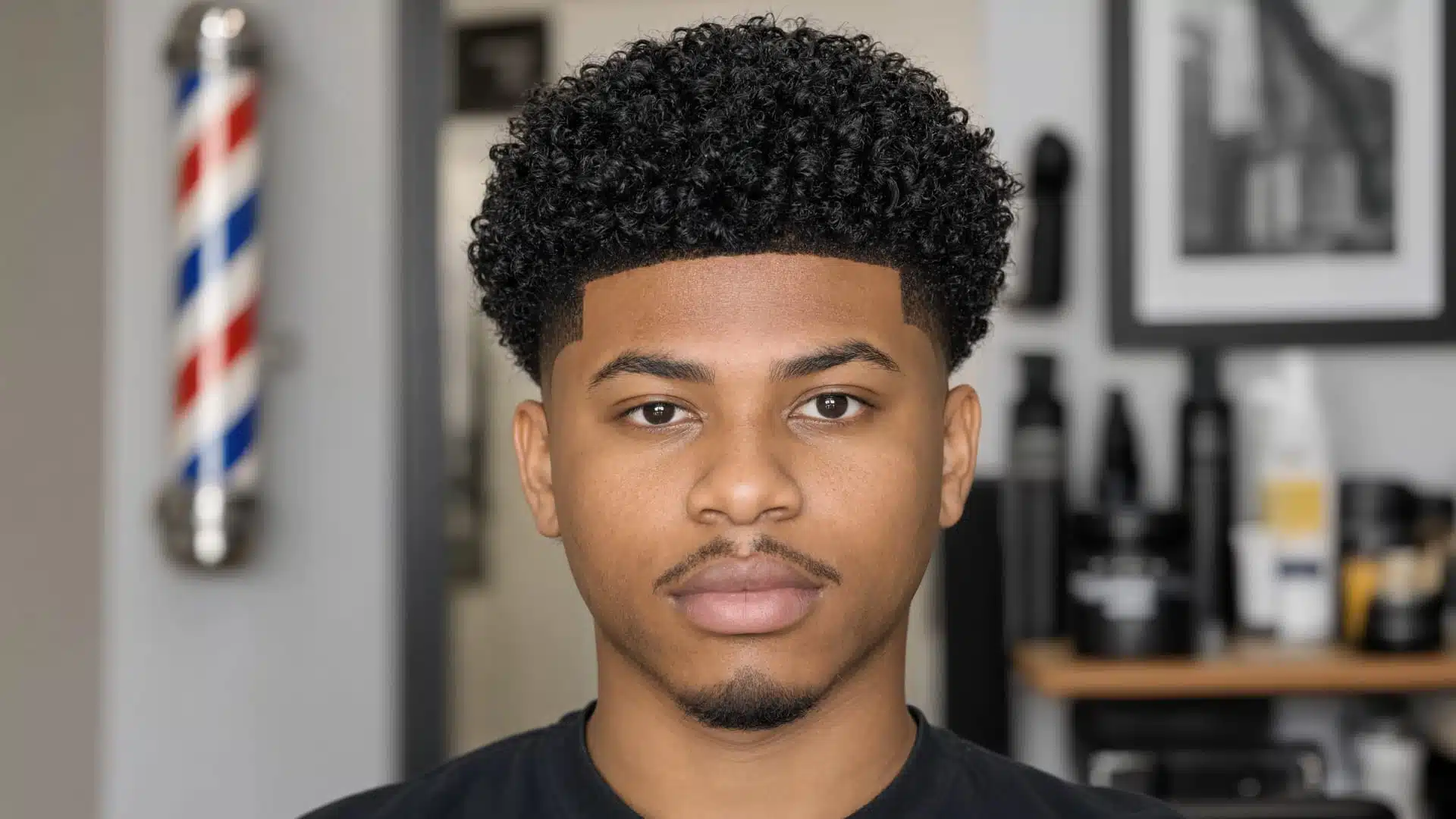
The curly Caesar cut lets natural texture do the work.
Tight curls or loose waves on top add volume and visual interest, while the short fade on the sides keeps the overall shape controlled and clean.
The forward fringe remains the anchor of the style, even with the curl pattern in play.
Use a sea salt spray before blow-drying to enhance curl definition, then finish with a light-textured cream.
8. Messy/Undone Caesar

The messy Caesar is for men who want a lived-in finish rather than a sharp, structured one.
The fringe sits loosely forward without precision; the layers are choppy, and the overall effect feels effortless rather than styled. Low fade sides keep it from looking entirely undone.
A small amount of matte clay worked through with fingers is all you need. It suits creative environments and casual everyday settings well.
9. Caesar with Undercut
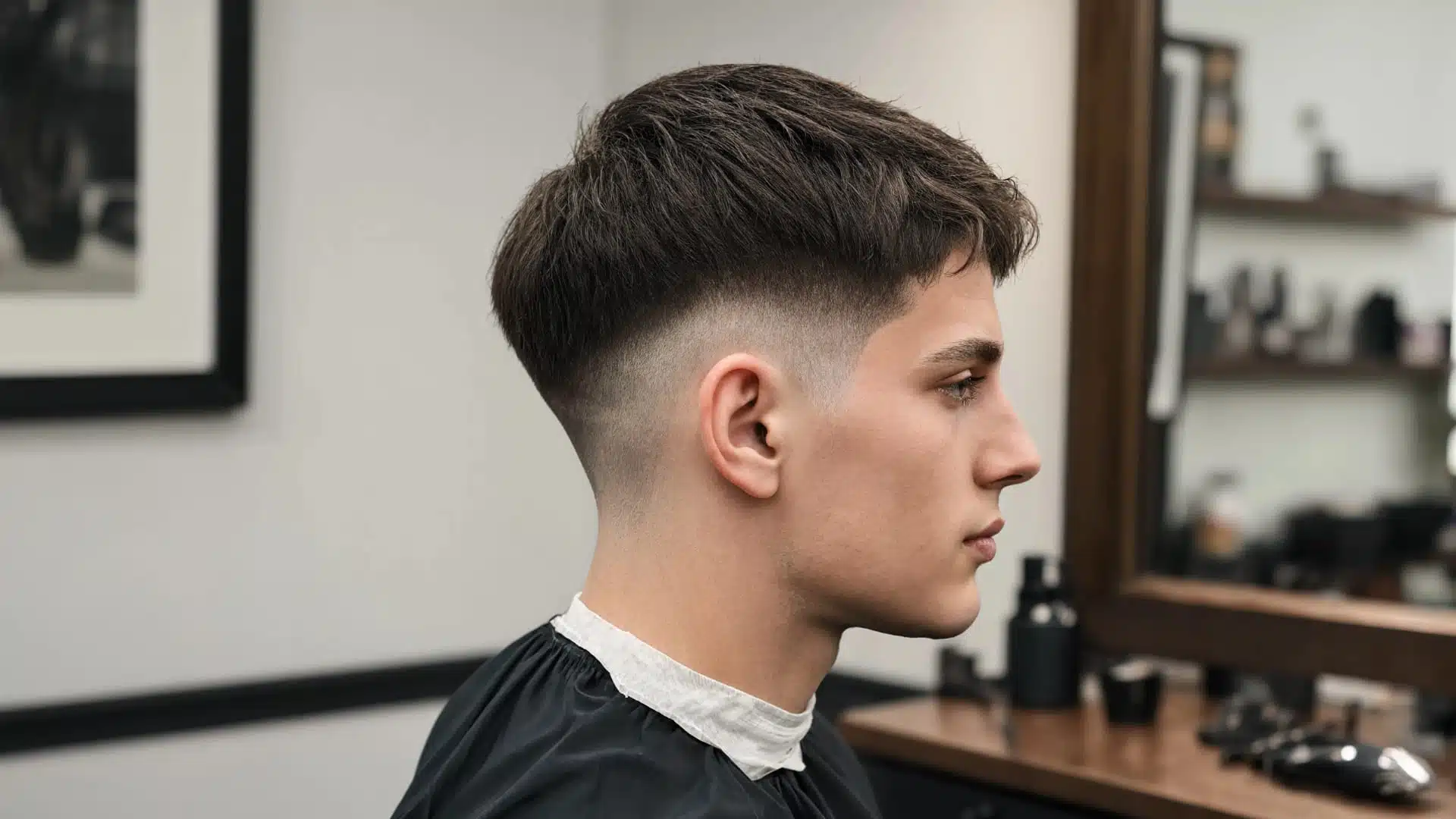
The Caesar undercut keeps the signature forward fringe but replaces the fade with a clearly disconnected shaved section beneath the longer top.
The contrast between the heavy top and the bare sides is intentional and bold. It suits men with thick hair who want a strong visual structure.
The disconnection line is the defining detail here, so ask your barber to keep it clean and sharp at each visit.
10. Caesar for Receding Hairline

The Caesar cut was originally designed to address exactly this concern.
The short forward fringe naturally covers the temples and softens the appearance of a receding hairline without looking like a cover-up.
Keeping the top at an even, light length prevents any heavy, patchy effect.
Blow-dry forward and use a small amount of molding paste to hold the fringe in place throughout the day without stiffness or shine.
11. Dark/Dense Caesar Cut
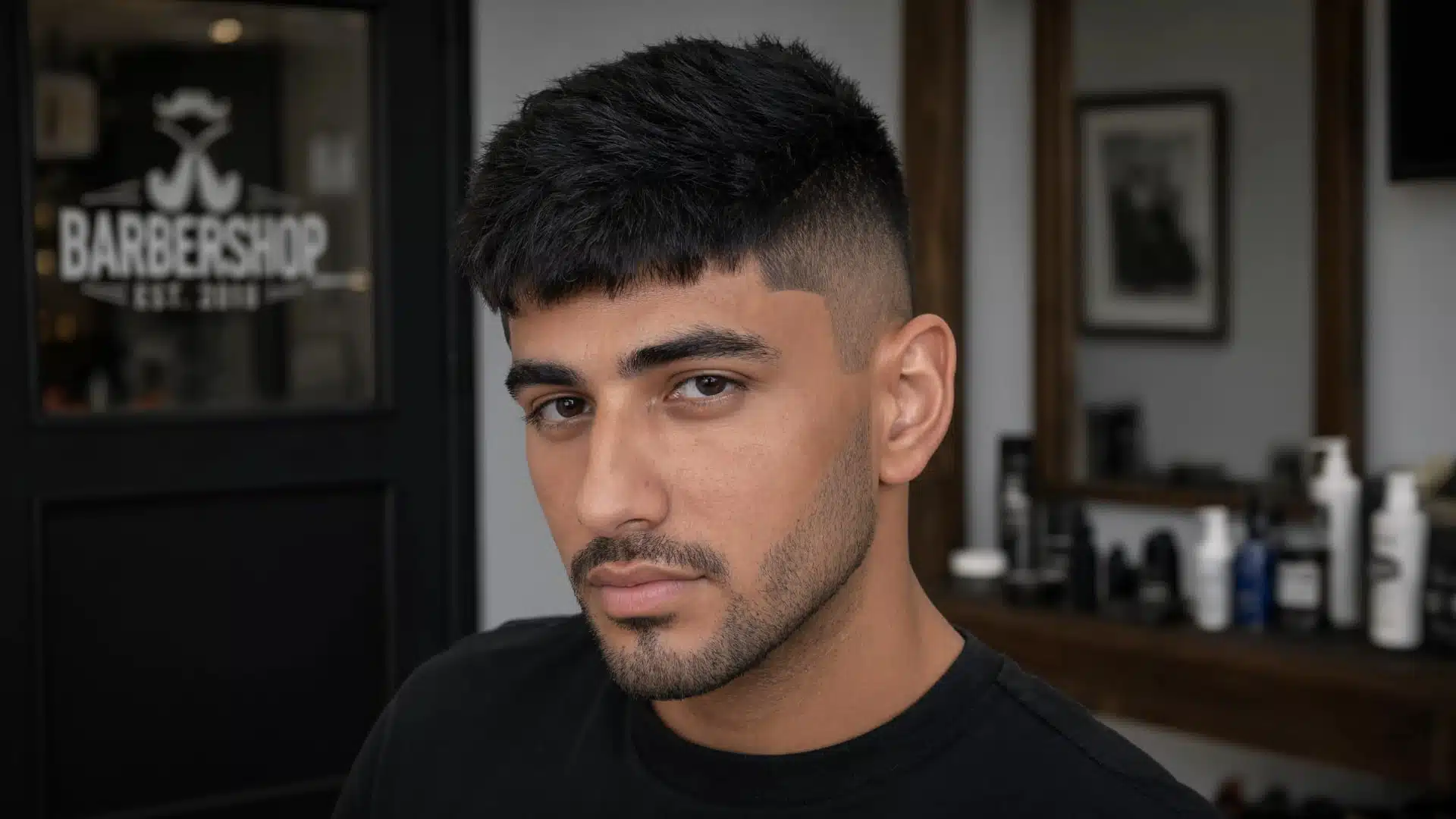
Men with thick, dark hair carry this variation particularly well.
The density of the hair creates a bold shadow effect on top, and the sharp skin fade on the sides adds high contrast, making the cut look more defined and deliberate.
Avoid heavy thinning on top, as it disrupts the natural shape and weight.
A matte clay keeps the surface structured without flattening the natural volume and thickness.
12. Caesar with Beard
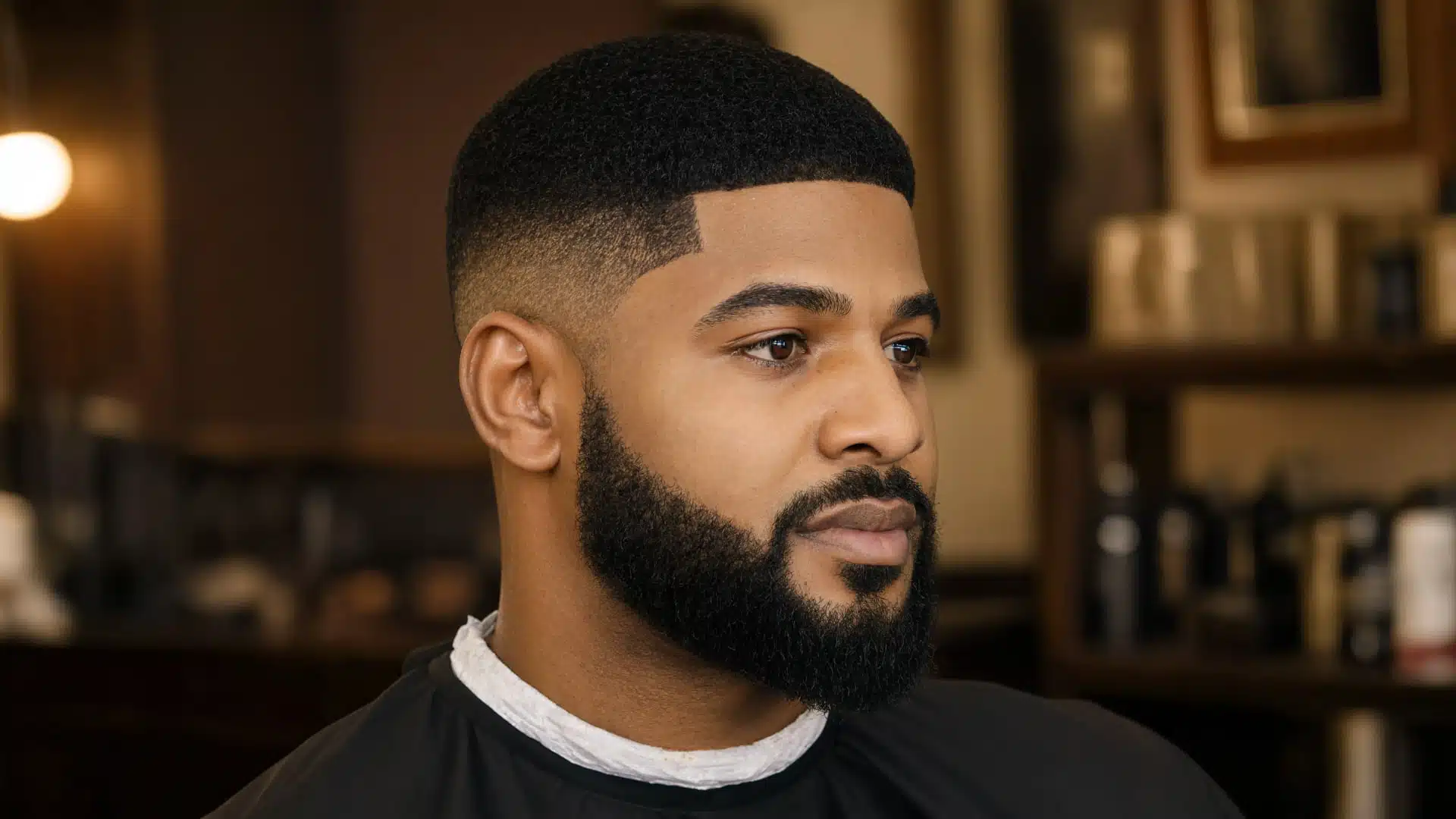
Pairing a Caesar cut with a well-groomed beard creates one of the most balanced looks in men’s grooming.
The low taper fade on the sides blends cleanly into the beard line, connecting the haircut and facial hair into a single cohesive shape.
A medium beard works best here. Keep both the fringe and beard line sharp at every barber visit. The combination suits square and oval face shapes especially well.
13. Caesar with 360 Waves
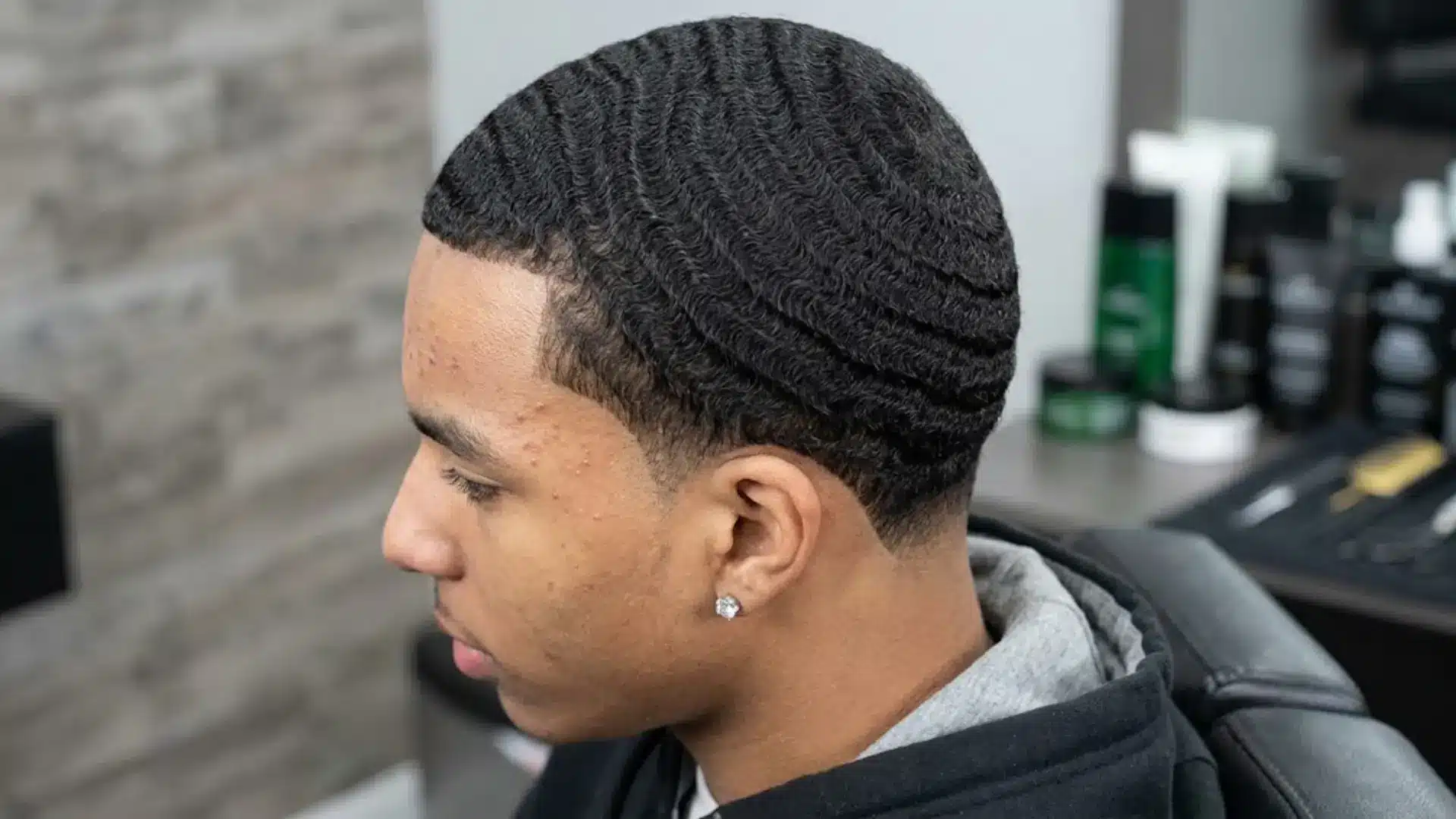
The Caesar with 360 waves is one of the most precise and polished variations of the cut.
The wave pattern across the top adds texture and dimension that no product alone can replicate. A sharp fade on the sides and a clean-lined fringe at the front complete the look.
Consistent brushing and a wave cap during sleep are essential to maintaining the pattern between barber appointments.
14. Long Fringe Caesar

The long fringe Caesar pushes the traditional fringe further down, sometimes reaching the brow or just below it.
The effect is more editorial and fashion-forward than the classic version, with a slightly moody, intentional feel.
It works well with medium-length tops and suits oval and oblong face shapes most naturally.
Use a light-hold product to keep the fringe in place without making it look stiff or overly groomed.
15. Skin Fade Caesar
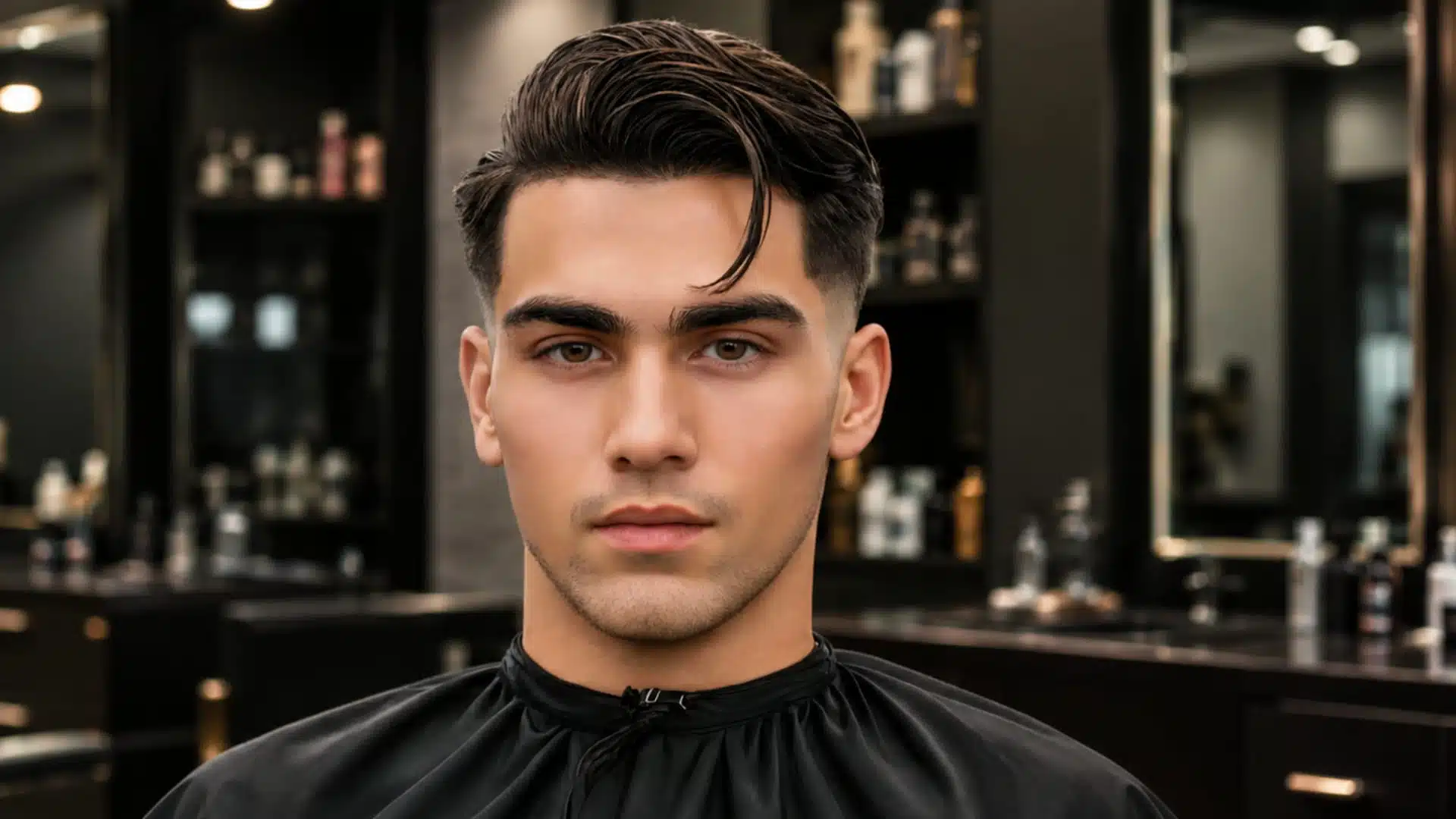
The skin fade Caesar is the sharpest and most high-contrast version of the cut.
The sides taper all the way down to bare skin, creating a bold, clean line that makes the textured top stand out even more.
It looks striking but requires consistent upkeep, ideally a visit to a barber every two to three weeks.
Best suited to men who like a strong, defined silhouette and are comfortable with regular maintenance.
16. Caesar French Crop Hybrid

The Caesar French crop hybrid sits between two of the most popular short men’s cuts.
It keeps the forward fringe of the Caesar while borrowing the softer, textured crop finish of the French crop.
The result is a clean, contemporary look with natural movement on top and a fade that blends without drama.
It suits most hair types and works particularly well for men with fine to medium hair who want shape without bulk.
17. Buzz Cut Caesar
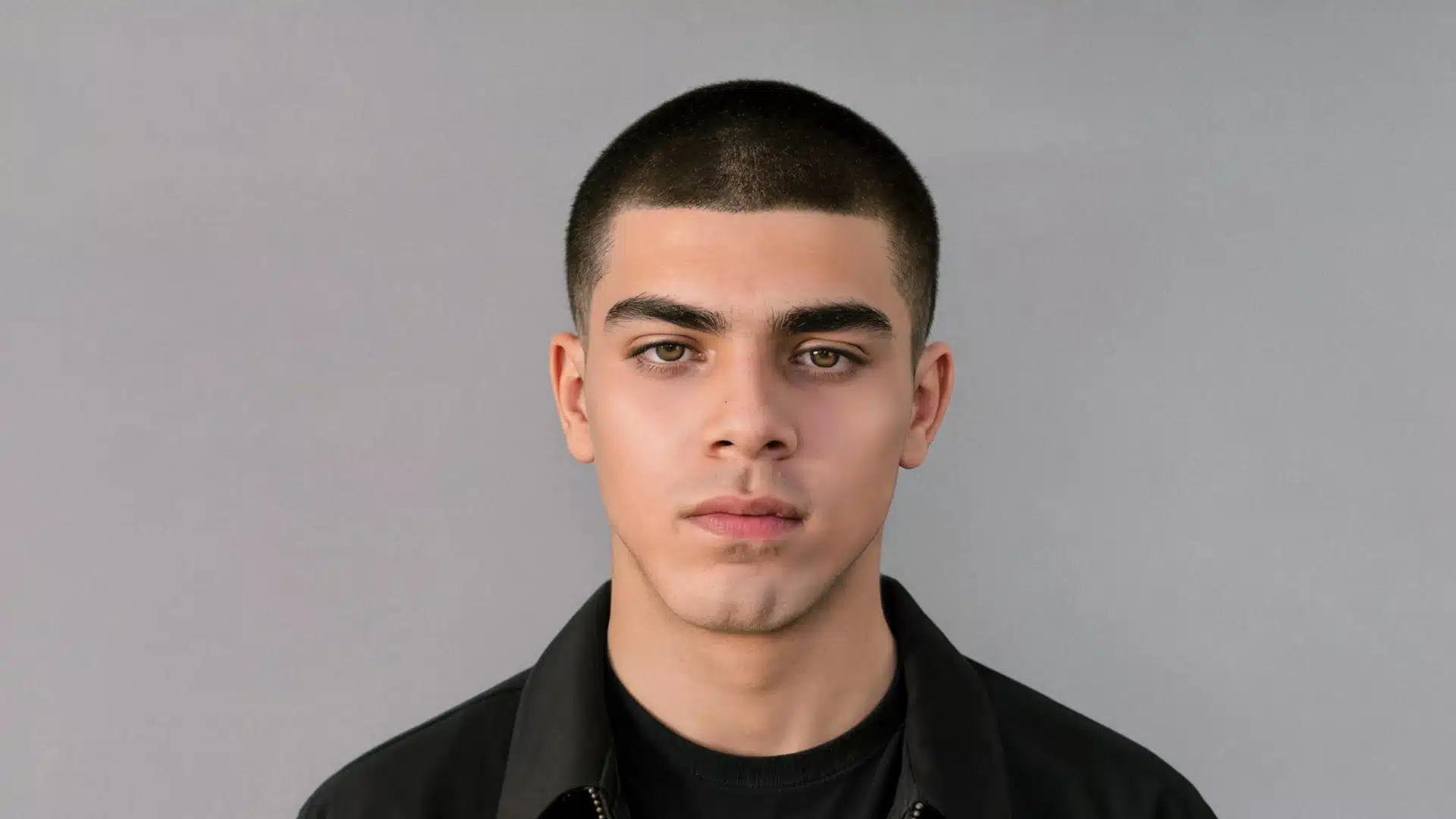
The buzz cut Caesar keeps nearly everything the same short length, with just a minimal hint of fringe at the front to hold the Caesar identity.
It is the lowest-maintenance version of the cut and suits men who want a clean, no-fuss style that still carries some shape.
It works especially well in warm climates and for men with an active lifestyle. Style requires nothing more than a quick brush forward.
Which Caesar Cut Men’s Style Suits Your Face Shape?
Face shape is a practical filter when choosing between Caesar variations. The wrong fade height or fringe length can make a face look wider or shorter.
The best men’s haircuts guide covers face-shape logic across a wider range of styles.
| Face shape | Best Caesar variation | Why it works |
|---|---|---|
| Oval | Any variation | Balanced proportions suit most cuts |
| Round | High fade or textured top with height | Adds length, reduces width |
| Square | Low or mid taper, soft fringe | Softens the jaw without losing structure |
| Oblong | Long fringe or classic with fuller sides | Creates width, balances length |
| Heart | Mid fade, medium fringe | Narrows the forehead, balances the top third |
| Diamond | Mid fade with textured top | Adds width at the crown, balances the narrow forehead and chin |
How to Style a Textured Caesar Cut?
Styling a Caesar cut takes two to four minutes once you know the sequence. Here is what works across most variations:
- Damp Hair: Start with towel-dried hair so the strands move easily and hold shape without becoming stiff.
- Texture Spray: Apply texture spray through the top to add grip, volume, and a natural finish before drying.
- Forward Blow-Dry: Blow-dry hair forward on medium heat, guiding the fringe toward the forehead with fingers or a comb.
- Matte Clay: Use a small amount of matte clay to define the top and fringe without making hair look greasy.
- Fringe Control: Adjust the fringe with fingertips, then let it set briefly so the shape stays clean.
- Curly Hair: Use curl cream and a diffuser to keep natural texture while still shaping the Caesar fringe forward.
Conclusion
The Caesar cut stays popular because it solves real problems without asking much in return.
It covers a receding hairline without drama, gives structure to men who prefer low-effort grooming, grows out cleanly, and takes about two minutes to style on a regular morning.
The textured version keeps it feeling current without turning it into a daily routine.
All styles above cover the full range, from clean and traditional to bold and fashion-forward. There is a version here for most face shapes, hair types, and lifestyles.
Which one caught your attention? Drop it in the comments below.
Frequently Asked Questions
Is a Caesar Cut the Same as a Buzz Cut?
No. A buzz cut clips everything to near-uniform length with no fringe. A Caesar always keeps a forward-brushed fringe at the front. Even the buzz cut Caesar retains a minimal fringe, a standard buzz cut does not have.
Can a Caesar Cut Work on Curly or Afro-Textured Hair?
Yes. The barber fades the sides short while leaving the natural curl or wave on top. The fringe is shaped to suit the curl. The Caesar with 360 waves and the curly Caesar are built specifically for textured hair types.
How Long Does Hair Need to Be to Get a Caesar Cut?
At least one inch on top. Two inches give more styling flexibility. If shorter, a barber will suggest waiting a few weeks first.