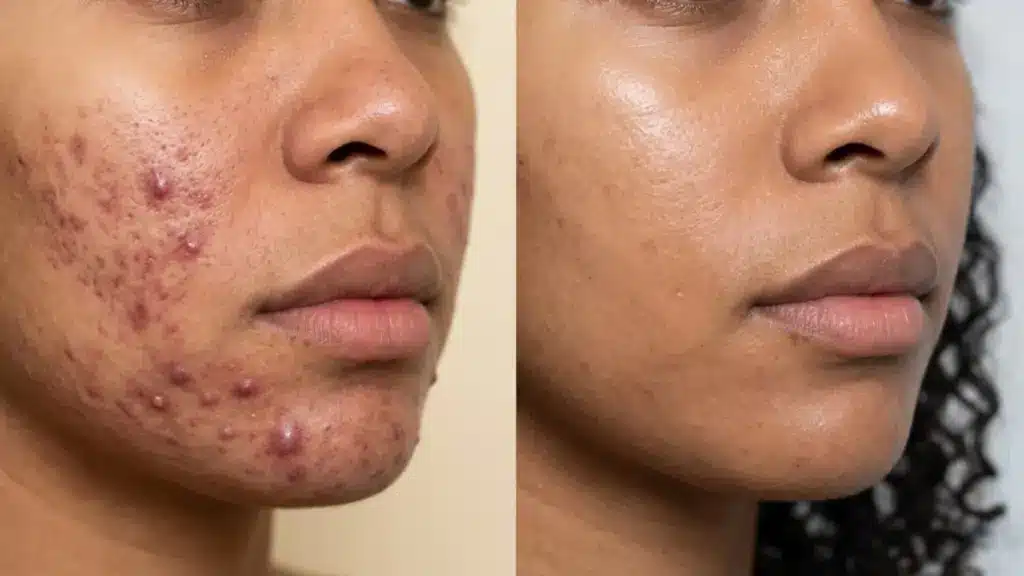
How Long to stay on Spironolactone for Acne Safely is something many people try to figure out once they start seeing changes. It is easy to feel hopeful early on, but timelines are often unclear.
Spironolactone is commonly used for hormonal acne, especially in women. It works by lowering androgens that lead to breakouts around the jawline, chin, and cheeks.
The changes do not happen overnight, and that can feel slow at times. This treatment is not a quick fix. Skin may start to improve, but stopping too early can cause acne to come back.
Many people see clearer skin and assume they are done, even though the hormonal trigger is still active underneath.
That is why knowing the right timing to continue or taper this treatment becomes an important part of maintaining long-term skin clarity. The right duration depends on how your skin responds and what your doctor suggests over time.
What is Spironolactone and How Does It Work for Acne?
Spironolactone is a prescription drug that was first used to treat high blood pressure and fluid buildup. Over time, it became popular for acne because of how it affects hormones.
I find it interesting how one medicine can serve different purposes. It works by blocking androgen receptors in the skin.
These hormones can increase oil production, which leads to clogged pores and breakouts. By reducing this effect, the skin produces less oil over time.
This is why it is often used for hormonal acne. Breakouts along the jawline and chin are common signs, especially when linked to the menstrual cycle.
Spironolactone also limits the effect of DHT, a strong androgen that triggers excess oil, and this same mechanism is why it’s also explored for hair growth and shedding concerns.
It is usually prescribed to adult women, especially when other treatments have not worked or when conditions like PCOS are involved.
How Long to Stay on Spironolactone for Acne Safely?
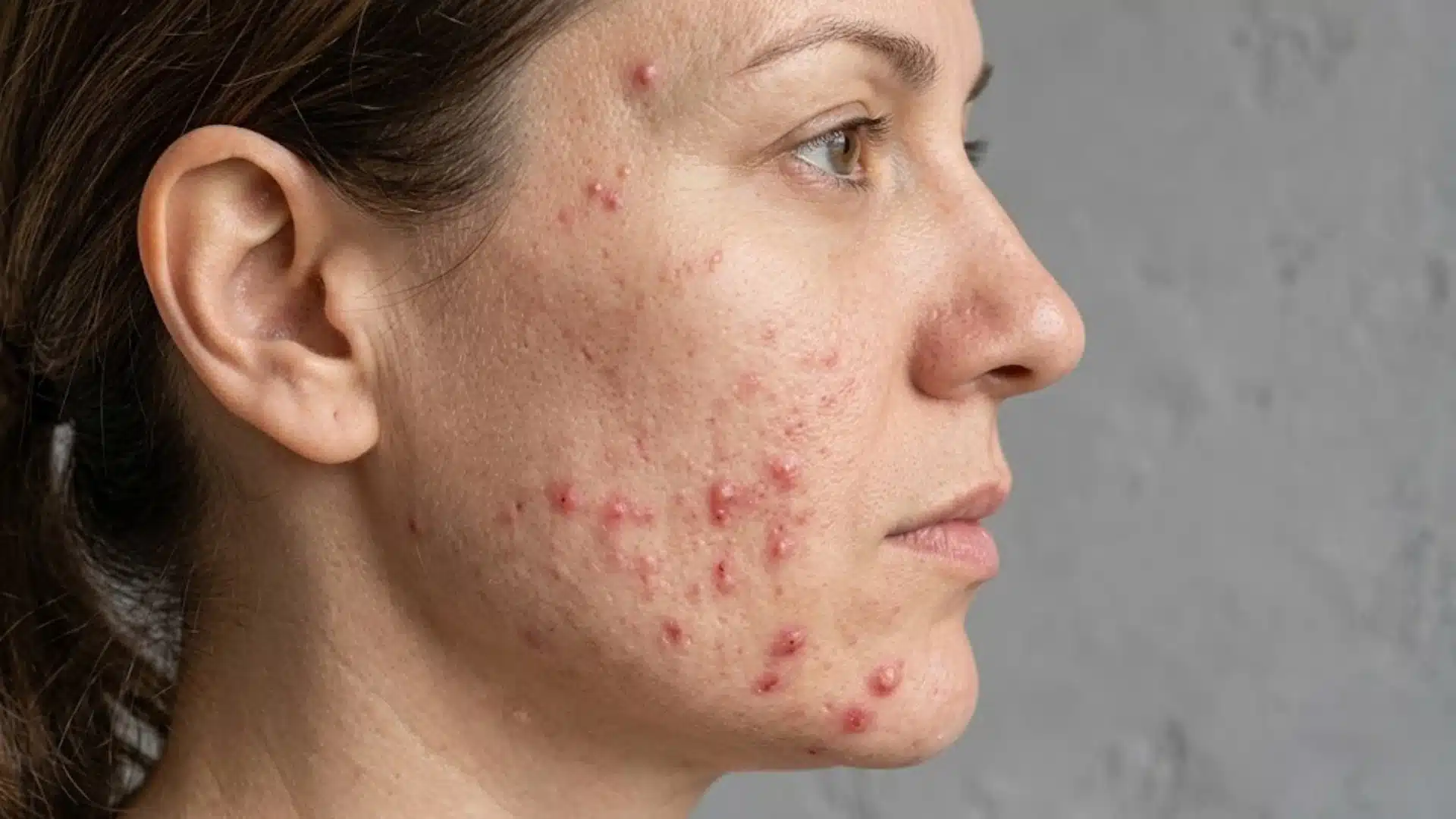
Most people stay on spironolactone for six months to a few years. The exact timeline depends on how the skin responds and what the doctor advises.
Hormonal acne takes time to settle. The medication works by keeping hormone levels steady, not just clearing one breakout. That is why results build slowly.
I often notice people stop around the three-month mark when their skin starts to look clear. This phase is sometimes called a false clear, and real user experiences show that this is one of the most common turning points where people either push through or quit too soon.
Doctors usually suggest staying on it for at least six months before reviewing progress. Many continue for one to three years, especially when acne is linked to ongoing hormonal issues.
Factors That Affect How Long You Need It
Several key factors shape how long spironolactone treatment lasts, from acne severity and hormone levels to dosage, body response, and supporting treatments used alongside it.
1. Severity of Acne
The level of acne plays a key role in deciding how long treatment will last and how much consistency is needed.
Mild hormonal acne usually needs a shorter course, often around six to twelve months. Severe or cystic acne takes longer to settle.
This is because deeper inflammation and higher oil production need more time to regulate. In such cases, treatment can extend to one to three years before results fully stabilize.
2. Hormonal Imbalance Level
Underlying hormone issues can extend treatment time, especially when conditions like PCOS are involved and need ongoing management.
When acne is driven by a strong hormonal imbalance, it rarely clears quickly. Conditions like PCOS often require longer use because androgen levels stay elevated.
Many people fall into a one to two-year range before considering stopping. Doctors may also track hormone levels through tests to decide when it is safe to taper.
3. Dosage Prescribed
The amount prescribed affects how quickly the skin responds and how the body adjusts to the medication over time.
Most treatments begin between 50 and 100 mg daily, with gradual increases if needed. Higher doses can lead to faster improvement, but they may also increase side effects.
Studies suggest doses above 100 mg do not add much benefit for acne. Because of this, doctors adjust slowly based on how the skin reacts.
4. Body Response to the Medication
Individual response varies widely, which is why timelines differ even when people follow similar treatment plans.
Some people notice visible changes within three months, while others may take six months or more. Factors like genetics, stress, and hormone sensitivity all influence results.
I have seen cases where progress feels slow at first but improves steadily later. Regular follow-ups help track this and guide any needed adjustments early on.
What Happens When You Stop: The Rebound Reality
This is the part many people overlook, even though it matters the most when thinking about stopping treatment.
Spironolactone does not cure acne. It works by controlling hormone activity while you are on it. Once you stop, androgen levels slowly return to their natural state.
If those hormones were the cause of the breakouts, acne can come back. In most cases, recurrence shows up within three to six months after stopping.
Some people may even notice breakouts within two to four weeks, especially if the medication is stopped suddenly.
That is why stopping without a plan can undo progress. Gradual tapering, under a doctor’s guidance, helps reduce the risk of rebound acne.
Signs It May Be Time to Stop
Deciding when to stop spironolactone should always involve your doctor, but these signs can guide a more informed and confident discussion.
- Acne is consistently stable: Skin remains clear for months, with no new breakouts even during hormonal changes, such as the menstrual cycle.
- Hormone levels are balanced: Blood tests show androgen levels are normal and no longer contributing to excess oil or breakouts.
- Your doctor recommends tapering: After reviewing progress, your dermatologist suggests gradually reducing the dosage instead of stopping suddenly to observe skin response.
- Skin stays clear with a reduced dose: Lowering the dose does not trigger breakouts, suggesting the body may no longer need full treatment.
- Life stage change: If planning pregnancy, the medication must be stopped in advance, with guidance on safer acne treatment options.
Tips to Use Spironolactone Safely
Using spironolactone the right way is not just about taking it daily; it also depends on consistency, monitoring, and small adjustments over time.
- Stick to your prescribed dose and timing: Take it at the same time daily for steady results, and avoid changing the dose without medical advice.
- Schedule regular check-ins: Early follow-ups every four to six weeks help track progress, monitor side effects, and adjust treatment based on how your skin responds.
- Do not stop suddenly without a plan: Always speak with your doctor before stopping, especially if you notice dizziness or low blood pressure symptoms.
- Watch your potassium intake: Avoid supplements and limit high potassium foods, as the medication already increases potassium levels in the body.
- Pair it with a simple skincare routine: Use gentle products and sunscreen, as skin may become drier and more sensitive while oil production decreases.
Conclusion
Spironolactone works best when it is treated as part of a guided plan, not something managed alone.
People who see steady results usually stay consistent and keep regular contact with their doctor instead of making quick decisions based on short-term changes.
Understanding how long to stay on spironolactone for acne safely comes down to patience, proper timing, and medical guidance.
Skin may look better early, but that does not always mean the underlying cause is fully controlled. Sticking with the plan helps avoid setbacks.
If there is a life change coming up or progress feels steady, it is always worth discussing the next step with a doctor.
Have you tried spironolactone and noticed changes over time? Share your experience in the comments below.
Frequently Asked Questions
Can You Drink Alcohol While Taking Spironolactone for Acne?
Alcohol is not strictly banned, but it can increase side effects like dizziness or low blood pressure. Since spironolactone already affects fluid balance, combining both may make you feel lightheaded.
Does Spironolactone Cause Weight Gain or Weight Loss?
Most people do not experience major weight changes. Some may notice slight water weight shifts because it acts as a diuretic. Any noticeable change is usually mild and temporary rather than actual fat gain or loss.
Can You Take Spironolactone with Other Acne Medications?
Yes, it is often combined with other treatments like topical creams or birth control pills. This can improve results, but combinations should always be guided by a doctor to avoid irritation or unwanted side effects.