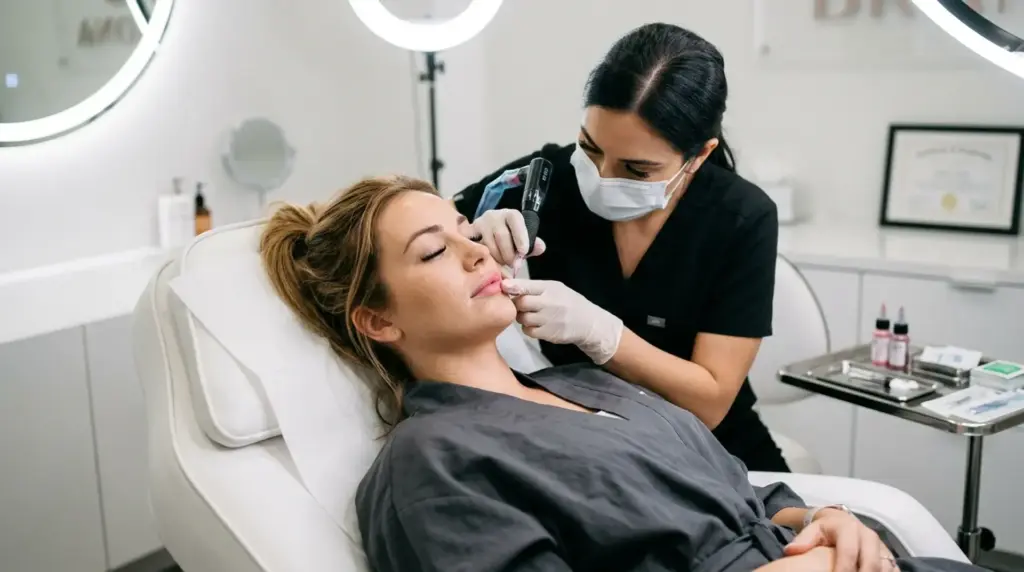
Ever wished lip color could stay on all day without touch-ups, smudging, or constant reapplication?
That is exactly why permanent lip color has become one of the most talked-about beauty treatments right now.
Permanent lip color, often called permanent makeup lips, is a cosmetic procedure that places pigment into the lips to enhance natural color, shape, and definition.
Instead of applying lipstick every morning, lips maintain a soft, natural tint that looks fresh throughout the day.
Many beauty clinics now offer a range of lip pigmentation techniques to achieve subtle, natural-looking results.
However, the treatment is not only about choosing a shade. Understanding the healing process, aftercare, and the types of permanent lip color treatments available is just as important.
This blog breaks down how permanent lip color works, what to expect during healing, and the options available before booking a session.
What Is Permanent Lip Color and How Does It Work?
Permanent lip color is a cosmetic tattoo procedure that places pigment into the upper layers of the lips using a specialized device.
The goal is not to create a bold lipstick effect but to enhance the natural tone of the lips in a subtle, natural way.
Many people choose permanent lip color to restore lost color, enhance lip definition, or balance uneven lip tones.
During the treatment, a trained technician carefully deposits pigment across the lips to create a soft tint that blends with the natural lip shade.
The result is a more even lip tone and a slightly fuller appearance without the need for daily lipstick.
Permanent lip color is designed to look lightweight and natural. Instead of heavy makeup, the lips appear gently flushed, fresh, and well-defined throughout the day.
Despite the name, permanent lip color is technically semi-permanent. The pigment fades gradually over one to three years as the skin naturally renews itself, which is why periodic touch-up sessions are needed to maintain the result.
This is different from a traditional body tattoo, which uses deeper ink deposits designed to last decades. The pigments used in cosmetic lip treatments are formulated to fade more softly and evenly over time.
It is also worth noting that permanent lip color enhances rather than replaces lipstick entirely. Most clients still apply a gloss or lip balm over the tint for occasions where they want added shine or a slightly bolder color.
The treatment provides a polished baseline that makes daily lip maintenance much faster and easier, not necessarily a full substitute for all lip products.
What Is Permanent Makeup for Lips?
Permanent makeup for lips sits within a broader category of cosmetic tattooing treatments that use pigment to enhance natural facial features with long-lasting results. Lip treatments specifically focus on color, definition, and tone correction.
Permanent makeup also includes other services designed to enhance different areas of the face.
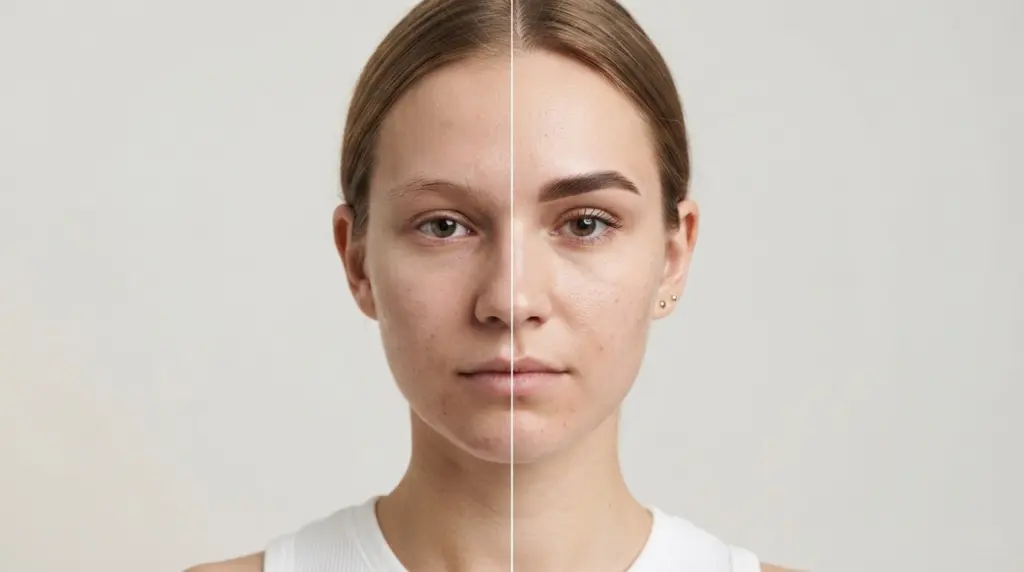
Popular options include permanent eyebrows for fuller brows, eyeliner enhancement to define the eyes, and permanent blush to add a soft flush to the cheeks.
These treatments use specialized pigments to create subtle, natural-looking results that help reduce the need for daily makeup.
Permanent Makeup Services Available in Beauty Clinics
These services focus on subtle, long-lasting results that improve definition, balance, and overall appearance.
1. Permanent Eyebrows
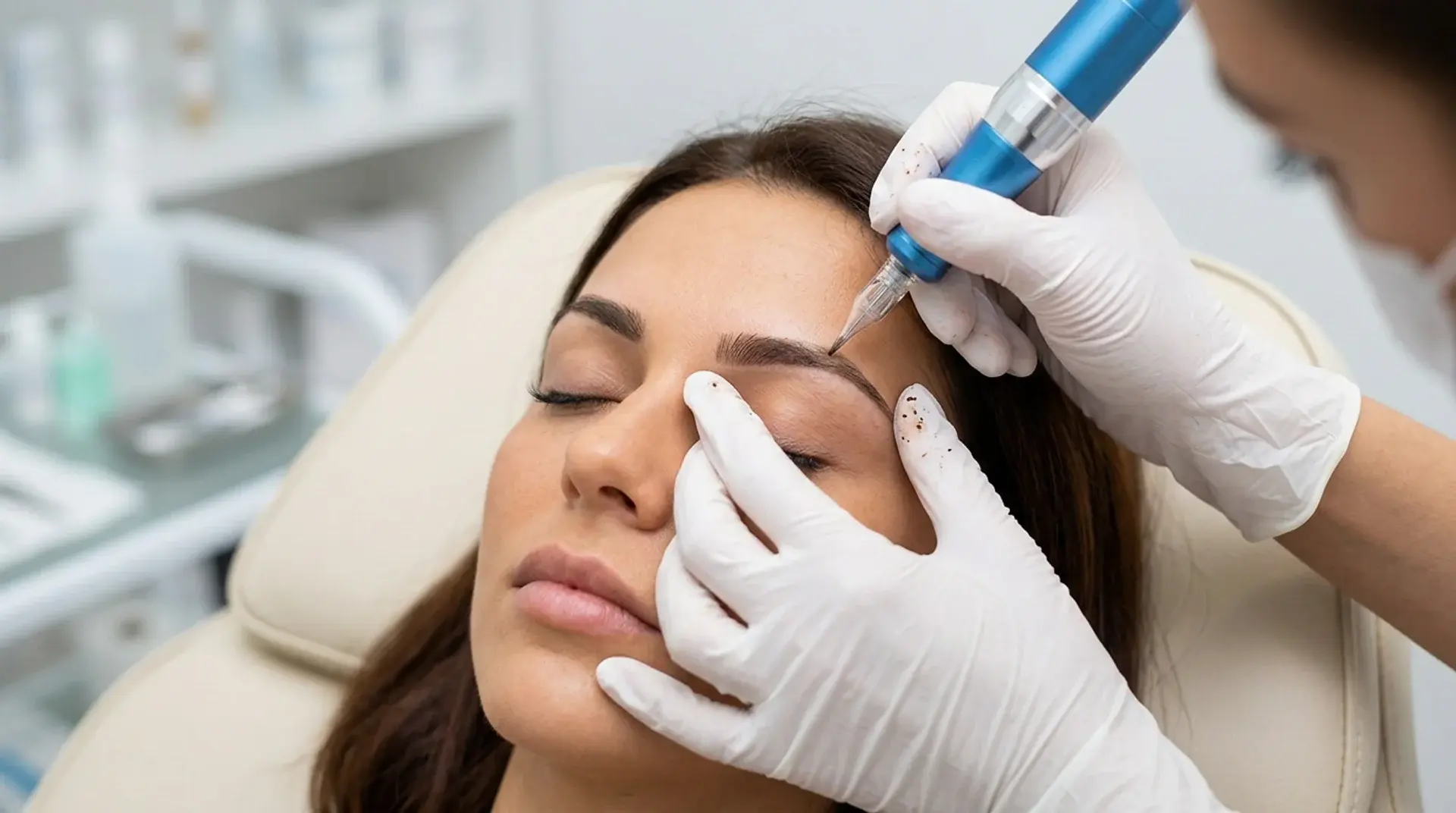
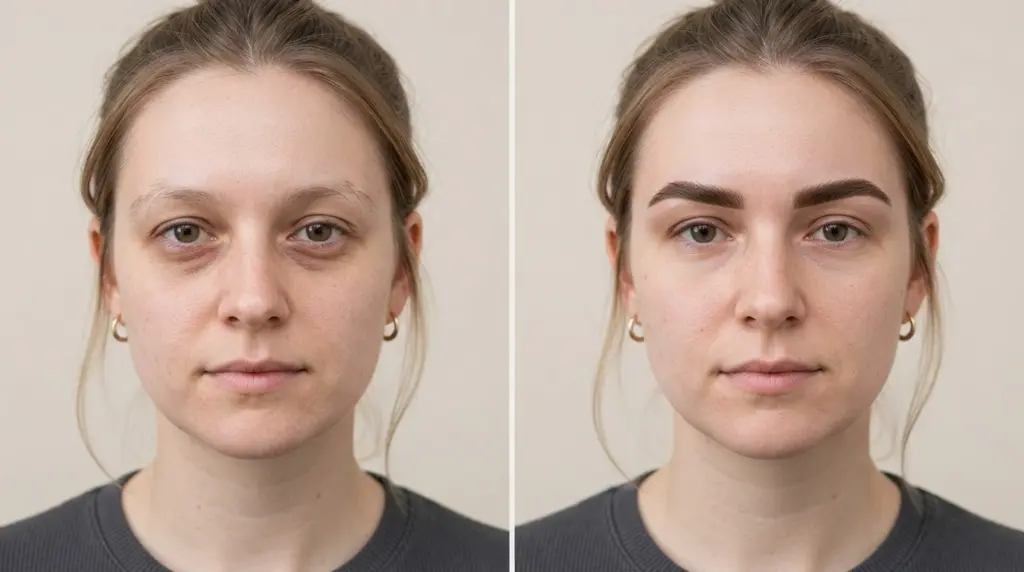
Permanent eyebrows involve placing pigment into the brow area to improve shape, fullness, and symmetry.
Techniques such as microblading or powder brows are commonly used to create either fine hair-like strokes or a soft, filled look.
This treatment is ideal for individuals with sparse, uneven, or overplucked brows. It helps restore a natural brow structure and reduces the need for daily brow makeup.
2. Eyeliner Enhancement
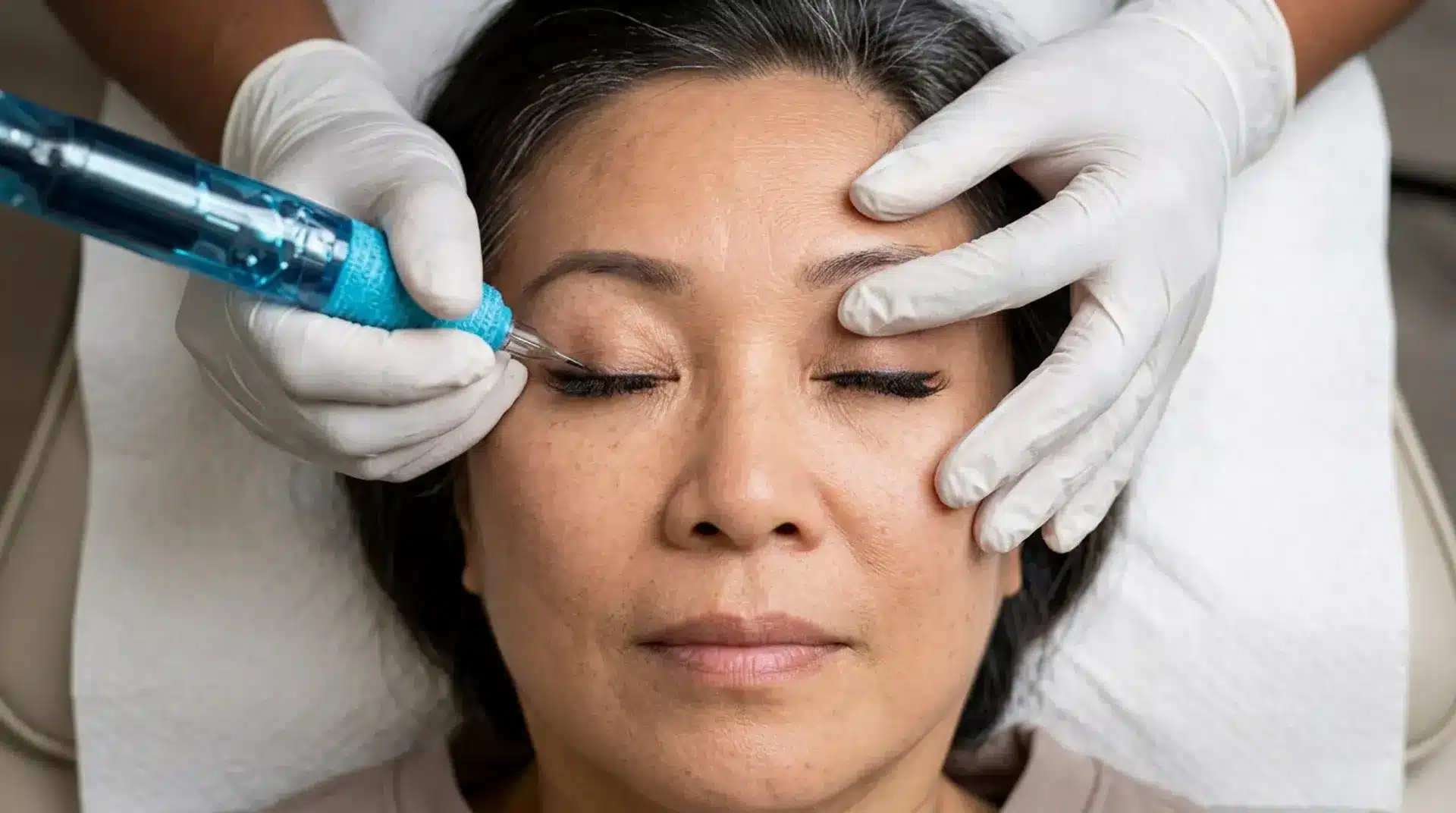
Eyeliner enhancement places a thin line of pigment along the lash line to define the eyes. The goal is to create a subtle, natural effect that makes the lashes appear fuller without looking like heavy makeup.
This treatment is especially helpful for people who struggle with applying eyeliner daily or want a consistent look.
It can enhance eye shape and make the eyes appear more defined while maintaining a soft, everyday appearance.
3. Permanent Blush
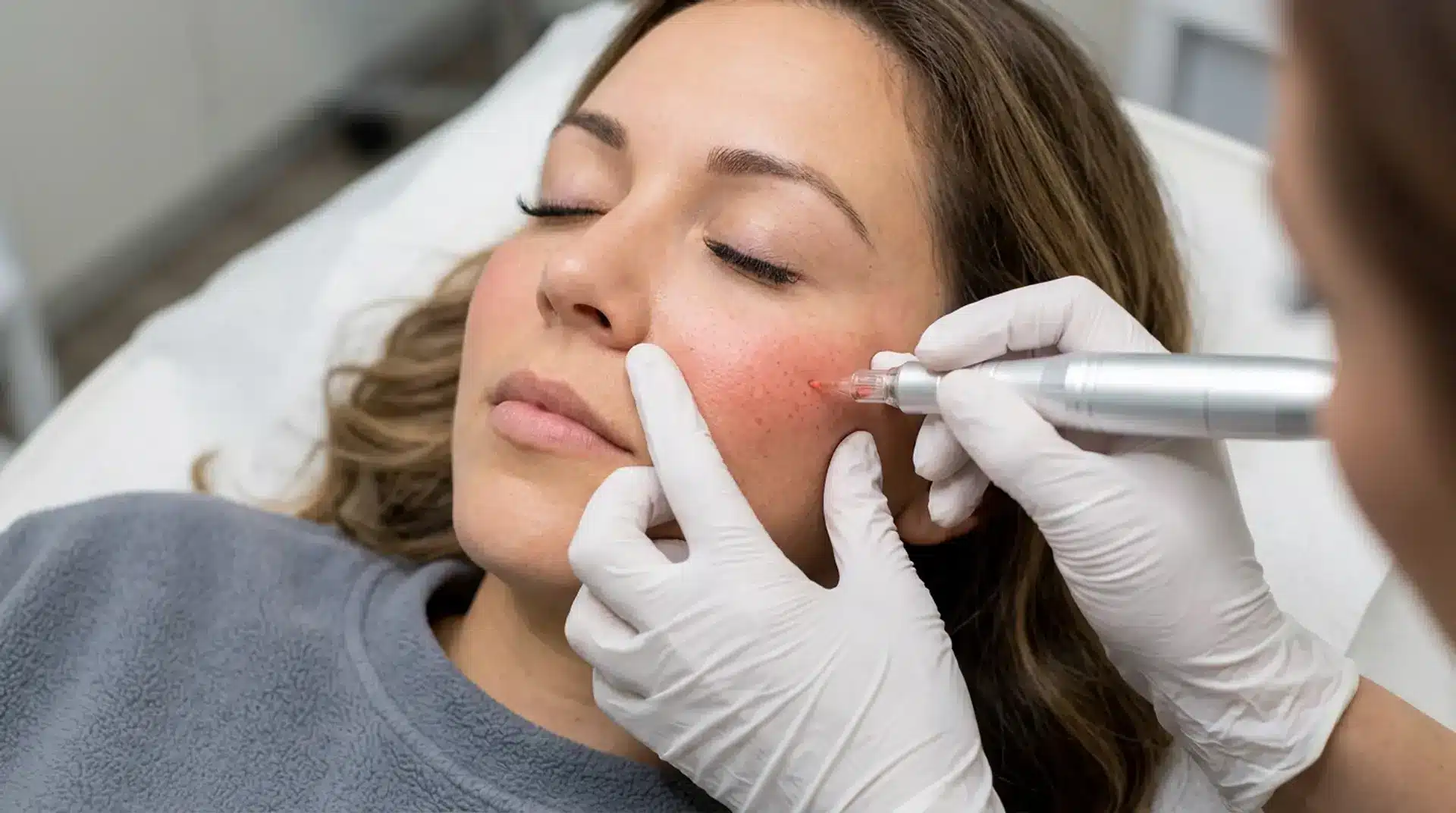
Permanent blush involves depositing pigment into the cheek area to create a soft and natural flush.
This treatment is designed to give the face a healthy, fresh appearance without the need for daily blush application.
The pigment is blended carefully to match the skin tone and avoid harsh lines. It is a suitable option for individuals who want a consistent glow and a more balanced complexion throughout the day.
4. Face Contour Pigmentation
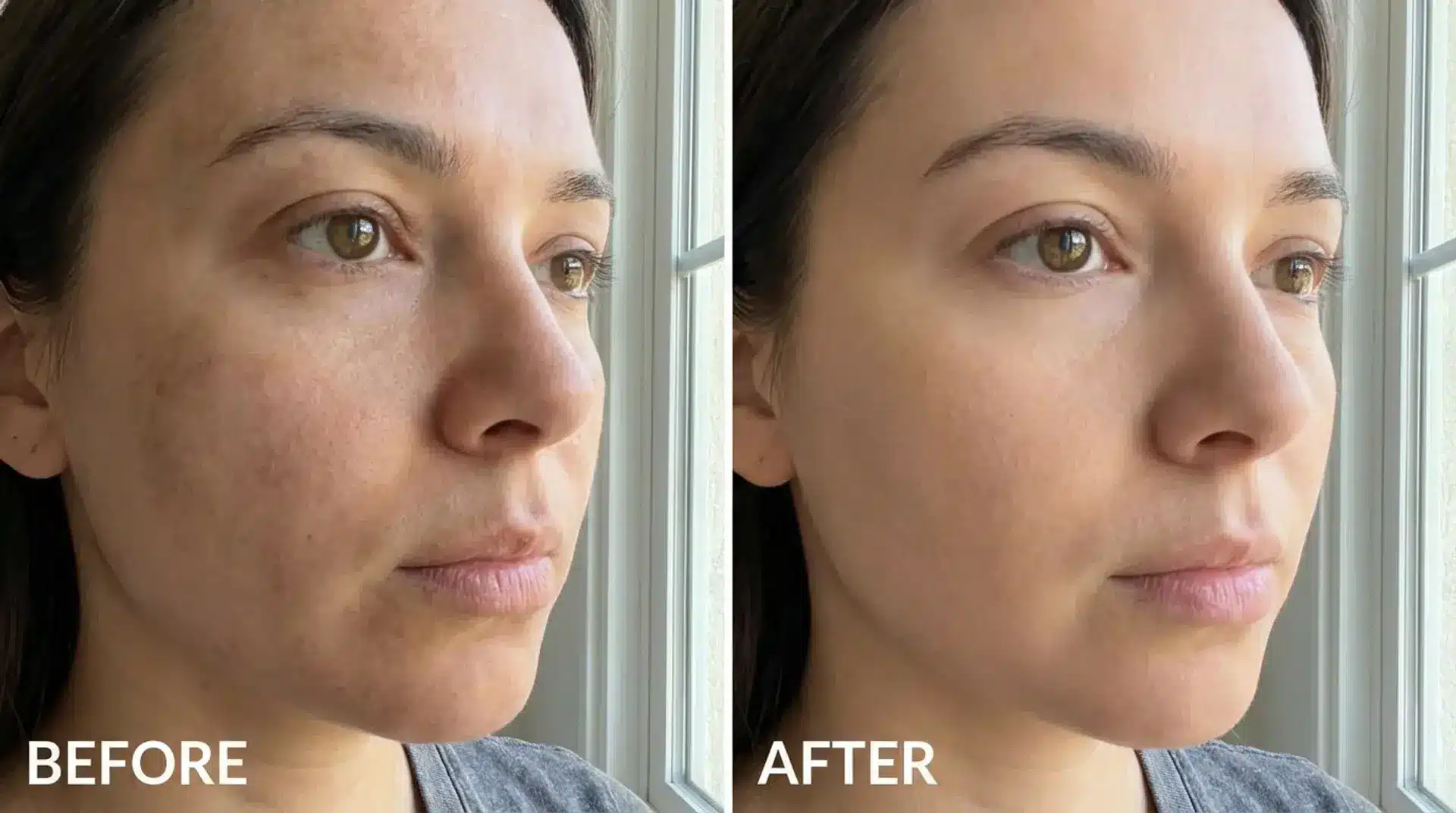
Face contour pigmentation uses shading techniques to enhance facial structure and definition.
Pigment is applied strategically to areas of the face to create the appearance of natural contour. This can help define cheekbones, jawline, or other facial features.
The result is subtle and blends with the natural skin tone. This treatment is chosen by individuals who want a more sculpted look without using daily contour makeup products.
5. Beauty Marks or Freckles
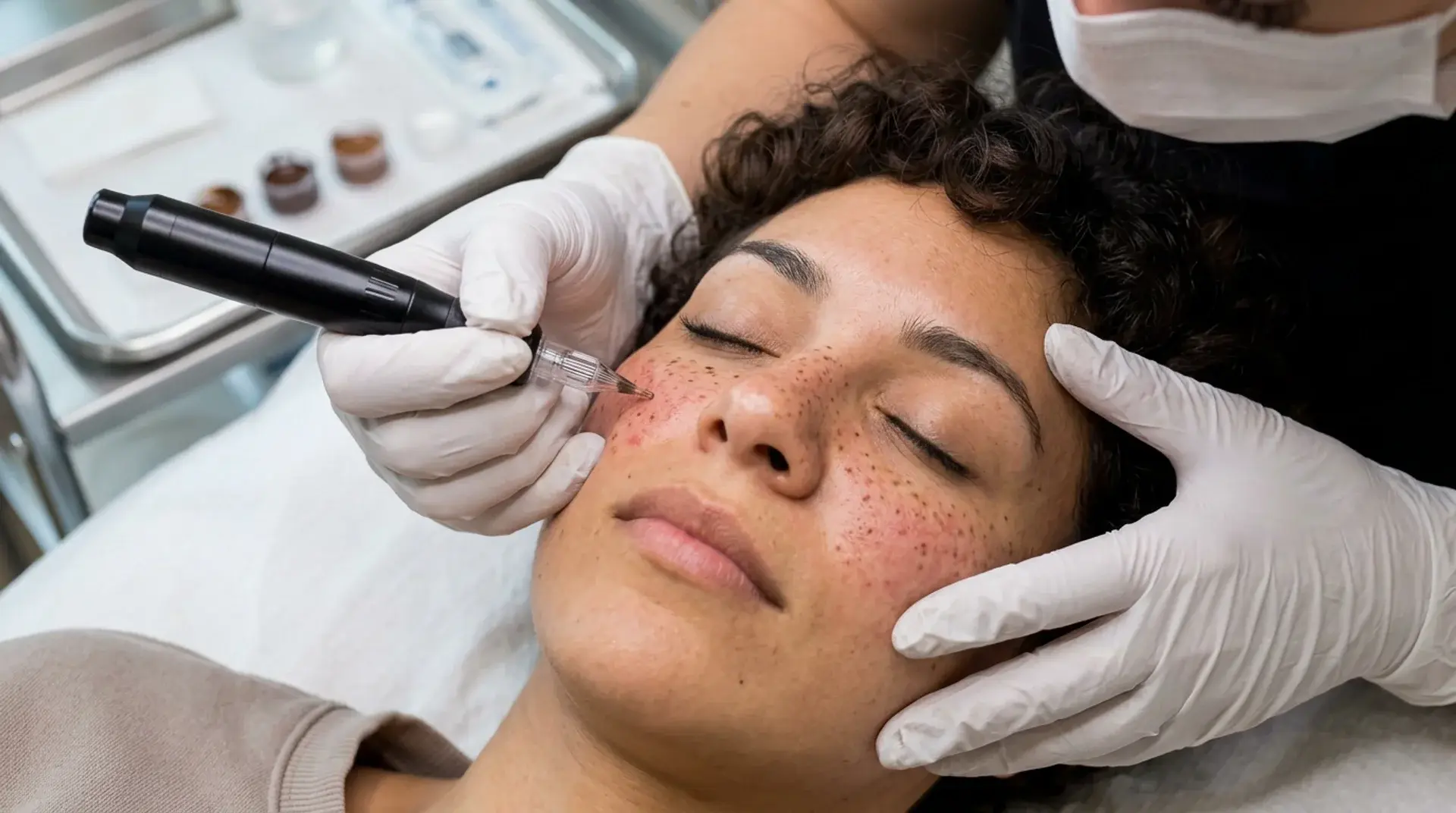
Cosmetic tattooing can also create natural-looking freckles or beauty marks to enhance facial features. These are carefully placed to suit the person’s skin tone and facial structure.
The goal is to achieve a soft, realistic appearance rather than an artificial one. Freckles can add a youthful, fresh vibe, while beauty marks can highlight specific facial areas.
This treatment is often chosen for its trendy, personalized aesthetic.
Types of Permanent Lip Color Treatments Available
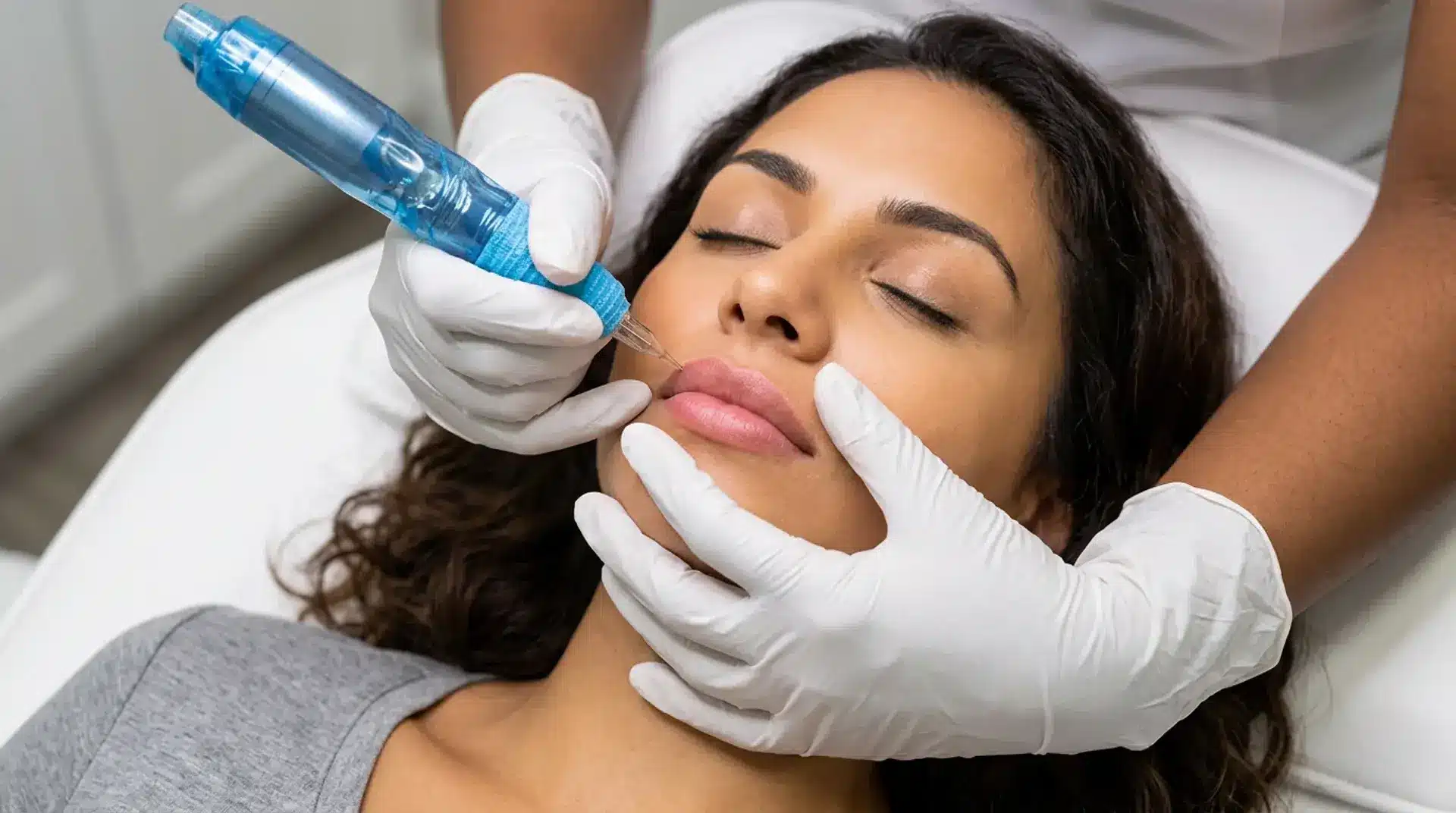
Beauty clinics offer several permanent lip color techniques designed to create different lip effects. Each method focuses on improving lip tone, correcting uneven pigmentation, or enhancing lip shape.
1. Lip Blush
Lip blush is a cosmetic tattoo technique that deposits a light layer of pigment across the lips to enhance the natural lip tone.
The goal is to create a soft-tinted effect rather than a heavy lipstick look. This treatment helps lips appear more even in color and slightly fuller.
It is popular because it provides a natural finish while improving lip definition. Many clients choose lip blush to restore color lost due to aging or naturally pale lips.
2. Lip Neutralization
Lip neutralization is designed for people with darker or uneven lip pigmentation. Some lips naturally have brown, purple, or uneven tones that can affect the final lip color result.
In this treatment, a specialist uses corrective pigments to balance and neutralize the darker areas before applying a desired shade.
The process helps create a more uniform base tone across the lips. Once the color becomes balanced, additional sessions can add a natural tint that looks even and smooth.
3. Lip Contour Tattoo
A lip contour tattoo focuses on enhancing the outline of the lips. During this procedure, pigment is carefully placed along the natural lip border to define the edges and improve symmetry.
This technique helps create a clearer lip shape, especially for people whose lip borders have faded over time.
A well-defined lip contour can make the lips appear slightly fuller and more structured without adding filler. The color used is usually close to the natural lip shade for a subtle result.
4. Full Lip Color Treatment
Full lip color treatment places pigment across the entire lip surface to create a more noticeable color result.
Unlike lip blush, which aims for a soft tint, this treatment produces a stronger color that resembles a light lipstick finish.
It is often chosen by people who want consistent lip color without daily lipstick use.
The technique helps improve uneven tone and gives the lips a polished appearance. The final result still looks natural but provides more visible color coverage.
5. Kissed Lips Technique
The Kissed Lips technique is a more advanced approach that creates a dimensional, just-been-kissed appearance.
The deepest pigment concentration sits at the center of the lips and gradually fades toward the edges using shadow and highlight placement.
The result mimics the natural flush that lips develop when slightly pressed together, creating a plump, alluring look that reads as effortlessly natural.
This technique uses a color palette that closely mirrors the individual’s natural lip and skin tones rather than an artificial shade.
6. Watercolor Lip Technique
The Watercolor Technique, sometimes called the aquarelle method, applies pigment without defined contour lines, using a soft blended fill across the entire lip surface.
The result is a diffused, almost translucent color effect that looks like a soft wash of tint rather than a drawn lip shape.
This technique is well-suited for people who want a very natural, barely-there result and who are cautious about hard lines or overly defined borders.
Who is a Good Candidate for Permanent Lip Color
Permanent lip color can be a suitable option for individuals who want to enhance the natural lip appearance without daily makeup.
People with pale lips often choose this treatment to add a soft tint that makes the lips look healthier and more vibrant.
It can also benefit those with uneven lip tone, where certain areas appear darker or lighter than others.
Many individuals experience a gradual loss of natural lip color as they age. Permanent lip color helps restore a balanced tone and improve lip definition.
It is also a practical choice for people who prefer a low-maintenance beauty routine and want their lips to look naturally tinted throughout the day without constant lipstick application.
Who Should Avoid Permanent Lip Color
Permanent lip color is not suitable for everyone. Certain medical conditions, skin characteristics, and circumstances make the treatment inadvisable or require prior medical clearance.
- Active cold sores or history of herpes simplex: Lip tattooing can trigger a herpes simplex outbreak, even in people who have not had a visible cold sore in years. Anyone with a history of cold sores should consult a doctor before booking and may need to take antiviral medication before and after the procedure as a precaution.
- Pregnancy or breastfeeding: Cosmetic tattooing procedures are not recommended during pregnancy or while breastfeeding due to limited safety data and infection risk.
- Blood-thinning medications: Medications such as aspirin, warfarin, or certain supplements can increase bleeding during the procedure, which affects pigment retention and healing.
- Keloid scarring tendency: People who are prone to raised or keloid scars may experience adverse scarring at the treatment site.
- Active skin conditions on or near the lips: Eczema, psoriasis, or rosacea in the lip area can interfere with healing and pigment retention.
- Very recent lip filler: Most technicians recommend waiting at least four weeks after lip filler injections before receiving permanent lip color, as the filler can affect the lip shape and pigment placement.
Always disclose any medical history or medications to the technician during the consultation so they can advise whether the procedure is appropriate and whether any precautions are needed.
What Happens During a Permanent Lip Color Appointment
A permanent lip color appointment usually begins with a consultation. During this step, the technician examines the natural lip tone, discusses desired results, and explains the treatment process.
This helps determine the most suitable pigment shade and technique for the client.
After the consultation, the specialist helps select a lip color that complements the natural lip shade and skin tone. A topical numbing cream is then applied to the lips to reduce discomfort during the procedure.
Once the lips are prepared, the technician uses a specialized cosmetic tattoo device to deposit pigment into the upper layers of the lips.
The process is done gradually and carefully to ensure even coverage and natural-looking results. Most permanent lip color sessions typically take around two to three hours to complete.
Permanent Lip Color Healing Process Explained
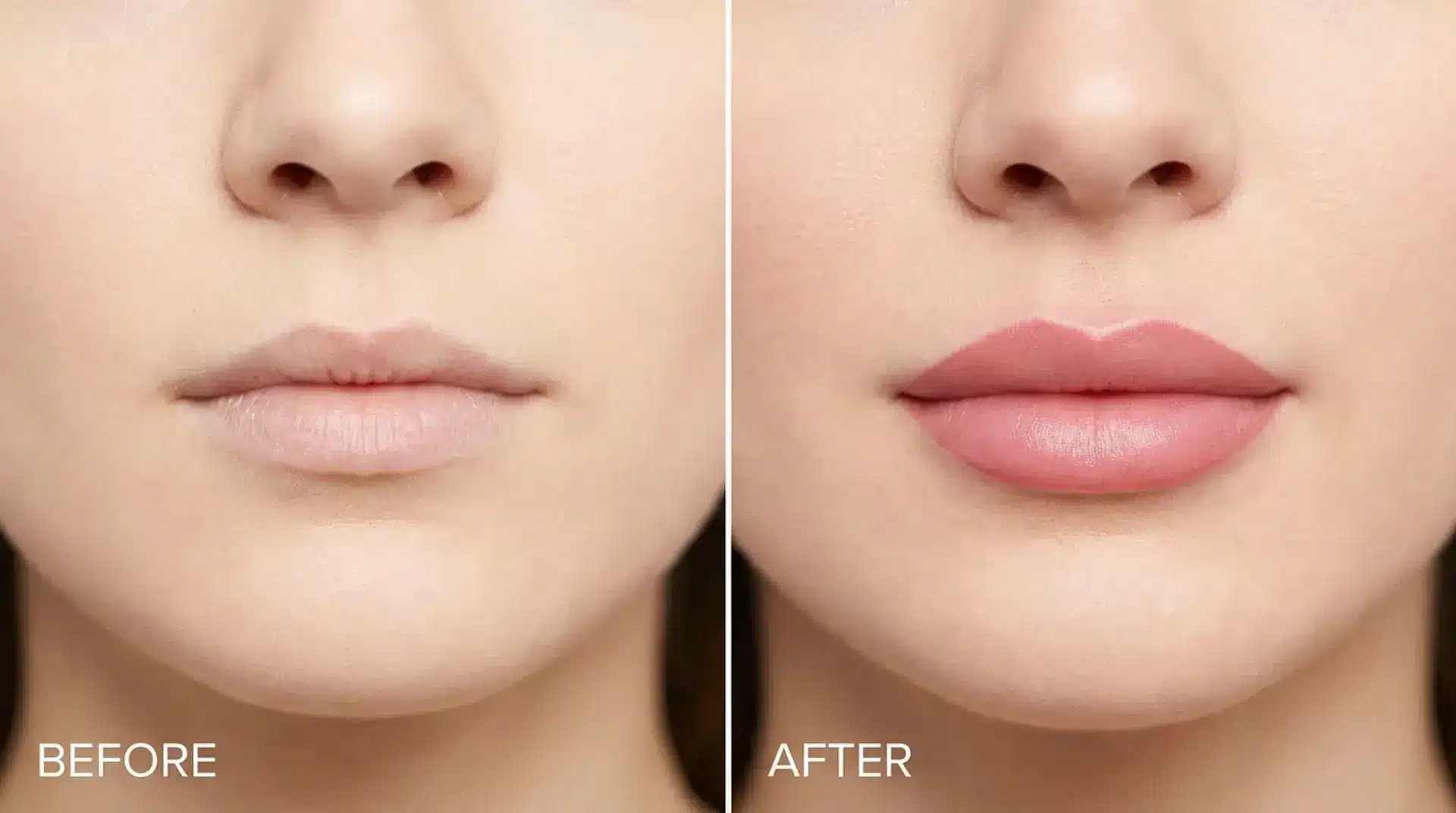
One of the most important things to know before healing begins is that the color immediately after the procedure will look significantly darker and more intense than the final result.
Many clients experience what is sometimes called “color shock,” where the freshly deposited pigment appears 30 to 50% darker than expected. This is completely normal.
As the skin heals and the outer layer sheds, the color softens considerably. Evaluating the result before the six-week mark gives an inaccurate picture of the final outcome.
After a permanent lip color treatment, the lips go through several healing stages before the final color appears. Understanding these stages helps people know what to expect and prevents unnecessary concern during the healing process.
1. Healing Stage
During the first three days after the procedure, the lips may feel swollen, tender, and slightly tight.
The color often appears darker and more intense than the final result. This happens because the pigment is fresh and the skin is still reacting to the treatment.
Some mild redness or sensitivity can also occur. Keeping the lips clean and hydrated during this stage supports proper healing and helps reduce dryness or irritation.
2. Peeling Stage
Between the fourth and seventh day, the lips usually begin to peel or flake lightly. This stage occurs as the top layer of skin naturally sheds during the healing process.
The color may look patchy or lighter while the peeling is happening. This change is temporary and part of the normal recovery process.
It is important to avoid picking or pulling the peeling skin, as this can disturb the pigment and affect the final color result.
3. Color Settling
By the second week, most of the peeling has finished, and the lips start to feel smoother. During this stage, the pigment gradually settles into the skin, and the color begins to soften.
The shade often looked more natural and balanced the in earlier days.
Any dryness continues to improve as the skin fully recovers. By the end of this stage, the lips usually show a more even and natural-looking tint.
4. Touch Up Session
A touch-up session is usually scheduled four to eight weeks after the first treatment. During this appointment, the technician reviews how the lips healed and checks the pigment retention.
Some areas may appear lighter because skin absorbs pigment differently.
The follow-up session allows the technician to adjust the color, fill in lighter spots, and refine the shape if needed.
How Long Does Permanent Lip Color Usually Lasts
Permanent lip color is considered a long-lasting cosmetic treatment, but the results are not truly permanent. In most cases, the color can last between one and three years before gradually fading.
The longevity depends on several factors, including skin type, lifestyle habits, and the type of pigment used during the procedure.
People with oily skin may notice faster fading compared to those with normal or dry skin.
Lifestyle factors such as frequent sun exposure, smoking, and regular exfoliation can also affect how long the pigment remains visible.
Using lip products with sun protection and following proper aftercare can help maintain the color for a longer period before a touch-up is needed.
Permanent Lip Color vs Traditional Lipstick
Permanent lip color offers long-term convenience and natural results, while traditional lipstick provides flexibility with daily effort and lower upfront cost.
| Feature | Permanent Lip Color | Traditional Lipstick |
|---|---|---|
| Convenience | Stays on lips all day without reapplication | Requires frequent touch-ups throughout the day |
| Maintenance | Low maintenance after healing, occasional touch-ups needed | Daily application and removal required |
| Longevity | Lasts one to three years, depending on care and skin type | Lasts only a few hours before fading |
| Appearance | Soft, natural tint that enhances lip tone | Can be subtle or bold, depending on the product |
| Smudge Resistance | Does not smudge or transfer easily | Can smudge or transfer easily |
| Cost Or Pricing | Higher upfront cost, usually ranges from $300 to $800 per session | Lower cost per product, typically $5 to $50, but requires repeated purchases |
Permanent Lip Color Aftercare Tips
Proper aftercare plays an important role in how well permanent lip color heals and how long the pigment lasts. Following simple daily habits can make a noticeable difference in the final results.
- Clean The Lips Gently: Use a mild cleanser or clean water to carefully wipe the lips. Keeping the area clean helps prevent infection and supports smooth healing.
- Avoid Spicy or Irritating Foods: Spicy foods, very salty meals, or acidic items can irritate sensitive lips during the healing period. Choosing mild foods helps reduce discomfort.
- Stay Hydrated: Drinking enough water helps maintain moisture in the lips and supports the skin’s natural recovery process.
- Protect Lips From Sun Exposure: Direct sunlight can affect pigment retention. Using lip balm with sun protection once healing begins helps maintain the color and protect the lips.
- Avoid Swimming, Saunas, and Steam Rooms During Healing: Prolonged water exposure, chlorine, and steam can interfere with the healing skin and accelerate pigment fading during the critical first two weeks.
- Do Not Apply Lipstick or Lip Products During the Peeling Phase: Cosmetic products applied to healing lips can introduce bacteria, irritate the skin, and disturb the settling pigment. Wait until the peeling stage has fully passed before resuming any lip makeup.
Conclusion
Permanent lip color offers a long-lasting way to enhance natural lip tone while cutting down the time spent on daily makeup.
Instead of constant reapplication, lips maintain a soft, fresh tint that looks effortless throughout the day.
The key to achieving the best results lies in understanding the healing process and choosing a skilled technician who can deliver balanced and natural-looking outcomes.
Proper aftercare and realistic expectations also play an important role in how the final color settles.
For anyone considering permanent makeup on the lips, the experience can feel like a simple upgrade to everyday beauty routines.
Thinking about trying permanent lip color, or have already gotten it done? Drop your honest thoughts or glow-up story in the comments.
Frequently Asked Questions
Does Permanent Lip Color Hurt During the Procedure?
Most people feel mild discomfort rather than pain. A numbing cream is applied before the procedure to reduce sensitivity, making the process more manageable.
Can You Choose Any Lip Color Shade?
Yes, but the final result depends on natural lip tone and skin undertone. A technician usually recommends shades that will heal well and look natural.
Can Permanent Lip Color Look Uneven After Healing?
In some cases, slight unevenness can appear after healing. This is normal and is usually corrected during the touch-up session.
Will Permanent Lip Color Completely Replace My Lipstick?
Not entirely. Permanent lip color provides a soft, consistent tint that makes lips look naturally flushed and defined throughout the day.
Most clients still use a lip gloss or lipstick for occasions where they want added shine, a bolder shade, or a specific color.
Think of the treatment as a polished base that reduces how often you reach for lip products rather than eliminating them completely.
Can I Get Permanent Lip Color If I Have a History of Cold Sores?
Having a history of cold sores is not an automatic disqualifier, but it does require precaution.
Lip tattooing can trigger a herpes simplex outbreak.
Most responsible technicians will ask about this during the consultation and may recommend that you speak with a doctor about antiviral medication to take before and after the procedure as a preventive measure.
How Dark Will My Lips Look Immediately After the Procedure?
Immediately after permanent lip color, the shade will appear significantly darker and more saturated than the final healed result.
This is often called “color shock” and is a completely normal part of the process.
The color typically softens by 30 to 50% as the skin heals and the outer layer sheds over the following two weeks.
Assess the final result only after the touch-up appointment at the four to eight-week mark.