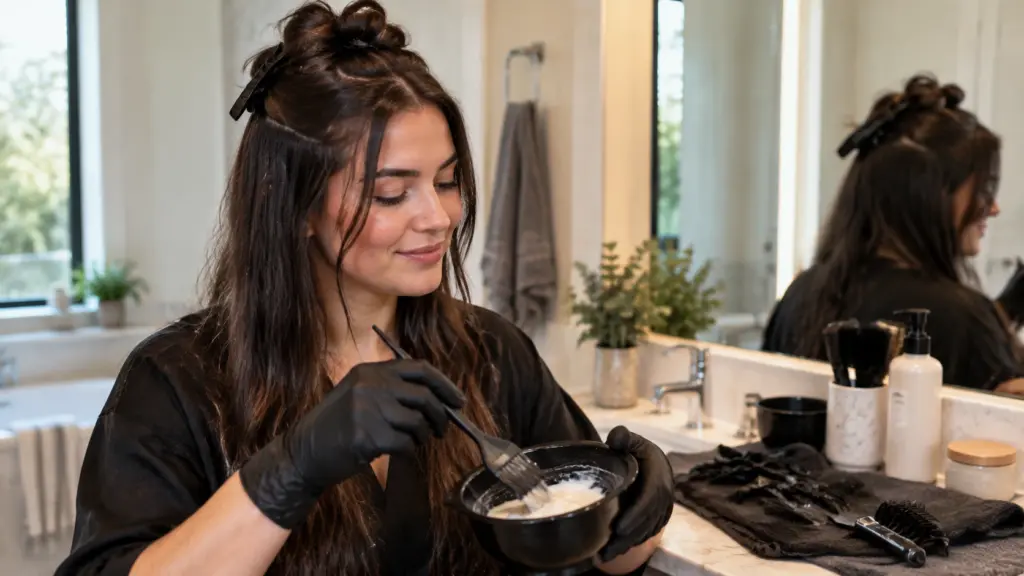
Ever wondered why your hair stays darker than expected after coloring, or why the same formula gives different results for different people?
I’ve tested routines at beauty counters and under tight deadlines, and one thing holds true: lightening dark hair is rarely about grabbing the strongest product on the shelf.
Small preparation steps change the outcome more than most people expect, and understanding your hair first makes the whole process feel calmer instead of confusing.
A 30-volume developer can create a noticeable lift on dark hair, but how much depends on your starting shade, hair condition, and application method.
Here’s what to expect, how to prepare, safer ways to apply it, and the common mistakes worth avoiding before you change your color.
Does 30 Volume Developer Lighten Hair?
Yes. A 30 volume developer lightens hair on its own once it’s mixed with bleach or a lightening powder, and it can lift hair when paired with permanent color too, just more gently.
Many colorists describe 30 volume as capable of lifting natural pigment by up to about three levels, though your exact result depends on your starting shade and how porous your hair is.
Very dark brown hair usually lands somewhere in the medium to warm brown range. Black hair holds denser pigment, so the same developer often only reaches dark brown or deep red-orange before needing another round, whether you’re covering the whole head or just a few sectioned pieces.
If your goal is a dramatic change on very dark or black hair, one session won’t get you there safely, and that’s normal, not a sign you did something wrong.
What a 30 Volume Developer Does
A 30-volume developer is a peroxide-based product used with hair color or a lightening formula to open the hair cuticle and change existing pigment inside the hair shaft. It is not a color product on its own. It only activates and helps deliver the formula it’s mixed with.
In practical terms, 30 volume developer is roughly 9% hydrogen peroxide. That sits between the gentler 20 volume, about 6%, used for subtler color changes, and the stronger 40 volume, about 12%, usually reserved for very dark or resistant hair. Professional developer strength charts confirm this breakdown across the major volume levels.
Developer Strength at a Glance
Volume | Peroxide % | Best For |
|---|---|---|
10 volume | ~3% | Depositing tone, little to no lift |
20 volume | ~6% | Subtle color changes, gray blending |
30 volume | ~9% | Noticeable lift on dark hair |
40 volume | ~12% | Very dark or resistant hair, used sparingly |
Note: choosing the right developer depends on your desired lift and your hair’s condition. I usually weigh your starting shade and any previous treatments first, because a stronger developer doesn’t automatically mean a better result. The right strength balances your color goal with your hair’s health.
Before Applying 30 Volume Developer to Dark Hair
Before using 30 volume developer, look at your hair’s health and past treatments. Both can influence your processing time and your final color. I don’t start any color job without asking about this first, since it changes every decision that follows.
- Review Your Hair History: Previous dye, bleach, heat styling, and dryness can all change how your hair reacts. Virgin hair often processes more evenly, while previously colored hair may hold leftover pigment, sometimes from old box dye buildup that changes how evenly color grabs.
- Look for Signs of Damage: Avoid strong developer on hair that’s already excessively dry, breaking, or weak, since damaged strands are more likely to snap.
- Complete Two Tests First: A patch test 48 hours before application checks for skin sensitivity. A strand test shows roughly how the formula will look before you commit your whole head.
Mixing Note: Check the ratio printed on your specific product before you start. Permanent color commonly calls for a 1:1 developer ratio, and bleach powder often calls for something closer to 1:2, but exact ratios vary by brand, so the package instructions should be the final word, not a general rule.
How to Use 30 Volume Developer Step by Step
Using 30 volume developer well means paying attention from prep to aftercare, since each step affects both the final shade and your hair’s condition.
Step 1: Prepare Your Hair and Tools
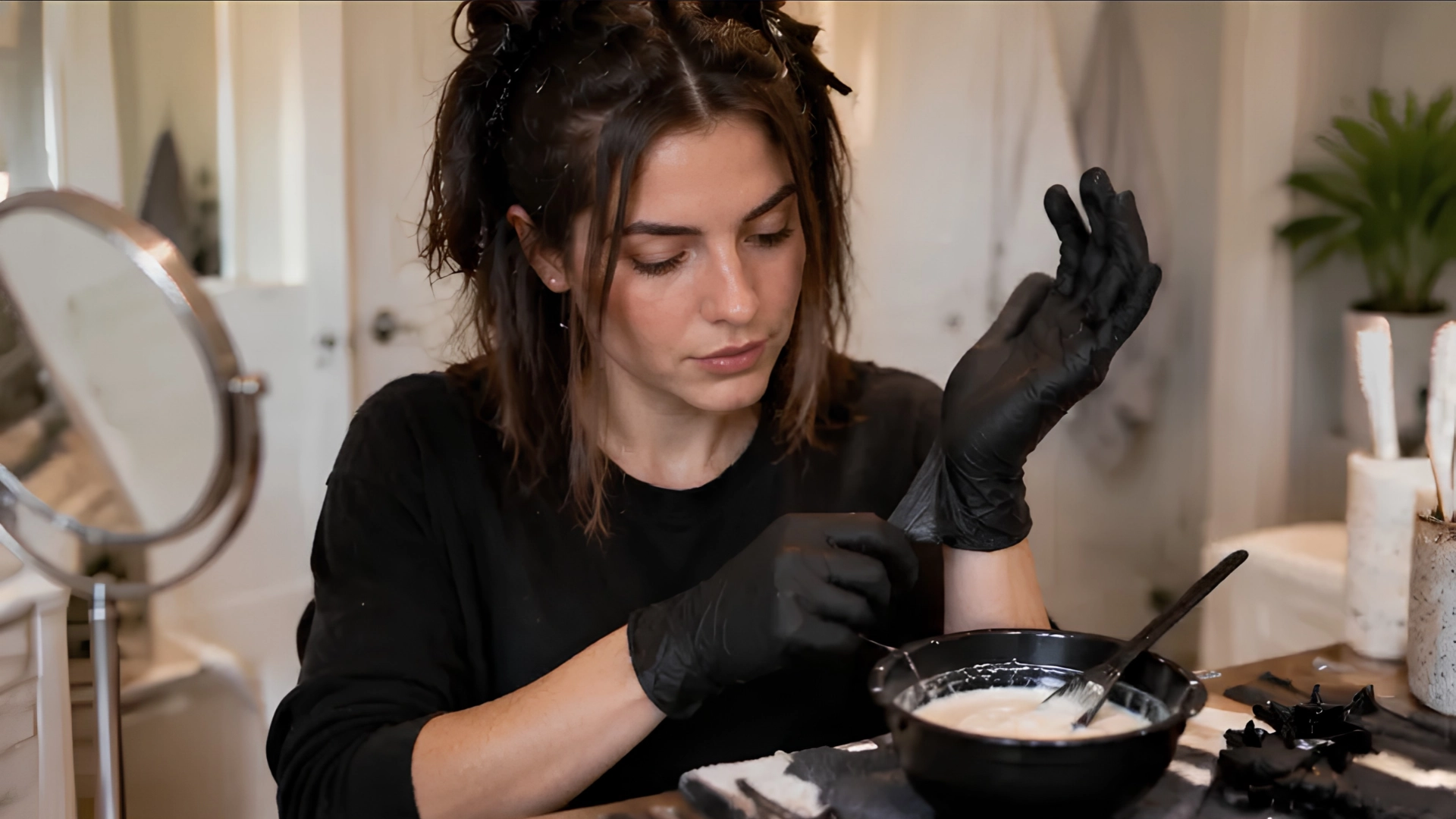
Before mixing anything, gather your supplies: developer, bleach or color, gloves, a mixing bowl, an application brush, and sectioning clips. Divide your hair into sections so the product goes on evenly. I lay out every tool before I touch the bottle, since hunting for gloves mid-process wastes minutes you can’t get back.
Always follow the mixing ratio provided by your chosen color or lightening product. Preparing everything first helps prevent uneven application caused by rushing.
Caution: Perform a strand test before applying the mixture to your entire head. This shows how your hair reacts and helps predict the final result.
Step 2: Apply the Mixture Properly
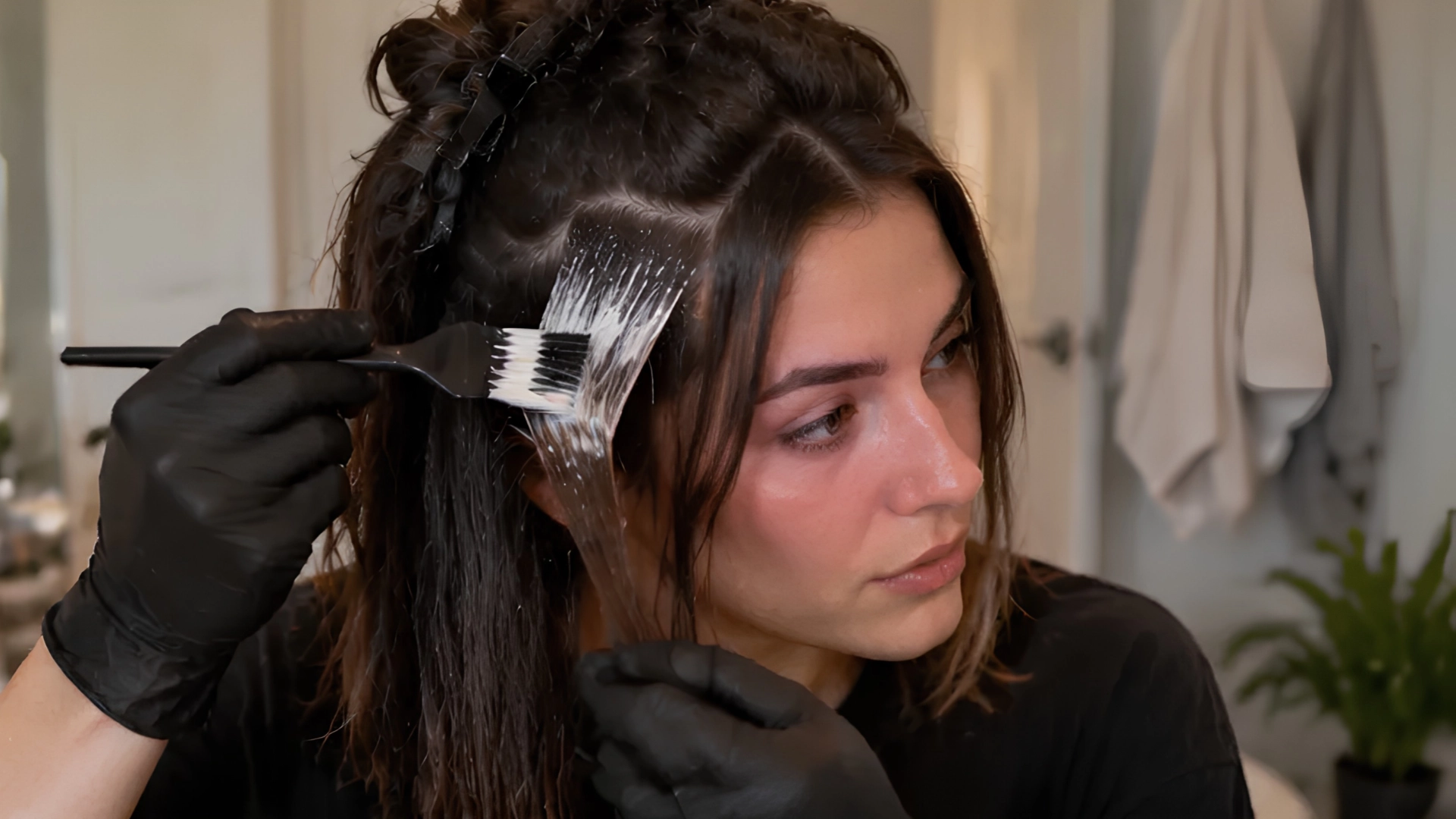
Apply the mixture evenly through each section, keeping in mind how different areas of your hair process. Roots often develop faster because of scalp heat, while older lengths may react differently due to previous styling or color treatments, and even whether you’re working with washed or unwashed hair that day.
Avoid repeatedly applying fresh product to areas that have already been lightened. Overlapping can place extra stress on sections that are already fragile.
Step 3: Monitor the Processing Time
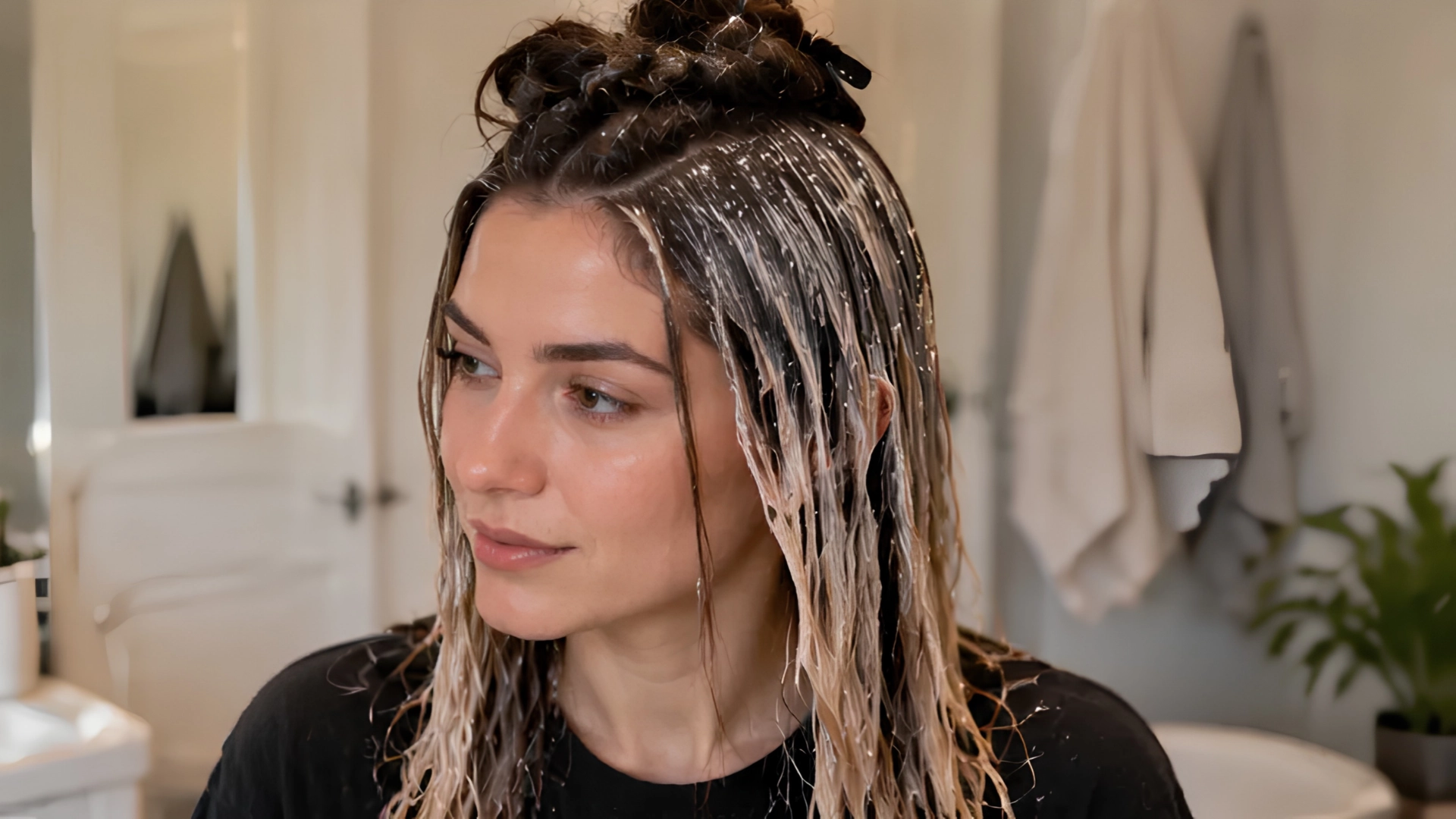
Track the processing time instead of leaving the formula on longer in hopes of getting a lighter shade. Check the progress during the recommended timeframe and follow the instructions provided with your product.
I check a small strand every five to ten minutes instead of trusting the timer alone. It’s the same habit that keeps a fade from going too far, and it works just as well here. More time doesn’t mean more lift once you’re past the recommended window. It just means more exposure to chemicals your hair didn’t ask for.
Caution: Never extend processing time to force extra lightening because it may increase damage without improving the result.
Step 4: Rinse and Care for Hair After Processing
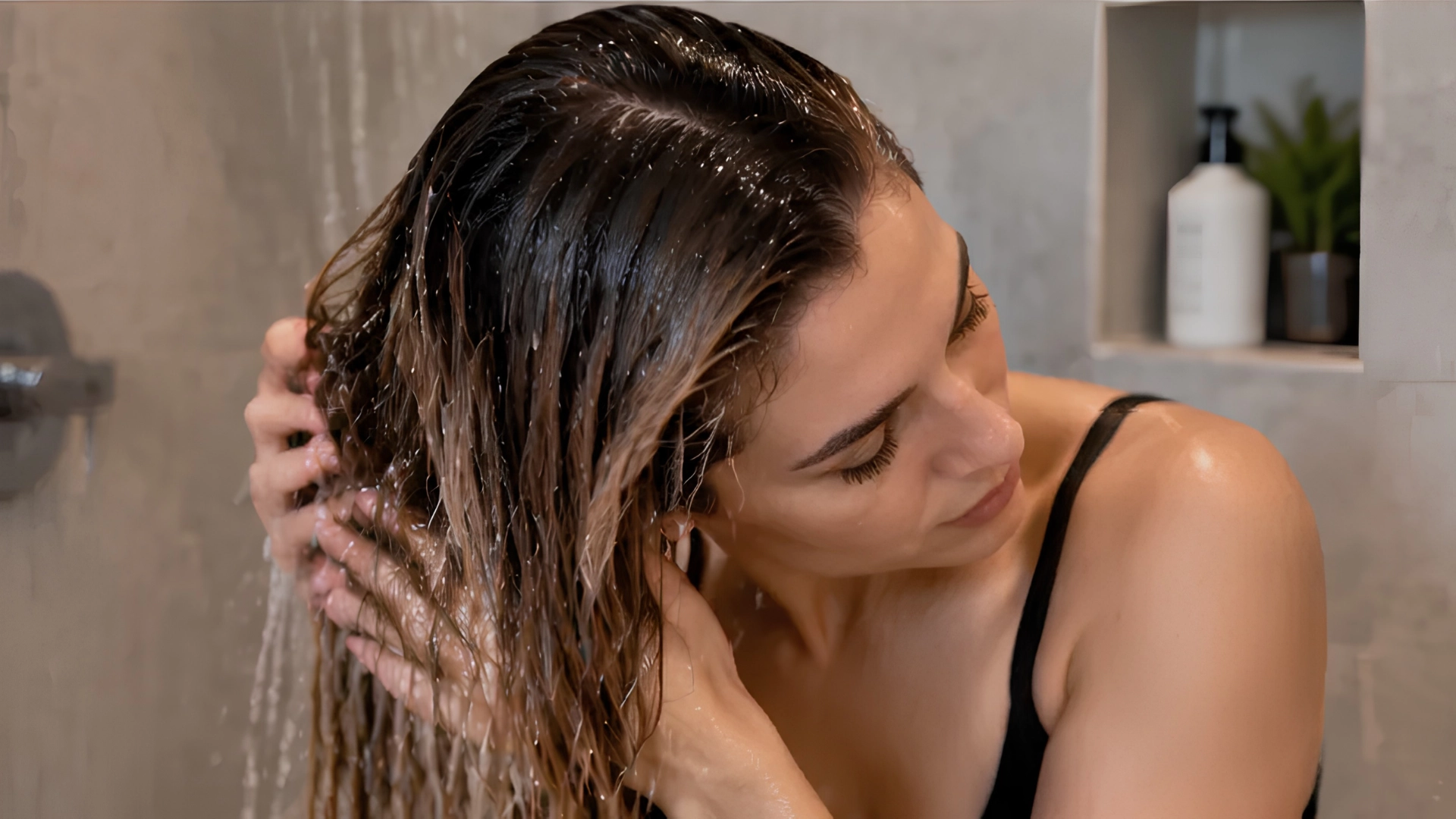
After reaching the desired level of lift, rinse the product thoroughly and follow with proper conditioning care. Lightened hair often needs extra moisture because chemical processing can affect softness and strength.
Use gentle hair care afterward and avoid unnecessary heat styling immediately after coloring. Giving your hair time to recover can help maintain its appearance.
30 Volume Developer on Dark Hair: Results by Shade
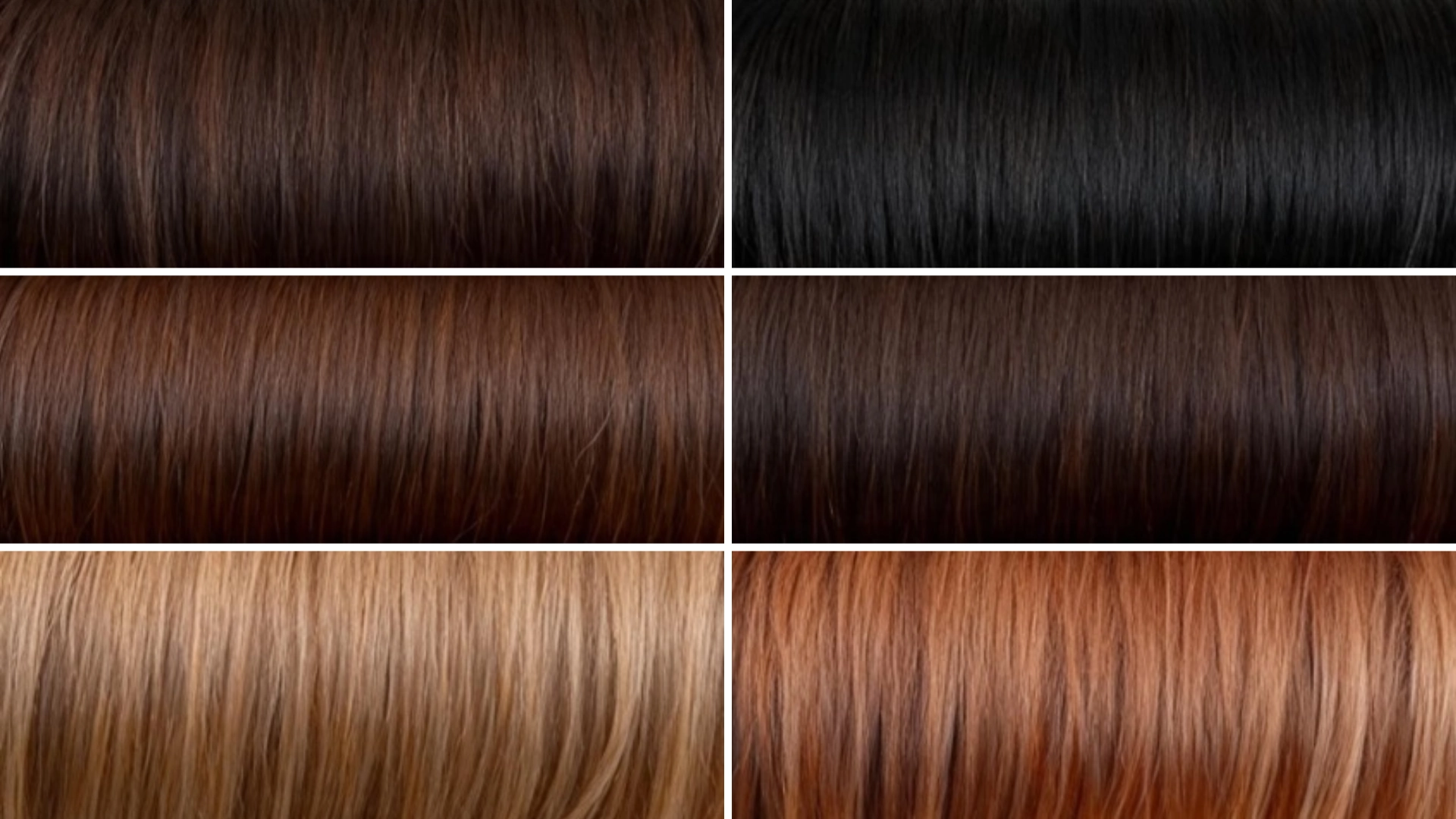
Dark hair responds differently to 30 volume developer depending on natural pigment, past color treatments, and current condition. Your starting shade shapes the outcome more than anything else, so knowing the likely range helps you set a realistic goal before you start.
Starting Hair Color | Possible Results | What to Expect |
|---|---|---|
Dark brown hair | Warm medium brown, caramel tones, golden brown | Usually lifts through warmer shades as natural pigment lightens. |
Black hair | Dark brown, warm brown, orange or copper tones | Stronger pigment often shows warm tones before reaching lighter shades. |
Dark red-brown hair | Coppery red, warm auburn, muted orange | Underlying red-warm pigment tends to surface first, ahead of other tones. |
Checking your hair as you go helps you stop at the right stage instead of overshooting your target. Darker hair, especially black hair, often needs more than one session to lighten without sacrificing the strand. Black hair is the one I tell people to plan for in stages, not chase in one sitting.
When to See a Professional for Dark Hair Lightening
Some situations call for a colorist rather than a home kit. A patch test that comes back irritated, hair that’s already breaking or very dry, or a jump from black straight to light blonde all sit outside what one round of 30 volume developer can safely handle in a single sitting.
The worst damage I’ve seen comes from treating a major level change on very dark hair like a weekend project instead of a plan spread across a few sessions.
Hair that’s already fragile from heat styling or old color needs extra caution, since what’s fine on healthy strands can push damaged ones too far. A professional can also fix patchy sections or tone out unwanted brassiness without piling on more chemical stress than your hair can handle.
Mistakes to Avoid with 30 Volume Developer
Even when you understand how developer is supposed to work, small mistakes can still throw off your color and your hair’s condition. Avoiding these helps you get a more even result with less unnecessary stress on your strands.
- Using developer alone and expecting major lightening results
- Skipping the 48-hour patch test before color day
- Applying it to severely dry or already-damaged hair
- Repeating the lightening process too soon
- Ignoring previous dye, bleach, or chemical treatments
- Choosing a stronger developer without understanding what your hair actually needs
Many beginners focus only on the shade they want, not how their hair will respond. Healthy preparation usually beats reaching for a stronger formula. The mistake I see most isn’t the wrong volume; it’s skipping the test that would have caught it.
Summing It Up
Using 30 volume developer on dark hair comes down to matching the strength to your hair’s condition, not just the shade you want. Does developer lighten hair by itself? Sometimes, but pairing it with the right lightening or color formula is what gets you the shade you’re after.
How dark you’re starting from, and how patient you are, determines whether it takes one session or several.
Multiple gentle sessions usually beat one aggressive session when it comes to keeping your hair intact. Watch your strand test, and give your hair time to recover between rounds.
Tried 30 volume developer on dark hair yourself? Tell me how it went in the comments, and check Beauty and Blog for more color guides.
Frequently Asked Questions
How Many Shades Will 30 Volume Developer Lift Dark Hair?
On dark hair, 30 volume developer paired with bleach typically lifts color by around two to three levels, moving very dark brown or black toward a warm brown or red-orange base rather than a full blonde. Getting lighter than that safely usually means a second session once your hair has recovered, rather than pushing the first application further.
Can I Tone Hair After Using 30 Volume Developer?
Toning can help tame unwanted warm or brassy tones once you’ve lifted your color, but the right toner depends on the underlying shade you’re left with and the finish you’re after. A colorist, or the shade guide on your toner box, can help you match it correctly.
Is 20 Volume Developer Safer than 30 Volume for Dark Hair?
20 volume developer is gentler and creates less lift, so it puts less stress on your hair in a single session, but “safer” also depends on how you use it. A 30 volume developer applied carefully, with a patch test and strand test first, can be perfectly manageable on healthy dark hair, while an overused 20 volume formula on already-damaged hair still carries real risk.
How Long Should I Wait Between Lightening Sessions on Dark Hair?
There’s no single safe number of weeks, since it depends on how your hair feels after the last session. If strands still feel stretchy, rough, or unusually weak, give your hair more time and focus on moisture and repair before starting again, even if that means waiting longer than you’d like.