If you’ve ever stood in the shower wondering whether to shampoo before grabbing the box dye. Many people have wondered the same. As a licensed aesthetician, it’s one of the first questions clients ask before a color appointment, and the answer isn’t as simple as clean or dirty.
There’s more to it than most quick answers online let on, from how your hair type shifts the timing to what actually happens if you skip the wash altogether.
Below, I get into why hair condition changes your results, how many days after washing works best for your hair type, the exact prep steps, and the products worth keeping on hand before you start.
What Does “Clean” or “Dirty” Hair Mean Before Dyeing?
Clean hair means hair that’s freshly shampooed and free of oil, dry shampoo, or styling product. Getting the basics of proper scalp cleansing makes the rest of this guide easier to apply.
Dirty hair, in colorist terms, doesn’t mean unwashed for a week. It usually means hair that’s a day or two past its last wash, with a light layer of natural scalp oil still in place.
I hear this question from clients before almost every color appointment, and the confusion usually comes down to that one word. To me, “dirty” doesn’t mean hair that needs another wash.
It means hair carrying a light natural oil layer, not days of product buildup. That distinction is the difference between color that settles evenly and color that fights its way through.
Is It Better to Dye Clean or Dirty Hair?
The honest answer is that neither extreme works best; hair that’s freshly washed the same day or hair that hasn’t seen shampoo in a week can both cause problems.
For permanent color, especially if you’re covering gray or going darker, clean hair generally helps the dye penetrate the cuticle evenly, since heavy oil or product buildup can act as a barrier. Understanding the numbered shade system also helps you predict how that color will actually look once it develops.
That said, completely stripped, same-day-washed hair can leave your scalp more sensitive to the chemicals in permanent dye.
The sweet spot most colorists recommend is hair washed 24 to 48 hours beforehand, clean enough to let color absorb evenly, but not so freshly stripped that your scalp feels raw during processing.
In my experience, dye grabs most evenly on hair that still has a whisper of natural oil, not hair that’s been stripped bare in the shower right before I start the color.
How Many Days After Washing Should You Dye Your Hair?
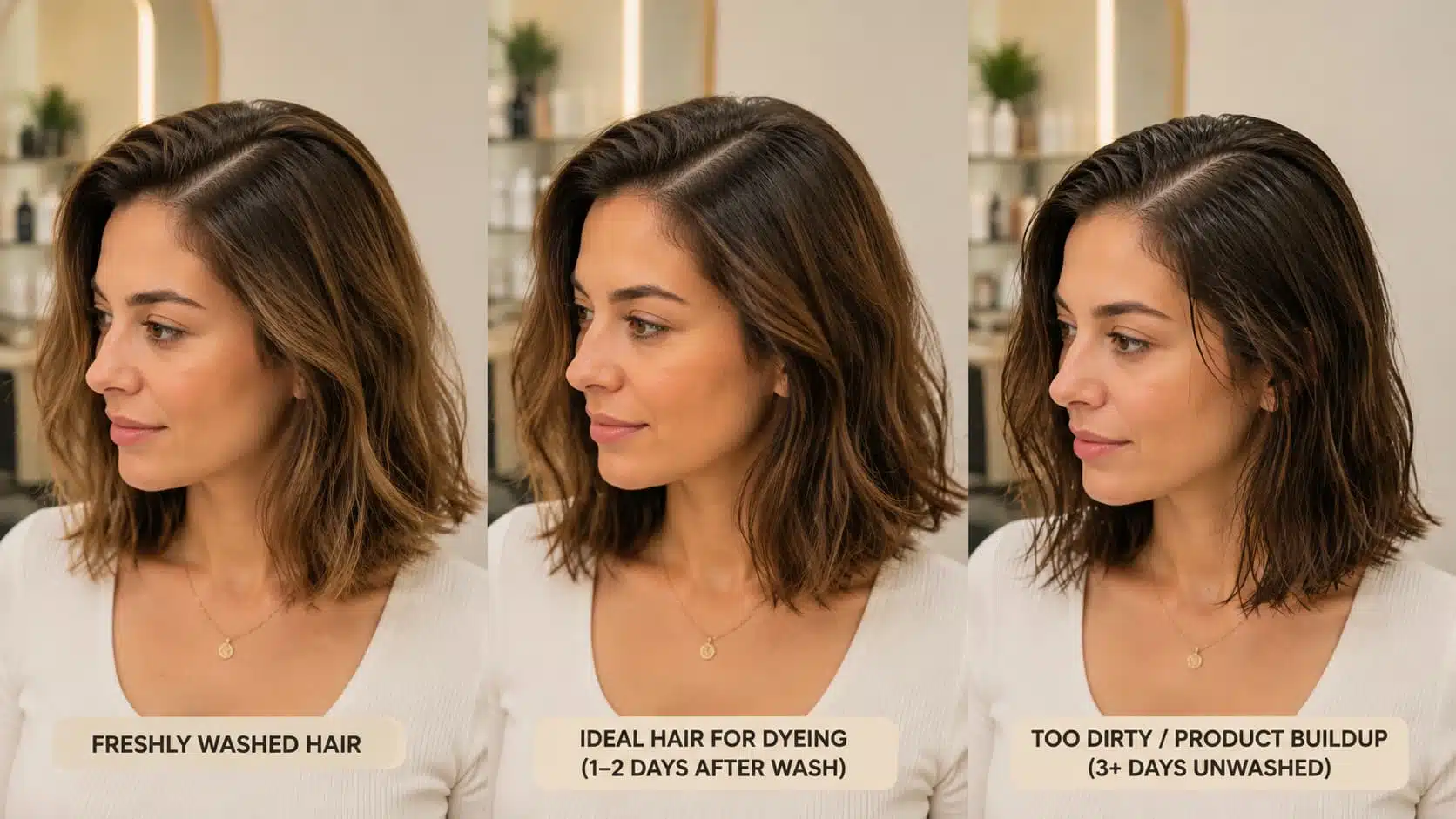
The right timing depends heavily on how oily or dry your hair and scalp naturally tend to be, and checking the ingredient list required under current FDA cosmetic labeling rules can also help you understand what your specific formula is designed to work with.
- If your hair gets oily quickly, wash it about 12 to 24 hours before you plan to dye, giving your scalp a little natural protection without excess buildup
- For normal or dry hair types, waiting 48 to 72 hours after your last wash tends to give the best balance of clean strands and protective natural oils
- If you’re lightening or bleaching rather than depositing color, leaning toward the dirtier end of that range gives your scalp extra protection from the stronger chemicals involved
- Regardless of hair type, avoid washing the exact same day you plan to dye, since freshly stripped hair and scalp are more prone to irritation during processing
Matching your wash timing to your specific hair type makes the biggest difference in how comfortable you feel and how even your results turn out.
I adjust these windows slightly for each client based on how their scalp reacts that week, but this range is where I start every time before making any changes.
Does This Apply to Box Dye and At-Home Color Too?
Yes, the same general timing principles apply whether you’re coloring at home with a box kit or sitting in a salon chair, though box dye instructions can vary more than people expect.
Some drugstore formulas include conditioning agents that work fine even on hair with a bit of natural oil, while others behave more like professional permanent color and genuinely benefit from clean, product-free strands.
Since box dye doesn’t come with a colorist checking your hair’s condition beforehand, reading your specific product’s instructions matters even more for at-home coloring than it does in a salon setting, where a professional can adjust their approach based on how your hair looks and feels that day.
When clients ask me about switching to box color between salon visits, my answer stays consistent: check the box first, and don’t assume every drugstore formula behaves like the last one you used. Knowing the basics of safely lifting unwanted color also comes in handy if a shade ends up darker than you expected.
Key Steps for Prepping Clean or Dirty Hair Before Dyeing
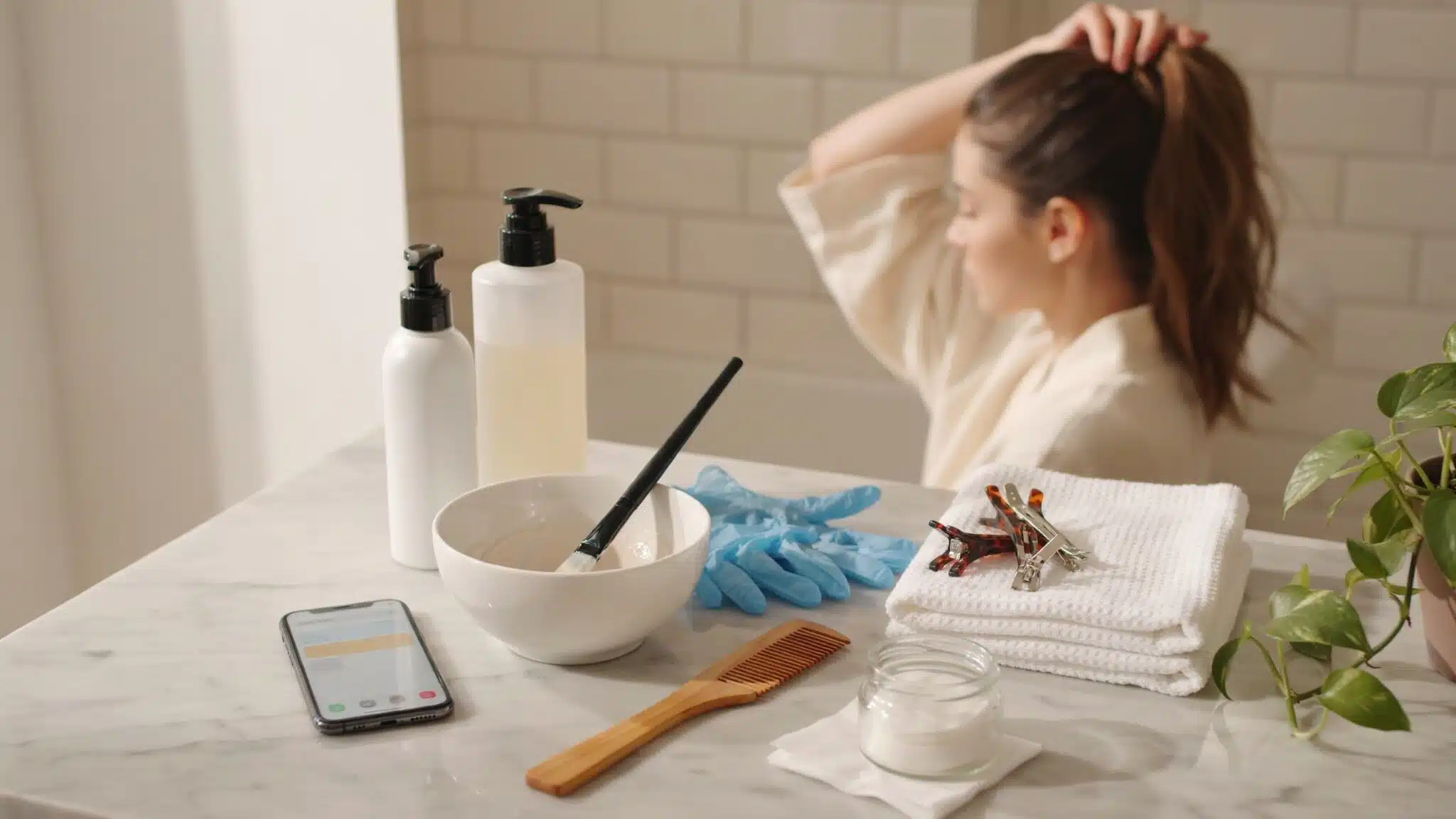
These four steps focus on hair condition and are the same ones I check off before coloring anyone’s hair, whether they’re getting professional color or dyeing at home.
1. Time Your Last Wash Correctly
Based on your hair type, plan your last shampoo 24 to 72 hours before your dye appointment or at-home session.
This gives your scalp enough time to redevelop a light layer of protective natural oil without letting product buildup accumulate. Setting a reminder a few days ahead helps you actually hit this window instead of washing on impulse right before you start.
2. Skip Styling Products for a Day or Two Before
Dry shampoo, hairspray, leave-in conditioner, and styling serums can all create a barrier between your hair and the dye, leading to uneven or patchy results once you rinse everything out.
Even if you’re intentionally not washing right before coloring, avoid adding fresh product during that window. A clean base free of styling residue matters as much as the timing of your last wash.
3. Do a Patch Test 48 Hours Before
The FDA specifically recommends applying a small amount of dye to your inner elbow or behind your ear and waiting two full days to check for a reaction before dyeing your entire head.
For me, this is the step I don’t skip for any client, even ones who’ve used the same box color for years. Sensitivity can develop over time rather than showing up on first use, which is why I still test every single time.
This step matters even if you’ve used the exact same product before without any issues previously. Skipping it means risking a reaction you won’t notice until dye is already processing on your scalp.
4. Apply Color on Dry Hair
Unless your product instructions say otherwise, apply dye to completely dry hair rather than damp or wet strands.
Wet hair dilutes the dye formula and can lead to uneven, patchy results once everything is fully rinsed out and dried. If your hair feels even slightly damp from an earlier shower, let it air-dry completely before applying the dye to avoid this issue.
Application Tips for Better Color Results
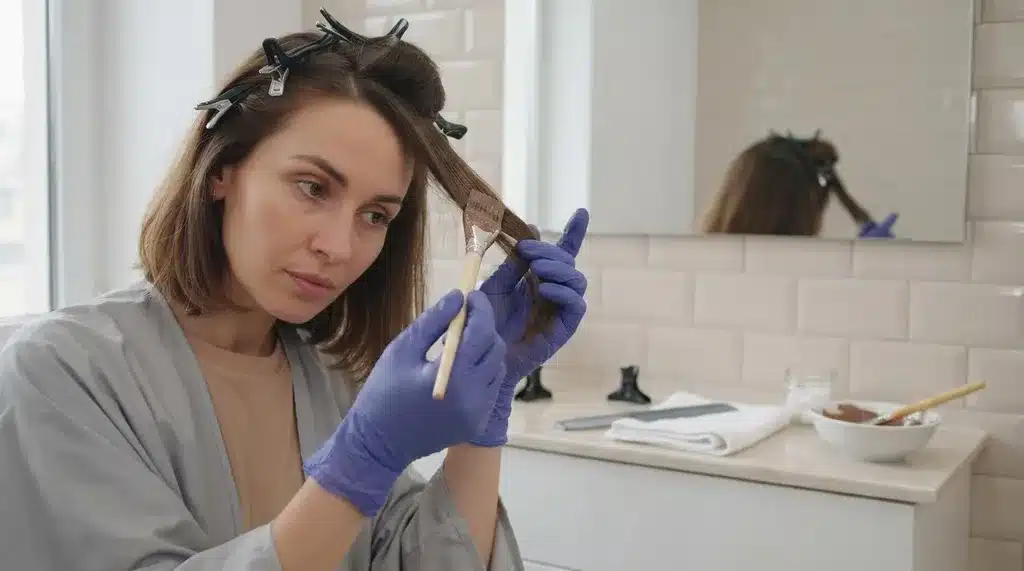
Beyond hair condition, a few steps help the application go smoothly from start to finish. The FDA notes that some hair dye ingredients can cause allergic reactions with repeated use, part of why these steps matter.
- Check the box instructions first: formulas vary, so generic advice can lead you astray
- Detangle before you start: knots can cause uneven color distribution
- Section your hair: work through four or more clipped sections so every strand gets saturated
- Protect skin and clothing: petroleum jelly along the hairline and an old shirt prevent stains
- Follow processing time exactly: too long or too short both affect your final result
- Rinse with cool water first: keeps the cuticle from opening and losing extra color
Combining these steps with the four above covers the full process from prepping your hair to rinsing out your finished color. I keep this exact order taped inside my kit, because skipping a single step is usually where patchy results start.
Best Products to Use Before and After Dyeing
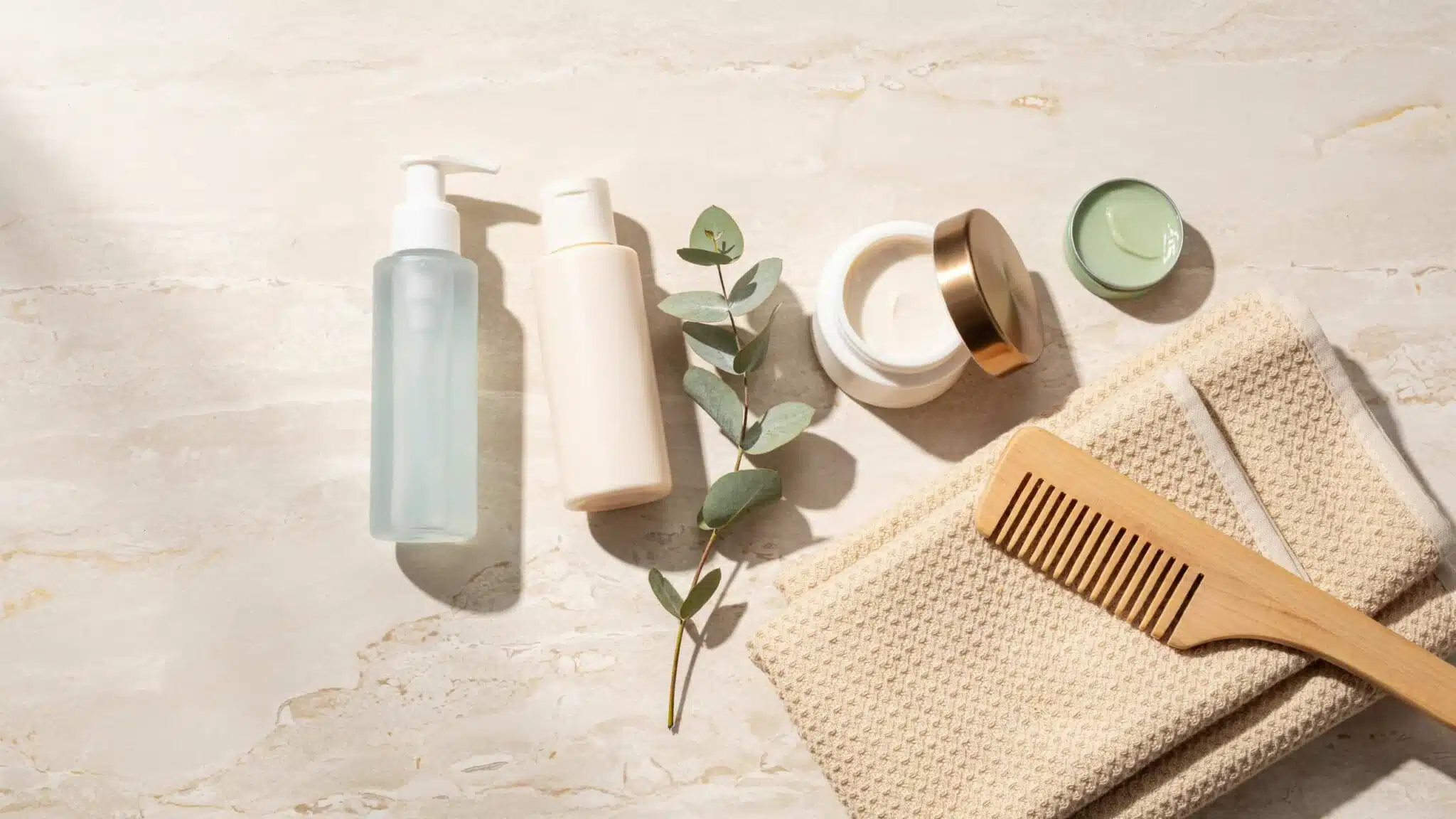
Having the right products on hand before and after your appointment makes a real difference in both your results and your color’s longevity.
Product | When to Use | Why It Helps |
|---|---|---|
Clarifying Shampoo | 2-3 days before dyeing, if hair has heavy product buildup | Removes residue that can block even color absorption |
Petroleum Jelly or Barrier Cream | Right before applying dye | Protects skin along the hairline from staining |
Color-Safe Shampoo | Starting with your first post-color wash | Cleanses gently without stripping new color prematurely |
Deep Conditioning Mask | Once a week after coloring | Restores moisture that chemical processing can deplete |
Stocking these four items before your appointment means you won’t be scrambling mid-process if something goes slightly off plan.
What Do Colorists and Stylists Actually Recommend?
Professional colorists generally agree that clean hair helps permanent color adhere better, since product buildup and natural oil can create a barrier between the dye and the hair cuticle.
Colorists interviewed by Bustle have pointed to mineral and product buildup specifically as a common cause of patchy or uneven color development, especially with permanent formulas.
At the same time, most stylists caution against washing the same day as your appointment, since freshly stripped hair and scalp tend to react more strongly to the chemicals in permanent dye during processing.
The general professional consensus lines up closely with the timing outlined above: clean, but not freshly washed, tends to give the most reliable results for most hair types and color services.
Clean vs. Dirty Hair for Different Types of Color
The ideal hair condition shifts depending on the type of color service you’re getting.
Color Type | Ideal Hair Condition | Why |
|---|---|---|
Permanent (depositing or covering gray) | Clean, washed 24-48 hours prior | Allows dye to penetrate the cuticle evenly without oil blocking absorption |
Semi-Permanent or Demi-Permanent | Clean, similar 24-48 hour window | Sits closer to the cuticle surface, so buildup still affects results |
Lightening or Bleaching | Slightly dirtier, natural oils present | Protects scalp from the stronger, more irritating chemical process |
Henna or Natural Dyes | Clean and product-free | Natural dyes rely on direct contact with the hair shaft to deposit color |
Knowing which category your specific color service falls into is the fastest way to settle the clean-versus-dirty debate for your own hair.
Final Thoughts
For most people and most color types, washing your hair 1 to 2 days before dyeing gives the most even, comfortable results. Lightening and bleaching are the exception, where a little extra natural oil helps protect the scalp during a stronger chemical process.
In my experience, clients who get the smoothest results plan their wash day instead of leaving it to chance. Set your last shampoo for a day or two before your next color session, and do the patch test even if you’ve used the product before.
These are small steps, but they’re the ones I rely on with nearly every client. They usually separate color that looks intentional from color that looks patchy.
Frequently Asked Questions
Can You Use Dry Shampoo Instead of Washing Before Dyeing?
It’s not recommended as a substitute, since dry shampoo leaves behind powder residue that can interfere with even color absorption, similar to other styling product buildup.
Is It Bad to Dye Oily Hair?
Slightly oily hair, meaning a day or two past your last wash, isn’t bad for coloring. It can even help protect your scalp during processing. The real concern is heavy buildup from product or several unwashed days, which can block even color absorption.
Does Dirty Hair Make Box Dye Last Longer?
Not necessarily. What affects longevity more is avoiding heavy product buildup and following proper aftercare, not how many days have passed since your last wash.
Should You Condition Your Hair Before Dyeing It?
Generally no, since conditioner can coat the hair shaft and create a barrier that prevents dye from absorbing evenly, similar to the effect of styling product buildup.
Does Curly or Textured Hair Need Different Prep Before Dyeing?
Not drastically, though curly hair tends to be drier overall, so leaning toward the higher end of the 48 to 72 hour wash window can help protect it during processing.