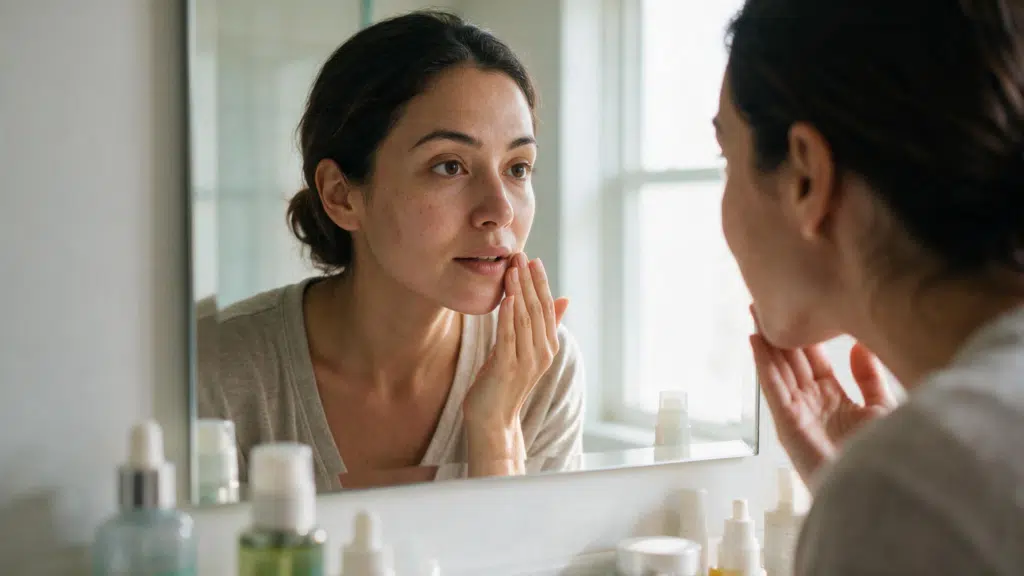
Dark spots can make your complexion look uneven even when the rest of your skin feels healthy. Last month, a client pulled up her phone camera mid-consultation, turned her cheek toward the light, and asked why the mark from a breakout she’d had in July still hadn’t faded.
If you want to know how to even skin tone, the key is matching your routine to the type of discoloration you actually have, not the one you saw in an ad.
You need to know what causes the unevenness, which ingredients suit your concern, and how to avoid irritation that can make marks worse.
The clients who make the fastest progress patch test, track what they’re using, and adjust based on what they see, not the ones chasing a new serum every week.
How to Even Skin Tone Effectively
A more even-looking complexion usually comes from controlling the cause of discoloration while gradually treating the marks already present. Start with a gentle cleanser, one targeted ingredient, a suitable moisturizer, and broad-spectrum SPF 30 or higher during the day.
Dark marks from acne may benefit from ingredients such as azelaic acid or niacinamide. Dullness and rough texture may respond better to controlled chemical exfoliation.
Sun-related pigmentation requires consistent UV protection so new discoloration does not keep appearing while older marks fade, since UV exposure triggers melanin production in the skin’s deeper layers.
Avoid introducing several strong treatments together. Irritation can create redness, dryness, and additional post-inflammatory marks, making your complexion look less even.
The goal is not lighter skin. It is helping discolored areas move closer to your natural skin tone while keeping the skin barrier healthy.
What Uneven Skin Tone Can Look Like
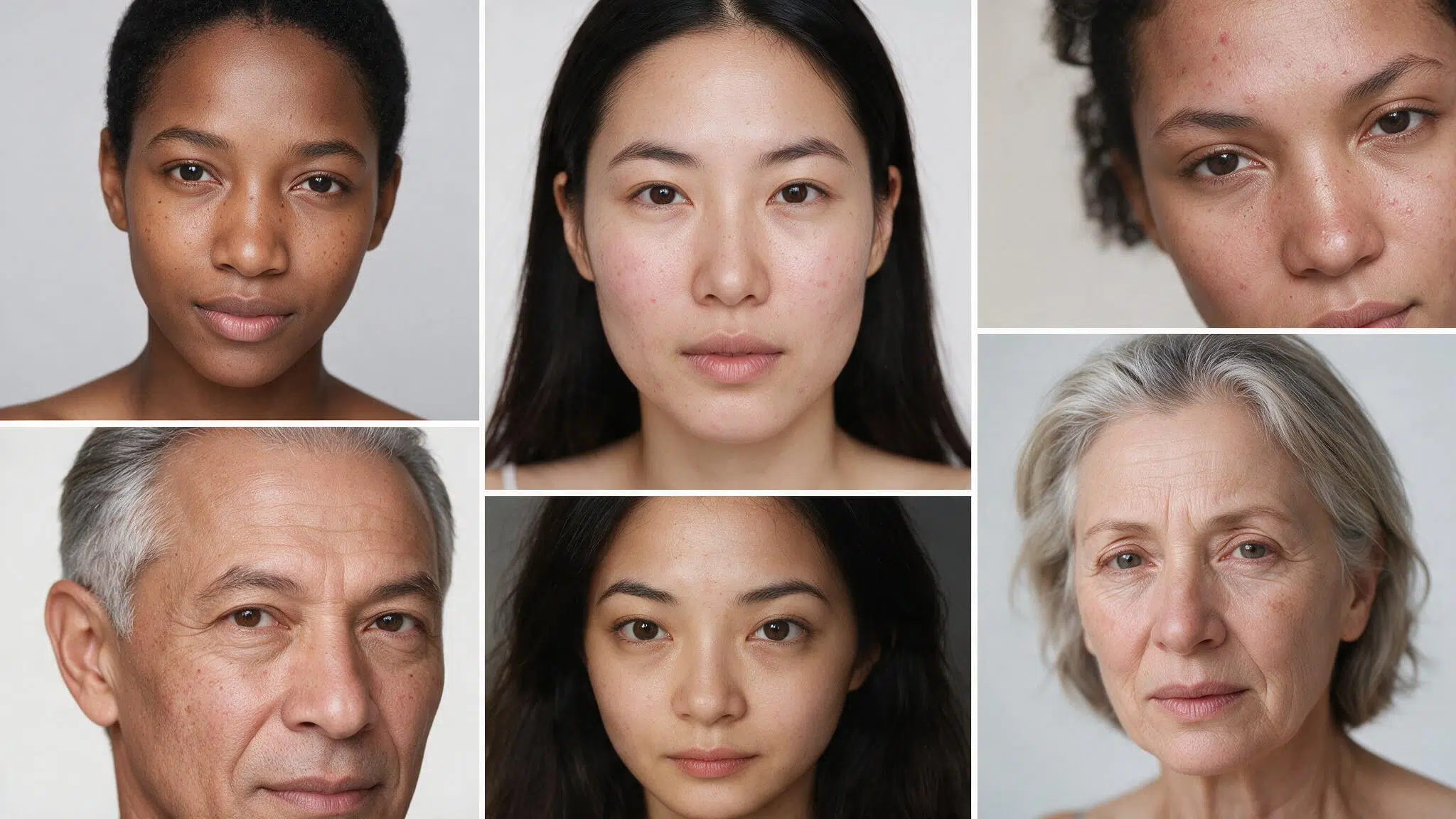
Uneven skin tone is a broad term, not a single skin condition. It may appear as darker, lighter, redder, or duller areas across the face or body. Recognizing what you see can help narrow down the most appropriate approach.
Type | What It Often Looks Like | Possible Trigger |
|---|---|---|
Dark spots | Small brown or darker marks | Sun exposure, aging |
Post-acne marks | Flat red, pink, brown, or dark areas | Inflammation, picking |
Redness | Blotchy pink or red patches | Sensitivity, irritation, rosacea |
Dullness | Flat or tired-looking complexion | Dryness, dead skin buildup |
Patchy pigmentation | Larger uneven areas | Hormonal changes, sun exposure |
A spot left after a pimple does not need the same care as persistent facial redness or melasma, which often involves pregnancy and hormonal triggers. Identifying the pattern first can save you from buying products that target the wrong concern.
What Causes Uneven Skin Tone?
Uneven skin tone usually comes down to five triggers: sun exposure, inflammation, hormonal changes, harsh products, and a dry or rough surface.
The Cleveland Clinic notes that hyperpigmentation develops when skin cells produce extra melanin, which can clump and make an area look darker, and that it can affect people of any race or ethnicity.
- Sun exposure: Ultraviolet radiation stimulates melanin production. Repeated exposure can contribute to freckles, sun spots, and darker patches, especially when sunscreen isn’t used consistently.
- Post-inflammatory hyperpigmentation: Acne, scratches, burns, picking, and irritation can leave discoloration after the original inflammation heals.
- Hormonal changes: Melasma can appear as brown or gray-brown patches, often on the forehead, cheeks, nose, or upper lip. Hormonal shifts and sunlight may both contribute.
- Skin irritation: Harsh products, excessive exfoliation, or repeated inflammation can make redness or pigmentation more noticeable.
- Dryness and surface buildup: A dehydrated or rough surface may reflect light unevenly, making the complexion appear dull even when deeper pigmentation is not the primary concern.
Knowing the likely cause should guide the treatment you choose next. I ask every new client one question before we talk products: what were you doing right before this mark showed up? Their answer usually points to the cause faster than any ingredient label does.
Uneven Skin Tone on Deeper Skin: What to Know
If you have a medium or deep skin tone, discoloration behaves a little differently, and it’s worth knowing that before you build a routine.
Post-inflammatory marks tend to last longer and show up more visibly on medium and deep skin tones than on lighter skin. That’s a big part of why dermatologists usually recommend introducing exfoliating acids and retinoids slowly in this group: a new irritation can leave a mark that outlasts the original breakout.
This doesn’t mean avoiding active ingredients. It means patch testing first, spacing out strong actives, and keeping SPF as a daily habit rather than an occasional one, since unprotected skin re-tans and re-darkens faster in this group too.
Most of the deeper-skin clients I work with need patience more than product. Their skin is already doing exactly what it’s supposed to do, and my job is usually to slow things down, not add more to the routine. This slower pace echoes a layered skincare approach more than any quick fix.
Morning Skincare Routine for Even-Looking Skin
Morning skincare should primarily prepare your skin for environmental exposure while preventing existing discoloration from becoming more noticeable.
1. Use a Gentle Cleanser
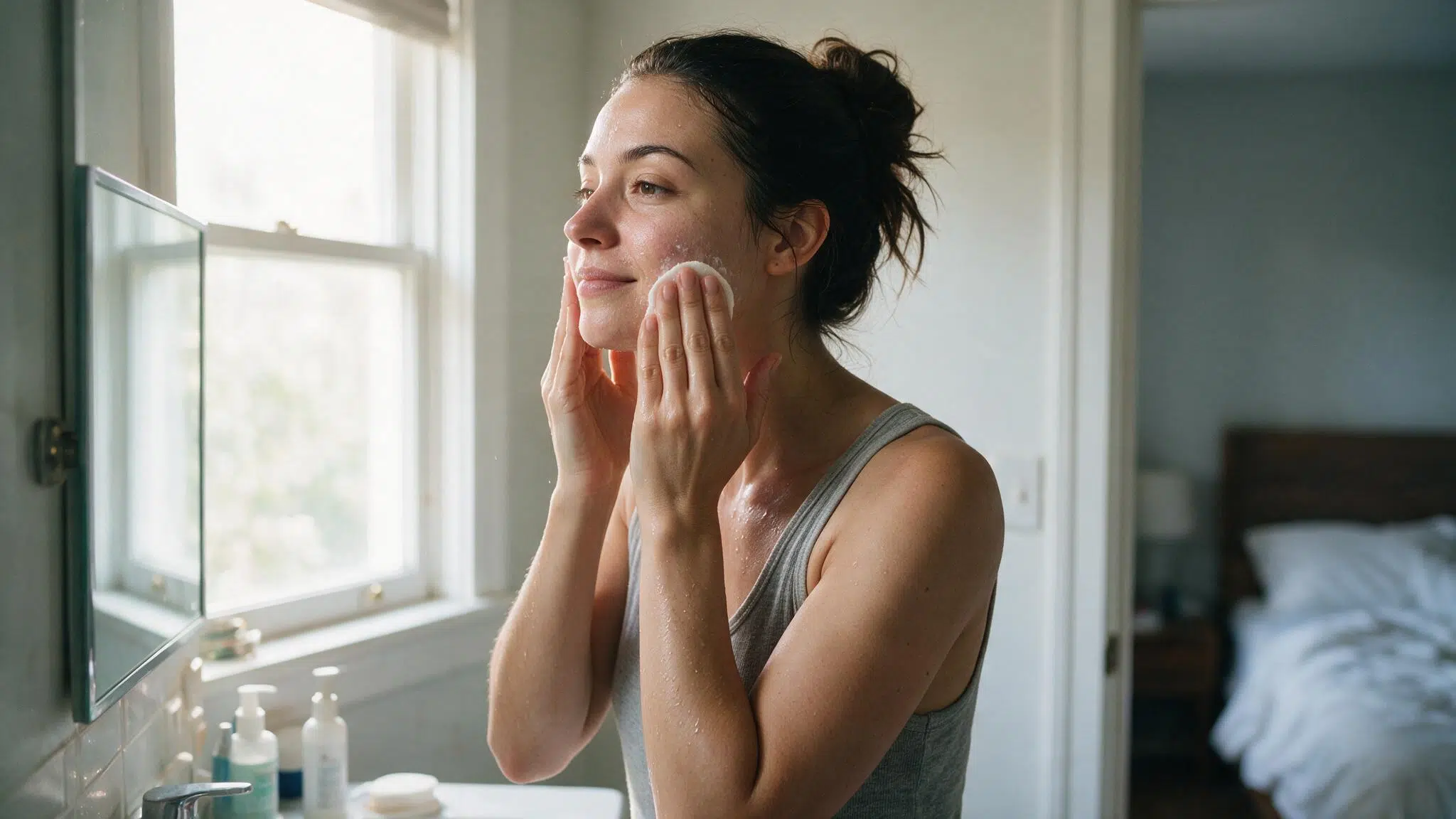
Start with a cleanser suited to your skin type. Dry or sensitive skin may respond better to creamy or low-foam cleansers, while oily skin may prefer a mild foaming formula.
Your face should feel clean after washing, not tight, dry, or uncomfortable.
My own test is simple: if my face feels tight ten minutes after washing, that cleanser isn’t the right fit for me, no matter how good the reviews are.
2. Apply One Brightening Product
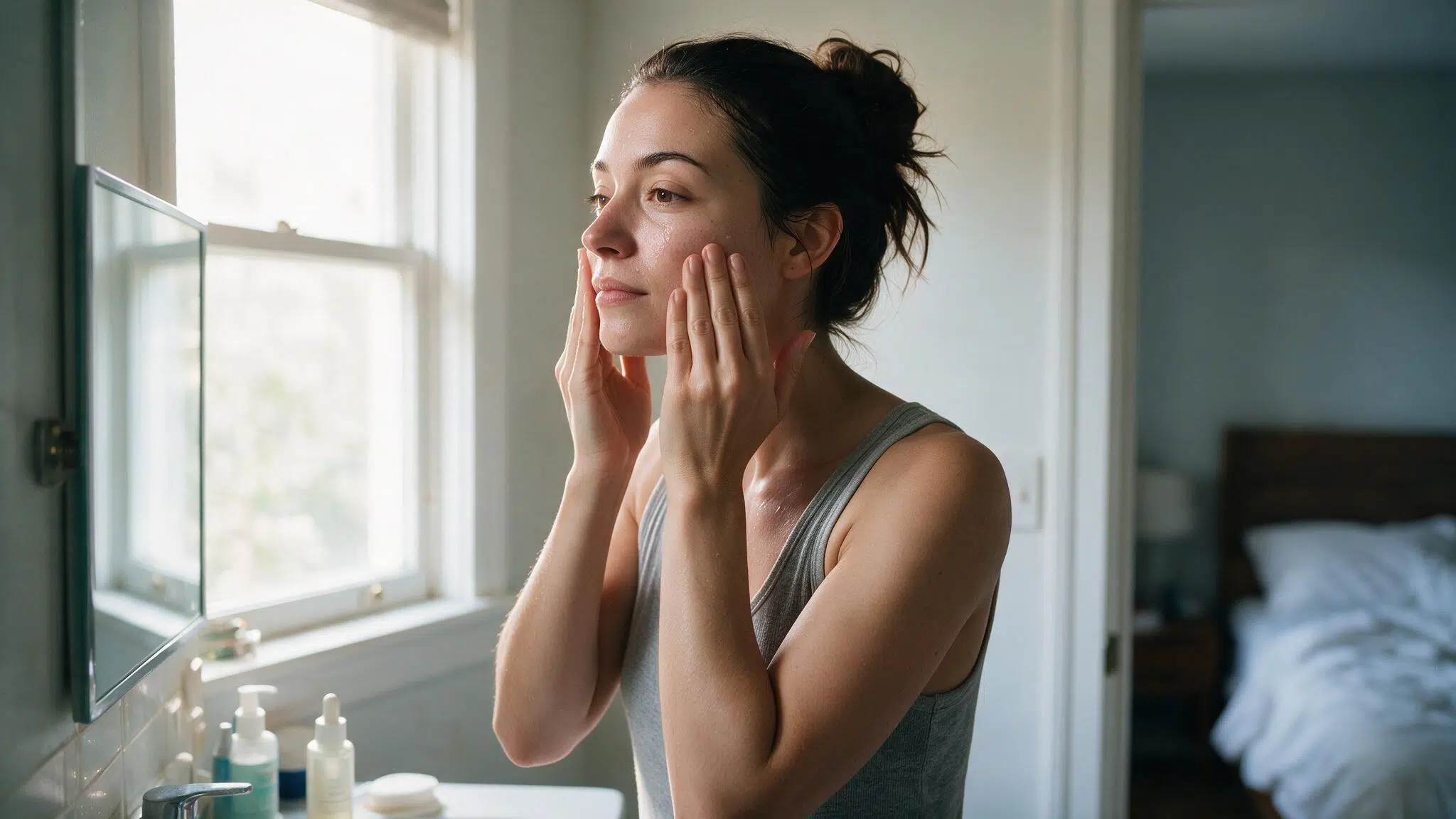
Choose one treatment based on your main concern. Vitamin C can work well for a dull-looking complexion and antioxidant support.
Niacinamide may be a gentler choice if uneven tone appears alongside sensitivity, excess oil, or a weakened skin barrier. Using both is not automatically better. Start with the product that best matches what you’re trying to improve.
3. Add Moisturizer
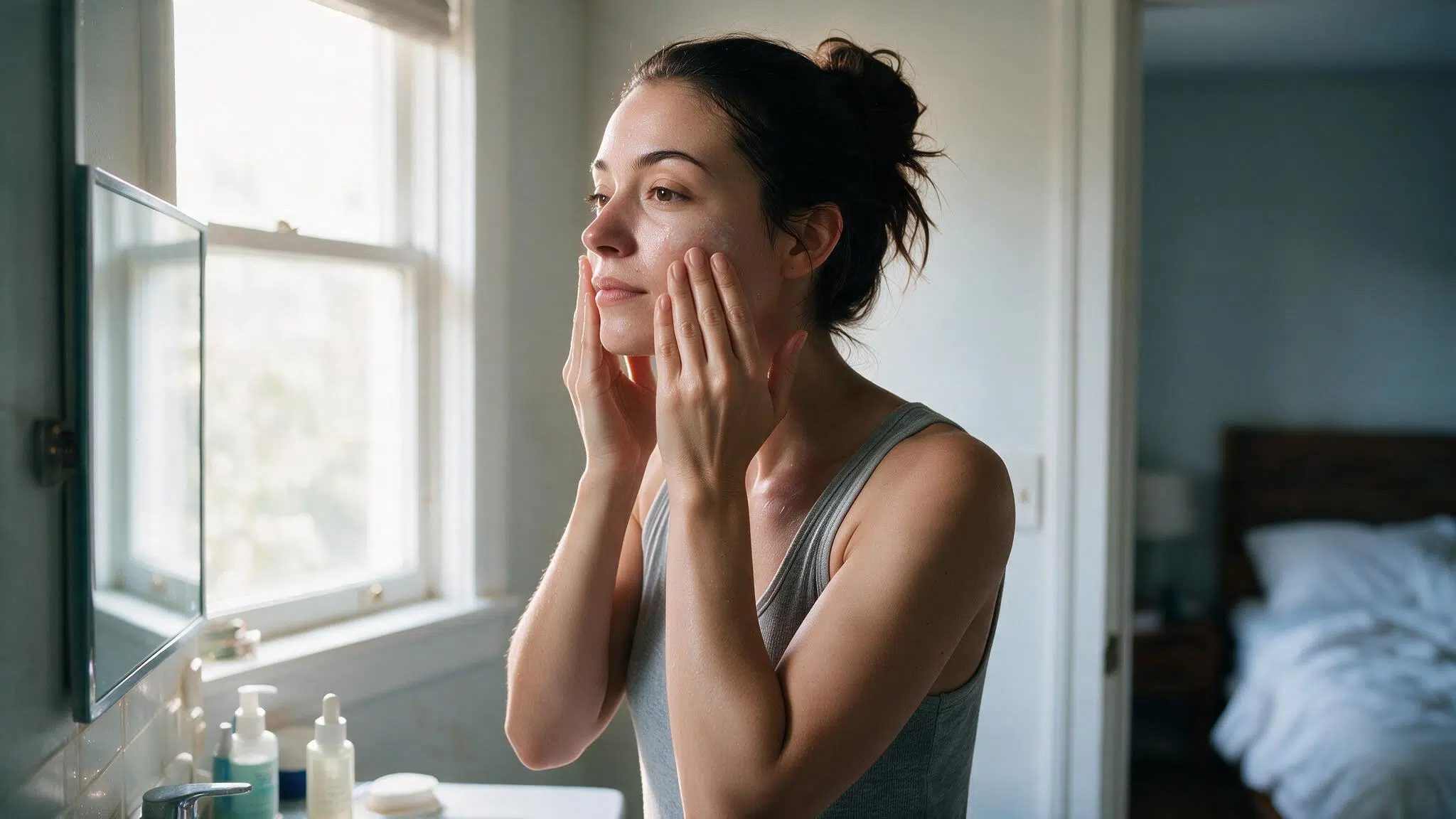
Moisturizer helps maintain hydration and supports the skin barrier. Choose a texture that suits your skin, not the richest formula available.
Barrier-supporting moisturizers often include ingredients such as ceramides, glycerin, and hyaluronic acid. Many people default to this popular drugstore moisturizer for exactly that reason, though it’s worth checking the label against your own skin’s needs.
4. Finish with Sunscreen
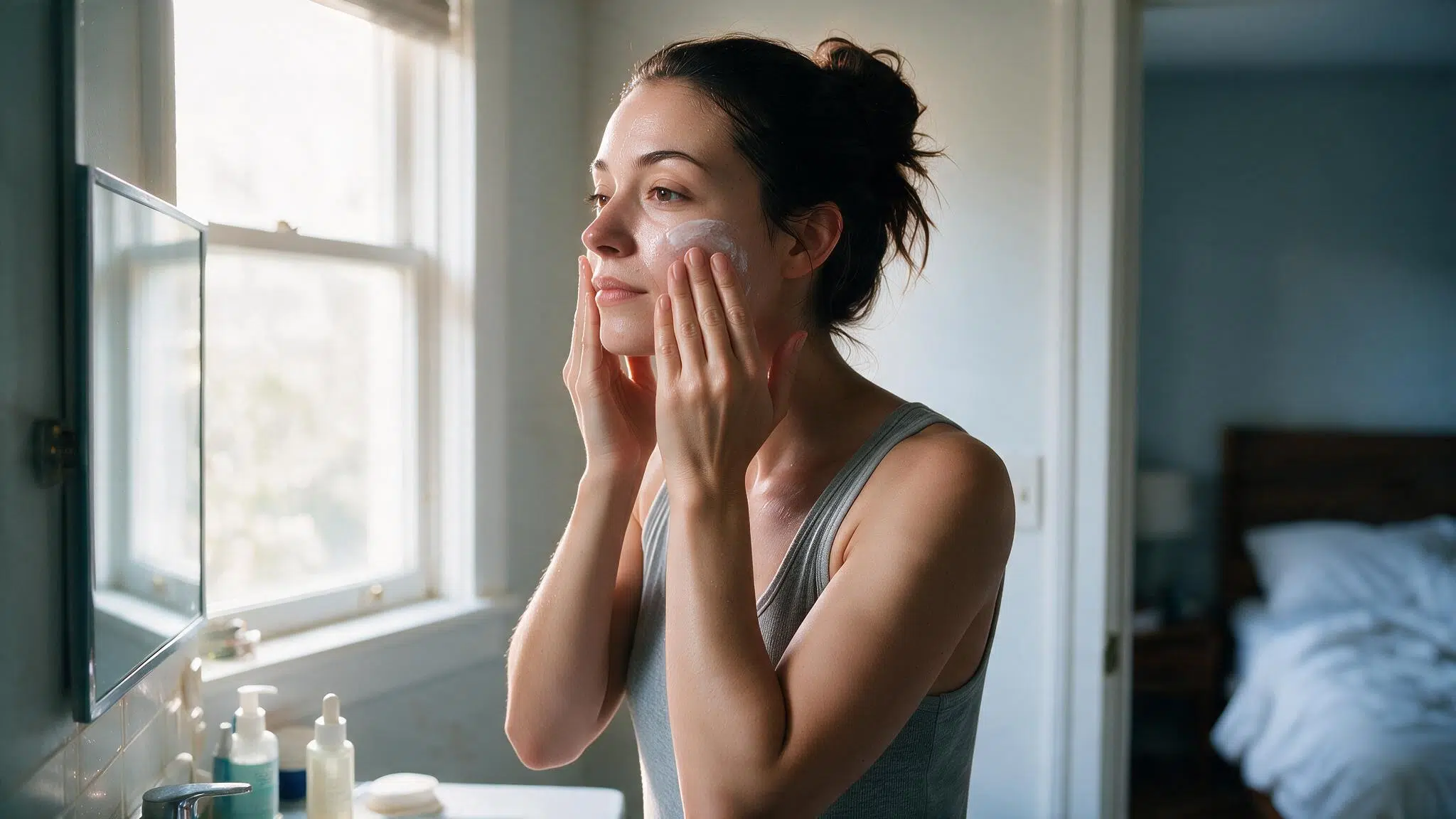
Use broad-spectrum SPF 30 or higher as your final morning skincare step. Consistent protection is especially important when you’re trying to prevent sun-related pigmentation from becoming more noticeable. Reapply when needed during extended outdoor exposure.
I keep a travel-size sunscreen in every bag I own, since reapplication, not the SPF number, is where most people’s routine actually falls apart.
Night Routine for Uneven Skin Tone
Nighttime skincare can focus more directly on treatment because you do not need to layer sunscreen afterward.
1. Clean Away Makeup and Sunscreen

Remove makeup, sunscreen, excess oil, and the day’s buildup with a gentle cleanser before anything else, so your treatment serum reaches your skin directly instead of working through leftover residue.
If you wear heavy makeup or water-resistant sunscreen, a thorough cleanse matters even more, since leftover SPF filters can block absorption and cause irritation overnight.
2. Apply Your Main Treatment

Choose the treatment that matches your concern rather than layering several actives together. Azelaic acid may be useful when discoloration appears alongside acne or visible redness.
Consider a retinoid when uneven tone occurs with rough texture or other signs of photoaging. Start slowly whenever you introduce an active ingredient.
3. Use Exfoliation on Separate Nights
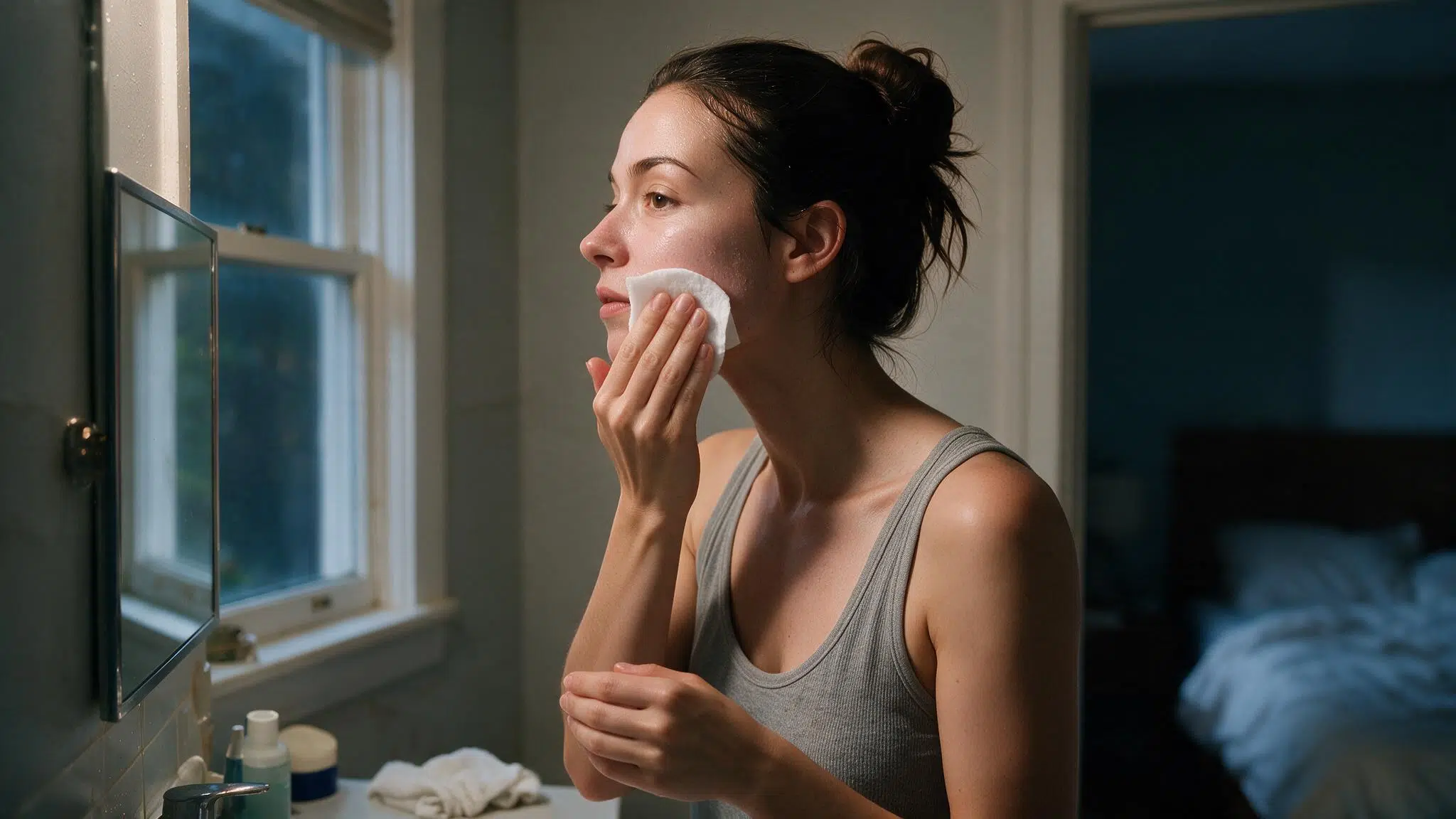
If you use glycolic acid, lactic acid, or another chemical exfoliant, apply it on selected evenings rather than pairing it with every other treatment in your routine.
Spacing it out makes irritation easier to spot and trace back to a single product, and it keeps the rest of your routine manageable instead of overwhelming your skin with acids every night.
4. Finish With Moisturizer

Moisturizer helps reduce dryness that can occur when introducing exfoliating acids or retinoids. A well-known sensitive-skin option like this gentle everyday moisturizer can be a steady pick for nights when actives leave skin tight.
If your skin regularly burns, stings, or peels, reduce the number or frequency of active products instead of trying to cover the irritation with more skincare.
Best Products and Ingredients for Uneven Skin Tone
Different ingredients target different concerns, so choosing the right one depends on whether you are dealing with dullness, redness, dark marks, dryness, or rough texture.
Product Type | Example Product | Best Suited For | Typical Routine Placement |
|---|---|---|---|
Vitamin C serum | Dullness and uneven-looking pigmentation | Morning | |
Niacinamide serum | Uneven appearance, oiliness, barrier support | Morning or evening | |
Azelaic acid | Post-acne marks and visible redness | Evening | |
Glycolic acid | Roughness, dullness, and surface buildup | Selected evenings | |
Retinoid | Post-acne marks, texture, and uneven tone | Evening | |
Barrier moisturizer | Dryness and skin-barrier support | Morning or evening | |
Broad-spectrum SPF 30+ | Protection against UV-related discoloration | Morning |
You do not need every product in the table. Choose one treatment that matches your main concern, keep the rest of your routine simple, and add new products gradually.
How to Exfoliate without Damaging Your Skin
Exfoliation can help when unevenness is partly caused by dead skin buildup, rough texture, or superficial discoloration.
Chemical exfoliants such as glycolic and lactic acid offer a controlled alternative to repeatedly scrubbing the face. If you are new to exfoliation, start with occasional use and adjust based on your skin’s response.
Stop or reduce use if you notice persistent:
- Burning
- Peeling
- Tightness
- Redness
- Increased sensitivity
- New irritation-related marks
Do not assume stronger exfoliation will produce quicker results. Pigmentation below the skin’s surface cannot simply be scrubbed away, and irritating the area may make the problem harder to manage.
I coach exfoliation the same way I used to coach swim training: start light, let the response set the pace, and resist the urge to add more just because progress feels slow.
Natural Ways to Support a More Even Complexion
Natural care should support the skin rather than attempt to bleach or aggressively strip it.
Gentler options include fragrance-free moisturizer, oatmeal-based soothing products, aloe vera products, and skincare formulated with botanical ingredients such as licorice root or green tea extract.
These choices may help with hydration, comfort, or mild visible irritation, but they should not replace targeted treatment when you are dealing with significant hyperpigmentation or melasma.
Be particularly careful with DIY remedies.
Applying lemon juice, baking soda, undiluted vinegar, or abrasive homemade scrubs can irritate the skin and damage its protective barrier.
Healthy sleep, adequate hydration, a balanced diet, and avoiding unnecessary picking also support general skin health, but they should not be marketed as cures for pigmentation.
Quick Method to Make Skin Look More Even
Skincare needs time, but makeup can create a more balanced appearance immediately when you need it. Useful temporary options include:
- Color corrector: Helps visually neutralize areas of redness or discoloration before foundation.
- Tinted moisturizer: Provides lighter coverage while evening the overall appearance.
- Concealer: Targets individual marks without heavily covering the entire face.
- Foundation: Offers broader coverage when pigmentation is more noticeable.
- Hydrating primer: Can smooth dry or uneven-looking texture before makeup.
These products temporarily change how the skin looks. They do not treat the underlying pigmentation. My own kit has a color corrector in it for exactly this reason. Some mornings call for coverage, not treatment, and there’s nothing wrong with reaching for both on different days.
How Long Does It Take to Even Skin Tone?
Pigmentation usually changes gradually rather than over a few days. The time required depends on the cause, depth of discoloration, skin type, the treatment you use, sun exposure, and how consistently you follow your routine. A rough progression may look like this:
Time | Possible Changes |
|---|---|
First few weeks | Better hydration and less visible dullness |
4 to 8 weeks | Early changes in newer marks may become noticeable |
2 to 3 months | Some dark spots may appear lighter |
Several months | More persistent pigmentation may require continued treatment |
Long term | Maintenance helps reduce new discoloration |
Do not abandon a tolerable routine simply because your complexion looks the same after one week.
At the same time, you don’t need to keep using a product that repeatedly causes burning, swelling, or significant irritation just because pigmentation treatments take time.
Professional Treatments for Stubborn Pigmentation
Some discoloration doesn’t respond well to over-the-counter skincare. A dermatologist can first determine whether you’re dealing with post-inflammatory pigmentation, melasma, sun-related spots, another skin condition, or a combination of concerns.
Depending on that diagnosis, professional treatment may include:
- Prescription pigmentation creams
- Prescription retinoids
- Chemical peels
- Microneedling, which is generally better established for texture and scarring, though some dermatologists use it alongside other treatments for pigmentation
- Laser or light-based procedures
Treatment choice matters because not every procedure suits every skin tone or type of pigmentation. Melasma in particular may need ongoing management rather than a single treatment.
Mistakes that Can Slow Your Progress
You can choose appropriate products and still see poor results if everyday habits continually irritate your skin. Avoid these common mistakes:
- Skipping sun protection: Continued UV exposure can interfere with progress on sun-related pigmentation.
- Picking acne: Squeezing or scratching inflamed areas can increase the chance of lingering marks.
- Over-exfoliating: Too many acids or scrubs can weaken the skin barrier.
- Combining too many actives: Starting acids, retinoids, and several serums together makes irritation more likely and harder to trace.
- Changing products constantly: Switching routines every few days gives you little opportunity to see what your skin actually tolerates.
- Using harsh DIY treatments: Burning or irritating the skin does not create a healthier, more even complexion.
- Expecting overnight results: Pigmentation often takes weeks or months, not days, to visibly change.
Simple, consistent skincare is easier to evaluate and adjust. The clients I see backslide the most aren’t the gentle ones. They’re the ones switching products every few days, which means my first question at a check-in is usually about their history, not their skin.
When to See a Dermatologist
Not every case of uneven skin tone needs professional treatment, but some changes should not be managed with skincare alone.
Consider seeing a dermatologist if pigmentation appears suddenly, keeps spreading, changes in color or shape, or does not improve after consistent care.
Medical advice is also important when the affected area becomes painful, very itchy, scaly, raised, thickened, or persistently inflamed.
A dermatologist can help identify whether the discoloration is linked to melasma, post-inflammatory pigmentation, rosacea, another skin condition, or something requiring further evaluation.
Professional guidance is also useful before trying prescription creams, chemical peels, microneedling, or laser treatments. Getting the cause identified correctly can prevent unnecessary irritation and help you choose a safer, more targeted treatment plan.
The Bottom Line
Uneven skin tone isn’t a flaw to fix overnight. It’s a signal, and once you know what it’s pointing to, the routine to answer it gets a lot shorter.
I’ve watched clients spend months on sun spots, post-acne marks, or melasma before realizing the ingredient that finally worked wasn’t the trendiest one. It was the one that matched what was actually happening on their skin.
If you’ve been trying to learn how to even skin tone for a while without much payoff, it might not be your effort that’s off. It might just be the match between product and cause. Tell me in the comments what’s actually working for your skin; we read every one.
Frequently Asked Questions
Can Uneven Skin Tone Go Away Completely?
Some discoloration, like post-acne marks or mild sun spots, can fade close to your natural tone once you control the trigger. Melasma is different. It often responds to treatment but can return with sun exposure or hormonal shifts, so it’s usually managed rather than cured outright.
Does Uneven Skin Tone Look Different on Deeper Skin Tones?
Yes. On medium and deep skin tones, post-inflammatory marks tend to be more visible and take longer to fade, which is why dermatologists usually recommend introducing acids and retinoids gradually rather than all at once, and never skipping sunscreen.
Can Stress Make Discoloration Worse?
Stress itself doesn’t create pigmentation, but it can worsen acne breakouts and skin inflammation, and inflammation is what triggers post-inflammatory marks in the first place. Managing breakouts calmly, without picking, matters as much as any product here.
Do Certain Makeup Ingredients Trigger New Dark Spots?
Fragranced or comedogenic makeup can irritate the skin or clog pores, and that irritation can leave new marks behind, especially on skin already prone to discoloration. Fragrance-free, non-comedogenic formulas are the safer choice if you’re actively treating uneven tone.
Is Uneven Skin Tone Normal?
Some variation in skin color is completely normal. Freckles, natural shadows, redness, and small differences in pigmentation do not mean your skin is unhealthy. Treatment is mainly useful when unwanted discoloration is new, persistent, or bothersome.