Moles are small spots on the skin that many people have, and most are harmless.
Still, I know how tempting it can be to search for DIY mole removal tips when you don’t like how one looks or feels.
The problem is, not all moles are the same, and removing one at home can carry risks you might not expect.
That’s why it’s important to understand what you’re dealing with before trying anything.
Here, I’ll share what you need to know about how to remove a mole at home and why some methods may not be as safe or effective as they seem.
You’ll learn about common home remedies, the risks they carry, and the safer options available.
My goal is to give you clear, honest information so you can make a choice that protects your skin and your health-because sometimes, what seems simple can lead to bigger problems.
What Causes Moles and When They Need Attention
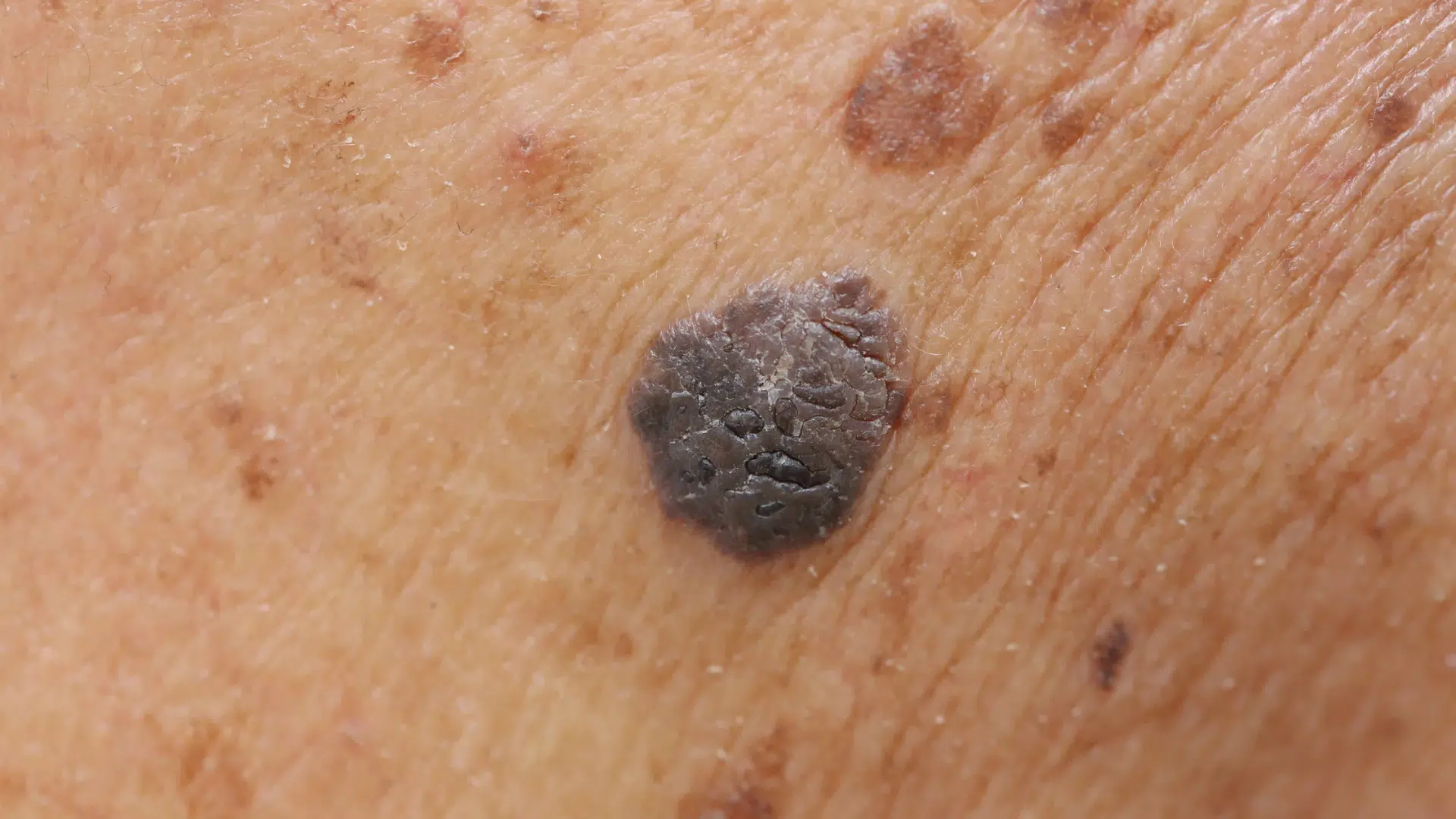
Moles form when skin cells called melanocytes grow in clusters instead of spreading evenly.
They can appear anywhere on the body and are often brown, black, or flesh-colored. Many moles are harmless and stay the same for years.
Some people are born with them, while others develop new ones over time due to sun exposure or hormonal changes.
Most moles don’t cause problems, but some changes can be a warning sign.
If you notice any of the following, it’s best to see a doctor before trying DIY mole removal or learning how to remove a mole at home:
- Rapid growth or change in shape
- Uneven edges or multiple colors
- Itching, bleeding, or crusting
- A mole that looks very different from others on your skin
Risks of DIY Mole Removal You Should Know
Trying to remove a mole yourself may seem quick and easy, but it can lead to serious problems. Many home methods don’t fully remove the mole and can cause lasting skin damage.
- Infection: Can occur from unsterile tools or open wounds.
- Permanent scarring: May leave visible marks or skin discoloration.
- Regrowth: Moles can return if not completely removed.
- Missed cancer signs: Early signs of skin cancer may go unnoticed.
- Pain and irritation: Harsh substances or cutting methods can damage skin.
How to Remove a Mole at Home: Common Methods and Their Risks
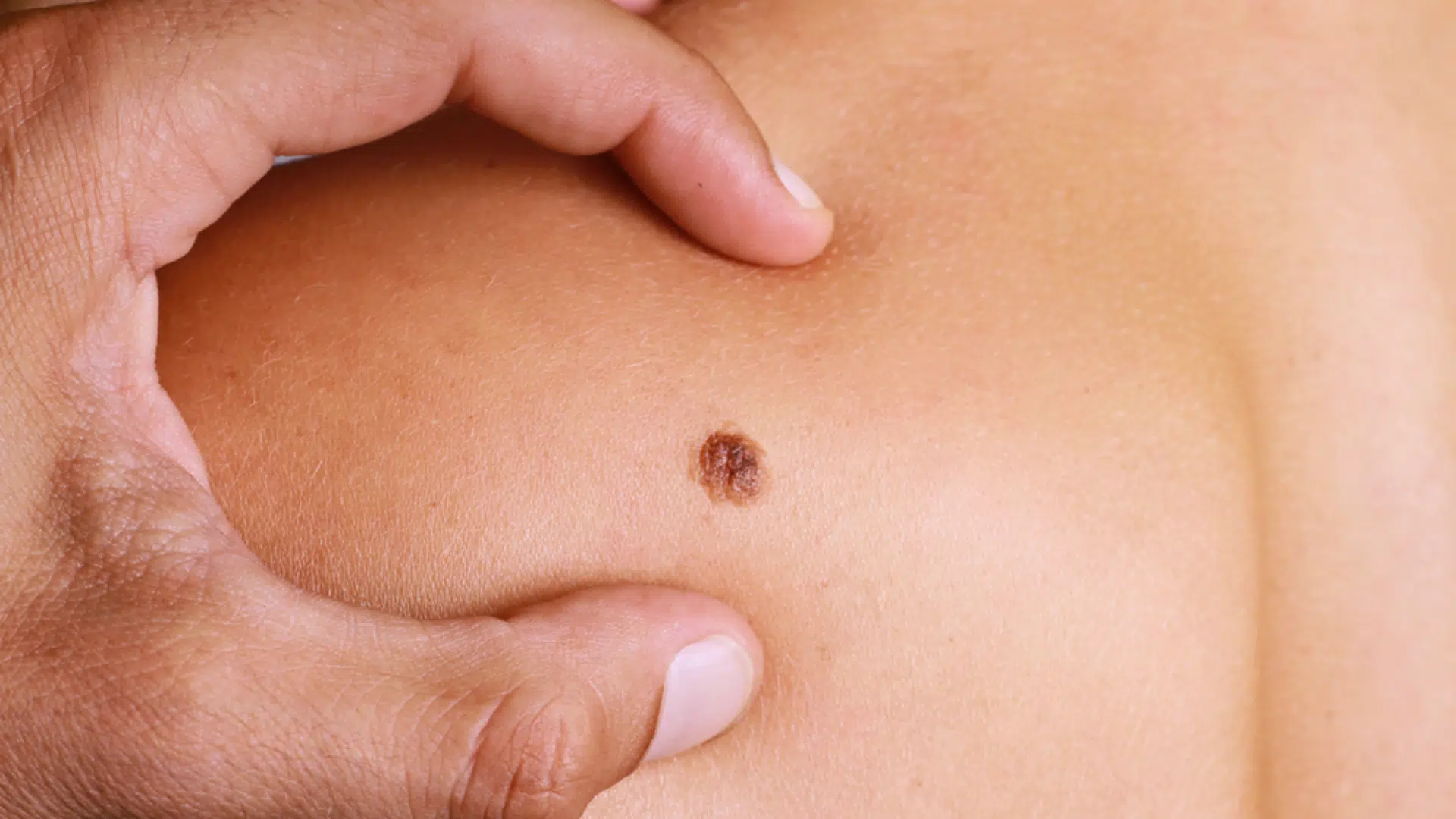
Many try at-home mole removal for speed and cost, but these methods can cause skin damage or hide serious issues. Knowing the risks is important before deciding.
1. Garlic
Some believe that applying crushed garlic directly to a mole can break down the skin tissue and make the mole fall off.
The natural enzymes in garlic are thought to destroy pigment cells. This method often involves covering the area with a bandage after applying garlic paste for several hours.
Risks:
- Burns and skin irritation from prolonged contact
- Scarring that may be more noticeable than the mole
- Infection of the skin becomes raw or blistered
2. Apple Cider Vinegar
Apple cider vinegar is acidic and is believed to “burn” away the mole’s surface over time. Some people soak a cotton ball in vinegar and tape it over the mole for hours or days.
The acid may eat through layers of skin, which is why many expect the mole to fall off.
Risks:
- Chemical burns that damage healthy skin
- Skin discoloration that can be permanent
- Incomplete mole removal, allowing regrowth
3. Iodine
Iodine is sometimes applied to a mole repeatedly over several days, with the belief that it will gradually kill the mole’s cells.
Some use liquid iodine solutions and cover the area to speed the process.
Risks:
- Skin irritation from repeated application
- Allergic reactions in sensitive individuals
- Potential toxicity if used in large amounts over time
4. Over-the-Counter Mole Removal Kits
Drugstores and online shops sell kits that claim to remove moles without a doctor’s help. These often include creams, freezing devices, or chemical solutions.
While they may look professional, they are not always safe for moles that haven’t been checked by a healthcare provider.
Risks:
- Improper use that leads to scarring or skin damage
- Regrowth of the mole isn’t completely removed
- Missing early warning signs of skin cancer, since no medical check is done before treatment
When to Seek Professional Help
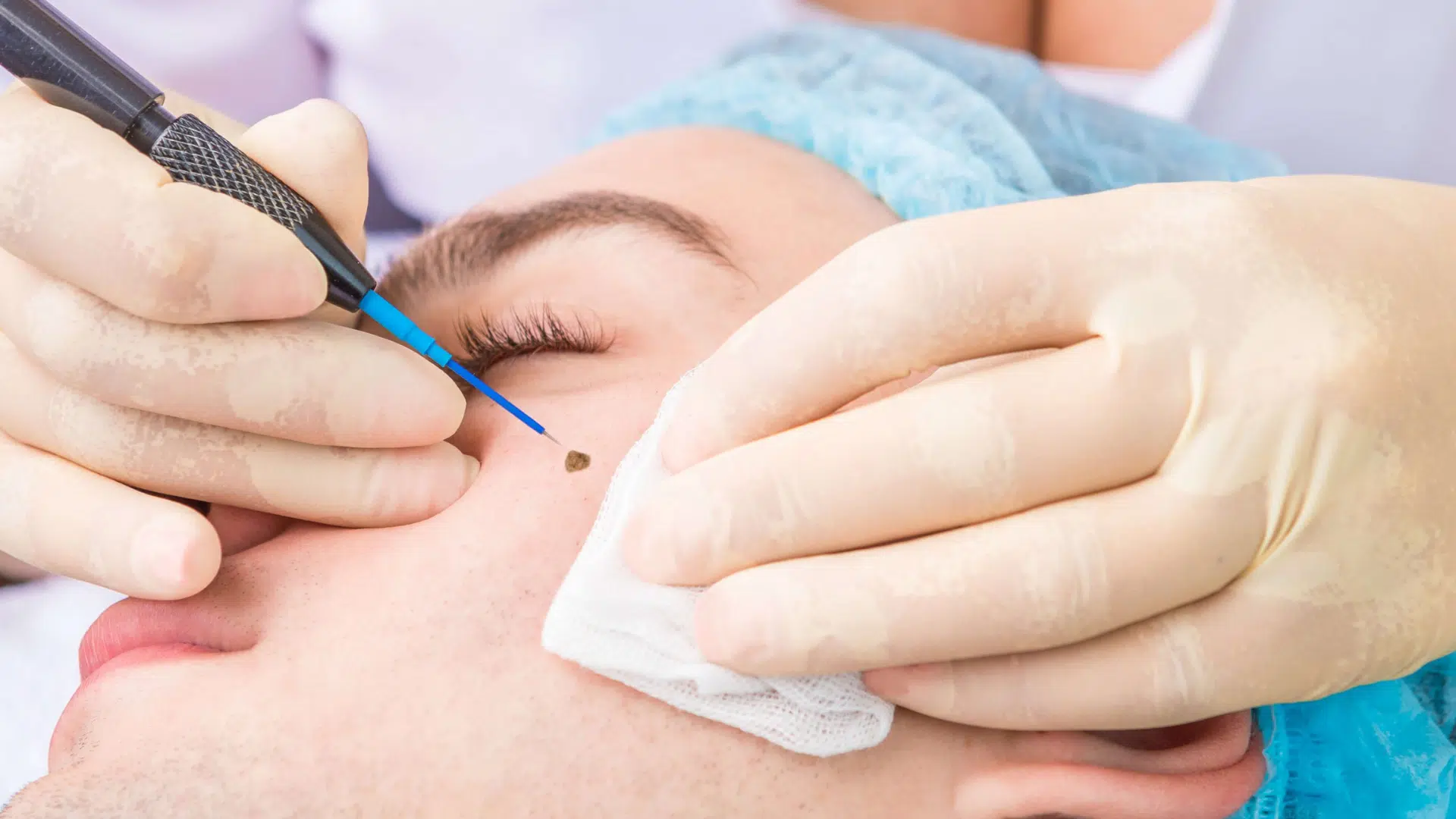
Not every mole needs to be removed, but some changes can signal a serious problem. A doctor can examine your skin and decide if removal is safe or necessary.
Professional care is important because moles can sometimes be a sign of skin cancer, and only a trained eye can spot the difference.
Trying to remove a suspicious mole at home can hide important symptoms and delay treatment.
Seek medical help if you notice:
- Rapid growth or change in shape
- Uneven edges or multiple colors
- Bleeding, itching, or crusting
- A mole that looks different from others on your body
Getting a mole checked by a dermatologist can give you peace of mind and ensure the safest treatment for your skin.
Safer Alternatives to DIY Mole Removal
If you want a mole removed, professional treatments are the safest choice. They lower the risk of infection, scarring, and missed cancer signs compared to at-home methods.
- Surgical Excision: The mole is cut out with a small margin of healthy skin and stitched closed.
- Shave Excision: The mole is shaved off at skin level without stitches.
- Laser Removal: Focused light breaks down pigment in the mole.
- Cryotherapy: Freezing the mole with liquid nitrogen to destroy tissue.
- Biopsy Before Removal: Testing the mole to check for signs of cancer before treatment.
Conclusion
Moles are common, and most of the time, they don’t cause problems. Still, I understand why you might want to remove one, especially if it bothers you or affects your confidence.
The important thing is to know the risks before trying DIY mole removal or searching for ways to remove a mole at home.
Some home remedies can leave scars, cause infections, or even hide signs of skin cancer. That’s why I believe it’s worth getting a mole checked by a doctor first.
When a professional removes a mole, you’re not just getting rid of it; you’re also protecting your skin and health.
If you ever notice changes in a mole, don’t wait. Get it looked at and make a choice that keeps you safe.
Your skin deserves proper care, and sometimes that means leaving the job to someone who knows exactly what they’re doing.