When I first heard the term “beauty therapist,” I thought it meant someone who gives advice about makeup and skincare all day. Turns out, it’s a whole lot more than that. I learned this when a close friend went to beauty school.
She wasn’t just learning how to paint nails or apply a face mask. She was studying anatomy, chemistry, and even business skills.
If you’re here, I’m guessing you’re curious about what this career is all about. Maybe you’ve thought about working in a salon, spa, or even running your own beauty business.
In this article, I’ll walk you through what a beauty therapist does, the skills you need, how to get started, and the different paths you can take.
By the end, you’ll know exactly what this job involves and if it’s the right move for you or not.
What is a Beauty Therapist?
A beauty therapist is a trained professional who provides treatments to improve and maintain the skin, body, and overall appearance.
They work in salons, spas, wellness centers, hotels, and resorts, or run their own business, either from home or as a mobile service visiting clients. The role combines technical expertise with a personal, client-focused approach.
A beauty therapist can offer relaxing spa experiences, targeted treatments for specific concerns, or a mix of both.
Typical services include:
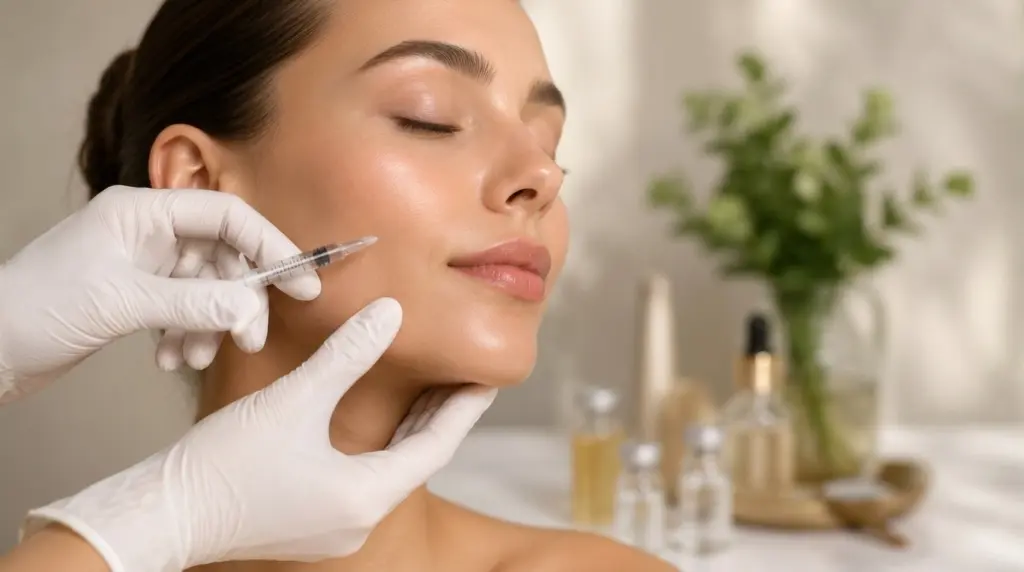
- Facials and skincare treatments for cleansing, hydration, and problem-solving
- Body scrubs and wraps to smooth, refresh, and pamper the skin
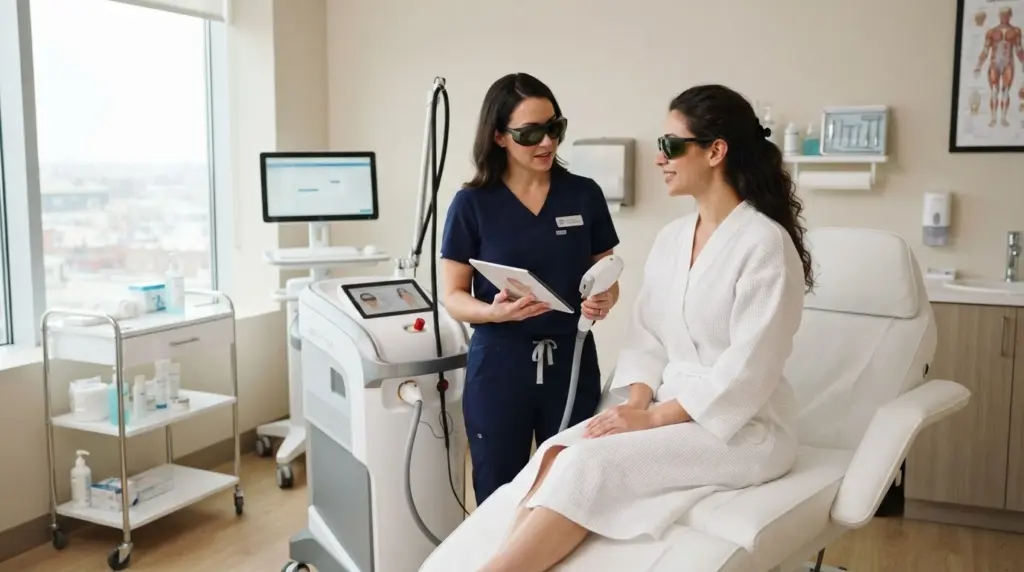
- Hair removal, such as waxing, threading, or laser
- Manicures and pedicures for nail care and beauty
- Makeup application for events or everyday confidence
Some therapists specialize in using natural, organic products, while others use advanced technology like LED therapy or laser treatments. Regardless of their approach, the goal is the same.
Beauty Therapist: Salary, Perks, & Training
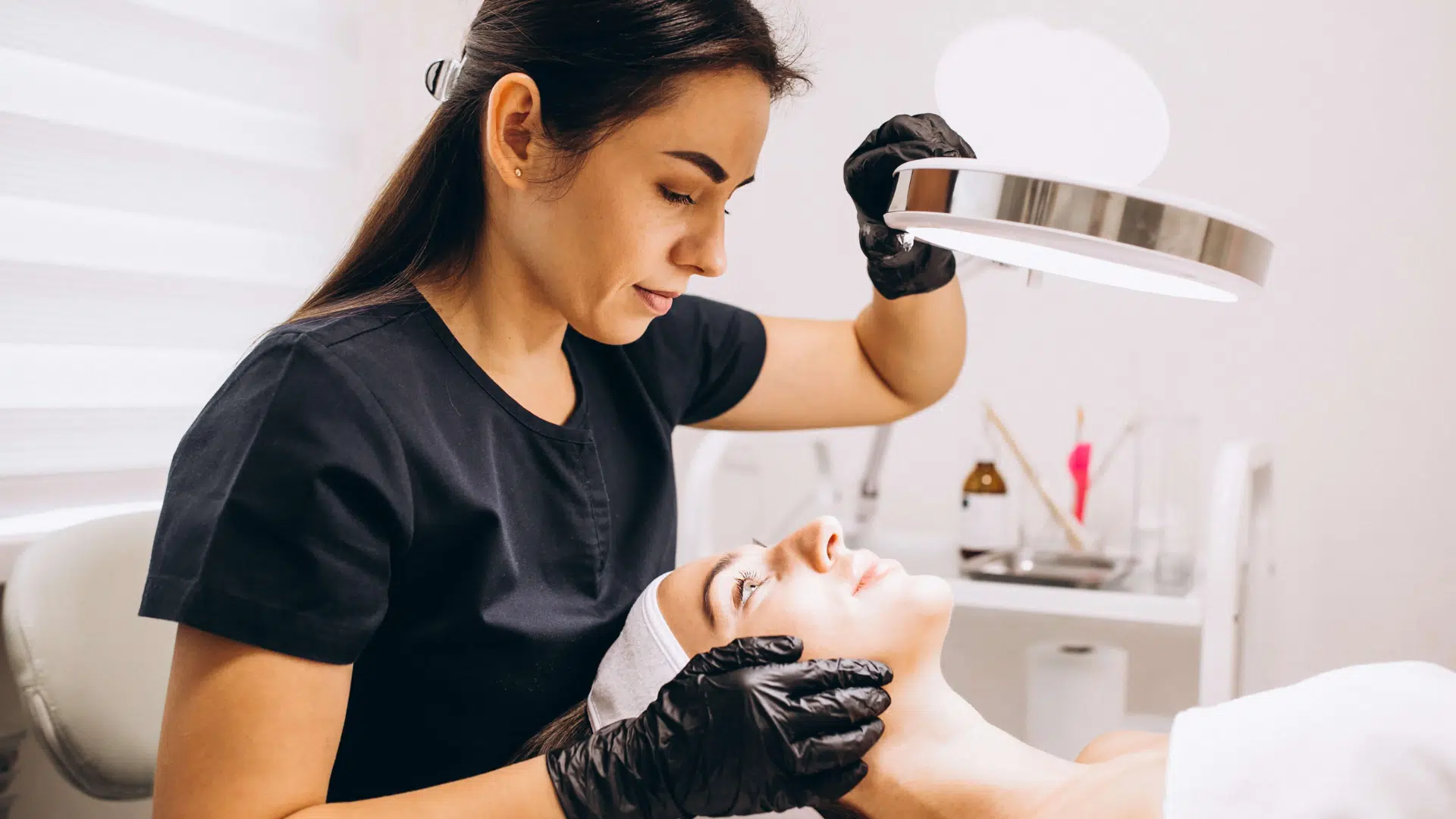
Being a beauty therapist isn’t just about treatments. It’s about helping people feel confident and cared for. The work can look different depending on where you live, your training, and your clients.
From job titles to pay to training, there’s plenty to know before starting this career.
In the US, the role is usually called “aesthetician” or “cosmetologist,” though the services are often similar to what’s offered under the “beauty therapist” title in other countries.
Licensing rules, training requirements, and the scope of treatments can vary by state. Earnings here also depend on where you work, your experience, and whether you’re self-employed.
According to industry data, the average salary for skincare specialists in the US is around $41,700 per year, with entry-level positions closer to $25,000 and top earners making over $70,000.
Tips, commissions, and product sales can also add a significant boost.
Training paths range from full-time, in-person beauty school programs to hybrid courses that combine online theory with hands-on practice. Many schools partner with salons and spas to offer internships.
How to Start and Grow as a Beauty Therapist?
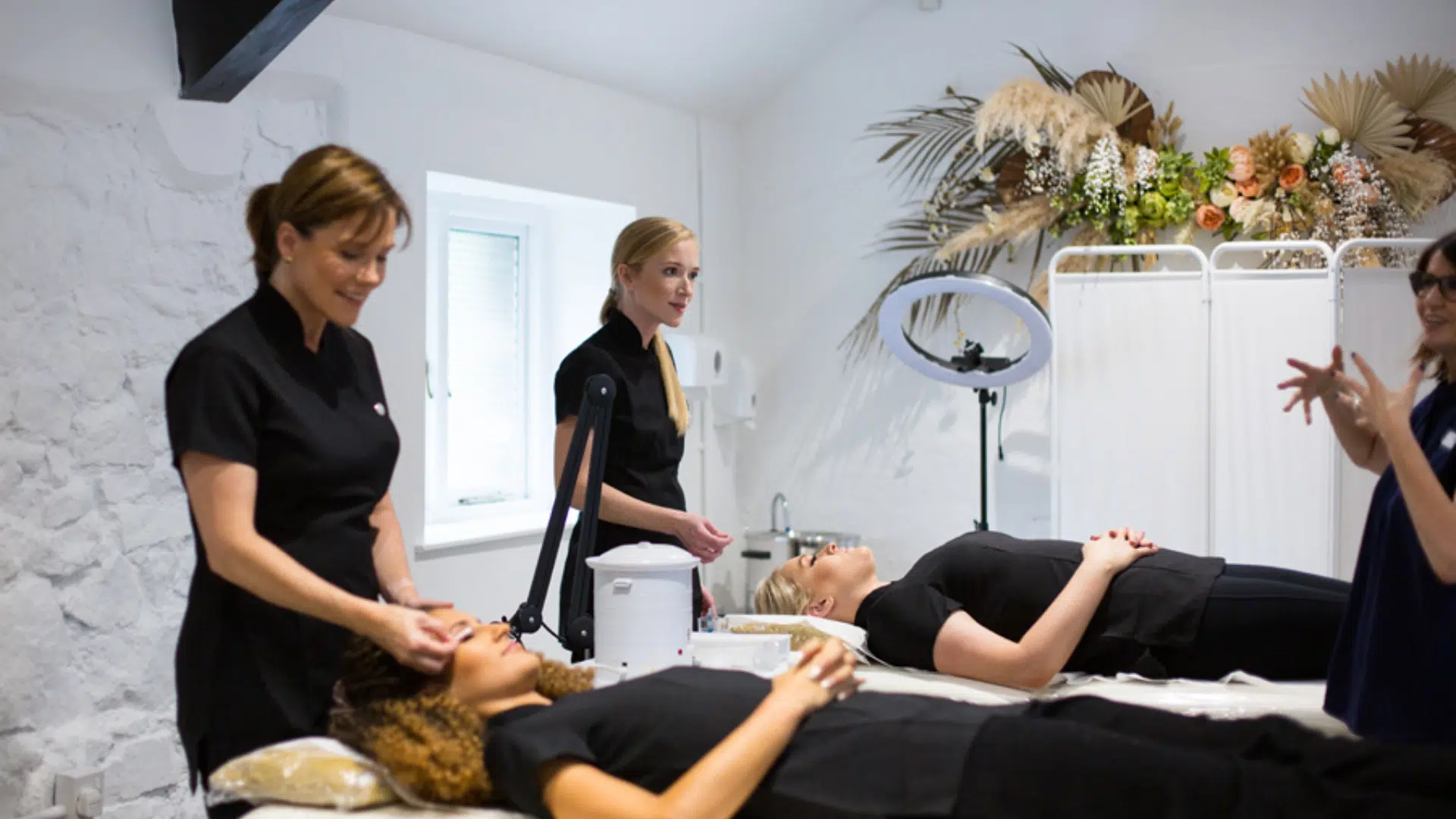
Becoming a beauty therapist takes more than an interest in beauty. You’ll need formal training, practical experience, and in most cases, a license to work legally. The path is flexible, but it usually follows a few key steps.
| Stage | What It Involves | Typical Duration | Purpose |
|---|---|---|---|
| Training Requirements | High school diploma, followed by a certificate or diploma in beauty therapy | 1–2 years | Learn foundational skills and theory |
| Licensing | Pass a state-approved licensing exam (written + practical) | Varies by state | Meet legal requirements to work |
| On-the-Job Experience | Internship or apprenticeship in a salon, spa, or clinic | Several months | Gain real-world skills and start building a client base |
| Advanced Certifications | Specialized courses in treatments like microdermabrasion, laser therapy, chemical peels, and eyelash extensions | A few days to several weeks per course | Expand skills, attract niche clients, and increase rates |
Now let’s break down each stage in more detail so you know exactly what to expect.
1. Meet the Basic Education Requirement
The first step is simple but necessary. You need to finish high school or earn a GED. Most accredited beauty schools require this before accepting students.
A high school diploma builds skills for understanding anatomy, client interaction, and professionalism.
This foundation helps you succeed in beauty programs and shows you’re ready to pursue your career goals. It’s the first step to building knowledge and confidence in the field.
2. Enroll in an Accredited Program
Next, choose a licensed beauty therapy or cosmetology program.
These schools provide both classroom learning and practical training, covering everything from skin anatomy and product knowledge to techniques like facials, waxing, and nail care.
Most programs take 1–2 years, depending on whether you attend full-time or part-time.
Picking the right school matters, as accreditation ensures the education meets state requirements and prepares you for licensing exams later on.
3. Get Hands-On Experience
Training isn’t just about theory; you’ll need practice. Many programs include lab sessions, internships, or apprenticeships in salons and spas.
This is where you work directly with clients under supervision, gaining real-world confidence and refining your technique.
You’ll also learn valuable soft skills like client communication and time management.
Hands-on experience helps bridge the gap between classroom knowledge and professional practice, making you job-ready as soon as you graduate and pursue your license.
4. Pass Licensing Exams
Once you complete your training, most states in the US require you to pass a licensing exam.
This typically includes both a written test to check your knowledge of theory, safety, and laws, as well as a practical test to demonstrate your technical skills.
Licensing is essential. You cannot work legally without it.
Passing these exams shows you’re competent, qualified, and prepared to deliver professional treatments in line with health and safety standards.
5. Build Your Career and Grow
With your license in hand, you can start working in a salon, spa, or wellness center.
Many begin in entry-level roles before specializing in advanced services like microdermabrasion, chemical peels, or lash extensions.
Additional certifications can increase your earning potential and help you stand out. Beyond technical skills, focus on building client relationships and staying updated with new trends.
A commitment to ongoing learning and networking is what turns a starting job into a long-term, rewarding career.
Typical Responsibilities and Day-to-Day Tasks
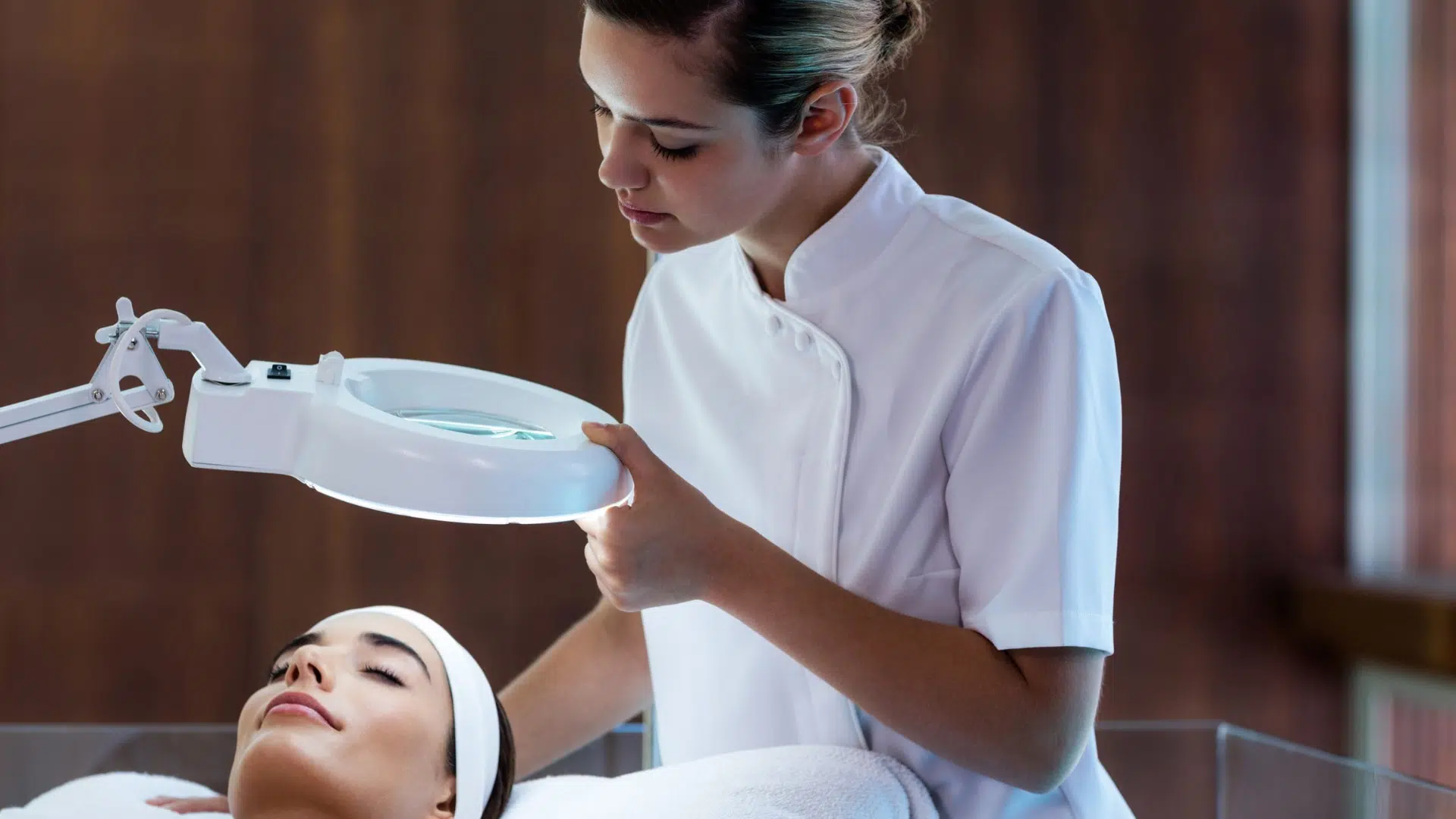
No two days in beauty therapy look exactly the same, but most involve a mix of client treatments, behind-the-scenes upkeep, and personal interaction.
1. Salon and Spa Services
A big part of the job is working directly with clients. Every appointment is a chance to build trust, showcase your expertise, and make a lasting impression. This can include:
- Talking through their needs and recommending treatments
- Performing facials, massages, waxing, manicures, pedicures, and makeup application
- Giving skincare advice and suggesting products that fit their routines
The relationships you form here often lead to repeat bookings and word-of-mouth referrals, which can be just as important to your career as the treatments themselves.
2. Operational Duties
The role isn’t all hands-on treatments. Behind every great client experience is a well-organized workspace and smooth day-to-day operations that may include:
- Sanitizing tools and keeping work areas spotless
- Booking appointments and updating client records
- Recommending add-on services or retail products
- Monitoring stock levels and reordering supplies when needed
Keeping up with these details shows clients you’re professional and care about their experience. When your space feels clean, organized, and well-run, clients feel comfortable coming back and telling others about you.
3. Specializations and Tools
Many beauty therapists go beyond standard services by offering advanced treatments. These require extra training, specialized tools, and strict attention to safety. Some popular options include:
- Laser hair removal
- Microdermabrasion and chemical peels
- LED light therapy
- Advanced facials with professional-grade equipment
Adding these skills lets therapists provide targeted results and attract clients looking for premium treatments. It also allows you to increase your rates and set yourself apart in a crowded market.
Keeping up with new technology expands your services and helps your career grow over time.
4. Soft Skills
Skills get results, but people skills build loyalty. Soft skills help you connect, earn trust, and keep clients coming back. You should be:
- Comfortable talking with and listening to clients
- Skilled at making people feel at ease
- Professional and composed during busy or long days
- Willing to work evenings or weekends when needed
These qualities help build trust, encourage repeat visits, and turn first-time clients into loyal regulars.
A beauty therapist’s work covers much more than the treatments clients see. From hands-on services to behind-the-scenes details, every part of the job shapes the client experience.
Why Become a Beauty Therapist?
Beauty therapy appeals to people for different reasons, and the career can fit many goals. Some are drawn to the creative side, using their hands, eyes, and ideas to help clients look and feel their best.
Others enjoy the variety, since the industry is always changing with new techniques, eco-friendly products, and updated treatments that keep the work interesting.
For many, the biggest draw is flexibility. Beauty therapists can work in salons, spas, hotels, and even on cruise ships.
Some choose to run their own business, visit clients at home, or specialize in niche treatments that make them stand out. The career offers plenty of room to grow and adapt depending on your interests.
Career Paths in Beauty Therapy
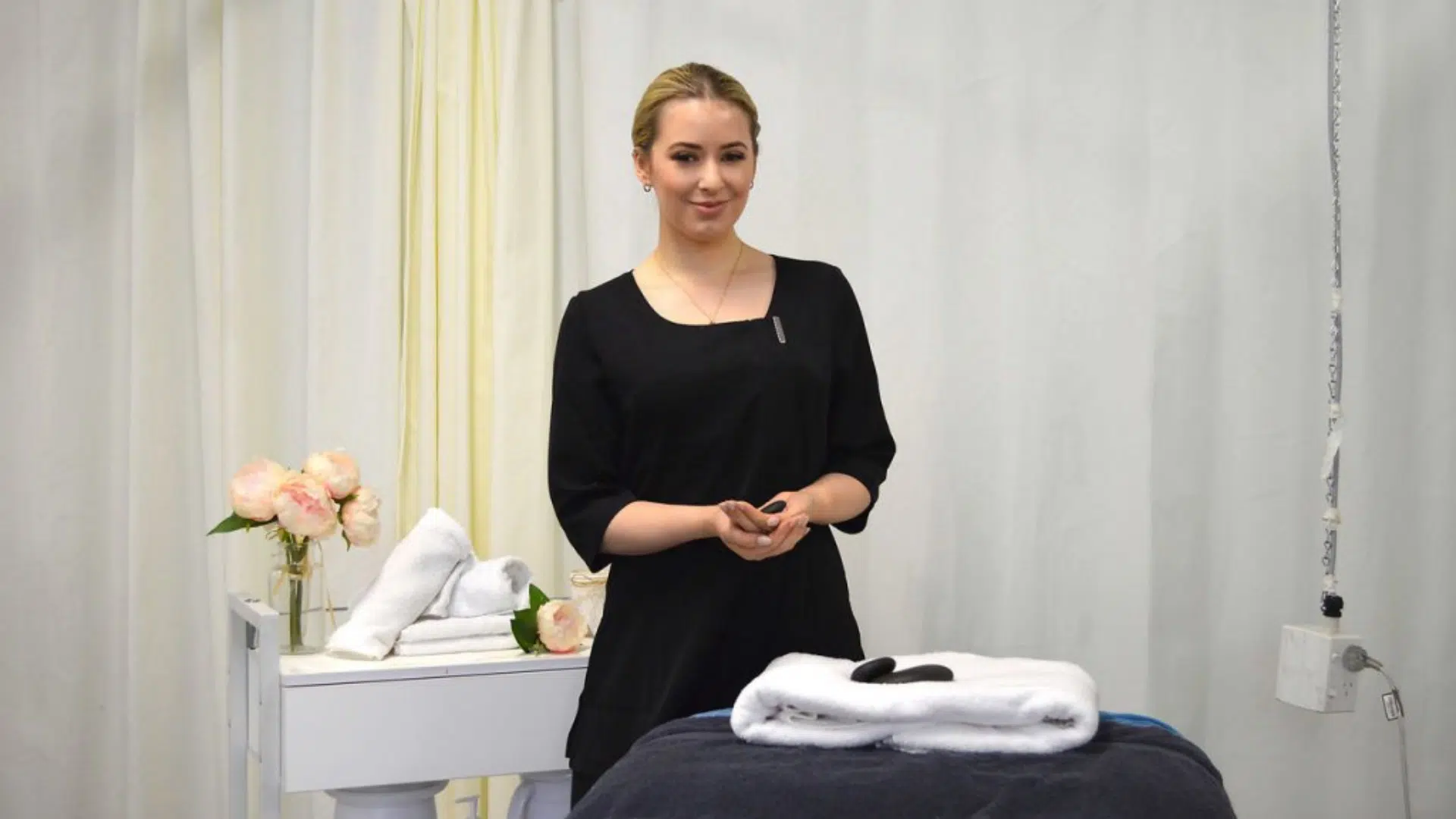
A career in beauty therapy can grow in many directions. From entry-level roles to global opportunities, each stage offers new ways to build skills, specialize, and advance.
| Stage | Details | Examples |
|---|---|---|
| Entry-Level Roles | First step into the industry, providing hands-on experience while building core skills. | – Spa assistant – Junior beauty therapist – Nail technician |
| Specialization Options | Focus on specific services to match interests and attract niche clients after mastering basics. | – Skincare expert – Massage therapist – Lash and brow specialist |
| Growth Paths | With experience and training, move into senior, leadership, or independent roles. | – Lead beauty therapist – Salon or spa manager – Brand representative – Beauty educator/trainer – Business owner |
| Global Opportunities | Compete internationally, build networks, and gain recognition through events like WorldSkills. Opens doors to global career opportunities. | – International competitions – Networking – Recognition and exposure |
Conclusion
Now you’ve seen that beauty therapy is far more than just facials and nail polish. It’s a mix of skill, creativity, and genuine care for people.
You know what the role involves, the skills that matter, the training you’ll need, and the many directions your career can take.
If your goal was to find out if this path suits you, you should have a clearer answer now.
You’ve learned about the daily work, potential earnings, and how to get started, along with the rewards and challenges you might face.
If you decide to step into a salon tomorrow or keep learning about your options, you can make your choice knowing what it takes to succeed as a beauty therapist and what this career can give back in return.