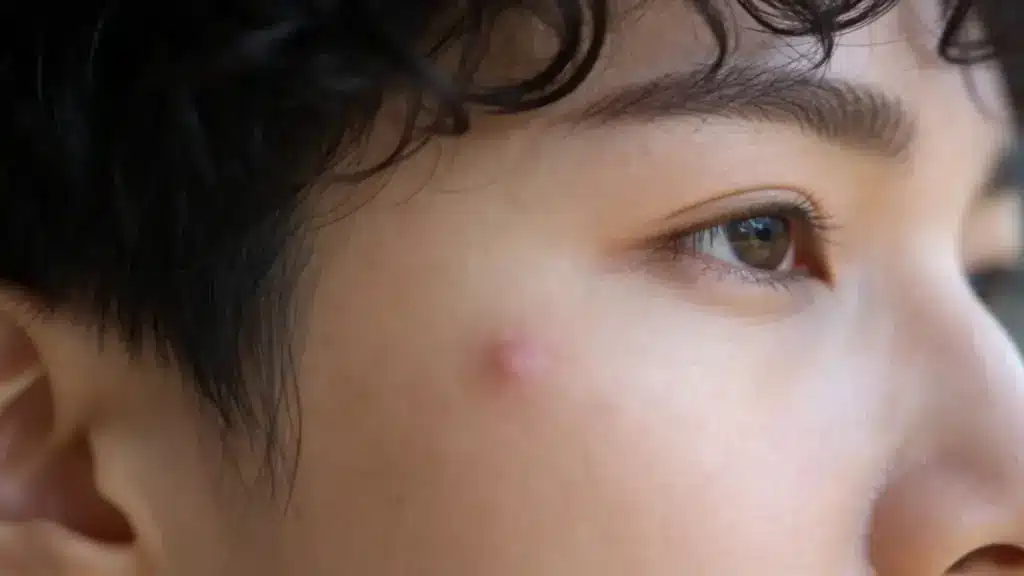
A random bump shows up on the face, and it hurts when touched. There is no white tip, no way to pop it, and no clear idea of what to do next.
That is the frustrating reality of dealing with a pimple with no head.
Unlike regular breakouts, these sit deep under the skin and tend to stay longer.
Many people instinctively try to squeeze them, hoping something will come out. In most cases, that only makes things worse and delays healing.
I have seen this exact scenario play out with clients more times than I can count, and the mistakes people make in the first 24 hours are almost always the same ones.
This blog explains what a pimple without a head actually is, why it happens, and what helps calm it down without damaging the skin.
What is a Pimple with No Head?
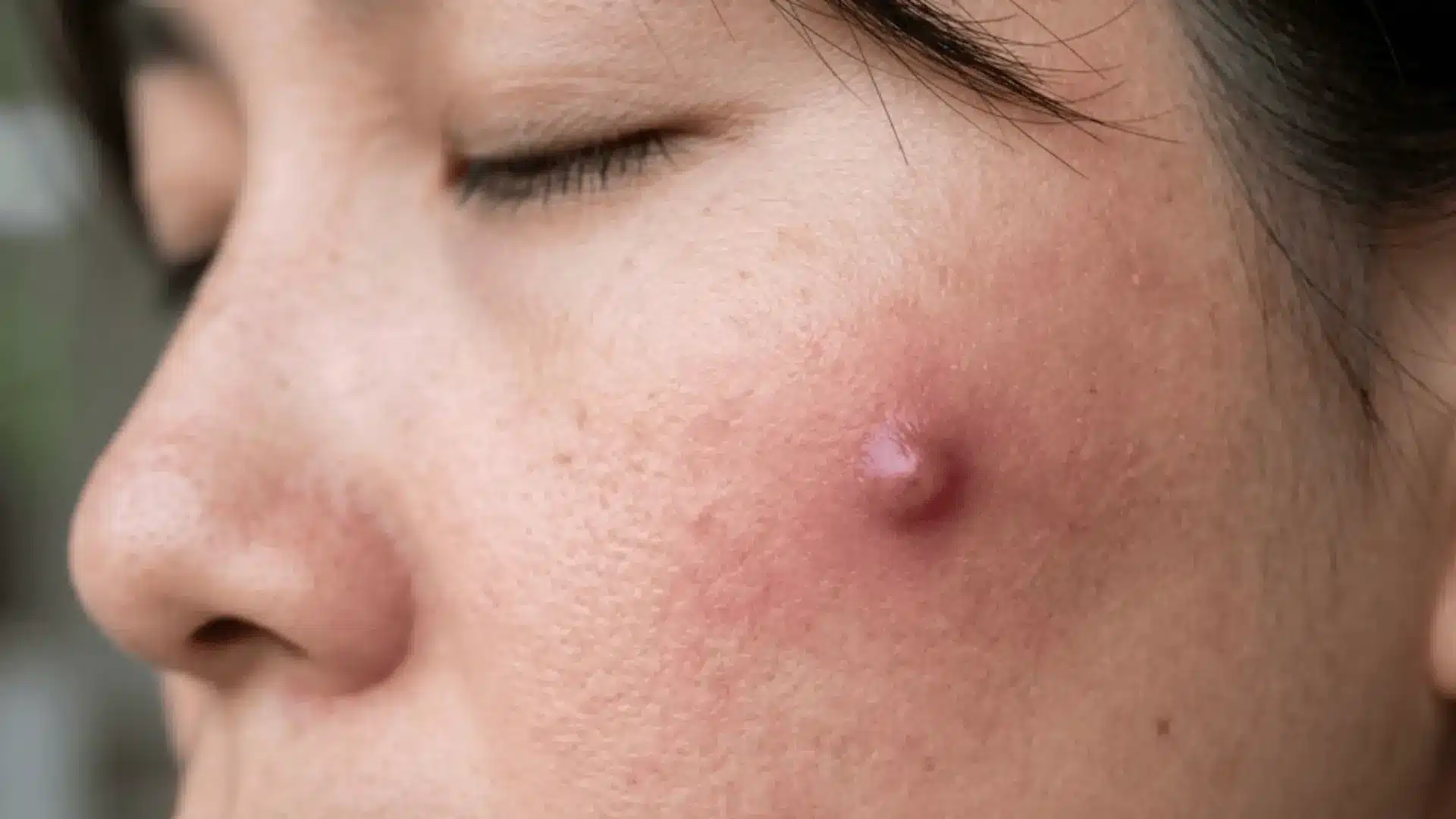
A pimple without a head is commonly called a blind pimple. It forms beneath the surface of the skin and does not develop a visible white or yellow tip like typical pimples.
Instead, the inflammation remains trapped beneath the skin, creating a swollen, often painful bump.
In practice, this type of acne feels firm and tender, almost like a small lump sitting under the skin. There is no opening for oil or pus to escape, which is why it does not form a head.
There are actually two types of blind pimples, and they behave differently. Cysts are softer and pus-filled; they can feel slightly spongy when pressed.
Nodules are harder, contain no pus, and tend to be more painful and longer-lasting.
Knowing which one you are dealing with matters, as nodules rarely respond to surface-level treatments and are more likely to require professional care.
Common Causes Behind Blind Pimples
Several everyday factors contribute to the formation of pimple-like bumps without a head. These triggers often come from internal changes and external habits that affect how pores function.
- Excess Oil: Overproduction of sebum clogs pores deep under the skin, leading to trapped buildup and inflammation.
- Hormones: Changes during periods, pregnancy, puberty, or stress increase oil production and trigger breakouts. If you notice breakouts following a consistent hormonal pattern, it’s worth looking into hormonal acne treatments with a dermatologist.
- Medications: Certain drugs like oral corticosteroids and hormonal birth control can disrupt skin balance.
- Heavy Products: Thick or pore-clogging skincare and makeup block pores and trap bacteria.
- Overuse of Actives: Using too many strong ingredients at once irritates the skin and worsens inflammation.
- Face Touching: Frequent contact transfers dirt and oil, increasing the risk of clogged pores.
- Poor Cleansing: Inconsistent or improper cleansing allows buildup to stay trapped under the skin.
- Humidity: Increased moisture in the air boosts oil production and makes skin more prone to congestion.
- Sweat: Traps dirt and bacteria on the skin, leading to blocked pores.
- Chlorine Exposure: Strips natural oils, causing the skin to overproduce sebum and clog pores.
How to Identify a Pimple with No Head
Identifying this type of pimple is fairly straightforward once the signs are clear.
A pimple with no head looks and feels different from a typical whitehead or blackhead.
It usually appears as a small red or skin-colored bump that feels firm when touched. The area may feel sore, especially when pressure is applied. Unlike regular pimples, there is no visible center or white tip.
A quick way to tell: run a clean finger gently across the area. A blind pimple will feel like a raised firmness beneath the skin, even when the surface looks nearly normal.
If the bump feels spongy, it is more likely a cyst. If it feels hard like a small pebble, it is more likely a nodule, and that one warrants more patience and, if persistent, a dermatologist visit.
A key detail is that these pimples are often deeper and more painful than surface-level acne, which is why they require a different approach to treatment.
Does a Pimple with No Head Go Away on its Own?
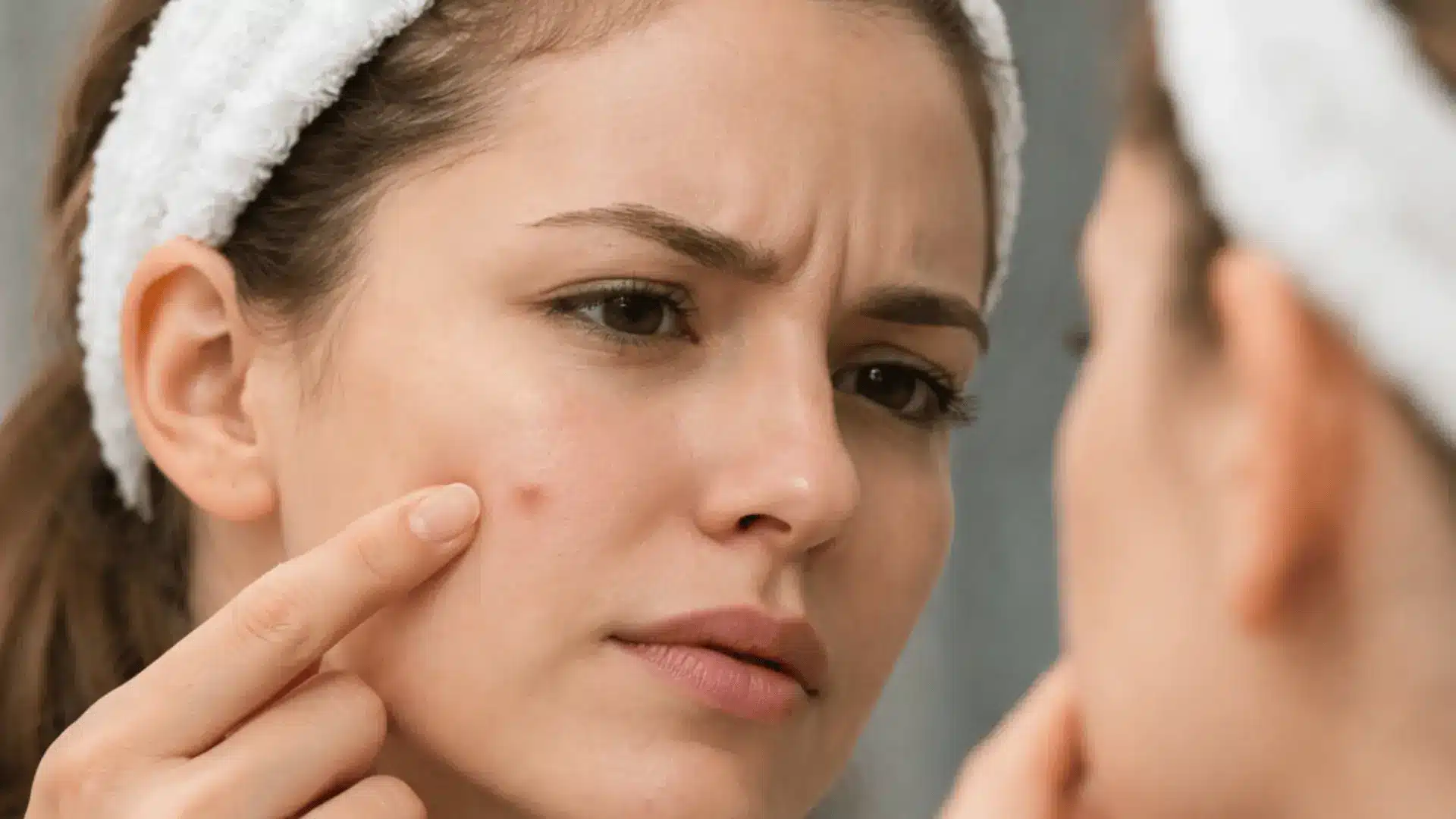
Yes, in most cases, a pimple with no head will go away on its own without needing aggressive treatment.
The body naturally works to reduce inflammation and clear the blockage over time.
On average, blind pimples resolve within one to two weeks with proper care. Without treatment, some can linger under the skin for several months, especially if they are nodular.
In severe cases, the trapped bacteria can cause a deeper infection, indicating that professional treatment is needed rather than waiting it out.
A common scenario is that the swelling reduces first, followed by a gradual fading of the bump. This can take anywhere from a few days to a couple of weeks, depending on the severity of the inflammation.
Patience plays a major role here. Interfering too much often delays healing rather than speeding it up.
How to Treat a Pimple with No Head at Home
Treating a blind pimple at home requires a gentle and consistent approach. Harsh methods rarely work and often make things worse.
- Warm compress: Soak a clean cloth in warm (not hot) water and hold it against the pimple for 10 to 15 minutes, three to four times a day. This encourages the pimple to move closer to the surface and can significantly ease the pain.
- Ice for swelling: Wrap an ice cube in a clean cloth and apply it to the area for 5 to 10 minutes. Wait 10 minutes before repeating. Do not apply ice directly to bare skin. This restricts blood flow temporarily and reduces visible swelling and redness.
- Benzoyl peroxide (2%): According to the Cleveland Clinic, it targets the bacteria causing the inflammation beneath the skin. Do not overapply; a thin layer is enough; more will only irritate the surrounding skin.
- Salicylic acid: This beta-hydroxy acid (BHA) works differently from benzoyl peroxide. It penetrates the pore itself and helps break down the debris that caused the blockage. A salicylic acid toner or spot treatment used once daily can help bring the pimple to a head over time.
- Hydrocolloid patches: These are underused and genuinely effective. A hydrocolloid patch placed directly over the blind pimple pulls fluid out from the area, reduces inflammation, and crucially stops you from touching or picking at it.
- Tea tree oil: Some people find this helpful for its mild antibacterial properties. It’s not as well-studied as salicylic acid or benzoyl peroxide, but if used diluted with a carrier oil and applied sparingly, it’s unlikely to cause harm.
Real User Experience with Blind Pimples
Reddit discussions show a clear pattern when it comes to dealing with a pimple with no head: most people regret trying to force it out.
One user shared their experience of using a needle twice on a blind pimple, only to be left with a lingering red mark weeks later, raising concerns about scarring.
Across replies, the most repeated advice is patience. Many users point out that these pimples often leave temporary redness or discoloration rather than permanent scars, especially if left alone.
Others stress that squeezing or puncturing tends to worsen inflammation and delay healing. Some recommend gentle care, sunscreen, and avoiding picking to prevent hyperpigmentation.
Overall, the takeaway from real experiences is simple: blind pimples take time, and interfering with them usually makes things worse, not better.
Why You Should Not Pop Pimples?
Trying to pop a pimple with no head does nothing useful. There’s no opening, so squeezing pushes the inflammation deeper into the skin rather than releasing anything.
The result is a larger, more painful bump that takes longer to heal.
The other risk that people underestimate: post-inflammatory hyperpigmentation (PIH). That’s the dark mark that lingers for weeks or months after the actual pimple is gone.
Forced squeezing makes PIH significantly more likely, and in skin prone to scarring, it can cause permanent damage that no topical treatment can fully reverse.
If you’ve already popped it: Clean the area gently with mild soap and water, apply a hydrocolloid patch to protect it, and leave it alone. Don’t pick at what comes out.
The goal now is to prevent infection and minimize PIH, not to get more out.
One more thing: toothpaste is not a treatment; it’s a persistent myth that keeps circulating online.
Toothpaste contains sodium lauryl sulfate and fluoride, both of which irritate inflamed skin and make things worse.
When to See a Dermatologist
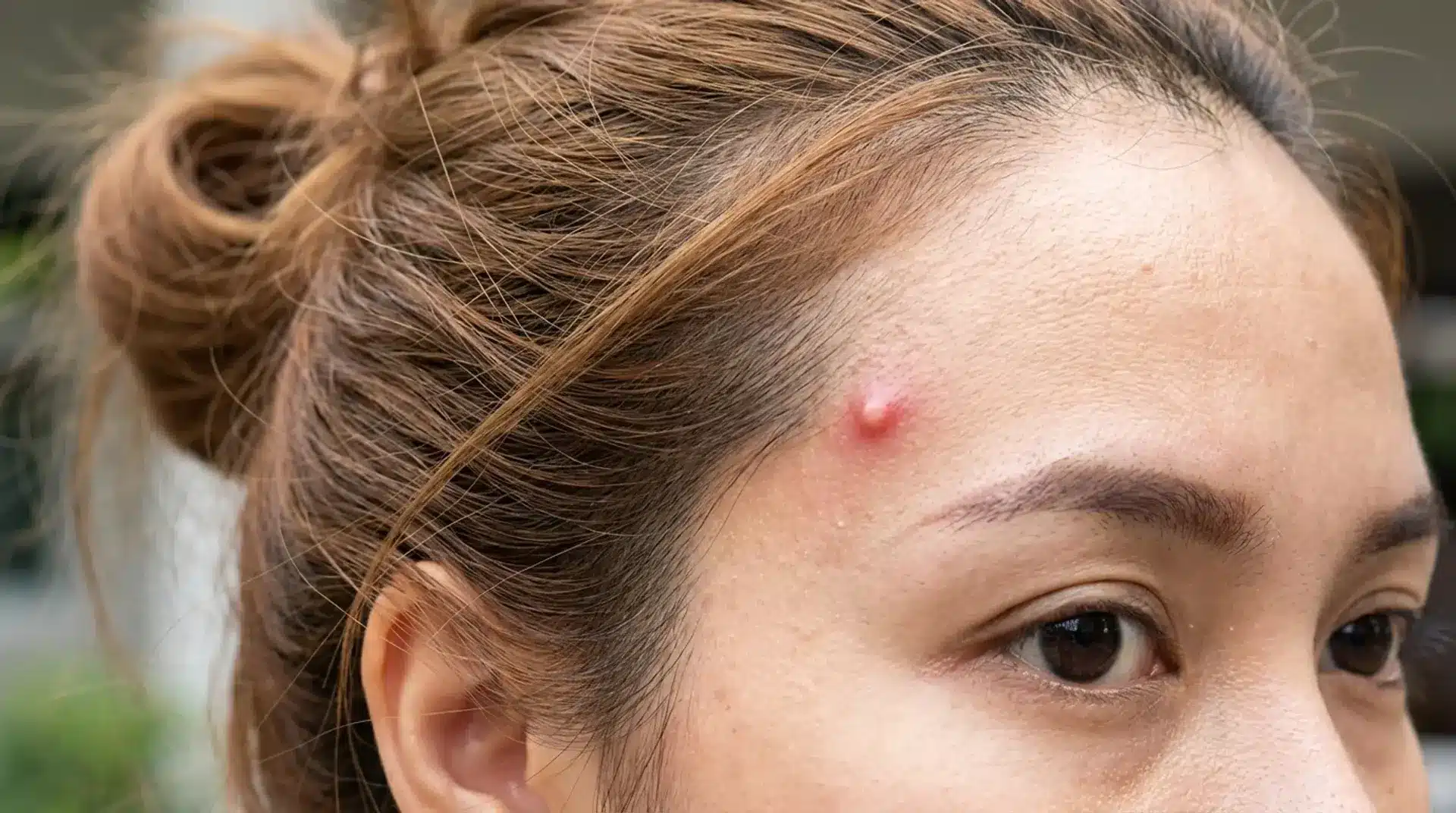
While most pimples with no head can be managed at home, there are situations where professional help is needed.
See a dermatologist if the pimple becomes extremely painful, grows in size, keeps returning in the same spot, or if you develop multiple blind pimples at once.
That pattern may indicate nodular acne, which requires targeted treatment rather than home remedies.
A cortisone injection is one of the most effective in-office treatments. It is injected directly into the pimple and reduces inflammation within 24 to 48 hours, sometimes faster.
This is particularly useful before an important event when waiting two weeks is not realistic.
Dermatologists can also prescribe oral antibiotics, topical retinoids, or other targeted treatments for persistent cases.
Getting this help early prevents long-term skin damage and avoids the scarring that aggressive home treatment often causes.
Tips to Prevent Pimples with No Head
Preventing pimples with no head mostly comes down to keeping pores clear and reducing excess oil and inflammation before it builds up under the skin.
- Cleansing: Wash the skin morning and night, and always after sweating, to remove excess oil and buildup before it settles into pores
- Product Choice: Use non-comedogenic skincare and makeup to reduce the risk of pore blockage
- Light Layers: Avoid heavy or thick layers of products that can congest the skin over time
- Product Introduction: Add new skincare one at a time, patch test on the jawline or inner arm, and wait at least two weeks before introducing another
- Post Swim Care: Rinse the face immediately after swimming, then follow with a gentle cleanser and lightweight moisturizer to restore the skin barrier
- Retinoid Use: Start with a low-strength retinol to support cell turnover and prevent buildup, beginning once a week and increasing gradually
- Lifestyle Habits: Manage stress and stay hydrated to support overall skin health and reduce recurring breakouts
Conclusion
A pimple with no head can feel like the most frustrating type of breakout. It hurts, stays longer, and does not respond to the usual quick fixes.
But once you understand what type you are dealing with (cyst vs nodule), what is driving it, and which treatments are actually evidence-backed, handling it becomes far less stressful.
Simple habits like gentle care, avoiding pressure, and sticking to a consistent routine make a real difference.
These pimples usually heal on their own when the skin is not further irritated.
Clear skin is not about doing everything at once. It is about doing the right things consistently and giving the skin time to recover.
Still dealing with one right now? Drop your situation in the comments, or share what has actually worked for you. Someone else reading this might need that exact tip.
Frequently Asked Questions
Can a Pimple with No Head Turn into a Whitehead Later?
Yes, in some cases, a pimple with no head can come to the surface and develop a white tip. This happens when the trapped material moves upward. However, not all blind pimples do this, especially nodules, which often stay under the skin until they heal.
Is it Normal for a Blind Pimple to Itch?
Mild itching can happen as the skin heals, but intense itching may indicate irritation from products or inflammation. If itching increases after applying something, it is better to stop using that product.
Can Diet Affect Pimples with No Head?
Yes, diet can play a role. High sugar foods, dairy, and processed items may trigger excess oil production in some people, which can lead to deeper clogged pores and breakouts.