Breakouts that just will not quit? That is usually not random.
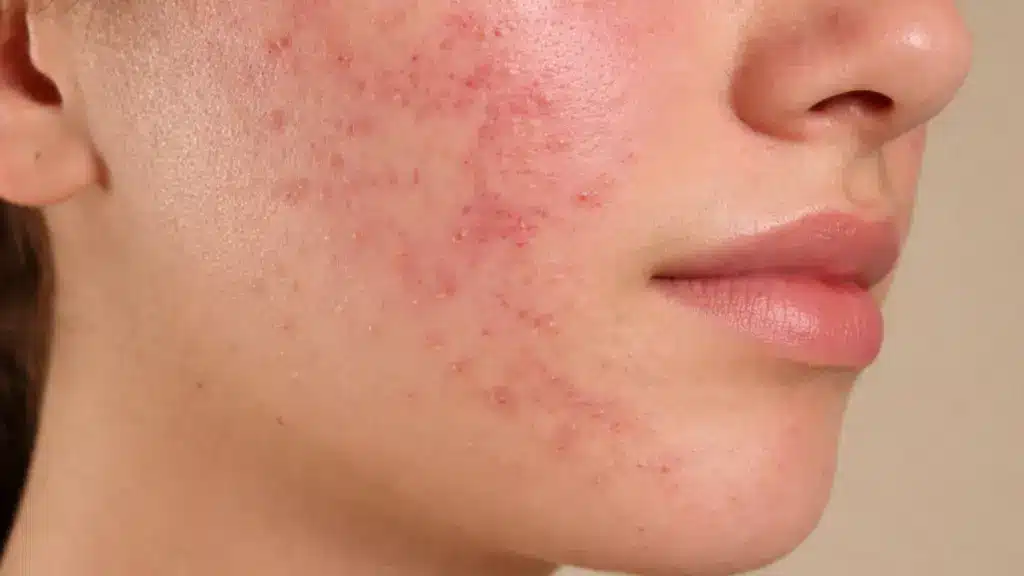
If acne keeps showing up around your jawline, chin, or lower cheeks and refuses to go away, no matter what you try, there is likely something deeper driving it.
Not all acne behaves the same, and treating every breakout like a basic pimple can waste time and money. Right in the middle of this sits hormonal acne, and it follows a different pattern.
It does not just appear and fade. It lingers, comes back in cycles, and often ignores standard skincare routines.
That is why understanding what is happening early can save a lot of frustration.
In this blog, you will learn what it is, how it shows up, what triggers it, where it appears, how it differs from regular acne, when it gets worse, and when to see a doctor.
Understanding Hormonal Acne
Hormonal acne develops when changes in hormone levels push your skin to produce more oil than usual. This excess oil clogs pores, traps bacteria, and causes inflammation.
The result is breakouts that feel deeper, last longer, and do not respond well to basic skincare. It is often linked to puberty, but it does not stop there. Many adults deal with it, too.
Many women in their 20s experience regular breakouts, and these can persist into the 30s, 40s, and beyond.
Hormonal shifts during periods, pregnancy, and menopause play a big role. Men can also face it, usually during puberty or high-stress phases.
One important thing to understand is that oil glands can react differently in each person. Some skin is more sensitive to certain hormones. This means breakouts can still happen even when hormone levels look normal.
Working with acne-prone clients over the years, the pattern I notice most is that people who track their breakouts by location and timing figure out the cause much faster than those who focus only on products. That information is genuinely useful data.
Finding products that work alongside acne-prone skin can be challenging, especially when irritation is already a concern.
Exploring makeup for sensitive skin can help you avoid ingredients that aggravate existing breakouts while still maintaining your everyday look.
Types of Hormonal Acne
Not all breakouts look or feel the same. The various acne types that hormonal changes can produce range from mild surface bumps to deep, stubborn nodules, and identifying which type you are dealing with points directly toward the cause.
1. Cystic Acne
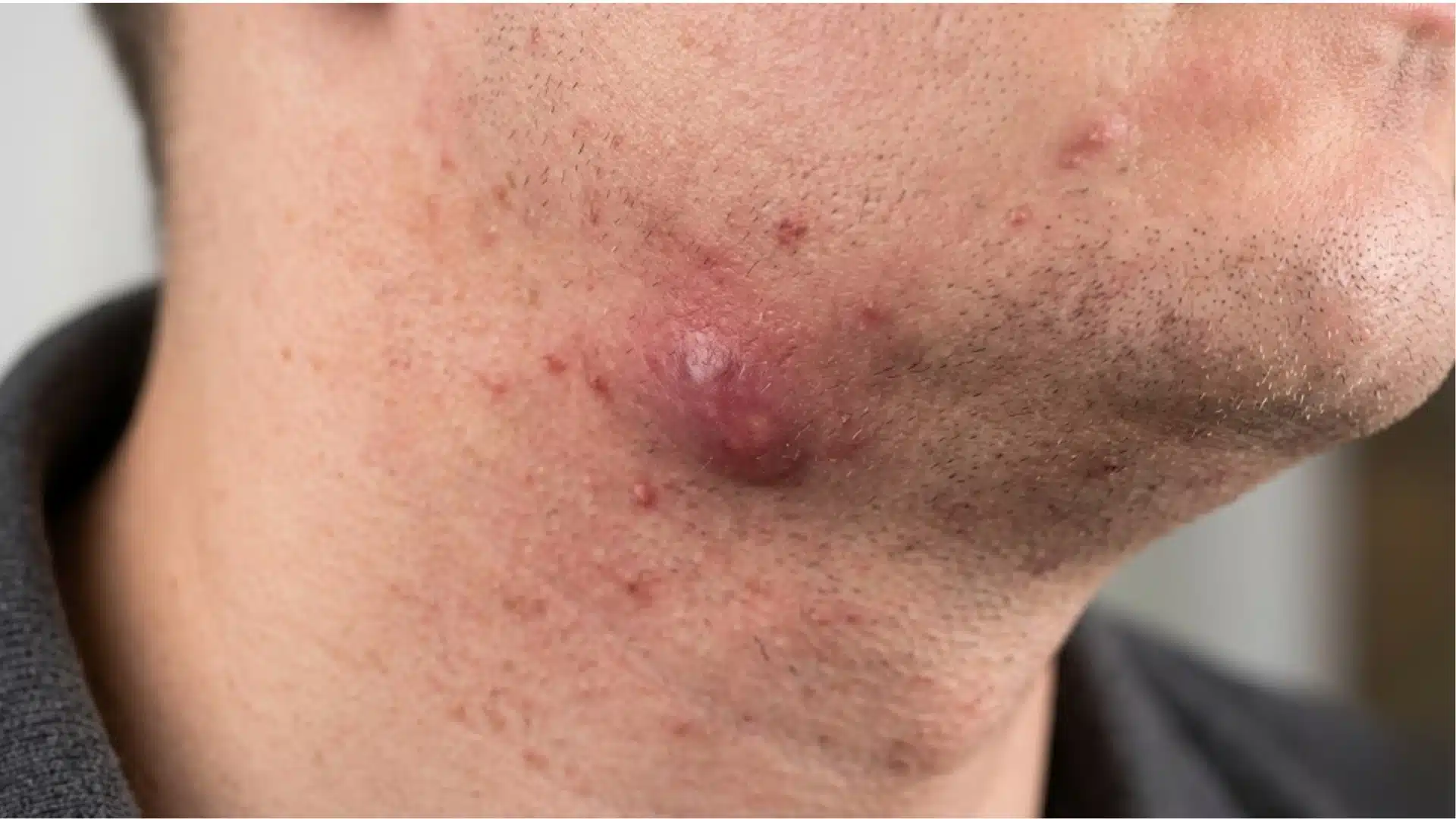
This is the most severe form. It develops deep within the skin and appears as large, painful bumps with no visible head.
These form when oil, bacteria, and dead skin get trapped deep inside and trigger strong inflammation.
They feel tender and often like a hard lump beneath the surface. They usually do not come to a head on their own. Trying to squeeze them often makes things worse and can lead to scars.
This type is strongly linked to hormonal changes and is a clear sign that the trigger is internal.
2. Nodular Acne
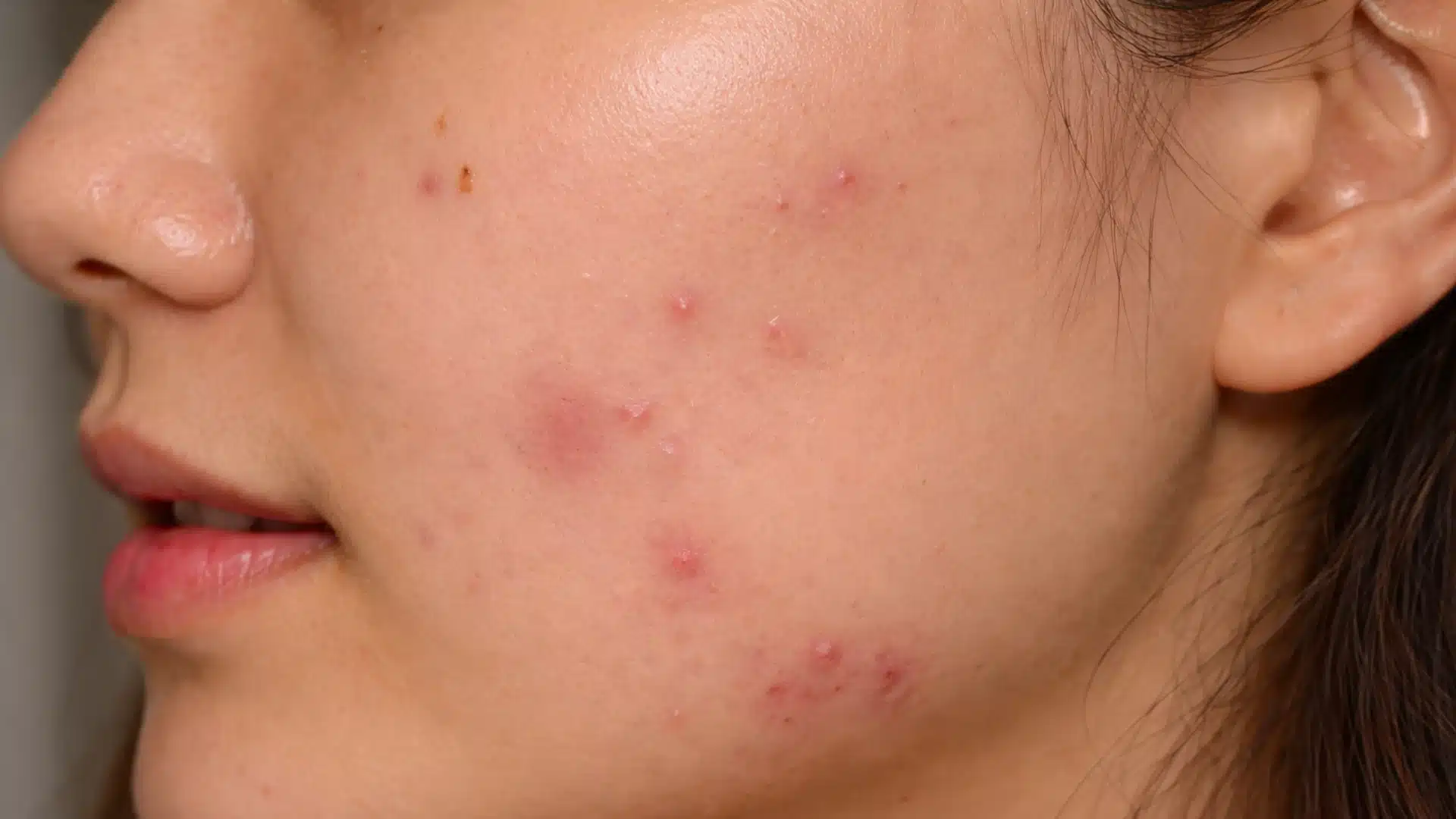
Nodular acne is similar but slightly different. These are solid, hard lumps that sit deep in the skin and do not contain pus. They are usually smaller than cysts but feel firm when touched.
They can last for weeks or even months before fading. Like cystic breakouts, they are driven by hormones and inflammation.
Regular skincare products do not do much here, and repeated breakouts in the same spot can leave marks or scars.
3. Papules and Pustules
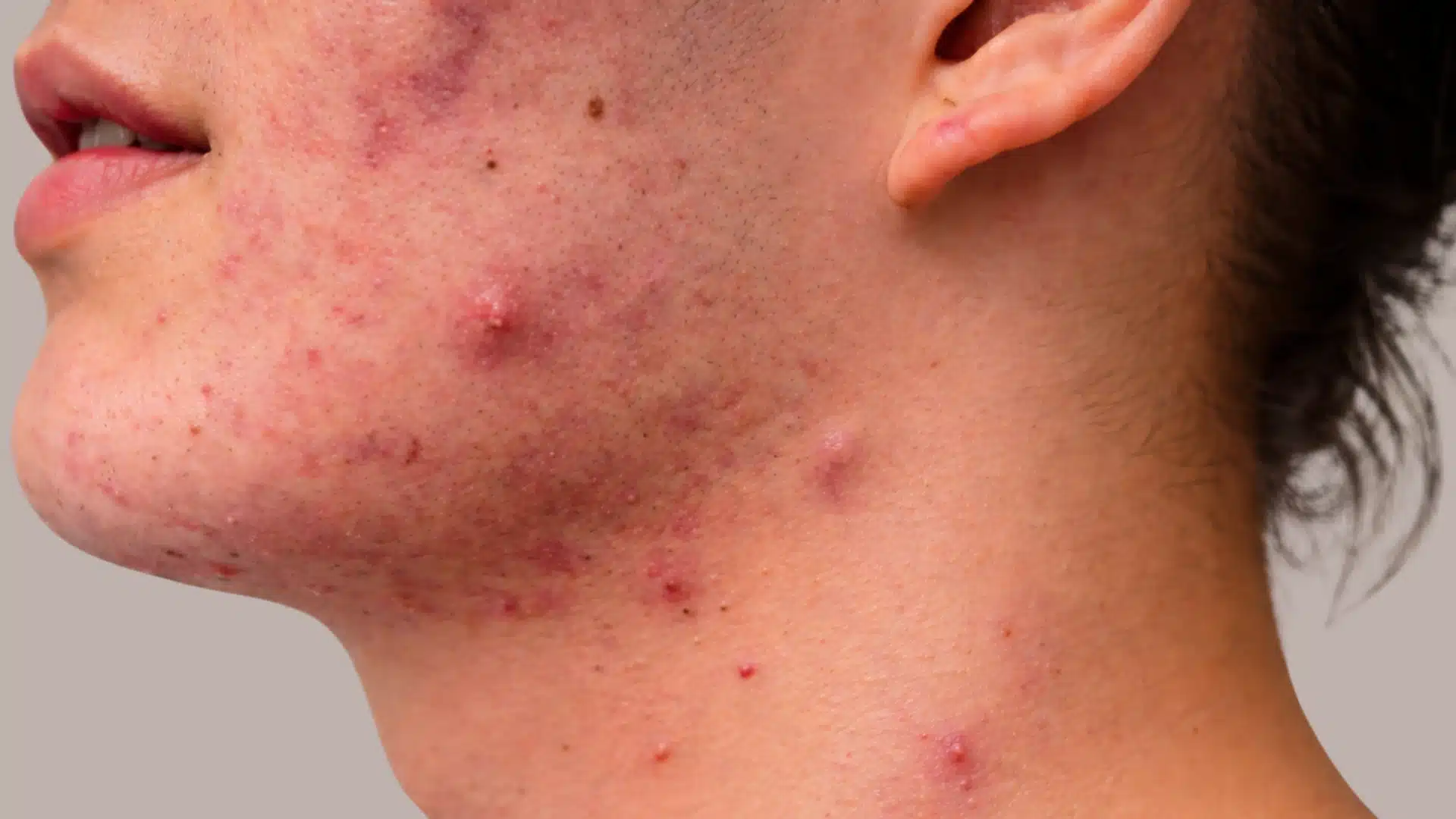
Papules are small red bumps without pus. Pustules look similar but have a white or yellow tip.
These are more common and usually appear around the lower face and jawline. They are easier to manage than deeper acne, but can still cause irritation.
Papules form when a clogged pore starts to break down and irritate the skin. Pustules form when the body sends white blood cells to fight the bacteria, which creates visible pus.
They often appear in clusters and tend to flare during hormonal shifts.
4. Comedones
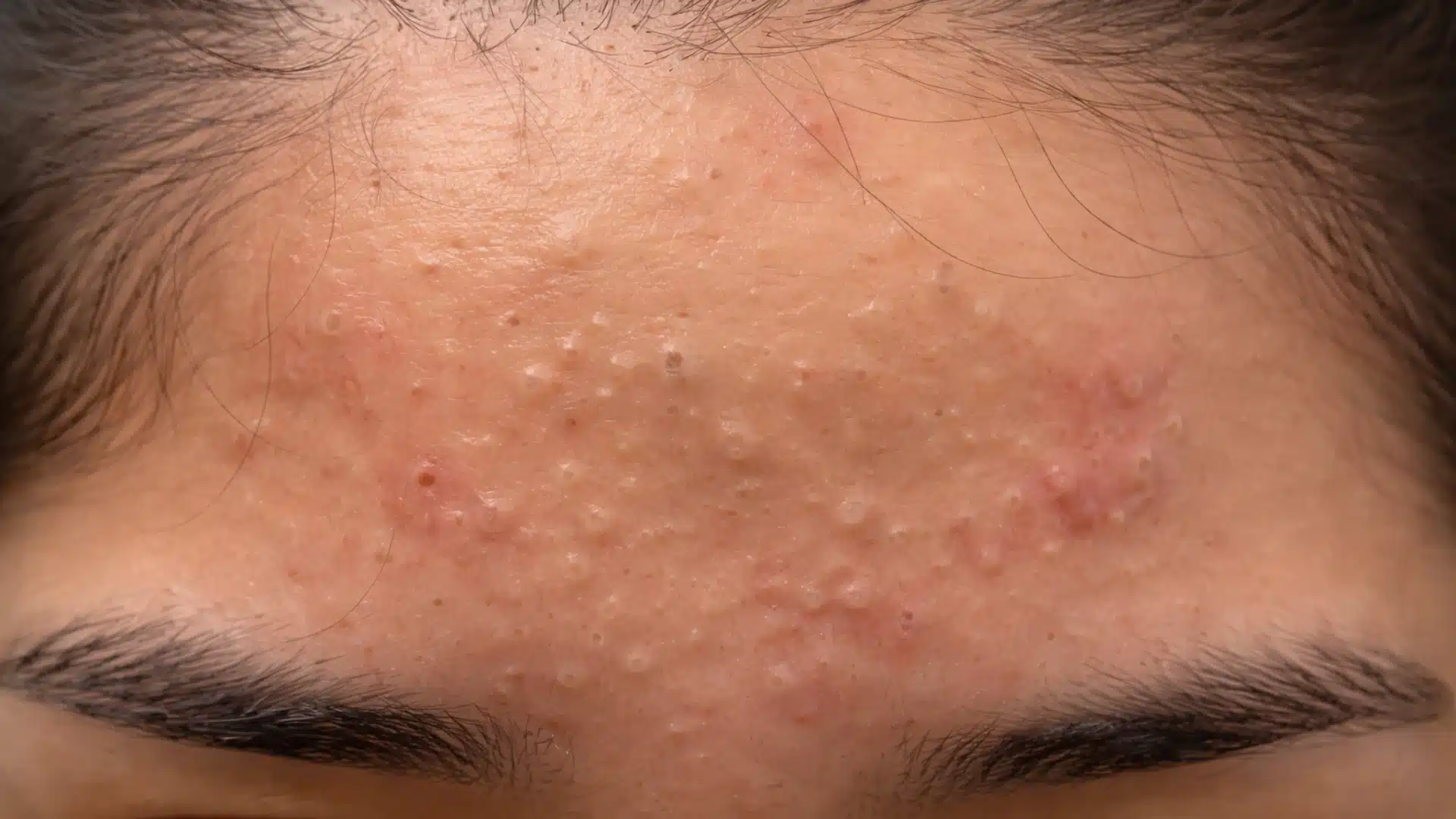
Comedones are the mildest type. These include blackheads and whiteheads.
Blackheads form when a clogged pore stays open and reacts with air, turning dark. Whiteheads form when the pore stays closed, trapping everything inside.
They are not painful but can stick around for a long time. If ignored, they can turn into inflamed acne.
Regular oil buildup due to hormonal changes makes it a recurring issue and an early sign that something is off.
Main Causes of Hormonal Acne
Understanding the root causes helps explain why these breakouts keep coming back. It is not about hygiene or using the wrong face wash. The trigger usually comes from inside the body.
- Hormonal changes during puberty: Rising androgen levels increase oil production, which leads to frequent breakouts that can continue beyond the teen years.
- Menstrual cycle shifts: Hormone levels drop before a period, allowing androgens to take over. This often causes breakouts a few days before menstruation.
- Testosterone and androgen activity: Rising androgen levels, particularly testosterone, directly stimulate the sebaceous glands to overproduce oil. This is why breakouts tied to hormonal shifts tend to be oilier and more persistent than surface-level ones.
- PCOS and hormonal conditions: Conditions like PCOS raise androgen levels and lead to deeper, more stubborn acne that needs proper treatment. PCOS health information explains how this condition affects skin and overall hormonal health.
- Stress and cortisol levels: High stress increases cortisol levels, prompting oil glands to produce more oil and leading to repeated breakouts.
- Diet and lifestyle factors: High sugar foods, dairy, and poor sleep can worsen breakouts by affecting hormone activity.
- Androgen sensitivity: Some skin reacts more strongly to hormones, so even normal levels can trigger excess oil and acne.
- Medications and smoking: Certain medicines and nicotine can disrupt hormone balance, increasing the chances of persistent breakouts.
How to Manage Hormonal Acne
Managing hormonal acne usually requires a layered approach because surface treatments alone rarely solve the problem when the trigger is internal.
Knowing your options helps you set realistic expectations and make more informed decisions.
For mild to moderate cases, over-the-counter ingredients such as salicylic acid and benzoyl peroxide can help manage surface oil and prevent pore clogging.
These are a reasonable first step, but they target symptoms rather than the hormonal cause.
For persistent or deeper breakouts, dermatologists commonly recommend topical retinoids to regulate skin cell turnover or oral antibiotics to control short-term inflammation.
For women dealing with recurring cystic or nodular acne, hormonal treatments such as combined oral contraceptives or spironolactone are often the most effective long-term options because they work at the root cause directly.
Most people see meaningful improvement within 8 to 12 weeks of consistent treatment, though full results often take longer, depending on severity and the type of treatment used.
When to See a Doctor
Trying over-the-counter products first makes sense. But there are certain signs that show it is time to get professional help.
If breakouts keep showing up even after 8 to 12 weeks of consistent skincare, it usually means the issue goes deeper than surface level.
At that point, a dermatologist can step in and suggest treatments that target the real cause. Painful cysts and nodules should not be ignored.
These sit deep under the skin and can leave marks if not treated properly.
A doctor may suggest stronger treatments, such as prescription creams or oral medication, depending on the severity.
If basic treatments are not working at all, it is often a sign that hormones are involved. In some cases, further checks may be needed to rule out conditions like PCOS or thyroid issues, especially if acne is long-lasting.
There are also a few warning signs to watch for. Irregular periods, unusual hair thinning, extra facial hair, or constant fatigue, along with acne, can point to something deeper.
For persistent breakouts that have not responded to basic skincare, professional acne facial treatments are one option worth exploring alongside medical care.
Conclusion
Dealing with acne that keeps coming back can feel frustrating, especially when nothing seems to work long-term.
The real shift happens when you understand what is going on beneath the surface, rather than treating only what you see.
From breaking down what hormonal acne is to understanding its types, causes, and patterns, each part helps you connect the dots.
The location of breakouts, their timing, and how your skin responds to treatments all give clear signals about what is driving them.
Once you start noticing these patterns, managing them becomes more practical. You can make better choices, whether that means changing habits or seeking proper medical help when needed.
Have you been noticing repeat breakouts in the same spots or at the same time each month? Share your experience in the comments; it might help someone else figure it out faster.
Frequently Asked Questions
What Makes My Breakouts Keep Coming Back in the Same Spot?
If you notice acne recurring in the same area, it is often linked to internal triggers, such as hormones. These patterns usually follow cycles, especially around your jawline or chin. Paying attention to timing and location can help you understand what is causing it.
How Do I Know If My Acne Is Hormonal or Just Regular?
A simple way to tell is by looking at patterns. If your breakouts are deep, painful, and appear around the lower face in cycles, it points toward hormonal triggers. Random, surface-level acne across the forehead or nose is usually the most common type.
Why Do My Breakouts Get Worse Before My Period?
This happens due to hormone shifts before menstruation. Estrogen drops and oil production increase, which makes pores clog faster. If your acne flares at the same time each month, it is a strong sign your cycle is affecting your skin.
Can My Diet Really Affect My Acne That Much?
Yes, what you eat can influence how your skin behaves. Foods high in sugar or dairy can increase oil production in some people. While diet alone is not the cause, it can make existing acne worse if your skin is already sensitive.