A breakout shows up, and the first instinct is to simply pop it. The pressure, the relief, the quick fix can feel satisfying in the moment.
But what happens afterward is where most people get it wrong. What seems like a quick solution often leads to more redness, longer healing time, or even marks that last for weeks.
The question “should you pop pimples or blackheads,” including whiteheads, has become one of the most common skincare concerns.
The reality is not black and white, and the answer depends on the type of acne and how it is handled.
This blog explains what is safe, what to avoid, and what actually helps your skin heal properly without causing long-term damage.
What are Pimples and Whiteheads?
Pimples and whiteheads are common types of acne that form when pores in the skin become clogged with oil, dead skin cells, and bacteria.
While they may look similar, they are not the same and behave differently.
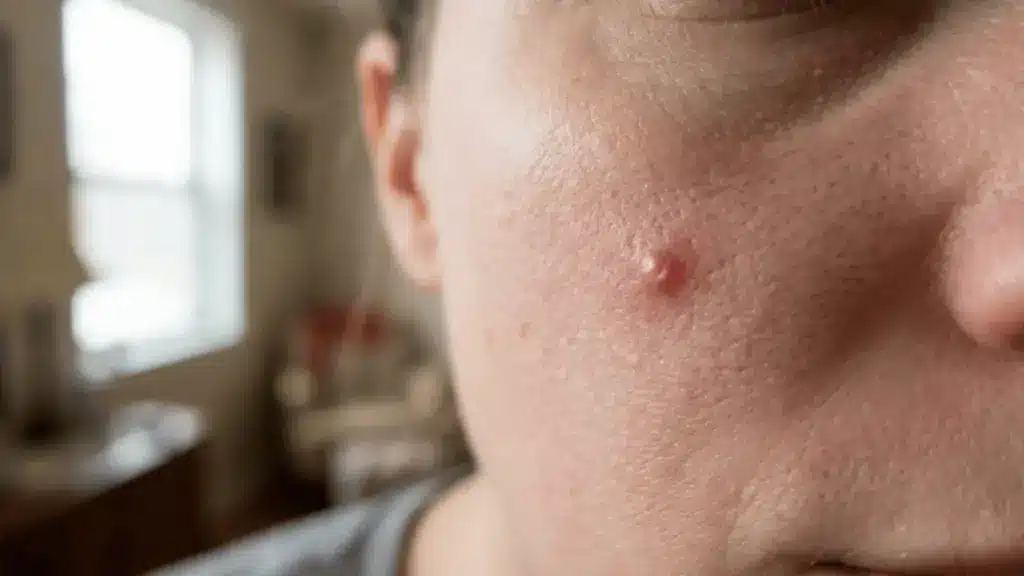
Pimples are inflamed acne lesions that appear as red, swollen bumps on the skin. They often contain pus and can be painful to touch.
Pimples develop when clogged pores become infected with bacteria, leading to inflammation and irritation. Red, swollen, and sometimes painful. It may contain pus and can have a high risk of scarring.
Whiteheads are a type of non-inflamed acne where the pore is closed at the surface.
The trapped oil and dead skin remain beneath the skin, forming a small, white or flesh-colored bump. Small, closed bumps. Not usually painful. Less inflamed than pimples
Should You Pop Pimples?
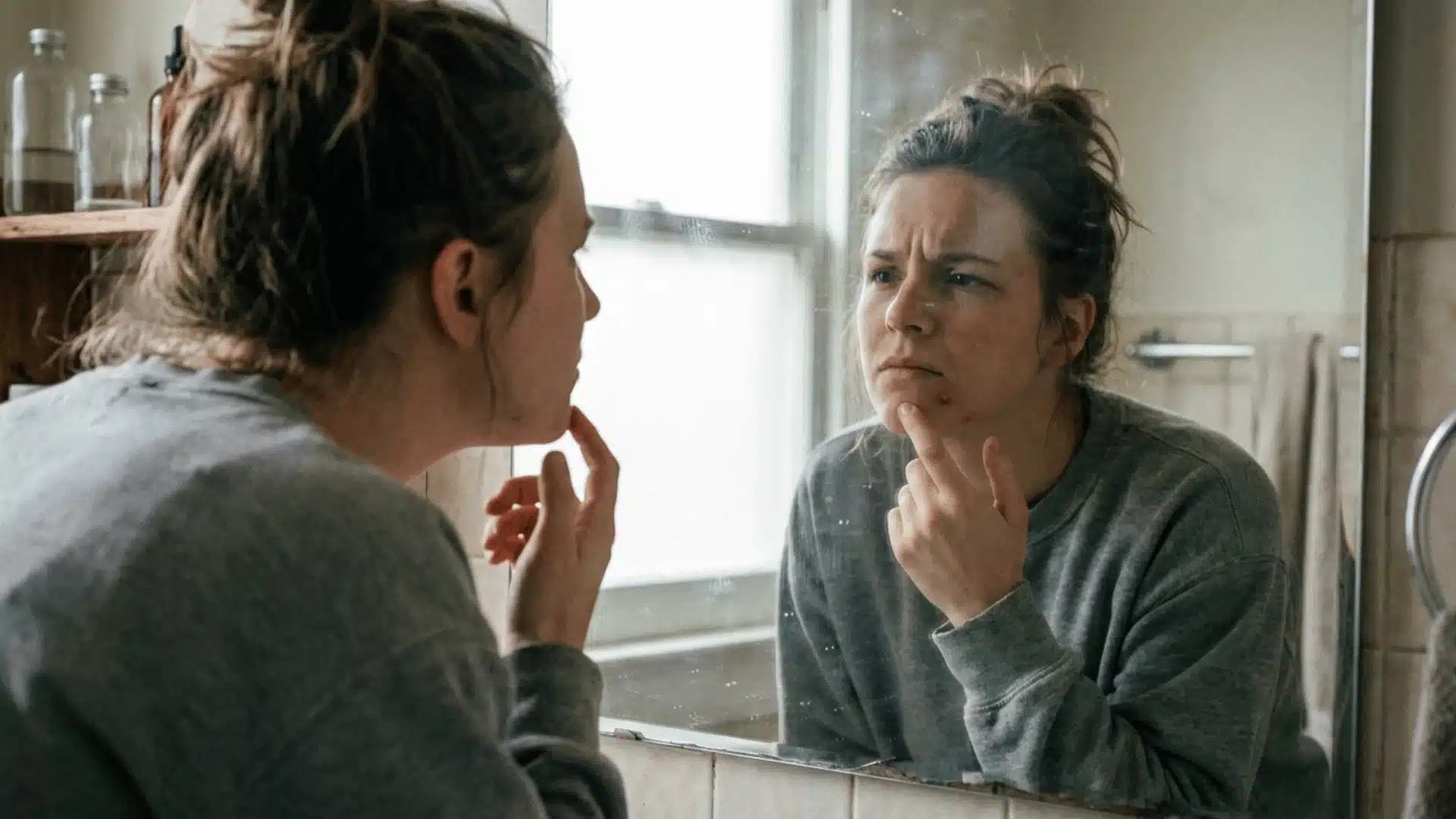
No, you should not pop pimples because it can cause infection, scarring, and make acne worse. It’s better to let them heal naturally or use proper treatments instead.
Pimples are inflamed and filled with oil, bacteria, and debris trapped inside the skin. When pressure is applied, instead of clearing the pore, the contents often get pushed deeper.
This can worsen the inflammation and make the breakout more noticeable and harder to heal. What feels like a quick fix in the moment can actually delay recovery and increase the chances of long-term skin damage.
What Happens When You Pop a Pimple:
- Disrupts natural healing: Popping damages the skin’s repair process, slowing recovery
- Spreads bacteria deeper: Pressure pushes bacteria and oil into deeper layers, worsening the breakout
- Increases redness and swelling: Skin trauma triggers more inflammation, making the pimple bigger
- Delays healing time: The area stays irritated longer instead of healing quickly
- Causes dark spots and scars: Damage to skin layers can leave marks or permanent scarring
Should You Pop Whiteheads?
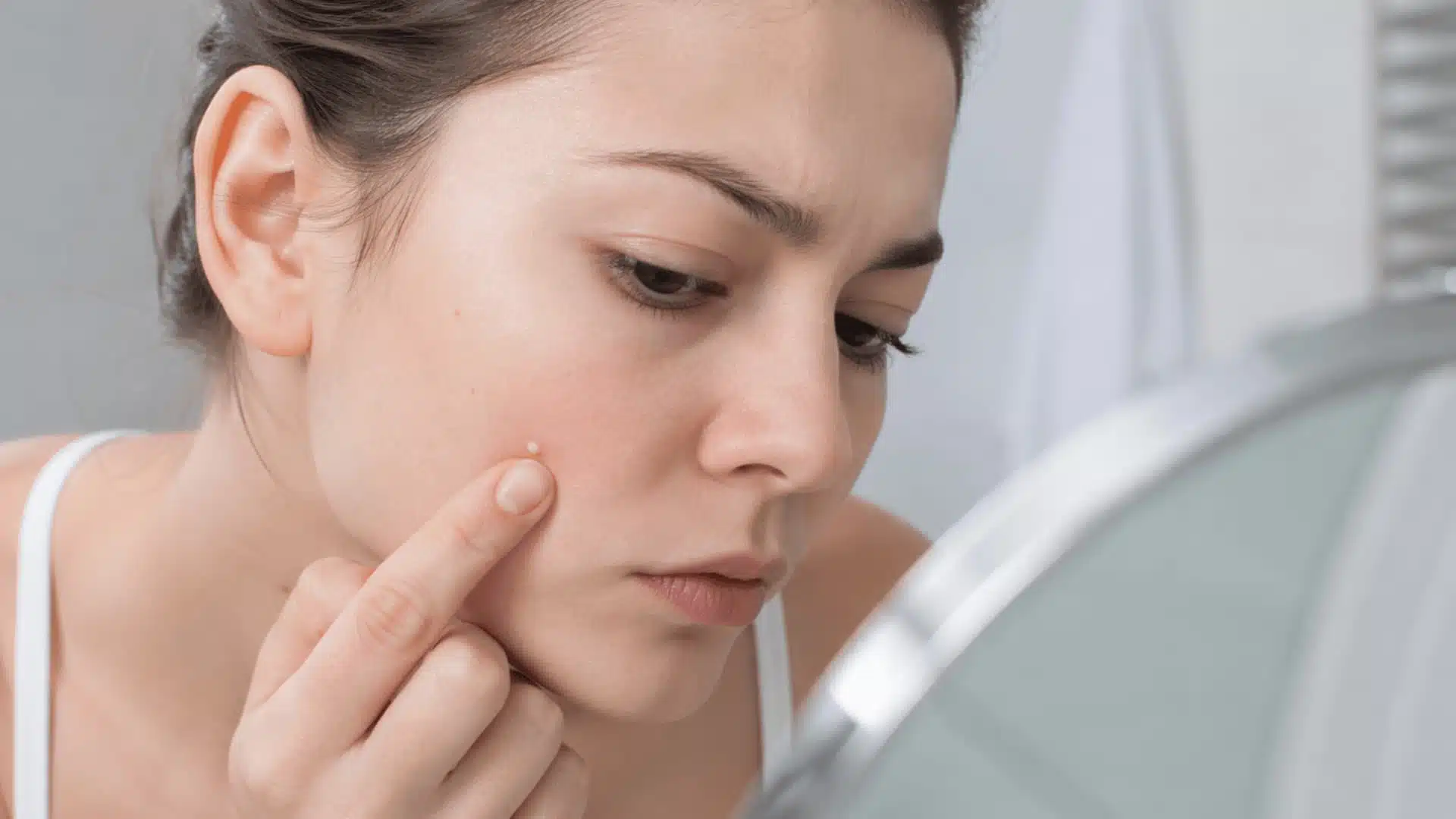
Generally, no, but a fully formed whitehead can be gently drained if done hygienically. Still, it’s safer to leave it alone to avoid irritation or scarring.
Unlike blackheads, whiteheads are covered by a thin layer of skin that traps oil and bacteria. This makes them harder to treat and more sensitive to pressure.
Even if a whitehead has a visible tip, it can still be deeper under the skin. Popping too early can push the contents further down instead of clearing them.
Safe Conditions for Popping Whiteheads
- Visible white tip on the surface: A clear white head indicates that the pore is close to opening and may be easier to handle carefully.
- No swelling, redness, or pain: The surrounding skin should be calm. Any inflammation means the whitehead is still active and should not be touched.
- Comes out gently without pressure: It should release easily with minimal effort. If force is needed, it is not ready and can lead to damage.
Why You Should Avoid Popping Pimples or Whiteheads
Dermatologists consistently advise against popping because it often worsens the condition rather than fixing it. What may seem like a quick solution can lead to deeper skin damage, increased breakouts, and longer healing time.
- Higher Risk of Scarring: Damage caused by squeezing can affect deeper layers of the skin, not just the surface. This increases the chances of long-term marks, including dark spots and permanent scars, especially if the skin is sensitive or repeatedly irritated.
- Infection Risk: Using hands or nails introduces bacteria into an already open or damaged area. This can lead to infection, worsening the breakout, and sometimes causing swelling, pain, or pus formation.
- More Breakouts: Popping can spread bacteria, oil, and debris to nearby pores. This often results in multiple new pimples forming around the original spot, worsening the situation rather than improving it.
- Slower Healing: Instead of allowing the skin to heal naturally, popping delays recovery. The area remains inflamed for longer, which increases irritation and prolongs visible redness.
- Triangle of Danger: The area between the nose and upper lip is highly sensitive due to the blood vessels running through it. Popping pimples here can increase the risk of infection spreading deeper, making it a zone best left untouched.
What Actually Works Instead of Popping Pimples or Whiteheads
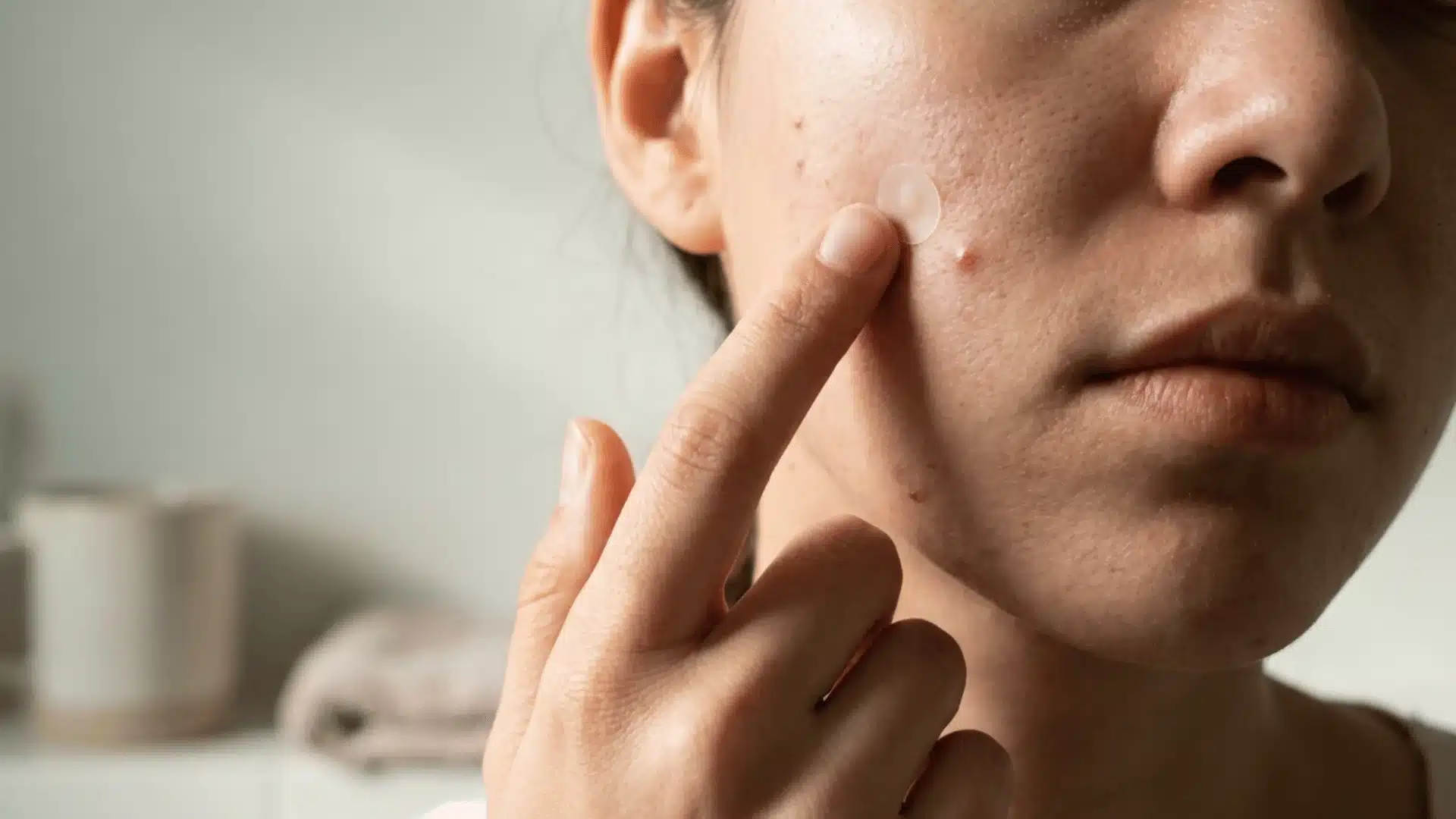
Instead of popping, which often leads to more harm than good, focusing on proven treatments can help your skin heal faster and more effectively. These methods target the root cause of acne, reduce inflammation, and support the skin’s natural recovery process.
- Pimple Patches: Draw out fluid while protecting the area from touching and further irritation
- Salicylic Acid: Penetrates pores to remove excess oil and prevent clogging
- Benzoyl Peroxide: Targets and kills acne-causing bacteria to reduce inflammation
- Warm Compress: Gently softens the skin and helps bring the pimple to the surface
- Retinoids: Improve skin cell turnover to prevent future breakouts and keep pores clear
Small changes in daily routine can make a noticeable difference in achieving clearer, smoother skin without unnecessary damage.
Conclusion
So, should you pop pimples, blackheads, or whiteheads? The answer depends on understanding your skin rather than reacting instantly.
Pimples are best left alone since they are inflamed and prone to scarring. Blackheads can be handled with care, but only with gentle methods and proper hygiene.
Whiteheads fall in between and should only be touched when they are fully ready and under the right conditions. Healthy skin is built through consistency, not quick fixes.
Small habits like using targeted treatments, keeping hands away from the face, and following a simple routine can make a noticeable difference over time.
Avoiding unnecessary popping helps reduce marks, breakouts, and long-term damage.
Ready to improve your skin without the damage? Start avoiding popping today and switch to proven skincare methods that actually support long-term results.
Frequently Asked Questions
Does Popping Pimples Make Acne Worse?
Yes, it can spread bacteria and increase inflammation, leading to more breakouts. When you squeeze a whitehead, bacteria and debris can be pushed deeper into the skin, causing redness, swelling, and delayed healing.
Are Extraction Tools Safer than Fingers?
Only if used correctly and hygienically. When sanitized and used with gentle pressure on a ready whitehead, extraction tools can reduce direct contact and limit bacteria transfer. However, improper use, excessive force, or using them on inflamed acne can damage the skin, worsen irritation, and increase the risk of scarring.
How Do I Stop the Urge to Pop Pimples?
Use pimple patches, keep your hands busy, and follow a consistent skincare routine to reduce temptation. Keeping nails short, avoiding mirrors when stressed, and treating acne early with proper products can also help control the urge and prevent unnecessary skin damage.