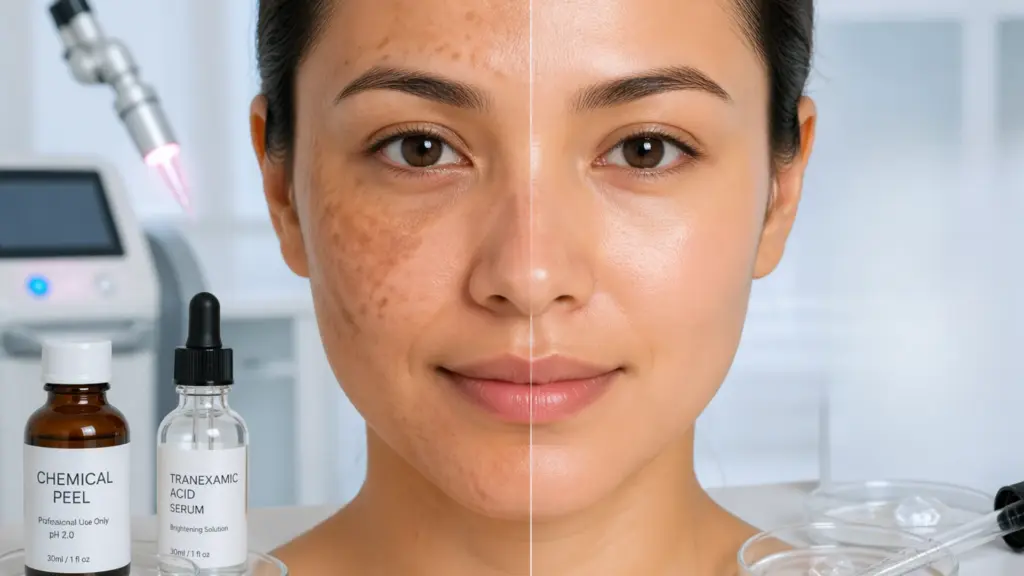
Skin lightening remains one of the most misunderstood areas in skincare. From kojic acid serums to advanced laser treatments, there are different options that promise similar results while working in completely different ways.
That is where clarity becomes important. Not every solution delivers the same outcome, and some choices can waste time or even make concerns worse.
I have seen how easy it is to get overwhelmed by options that all claim to work.
In this guide, I will explain everything in a clear, practical way, helping you understand what actually works, what to avoid, and how to choose the right approach for your real skin needs.
What are Skin Lightening Treatments?
Skin-lightening treatments are designed to reduce excess pigmentation, dark spots, sun damage, melasma, and post-acne marks, not to change your natural skin tone.
The goal is an even, healthy complexion, not a lighter one.
Skin color is determined by melanin, produced by cells called melanocytes. When these cells become overactive due to UV exposure, hormones, inflammation, or injury, uneven dark patches start to appear.
Most skin-lightening treatments work by targeting this process in three ways: slowing melanin production, speeding up cell turnover to remove pigmented cells faster, or breaking down existing pigment deposits.
Understanding which of these mechanisms matches your concern helps you choose the right treatment before spending money or booking a consultation.
Professional Skin Lightening Treatments
When over-the-counter options are not working, or pigmentation is deep-set, professional skin-lightening treatments offer more targeted, faster results.
Each treatment works differently, and the right one depends on your pigmentation type, skin tone, and the amount of downtime you can realistically manage.
1. Chemical Peels
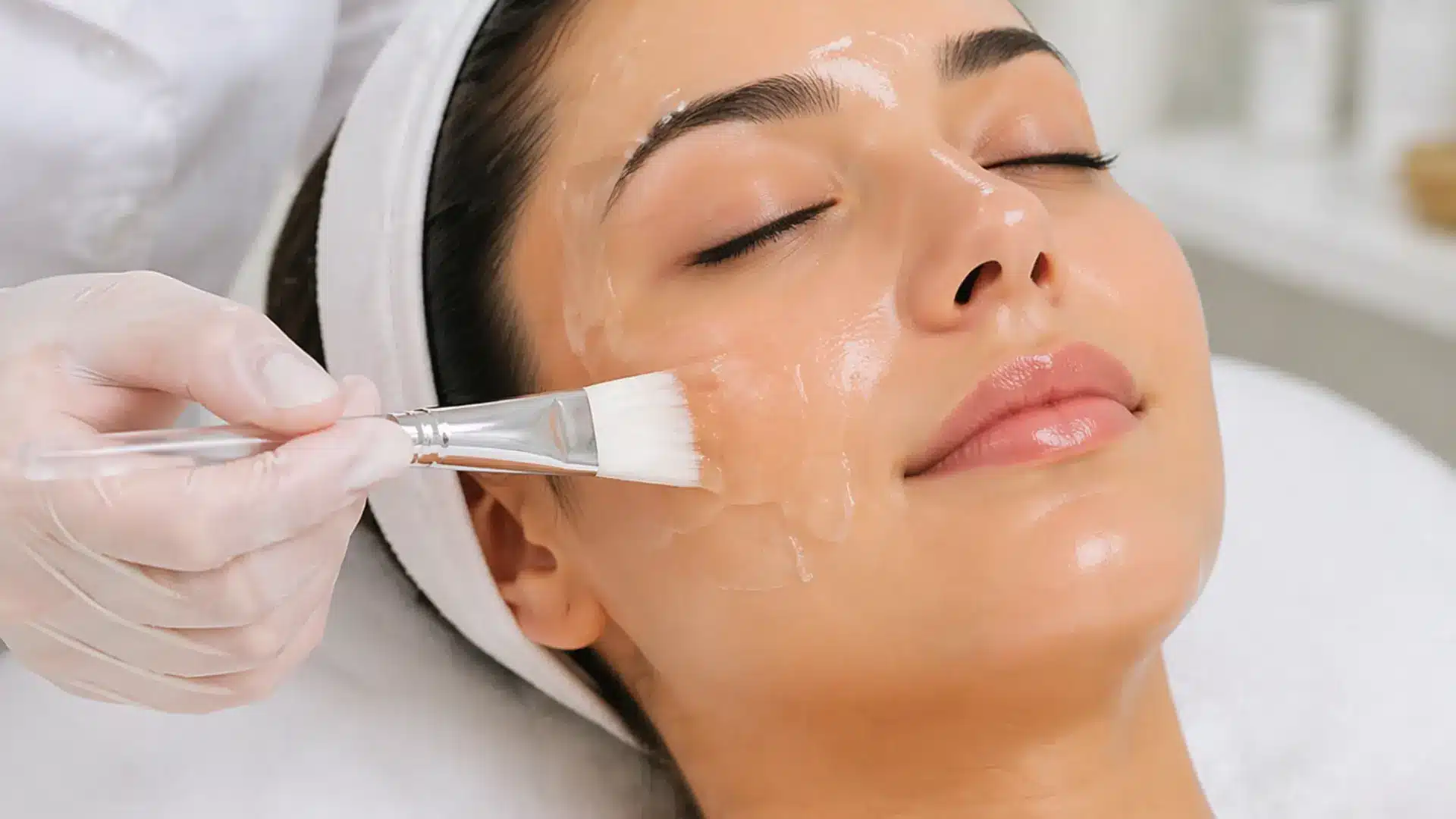
Chemical peels use acids to dissolve the outer skin layer, forcing faster cell turnover and clearing pigmented cells that topical products alone can’t shift.
Superficial peels, typically glycolic or lactic acid, cause mild flaking for a few days and are safe to repeat every 3–4 weeks.
Medium-depth TCA peels reach deeper and produce noticeable peeling for 5–7 days, but deliver stronger clearing of sun damage and stubborn spots. Results build across 4–6 sessions.
Darker skin tones (Fitzpatrick IV–VI) carry a higher risk of PIH with aggressive peels, so depth and acid selection must be determined by a provider experienced with your skin tone. The American Academy of Dermatology recommends consulting a board-certified dermatologist before choosing peel depth.
2. Cosmelan and Dermamelan Depigmentation Peels
Cosmelan and Dermamelan sit in their own category and are worth separating from standard chemical peels. Both combine a clinic-applied mask with a strict at-home maintenance cream used for several months afterward.
They work by simultaneously inhibiting tyrosinase, blocking melanin transfer, and accelerating cell shedding, giving them a multi-pathway action that single-acid peels can’t replicate.
They’re among the most consistently effective options for melasma and are formulated to work across a broader range of skin tones than many traditional peels.
Initial redness and peeling in the first two weeks are expected. Expect to commit to the full home-care protocol; skipping it significantly reduces results. A dermatologist consultation is required before treatment to confirm candidacy.
3. Laser Treatments
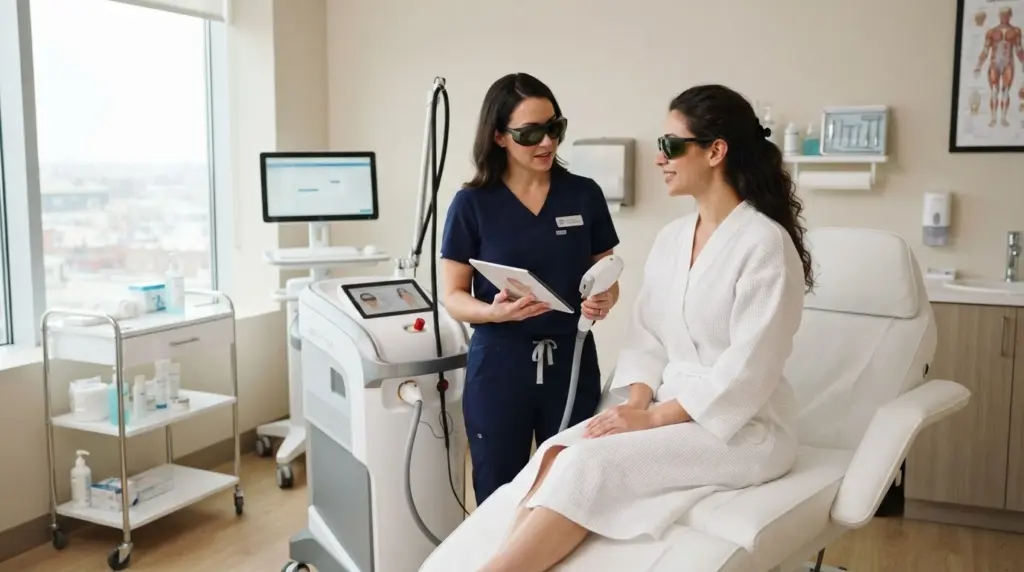
Laser therapy is the most precise option for pigmentation. It focuses on light energy absorbed by melanin, which is then shattered into particles that the lymphatic system clears naturally.
The Q-switched Nd: YAG laser is widely used for hyperpigmentation and is one of the safer laser options for darker skin tones.
Picosecond lasers deliver energy in ultra-short pulses, reducing thermal damage to surrounding tissue and lowering the risk of rebound pigmentation.
Fractional lasers resurface skin in a grid pattern, making them effective for combined pigmentation and acne scarring. Most cases require 3–6 sessions spaced 4–6 weeks apart.
4. Microneedling with Active Serums
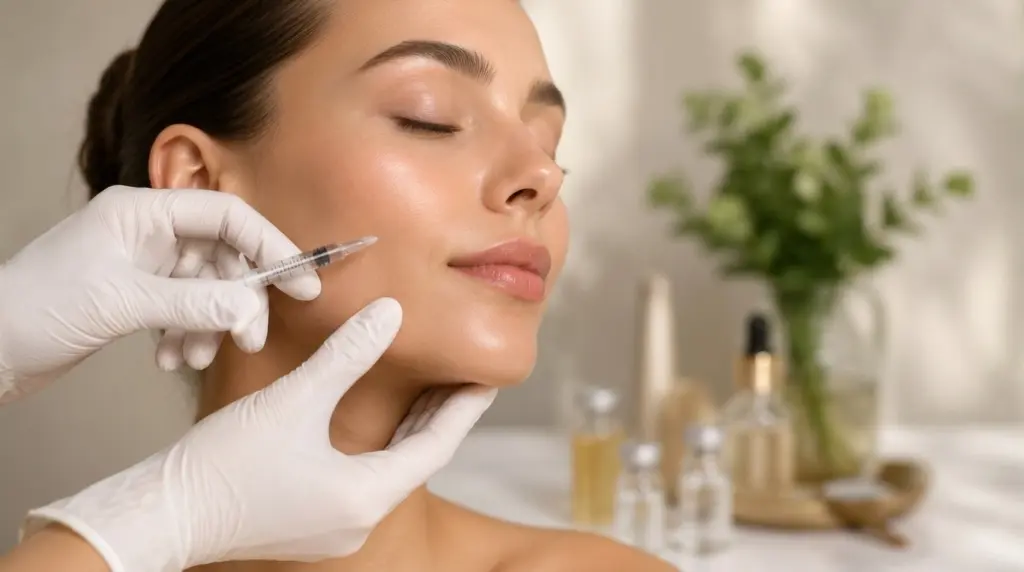
Microneedling alone does not lighten skin. Its value in pigmentation treatment lies in creating thousands of microchannels, increasing serum absorption by up to 80% compared to topical application on intact skin.
When paired with vitamin C, tranexamic acid, or brightening growth factors, actives reach dermal layers that standard topicals can’t penetrate on their own.
It also stimulates collagen production, making it a practical option for anyone managing both pigmentation and acne scarring simultaneously.
A typical course runs 3–4 sessions spaced 4–6 weeks apart, with 24–48 hours of redness post-treatment. Strict sun avoidance during recovery is essential; needled skin is significantly more vulnerable to UV-triggered melanin production.
5. Prescription Topicals
Prescription-strength topicals form the foundation of most clinical pigmentation protocols, used alone or in combination with procedural treatments to maintain results and prevent rebound.
High-strength hydroquinone (4–6%) is the most studied depigmenting agent, typically prescribed alongside tretinoin to accelerate cell turnover and enhance penetration, sometimes combined with a mild corticosteroid to reduce inflammation.
This triple combination has decades of backing for melasma and stubborn dark spots.
Long-term unsupervised use carries a risk of ochronosis, particularly in darker skin tones, which is why medical supervision is required. Tretinoin alone also speeds up pigmented cell shedding more reliably than OTC retinol.
6. Oral Tranexamic Acid
Oral tranexamic acid is one of the few systemic treatments with genuine clinical backing for pigmentation, specifically melasma.
It works by blocking the UV-triggered signaling between keratinocytes and melanocytes, reducing the stimulus for melanin overproduction at a systemic level rather than just targeting existing pigment on the surface.
It’s typically prescribed at low doses of 250mg twice daily for 8–12 weeks and is generally well tolerated. Because it has mild anticoagulant properties, it is not appropriate for everyone and requires a medical evaluation before use.
Melasma improves with oral tranexamic acid, whereas IV glutathione injections, by contrast, carry documented safety risks flagged by the FDA and should be avoided entirely.
Best At-Home Skin Lightening Treatments
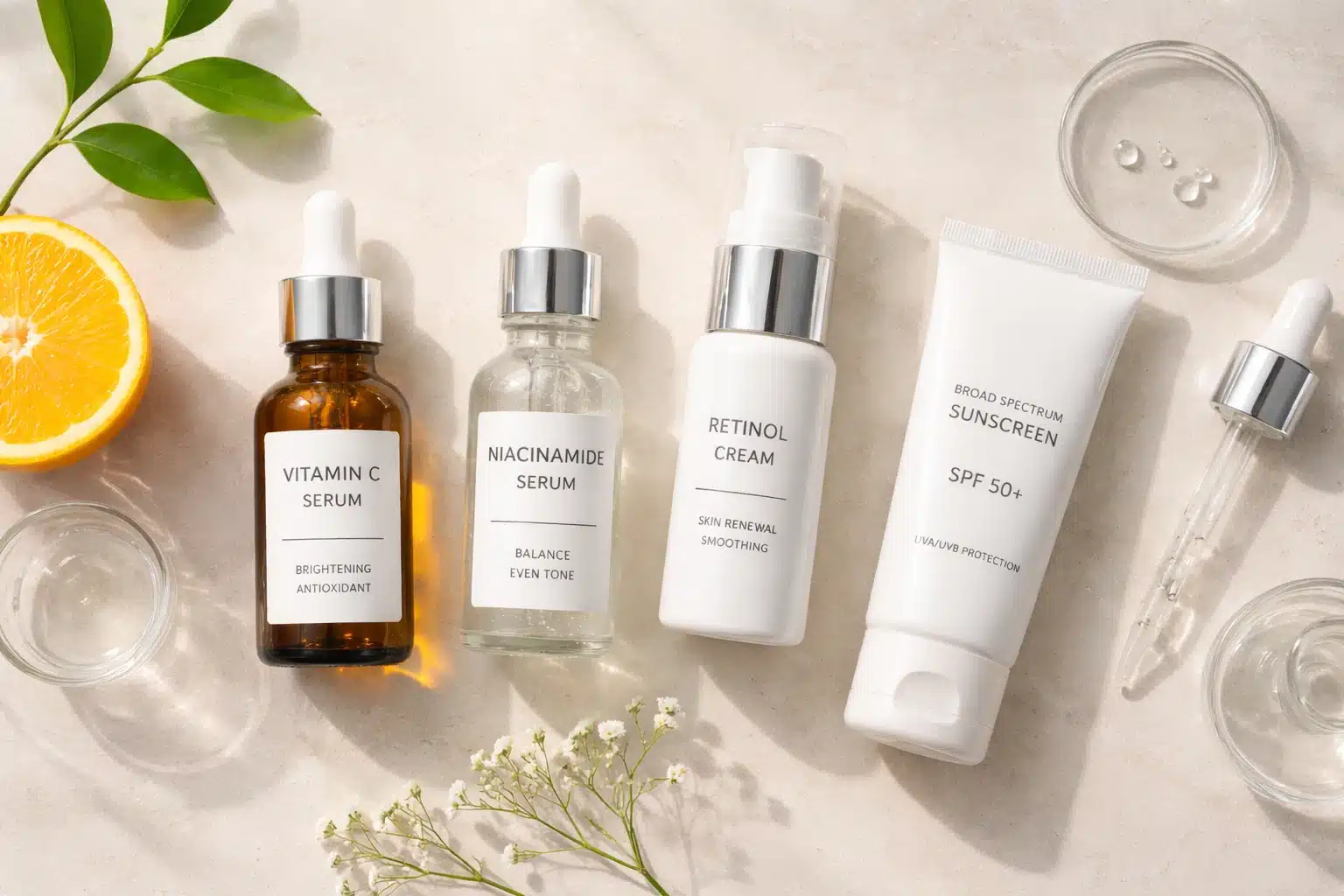
Over-the-counter products are the right first step for mild to moderate pigmentation. Most dark spots, uneven tone, and post-acne marks respond well to consistent at-home treatment, but only
When you match the right ingredient to the right concern and give it a realistic timeframe. Skipping ahead to professional treatments before trying these is rarely necessary and almost always more expensive.
- Vitamin C (L-ascorbic acid) inhibits tyrosinase to reduce melanin while protecting against UV-related pigmentation. Use a 10–20% stabilized serum every morning under SPF for visible results in 8–12 weeks. If your serum has turned orange or brown, it’s oxidized and no longer effective.
- Niacinamide (Vitamin B3) blocks melanin transfer rather than slowing production, making it ideal for gradual improvement and prevention. It’s gentle on all skin types, including sensitive and darker tones, and pairs well with zinc for acne-prone skin.
- Kojic acid is a gentler alternative for those who find vitamin C irritating, available in 1–4% concentrations. It can be sensitizing, so always patch test before use.
- Azelaic acid targets both pigmentation and inflammation, making it best suited for post-acne marks and melasma. Available OTC or by prescription at 15–20%. Considered lower-risk during pregnancy, but always confirm with your doctor.
- Retinoids accelerate cell turnover to shed pigmented skin faster. Start 2–3 nights per week and build gradually. Daily SPF is non-negotiable as sun sensitivity increases significantly.
- Hydroquinone (2%) is the strongest OTC option, but use for no more than 12 weeks. Long-term use risks ochronosis, especially in darker skin tones. No results after 12 weeks? See a dermatologist.
- Always patch-test new ingredients on your inner forearm for 48 hours. Reactions can appear at the 24 or 36-hour mark. Redness or swelling means stop immediately.
Tips to Choose the Right Treatment for Your Skin Type
Match your treatment to your concern, your skin tone, and your tolerance for downtime. Sensitive skin needs gentler actives and a slower build. Darker skin tones need providers and ingredients chosen with PIH risk in mind.
Melasma requires a combined approach and realistic expectations. Post-acne marks respond more to consistency than to intensity. And no treatment, at-home or professional, delivers results without daily SPF.
- Sensitive skin: Start with niacinamide and azelaic acid. Patch test everything and avoid stacking actives. Also consider makeup brands designed for sensitive skin.
- Darker skin tones (Fitzpatrick IV–VI): Avoid aggressive treatments. Stick to niacinamide, azelaic acid, and tranexamic acid. If pursuing laser, find a provider experienced with your skin tone.
- Melasma: Combine prescription topicals, low-intensity peels, and daily SPF together, not sequentially. Full elimination is rarely possible.
- Post-acne marks: Use vitamin C, niacinamide, and gentle exfoliation consistently. Expect months to years for full resolution.
- Sun damage and age spots: Mild cases respond to retinoids and vitamin C; severe cases require peels or laser treatment.
- Always patch-test new ingredients for 48 hours before full application.
- Daily SPF is non-negotiable. No treatment works without it.
When to Stop and See a Professional
At-home treatments can be effective in many situations, but certain signs indicate it is time to stop self-treatment and consult a dermatologist. Ignoring these signals often leads to wasted time and can worsen skin concerns rather than improve them.
- No visible improvement after 12 weeks of consistent use of a suitable product
- Pigmentation spreading instead of fading or new dark patches appearing
- Burning, stinging, or redness that lasts longer than two weeks
- Skin changes linked to pregnancy, medical conditions, or prescription medications
In such cases, professional guidance becomes essential. A dermatologist can identify the exact cause and recommend the right treatment, helping avoid unnecessary trial-and-error while protecting overall skin health.
Conclusion
After years of working with clients navigating every product, peel, and promise the skincare industry throws at them, the pattern is always the same.
Consistency, sun protection, and honest expectations outperform any single treatment.
Start with what your skin can tolerate. Track how it responds. Escalate only when needed, and pause if something doesn’t feel right.
The skin you’re working with deserves patience, not punishment.
If this helped you make sense of your options, I’d love for you to explore my other blogs on skincare and skin health.
And if you’ve tried any of these treatments yourself, drop your thoughts in the comments. Real experiences always add what guides like this can’t.
Frequently Asked Questions
How Long Does It Take to See Results?
At-home treatments typically show visible improvement after 8 to 12 weeks of daily use. Professional treatments show results sooner, with full improvement often appearing 3 to 6 months after completing a course.
Do Oral Supplements Like Glutathione Work?
Oral glutathione has limited clinical evidence for its brightening effects. Topical versions work better for localized pigmentation. IV glutathione injections carry FDA-flagged safety risks; avoid them. For melasma, oral tranexamic acid is a better-studied option, but requires a prescription.
What’s the Difference Between Skin Lightening and Skin Bleaching?
Skin lightening targets specific pigmentation concerns, such as dark spots, using safe, evidence-based methods. Skin bleaching uses harsh, often illegal agents to alter your overall skin color. One corrects. The other damages.