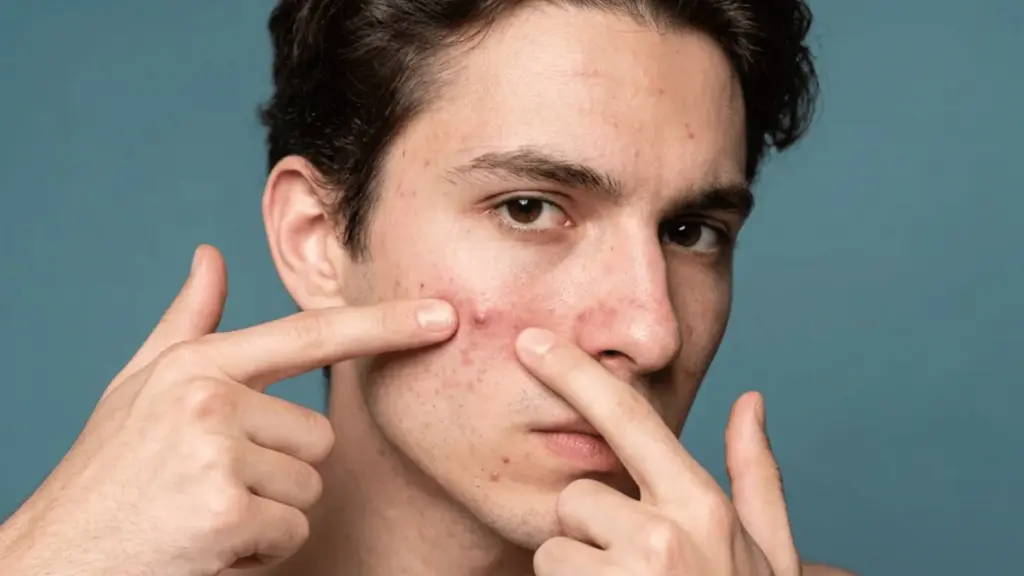
Most people know popping a pimple is not the best idea. And yet most people do it anyway.
The mirror catches you at the wrong moment, the pimple looks ready, and before you have thought it through, it is done.
I have been there myself more times than I care to admit. What follows is rarely pretty. The spot goes red, sometimes bleeds a little, swells, and the skin around it looks raw.
You have turned a closed blemish into an open wound, and now the question becomes what to do about it.
This blog covers how to heal a popped pimple properly, how to heal an open pimple wound fast without making things worse, and how to give your skin the best possible chance of coming out of this without a lasting mark.
What Happens to the Skin After a Popped Pimple?
When you pop a pimple, the damage goes beyond removing oil or pus from the surface. The pressure tears the skin and pushes bacteria, dead skin cells, and oil deeper into nearby tissue.
Once the skin breaks, it becomes an open wound, triggering redness, swelling, and irritation as the body begins repairing itself.
That damaged area is also more exposed to bacteria from hands, pillowcases, or everyday surfaces.
In many cases, the bigger issue comes after the pimple heals. Inflammation can lead to dark marks, especially in deeper skin tones, and those spots may take weeks or months to fade.
The pimple itself usually heals faster than the discoloration left behind afterward.
What to Do Immediately After Popping a Pimple for Faster Healing
Acting quickly after popping a pimple can reduce irritation, lower infection risk, and help the skin recover faster with fewer chances of scarring or dark marks.
- Wash Hands First: Clean hands prevent additional bacteria from entering the open wound and reduce the chances of irritation, infection, or worsening inflammation around the damaged skin.
- Clean the Area Gently: Use a mild cleanser or micellar water to remove oil, bacteria, and residue without stripping or irritating already sensitive and broken skin tissue.
- Stop Bleeding Carefully: Apply gentle pressure with clean tissue or gauze until bleeding stops naturally, avoiding rubbing or scrubbing that can reopen and worsen the wound.
- Pat Skin Dry: Dry the area using a soft, clean cloth or tissue instead of rubbing, which can increase redness, irritation, and delay proper healing afterward.
- Avoid Squeezing Again: Picking at the same spot repeatedly deepens skin damage, increases infection risk, and makes dark marks or acne scars much more likely to appear.
How to Heal an Open Pimple Wound Fast
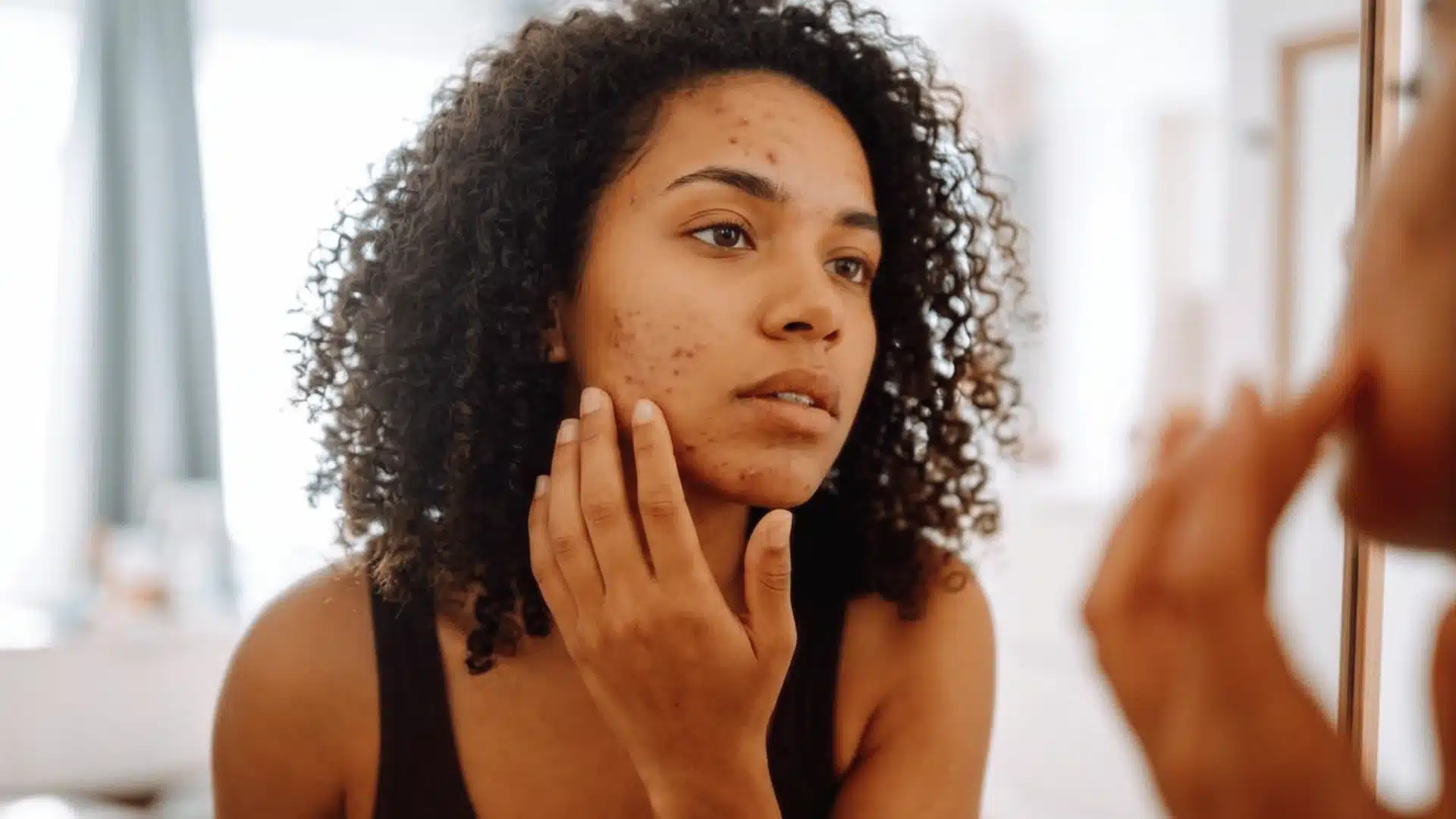
Proper aftercare can help an open pimple wound heal faster by reducing inflammation, preventing infection, protecting damaged skin, and lowering the risk of scarring.
1. Apply Ice to Reduce Swelling
Wrap a clean ice cube in a thin cloth or use a chilled gel pack and hold it against the area for 60 to 90 seconds.
Ice constricts blood vessels, which reduces the redness and swelling that makes a popped pimple look worse than it is.
Repeat every few hours on the first day if needed. Do not press ice directly onto bare skin, and do not leave it there for more than two minutes at a time.
2. Use a Gentle Antibacterial Treatment
There are two reasonable options here, depending on what you have available. For a relatively clean pop with minimal inflammation, plain petroleum jelly or Aquaphor is a good choice.
It keeps the wound moist, which speeds surface healing and reduces the chance of a hard scab forming.
For a more inflamed wound or one that had visible pus, an over-the-counter antibiotic ointment such as Neosporin is worth using for the first day or two. It prevents bacterial contamination of the open wound while it starts to close.
Disclaimer: This information is for general guidance only and is not a substitute for medical advice. If your pimple wound shows signs of infection or does not improve, consult a dermatologist or healthcare professional.
3. Keep the Area Moisturized
One of the most common mistakes after popping a pimple is drying the area out completely in an attempt to clear it faster.
Dry, cracked skin heals more slowly and is more prone to scarring.
A thin layer of a non-comedogenic moisturizer or petroleum jelly over the wound, applied after cleaning, gives the skin the moisture it needs to rebuild.
The wound does not need to breathe. It needs to stay hydrated.
4. Cover it with a Pimple Patch
Hydrocolloid pimple patches are one of the most practical tools for healing a popped pimple wound quickly.
They work by absorbing the fluid from the open wound while keeping the area sealed from external bacteria.
Hydrocolloid patches absorb drainage and support wound closure in a way that leave-open approaches do not.
Patches work best when applied to a freshly cleaned wound before a scab forms. They are less effective over a hard, dry scab.
Change the patch every 6 to 8 hours, or when it turns white and opaque, which means it is full.
5. Wear Sunscreen Daily
Sunscreen is important when healing an open pimple wound because damaged skin becomes more sensitive to sunlight.
Without protection, the area can develop dark spots, redness, or post-inflammatory hyperpigmentation that lasts much longer than the original pimple.
Use a lightweight broad-spectrum sunscreen with at least SPF 30 every day, even when staying indoors for long periods near windows.
Regular sun protection also helps the skin heal more evenly and reduces the risk of visible acne scars over time.
Best Ingredients for Healing a Popped Pimple
Using the right skincare ingredients after popping a pimple can speed healing, calm irritation, protect damaged skin, and reduce the chances of lingering marks or scars.
| Ingredient | Benefit | When to Use |
|---|---|---|
| Hydrocolloid Patches | Protects wounds and absorbs fluid | First 48 hours |
| Petroleum Jelly | Keeps skin moist and reduces scarring | Immediately after cleaning |
| Benzoyl Peroxide | Reduces bacteria | Early stage only |
| Niacinamide | Calms redness and fades marks | After the wound closes |
| Centella Asiatica | Supports skin repair | Early healing stage |
| Aloe Vera | Soothes irritation and redness | During healing |
| Salicylic Acid | Prevents clogged pores | After the skin fully heals |
What Not to Do After Popping a Pimple
The way you treat a popped pimple afterward matters just as much as the healing products you use, especially when trying to avoid scarring and irritation.
- Do Not Pick the Scab: Removing a scab too early reopens the wound, slows healing, and increases the chances of permanent acne scars or lingering skin texture changes.
- Avoid Harsh Scrubs: Physical exfoliants and rough cleansing tools can irritate damaged skin, spread bacteria, and worsen inflammation around the healing pimple wound.
- Skip Strong Active Ingredients: Retinoids, AHAs, strong vitamin C serums, and witch hazel may disrupt skin repair and cause additional irritation while the wound remains open.
- Avoid Touching the Spot Repeatedly: Constantly touching or checking the wound transfers bacteria, disrupts healing products, and slows the skin’s natural recovery process.
- Do Not Apply Heavy Makeup Immediately: Thick makeup products can trap bacteria, clog the open pores again, and delay the healing process after popping a pimple.
How Long Does a Popped Pimple Take to Heal
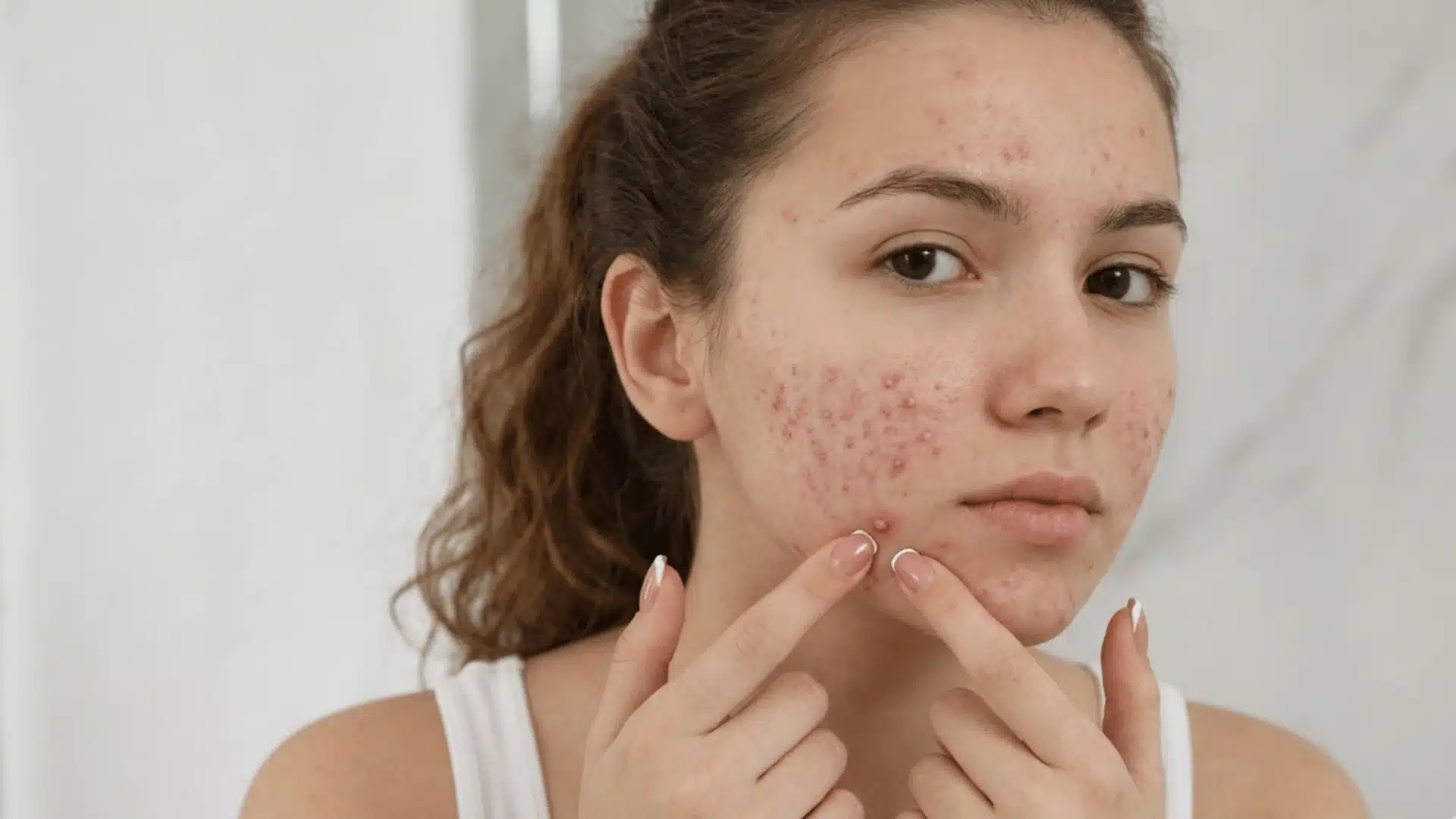
A surface whitehead that has been popped cleanly typically closes within 3 to 5 days and heals fully within 1 to 2 weeks.
A popped pimple takes about two weeks to heal, compared to an unpopped pimple that usually resolves within 3 to 7 days on its own.
Deeper cystic pimples are a different situation. Because the inflammation reaches lower layers of skin, the healing timeline extends to several weeks, and the risk of both textural scarring and post-inflammatory hyperpigmentation is higher.
For the acne scar treatment options that address more serious damage, professional intervention is often necessary.
Signs the wound is healing correctly are progressive shrinking of redness, the formation of a small flat scab rather than a raised or wet-looking wound, and no increase in pain or warmth after the first 24 hours.
How to Prevent Scarring After Popping a Pimple
Proper aftercare after popping a pimple can reduce the chances of dark marks, protect healing skin, and help prevent long-term acne scarring or discoloration.
- Keep the Skin Barrier Healthy: Gentle cleansing and regular moisturizing help the skin repair faster while reducing irritation and post-acne discoloration.
- Use Scar Fading Ingredients: Niacinamide, azelaic acid, and centella asiatica can help reduce redness and support fading once the wound fully closes.
- Avoid Overusing Products: Too many active ingredients can overwhelm healing skin and increase irritation, dryness, or lingering marks after a popped pimple.
- Let the Skin Heal Naturally: Once the wound closes, keep the routine simple and avoid picking, squeezing, or constantly checking the healing area.
When a Popped Pimple May Need Medical Attention
Most popped pimples are unpleasant but not dangerous. There are situations, though, where the wound warrants a closer look.
Signs of infection to watch for:
- Redness that spreads outward from the wound rather than staying contained
- Increasing swelling after the first 24 hours
- Warmth and pain that gets worse rather than better
- Pus that returns or increases rather than clearing
- A fever alongside skin symptoms
A pimple that returns repeatedly in the same spot, or that is too deep and painful to treat at home, may be cystic or nodular acne.
These forms of acne are unlikely to respond to over-the-counter products and can cause permanent scarring without treatment.
A dermatologist can offer corticosteroid injections to calm a severely inflamed lesion quickly, which is sometimes the most effective way to prevent a deep scar.
If your acne keeps coming back in the same area and you are considering hormonal acne treatment options, that conversation is worth having with a doctor rather than managing it solo.
Conclusion
Healing a popped pimple is usually less about finding the perfect product and more about avoiding the mistakes that keep the skin inflamed longer.
Gentle care, consistent moisture, minimal touching, and patience make a noticeable difference in how quickly the skin recovers and whether a mark lingers afterward.
Most people run into problems when they overload the area with strong treatments or keep picking at skin that is already trying to repair itself.
A simple routine often works better than an aggressive one. Over time, paying attention to how your skin responds can help prevent repeat damage and make breakouts easier to manage overall.
If you have a method that works well for healing a popped pimple, drop a comment and share what helped your skin recover faster.
Frequently Asked Questions
Is Toothpaste Good for a Popped Pimple?
No. Toothpaste contains ingredients like fluoride, menthol, and sometimes sodium lauryl sulfate that irritate broken skin and disrupt the wound-healing process.
Should a Popped Pimple Be Kept Dry or Moist?
Moist is better. Keeping a wound dry causes harder scabbing, slows cell repair, and increases the risk of a textural scar.
Why Does a Popped Pimple Sometimes Get Bigger and More Inflamed After Popping?
Pressing on a pimple can push bacteria and debris sideways into surrounding tissue rather than clearing the blockage cleanly.
What Age is Worst For Acne?
Acne is usually worst during the teenage years, especially between ages 14 and 19, because hormonal changes increase oil production and clog pores more easily.