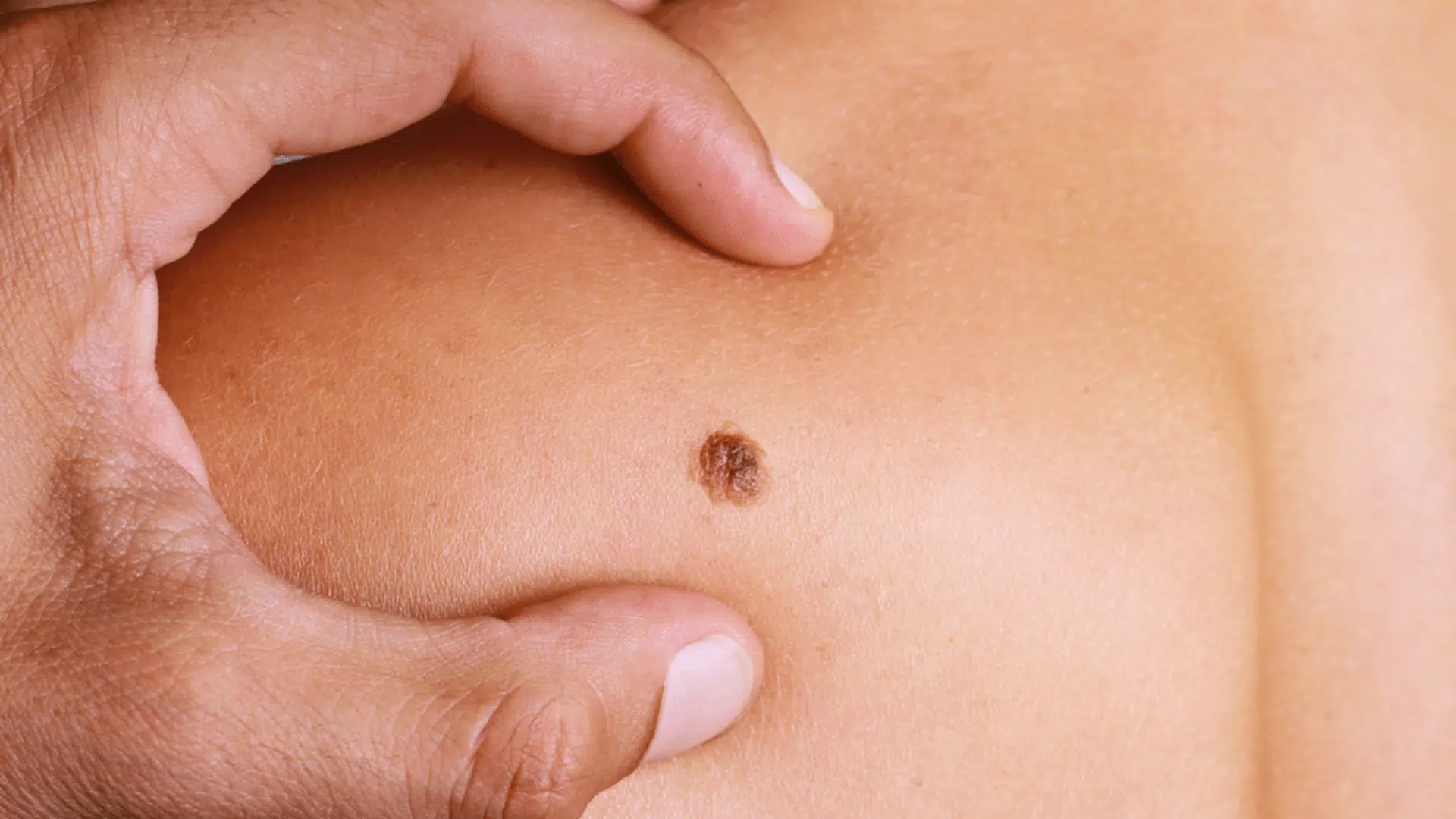
Moles are common skin spots that many people have. Sometimes, they’re removed for medical reasons or simply because someone doesn’t like how they look.
But now you’ve noticed something-there’s a mole growing back in the scar where it was removed. I know that can feel confusing and even a little worrying.
You might wonder if the removal didn’t work or if something is wrong.
I’m going to walk you through why this can happen, what the “mole root” means, and how it plays a big role in preventing a mole from returning.
You’ll also learn about the different ways moles are removed and why some methods make regrowth more likely.
By the end, you’ll understand what causes a mole to grow back, when it’s harmless, and when it’s a good idea to see a doctor.
That way, you can feel sure about your next steps and take care of your skin.
Do Moles Grow Back After Removal?
Yes, moles can grow back after removal, but it depends on how they were taken out.
If a mole is only shaved off at the surface, some of its cells may be left behind under the skin.
These cells can cause the mole to come back in the same spot, sometimes within months. This often happens if the mole root, which sits deeper in the skin, isn’t completely removed.
Surgical removal that cuts out the full mole, including the root, usually prevents regrowth.
Still, even after complete removal, it’s important to keep an eye on the area.
If the mole grows back and changes in color, shape, or size, it’s best to have it checked by a dermatologist to rule out anything serious.
A mole can grow back if some of its cells remain under the skin after removal.
This is often linked to how deep the mole root is and the method used to take it out.
- Incomplete removal: Some mole cells may stay behind if the root isn’t fully removed.
- Shallow removal methods: Shaving or laser treatments might not reach the deeper layers of the skin.
- Deep mole roots: Some moles extend far below the surface, making full removal harder.
- Skin healing process: New skin growth can sometimes bring back mole cells left behind.
- Rare abnormal changes: In unusual cases, changes in mole cells can trigger regrowth.
Risks Associated with Mole Regrowth
Most moles that grow back are harmless, but there are times when regrowth can be a warning sign.
Knowing the risks helps you decide when to get medical advice.
- Skin cancer concerns: Rarely, a returning mole may be linked to melanoma.
- Changes in appearance: Growth that changes color, shape, or size needs checking.
- Repeated irritation: Regrown moles in high-friction areas can become sore or inflamed.
- Delayed diagnosis: Ignoring changes can make early treatment harder.
- Scarring issues: Removing a mole more than once can leave a larger or raised scar.
How Removal Methods Affect Mole Regrowth
The method used to remove a mole plays a major role in whether it will return.
Some techniques remove both the visible mole and the root, lowering the risk of regrowth, while others focus only on the surface.
Each method has its own benefits and limits.
1. Surgical Excision
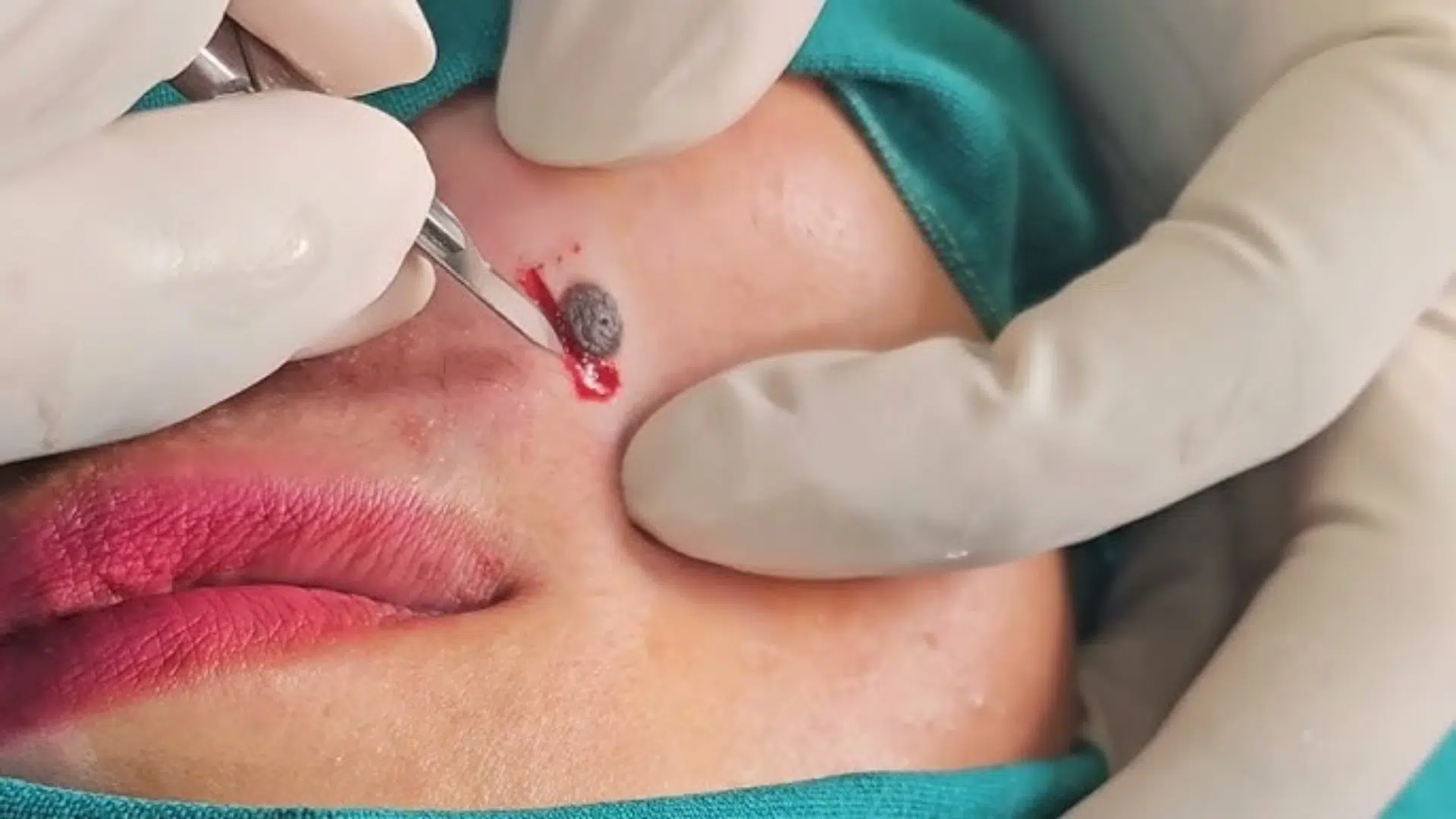
This approach removes the mole and a small area of surrounding skin to ensure all mole cells, including the root, are gone.
It’s often chosen for deep or suspicious moles because it offers the most complete removal.
- Cuts out the mole and its root entirely.
- Usually closed with stitches for proper healing.
- Very low risk of the mole returning.
- Preferred for medical concerns or irregular moles.
2. Shave Removal
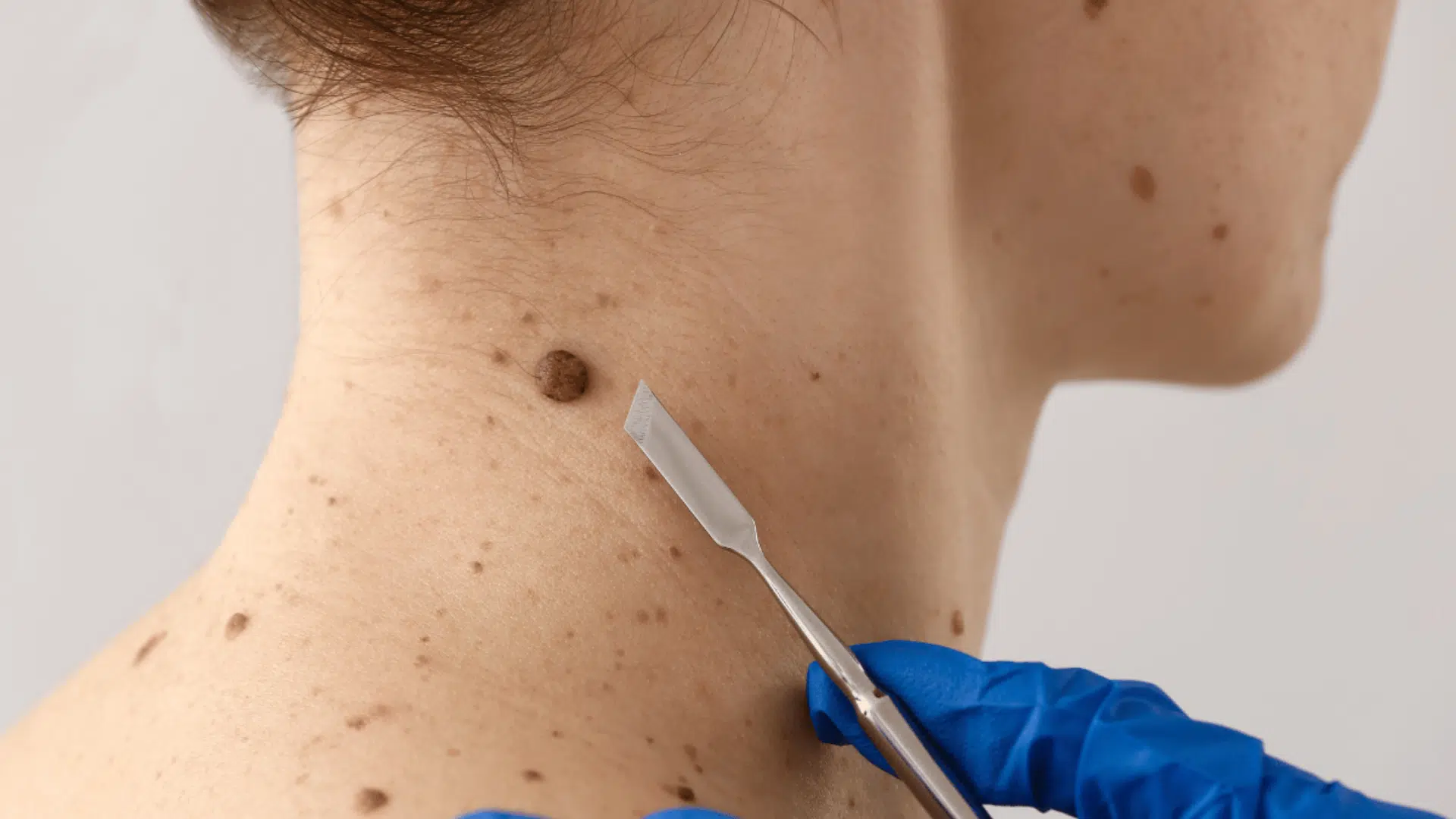
A thin blade slices the mole at skin level, leaving the deeper tissue untouched.
It’s a quick and simple method, but may not remove all mole cells, which increases the chance of regrowth.
- Removes the raised part of the mole only.
- No stitches are usually required.
- Mole cells left behind can regrow.
- Often chosen for non-problematic raised moles.
3. Laser Removal
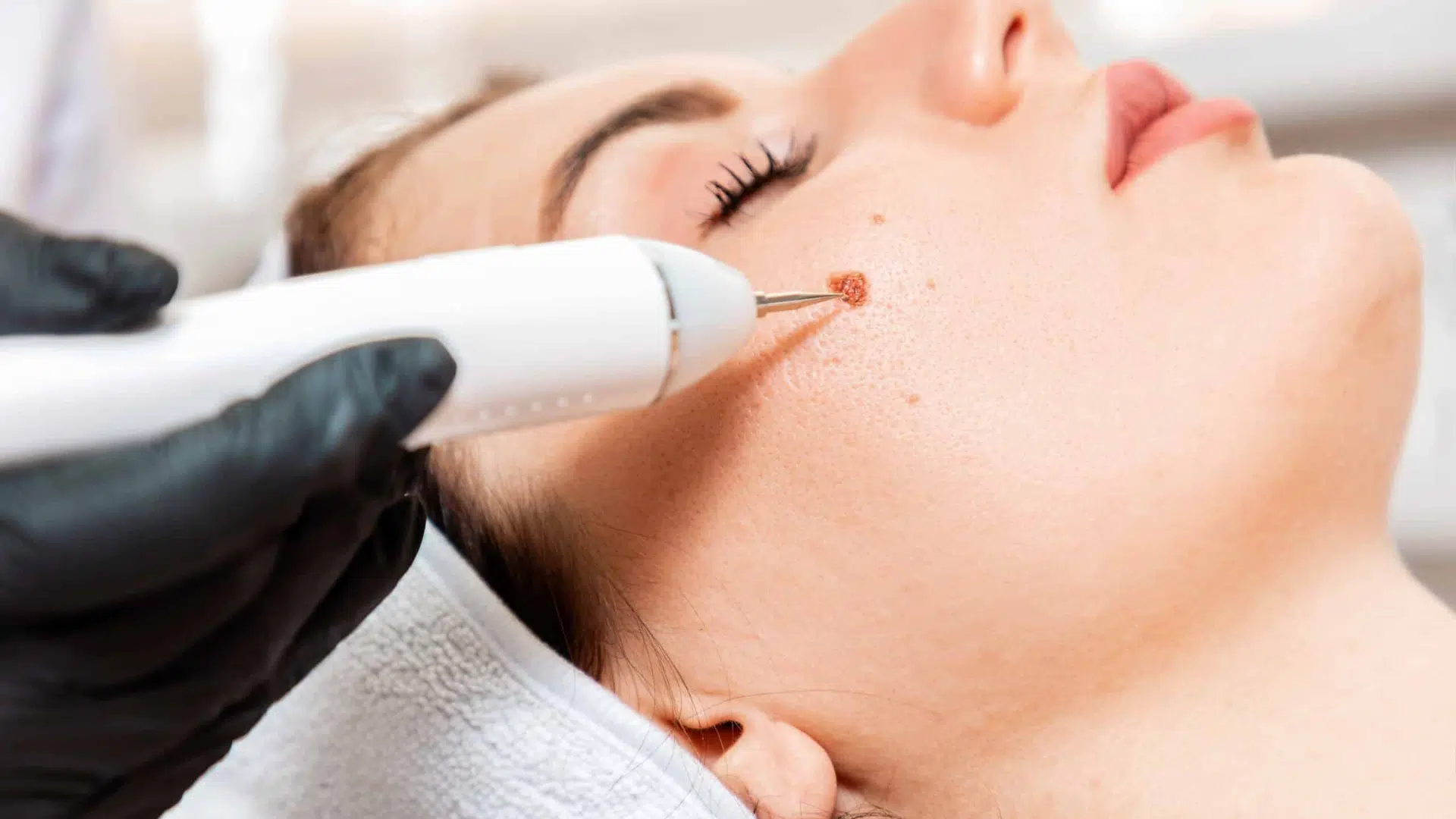
A concentrated light beam targets mole tissue, breaking it down at the surface. While it offers a smooth finish, it may not reach the deeper layers where the mole root lies.
- Works best for flat, light-colored moles.
- Minimal scarring compared to other methods.
- Can miss deep mole roots, causing regrowth.
- More cosmetic than medical in purpose.
4. Cryotherapy
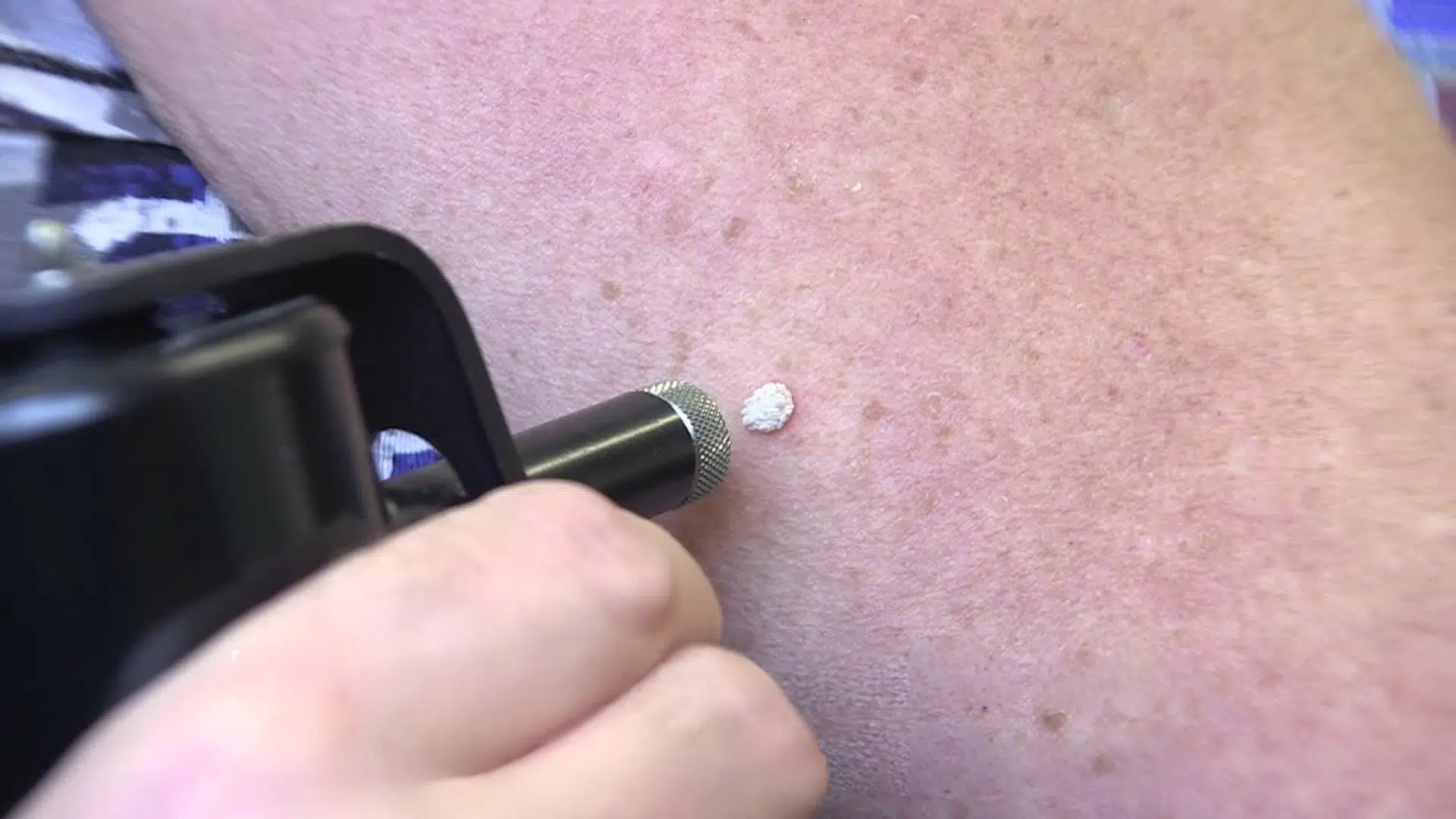
This treatment freezes mole tissue with liquid nitrogen, killing the surface cells. It’s often used for shallow growths but may leave deeper mole cells untouched.
- Effective for small, surface-level moles.
- No cutting or stitching needed.
- Regrowth risk if roots remain.
- May cause lighter or darker skin patches after healing.
What to Do if a Mole Grows Back in the Scar
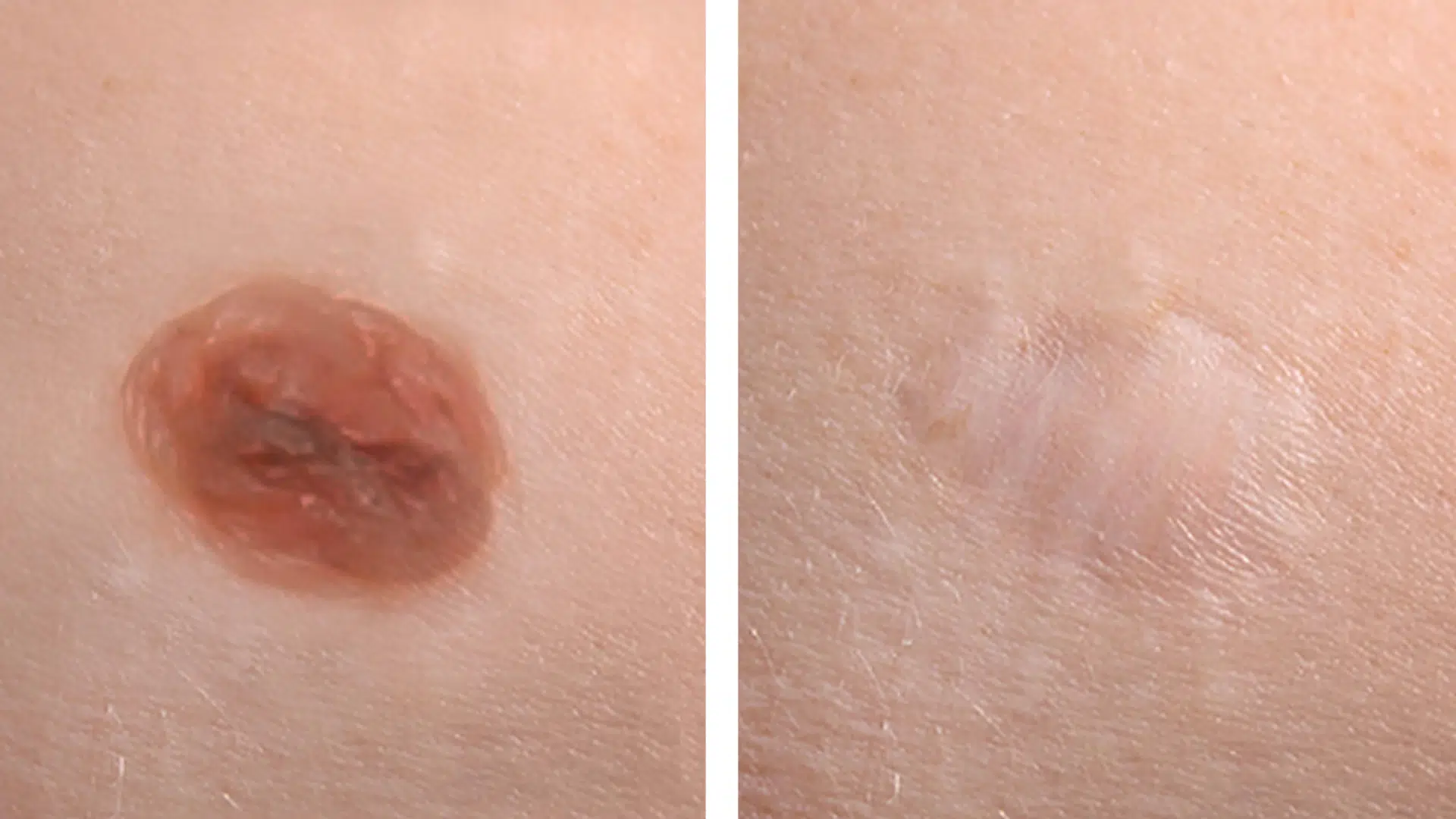
A mole growing back in a scar is not always a reason to panic, but it should not be ignored.
Watching for changes and knowing when to get it checked can help keep your skin healthy.
- Monitor changes in size, shape, or color: Keep track of any differences compared to how it first appeared.
- When to revisit a dermatologist: Book an appointment if the mole looks darker, grows quickly, or feels different.
- Importance of biopsy: If the regrown mole looks different from the original, a biopsy can rule out serious conditions.
How to Reduce the Chances of a Mole Growing Back
While not all mole regrowth can be prevented, taking certain steps can greatly lower the risk.
The right removal method and proper care afterward can make a big difference.
- Choose the right removal method based on mole type and depth: Deeper or suspicious moles often need surgical excision to remove all cells.
- Ensure removal includes the mole root: Leaving mole roots behind increases the chances of regrowth.
- Follow proper aftercare to support clean healing: Keep the area clean, avoid picking at scabs, and follow your doctor’s instructions.
Conclusion
A mole growing back in a scar can be surprising, but it doesn’t always mean something is wrong.
Most of the time, it happens because some mole cells or the mole root were left behind during removal.
I think it’s always best to keep an eye on any changes and not ignore them. If the mole comes back and looks different in size, shape, or color, getting it checked by a dermatologist can give you peace of mind.
Choosing the right removal method in the first place can also make a big difference in preventing regrowth.
Surgical excision usually works best for deep or suspicious moles, while other methods may leave a higher chance of recurrence.
I always remind myself that my skin health matters, so taking action early is worth it.
A quick check from a doctor can help keep things safe and prevent bigger problems later.