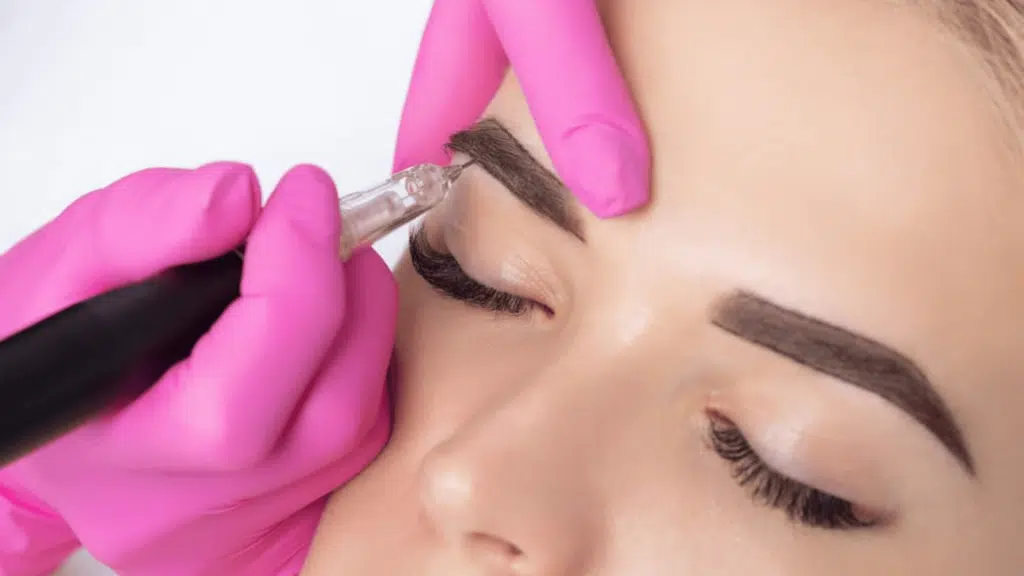
When I first found out about microblading, I was amazed by how natural the results could look. What I did not expect was the scabbing phase, which can surprise many people and cause unnecessary concern.
If you are reading this, you might be curious about the healing stages, how long scabbing lasts, and the best way to care for your brows during this time.
I have experienced it myself, so I understand the need for clear guidance. The healing expedition is an important part of achieving beautiful and lasting results.
In this guide, I will explain the microblading healing process in detail and outline a day-by-day timeline.
I’ll also share practical tips to make the experience more comfortable while protecting your pigment and helping your brows heal evenly and naturally.
Understanding the Microblading Scabbing and Healing Process
Scabbing is a normal part of your skin’s recovery after microblading. During the procedure, fine cuts are made in the skin to deposit pigment, and your body naturally forms scabs to protect the healing area.
This protective layer shields the delicate tissue beneath while your skin repairs itself. The scabbing stage usually:
- Begins within the first few days (often around day four)
- Lasts about a week, sometimes up to 10 days
- Varies depending on skin type, stroke depth, and aftercare
Some people may notice heavier scabbing than others, but this does not mean the procedure went poorly.
To support safe healing and avoid pigment loss, you should avoid picking or scratching the scabs and keep your brows clean and dry as advised.
It’s also important to stay away from makeup in the brow area and allow the scabs to flake off naturally.
Keep an eye out for warning signs such as severe redness, swelling, or pus, as these may signal infection and should be checked by a professional.
With proper care, mild scabbing is manageable and helps your brows retain color more evenly, leading to smoother, natural-looking results once the healing process is complete.
Day-By-Day Healing Stages of Microblading Scabbing
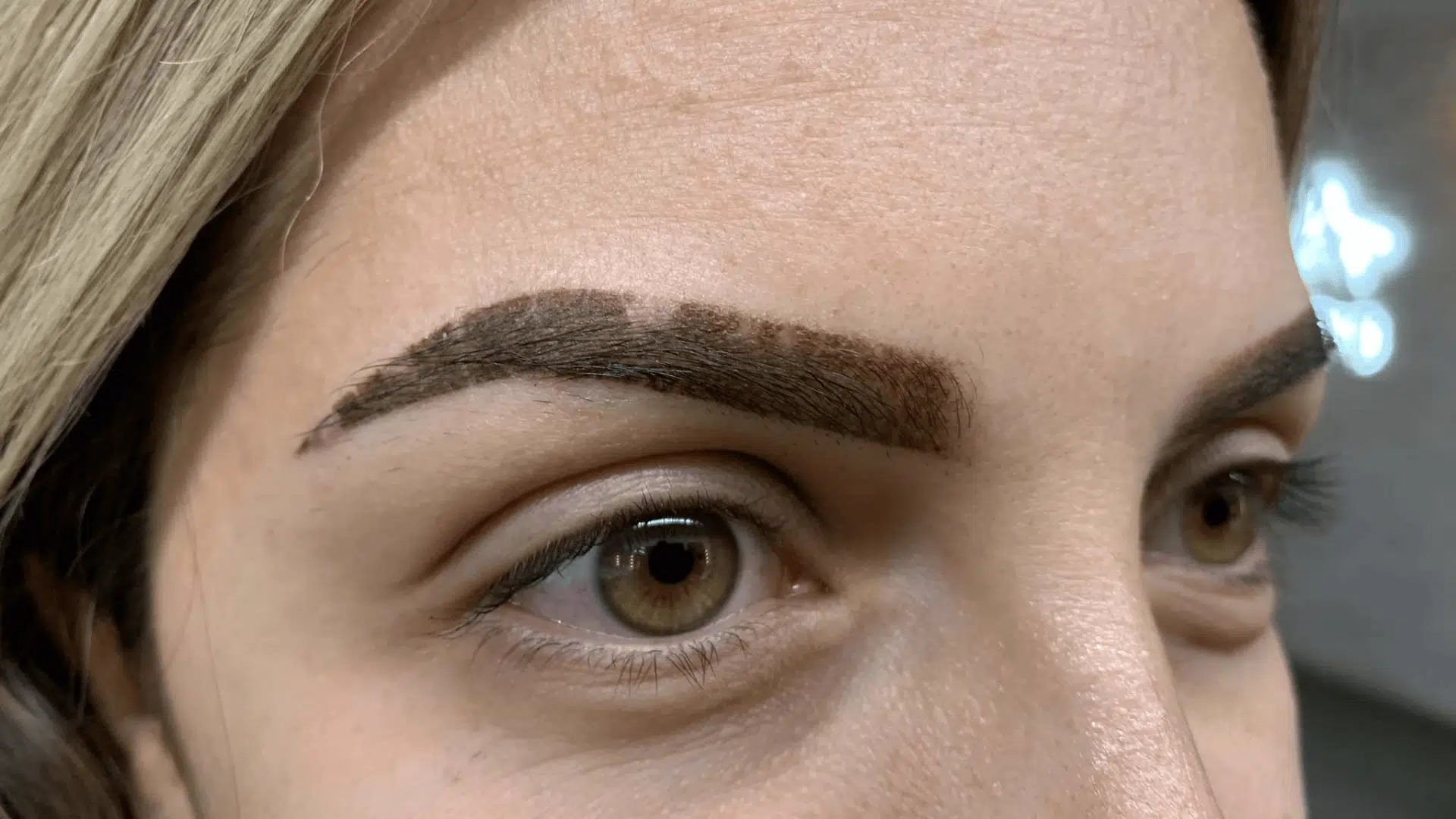
The scabbing stage of microblading follows a predictable pattern, with changes in your brows happening gradually over two weeks. Knowing what to expect each day can help you avoid worry and follow the right care steps.
| Day | What to Expect | Care Tips |
|---|---|---|
| 1–3 | Brows look darker and fuller; slight redness possible | Keep them dry, avoid touching |
| 4–7 | Scabbing starts; brows may feel itchy | Don’t scratch; use gentle aftercare balm |
| 8–10 | Scabs flake off naturally | Avoid makeup on brows |
| 11–14 | Color appears lighter; pigment is still settling | Continue gentle cleansing |
| 15+ | Brows begin to look more natural | Follow the touch-up schedule if needed |
Factors That Affect Scabbing in Microblading Healing
Scabbing is a normal part of the microblading healing process, but the way it appears and how long it lasts can differ from person to person.
- Skin Type: Oily skin often has lighter, less noticeable scabbing. Dry or sensitive skin may form thicker, more visible flakes during healing.
- Depth of Strokes: Deeper microblading cuts can cause heavier scabbing. Lighter strokes tend to result in a softer healing process with less flaking.
- Aftercare Routine: Following your artist’s instructions closely can reduce scabbing. Skipping steps may lead to more irritation and pigment loss.
- Environmental Conditions: Hot, humid, or very sunny weather can slow healing. Excess sun exposure can also cause pigment to fade faster.
- Lifestyle Habits: Heavy sweating from exercise or frequent face touching can affect healing. Limiting these can support better pigment retention.
How to Care for Brows During the Scabbing Phase?
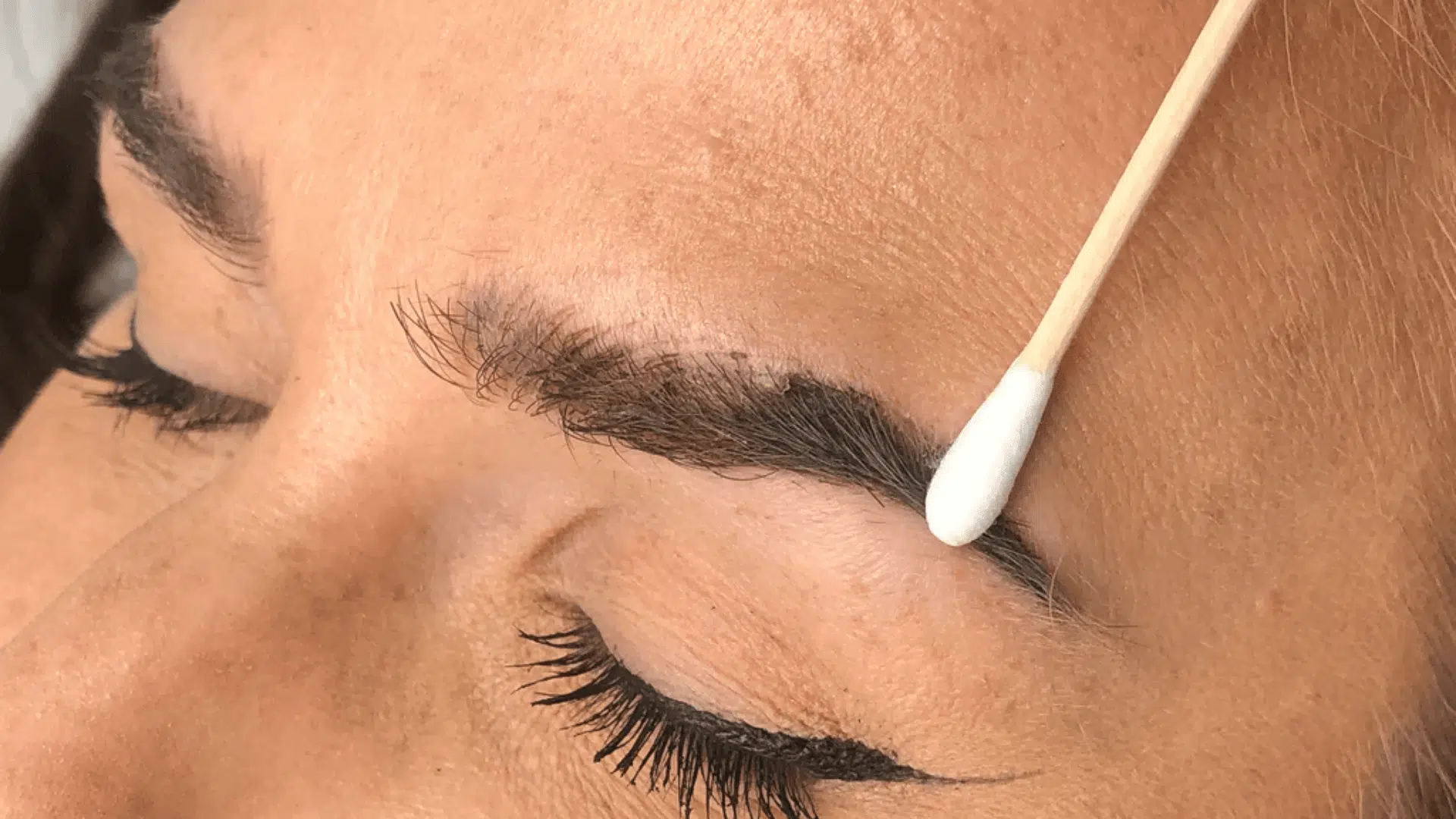
The scabbing stage requires gentle care to protect your pigment and promote even healing. Small daily habits can make a big difference in how your brows look after recovery.
- Hands Off: Touching or picking at scabs can pull out pigment and leave gaps. Let them fall off naturally to avoid uneven color.
- Moisturize Lightly: Apply aftercare ointment only if your artist suggests it. Over-moisturizing can cause scabs to soften too quickly and fade pigment.
- Avoid Water Exposure: Keep brows away from pools, saunas, and heavy steam. Moisture can break down scabs prematurely and disrupt the healing process.
- Skip Makeup: Do not apply brow products until healing is complete. Makeup can introduce bacteria and increase the risk of infection.
- Stay Sun Safe: Avoid direct sunlight on healing brows. UV rays can cause pigment to fade faster and affect the final color.
When to Seek Help During the Scabbing Process?
While some redness, mild swelling, and scabbing are normal during microblading healing, certain symptoms should not be ignored.
If you experience excessive redness that spreads, severe swelling that worsens instead of improving, or any discharge such as yellow or green fluid, it may indicate infection.
Persistent or intense pain that does not ease after the first couple of days can also be a warning sign.
In these cases, it is important to contact your microblading artist promptly for advice and, if necessary, seek help from a medical professional. Quick action keeps your skin safe and preserves results.
Trust your instincts, and remember that it is always better to check early than to risk long-term issues with your healing process.
What to Expect After the Scabbing Phase?
When the scabbing stage is over, your brows may appear noticeably lighter or even slightly uneven. This is a normal part of the healing process, as the skin is still repairing and the pigment has not yet fully settled.
Over the following weeks, the color will gradually return, and the brows will look softer and more natural.
Some spots may seem lighter or less defined, which is why a touch-up session is usually recommended about six weeks after the initial procedure.
This appointment helps refine the shape, even out the pigment, and create a balanced, long-lasting result.
During this post-scabbing period, it is still important to follow gentle aftercare guidelines, such as avoiding excessive sun exposure and skipping harsh skincare products.
Patience during this time ensures your brows heal beautifully and maintain their intended shape and color
Common Mistakes to Avoid in Microblading Healing
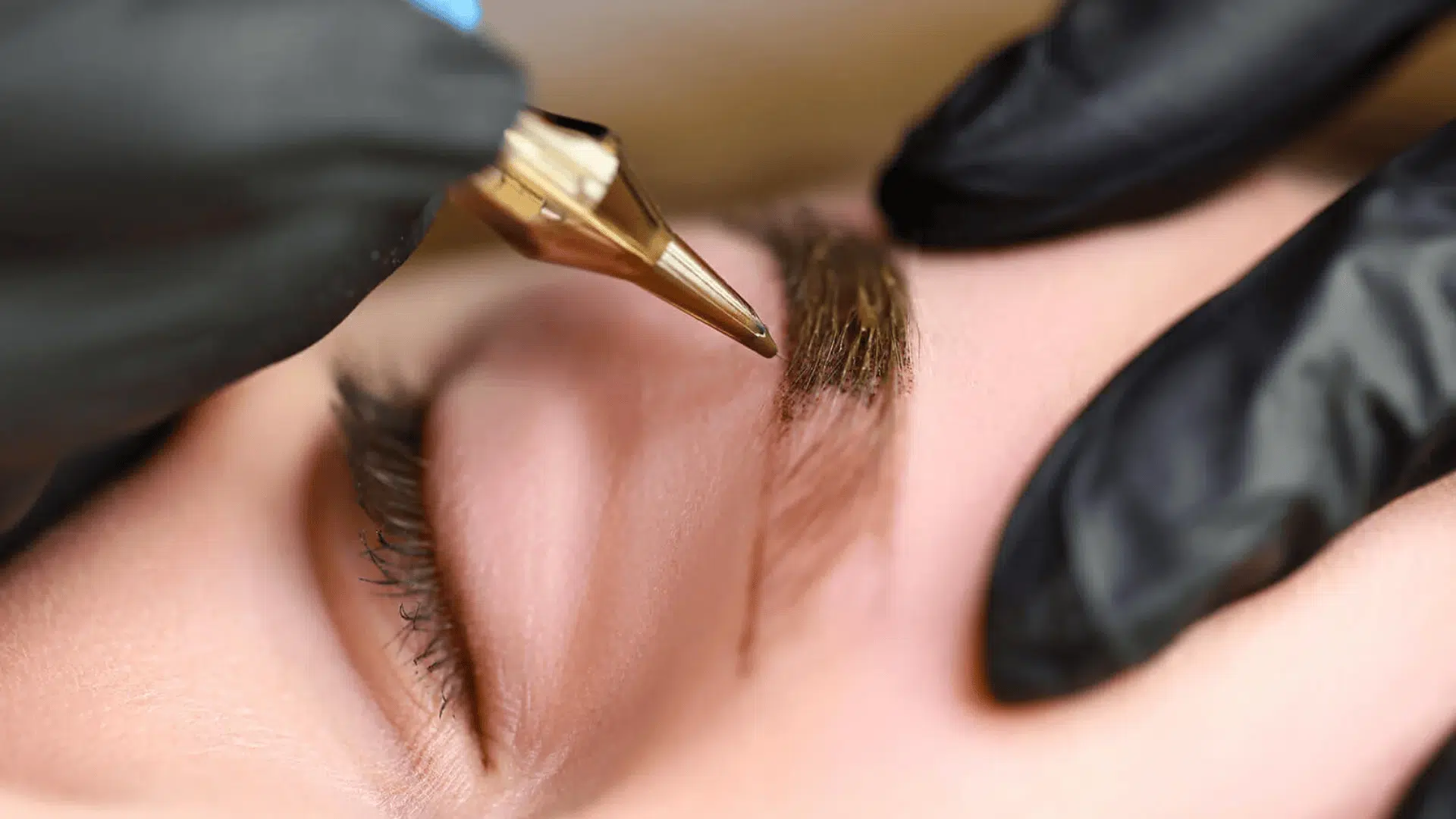
The healing process after microblading is fragile, and small mistakes can impact results.
Recognizing common errors helps protect pigment and achieve smooth, even brows. Avoiding these makes healing easier and outcomes better.
- Over-Moisturizing: Applying too much balm or ointment can soften scabs before they are ready to fall off. This can cause pigment to lift and leave patchy spots.
- Touching or Scratching: Even gentle scratching or rubbing can break the skin and disrupt pigment strokes. Let the area heal without interference to avoid uneven results.
- Ignoring Aftercare Instructions: Your artist’s aftercare plan is made specifically for their technique and your skin type. Skipping steps can slow healing and impact color retention.
- Using Harsh Cleansers: Strong soaps or exfoliants can strip the skin and fade pigment. Use only mild, approved cleansers during the healing stage.
- Exposing Brows to Sun: Direct sunlight can cause pigment to fade or change tone. Keep brows covered or in the shade until healing is complete.
Conclusion
When I went through my own microblading healing process, I quickly realized that understanding the scabbing phase made the process far less stressful.
Knowing what is normal and what requires attention can help you stay calm and patient while your brows recover.
The key is to follow aftercare instructions closely, resist the urge to touch or pick, and give your skin the time it needs to heal naturally. This approach not only preserves pigment but also ensures a smoother, more even final look.
By caring for your brows properly during scabbing, you are setting the stage for longer-lasting results and a shape you will love.
If you found this guide on the scabbing microblading healing process helpful, share it with friends who are considering microblading so they can feel prepared and confident through their own healing pilgrimage.