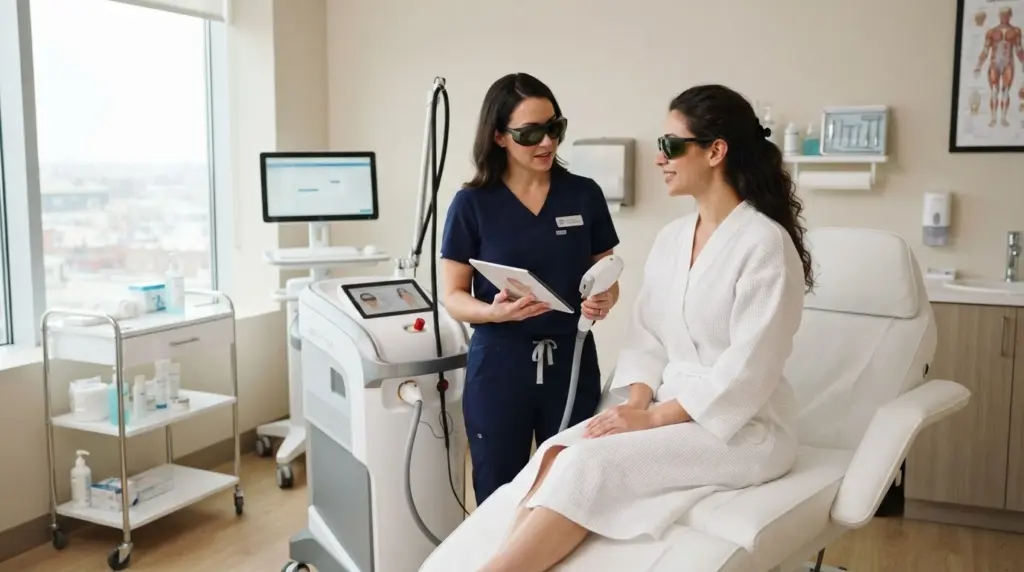

When I decided to remove my first tattoo, I had many questions in my mind. Will my skin go back to normal? How should I care for it after each session? Will there be scars?
If you are here, you likely share the same thoughts and want clear answers.
In this guide, I will explain how to care for your skin after tattoo removal, what to expect before and after, and how to lower the risk of lasting problems.
I will also cover how the skin responds during the process, common changes you might notice, and simple steps that help it heal effectively.
By the end, you will have a complete understanding of how to protect your skin, encourage healthy recovery, and achieve the best possible results from your tattoo removal.
Understanding Skin Healing After Tattoo Removal
Laser tattoo removal works by targeting and breaking down the ink particles within the skin so the immune system can gradually clear them away.
This process takes multiple sessions and requires consistent skin care for the best results. After a session, the treated area may show redness, swelling, mild blistering, or temporary changes in pigmentation.
As healing progresses, these effects fade, but the timeline depends on aftercare, tattoo size, location, ink colors, and skin type.
The before and after stages of tattoo removal can be striking, with fading and texture changes becoming more noticeable over time.
Taking photos throughout the process helps track progress and ensures you notice improvements. Patience and proper care are essential for achieving smoother skin and reducing the risk of long-term changes.
Laser Tattoo Removal Before and After: Visible Skin Changes
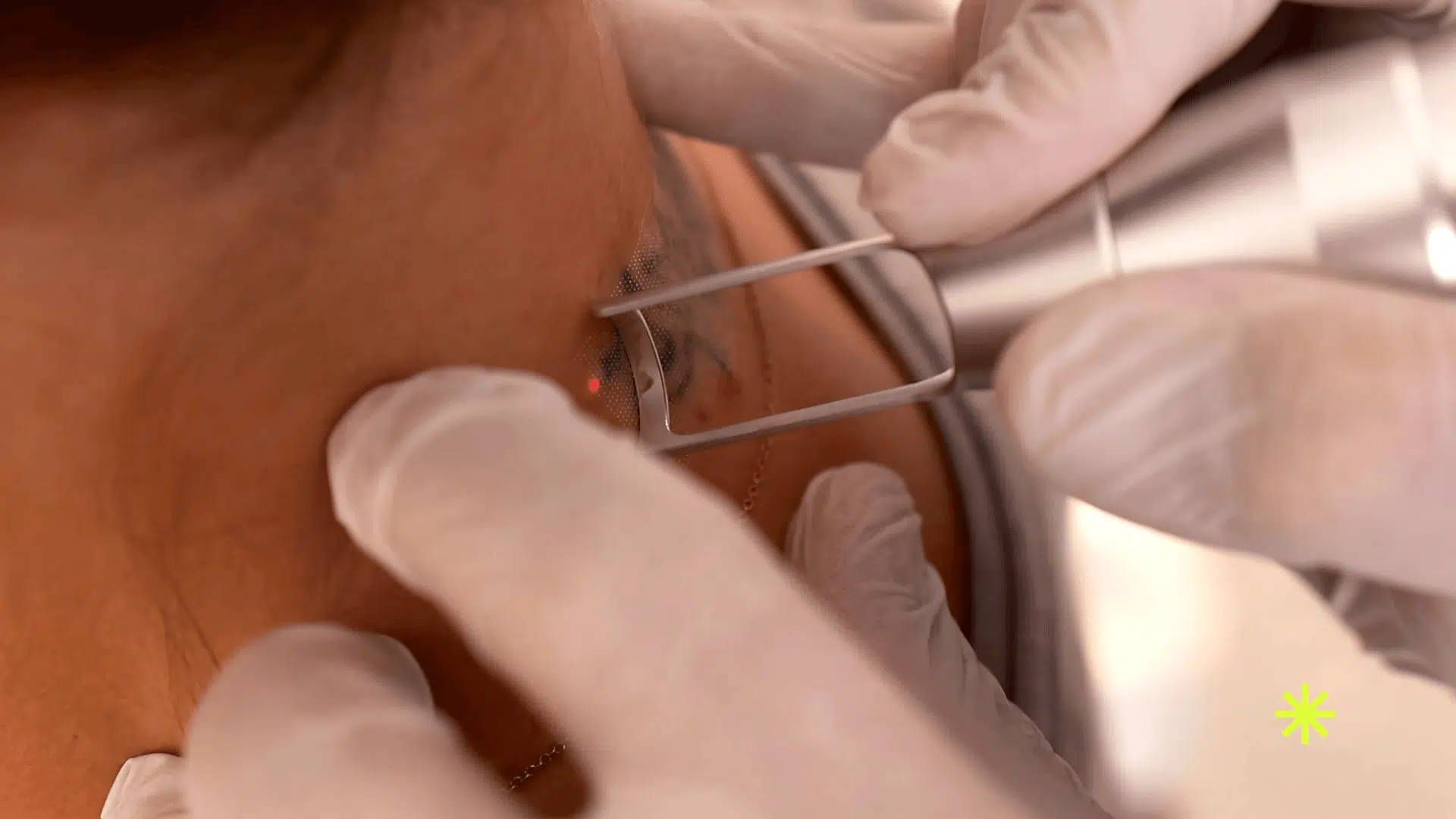
During laser tattoo removal, the ink color and skin texture change. Early treatments may fade some shades quickly, causing temporary unevenness, raised areas, or discoloration.
Immediate Skin Reactions After Laser Tattoo Removal
Right after a laser tattoo removal session, the treated skin often feels warm, tender, and may appear red or slightly swollen.
These effects are part of the body’s natural inflammatory response as it begins breaking down the ink particles. In some cases, especially with older or heavily saturated tattoos, pinpoint bleeding or small blisters may form.
These signs indicate that the laser energy has effectively reached the pigment. It is essential to keep the area clean and avoid touching, scratching, or applying unapproved products that could cause irritation or infection.
Using fragrance-free ointment keeps moisture and aids recovery. Loose clothing prevents friction, and a cool compress reduces swelling and relieves pain in the first 24 hours.
Mid-Healing Skin Changes During Tattoo Removal
About one to two weeks after laser tattoo removal, the skin enters a critical recovery stage. Proper care during this period helps prevent scarring, supports even fading, and keeps the healing process on track for the best results.
- Peeling and Flaking: The skin sheds old cells as new tissue forms. Avoid removing peeling skin prematurely, as this can slow recovery and cause texture changes. Gentle cleansing keeps the area clean without irritation.
- Mild Itching: Itching means the skin is actively healing. Never scratch the area, as this can break the surface and increase scar risk. A soothing, fragrance-free moisturizer can ease discomfort.
- Uneven Fading: Different ink colors react at different speeds to laser treatment. This may cause patchy fading that will even out over additional sessions. Consistent aftercare improves results.
- Increased Sensitivity: The treated skin may be more sensitive to sunlight, heat, or friction. Wearing breathable fabrics and avoiding direct sun exposure protects the area and supports recovery.
Long-Term Skin Results After Tattoo Removal
Months after laser tattoo removal, skin improves in tone and texture. Pigmentation fades with care, and many get near-complete removal. Final look depends on skin type, tattoo age, and scarring, with maintenance preserving results for years.
- Even Skin Tone: Most fading-related discoloration blends naturally with the surrounding skin over time. Consistent sun protection speeds this process and keeps pigmentation balanced.
- Smoother Texture: Areas once affected by ink often regain a softer, more uniform texture. Hydration supports ongoing cell renewal for a healthy skin surface.
- Residual Tattoo Outlines: Some may see faint shapes of the original tattoo. These often become less noticeable with natural healing and skincare.
- Scar Tissue Visibility: Pre-existing scars may remain, but usually look softer and less pronounced as the skin adapts post-treatment.
Common Skin Reactions After Tattoo Removal
The tattoo removal experience varies; many recover without issues, but some may see temporary changes in skin tone or texture.
With proper care, these reactions fade, leaving skin smoother and healthier after treatment.
- Temporary Pigmentation Changes: Skin may darken (hyperpigmentation) or lighten (hypopigmentation) for a few weeks. Consistent sunscreen use can help speed the fading of these color shifts and protect the skin from further changes.
- Raised or Textured Skin: Pre-existing scar tissue from the tattoo application may become more visible after laser sessions. Over time, moisturizing and gentle care often help soften and smooth these areas.
- Mild Redness and Swelling: Redness and swelling are common immediately after treatment. These symptoms usually subside within a few days when using cool compresses and avoiding friction on the treated skin.
- Minimal Scarring Risk: Scarring is uncommon with professional laser removal. Following aftercare instructions closely, including keeping the area moisturized, helps reduce the risk even further.
- Skin Sensitivity: The treated area can remain sensitive to touch, heat, or sunlight for several weeks. Wearing loose clothing and avoiding direct sun exposure helps protect the healing skin.
Pre- and Post-Treatment Skin Care for Best Results
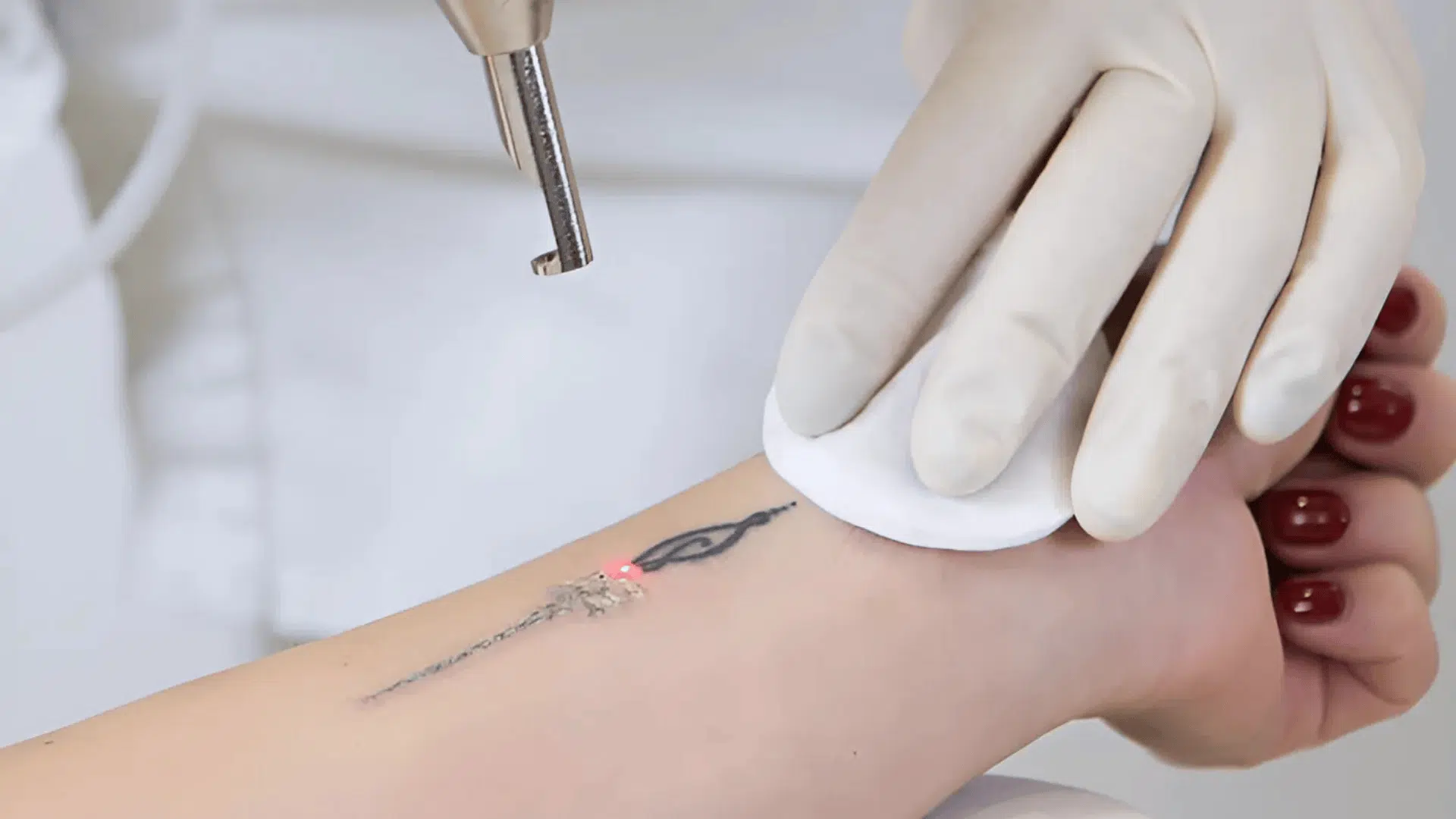
Caring for your skin before and after each tattoo removal is key to smooth healing and results.
Preparing skin beforehand helps it respond to the laser, and proper aftercare supports recovery, lowering risks like irritation, scarring, or uneven pigmentation.
Preparing Skin Before Laser Tattoo Removal Sessions
The way you prepare your skin before treatment directly impacts how well it responds to the laser and how quickly it heals afterward.
- Hydration: Drink plenty of water in the days before treatment to keep your skin supple. Well-hydrated skin handles the laser energy more effectively and recovers faster.
- Sun Protection: Avoid tanning or extended sun exposure for at least two weeks prior. Sun damage increases the risk of pigmentation changes after laser sessions.
- No Topical Irritants: Skip harsh scrubs, retinol, or strong chemical peels in the treatment area. These can thin or irritate the skin, making recovery more difficult.
Gentle Skin Care After Tattoo Removal Treatments
Your skin is most sensitive after a laser session, so extra care is needed to protect and support healing. Keeping the area clean, hydrated, and free from friction helps reduce redness, swelling, and discomfort.
- Cool Compresses: Use clean, cool compresses for short periods during the first 24 hours. This helps control swelling and soothes irritation.
- Fragrance-Free Moisturizer: Apply a gentle, fragrance-free ointment or cream to lock in moisture. This protects the skin and prevents excessive dryness.
- Loose Clothing: Wear soft, breathable fabrics that do not rub against the treated skin. Reducing friction allows faster, smoother healing.
Healing Timeline for Skin After Tattoo Removal
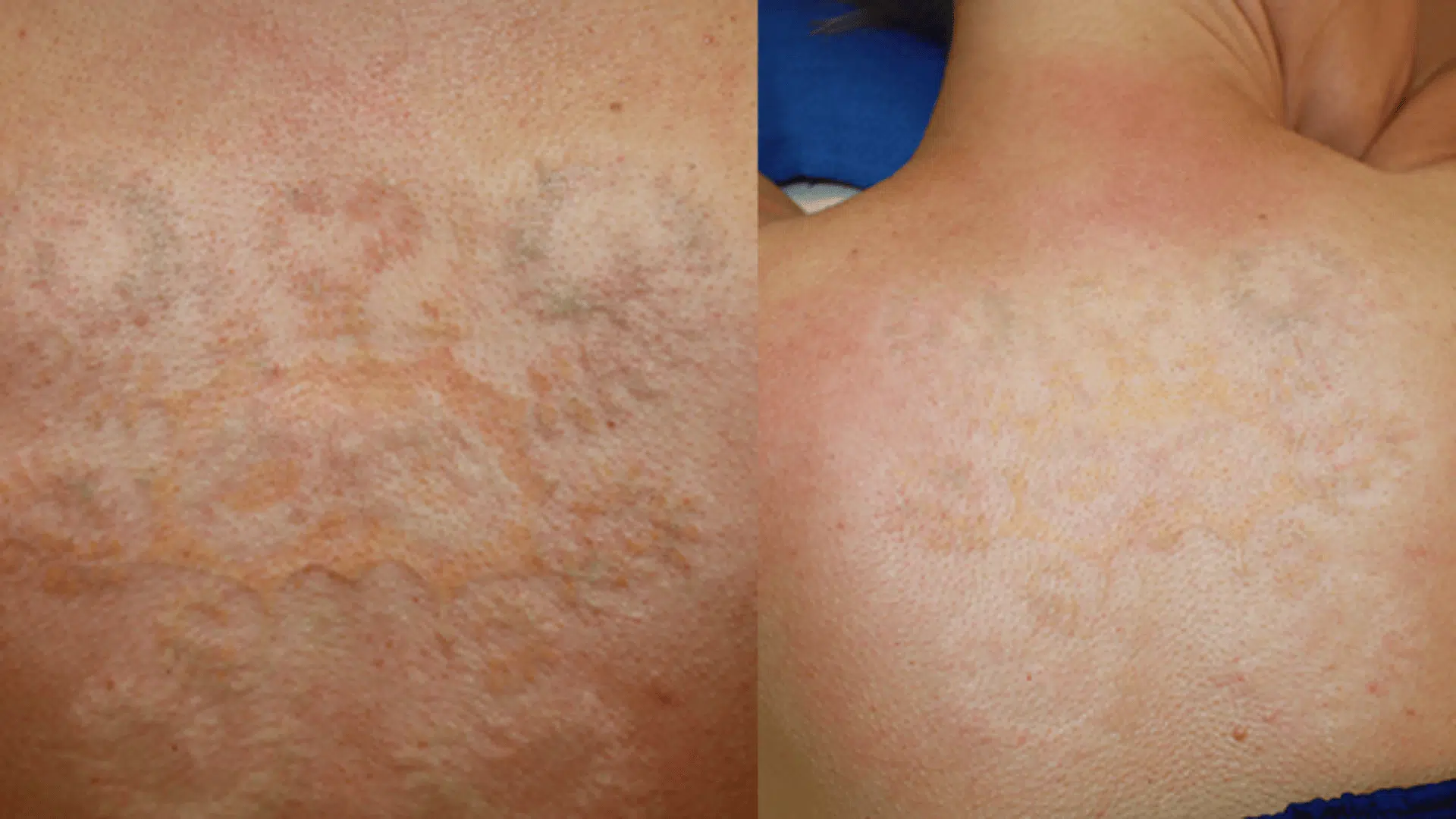
Knowing how skin typically heals after tattoo removal makes it easier to care for it at each stage. Recovery involves gradual changes in color, texture, and sensitivity.
| STAGE | TIMEFRAME | COMMON SKIN CHANGES | CARE TIPS |
|---|---|---|---|
| Immediate Recovery | 0–3 days | Redness, swelling, warmth | Cool compress, avoid touching |
| Early Healing | 4–14 days | Light scabbing, peeling, and itchiness | Moisturize, no scratching |
| Mid Recovery | 2–6 weeks | Pigmentation changes, gradual fading | Sun protection, gentle skincare |
| Long-Term Recovery | 3–6 months | Even skin tone, minimal texture differences | Continue SPF, stay hydrated |
How to Minimize Scarring or Raised Skin After Tattoo Removal
Scarring and raised skin after tattoo removal are uncommon but can happen without proper care. Protecting your skin during healing means following aftercare closely, avoiding harmful habits, and supporting regeneration.
- Avoid Picking or Scratching: Picking at scabs or scratching itchy areas can reopen wounds and lead to permanent scars. Let the skin shed naturally while keeping it clean.
- Keep Skin Moisturized: Applying a gentle, fragrance-free moisturizer helps maintain hydration. This supports skin repair and reduces the chance of rough or raised areas forming.
- Use SPF Daily: Sun exposure slows healing and can darken scars. Apply broad-spectrum sunscreen to the treated area every day, even in cooler months.
- Follow Professional Advice: Your technician’s aftercare instructions are specific to your skin type and treatment settings. Following them exactly ensures safer and faster healing.
- Avoid Friction and Pressure: Tight clothing or constant rubbing can irritate the treated skin. Choose loose, breathable fabrics to protect the area during recovery.
Conclusion
When I started my tattoo removal process, I quickly learned how much aftercare influences results.
Patience and consistency became my focus, as rushing the process only increases the chance of problems.
Protecting my skin from the sun, keeping it moisturized, and avoiding friction made a clear difference in recovery.
Over time, the treated areas became smoother, and early redness or uneven tones faded.
I also learned that choosing a skilled professional was just as important as my daily care routine. Every step, from using SPF to following aftercare instructions, helped my skin look healthier.
If you are beginning your own removal expedition, follow these steps with care and give your skin time to heal.