I remember the first tattoo I ever got.
It looked bold, the colors popped, and I couldn’t stop looking at it. But a few years later, it wasn’t as sharp.
The black had softened, and the colors didn’t stand out the same. If you’ve noticed something similar with your tattoos, you’re not alone.
Tattoos fade over time, a process that’s influenced by both natural skin processes and our actions (or lack thereof).
In this guide, I’ll share why tattoos fade, the common reasons they lose their brightness sooner than they should, and what you can do to slow it down.
I’ll also talk about how to keep your tattoos looking their best for years.
How Tattoos Fade: The Biological & Mechanical Process
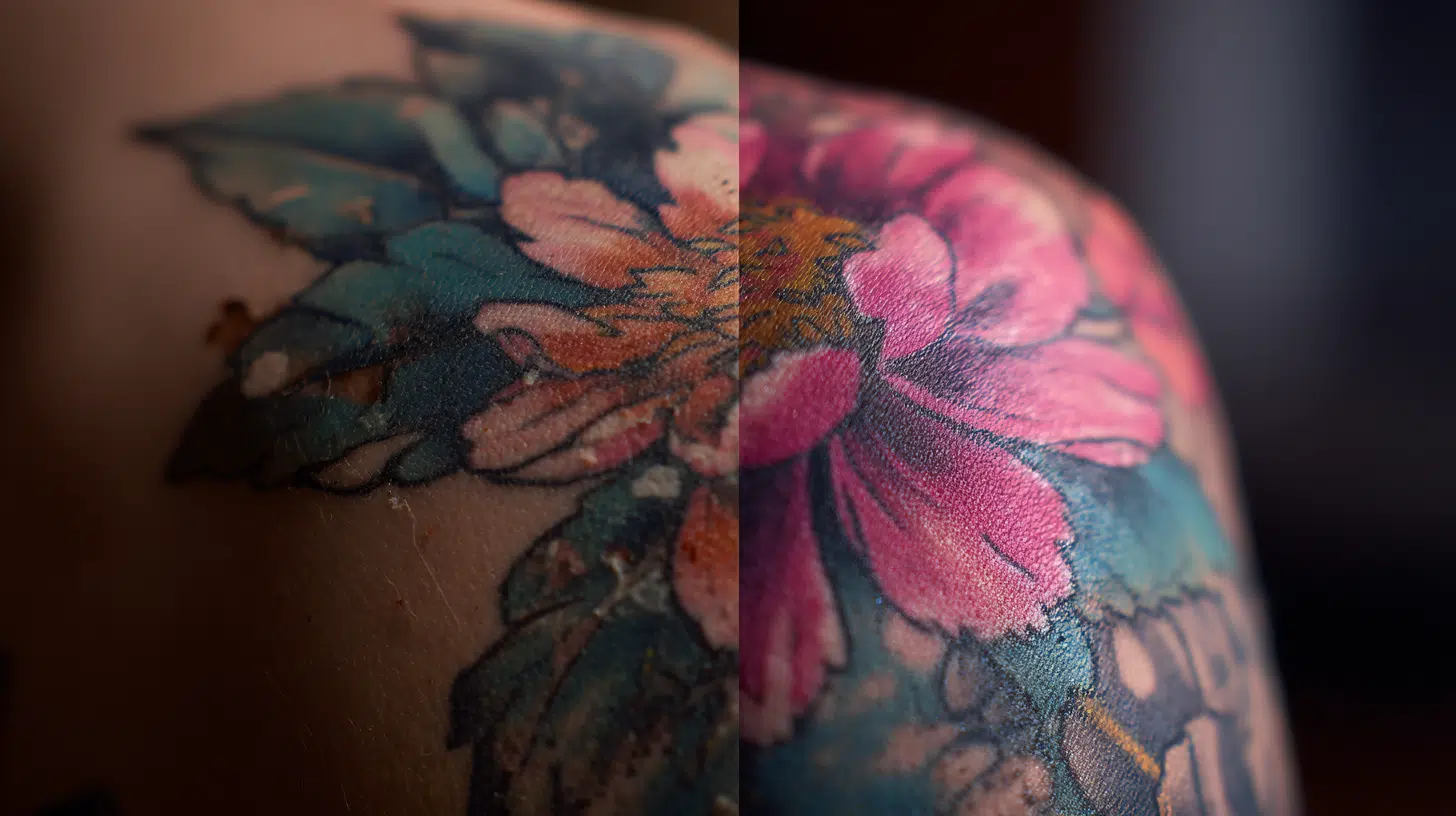
The fading process starts as soon as your tattoo heals. Even though it might look fresh and bold at first, your body is already working to break it down.
When the tattoo needle pushes ink into your skin, your immune system sees it as something foreign. White blood cells called macrophages step in to capture and remove the tiny pigment particles.
This happens slowly, but over time, some of the ink gets carried away, making the tattoo lighter.
Your skin also sheds old cells and replaces them with new ones. Over the years, this constant turnover pushes the ink deeper under the surface, softening the design.
As you age, your skin loses elasticity and smoothness, which can cause tattoos to blur and lose their sharpness.
Common Causes of Premature Tattoo Fading
Tattoos fade at different speeds, depending on care, skin type, and environment. Below are five common reasons they fade faster than expected.
1. Aftercare-Related Mistakes
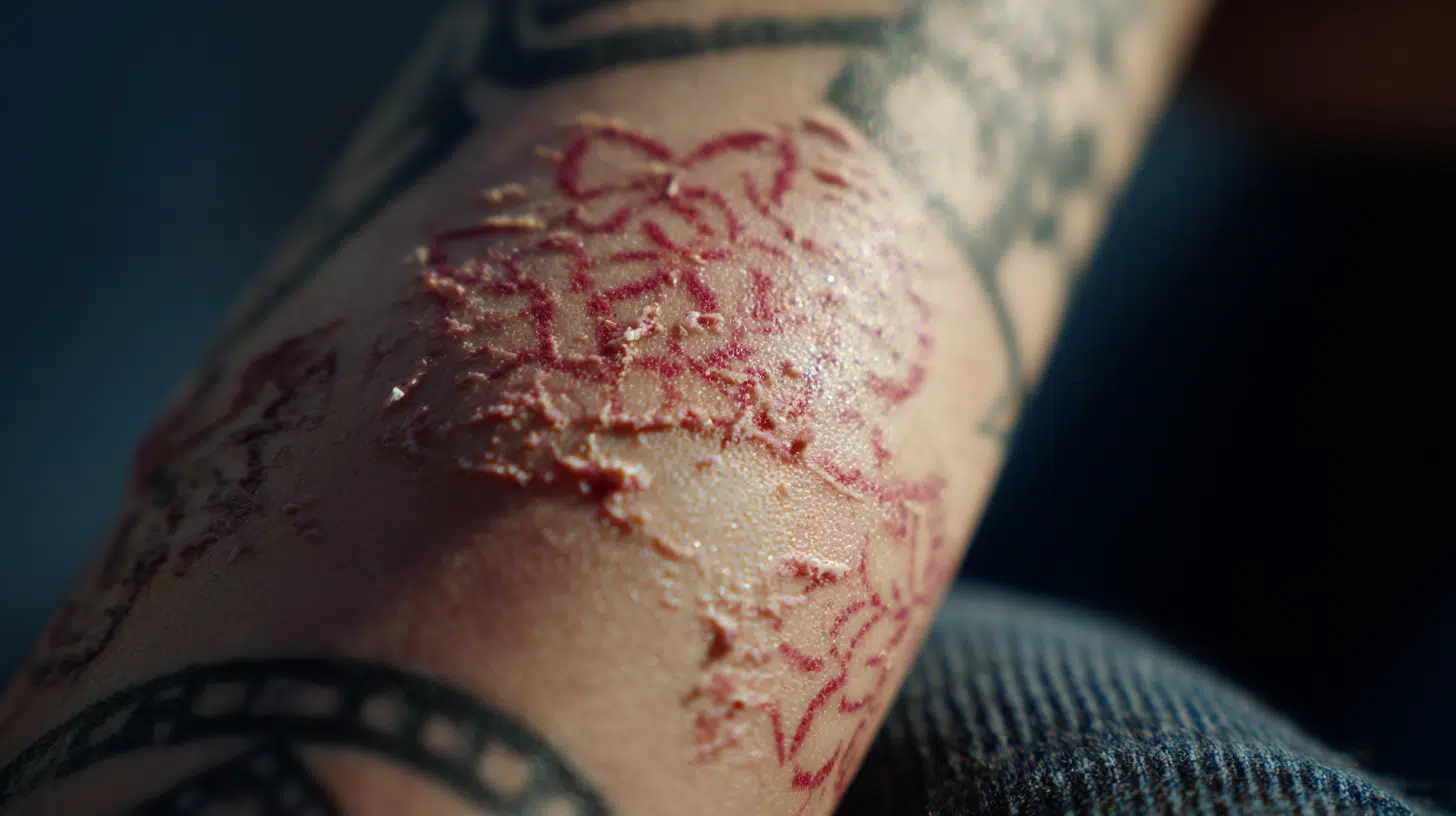
The way you treat your tattoo while it heals has a huge impact on how it will look years later. Ignoring aftercare instructions, scratching, or picking at scabs can pull pigment out of the skin.
Washing too often with harsh soap strips the protective layer your skin needs to heal. Long soaks in baths or pools can also damage fresh ink.
Following your artist’s advice closely is one of the simplest ways to help your tattoo last longer.
2. Ink Quality & Application
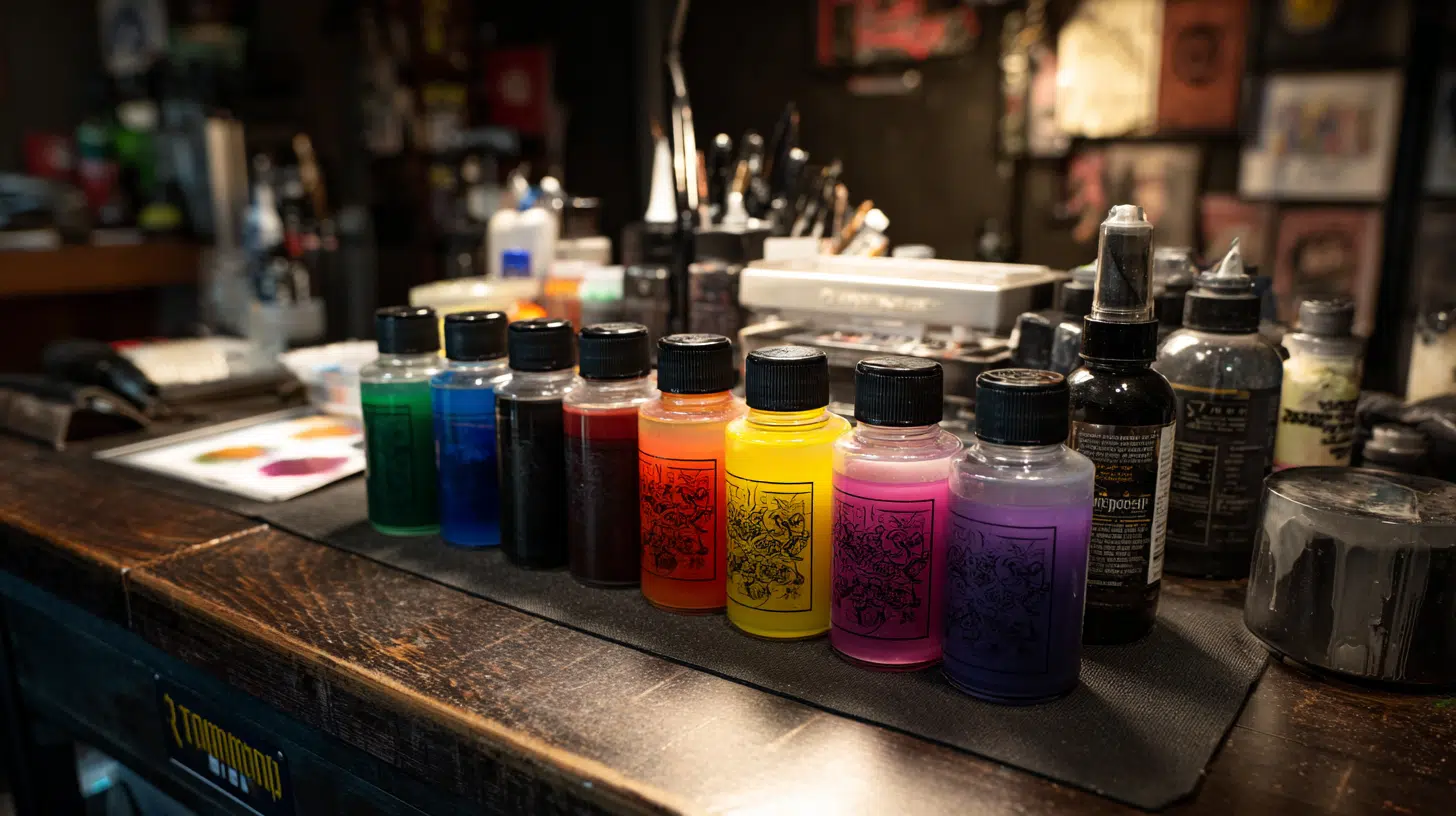
Not all tattoo ink is made the same. Cheaper or low-quality inks often contain fillers that break down faster, leading to quicker fading.
Placement matters too, as if the ink is set too close to the skin’s surface, it will fade fast. If it’s placed too deeply, the lines may blur.
Choosing a skilled artist who uses high-quality ink ensures that the pigment stays in place and keeps its color for as long as possible.
3. Lifestyle & Environmental Factors
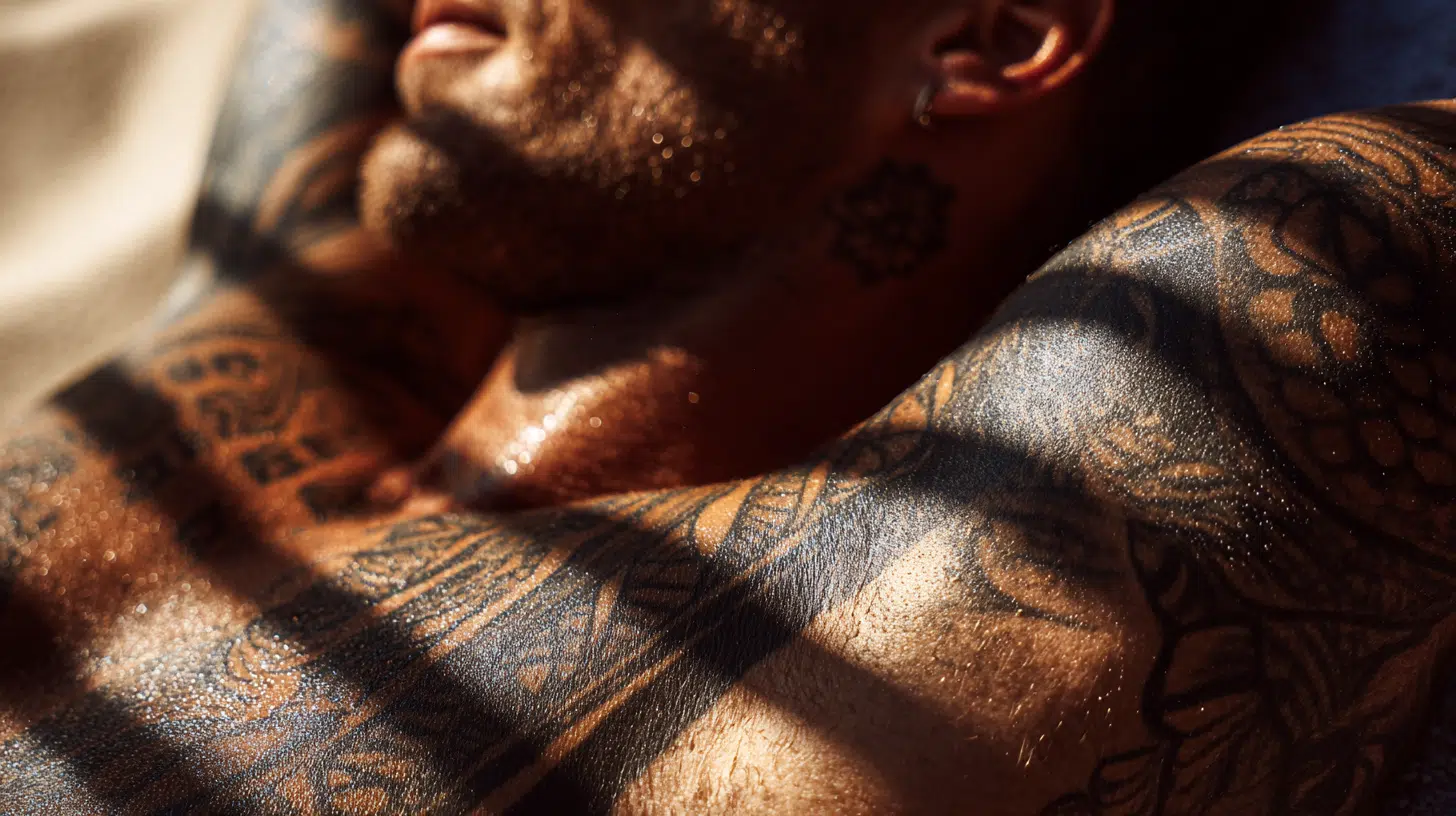
Your day-to-day habits and surroundings can play a big role in fading. Constant sun exposure is one of the biggest culprits, as UV rays break down pigment, especially in bright colors like red and yellow.
Tattoos in high-friction areas, such as feet, wrists, or elbows, can fade faster from rubbing against clothing.
Exposure to chlorine in pools or harsh cleaning products can also strip pigment. Using sunscreen and protective clothing can greatly slow down this process.
4. Skin Type & Physiological Factors
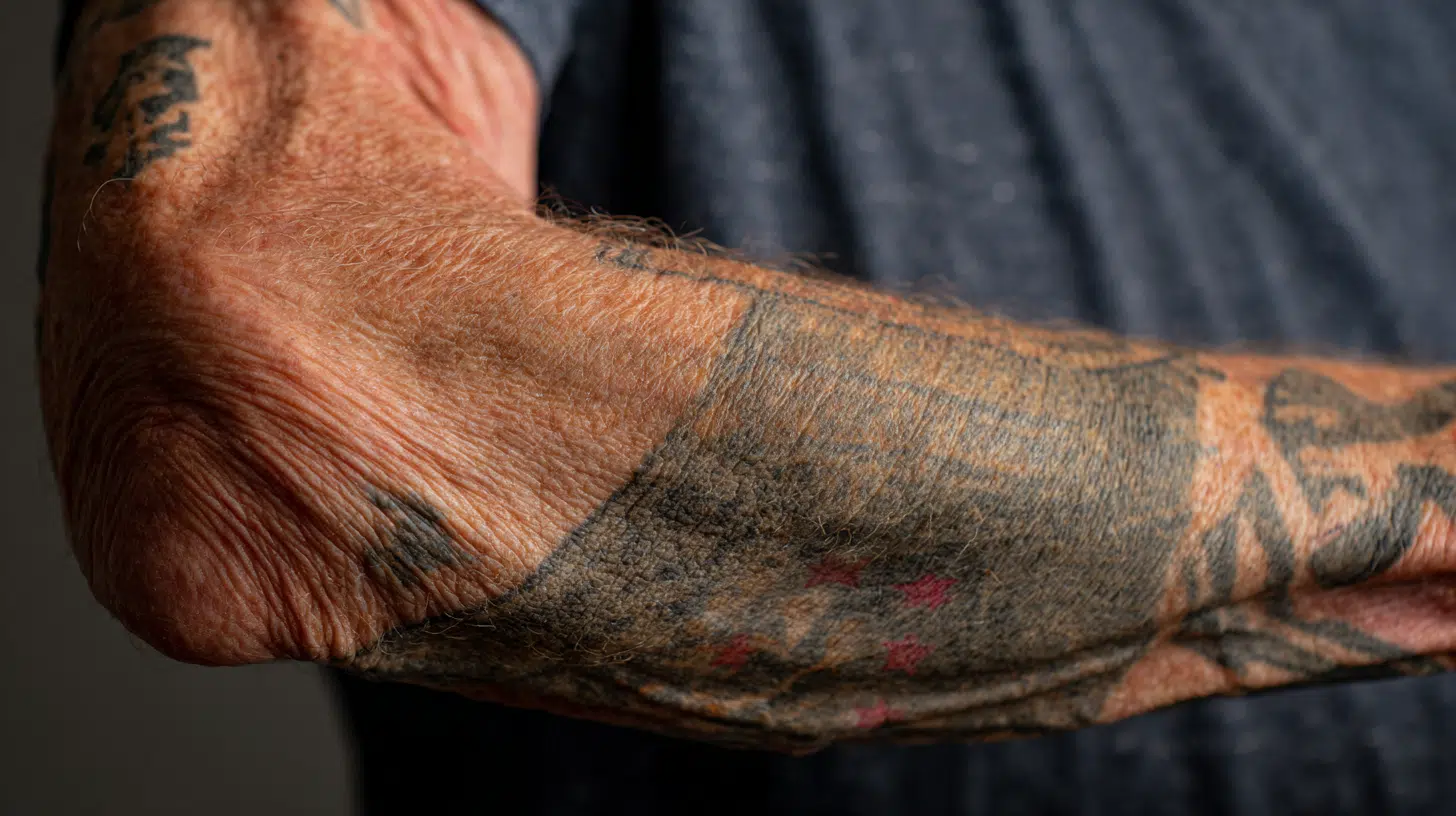
Everyone’s skin holds tattoo ink differently. People with oily skin may notice fine details becoming blurred sooner. Those with skin conditions like eczema can develop patchy fading in affected areas.
As we age, skin naturally loses collagen and elasticity, which can stretch and distort tattoos.
While you can’t control your skin type or aging, you can take care of your skin with hydration and gentle skincare to help keep tattoos looking clear for as long as possible.
5. Frequent Weight Changes
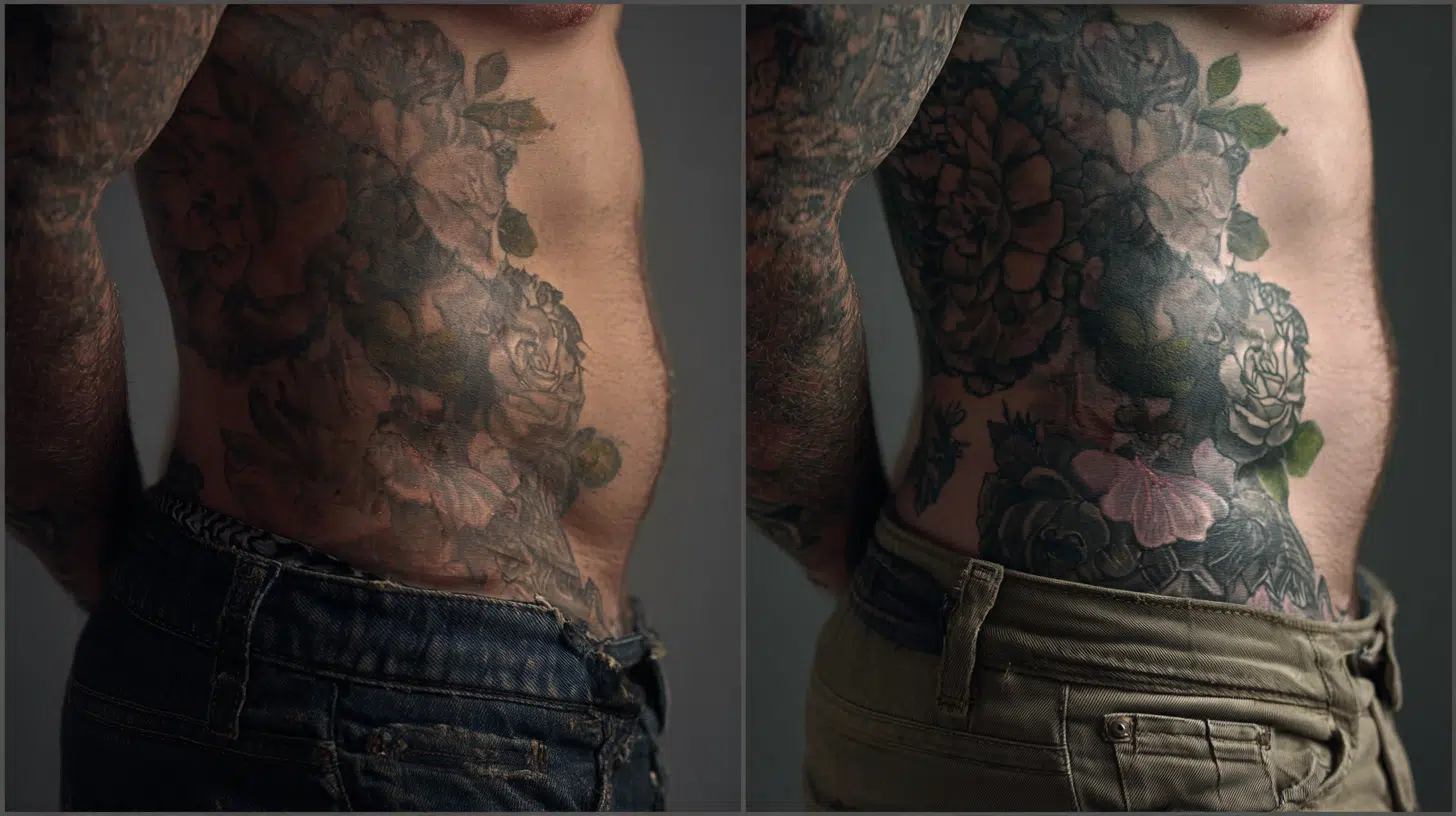
Significant or repeated weight gain and loss can affect how a tattoo looks over time. When skin stretches or shrinks quickly, it can pull on the tattoo design and cause the pigment to spread unevenly.
This can make lines appear softer and less defined. While small weight changes won’t usually matter, frequent large changes can distort tattoos and make them fade unevenly.
Choosing placement in areas less affected by weight fluctuations can help prevent this issue.
Tattoos last longest when they’re well cared for and protected from damage. By avoiding these five common causes of premature fading, you can keep your ink looking sharper and brighter for many years.
The right habits, paired with smart placement and skilled work, make all the difference.
Timeline: When Will the Tattoo Begin to Fade?
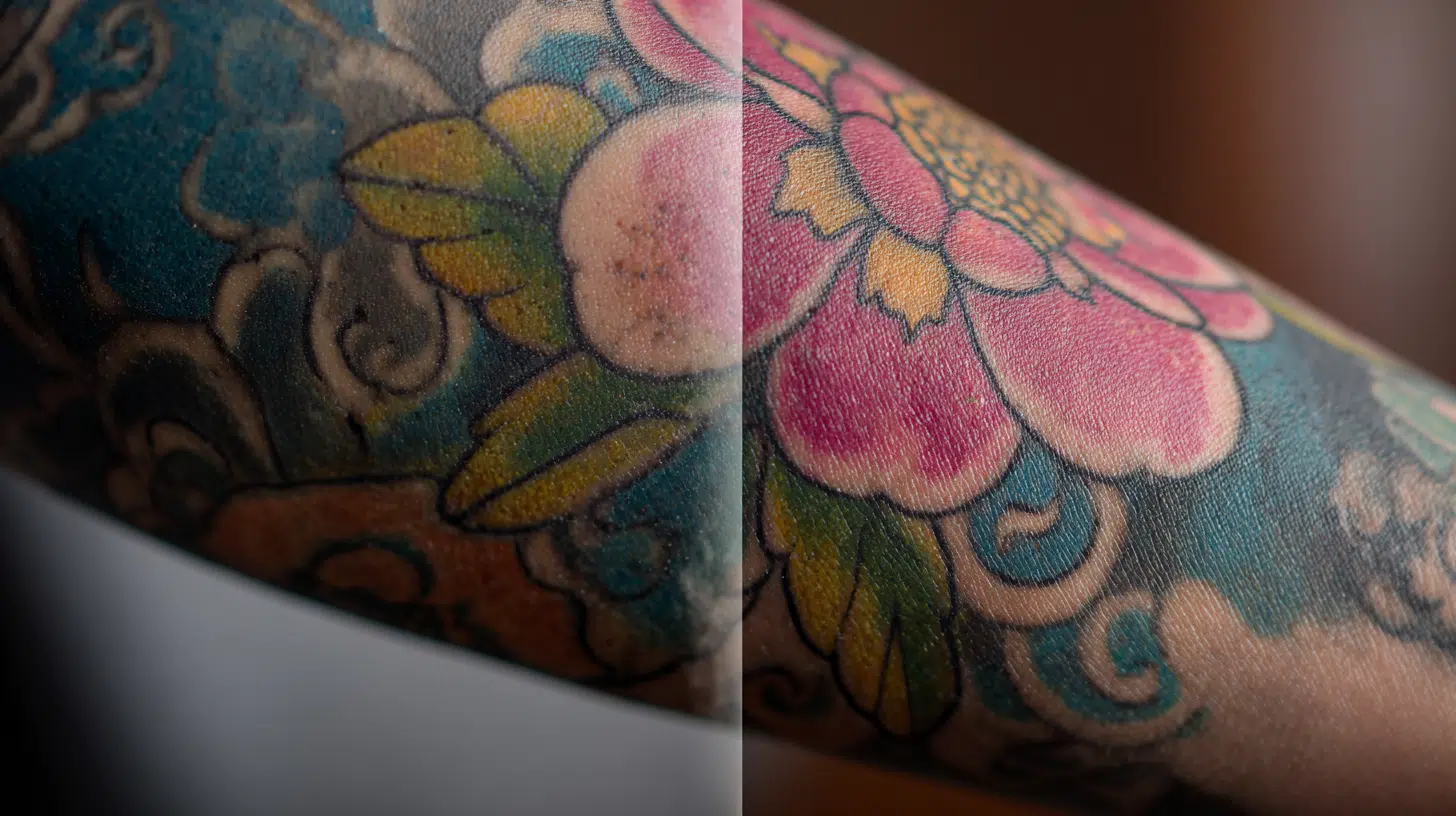
Tattoos don’t stay looking fresh forever: the fading process begins earlier than you might think. How quickly it happens depends on your skin, the design, and how well you care for it.
This is a rough idea of what most people experience.
- First 6 months: Your tattoo “settles” into the skin as it heals. A little lightning is normal during this stage.
- 2–5 years: Many tattoos start showing signs of fading, especially if they’ve had a lot of sun exposure.
- 10+ years: Bold black or gray tattoos can still look strong, but lighter shades and watercolor styles often appear much softer.
From my experience, darker and simpler designs last much longer, while colorful or intricate tattoos need touch-ups more often.
Prevention and Maintenance: How to Keep Your Tattoo Vibrant
You can’t completely stop a tattoo from fading, but you can slow it down and keep it looking fresh for years. Consistent care from the start makes the biggest difference. Here are some simple ways to protect your ink.
- During healing: Follow aftercare instructions, clean gently, moisturize, avoid scratching, and keep it out of pools and direct sun.
- Sun protection: Use SPF 30+ daily and cover tattoos in strong sunlight.
- Hydration & skin care: Drink plenty of water, use gentle moisturizers, and avoid harsh products.
- Touch-ups: Refresh the ink every few years, especially for high-friction areas.
- Smart placement: Choose areas less prone to fading, like upper arms or back.
With steady care, your tattoo can hold its detail and color far longer.
Options When Tattoos Have Faded Excessively
If your tattoo has lost more color or detail than you’d like, there are a few ways to bring it back or replace it. The right choice depends on how much fading has happened and the look you want next.
- Touch-ups: Adding fresh ink can restore sharpness and brighten colors, keeping the original design intact.
- Cover-ups: A new tattoo design placed over the old one, often larger and darker, to hide the faded work.
- Laser removal: Breaks up pigment so the tattoo can be fully removed or lightened for a new design.
Whether you refresh, hide, or remove it, there’s always a way to give your skin a look you’ll be happy with again.
Conclusion
Tattoos fade over time because of the way our skin and immune system work. Sunlight, friction, skincare products, and even the natural aging process all play a part.
Some of these things you can control, and others you can’t, but knowing the causes helps you make better choices.
I’ve looked at the main reasons tattoos lose their brightness, how to care for them during healing, and the habits that keep them looking fresh for years.
I’ve also covered your options if fading has already happened.
If you’ve been wondering why your tattoo isn’t as bold as it once was, you now have the answers. With steady care and a little planning, your ink can stay vibrant and meaningful for much longer.