I’ve always been fascinated by Taisho era fashion and how it blends tradition with Western influence.
The Taisho period in Japan was a time of change, and this was reflected in clothing.
You could still see beautiful kimonos, but there were also new Japanese clothing styles inspired by modern trends from abroad.
I love how this mix created a unique Japan style that was both elegant and fresh.
In this blog, I’ll share what makes Taisho era fashion special, from patterns and fabrics to how people combined Western and traditional pieces.
It’s a style that tells a story about history, culture, and creativity, and I can’t wait to take you through it.
Brief Outlook of the Taisho Period
The Taisho period (1912–1926), led by Emperor Yoshihito, followed the Meiji Restoration and reflected Japan’s growing westernization and global influence.
Marked by political liberalism and cultural openness, it mirrored the energy of the American “Roaring Twenties.”
This transformation was visible not only in politics and technology but also in fashion.
Traditional kimonos and hakama remained popular, yet Western suits, dresses, and accessories like hats began appearing in daily life.
This fusion of old and new, known as Taisho Roman, became the era’s signature style.
The period set the foundation for Japan’s evolving fashion identity, blending heritage with modern innovation.
The Rise of the Moga and Mobo in Taisho Era Japan
The heart of the Taisho fashion revolution was in the bold choices of urban youth who redefined modern Japanese style during a time of cultural change.
The Rise of the Modern Girl (Moga)
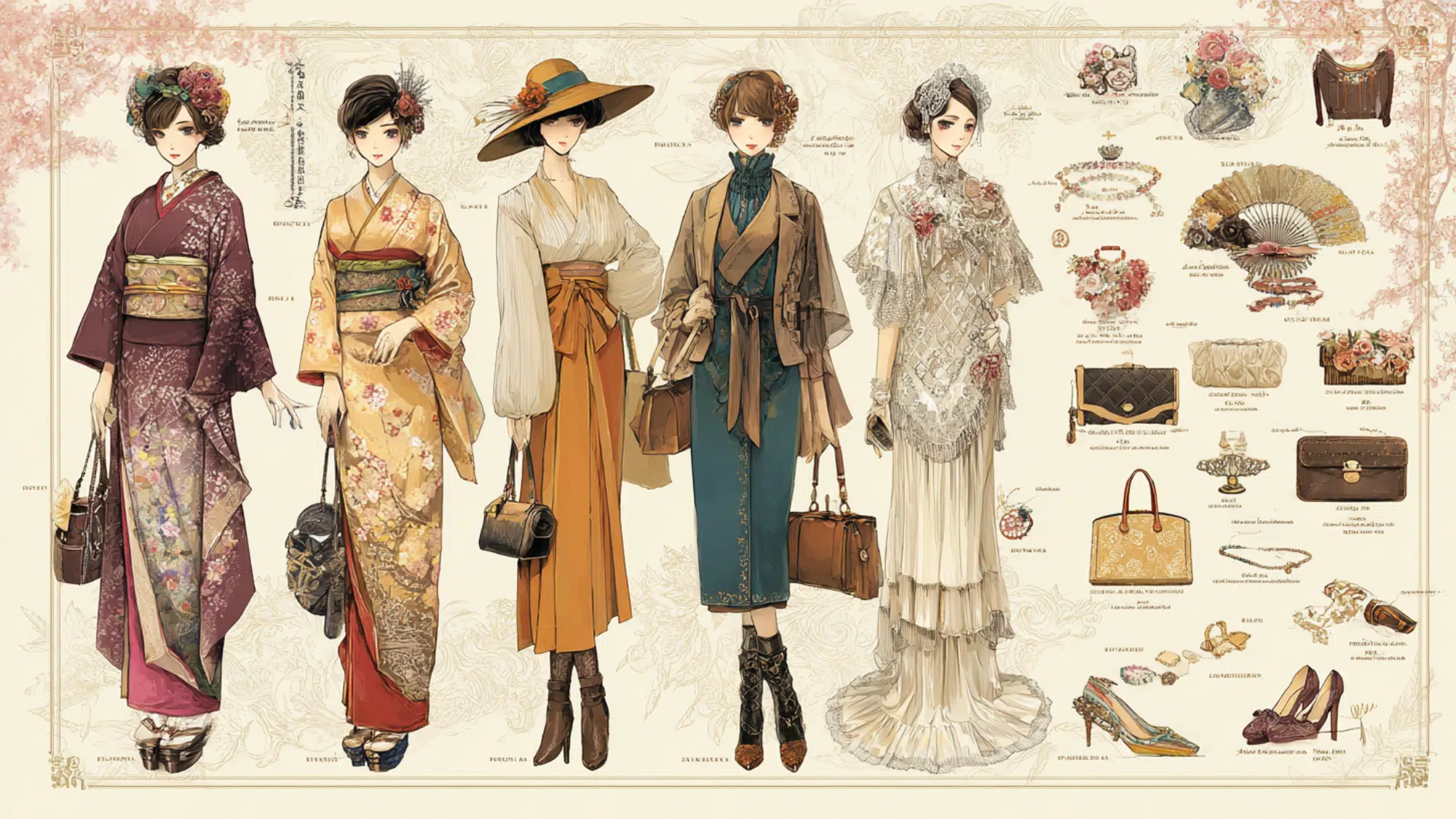
During the Taisho era, women’s fashion underwent a major transformation, marking the rise of the ‘Modern Girl,’ or moga in Japanese.
This was a time when Western styles began to blend with traditional Japanese clothing, and women embraced new trends that reflected their growing independence and desire for self-expression.
The moga was known for her fashionable, bold appearance, often wearing dresses and blouses inspired by Western fashion rather than the traditional kimono.
Key Elements:
- A major aspect of women’s fashion in the Taisho era was the shift towards Western-inspired dresses, skirts, and blouses, paired with accessories like hats, gloves, and handbags.
- The moga also adopted bobbed hair and corsets, creating a modern, fitted look that highlighted a slimmer silhouette.
The rise of the moga went beyond fashion, symbolizing women’s increasing independence and visibility in Japanese society during the Taisho era.
As women began to work and engage more publicly, fashion became a way to challenge traditional gender roles and express individuality, marking a cultural shift towards social change and gender equality.
This same spirit of using clothing to signal intellect and independence is something you’ll also find in the bold, scholarly aesthetic of dark academia fashion.
The Rise of the Modern Boy (Mobo)
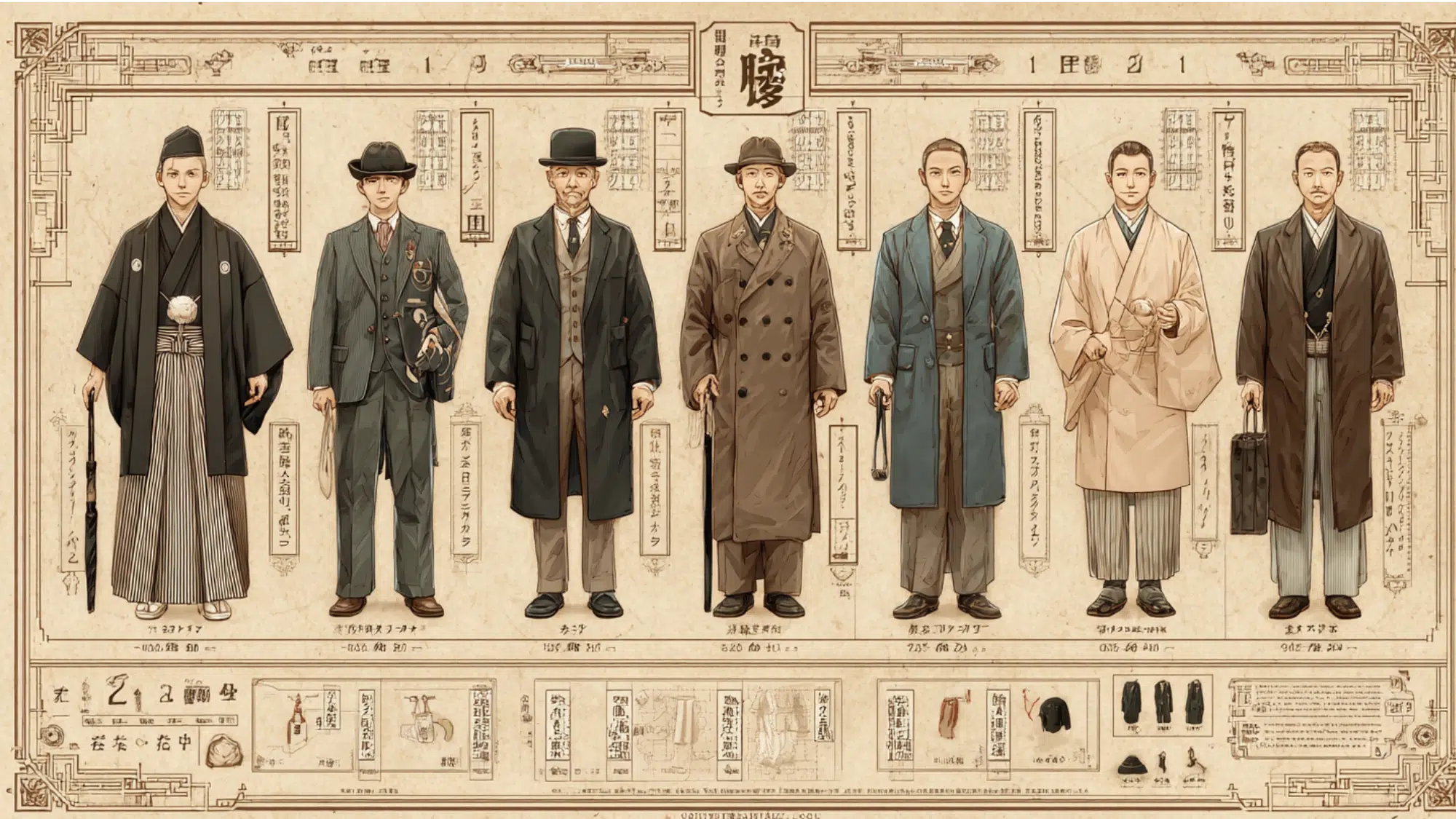
Men’s fashion during the Taisho era also experienced a significant shift, with Western clothing styles gaining popularity among Japanese men.
This mix of traditional and Western fashion reflected Japan’s efforts to modernize while maintaining its cultural heritage.
Key Elements:
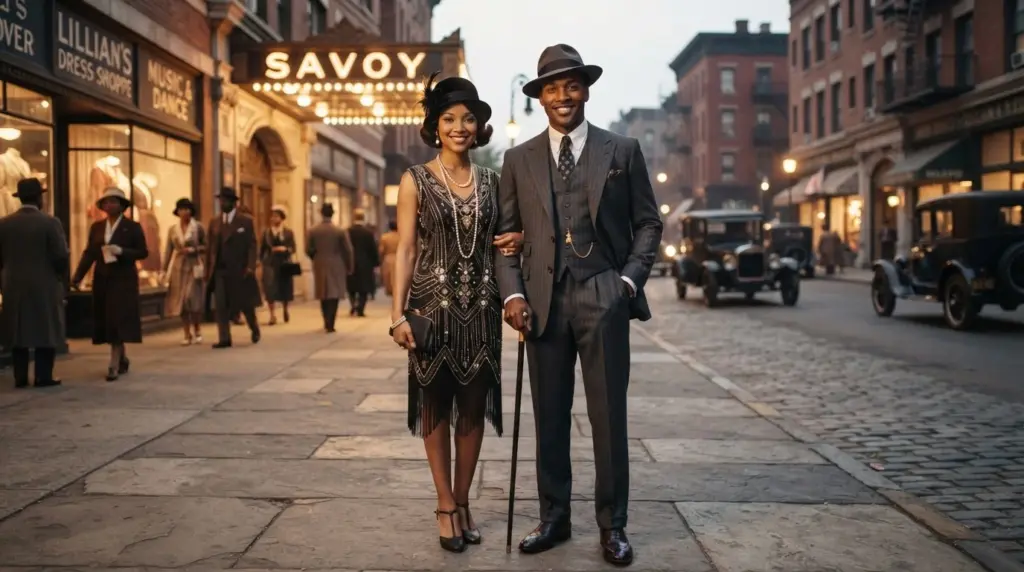
- Western suits, ties, and hats became common, particularly in urban areas, as men began to adopt a more modern, Westernized look.
- Traditional attire like hakama and haori was still worn by men for formal events, but they were often paired with Western-style suits, creating a blend of old and new.
- Men’s fashion also embraced Western accessories such as pocket watches, cufflinks, and neckties.
The shift in men’s fashion symbolized Japan’s growing connection with the Western world and its push for modernization. Wearing Western suits was seen as a mark of education, wealth, and cosmopolitan status, highlighting the divide between traditional and modern Japan.
This change also mirrored the nation’s evolving social structure, influenced by urbanization and the rise of new social classes.
Traditional Kimono Evolution in the Taisho Era
While Western fashion captivated Japan’s youth, the kimono didn’t disappear-it transformed.
Traditional Japanese dress underwent a remarkable metamorphosis that would forever change how the nation expressed its identity through clothing.
1. 1912-1917: The Conservative Foundation
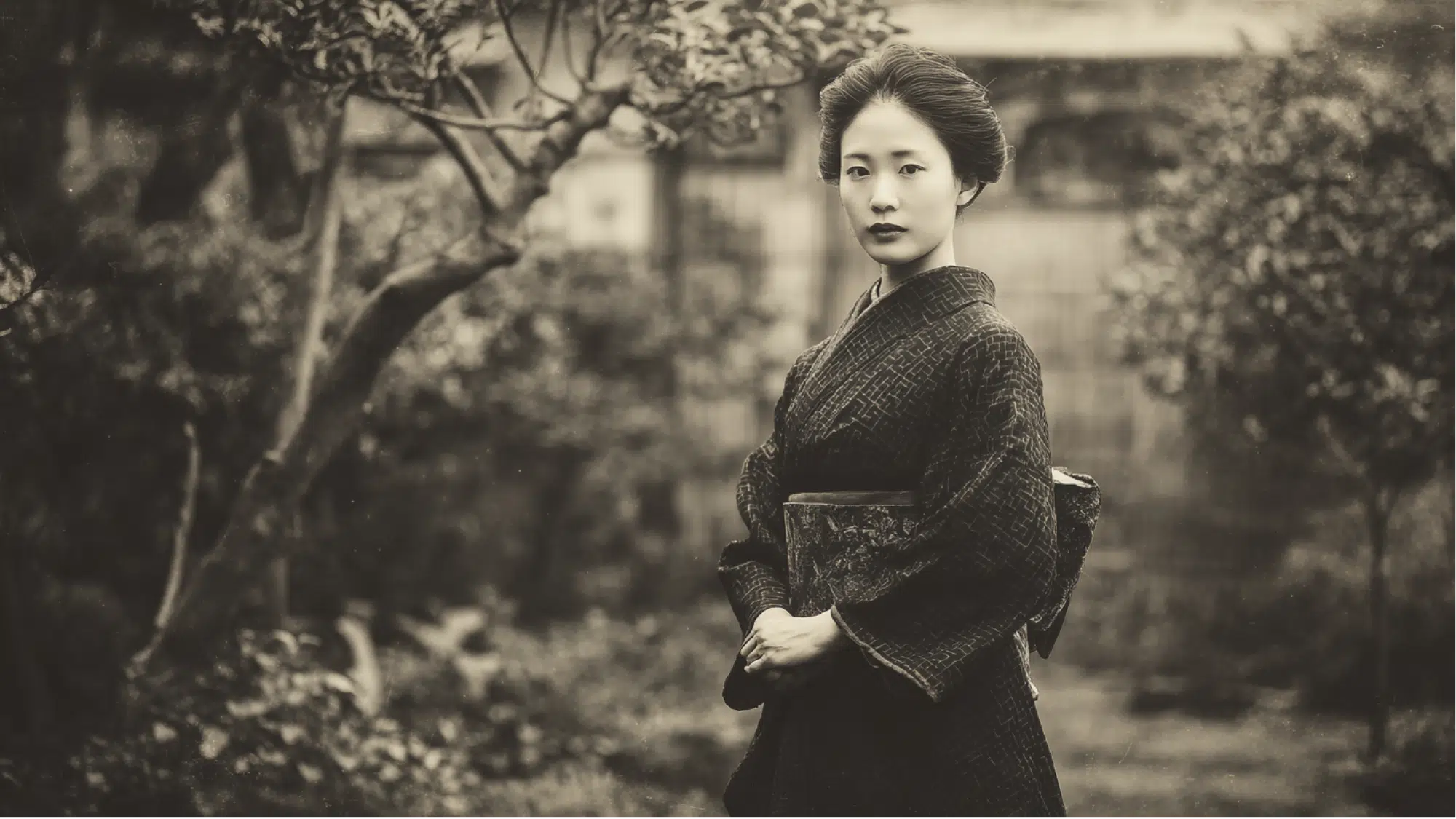
In the early years of the Taisho era, kimono fashion remained deeply rooted in tradition, with women continuing to wear styles from the late Meiji period, though signs of change were emerging.
Dominant styles included the Omeshi, a formal silk kimono with woven patterns, the practical Meisen with geometric designs, luxurious Oshima Tsumugi silk from Amami Oshima, and traditional striped Yellow Hachijo silk from Hachijo Island.
The color palette was subtle and dignified, with black, gray, navy, and muted earth tones prevailing, reflecting the philosophy of “elegance through understatement.”
2. 1918-1920: The Awakening
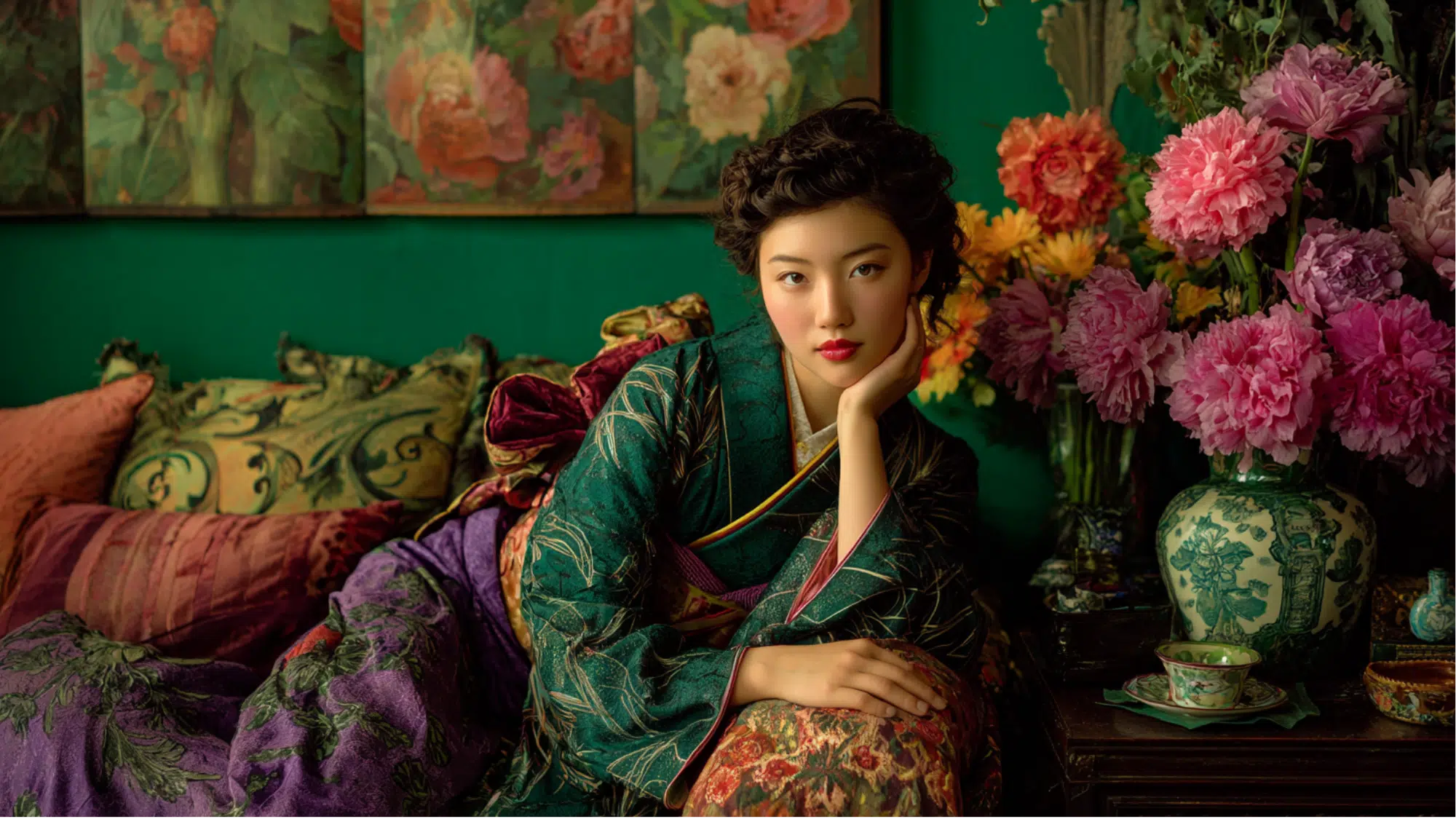
As World War I brought economic prosperity to Japan, the first signs of change in traditional kimono design began to emerge. The influence of Western culture, once subtle, became more noticeable through bolder patterns and brighter accents.
New changes included the introduction of more daring patterns within traditional designs, the use of Western-inspired floral motifs like roses and tulips, and the gradual adoption of Art Nouveau curved lines.
Geometric borders influenced by Western design also began to appear.
The color palette expanded as well, with deep jewel tones such as emerald green, sapphire blue, and rich burgundy appearing alongside the traditional blacks and grays.
It’s fascinating how culture shapes clothing in ways that echo across the world. In the history of Aloha shirts, a similar story of East-meets-West design fusion played out.
3. 1921-1923: The Bold Revolution
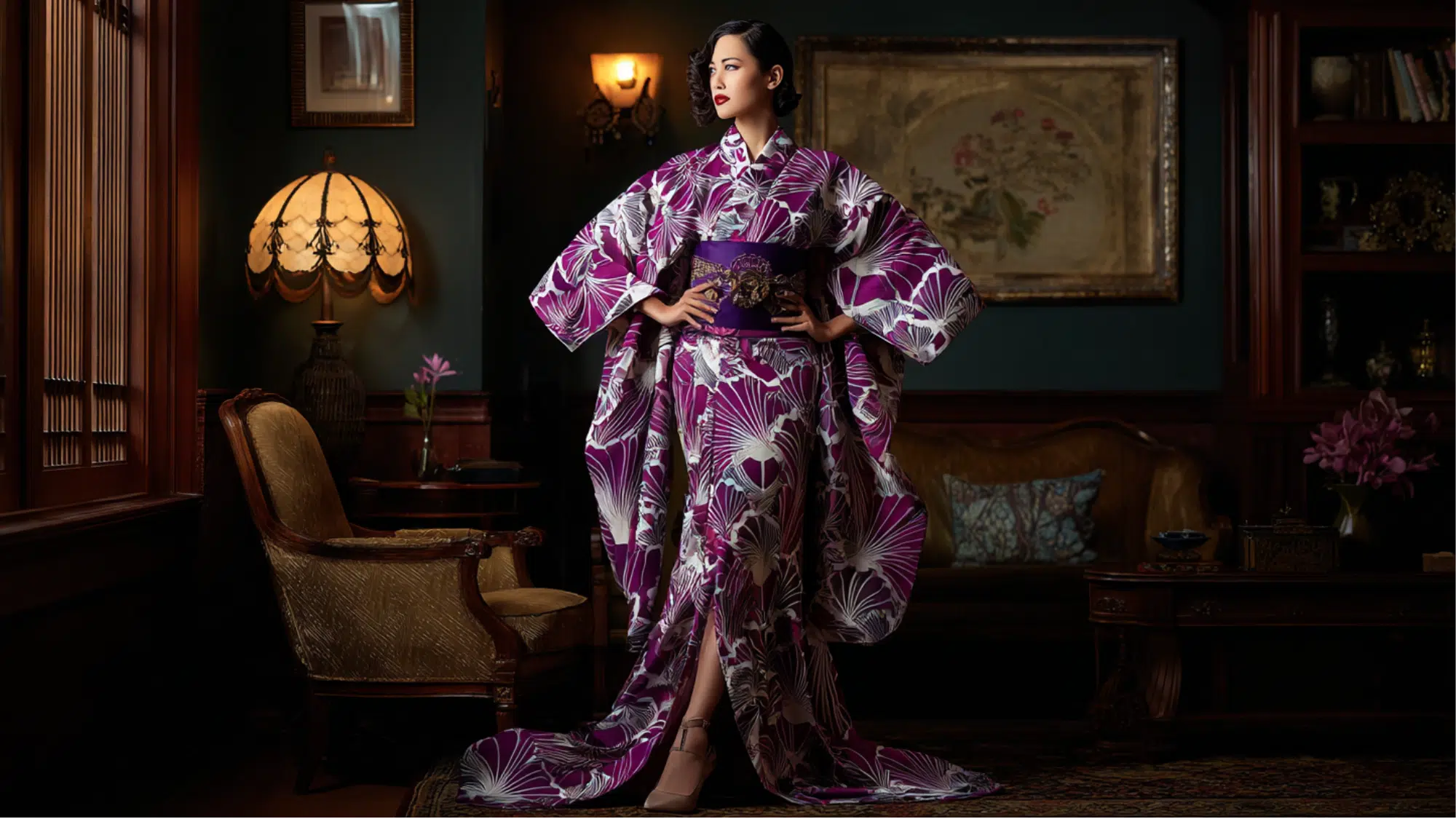
The middle Taisho period saw the most dramatic shift in kimono design, driven by the fusion of Western artistic movements, economic growth, and social liberalization, sparking a wave of creativity.
Art Nouveau influences brought sweeping curves, stylized flowers, and organic forms that replaced the rigid patterns of the past.
Patterns grew bolder and more dramatic, challenging traditional design norms, while Western motifs like musical instruments, European architecture, and flowers became popular.
The color palette expanded to include vivid combinations such as bright oranges with deep purples and electric blues with golden yellows. Purple and white, red and black, or gold and navy became the defining motif of Taisho-era kimonos.
4. 1924-1926: The Art Deco Finale
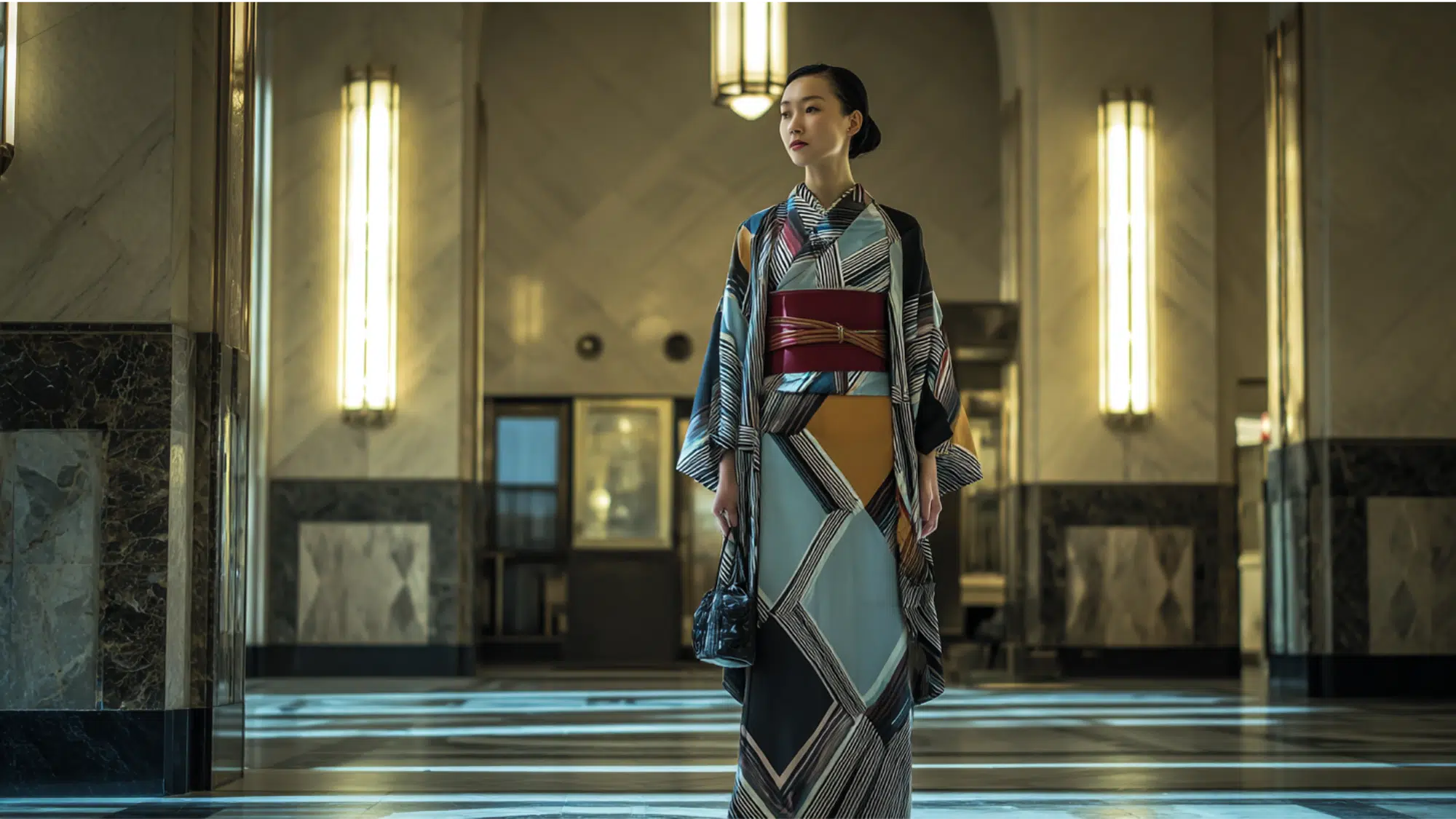
In the final years of the Taisho era, kimono design reached new levels of modern expression as Art Deco’s geometric precision fused with traditional Japanese aesthetics.
Abstract geometric patterns like zigzags, chevrons, and sharp angles replaced the flowing curves of earlier designs.
Mass-produced Meisen kimonos, featuring bold abstract patterns, became accessible to the middle class.
Architectural motifs, inspired by skyscrapers and industrial patterns, also influenced designs, along with color blocking, where large areas of contrasting colors were arranged in geometric patterns.
The haori, a jacket worn over the kimono, evolved into a fashion statement, with longer versions sometimes extending to the hem of the kimono, becoming the era’s signature piece.
Japanese Fashion: Cultural Impact and Social Significance
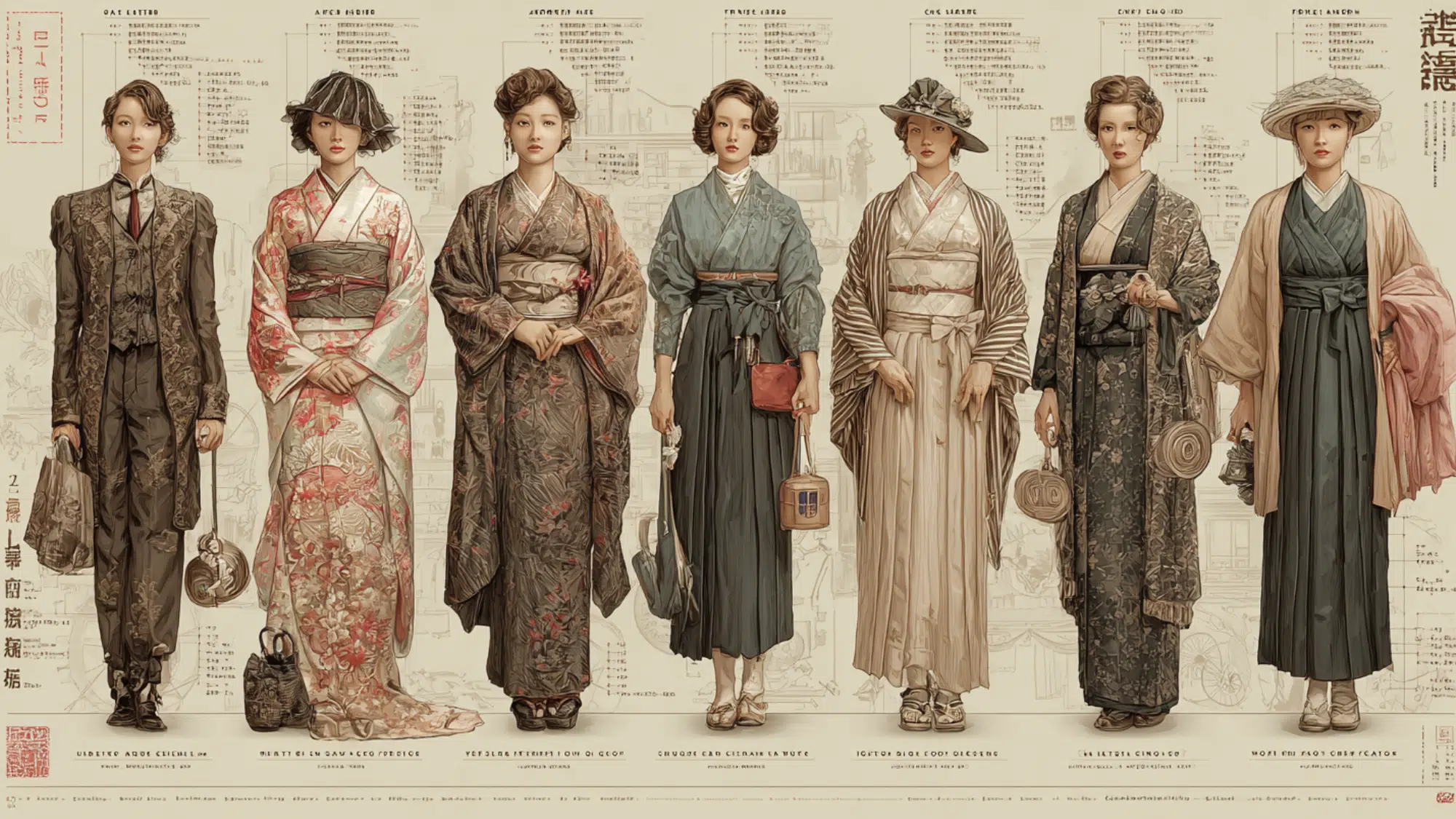
The transformed kimono became a visual language of status, identity, and regional pride, challenging long-held ideas of proper Japanese dress.
Class Distinctions
- Upper Class: Could afford full Western wardrobes or the most expensive Art Deco kimonos.
- Middle Class: Opted for affordable Meisen kimonos with modern patterns as a fashionable choice.
- Working Class: Added Western accessories (belts, brooches, Western-style hairpins) to traditional kimonos.
Regional Variations
- Tokyo: Preferred bold Art Deco geometric patterns and vibrant color contrasts.
- Osaka: Favored playful motifs like playing cards, musical notes, and entertainment themes.
- Kyoto: Kept traditional aesthetics but incorporated subtle Western influences.
Generational Divide
The kimono became a symbol of generational conflict, as young women’s bold fashion choices, with vibrant patterns and Western elements, shocked older generations who saw it as a loss of Japanese virtue.
This tension mirrored Japan’s broader social changes during a period of rapid transformation.
Conclusion
The Taisho era was more than a fashion shift – it was a cultural transformation.
From the bold moga and mobo styles to the evolving kimono, clothing became a way to express individuality, challenge traditions, and embrace modern influences.
Western trends blended seamlessly with Japanese aesthetics, creating looks that reflected social change, class differences, and regional identity.
For some, fashion symbolized progress and independence; for others, it marked a departure from tradition. Yet, this mix of old and new became the signature of Taisho era fashion.
It set the stage for future trends, proving that style can be both a reflection of its time and a driver of cultural change – leaving a legacy that continues to inspire Japanese fashion today.