I’ve had my fair share of haircut experiments. Some good, some… not so much. One thing I’ve learned over the years is that a fade can completely change how you look and feel.
The tricky part? Figuring out which fade works best for you.
If you’ve been stuck between getting a low fade or a high fade, you’re not alone.
I’ve been there, sitting in the barber’s chair, trying to describe what I wanted but not really knowing the difference.
In this article, I’ll break it down in plain language. We’ll go over what a fade actually is, what makes a low fade different from a high fade, and how to match your fade to your face shape, hair type, and lifestyle.
By the end, you’ll know exactly which style is worth asking for next time you’re at the barber.
What is a Fade?
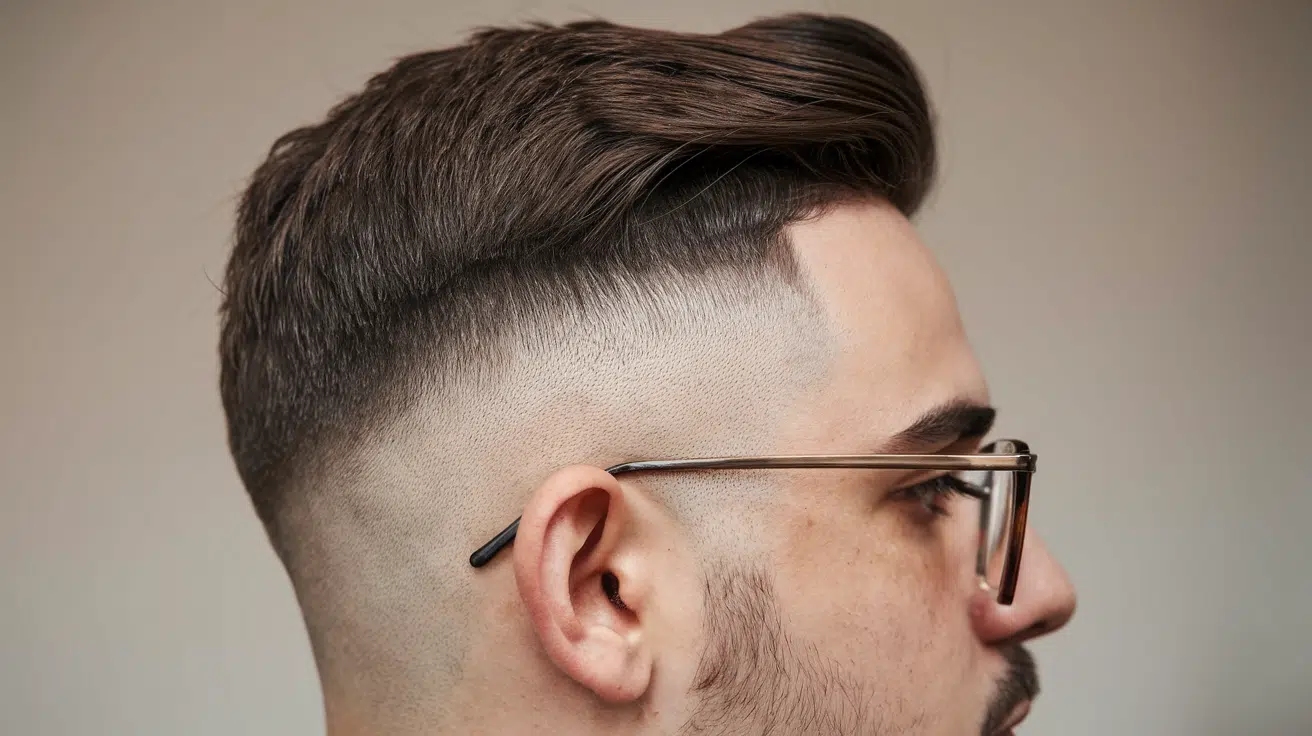
A fade is a haircut where the hair gradually shifts from short at the bottom to longer on top. It’s not a single haircut. It’s a technique that can be added to many styles.
Depending on where the fade starts and how quickly it blends, the result can be soft and subtle or bold and striking. So, what really changes the look is where that blend begins.
That’s where terms like low fade and high fade come in. Each has its own style, vibe, and level of contrast.
Low Fade
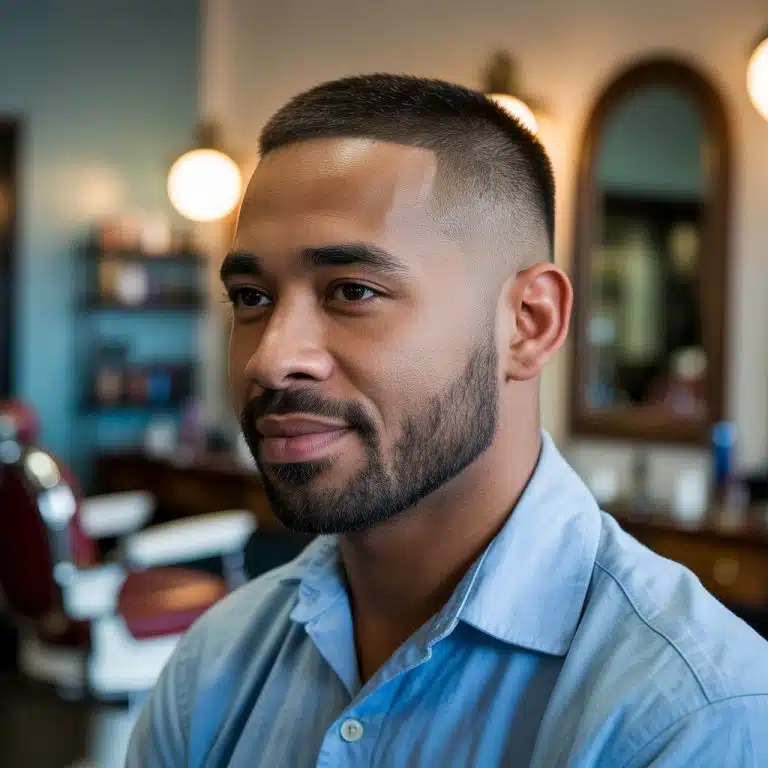
A low fade starts just above the ears and blends gradually into the hair on top. It’s neat, subtle, and leaves a fuller appearance on the sides. I’ve always liked it for times when I needed to look sharp without making a huge statement.
It grows out well, so you can go longer between cuts. If you want something clean, professional, and easy to live with, the low fade is a great pick.
High Fade
A high fade begins at or above the temples, with a quick transition from very short sides to longer hair on top. This creates a bold contrast that instantly grabs attention.
When I got my first high fade, it completely changed how my haircut felt sharper, edgier, and more modern. It needs a bit more upkeep, but if you want your hairstyle to stand out, the high fade delivers.
Both styles have their own appeal, and the best choice really depends on your face shape, hair type, and how bold you want to go.
Choosing Between a Low Fade and a High Fade
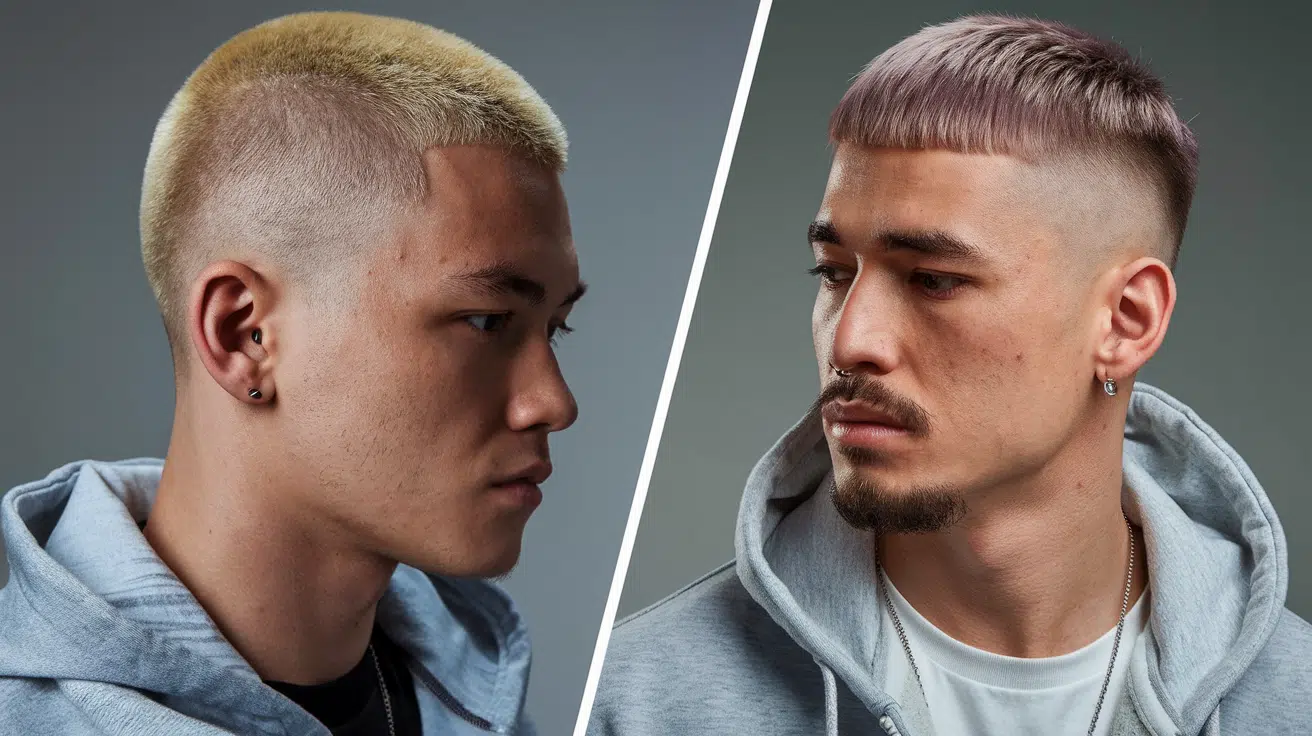
If you’re trying to decide between a low fade and a high fade, the best choice really depends on the look you’re going for, how much maintenance you’re willing to do, and the kind of impression you want your haircut to make.
1. Fade Starting Point
The main difference between a low fade and a high fade is where the blend begins.
A low fade starts just above the ears and blends upward gradually, which keeps more length on the sides.
A high fade begins at or above the temples, with a quicker transition into the top. That higher starting point removes more hair on the sides, giving the style a sharper, more noticeable shape right away.
2. Overall Look
A low fade has a softer, more balanced appearance because it leaves more hair on the sides. This creates a smoother outline around the head and works well if you want a subtle change.
A high fade, on the other hand, has a bolder, high-contrast look. The short sides make the hair on top stand out more, which can completely change the way your haircut feels and how others see it.
3. Vibe & Style
The vibe of a low fade is professional and low-key, making it a good fit for both work and casual settings. It blends in without demanding too much attention.
The high fade brings a different energy. It’s modern, sharp, and a little more daring. It tends to draw the eye upward toward the top of your hair, which is perfect if you want your haircut to be a main part of your overall style.
4. Maintenance
A low fade is more forgiving when it grows out. You can often go three to four weeks between barber visits before it starts looking untidy.
The high fade is less forgiving because the contrast is stronger. Once the hair grows even a little, the lines start to blur.
That means touch-ups every two to three weeks if you want to keep the clean, sharp look that makes a high fade stand out.
5. Best For
A low fade is best for someone who wants a clean, easy-to-manage style that works in almost any environment. It’s also a good choice if you’re new to fades and want to start subtly.
A high fade works well if you like statement haircuts and don’t mind a little extra upkeep. It’s especially good for styles where you want the top to be the main focus of the haircut.
Now that you know the key differences, we can look at the mid-fade, which offers a middle ground between the two.
What Is a Mid-Fade?
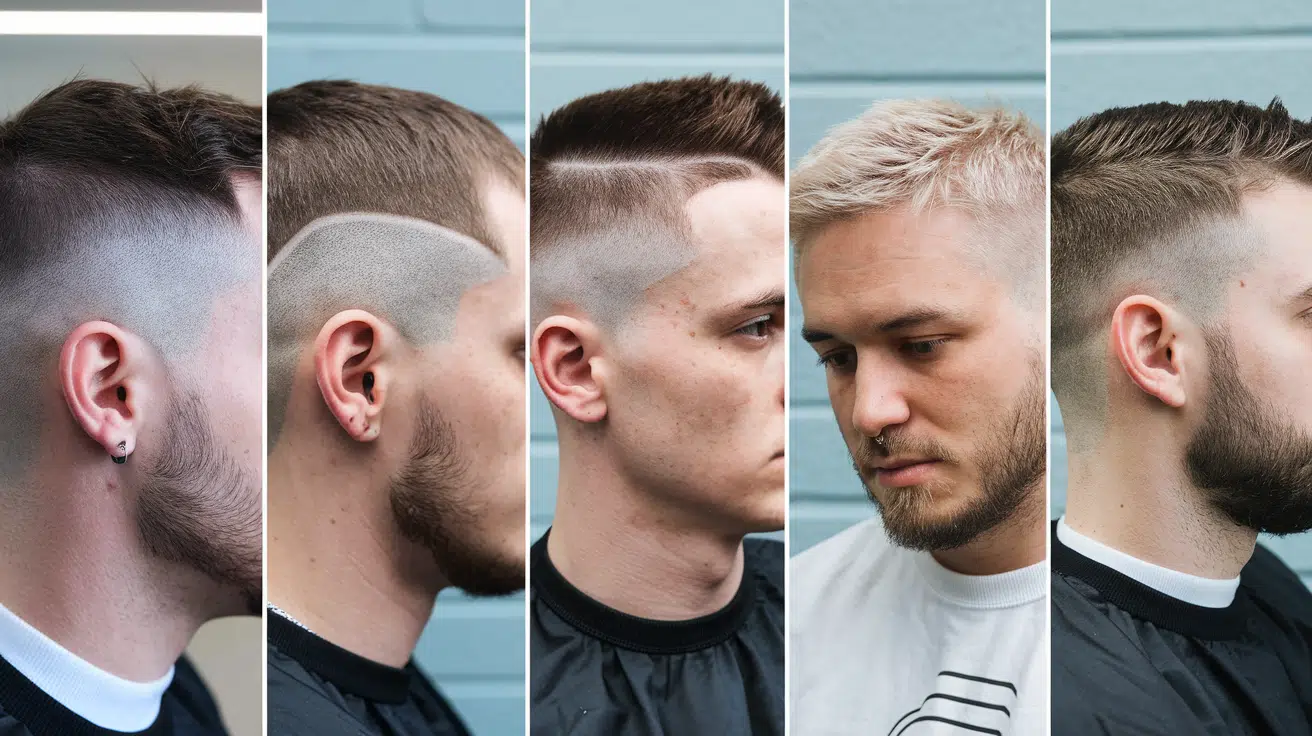
If you can’t decide between going all-in with a high fade or keeping things subtle with a low fade, the mid fade might be your sweet spot.
It starts around the middle of your head, usually in line with your temples.
This gives you some of the sharpness of a high fade without removing as much hair on the sides
The result is a balanced look that works for many styles and face shapes.
I often recommend a mid-fade to anyone getting their first fade. It’s safe, stylish, and easy to grow out if you decide to switch things up later
Which Fade Complements Your Face Shape?
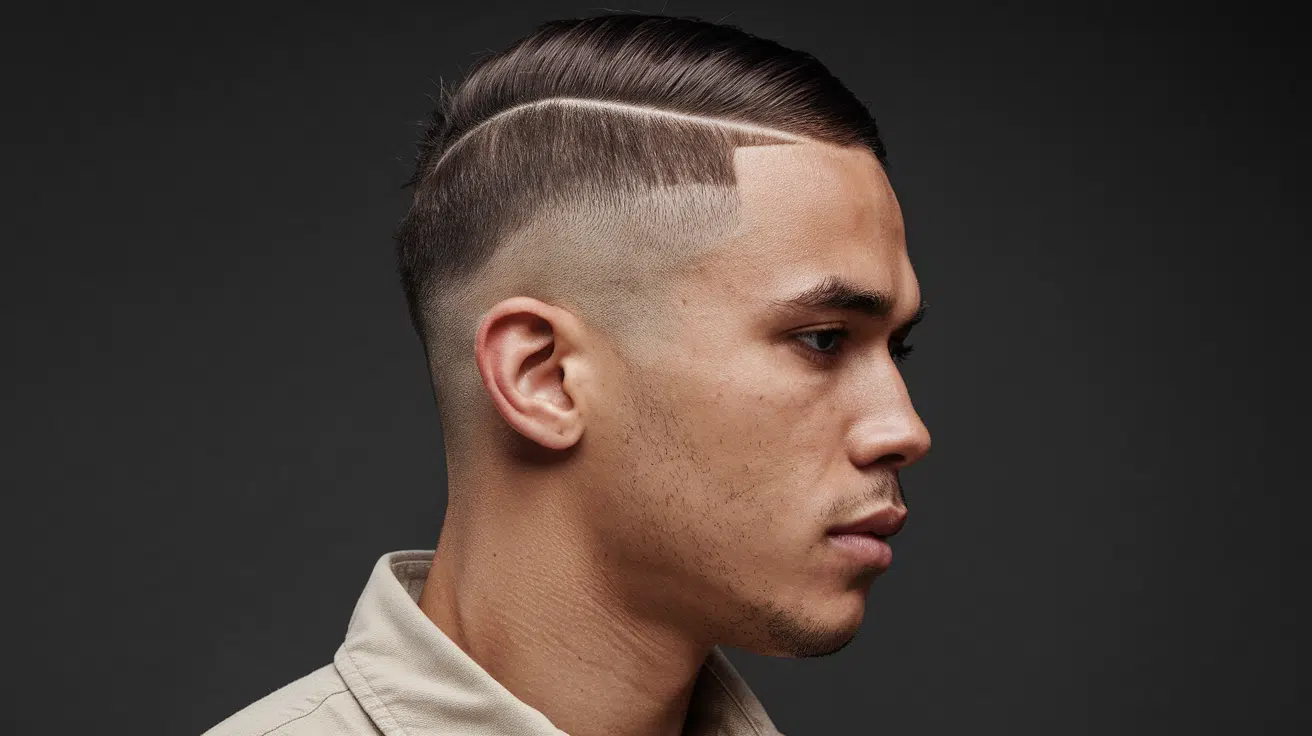
Your face shape plays a big role in how a fade will look on you. The right fade can sharpen features, soften edges, or bring better balance to your overall appearance.
| Fade Type | Best For | Effect on Appearance |
|---|---|---|
| High Fade | Round or square faces | Makes the face appear longer and more defined; adds sharper lines to the jawline. |
| Low Fade | Oval or heart-shaped faces | Keeps fullness at the sides; softens features for a balanced look. |
| Mid Fade | Most face shapes | Modern style with balanced proportions; not too extreme. |
Choosing the right fade for your face shape isn’t about strict rules. It’s about what makes you feel confident when you look in the mirror.
Custom Fade Types & Modern Variations
Once you’ve decided on the height of your fade, you can choose from different variations to add more personality to your cut. Each brings its own shape and vibe to the overall look.
- Skin Fade – Tapers all the way down to the skin at the base for a sharp, clean finish
- Drop Fade – Curves lower at the back for a rounded, more dramatic shape
- Burst Fade – Fades in a circular shape around the ear for a bold accent
- Temple Fade – Focuses just on the temples, blending them into the hairline
- Taper Fade – Subtle fade at the sideburns and neck, keeping more length on the sides
With the right variation, you can make your fade feel unique while still fitting your personal style.
Hair Type & Texture Considerations
Your hair type can make a big difference in how each fade looks and feels. Some styles bring out texture and volume, while others work better for fine or straight hair. Take a look.
| Fade Type | Works Best For | Why It Works Well |
|---|---|---|
| High Fade | Thick or coarse hair | The strong contrast highlights volume and texture on top |
| Low Fade | Fine or straight hair | Keeps more hair on the sides for added fullness and balance |
| Mid Fade | All hair types | Versatile option that adapts to different textures and styles |
No matter your hair type, a skilled barber can adjust the fade to bring out your best features and work with your natural texture.
Maintenance & Styling Ease
How much time you spend on upkeep depends on the type of fade you choose.
- High fades need touch-ups every 2–3 weeks to keep the edges sharp
- Low fades can go 3–4 weeks between trims without looking messy
- Mid fades have a similar upkeep schedule to low fades, but with a bit more edge
- Stronghold products like pomade or matte clay work well for high fades
- Lighter products like texture powder or cream are ideal for low and mid fades
A little regular maintenance and the right styling products will keep any fade looking its best.
Conclusion
Finding the right fade is less about following strict rules and more about matching the style to your face shape, hair type, and how much effort you want to put into upkeep.
After trying different fades myself, I’ve realized each one has its own personality. Low fades are clean and subtle, high fades are bold and sharp, and mid fades strike a nice balance.
Now that you know how each fade works, how they look on different face shapes, and what it takes to maintain them, you can walk into your next barber visit with confidence.
If you choose subtle, dramatic, or somewhere in between, you’ll be making that decision with a clear idea of what suits you best.