Hair loss can be upsetting, and I know it’s not something only men go through. Many women, myself included, notice their hair getting thinner or even developing bald spots.
This can happen for many reasons, like stress, hormonal changes, or health issues. Thankfully, modern treatments can help bring back a natural, full look.
One option I’ve looked into is a hair transplant for women, which moves healthy hair from one part of the head to areas with less growth.
Another choice is hair replacement for women, which offers different ways to cover thin spots or restore hair volume.
When done by trained professionals, these options can give lasting results and help you feel more confident with healthy-looking hair.
In this blog, I’ll share clear and simple information to help you understand the process and decide if it’s right for you.
Understanding Hair Transplants for Women
A hair transplant for women is a medical procedure that moves healthy hair from one part of the scalp to areas where hair is thin or missing.
Doctors take small sections of hair, called grafts, and place them carefully so they blend in with your natural hair.
This is not the same as wearing a wig or hairpiece; it’s your own hair growing in the new spot. The process is done under local anesthesia, so you stay awake but feel little to no pain.
Over time, the transplanted hair grows just like the rest of your hair. Many women choose this treatment to restore their hairline, add volume, and feel more confident about how they look.
Why Women Experience Hair Loss?

Hair loss in women can happen for many reasons, and understanding the cause is the first step toward finding solutions.
- Genetics: Inherited traits can cause gradual thinning over time, often starting at the crown or widening the hair part.
- Hormonal Changes: Pregnancy, menopause, or thyroid issues can trigger temporary or long-term hair shedding in women.
- Medical Conditions: Illnesses like alopecia areata, scalp infections, or autoimmune diseases can lead to patchy or widespread hair loss.
- Stress: Physical or emotional stress can disrupt the hair growth cycle, causing sudden shedding that may last several months.
- Nutritional Deficiencies: Low iron, protein, or certain vitamins can weaken hair, making it thin, brittle, and more likely to fall out.
- Pattern Differences: Women usually have diffuse thinning across the scalp, while men often develop bald spots or a receding hairline.
Knowing the reason for hair loss helps guide you toward the right treatment and improves your chances of lasting results.
Hair Implant Techniques for Women
Different hair implant methods are available for women, each with its own process, benefits, and possible downsides.
Follicular Unit Extraction (FUE)
In FUE, a doctor takes individual hair follicles from the back or sides of the head and places them in thin or bald spots. Each follicle is removed using a tiny punch tool.
The biggest benefits are minimal scarring and faster recovery. However, this method can take longer to complete and often costs more because it requires precise work.
Follicular Unit Transplantation (FUT)
FUT involves removing a thin strip of skin with healthy hair from the back of the head. The hair is then separated into smaller grafts and placed where more hair is needed.
This method allows more hair to be moved in one session. The downside is that it leaves a thin, straight scar at the donor site, and recovery can take a bit longer.
Robotic Hair Transplant Systems
Robotic hair transplant systems use advanced computer and AI technology to help the doctor remove and place hair follicles with high accuracy.
The technology also helps reduce human error. However, not all clinics have this equipment, and the cost can be higher compared to traditional methods.
The Female Hair Transplant Process
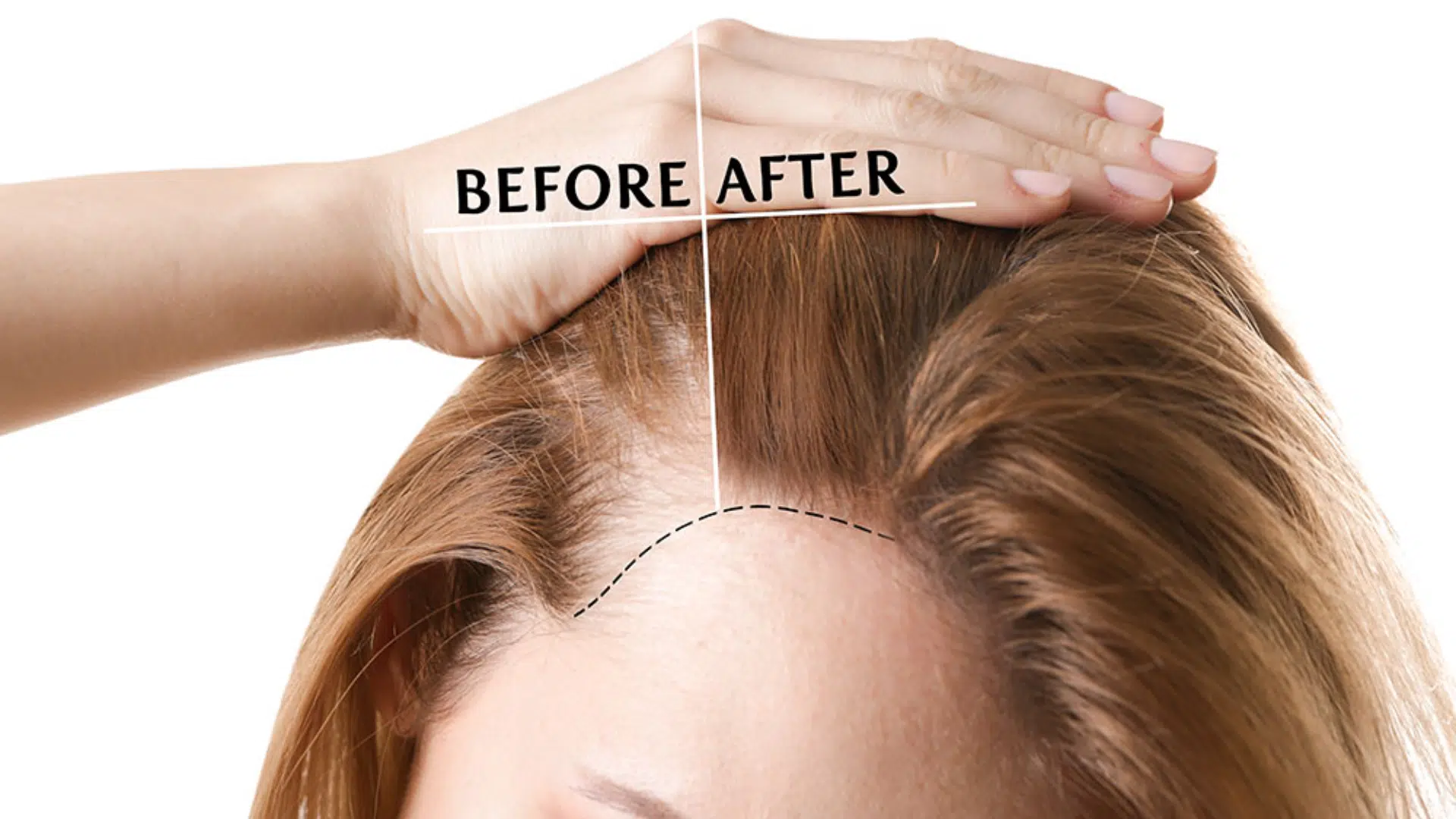
A hair transplant for women is done in clear stages, each designed to ensure safe surgery and natural-looking, lasting results.
Step 1: Consultation and Planning
Your journey starts with a detailed meeting with the doctor. They will check your scalp, review your medical history, and talk about your hair goals.
The doctor will also examine your donor area to see if there’s enough healthy hair to use. Together, you will decide on the best method: FUE, FUT, or another technique.
This stage also includes creating a personalized plan for hairline design and density, ensuring the result matches your face shape and natural growth pattern.
Step 2: Hairline Design and Density Mapping
A natural-looking hairline is especially important for women. The doctor carefully marks where the hair will be placed, keeping a soft and feminine look.
They also decide how dense each area should be, focusing more on the front and part line. This step ensures the hair blends naturally with your existing strands and grows in the right direction for a realistic appearance.
Every angle, thickness, and placement is planned before surgery begins.
Step 3: Donor Hair Harvesting
Once you’re comfortable and the area is numbed with local anesthesia, the doctor starts taking hair from the donor area, usually the back or sides of your head.
In FUE, each follicle is removed individually; in FUT, a thin strip of skin is taken and then separated into grafts. The donor area is handled carefully to leave minimal marks or scarring.
This step is crucial because the quality of these harvested hairs directly affects the final result.
Step 4: Graft Placement
Next, the harvested hair follicles are placed into the thinning or bald areas. The doctor makes tiny openings at the right angle and direction to match your natural hair.
This careful placement ensures the new hair will grow seamlessly with your existing hair. The process may take several hours, depending on how many grafts are needed.
Attention to detail here is what makes the final result look full and completely natural.
Step 5: Recovery and Hair Growth
After the surgery, you will receive clear instructions on how to care for your scalp and hair. You may notice some swelling or redness, which usually goes away in a few days.
Some transplanted hairs will shed in the first few weeks; this is normal, and new growth usually starts around 3–4 months.
Following your doctor’s aftercare advice will help ensure the best possible outcome and long-lasting results.
Hair Transplant Results for Women
After a hair transplant, most women notice the first signs of new growth within 3 to 4 months.
The hair will keep filling in and becoming thicker over the next several months, with the best results usually visible between 9 and 12 months.
Once the new hair has grown, it can be washed, cut, and styled just like your natural hair. Many women enjoy being able to part their hair differently or add more volume to their style.
Final results depend on several factors, including your natural hair texture, the amount of donor hair available, and the skill of the surgeon performing the procedure.
With proper planning and care, the outcome can look completely natural and last for many years.
Positive Changes After a Hair Transplant
A hair transplant offers many advantages for women, helping restore not just hair but also confidence and overall appearance.
- Natural Appearance: Transplanted hair grows from your own follicles, blending perfectly with existing strands for a seamless, realistic look.
- Permanent Solution: Once the transplanted hair grows, it stays for years, unlike temporary fixes such as wigs or extensions.
- Low Maintenance: New hair can be washed, styled, and treated like your own without needing special products or extra care.
- Boosted Confidence: Fuller, healthier-looking hair often makes women feel more comfortable and self-assured in social and professional situations.
- Customizable Results: Hairline design and density are tailored to suit your face shape, style preferences, and natural hair pattern.
With the right approach, a hair transplant can give long-lasting results that look natural and feel completely your own.
Risks and Potential Side Effects
Like any medical procedure, hair transplants carry some risks, but these can be reduced with proper care and planning.
- Infection can occur if aftercare instructions are not followed carefully.
- Scarring may appear at the donor or transplant site in some cases.
- Unnatural hair direction or growth patterns if placement is done poorly.
- Temporary swelling, redness, or discomfort around the treated area.
- Poor results if an inexperienced or unqualified surgeon performs the procedure.
Choosing a skilled, experienced surgeon and following aftercare guidelines greatly lowers the risk of unwanted side effects.
Conclusion
Hair transplants can be a life-changing option for women who want to restore fuller, healthier-looking hair.
The process uses your own hair, placed carefully in thinning areas, to give a natural result that lasts for years.
While there are different techniques available, the right choice depends on your needs, hair type, and the advice of a qualified doctor.
Recovery takes some patience, but the results can be worth the wait. Many women find not only that their hair has improved, but also their self-confidence.
If you have been thinking about restoring your hair, now is the time to take the next step, schedule a consultation with a trusted hair restoration specialist today.