Have you ever looked in the mirror, tried on outfit after outfit, and still felt like something was… off?
I’ve been there. When I first learned about the Kibbe system, especially the Classic type, it felt like a light bulb switched on.
But figuring out which clothing lines actually work for this body type wasn’t as simple as reading a quick list online.
I’ve spent years experimenting, making mistakes, learning what flatters and what fights my natural lines, and now I’m sharing everything I’ve learned with you.
In this blog, you’ll get clear, detailed guides and style recommendations made for the Classic Kibbe body type.
I’ll walk you through the lines, fabrics, and style choices that actually work in real life, so you can feel confident every time you get dressed.
Defining the Classic Kibbe Body Type
The Classic Kibbe body type is all about balance and symmetry.
The frame is evenly proportioned, with no sharp edges or overly rounded curves, just a smooth, moderate silhouette.
People with this type are often of average height, usually around 5’4″ to 5’7″. Shoulders and hips are in harmony, creating a naturally symmetrical outline.
The waist is gently defined, noticeable, but never extreme. Arms and legs are moderate in length, neither short nor unusually long.
Facial features follow the same balanced theme: softly shaped cheekbones, a gently contoured jawline, and features that are neither too sharp nor too soft.
The Classic look is refined and understated. Clothing with clean lines, gentle tailoring, and simple, harmonious details works best, bringing out the natural poise and sophistication of this body type.
Lines & Silhouettes That Work for the Classic Kibbe Body Type
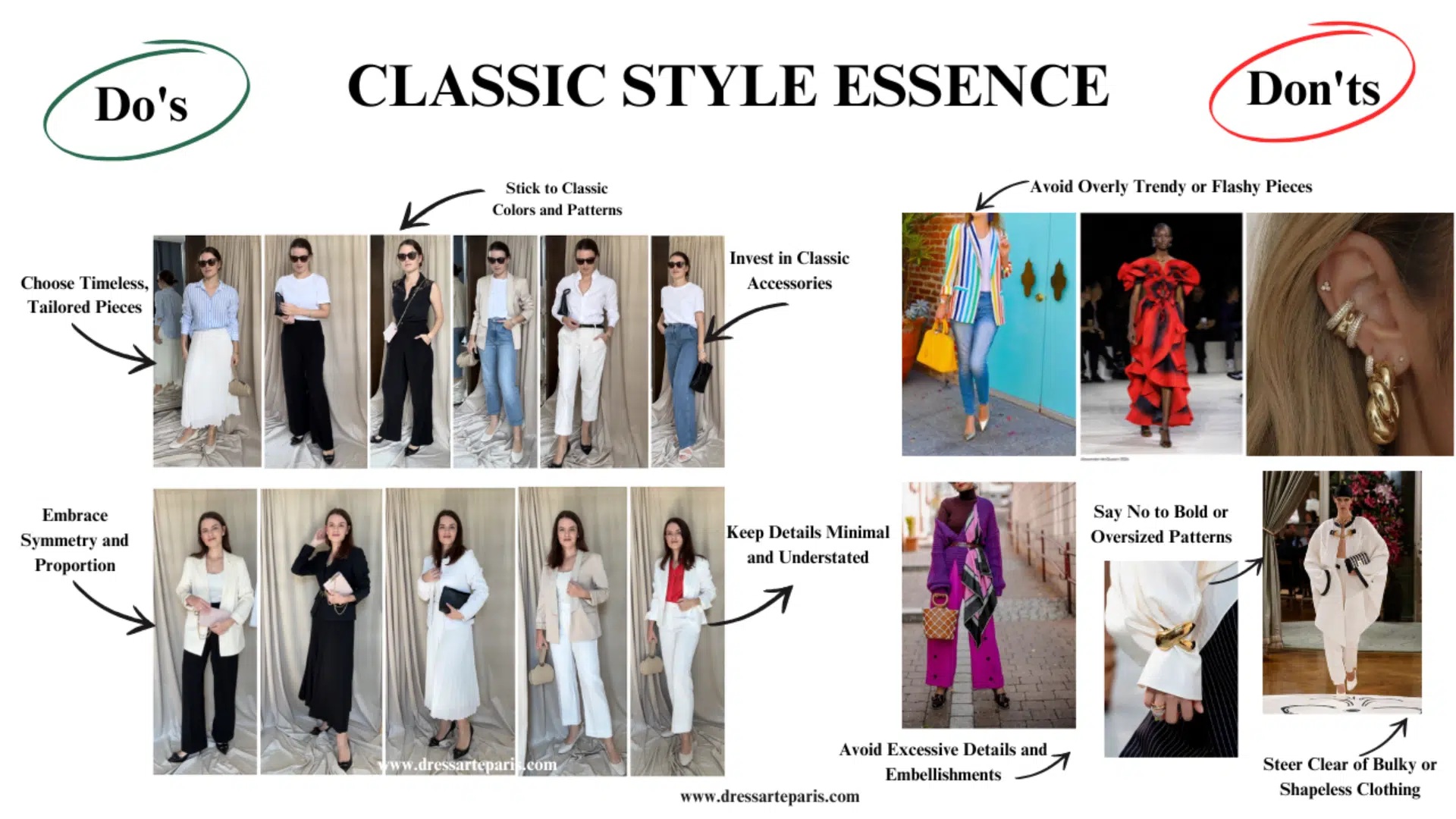
When dressing a Classic Kibbe body type, focus on balance and symmetry. Your best looks come from lines that are gently tailored, never too sharp and never too relaxed, creating an overall impression of polish.
Core Dressing Rules for a Classic Frame
For the Classic type, clothing should feel harmonious from every angle. The aim is to highlight your natural symmetry without overemphasizing any one feature.
- Balanced, symmetrical shapes: Outfits should mirror your even proportions and lightly define the waist.
- Gently tailored cuts: Follow your body’s outline without pulling, bunching, or creating harsh angles.
- Smooth transitions: Choose garments where lines flow naturally from one part of the body to another, and avoid jarring shifts in proportion.
- Moderate detailing: Keep trims, seams, and accents subtle so they don’t overpower your balanced frame.
- Proportional scale: Opt for medium-scale elements, such as lapels, collars, and belts, that match your frame without shrinking or overwhelming it.
- Consistency from head to toe: Maintain the same level of tailoring and polish in all parts of your outfit for a harmonious look.
Clothing Cuts That Flatter the Classic Kibbe Body Type
These silhouettes naturally complement your balanced proportions, creating a polished, put-together look with minimal effort. Each piece should blend gentle structure with softness for the most flattering effect.
- Jackets: Lightly structured blazers with a soft waist definition and a neat shoulder fit. Single-breasted styles are ideal; avoid boxy cuts or strong shoulder pads.
- Skirts: Pencil or gentle A-line skirts that skim the hips for smooth, balanced lines. Avoid overly full or ultra-tight styles.
- Pants: Straight-leg or softly tapered trousers that create clean vertical lines. Skip overly slim or baggy fits.
- Dresses: Shift or sheath dresses with subtle waist shaping. Wrap dresses work if they’re not overly clingy or dramatic.
Fabrics & Textures for the Classic Kibbe Body Type
For the Classic Kibbe body type, fabric choice is just as important as cut and fit. The right materials maintain your balanced, symmetrical look and complement your moderate proportions.
| Category | What Works Best | What to Avoid |
|---|---|---|
| Fabric Weight | Light to medium weights that hold soft shape (gentle tailoring, comfort) | Heavy, stiff, or bulky materials (thick leather, heavy canvas) |
| Best Fabrics | Cotton, silk, linen, soft wool, cashmere, quality blends | Flimsy or clingy fabrics like thin jersey, slinky synthetics |
| Finish & Texture | Slightly matte or soft sheen (crepe, fine knits, velvet, brushed finishes) | Harshly shiny or dull finishes (metallics, patent leather) |
| Draping | Smooth flow that follows natural lines without clinging or hanging shapelessly | Fabrics that cling tightly or hang without structure |
| Knitwear | Fine–medium gauge (cashmere, merino, light cotton), subtle ribbing | Bulky stitches, deep ribbing, chunky knits |
| Textures | Understated, soft textures that maintain balance | Coarse or rough textures (heavy tweed, chunky boucle, coarse linen) |
| Patterns | Small, simple prints, gentle stripes, refined classics | Large, bold, or high-contrast patterns that disrupt harmony |
Choose smooth, softly draping fabrics in moderate weights with a slight matte or gentle sheen. This combination will keep your Classic frame looking balanced, refined, and effortlessly put-together.
Style Recommendations by Clothing Category
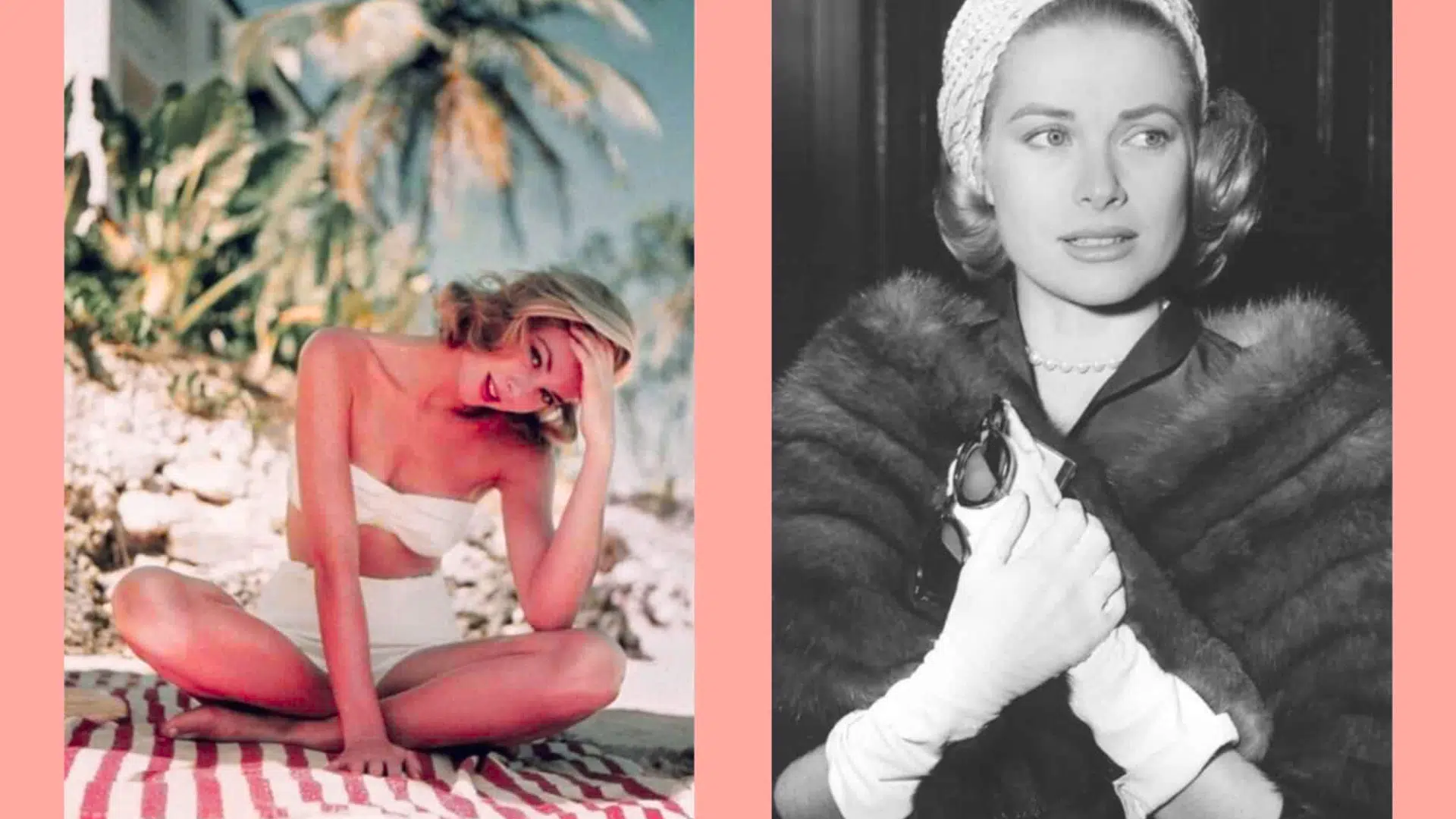
These suggestions are tailored to keep your look balanced, refined, and in harmony with your natural proportions. For each clothing category, the goal is to suit your symmetry with clean design, never going to extremes.
1. Tops & Blouses
Your best tops are softly tailored with just enough shaping to follow your outline without clinging.
Keep lines clean, necklines simple, and details understated so they support your balance rather than distract from it. Choose fabrics with a smooth finish and moderate weight for year-round wear.
Best Choices:
- Shape: Softly tailored with gentle shaping through the waist, never boxy or ultra-fitted.
- Necklines: Simple, clean designs like crew, jewel, modest scoop, or softly rounded V-necks. Avoid deep plunges or overly high, tight necklines.
- Sleeves: Slim-to-moderate fit sleeves; cap sleeves, ¾ length, or classic shirt sleeves work well. Skip puff or exaggerated sleeves.
- Details: Minimal, light darts, subtle pleats, and small buttons are ideal. Avoid ruffles, oversized collars, or heavy embellishment.
- Fabrics: Smooth cotton, silk, fine knits, lightweight wool blends.
2. Dresses
Dresses should highlight your natural symmetry with clean silhouettes and a lightly defined waist.
Avoid overly dramatic drapes or stiff, exaggerated shapes; your best styles are timeless and softly structured. Mid-length designs work well for both casual and formal looks.
Best Choices:
- Silhouette: Clean and balanced, classic sheath, shift, or wrap styles with soft waist definition.
- Waist: Slightly defined but not tightly cinched. Belt widths should be moderate.
- Length: Knee-length or just below. Avoid extremes like mini or maxi styles unless in classic cuts.
- Details: Simple seaming or princess lines to follow your natural outline without exaggeration. Skip dramatic draping or stiff peplum.
- Fabrics: Medium-weight crepe, ponte, silk blends, structured enough to hold shape, yet soft enough to flow.
3. Outerwear
Outerwear should keep proportions in check with moderate structure and gentle shaping.
The best coats and jackets work as polished finishing layers without adding bulk or distorting your natural lines. Neutral to mid-tone colors work especially well for versatile wear.
Best Choices:
- Coats: Trench coats, pea coats, and single-breasted wool coats with gentle shaping at the waist.
- Blazers/Jackets: Moderate lapels, shoulder fit aligned with your natural shape, and gentle nipping at the waist.
- Details: Minimal hardware; no oversized buttons or bulky belts.
- Length: Around hip or mid-thigh for blazers; knee-length for coats.
- Avoid: Boxy cuts, overly long dusters, or cropped jackets that throw off proportion.
4. Bottoms
Bottoms for the Classic type should continue your balanced silhouette with clean lines and smooth finishes.
Avoid extremes; very wide, overly skinny, or heavily detailed styles can throw off your symmetry. Stick with classic, versatile cuts that work across seasons.
Best Choices:
- Trousers/Pants: Straight-leg or softly tapered cuts. Flat-front or minimal pleats work best. Mid-rise complements natural balance.
- Skirts: Pencil skirts, classic A-line with a gentle flare, and straight skirts that hit at the knee or just below.
- Details: Smooth finishes, minimal pockets, clean waistbands.
- Avoid: Wide palazzo pants, very skinny pants, overly flared skirts, or maxi lengths with excess fabric.
Accessories & Shoes for the Classic Kibbe Body Type
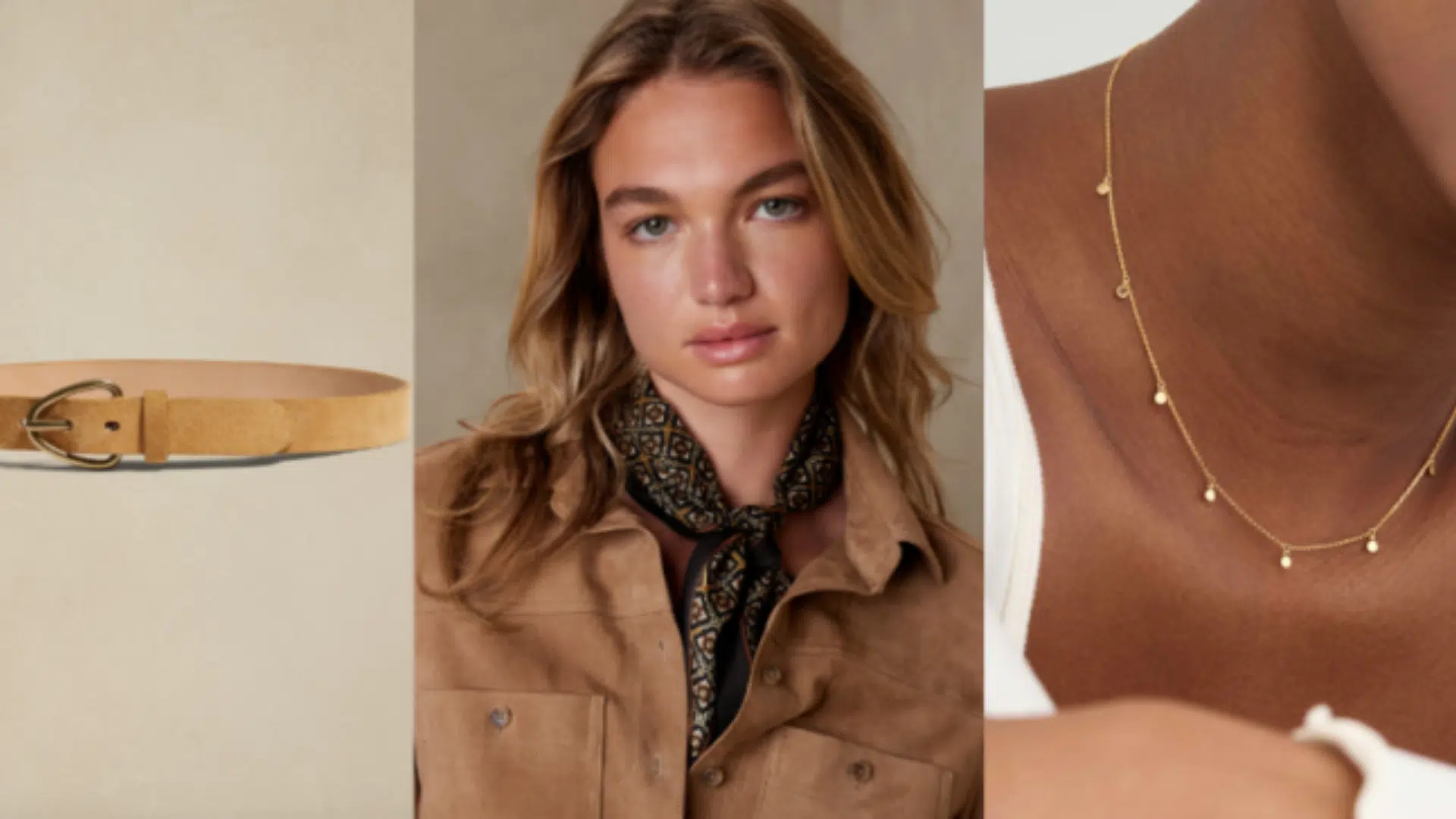
For the Classic Kibbe body type, accessories and shoes should work in harmony with your natural balance and symmetry. The aim is to complement your polished proportions without adding visual clutter.
Accessories
Accessories should be clean, refined, and moderately scaled. Each piece should add to your look without becoming the focal point, keeping the overall style cohesive and harmonious.
- Belts: Slim to medium widths with simple, clean lines. Opt for geometric or classic buckles, and avoid overly ornate or chunky styles.
- Jewelry: Delicate, refined pieces in softly symmetrical shapes. Pearls, fine gold or silver chains, and small studs or hoops work beautifully.
- Bags: Structured designs such as classic totes, satchels, or medium-sized shoulder bags. Stick to clean shapes and avoid overly large, slouchy, or heavily embellished bags.
- Scarves & Sunglasses: Soft, smooth scarves in high-quality fabrics, paired with classic sunglass frames like aviators, wayfarers, or subtle cat-eye shapes.
- Hats: Moderately sized, neatly tailored hats that follow your head shape. Skip oversized, floppy, or fussy designs.
Shoes
Footwear for the Classic Kibbe type should continue your outfit’s balance from the ground up. Look for styles that are neither overly heavy nor extremely delicate, with smooth lines and moderate details.
- Shape: Tapered, narrow shapes that complement your balanced silhouette.
- Heels: Classic pumps with rounded toes and moderate height, neither pointy nor chunky.
- Flats & Low Heels: Delicate flats, slingbacks, or Mary Janes with clean, simple designs.
- Details: Subtle two-tone accents or small, refined details for interest without distraction.
- Avoid: Chunky, heavy shoes or extremely strappy, delicate styles that disrupt your symmetry.
Keep accessories and shoes clean, structured, and refined. The goal is to support your overall look, letting your Classic balance and symmetry remain the focus.
Color Palettes & Patterns for the Classic Kibbe Body Type
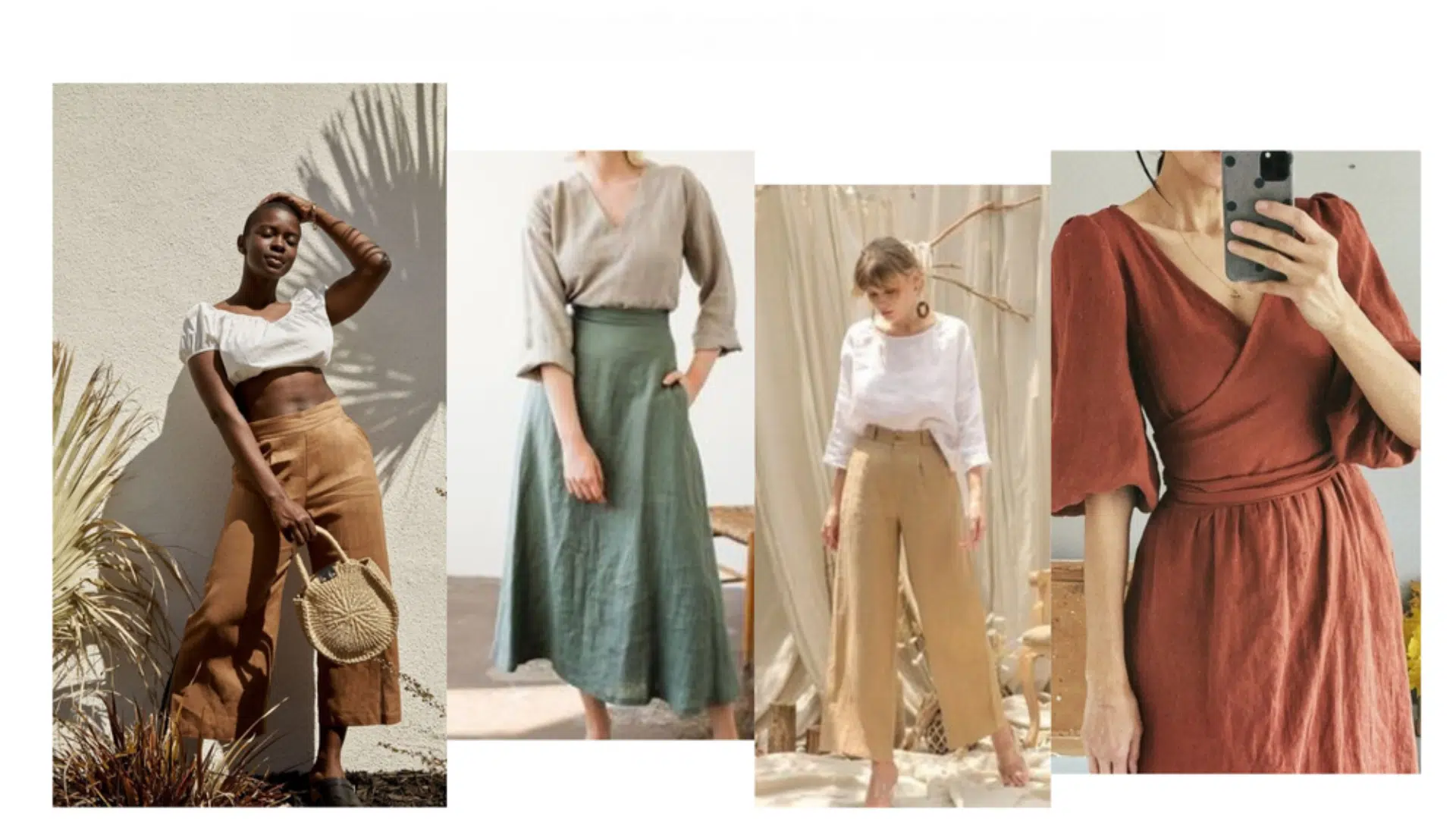
For the Classic Kibbe body type, colors and patterns should work together to preserve your natural balance, symmetry, and refined presence.
| Category | Best Choices | Avoid |
|---|---|---|
| Moderate, Balanced Colors | Soft, muted, medium tones that feel composed and refined | Extremely bright or overly dark shades that create harsh contrast |
| Neutrals | Navy, charcoal gray, camel, cream, soft white, muted browns | Stark black-and-white pairings or flat, lifeless neutrals |
| Accent Colors | Dusty blues, sage greens, soft rose, lavender, warm peach | Vivid, clashing colors that break the balance |
| Contrast | Medium contrast between tones for harmony | High-contrast or bold clashes |
| Pattern Scale | Small to medium scale for proportion | Large, oversized patterns that overwhelm |
| Classic Prints | Fine stripes, subtle plaids, soft polka dots, and contained florals | Loud geometrics, chaotic prints, oversized florals |
| Subtle Textures | Gentle stripes, faint herringbone, smooth jacquard | Busy or noisy textures that distract from symmetry |
Stick to colors and prints that support a polished, understated look. Medium contrast, refined neutrals, and softly patterned fabrics will keep your outfits balanced and in tune with your Classic proportions.
Conclusion
I hope this guide has given you the clarity you were looking for on dressing the Classic Kibbe body type.
I know how frustrating it can feel to try outfit after outfit and still not see the balanced, polished look you want.
That’s why I walked you through clothing cuts, fabrics, colors, patterns, accessories, and even common mistakes, so you have a complete, practical reference in one place.
Dressing for a Classic frame is about balance, symmetry, and harmony, and now you have the tools to achieve that with confidence.
I’ve shared the styling rules, the “don’ts” to avoid, and the details that make all the difference.
With this, you can build outfits that feel comfortable, look refined, and truly reflect your natural style. I’m confident you can now create a wardrobe that works for you every single time.