In the world of makeup, the choice between a foundation brush and a sponge isn’t just about preference; it’s about achieving your desired finish.
When it comes to applying foundation, every makeup lover has their own preference-some swear by a foundation brush, while others can’t live without a makeup sponge.
But which one is truly the best for you?
The foundation brush vs sponge debate isn’t just about personal opinion; it’s about achieving the perfect look for your skin type and makeup goals.
In this post, I’ve broken down everything you need to know about both the foundation brush and the makeup sponge, from their finishes and ease of use to which tool works best for your skin.
What are Foundation Brushes?
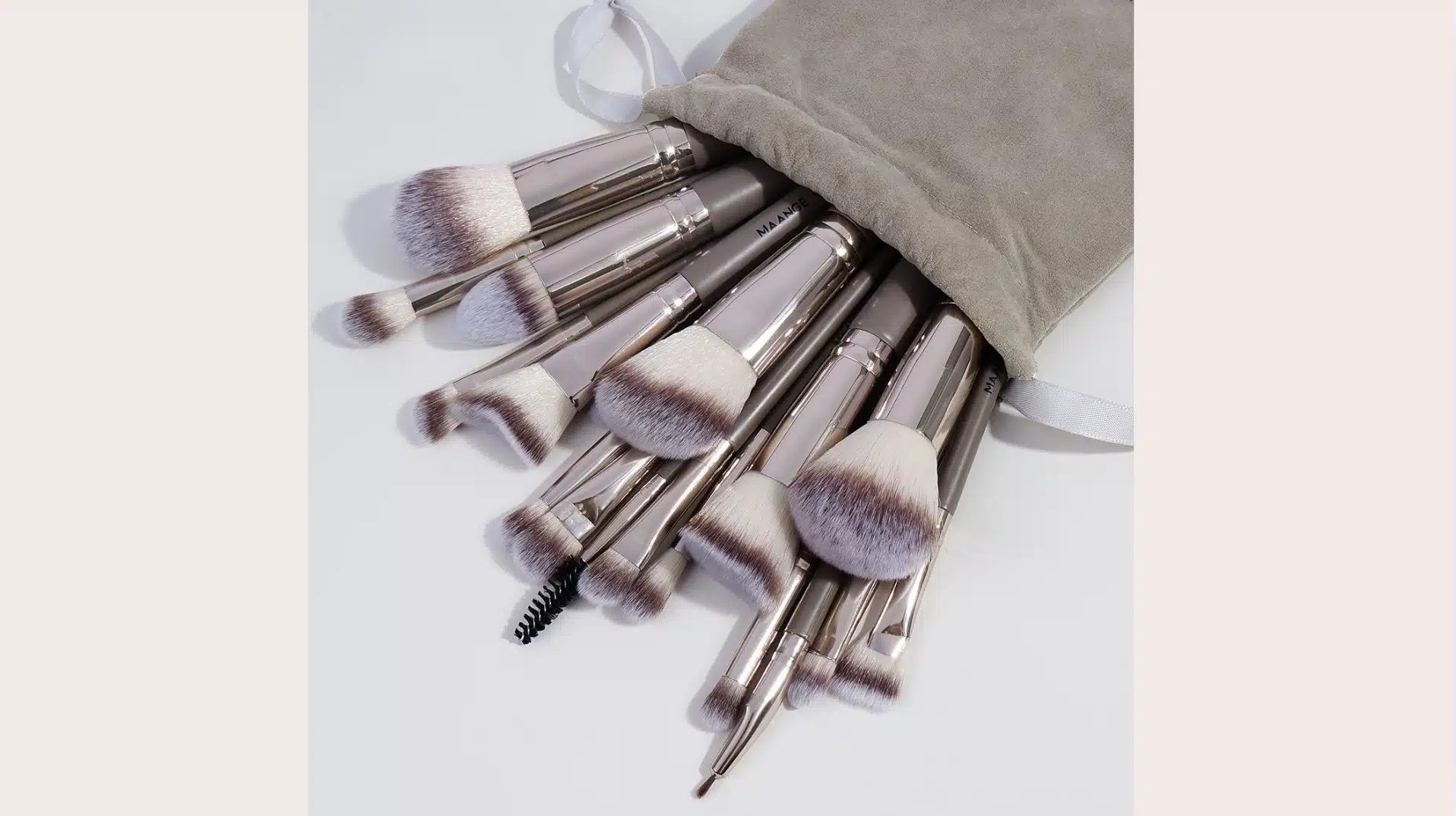
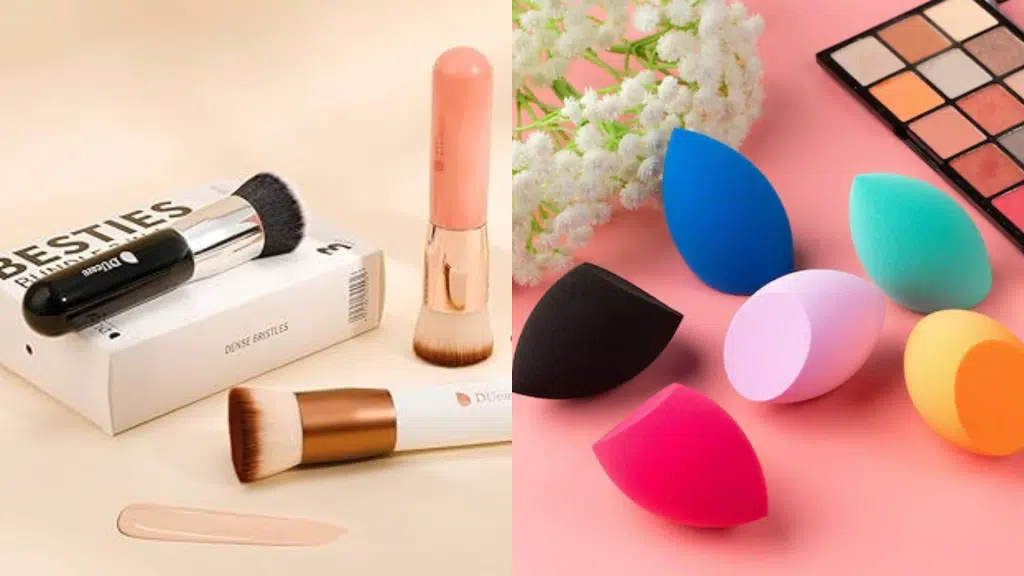
Foundation brushes are makeup tools with bristles attached to a handle, specifically designed to apply liquid, cream, or powder foundation to your face.
The bristles can be made from synthetic materials (man-made fibers) or natural animal hair.
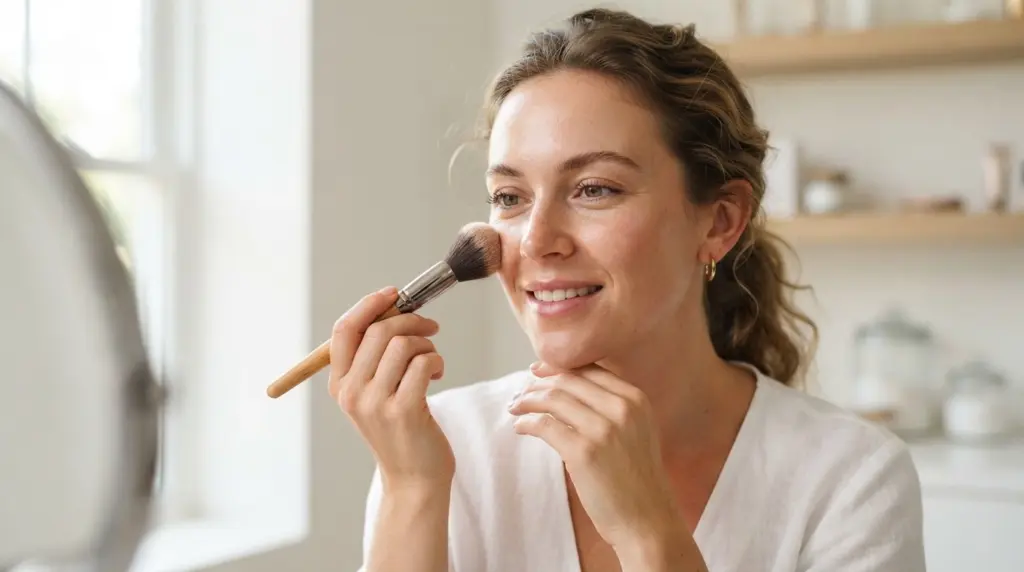
These brushes work by picking up foundation on their bristles and then spreading it across your face using different motions like buffing (circular movements), stippling (gentle tapping), or sweeping (brush strokes)
When you use a foundation brush, you’re essentially painting foundation onto your skin in thin, even layers.
The key is to work in small sections, building up coverage gradually until you get the look you want.
There are various types of Foundation brushes used in various makeup techniques:
| Brush Type | Best For | Pros | Cons |
|---|---|---|---|
| Flat Foundation Brush | Liquid foundation, precise work around nose/eyes, beginners | Smooth, even coverage; works well with most liquid formulas | Can leave streaks; takes time to blend; may not work with thick formulas |
| Stippling Brush | Gradual coverage, sensitive skin, natural airbrushed finish | Smooth, airbrushed look; gentle on sensitive skin; great for building coverage | Requires technique to avoid patchiness; takes longer; is more expensive |
| Buffing Brush | Powder foundation, quick routines, touch-ups | Fast, easy application; smooth finish; perfect for powder foundation | Can look too matte on dry skin; not ideal for liquid foundations |
| Dense Flat Brush | Full coverage, covering blemishes, thick foundation formulas | Maximum coverage, long-lasting application, covers imperfections | Can look heavy or cakey; requires blending skill; may emphasize texture |
What are Beauty Sponges?
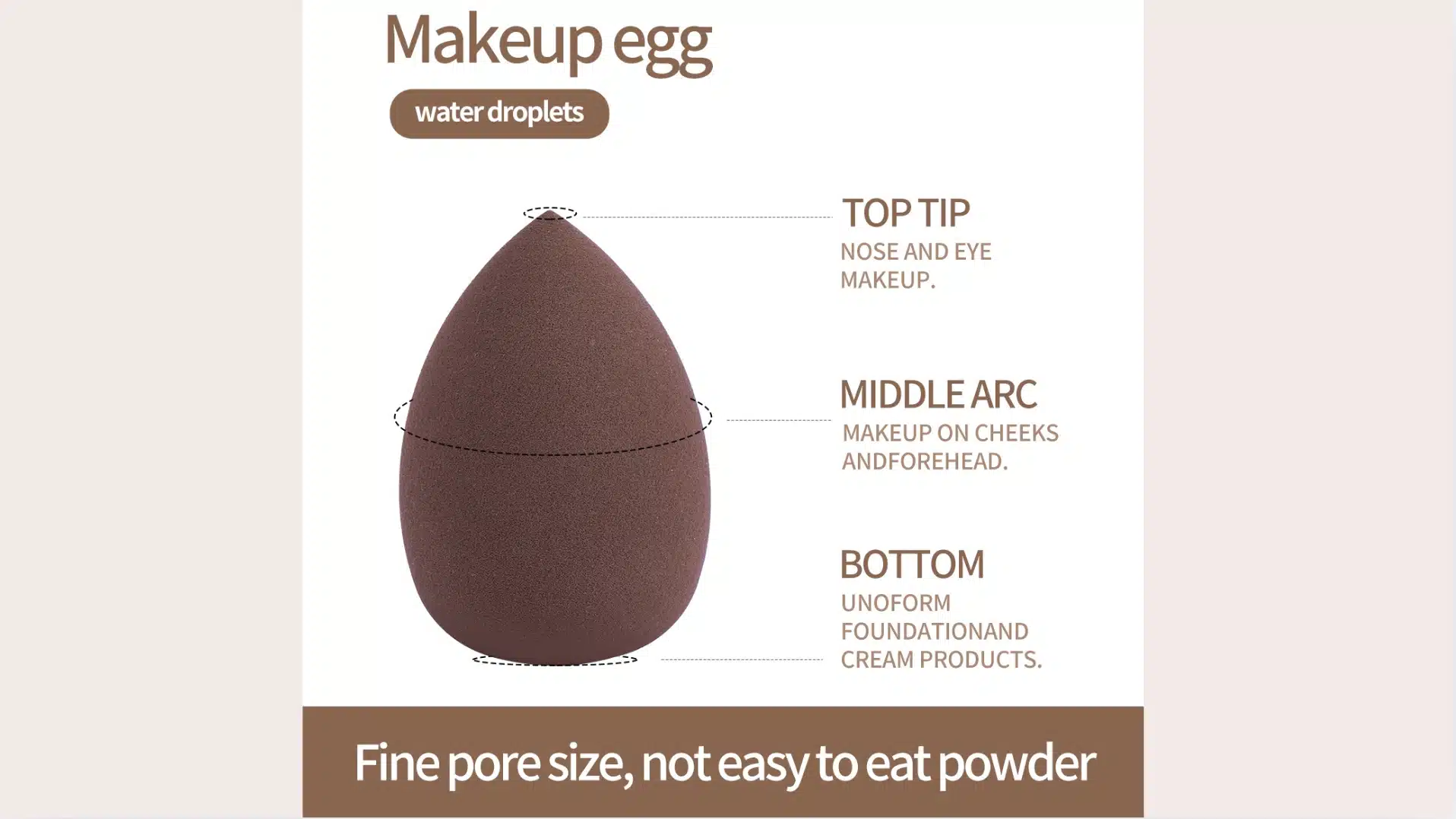
Beauty sponges are soft, squishy makeup tools made from special foam materials that expand when wet.
The most famous one is the Beauty Blender, but now many brands make similar sponges in different shapes like eggs, teardrops, and wedges.
When you dampen a sponge with water and squeeze out the excess, it becomes the perfect tool for blending foundation.
The damp sponge picks up just the right amount of product and blends it seamlessly into your skin, creating a natural, skin-like finish.
The different shapes help you reach every area of your face – the pointed tip gets into corners around your nose and eyes, while the rounded parts cover larger areas like your cheeks and forehead.
There are various types of beauty sponges used for different makeup techniques:
| Sponge Type | Best For | Pros | Cons |
|---|---|---|---|
| Classic Egg-Shaped | All-over application, beginners | Easy to use; versatile; creates a natural finish; blends harsh lines | Uses more product; needs replacing; must be damp |
| Teardrop/Beauty Blender | Precision work, under-eye area | Perfect for detailed areas; creates a flawless look; great for liquids/creams | Can be expensive; absorbs foundation; requires daily cleaning |
| Flat Wedge Sponges | Contouring, budget-friendly | Affordable, great for contouring, good for cream products | Less blending power; can create streaks; may fall apart |
| Mini/Detail Sponges | Under-eye, blemish coverage | Great for concealer, precise spot coverage, and easy to control pressure | Only for small areas; not suitable for full face; fiddly to use |
Comparing Foundation Brush vs Makeup Sponge
When it comes to applying foundation, the technique used can make all the difference in the final look. The brush method can be more controlled, while the sponge gives a more diffused, natural look.
There are various bases on which we can segregate which application tool suits you the best.
1. Coverage
The foundation brush excels in achieving medium to full coverage. Its firmer bristles allow for more product application, making it ideal for those who prefer a fuller, more polished look.
Meanwhile, the makeup sponge provides a lighter coverage, offering a more buildable, natural finish. It’s perfect for a soft, airbrushed appearance or for users who want to keep their makeup looking light and fresh.
2. Finish
The foundation brush is best known for giving a matte, airbrushed finish.
Its ability to evenly distribute the product allows for a smoother, more controlled look. If you’re aiming for a flawless, long-lasting base, a foundation brush is a solid choice.
On the other hand, the makeup sponge creates a dewy, natural finish, which is ideal for those looking for a fresh, glowing look that mimics healthy skin.
3. Skin Type Suitability
For oily or combination skin, a foundation brush works wonders. The firmer bristles help control shine by applying a more matte finish.
In contrast, makeup sponges are best suited for dry or sensitive skin. The damp sponge adds moisture to the skin, ensuring a more hydrating and less cakey application, which helps to minimize the appearance of dry patches.
4. Product Absorption
A foundation brush is designed to absorb minimal product, allowing most of it to remain on the skin. This results in a more efficient application, especially with liquid foundations.
In comparison, a makeup sponge absorbs a moderate to high amount of product. While this can waste some foundation, it helps blend the product more seamlessly, especially for a lighter finish.
5. Ease of Use
Foundation brushes require more technique to avoid streaking, especially for beginners. While they offer control, they can be harder to master without practice.
Makeup sponges, on the other hand, are incredibly user-friendly, particularly for beginners. Their bouncing motion allows for easier blending without the risk of streaks, making them ideal for quick, flawless application.
6. Maintenance
When it comes to maintenance, foundation brushes are easy to clean and typically don’t require as frequent washing. A simple rinse after use is often enough.
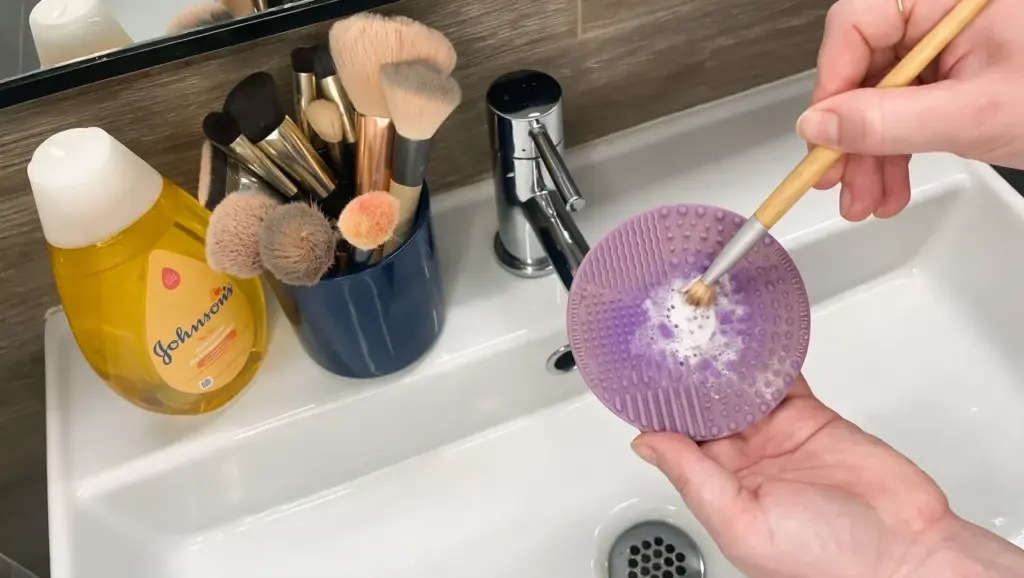
However, makeup sponges require thorough cleaning to prevent bacteria buildup due to their porous nature. Regular cleaning is essential to ensure hygiene and maintain the sponge’s performance over time.
Expert Tips for Application
Foundation Brush
Now that you know about different brushes and sponges. I’ll tell you when to use the foundation brush in various motions to achieve the desired look
- Stippling Motion: Gently tap the brush on your skin instead of wiping
- Buffing Circles: Use small circular motions to blend foundation seamlessly
- Downward Strokes: Always brush downward to keep your skin looking smooth
- Build Gradually: Start with a small amount and add more as needed
- Work in Sections: Apply to one area at a time for even coverage
Beauty Sponge
To achieve the desired look with beauty sponges, you need to know some tips and techniques to effectively use them. Some tips include:-
- Always Use Damp: Wet your sponge and squeeze out excess water until barely damp
- Bounce, Don’t Wipe: Use a bouncing motion to press foundation into your skin
- Use Different Areas: Pointed tip for corners, flat side for large areas
- Press and Roll: Gently roll the sponge to blend harsh edges
- Work Quickly: Blend while the foundation is still wet for best results
Conclusion
In the debate of foundation brush vs sponge, both tools have their unique advantages, and the best choice really depends on your skin type, the coverage you’re looking for, and the finish you want to achieve.
A foundation brush is perfect for those seeking a smooth, matte finish with full coverage, while a makeup sponge is ideal for a dewy, natural look with more buildable coverage.
If you’re new to makeup or prefer an easier, quicker application, a sponge might be your go-to tool.
No matter which tool you choose, remember that both the foundation brush and the makeup sponge can help you achieve a flawless makeup look with the right technique and maintenance.