I’ve worn suits for years, and one thing I’ve learned is that buttoning a suit jacket isn’t as simple as it looks.
I’ve heard so many different rules from friends, tailors, and online style groups that it can get a little confusing, especially when it comes to which button to button on a 2 button suit.
Some people swear by old traditions, while others think comfort should come first.
Then there’s the fact that different jackets have different rules, and what works at a wedding might not feel right in a casual office.
It’s also about how the jacket fits, how I feel when I’m wearing it, and the kind of impression I want to make.
Over time, I’ve picked up advice from all kinds of places, classic style guides, community discussions, and my own trial and error.
In this blog, I’ll share those tips with you so you can decide for yourself when to button up and when to let it go.
Why Button Your Suit Jacket?
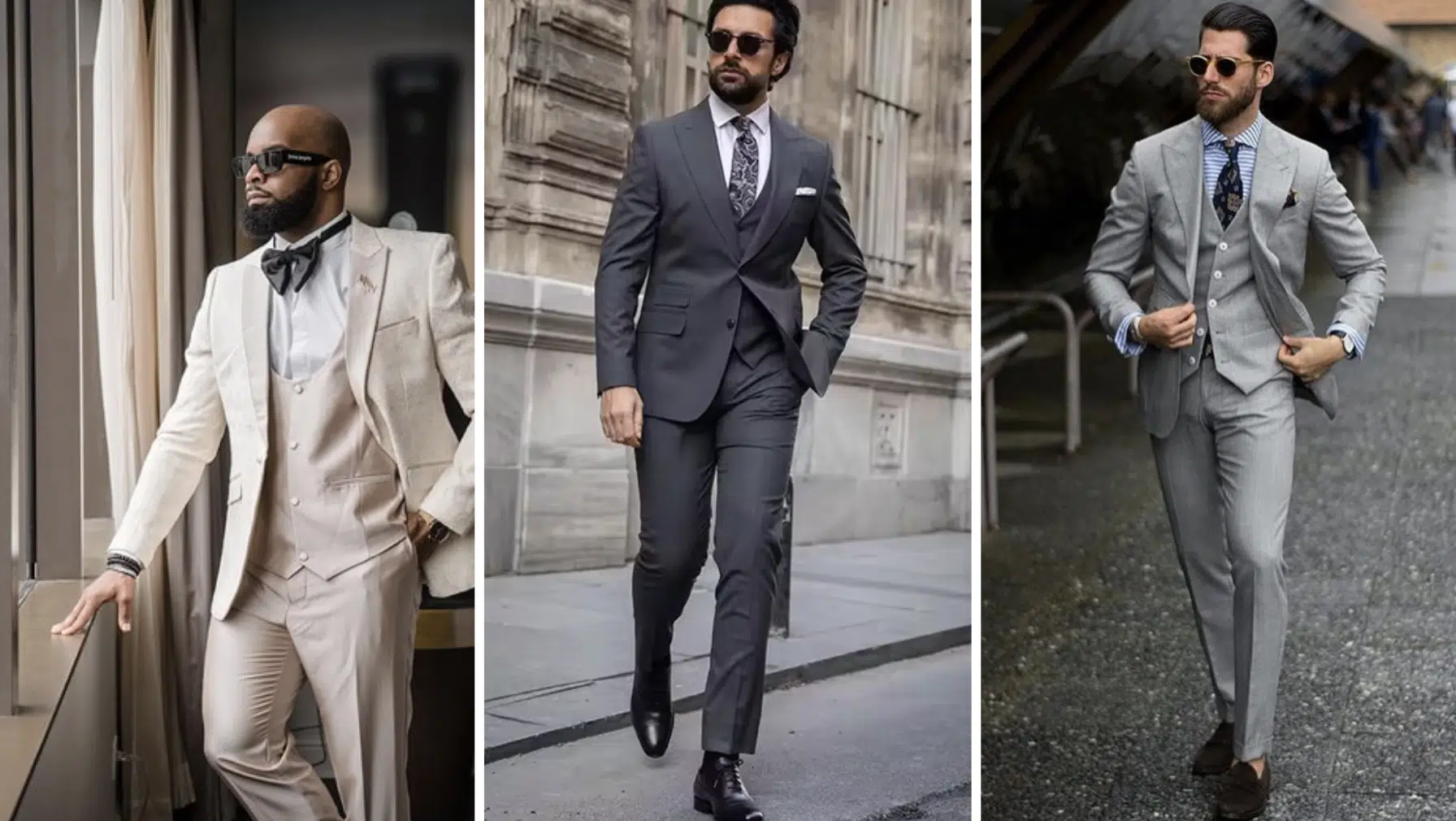
Buttoning a suit jacket isn’t just about looks; it also serves a purpose. These are some simple reasons people choose to button up.
- Keeps the shape neat: Buttoning helps the jacket keep its shape, so it doesn’t hang loose or look messy.
- Looks more formal: A buttoned jacket makes someone look smart and respectful, especially at formal events.
- Helps posture: Fastening the jacket can make a person stand straighter, which can help them look more confident.
- Gives warmth and cover: On cool days, buttoning keeps warmth in and stops the jacket from moving around too much.
- What others say: Some people button up for meetings, events, or photos, then unbutton to feel more relaxed. Others keep it open for comfort or to show more of their shirt or tie.
Understanding Suit Jacket Styles
Suit jackets come in different styles, and each has its own buttoning rules. Knowing the style helps make buttoning simple and correct.
| Jacket Style | Common Types | Buttoning Rules | Notes |
|---|---|---|---|
| Single-breasted | Two-button | Button the top, leave the bottom undone | The most common style for business and events |
| Three-button | Sometimes top, always middle, never bottom | The top button is optional, depending on the fit | |
| One-button | Button when standing, unbutton when sitting | Often used for formal or modern looks | |
| Double-breasted | Four or six buttons | Keep the front buttons fastened when standing | Always worn buttoned for structure and style |
Classic Suit Button Rule Guidelines
Buttoning rules have been passed down for decades and are still followed by many today. These simple suit button rule guidelines keep a suit looking sharp and comfortable.
- Two-button jacket: Always fasten the top button, never the bottom one.
- Three-button jacket: Sometimes fasten the top, always fasten the middle, never the bottom.
- One-button jacket: Button when standing, unbutton when sitting.
- Double-breasted jacket: Keep the front buttons fastened when standing; usually worn closed at all times for shape.
- Sport coats or casual blazers: Buttoning rules can be more relaxed, but following the basic top-button rule keeps the look tidy.
- Comfort factor: Leaving the bottom button undone prevents pulling and fabric strain.
Community Perspectives on Buttoning
Not everyone follows suit jacket buttoning rules the same way. Community opinions show a mix of tradition, comfort, and personal style.
1. Modern Changes
Many suit wearers follow the rules loosely. Some keep jackets unbuttoned for comfort, especially in casual offices or outdoor events.
“I button up for meetings, but the rest of the time I like it open, feels less stiff,” says one forum user.
2. Online Discussions
Style forums and polls show mixed habits. A large group still follows classic rules, while others choose based on fit, fabric, or mood.
“If the jacket fits well, I button it. If it’s snug, I don’t bother,” shares a style blogger.
3. Generational Differences
Older generations tend to stick to tradition, seeing buttoning as a mark of respect. Younger wearers often treat it as optional.
“My dad never leaves the top button undone, I’m the opposite,” comments a reader.
4. Cultural Variations
In some countries, buttoning is standard during formal events; in others, it’s common to keep it open.
“At weddings here, you keep it buttoned until dinner starts,” notes an online commenter.
When to Button vs. When to Unbutton
Knowing when to button and when to unbutton a suit jacket can make a big difference. These simple guidelines help keep the look sharp and comfortable.
| Situation | Buttoning Advice | Reason |
|---|---|---|
| Standing | Keep the jacket buttoned | Maintains shape and looks polished |
| Sitting | Unbutton jacket | Prevents pulling and fabric strain |
| Greetings or meetings | Button for the handshake, then adjust as needed | Shows respect and professionalism |
| Formal events | Keep buttoned while standing | Fits traditional etiquette and formality |
| Casual settings | Buttoning optional | Comfort and personal style can guide choice |
| Walking | Optional, depending on comfort and fit | Some prefer an unbuttoned shirt for ease of movement |
| Posing for photos | Usually buttoned | Creates a sharper, more structured look |
| Giving speeches | Buttoned while standing | Enhances posture and presence |
Practical Tips for Suit Jacket Buttoning
Different occasions call for different ways of wearing a suit jacket. These tips show how people handle buttoning in real-life situations.
- Weddings: Keep the jacket buttoned when standing during the ceremony and photos. Unbutton for dining and dancing. Many agree that this keeps the look polished while staying comfortable.
- Interviews: Always arrive with the jacket buttoned. It creates a strong first impression and shows attention to detail. Unbutton only when sitting.
- Networking events: Button when meeting someone or moving around the room. Unbutton during casual conversations to feel more relaxed.
- Casual Fridays: Follow a looser approach, some keep it open all day, while others button up for short moments when they want a sharper look.
Mistakes People Don’t Notice
Even small buttoning mistakes can change how a suit looks. Some are easy to spot, while others go unnoticed unless someone is paying close attention.
- Leaving all buttons fastened: It makes the jacket pull awkwardly and lose its shape, especially when sitting.
- Buttoning the wrong button: Fastening the bottom button on a two- or three-button jacket is a common style slip.
- Over-focusing on rules: Following every rule too strictly can make the wearer look stiff and unnatural.
- Forgetting to unbutton when sitting can cause the fabric to crease or strain.
- Buttoning a jacket that’s too tight: Creates pulling lines and makes movement uncomfortable.
- Ignoring the jacket style: Using the wrong rule for single- vs. double-breasted jackets can throw off the look.
Conclusion
Over the years, I’ve learned that suit jacket buttoning has rules that have stood the test of time, but there’s also room to make them your own.
These rules help a jacket keep its shape and make the wearer look polished, but they don’t have to be followed so strictly that you feel stiff or uncomfortable.
I think the best approach is to balance etiquette with how the jacket feels on you. When I’m at a formal event or in a meeting, I usually follow the classic rules.
But if I’m walking around, sitting for a long time, or just want to feel more relaxed, I unbutton without worry.
The fit of the jacket, the event I’m attending, and even the weather all affect my choice. I believe style should be personal, not just about tradition.
Try different ways of buttoning, notice how they feel, and choose what makes you look good and feel confident. Share your own habits, I’d love to hear them.