Thailand is a beautiful place to visit, but the heat, humidity, and cultural rules can make packing tricky.
Many travelers end up bringing clothes that feel uncomfortable or stand out in the wrong way.
I’ve traveled enough to know that the right outfits can make your trip easier, more enjoyable, and respectful to the local culture.
Here, you’ll find clear guidance on what works best for Thailand’s weather and traditions.
I’ll walk you through everyday outfits, temple-appropriate clothing, and what’s smart to wear for special activities like beaches or hikes.
You’ll also learn about Thailand’s traditional clothing, so you can recognize it and even try it if you want. By the time you finish reading, you’ll know exactly what to bring and what to leave at home.
My goal is to help you feel comfortable, look good, and avoid mistakes that many first-time visitors make.
Understanding Thailand’s Climate Before You Pack
Thailand has three main seasons: the hot season from March to June, the rainy season from July to October, and the cooler months from November to February.
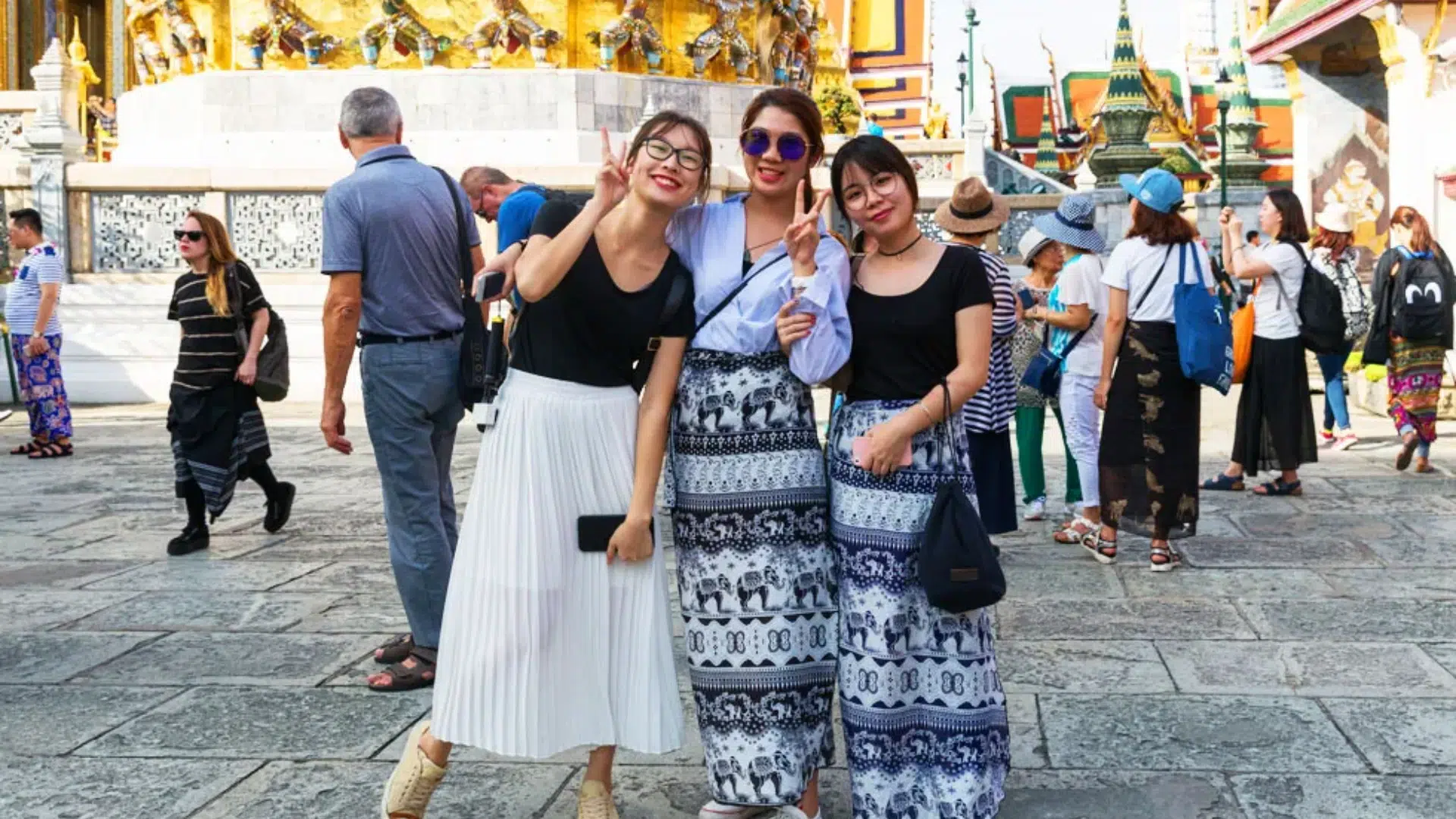
The hot season brings strong sun and high temperatures, so light and breathable fabrics like cotton or linen work best.
The rainy season is warm but humid, with sudden downpours, so quick-dry clothes and a light rain jacket are helpful.
The cooler months are still warm compared to many countries, but mornings and evenings can feel mild, making light layers a good idea.
Humidity is present most of the year, which can make thick fabrics feel heavy and sticky.
Choosing materials that let your skin breathe will keep you comfortable. Think loose tops, airy pants, and dresses that don’t cling.
Packing for each season with comfort in mind means you’ll stay cool, dry, and ready for whatever the weather brings.
What to Wear in Thailand: The Basics
Packing the right clothes for Thailand means thinking about the weather, planned activities, and local customs. The suggestions below cover different regions and seasons, so you can stay comfortable and prepared.
1. For Hot and Humid Weather
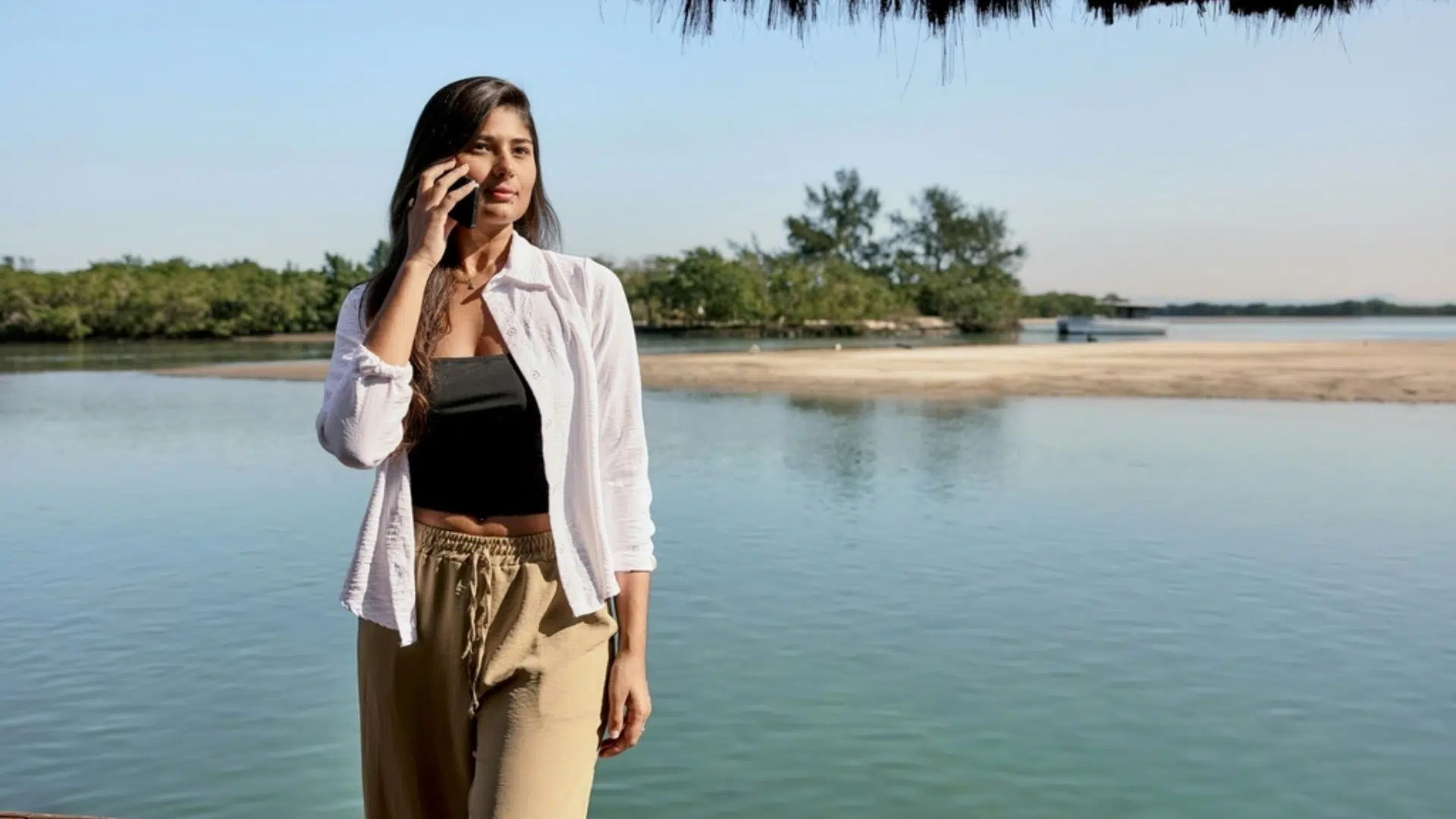
Thailand’s hot season can feel intense, especially in cities and coastal areas. Light, breathable fabrics help you stay cool and avoid feeling sticky.
Choose loose fits to let air flow around your body and avoid dark colors that trap heat.
Moisture-wicking materials can help if you plan to walk or explore outdoors.
- Lightweight, breathable fabrics: Cotton, linen, or moisture-wicking materials
- Examples: Loose-fitting tees, linen pants, maxi dresses, and shorts (knee-length for men)
2. For Rainy Season
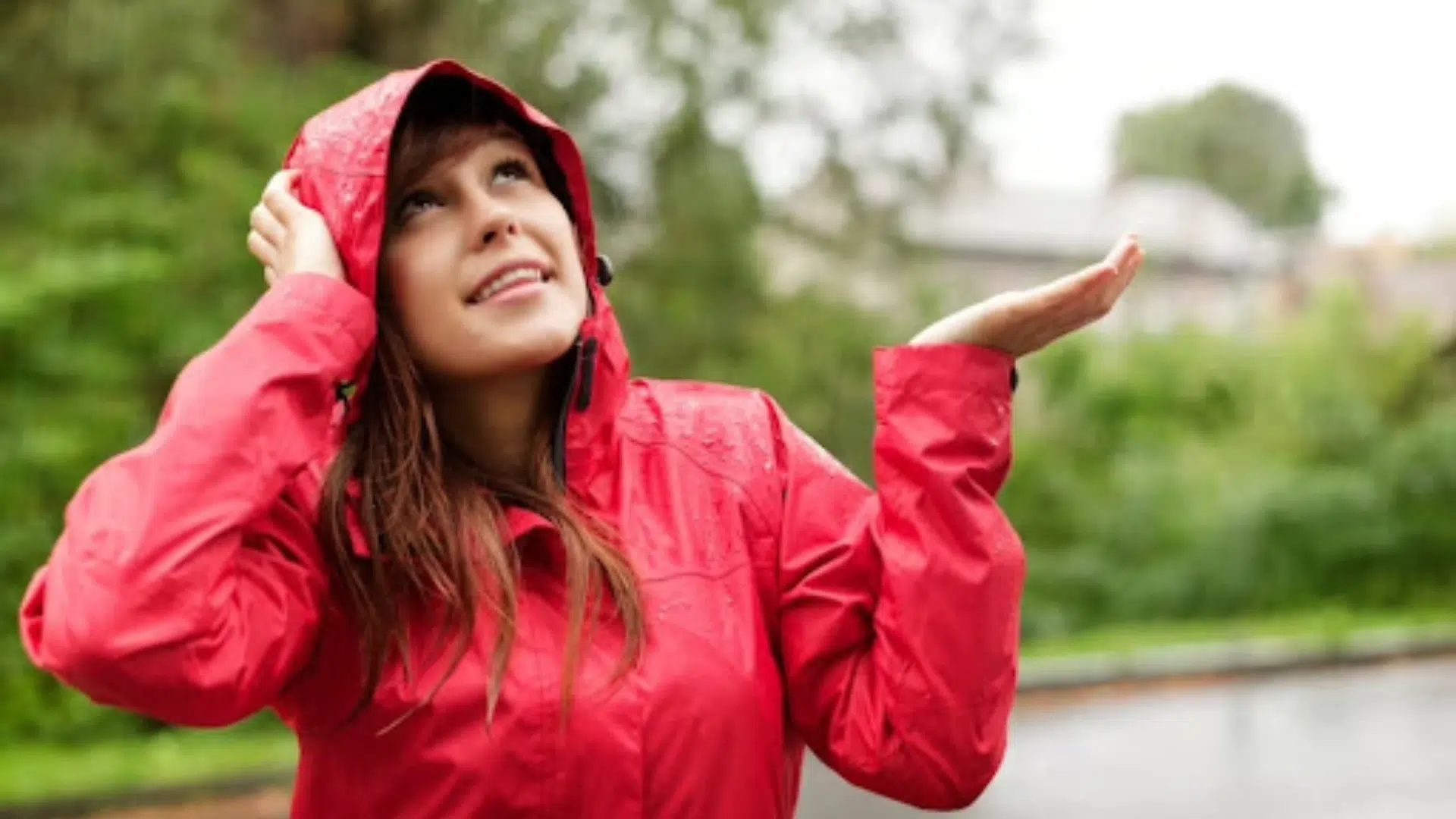
The rainy season brings sudden showers and high humidity, so clothing that dries quickly is important.
A light rain jacket keeps you dry without feeling heavy, and breathable footwear helps prevent discomfort if you get caught in the rain.
Waterproof sandals are great for wet streets, while quick-dry sneakers work well for active days.
- Quick-dry clothing and a lightweight rain jacket
- Waterproof sandals or breathable sneakers
3. For Cooler Northern Regions
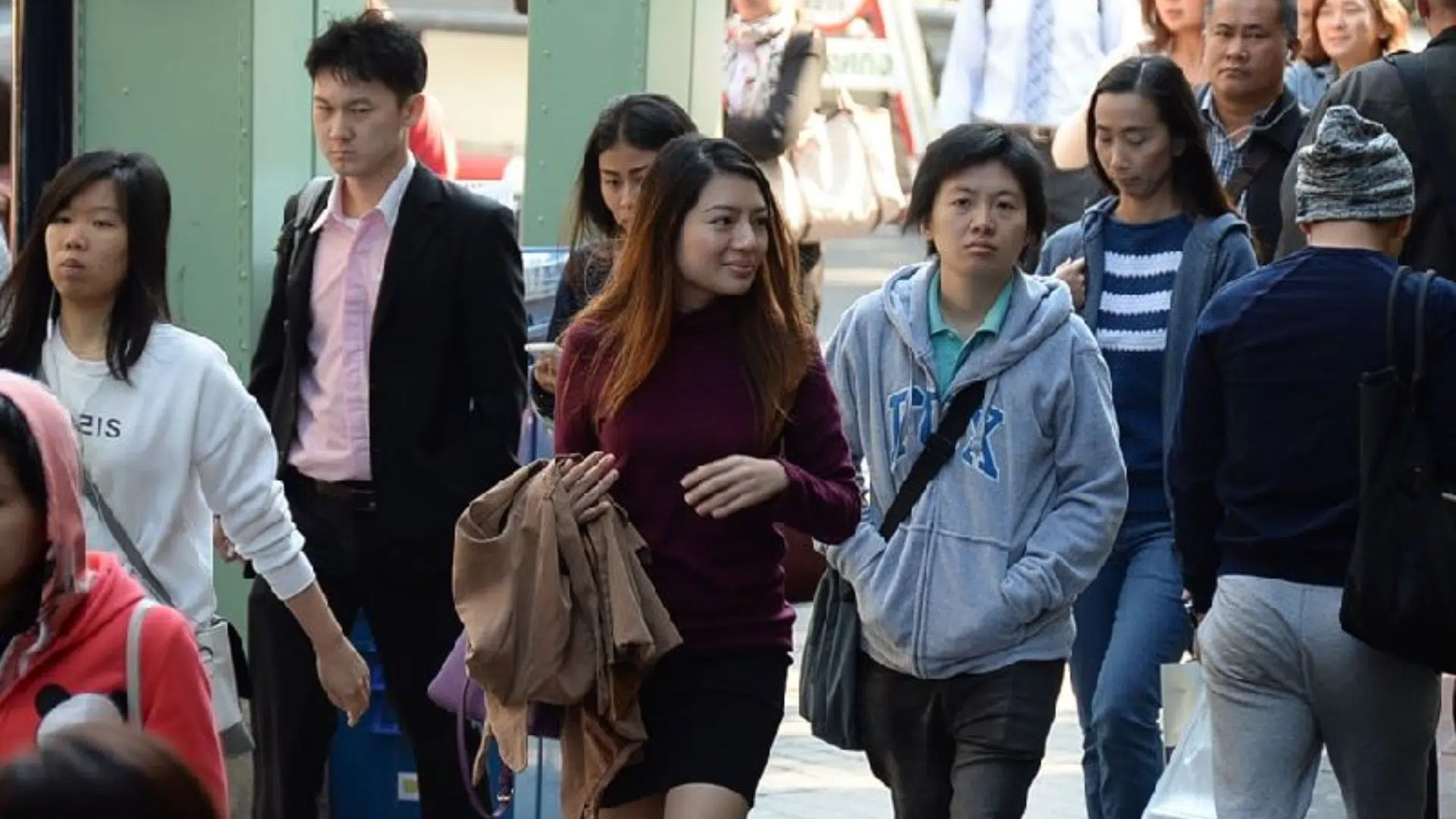
Northern Thailand, especially around Chiang Mai or Pai, can feel cooler in the evenings, especially in the dry season.
Light layers are best so you can adjust your outfit during the day.
Comfortable shoes are essential if you plan to explore mountain trails or visit rural areas.
- Light layers: Cardigans, long-sleeve tees, or a scarf for evenings
- Comfortable hiking shoes for trekking in Chiang Mai or Pai
4. For Beach Destinations
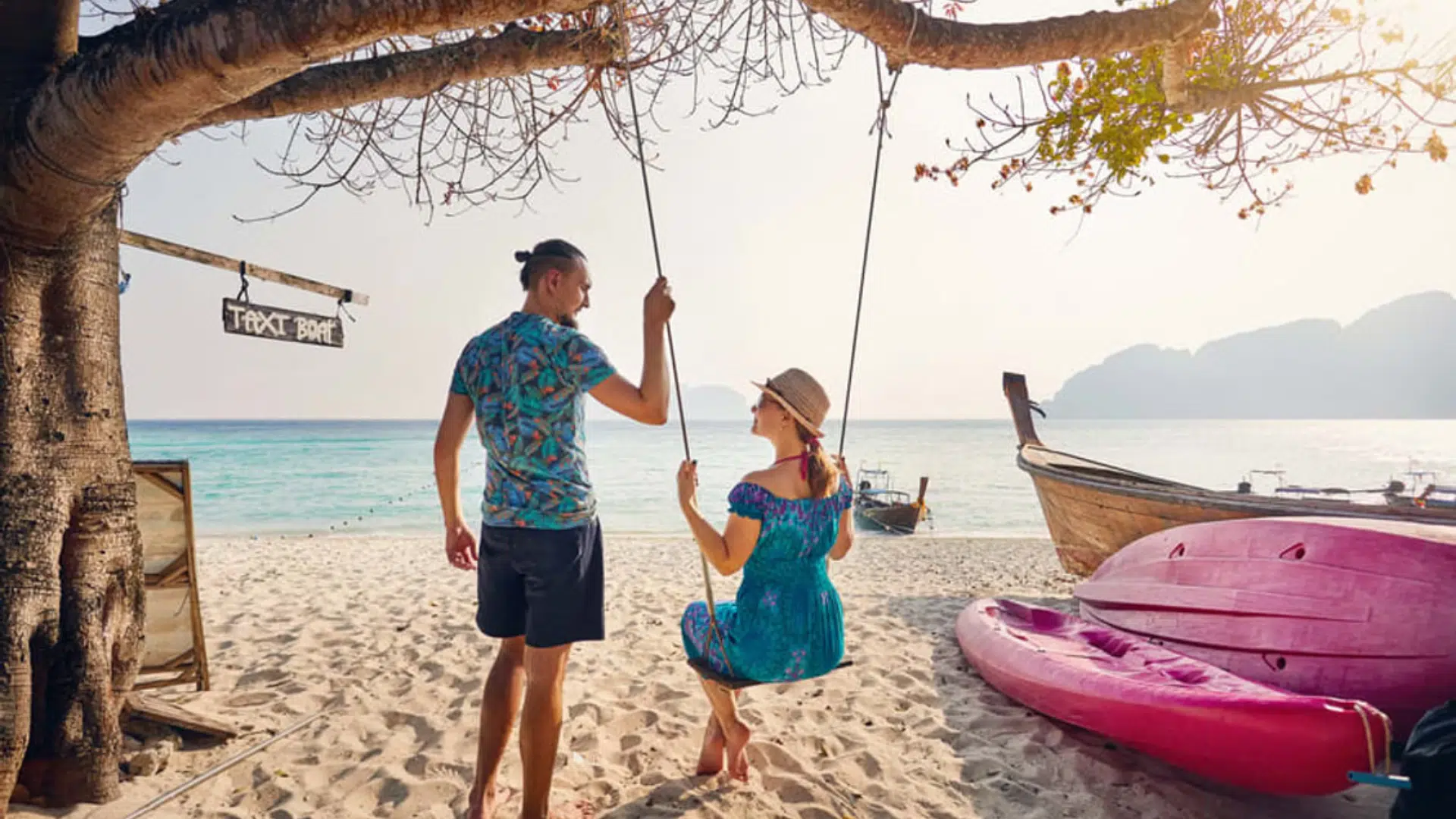
Beach areas like Phuket or Krabi are warm and sunny, making swimwear and light cover-ups essential.
Sandals or flip-flops are perfect for walking along the shore.
Sun-protective clothing such as wide-brimmed hats and UV-blocking shirts can help prevent sunburn, especially during midday hours.
- Swimsuits, cover-ups, and flip-flops for Phuket or Krabi
- Sun-protective clothing: Wide-brimmed hats, UV-blocking shirts
Thailand’s Traditional Clothing and Its Significance
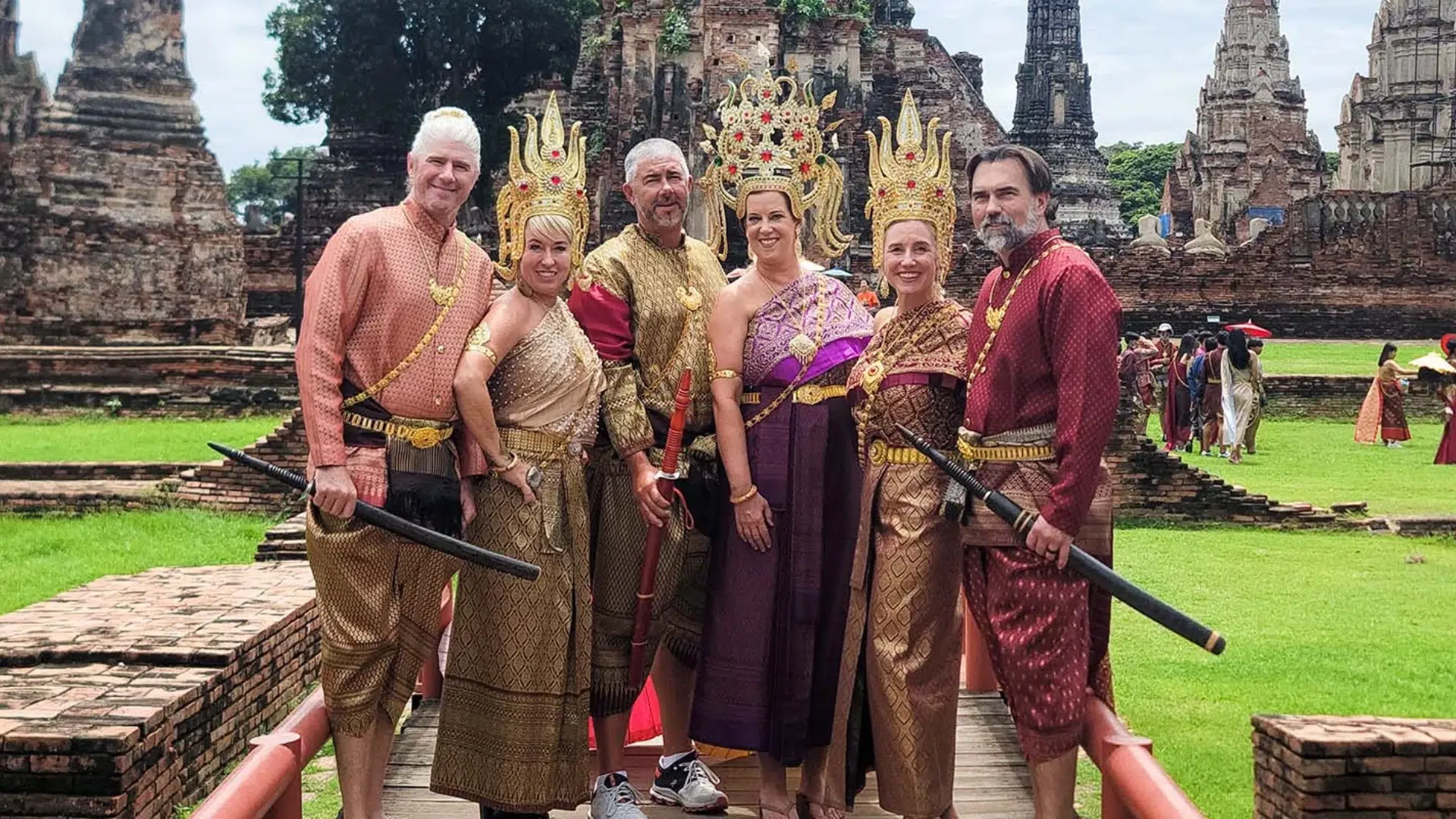
Traditional Thai clothing is a reflection of the country’s heritage, artistry, and respect for customs.
Outfits are often made from silk or cotton and feature handwoven patterns unique to each region.
They are worn with pride during festivals, religious ceremonies, and cultural gatherings, adding vibrant color and meaning to these events.
Visitors often see locals dressed in these outfits at temple fairs or special celebrations, and on some occasions, even allow guests to try them on.
Wearing them in the right setting shows appreciation for Thai traditions.
- Women: Chut Thai (elegant national dress) or sinh (a tube skirt with a blouse)
- Men: Suea Phraratchathan (formal jacket) or pha chung hang (loose pants)
Packing Tips and Wardrobe Essentials for Thailand
Packing smart for Thailand means choosing items that work for multiple occasions and keeping your luggage light. A few versatile pieces, the right shoes, and some space-saving tricks can make your trip much easier.
- Capsule Wardrobe: Pack 5–7 versatile pieces such as 2 tops, 2 bottoms, 1 dress, 1 jacket, and 1 scarf. Stick to neutral colors like white, beige, or navy, with one or two bold pieces for variety.
- Footwear: Bring comfortable sandals, sneakers, and one pair of dressier shoes for evenings out.
- Accessories: Include sunglasses, a reusable water bottle, and a small crossbody bag for daily use.
- Packing Hacks: Use packing cubes to organize outfits, choose wrinkle-resistant fabrics, and try the roll method to save space.
- Stay Comfortable: Pick lightweight fabrics that dry quickly and consider laundry options during your trip.
Common Packing Mistakes to Avoid
A well-packed bag can make travel in Thailand more comfortable, but a few common mistakes can lead to discomfort or inconvenience. Keeping these points in mind will help you pack smarter and travel with ease.
- Overpacking Heavy Clothes: Skip bulky sweaters and focus on lightweight layers that suit the climate.
- Ignoring Temple Dress Codes: Avoid shorts or sleeveless tops when visiting religious sites.
- Forgetting Sun Protection: Bring hats and sunscreen for beach days and outdoor activities.
- Overly Trendy Outfits: Choose modest clothing instead of flashy or revealing styles.
Conclusion
Packing for Thailand means thinking ahead about comfort, weather, and cultural respect.
I’ve found that choosing light, breathable fabrics makes a huge difference in the heat, and having modest pieces ready is key for temple visits or cultural sites.
Packing a few versatile items instead of overstuffing your bag keeps things simple and stress-free.
It also helps to match your clothing to your plans. Beaches call for swimwear and sun protection, while the north may need light layers for cooler evenings.
A little preparation goes a long way in making your trip smoother.
Thailand is welcoming and full of experiences worth enjoying. Dressing in a way that’s practical and considerate will help you feel at ease and blend in better with local life.
With the right choices, you’ll spend more time enjoying your journey and less time worrying about what to wear.