I’ve had broad shoulders my whole life, and honestly, finding dresses that don’t make me look like I’m trying out for a swim team can be tricky.
I used to grab whatever looked cute on the hanger, only to get home and realize it made me look boxy.
Over time, I learned what actually works for my frame and what makes me want to throw the dress in the back of the closet. If you’ve been through the same dressing room struggle, I get it.
This article is for you. I’ll walk you through dress styles that balance out broad shoulders, soften the upper body, and make you feel comfortable in your skin.
You’ll also get tips on choosing the right fabrics, avoiding common mistakes, and adding small tweaks to make any dress work for you.
How to Choose Dresses for Broad Shoulders?
When it comes to dressing broad shoulders, the main goal is balance. Broad shoulders aren’t a flaw. They just need styles that create proportion.
If your shoulders are wider than your hips, look for dresses that add volume to the lower half and draw the eye inward or downward rather than straight across.
Soft fabrics and thoughtful cuts can make all the difference, while stiff, boxy shapes often work against you.
| Do | Don’t |
|---|---|
| Go for V-necks, wrap styles, or diagonal lines. | Wear wide horizontal stripes at shoulder level. |
| Choose dresses that define the waist. | Pick sleeves that puff at the shoulder. |
| Play with asymmetry to break up the width. | Choose high necklines without waist emphasis. |
Once you know how to balance your frame, finding dresses that flatter broad shoulders becomes a lot easier.
Dresses that Look Great on Broad Shoulders
The right styles use smart cuts, necklines, and fabrics to give a flattering, comfortable fit you’ll want to wear often. Pick your favourite from the following:
1. V-Neck Dresses
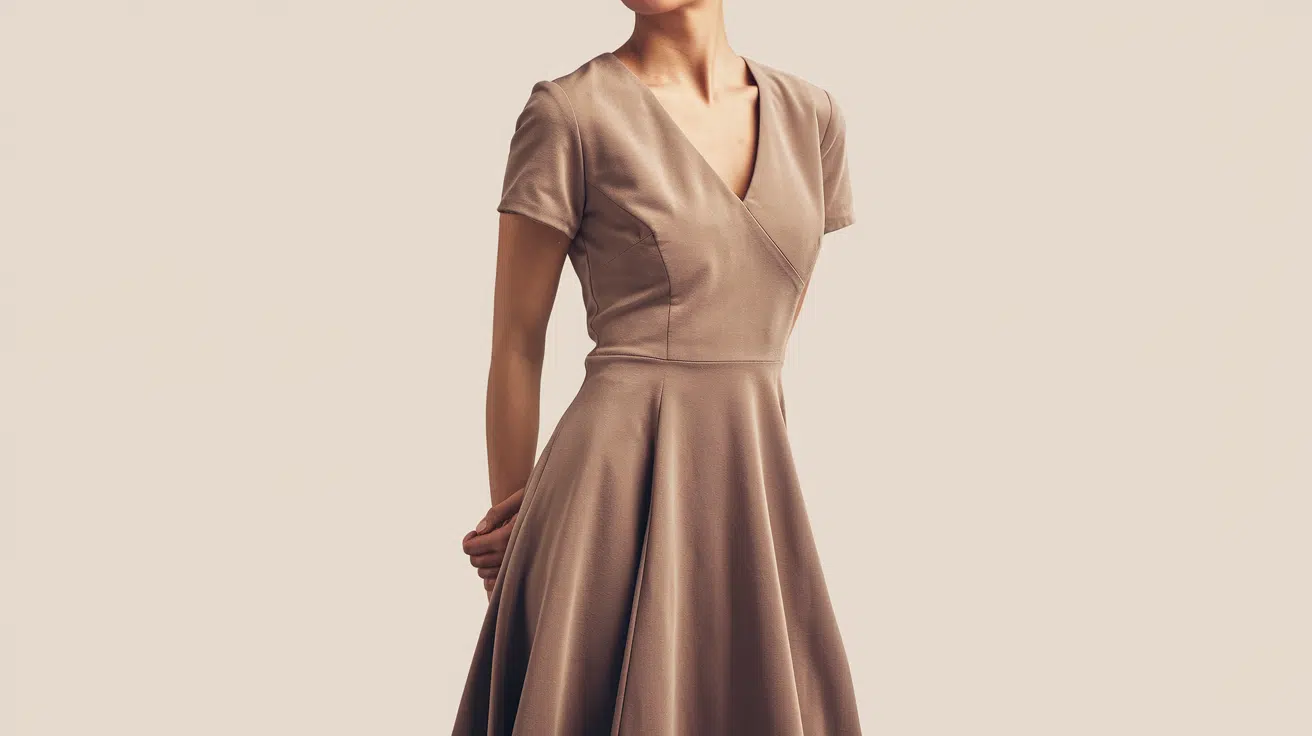
V-neck dresses naturally guide the eye downward, which helps lengthen the torso and reduce the focus on broader shoulders.
This neckline suits both casual and evening wear, giving a slimming effect without extra volume.
In fitted knits, it creates a sleek profile, while in flowing fabrics, it adds softness and movement. The V-shape ensures the attention stays centered, balancing proportions.
Tip: Choose a neckline depth that feels comfortable while still creating a vertical line.
2. A-Line Dresses
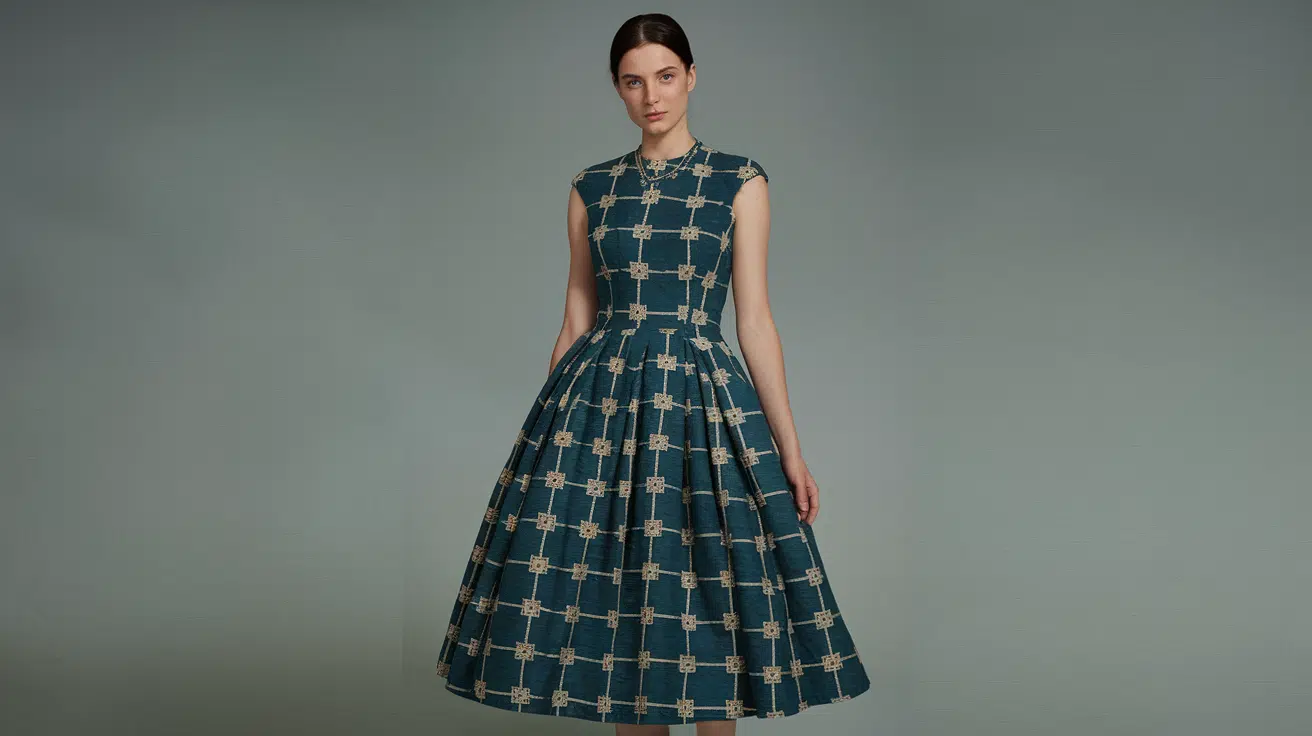
A-line dresses are one of the most flattering cuts for balancing broader shoulders because they gently flare from the waist, adding fullness to the lower half.
This shift in attention creates a natural harmony between the upper and lower body. They work beautifully in structured fabrics for professional or daytime settings and in soft draping fabrics for evenings.
The clean, simple silhouette also adapts easily to different body shapes and styles.
Tip: Look for an A-line with a defined waist seam to keep the shape crisp.
3. Off-the-Shoulder Dresses
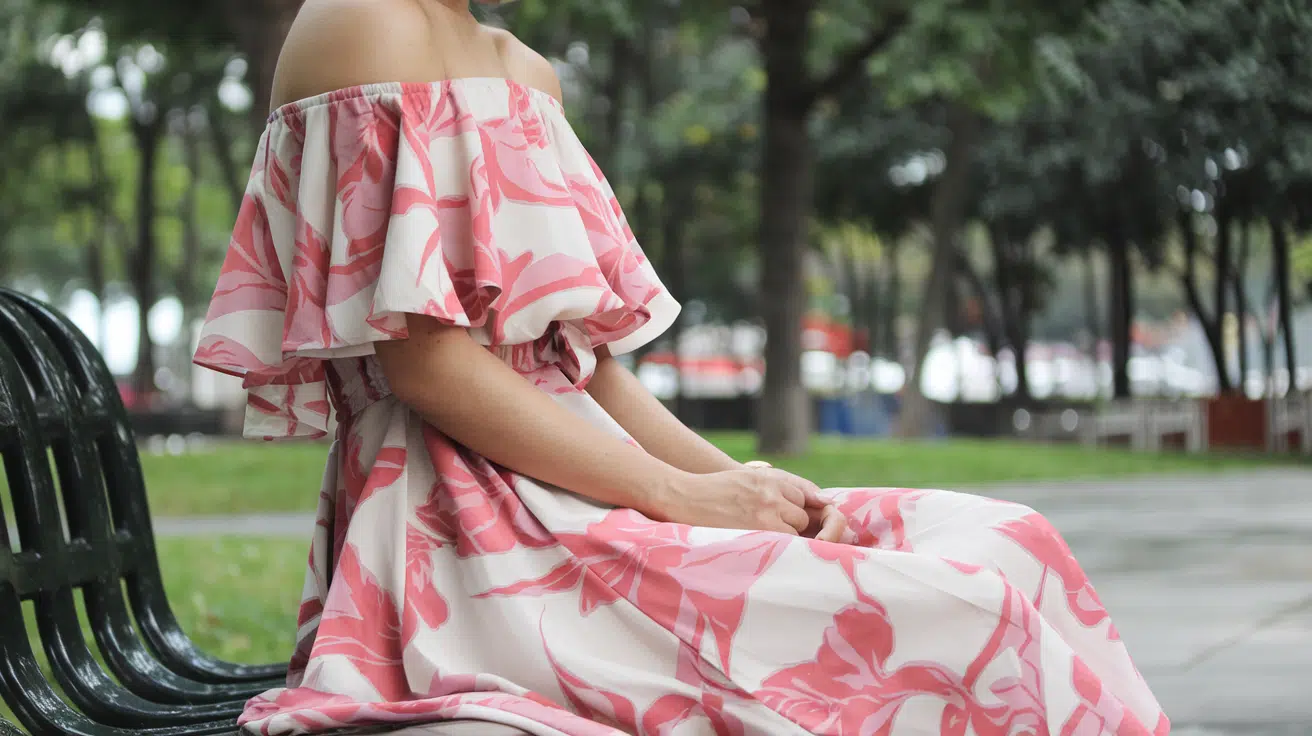
Off-the-shoulder styles frame the collarbone and arms, reducing the emphasis on shoulder width while softening sharp lines.
This neckline creates a soft, open look that works well in light fabrics like chiffon, jersey, or cotton.
It’s ideal for warm-weather gatherings, casual outings, or even semi-formal events, since it brings an air of relaxed femininity. The sloping line of fabric helps avoid a boxy silhouette, making it universally flattering.
Tip: Choose a style with elastic or fitted edges so it stays comfortably in place.
4. Wrap Dresses
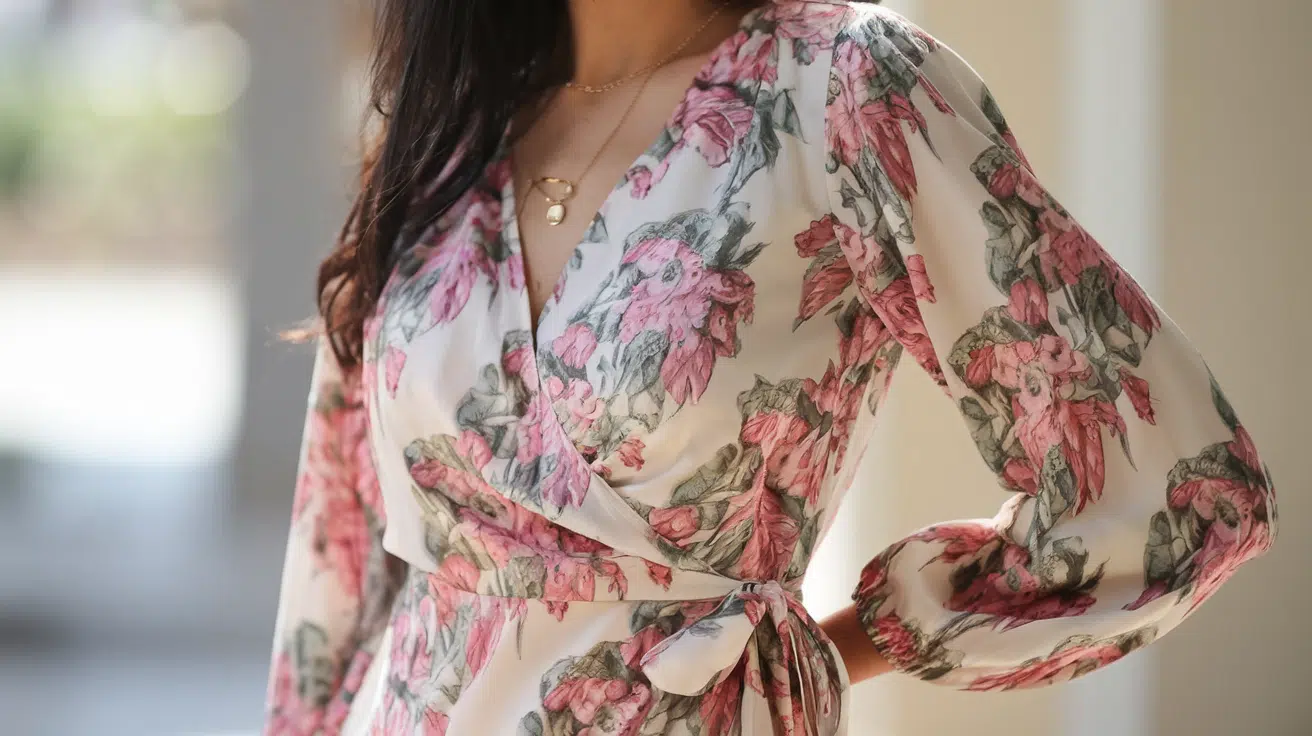
Wrap dresses are universally praised for their adjustable fit, making them perfect for defining the waist and highlighting curves.
The wrap’s diagonal lines draw the eye inward, helping balance broader shoulders. They adapt well to almost any setting, from a day at the office to weddings or dinners, and flatter a wide range of body types.
They also transition smoothly between casual and formal, depending on fabric choice.
Tip: For broad shoulders, choose a wrap with a slightly deeper neckline to elongate the neck.
5. One-Shoulder Dresses
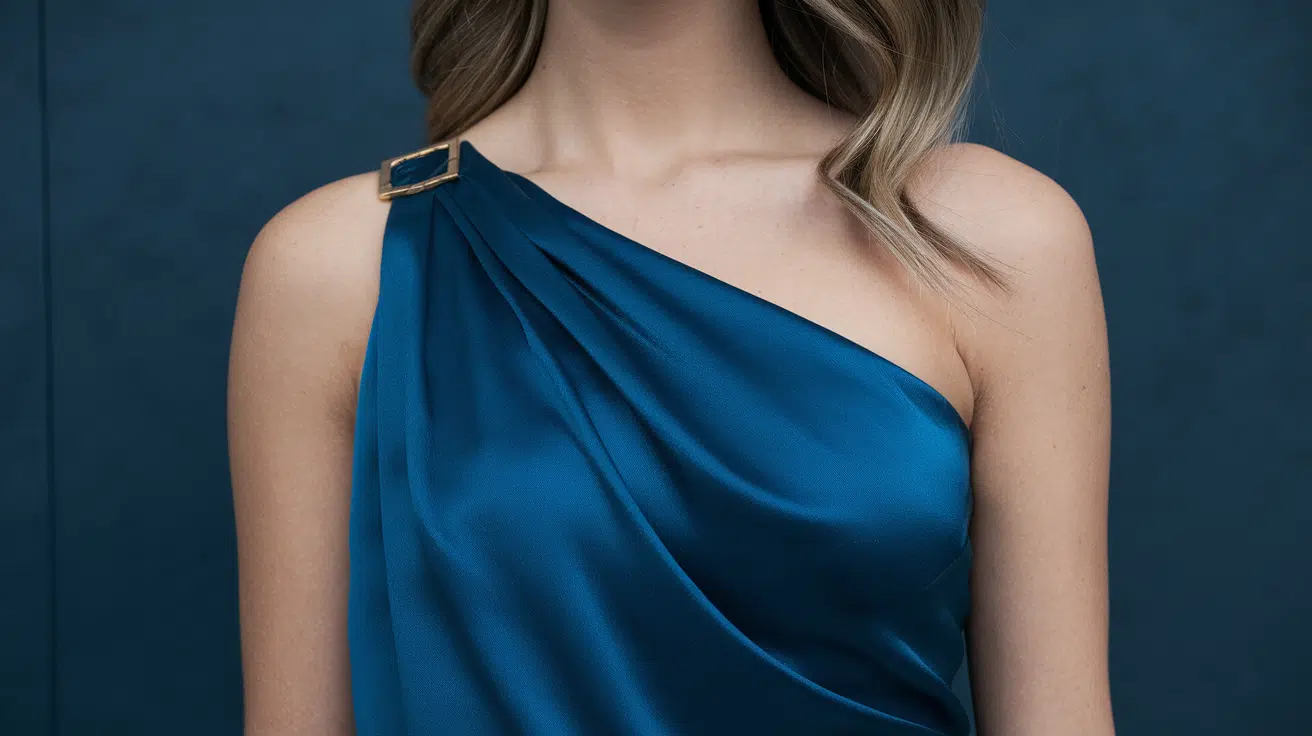
One-shoulder dresses break up the straight, horizontal line across the shoulders, instantly making them appear narrower.
This asymmetrical cut highlights the neckline, perfect for parties or evenings
In structured fabrics, the effect feels polished, while flowing materials add softness and movement. Accessories can stay minimal since the neckline is the main detail.
Tip: Keep hair styled to one side or up to show off the asymmetry.
6. Empire Waist Dresses
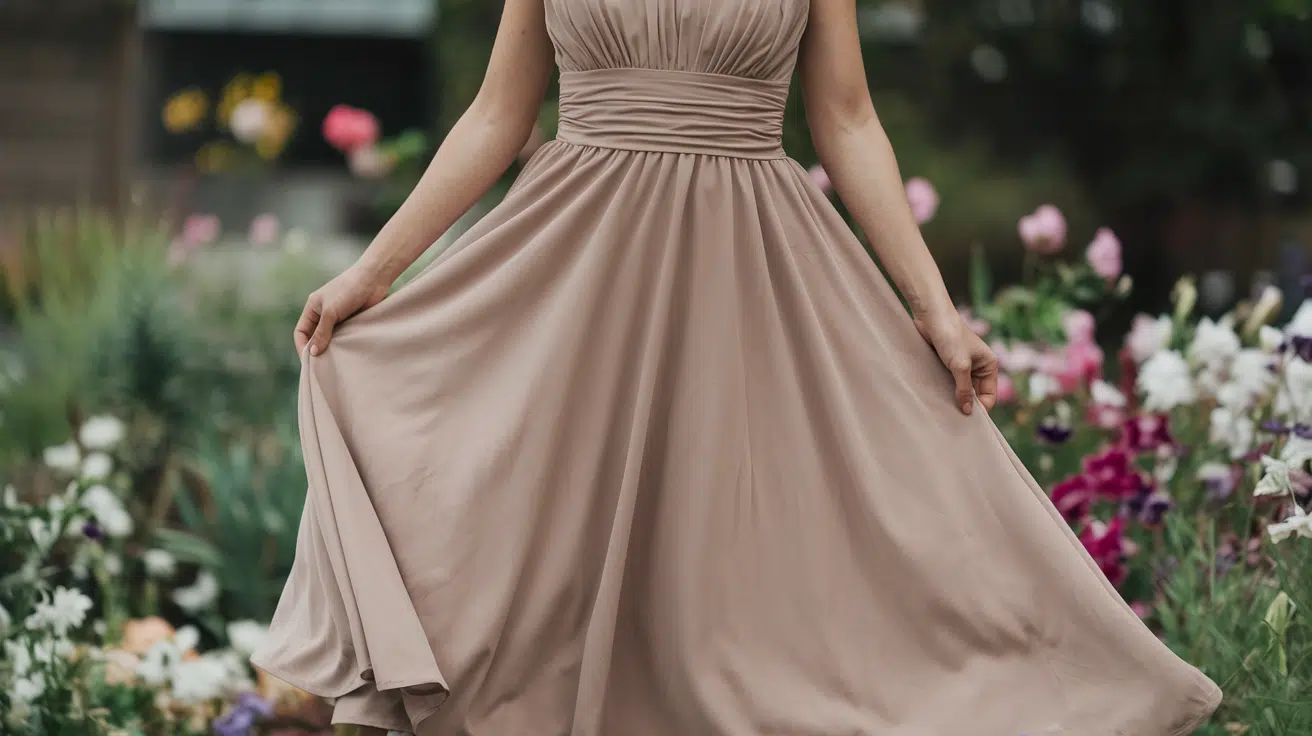
Empire waist dresses sit just under the bust, shifting focus upward and giving the appearance of longer legs. This cut is helpful for balancing broader shoulders since it draws attention away from the upper body.
Light fabrics like chiffon or cotton blends work well to create movement and softness, making them great for both casual afternoons and more dressed-up gatherings.
The high waistline keeps the look fresh and flattering.
Tip: Layer with a cropped jacket that ends above the waistline to keep proportions balanced.
7. Cowl Neck Dresses
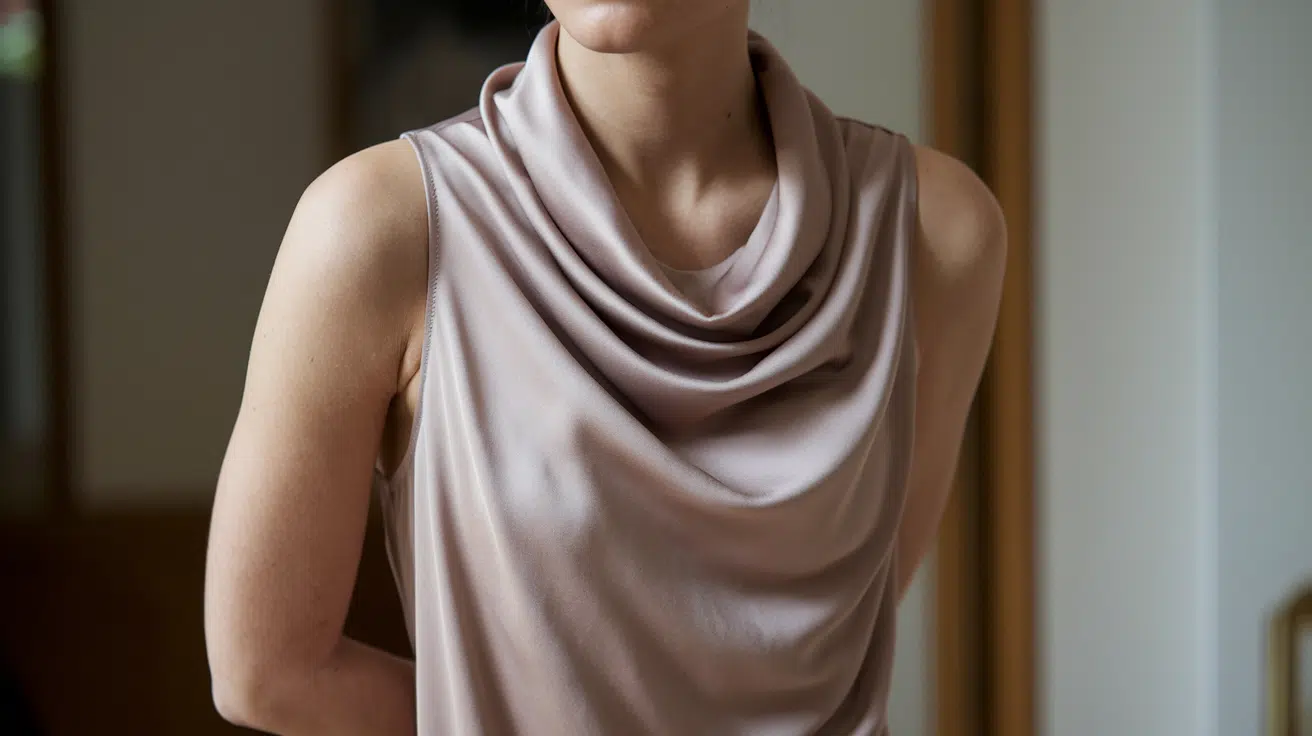
Cowl neck dresses add gentle folds around the neckline, creating softness without making the shoulders look wider.
This detail works well to break up a straight upper body line, giving depth and interest. They are versatile for day or evening wear and pair especially well with flowing fabrics like jersey or silk.
The draped neckline draws focus upward without creating harsh angles, making it a comfortable and flattering choice.
Tip: Choose a lightweight fabric that drapes naturally rather than a stiff one that holds its shape.
8. Fit-and-Flare Dresses
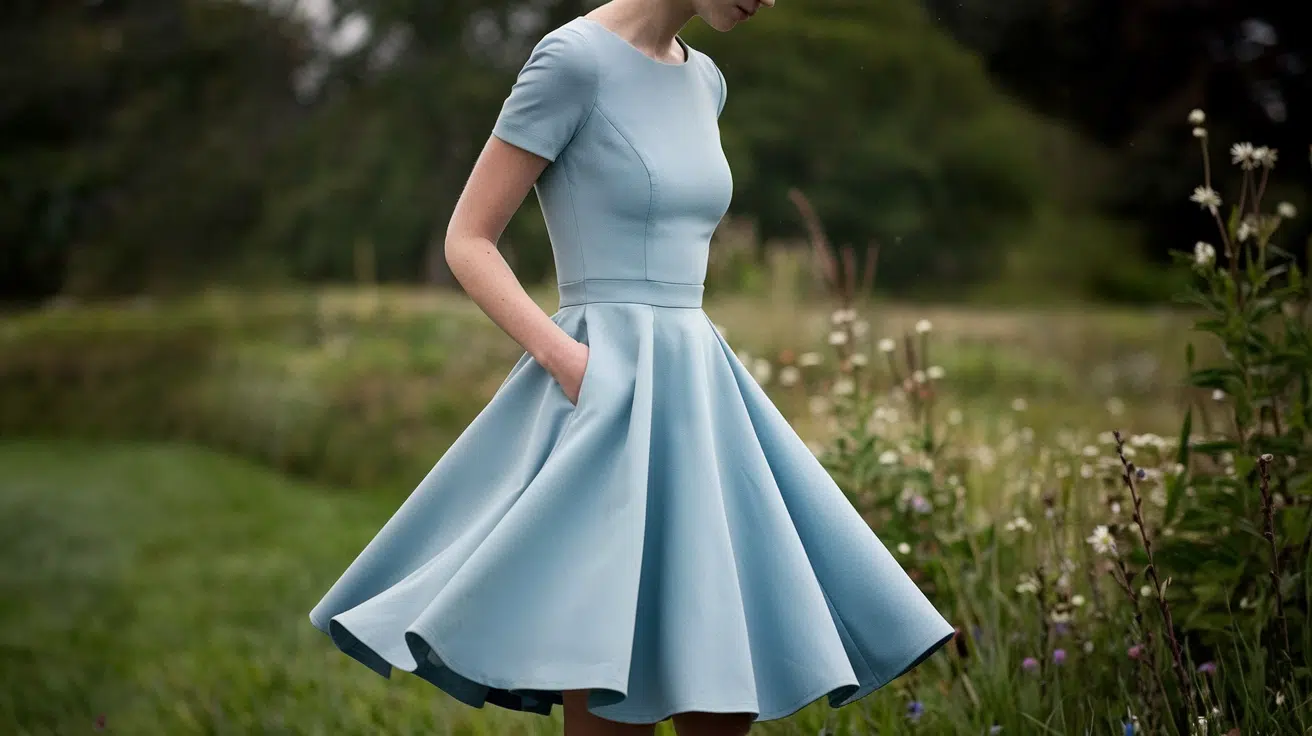
Fit-and-flare dresses hug the torso and then gradually widen from the waist, creating balance between the upper and lower body.
This cut softens broad shoulders while adding shape at the hips, producing a natural sense of proportion.
Depending on fabric and accessories, it can be worn casually during the day or styled for evening occasions. Its adaptability makes it a reliable option for many different body types and events.
Tip: Look for a design with subtle seams or darts for a cleaner, tailored fit.
9. Boat Neck Dresses (with Structured Waist)
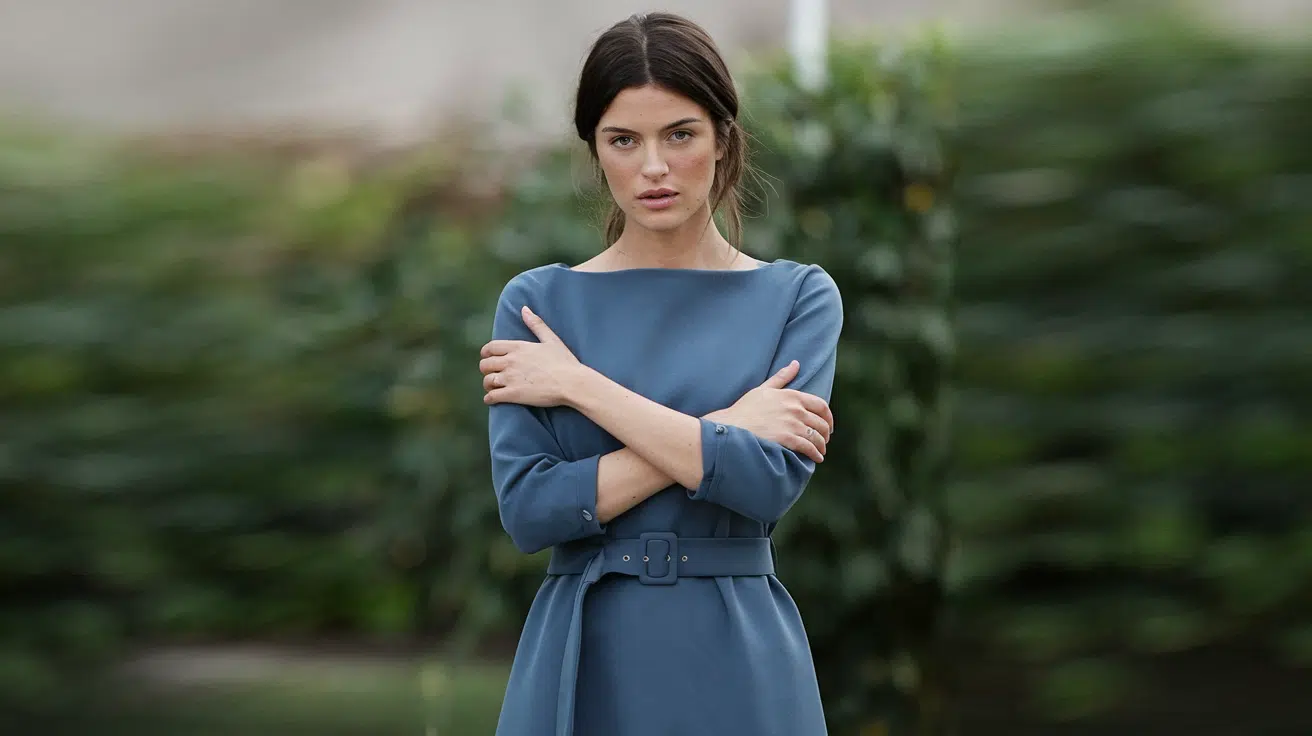
Boat necklines stretch across the collarbone and can make shoulders appear broader, but when combined with a defined waist, the effect becomes balanced.
The waist creates structure and directs attention inward, avoiding a top-heavy look.
This type of dress is practical for office wear or semi-formal events, working well in structured fabrics that hold shape. Pairing it with a waist detail ensures the proportions stay flattering and neat.
Tip: Add a slim, contrasting belt to highlight the waist and break up the neckline’s width.
10. Princess Seam Dresses
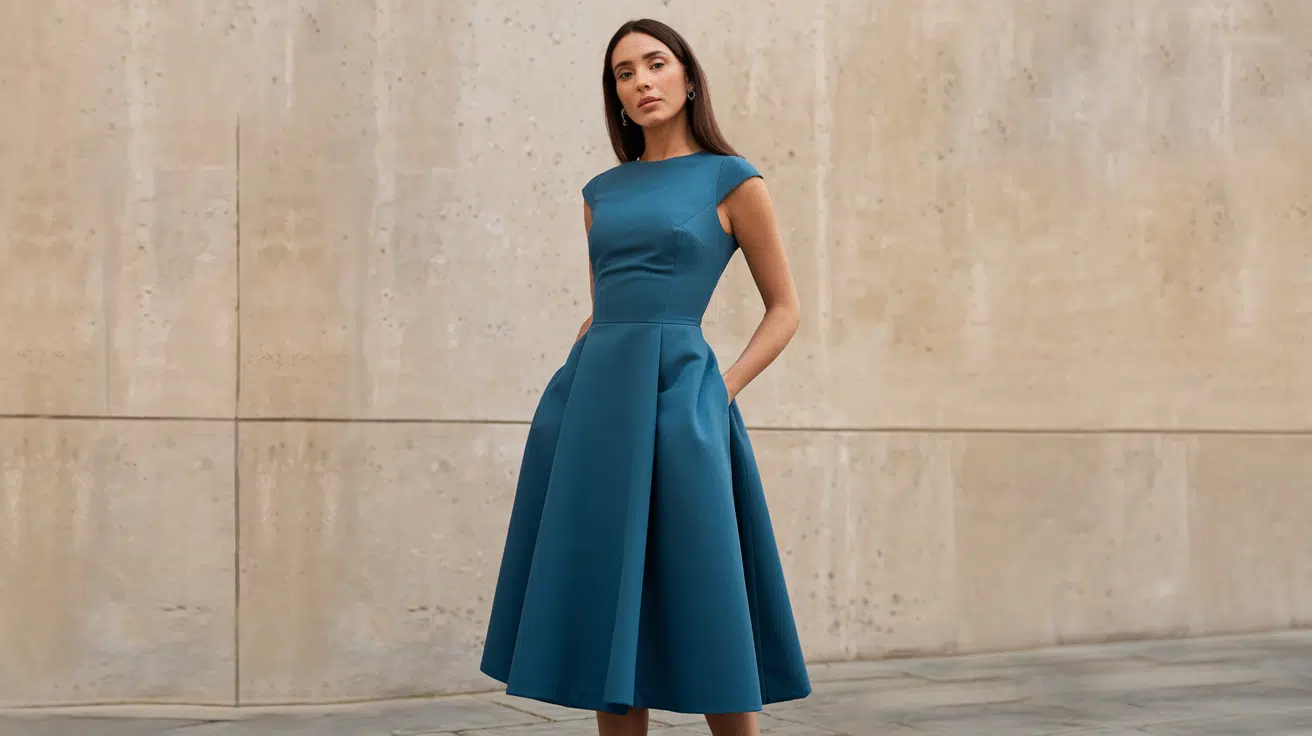
Princess seam dresses feature vertical lines that run from the shoulder or armhole down to the hem, helping lengthen the torso.
These seams give shape without being overly tight, making them a solid choice for balancing broader shoulders. Solid fabrics highlight the clean lines, while subtle prints add variety.
This cut works well for both casual and formal settings, as it provides structure while keeping the overall look natural..
Tip: Choose a medium-weight fabric that holds the seam shape without feeling rigid.
11. Bias-Cut Dresses
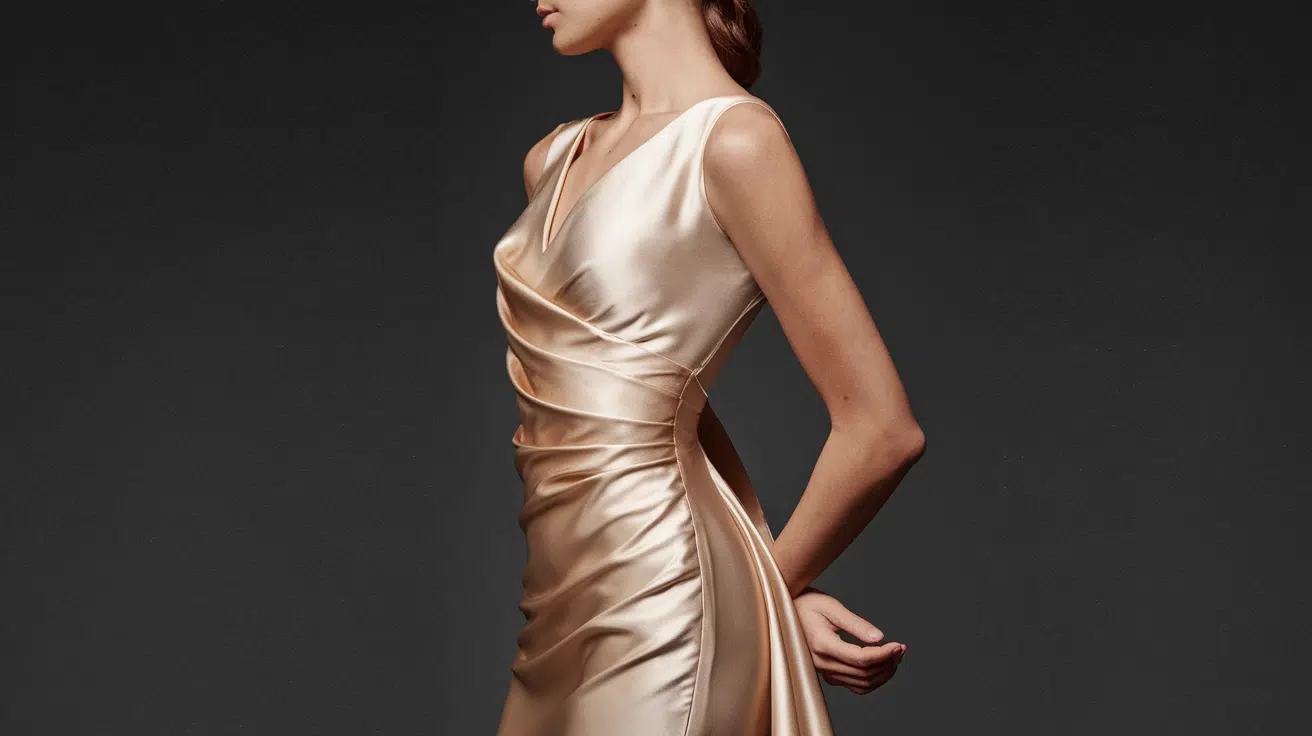
Bias-cut dresses are made by cutting fabric at an angle, allowing it to fall smoothly over the body. This method creates a natural drape that softens the shoulders and moves with ease.
The cut avoids stiffness and creates a flattering outline without clinging too much.
It’s a style that works well in fabrics like satin or crepe, making it suitable for daytime wear, dinners, or casual gatherings with a polished touch.
Tip: Look for bias cuts in satin or crepe for a smooth, body-skimming finish.
12. Peplum Dresses
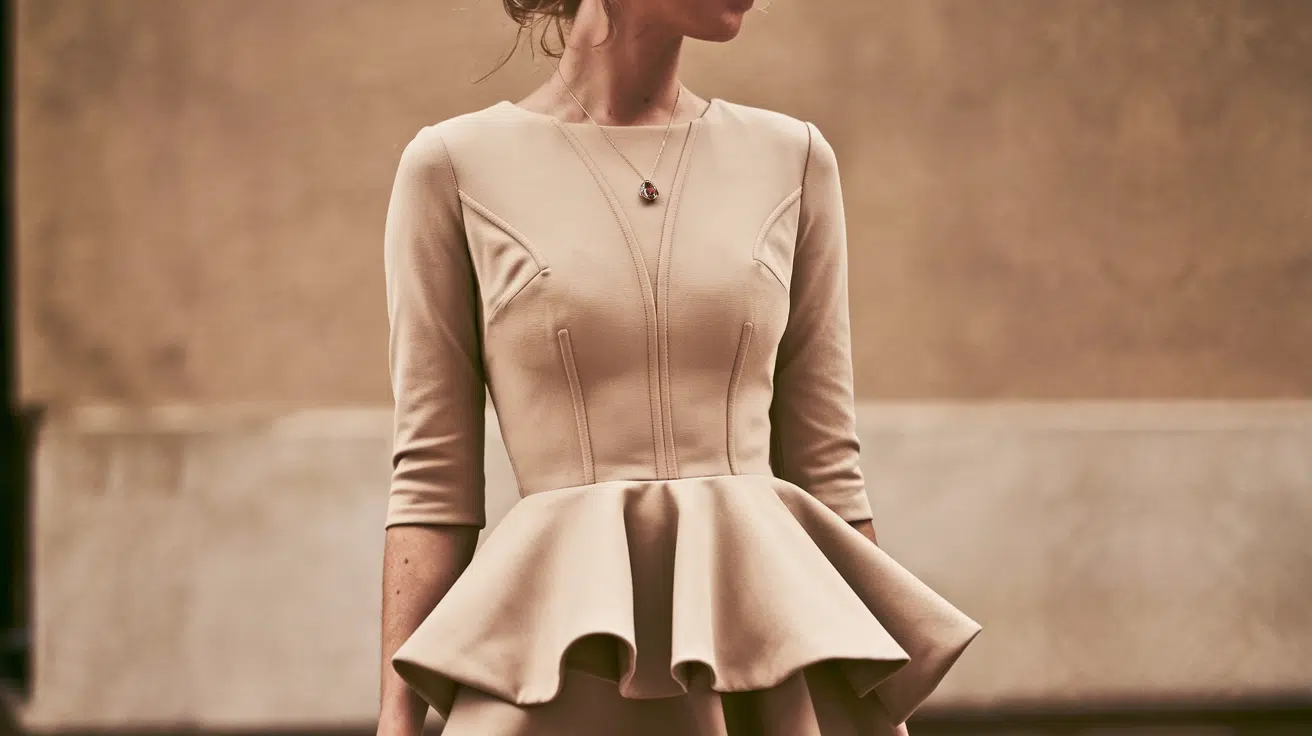
Peplum dresses include a short flared section at the waist, which adds fullness around the hips and draws attention away from the shoulders.
This effect creates a more balanced outline, making it easier to style for many occasions. Peplum cuts work for office wear, dinners, or events, depending on fabric choice.
The small flare introduces shape without overwhelming the frame, keeping proportions in check while adding interest at the waist.
Tip: Choose a peplum with gentle draping rather than sharp angles for a softer look.
13. Shirt Dresses
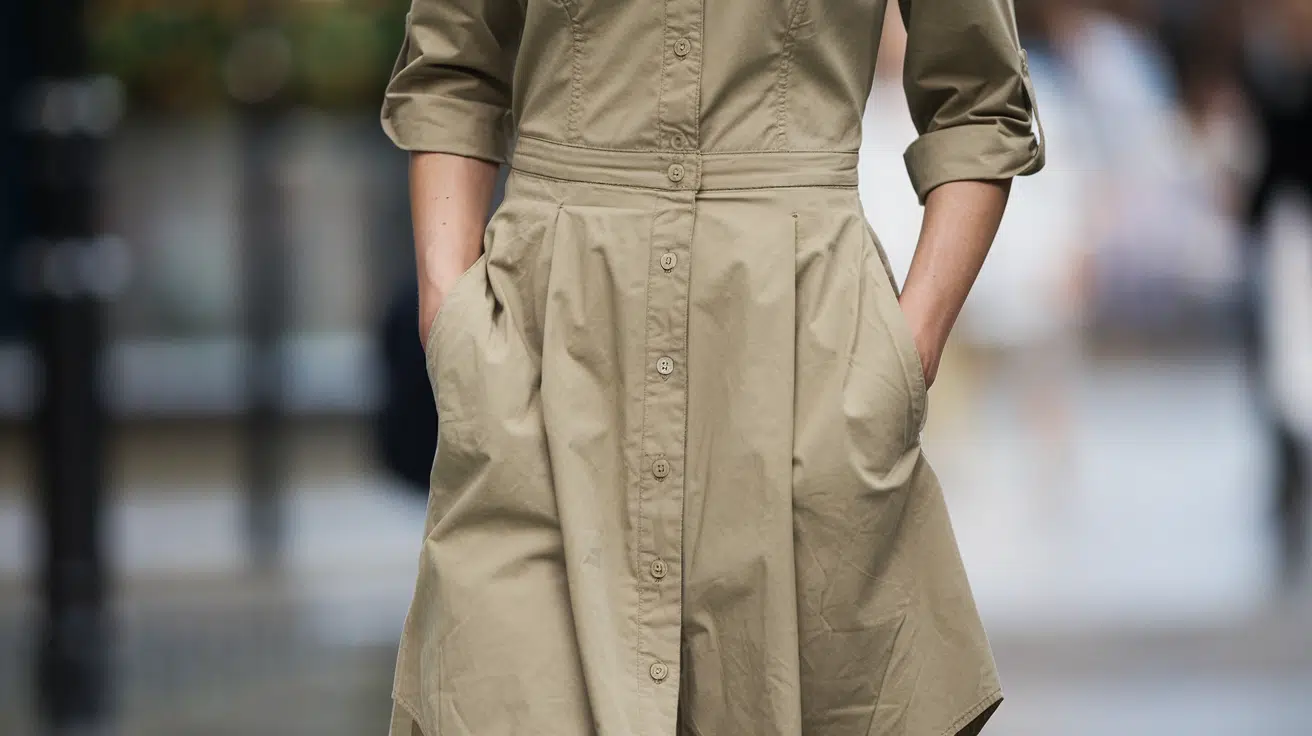
Shirt dresses combine a structured upper section with a tie or belt at the waist, making them adjustable and easy to style. They allow you to add shape without drawing too much focus to the shoulders.
The button-front makes them versatile for casual or semi-formal wear.
They can also be worn open over other outfits for layering. Rolling up the sleeves helps relax the structure and keeps the look balanced.
Tip: Pick a style with a curved hem to add movement and avoid a boxy outline.
14. Tiered Skirt Dresses
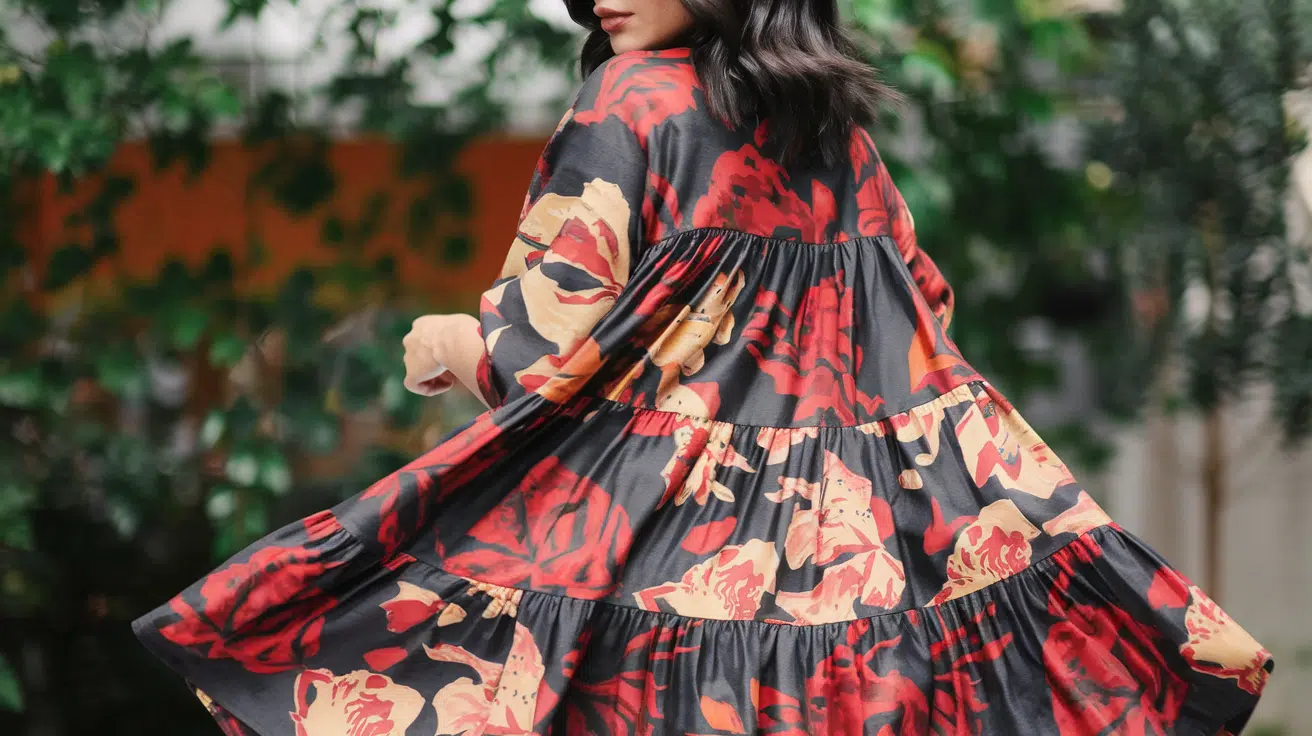
Tiered skirt dresses add volume to the lower half through layers of fabric, helping balance out broader shoulders. The added fullness directs attention downward and creates movement with every step.
This style works especially well for daytime wear, picnics, or warm-weather outings. The layered effect brings playfulness while keeping the proportions aligned.
Light fabrics like cotton add flow without bulk, keeping the dress practical and flattering.
Tip: Choose tiered skirts with varied layer lengths for a more dynamic, flowing look.
15. Square Neck Dresses
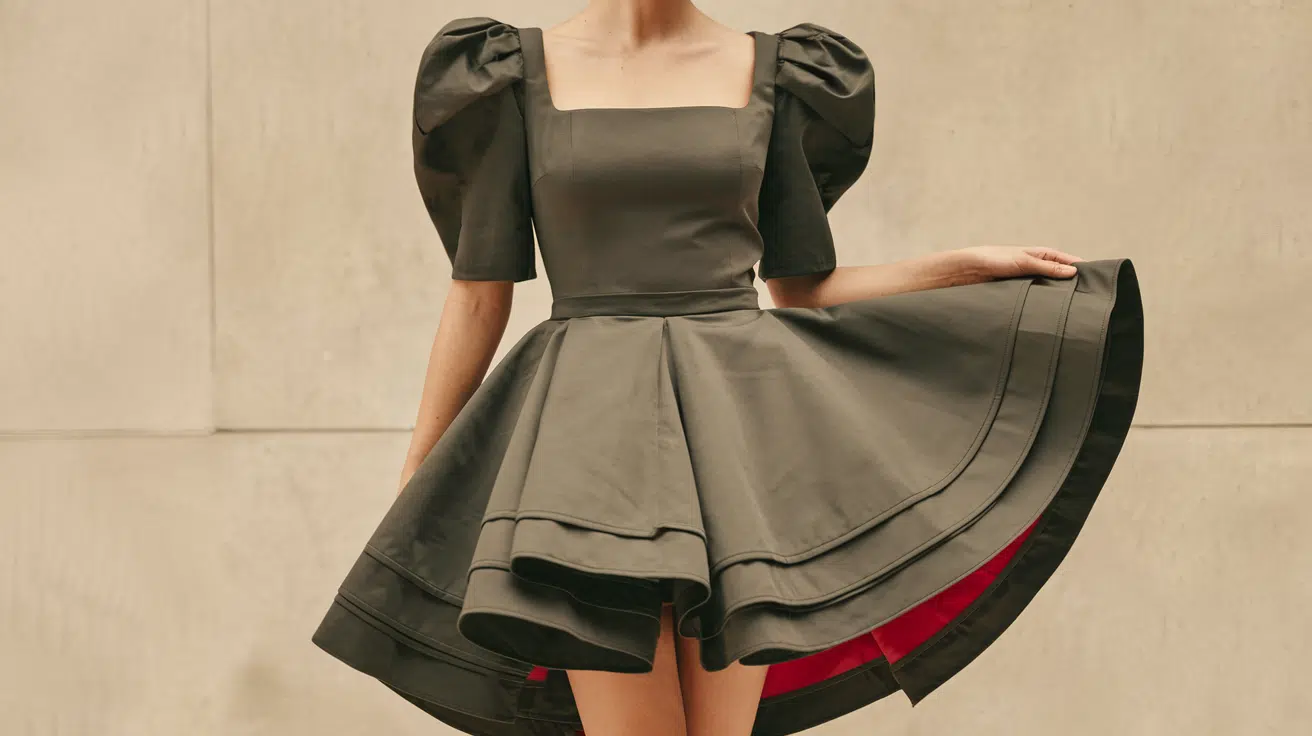
Square necklines create a structured frame that makes broader shoulders appear more proportionate. This cut highlights the bust while keeping focus away from the width of the upper body.
Square neck dresses often have a classic feel, working well for both everyday wear and more dressed-up occasions.
When paired with sleeves that start lower on the arm, the effect is even more balancing. Structured bodices ensure support and clean lines.
Tip: Look for structured bodices with a square neck to keep the shape crisp and supportive.
16. Maxi Dresses with Soft Draping
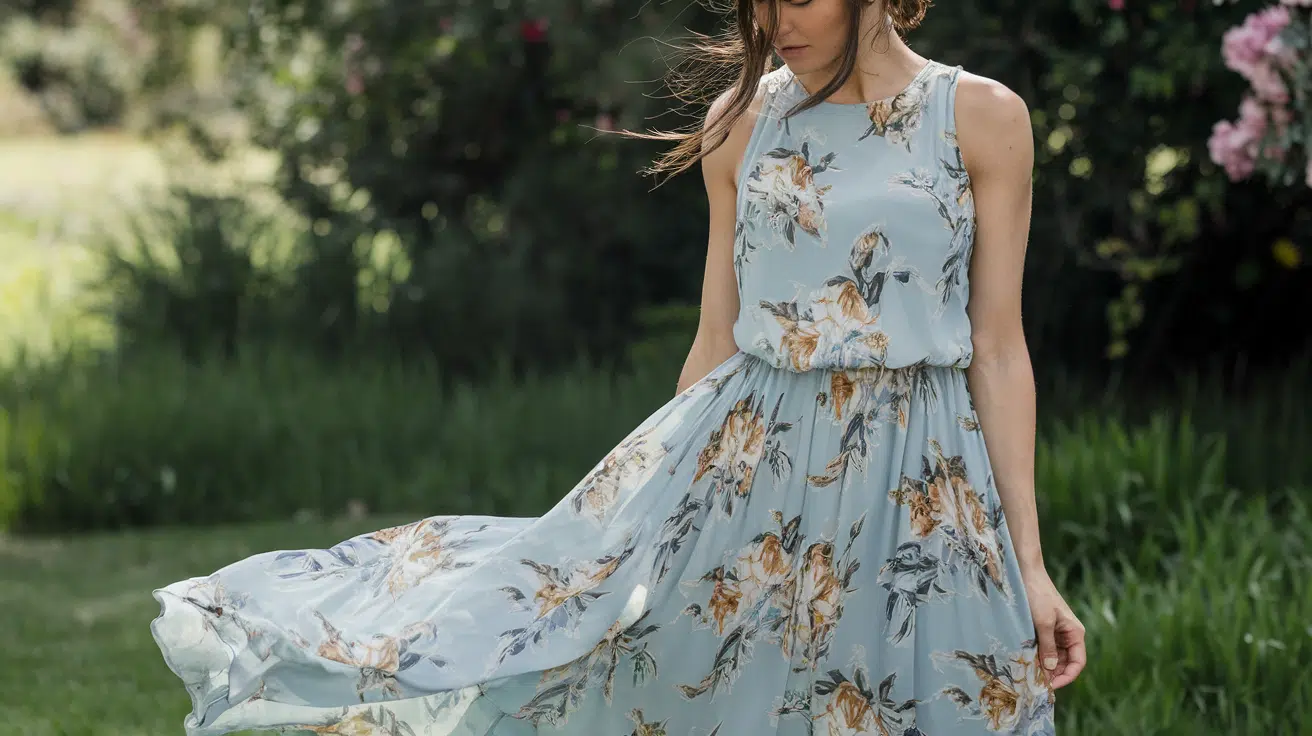
Maxi dresses in flowing fabrics fall gently over the shoulders and down the body, reducing focus on angular lines. The long length adds presence while the soft draping keeps the outfit comfortable and balanced.
This style works across many settings, from beach days to casual afternoons or even more formal occasions, depending on fabric choice.
A defined waist or belt can help keep shape without losing the fluid quality of the dress.
Tip: A cinched waist or belt can help maintain shape without losing the softness.
17. Layered Sleeve Dresses
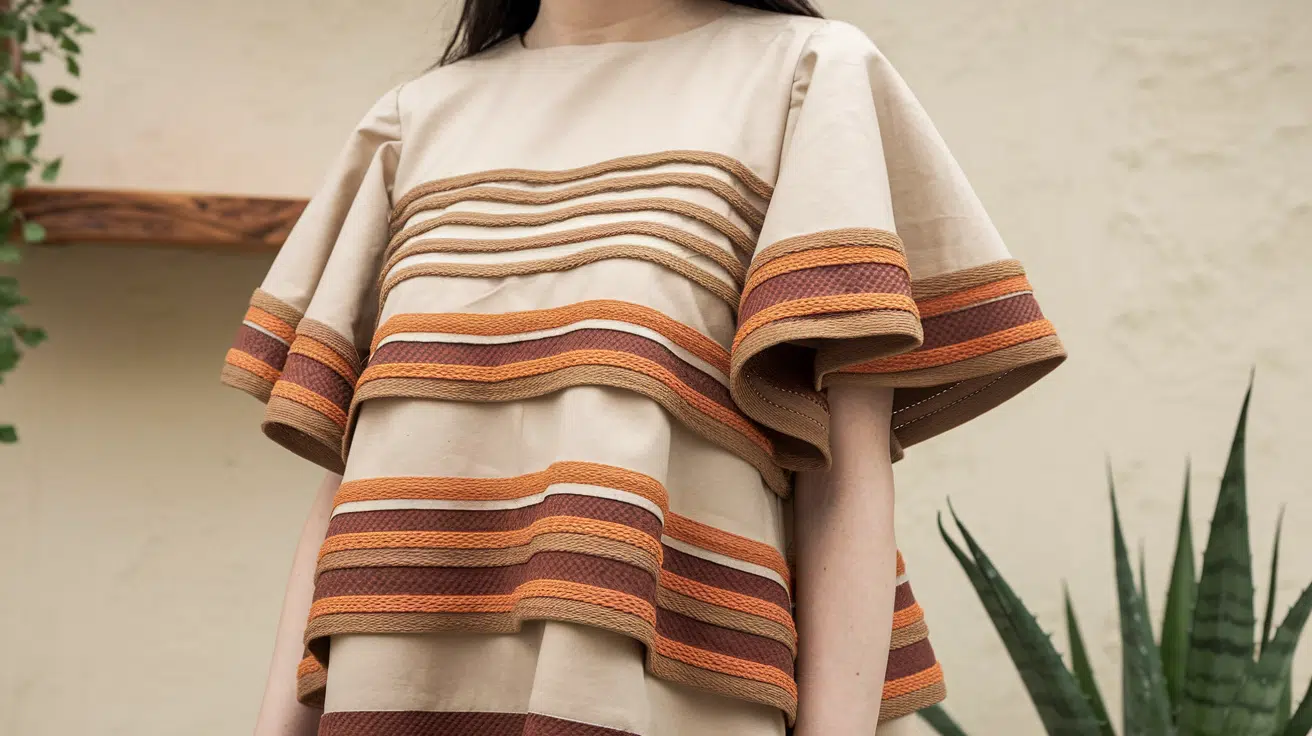
Layered sleeve dresses use flutter, ruffle, or tiered fabrics to soften the outline of the shoulders. These added layers create movement and direct attention away from width, leaving a lighter and more balanced shape.
Airy fabrics work best since they drape softly rather than holding rigid forms.
This style fits well for casual settings, garden parties, or daytime events, offering comfort while keeping proportions in line. The soft sleeves ensure the look stays balanced.
Tip: Choose sheer or lightweight materials for the sleeves so they drape rather than puff out.
Mistakes to Avoid when Picking Dresses for Broad Shoulders
What you leave out can matter as much as what you wear. Below are some things that can work against you:
- Horizontal stripes at shoulder height visually widen the area.
- Puffy sleeves at the top add unnecessary bulk to the shoulders.
- High necklines with no waist definition can make the upper body look boxy.
Avoiding these common mistakes will make it easier to find dresses that flatter your shoulders and balance your overall look.
Fabrics and Patterns that Flatter Broad Shoulders
The right fabrics and patterns can soften broad shoulders and create a balanced, flattering look without sacrificing comfort.
| Fabric / Pattern | Why It Works? |
|---|---|
| Chiffon, Silk, Jersey | These flowing fabrics drape softly over the upper body, reducing angular lines. |
| Vertical Patterns | Guide the eye up and down, creating a lengthened look. |
| Diagonal Designs | Add movement and break up shoulder width visually. |
| Lightweight Cotton Blends | Offer structure without stiffness, maintaining balance. |
Conclusion
Finding dresses that work for broad shoulders doesn’t have to feel like trial and error anymore.
Once you understand how to create balance, with the right necklines, shapes, and fabrics, it’s easier to choose pieces that feel good and look great.
Each style helps soften the upper body, highlight features, and create balance while staying comfortable. The goal isn’t to hide your shoulders, but to dress in a way that complements them.
Whether for work, a night out, or the weekend, this guide shows styles that flatter your shape.
Use these tips as your personal checklist, and you’ll walk away from the dressing room feeling confident about your choices every time.