Hair fall can feel confusing at first. One day it seems normal, and the next day it feels like something has changed.
Many women notice extra strands on the pillow, in the shower, or while brushing, but the reason is not always clear. It is easy to think it is only about family history, but that is not always true.
Alopecia in women can be linked to hormones, stress, poor nutrition, medical conditions, scalp problems, or even certain medicines.
Certain causes are temporary, while more persistent cases may require ongoing care and attention.
In this blog, you will read about the main types of hair loss, common triggers behind it, health issues that may play a part, and the signs that indicate when it is time to get checked.
What Female Alopecia Areata Actually Means?
Alopecia areata in women is an autoimmune condition in which the body’s immune system mistakenly attacks healthy hair follicles.
This leads to hair falling out in round or oval patches, often about the size of a coin. The skin under these patches usually looks normal. There is no scarring, flaking, or redness.
This distinguishes it from female pattern hair loss, in which hair slowly thins over the crown due to sensitivity to androgens.
It is also not the same as telogen effluvium, traction alopecia, or frontal fibrosing alopecia.
In some women, more than one type of hair loss can happen at the same time, which is why a proper diagnosis is important before treatment starts.
A dermatologist may check the pattern of hair loss, do a pull test, and ask about health history. Alopecia areata can also affect the nails, causing pitting, tiny dents, or a rough, sandpaper-like texture.
Common Types of Hair Loss in Women
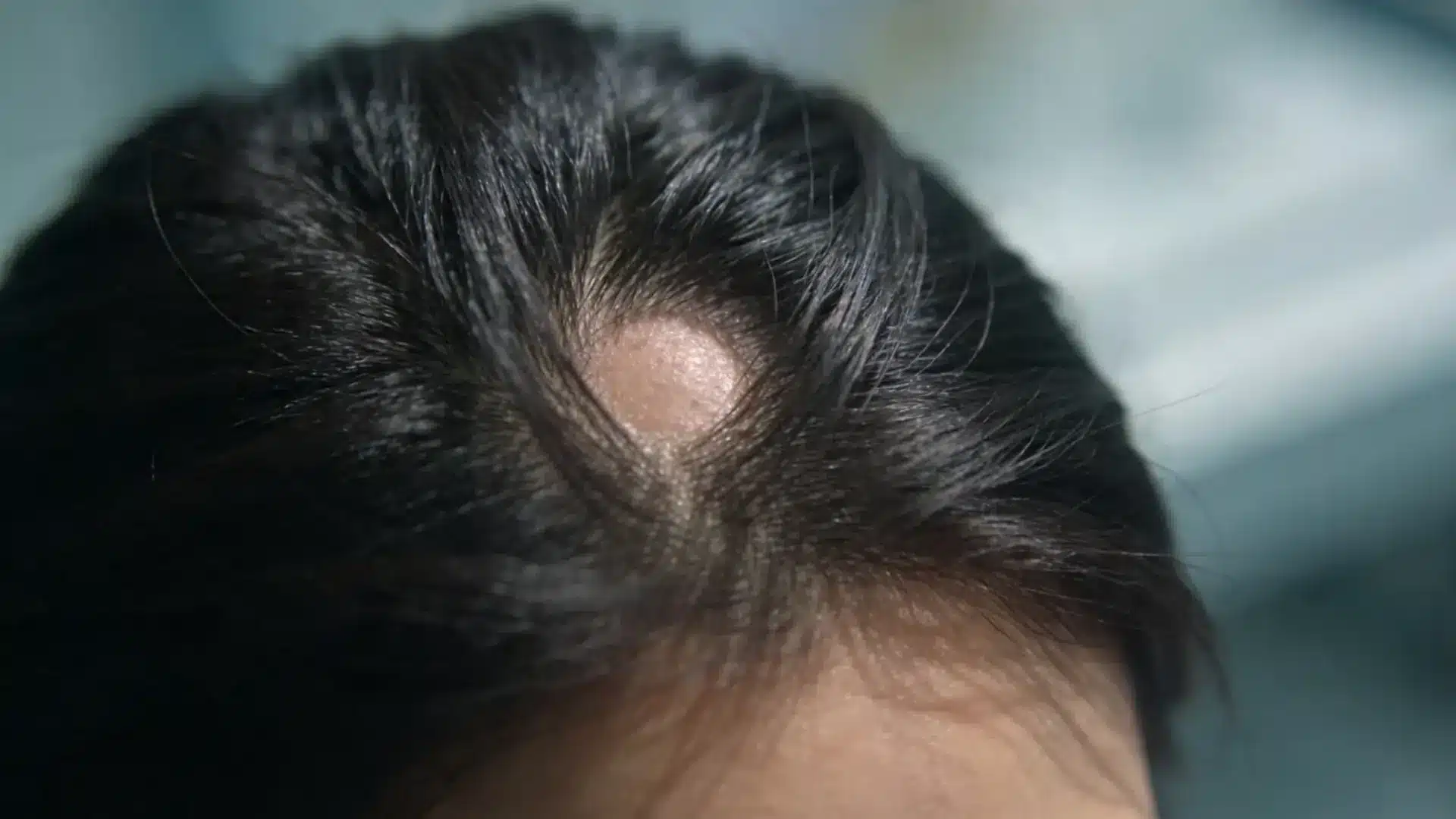
Hair loss in women can show up in different ways, depending on the cause. Each type has its own pattern, triggers, and signs to look for.
1. Female Pattern Hair Loss
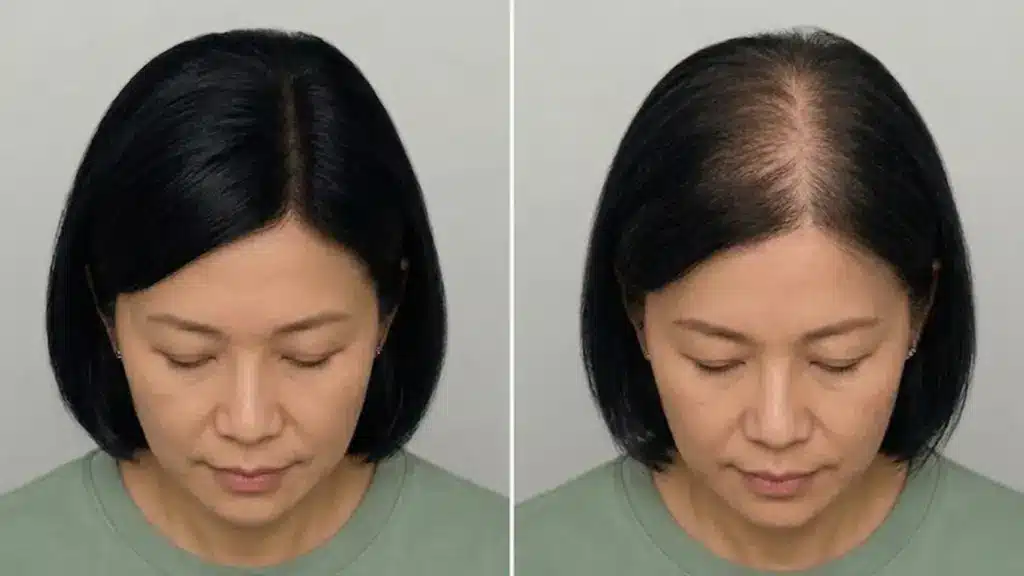
This type shows up as gradual thinning across the scalp, not sudden shedding. It often starts with a wider part line, which becomes more noticeable over time.
Unlike other forms, it does not lead to complete bald patches. The hair strands become finer and shorter as follicles shrink.
This change happens slowly, so it may go unnoticed in the early stages. Hormones and genetics both play a role here, making it one of the most common forms of hair loss in women.
2. Telogen Effluvium
Telogen effluvium leads to sudden and noticeable hair shedding. It usually happens after physical stress, illness, or a major life event.
Hair enters the resting phase earlier than usual, causing more strands to fall out at once. You may see more hair in the shower, on pillows, or while brushing.
This type does not create bald spots but reduces overall volume. The good part is that it is often temporary, and hair tends to grow back once the trigger is managed.
3. Traction Alopecia
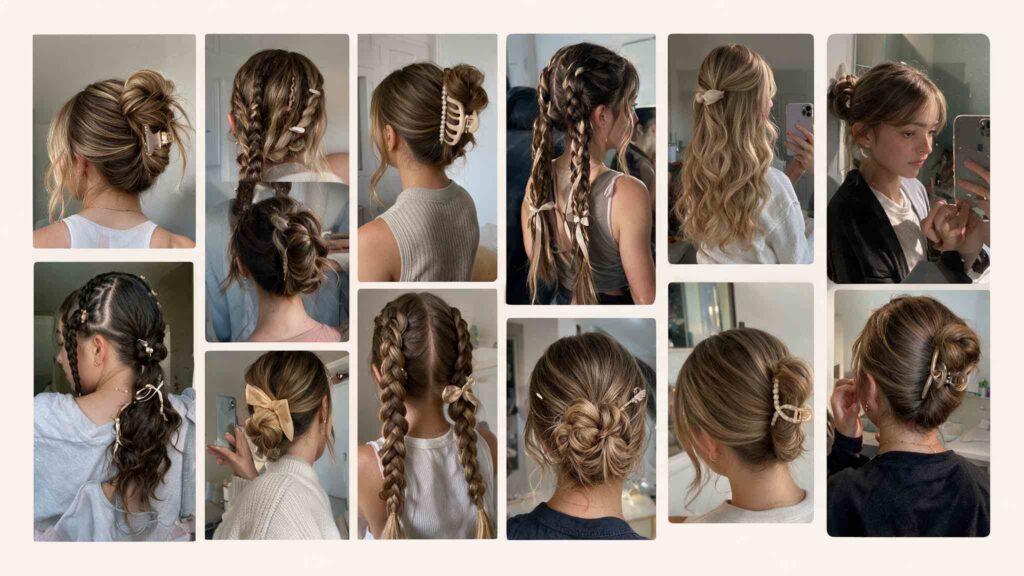
Traction alopecia happens due to repeated tension on the hair over time. Tight hairstyles like ponytails, braids, or buns can pull on the roots, weakening them.
This often leads to hair loss along the hairline or at the temples. At first, it may look like slight thinning, but continued stress can cause permanent damage.
Early signs include small bumps, tenderness, or breakage in the affected area. Changing hairstyles and reducing tension can help prevent further hair loss.
How Hormonal Changes Can Trigger Hair Loss
Hormones play a direct role in the hair growth cycle. They control when hair grows, rests, and sheds. When hormone levels shift, this cycle can be disrupted, leading to increased hair fall.
One common cause is PCOS, where higher androgen levels can shrink hair follicles and lead to thinning, especially near the crown.
Polycystic ovary syndrome affects around 10% of women of reproductive age and is one of the more common underlying causes of hair thinning and texture changes that women notice in their twenties.
Thyroid problems also affect hair health. Both low and high thyroid levels can slow down hair growth and increase shedding across the scalp.
Another phase where changes are common is after pregnancy. During pregnancy, hair often feels thicker, but after delivery, hormone levels drop, which can cause noticeable shedding for a few months.
In most cases, this settles over time, but it can still feel alarming. Understanding these hormonal triggers helps find the right way to manage hair loss, rather than guessing the cause.
Causes of Alopecia in Women
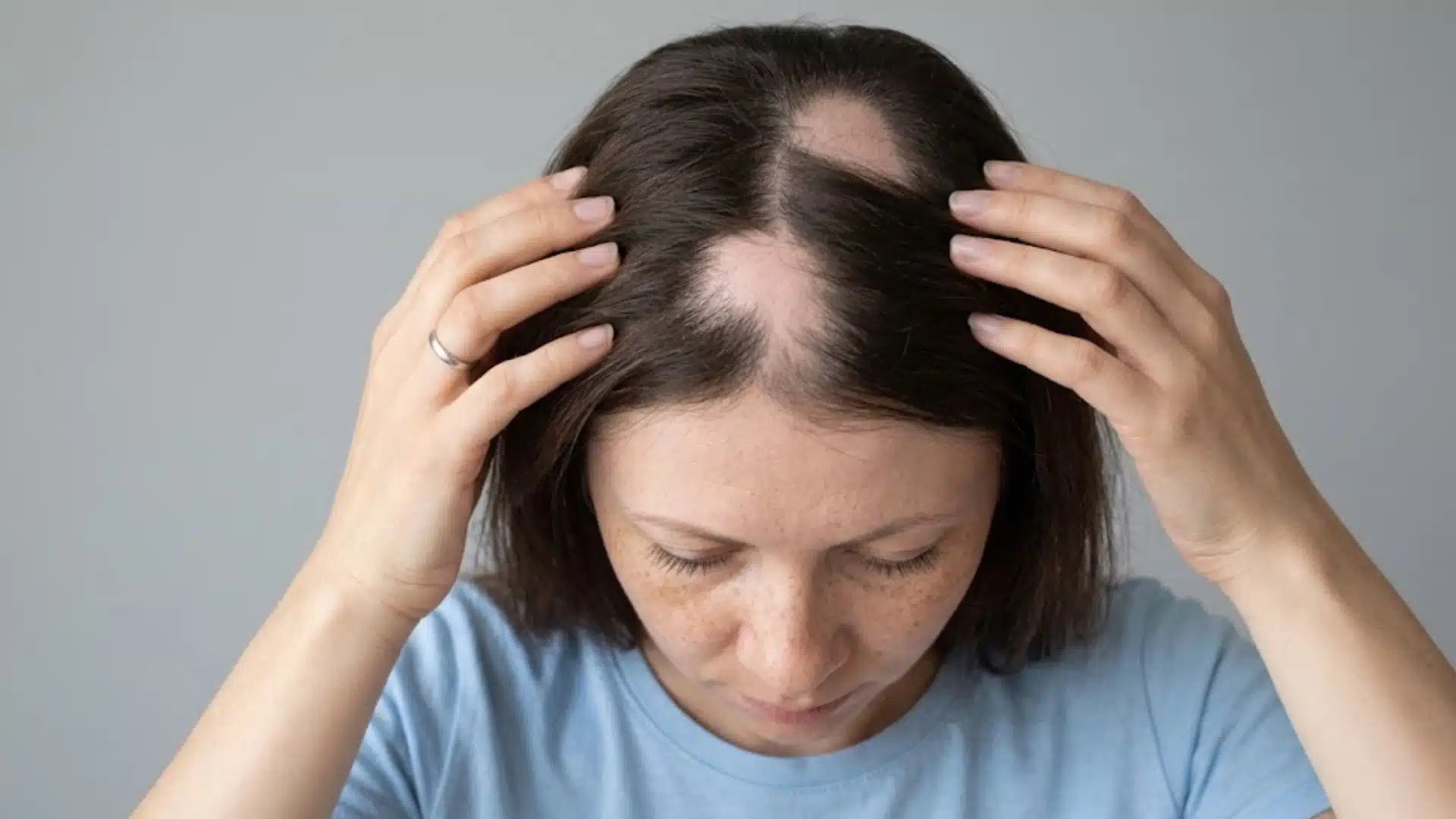
Hair loss in women can come from various sources, and finding the exact cause is not always straightforward without considering multiple factors.
Low Iron Levels
Low iron levels can weaken hair by reducing oxygen supply to the roots, which leads to increased shedding over time.
Underlying Health Conditions
Underlying health issues, such as thyroid imbalance or autoimmune conditions, can also disrupt the hair growth cycle and lead to visible thinning.
Stress and Hair Shedding
High stress levels, whether emotional or physical, can push hair into the shedding phase earlier than expected, resulting in sudden hair fall.
Lifestyle Habits
Poor lifestyle habits like lack of sleep, crash dieting, or frequent use of heat styling tools can further weaken hair and increase breakage.
Medication Side Effects
In some cases, medication side effects may also play a role, as certain drugs can disrupt normal hair growth patterns and lead to temporary or ongoing shedding depending on the treatment.
Signs of Hair Loss in Women That Should Not Be Ignored
Some hair shedding is normal and part of the natural growth cycle. But certain signs point to something more and should not be ignored.
- Ongoing shedding: Consistent hair fall that lasts beyond two to three months without any clear change in health, routine, or stress levels
- Patchy hair loss: Visible round or oval areas where hair is missing, while the scalp underneath looks smooth and normal
- Widening part line: A part that keeps getting wider or thinner over time, often more noticeable around the crown area
- Delayed shedding after stress: Hair fall that begins two to four months after a major illness, surgery, sudden weight change, or a stressful phase
- Nail changes: Small dents, ridges, or a rough texture on the nails, appearing along with hair loss
- Other body symptoms: Hair loss, fatigue, weight changes, feeling unusually cold, or irregular periods
- Hairline stress signs: A receding hairline or soreness near the roots after regularly wearing tight hairstyles
Treatment Options for Alopecia
Treatment depends entirely on which type of alopecia a woman has. Getting the right diagnosis first makes a practical difference. The options below reflect current evidence.
- Corticosteroids: Used as injections, topical applications, or short-term oral therapy in more aggressive cases. These remain the first-line treatment for alopecia areata. Injections are most effective for small, patchy areas, while oral steroids are reserved for rapid progression and are not used long-term.
- JAK inhibitors: oral medications that target the immune pathways responsible for follicle disruption. As of 2024, FDA-approved options include baricitinib (olumiant), ruxolitinib (Ruxolitinib), and dupilumab (Dupixent). These represent a major shift in treatment, especially for moderate-to-severe cases.
- Minoxidil: available in topical and low-dose oral forms. most effective for androgenetic hair loss rather than autoimmune causes. It works by extending the hair growth phase but requires consistent, long-term use. Stopping treatment usually leads to renewed shedding.
- Nutritional correction: For hair loss driven by confirmed iron, ferritin, vitamin D, zinc, or B12 deficiency. Lab-backed supplementation produces real regrowth. Not effective as a standalone treatment for autoimmune alopecia, but it addresses compounding factors.
- Thyroid management: Treating hypothyroidism or hyperthyroidism with appropriate medication leads to hair stabilization and partial regrowth within 6–12 months. Thyroid treatment must precede hair-specific treatments for them to be effective.
Note: Alopecia treatments should be matched to the specific type and cause of hair loss. Medications like corticosteroids, JAK inhibitors, or minoxidil may not be suitable for everyone and can have side effects or medical restrictions. A dermatologist or healthcare provider usually confirms the diagnosis through scalp exams, blood work, or biopsy before starting treatment.
How Alopecia in Women is Diagnosed
Diagnosing alopecia in women usually starts with simple medical checks and a closer look at your overall health. A doctor will first ask about hair fall patterns, lifestyle, recent stress, and any health changes.
This helps narrow down possible causes. Blood tests are often done to check for iron levels, thyroid function, hormone balance, and vitamin deficiencies.
These results can reveal hidden issues that may be affecting hair growth. A scalp examination is also an important step.
The doctor looks at the pattern of hair loss, checks the condition of the scalp, and may perform a gentle pull test to assess shedding.
In some cases, further tests may be recommended. Early diagnosis matters because it helps identify the exact cause sooner, making treatment more effective and preventing further hair loss.
Conclusion
Female alopecia areata can feel confusing at first, but understanding the condition makes treatment decisions clearer.
Hair loss patterns, triggers, and symptoms often become easier to manage once the underlying cause is identified properly.
Early diagnosis can improve treatment response and help reduce unnecessary stress or trial-and-error approaches.
Patchy hair loss, sudden shedding, or nail changes should not be ignored, especially if symptoms continue to progress.
The next step is simple: speak with a qualified dermatologist, confirm the cause, and follow a treatment plan based on the specific type of hair loss.
Frequently Asked Questions
Can Alopecia in Women Spread to Other Parts of the Body?
Yes, in some cases, hair loss can extend beyond the scalp. It may affect eyebrows, eyelashes, or other body hair, depending on the type and severity.
Does Washing Hair Frequently Increase Hair Loss?
No, washing hair does not cause hair loss. It may seem like more hair is falling, but those strands were already in the shedding phase.
Is Alopecia in Women Related to Age?
Hair loss can happen at any age, but the causes may differ. Younger women often face hormonal or stress-related triggers, while age-related thinning is more gradual.