Acne scars can make your skin look uneven, even after breakouts are gone. Some marks fade on their own, while deeper scars may stay for a long time.
That is why skin care needs patience, not panic. Many people search for how to get rid of acne scars because they want simple steps that feel safe and easy to follow at home.
In this blog, you will learn about over-the-counter products, home remedies people often try, and daily skin care habits that may help scars look softer over time.
I will also cover what real users say works for them, what mistakes can slow progress, and when it may be better to see a dermatologist.
The goal is simple: clear, useful advice without making skin care feel confusing.
What are Acne Scars?
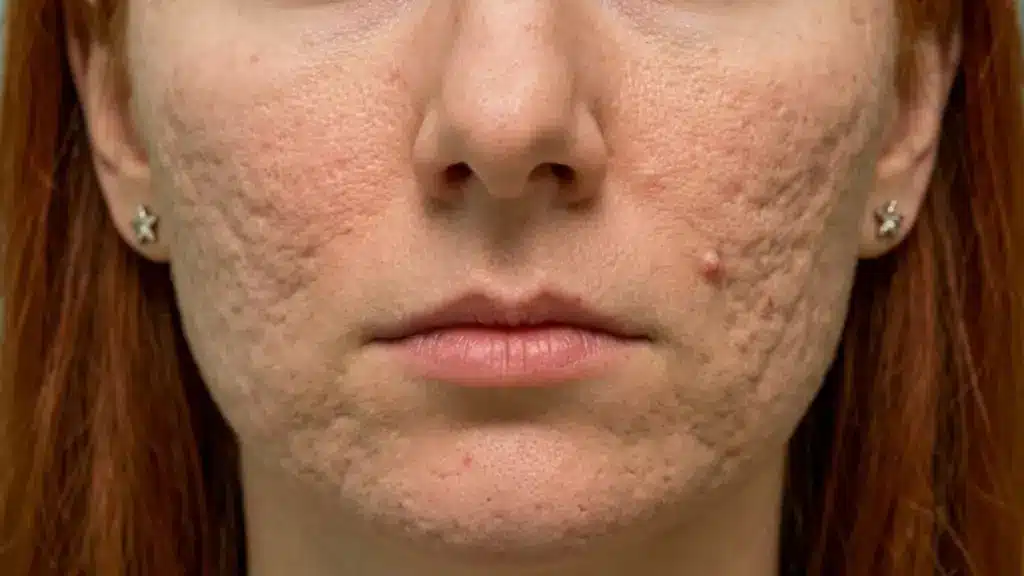
Acne scars are permanent or long-lasting changes in the skin that develop after acne lesions heal.
They can appear as dark spots, red marks, raised bumps, or small dents in the skin, depending on how deeply the acne damaged the tissue.
There are a few distinct types worth knowing:
- Ice pick scars: Deep, narrow holes that look like small punctures. The most common atrophic scar type.
- Boxcar scars: Wider, round or oval depressions with defined edges.
- Rolling scars: Shallow but uneven, caused by bands of scar tissue pulling beneath the skin surface.
- Hypertrophic or keloid scars: Raised, thickened scars from excess collagen. Less common with acne.
- Post-inflammatory hyperpigmentation (PIH): Flat dark spots, more visible on medium to deep skin tones.
- Post-inflammatory erythema (PIE): Flat red or pink marks, more common on lighter skin tones.
Scars can stay longer when acne is deep, painful, or picked too often. Skin type also matters; some people heal faster, while others take years to fade scars.
Home care and over-the-counter products may help mild scars look softer over time. Regular use of sunscreen, retinol, or gentle exfoliants can gradually improve skin texture.
How to Get Rid of Acne Scars with Over-The-Counter Products
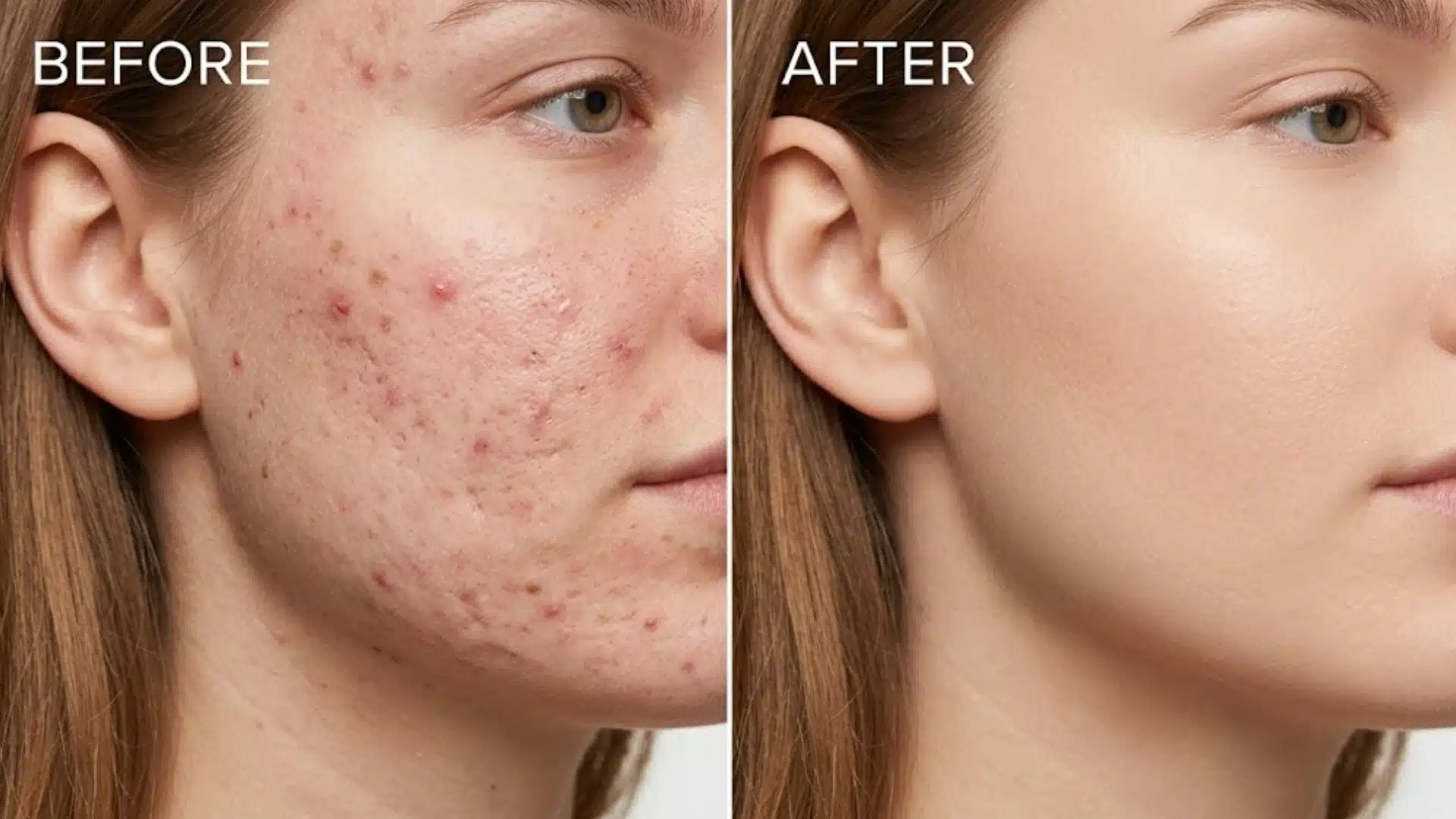
OTC products can help fade marks, smooth rough texture, and support healthier-looking skin. The key is using them slowly and staying consistent.
1. Retinol or Retinoids
Retinol and other mild retinoids help the skin renew itself more quickly. This can make rough texture look smoother and may help shallow scars look softer over time.
They also help keep pores clearer, which can lower the chance of new breakouts. Start with a low-strength product two or three nights a week.
Use only a pea-sized amount for the full face, because using more can lead to dryness, peeling, or burning.
These products need patience, so visible changes may take weeks or months. Sunscreen is a must in the morning, since retinol can make skin more sensitive to the sun.
2. Vitamin C
Vitamin C is a popular choice for dark spots and uneven skin tone after acne. It may help brighten dull skin and make post-acne marks look lighter with regular use.
A vitamin C serum usually fits best in the morning, before moisturizer and sunscreen.
Some formulas can feel strong, especially on sensitive skin, so patch testing first is a good idea. It does not remove deep scars or dents, but it may improve the look of flat marks.
For best results, keep the routine simple and avoid mixing it with too many strong actives at once.
3. Niacinamide
Niacinamide is a gentle ingredient that can help with redness, dark marks, oiliness, and a weak skin barrier.
Many people like it because it fits well into most routines and does not feel as harsh as stronger acids. It may help the skin look calmer and more even over time.
It can also help control oil, which may reduce future breakouts and prevent new marks from forming.
Look for a simple serum or moisturizer with niacinamide. It can usually be used once or twice a day, but start slow if the skin feels sensitive.
4. Salicylic Acid
Salicylic acid can be helpful when acne scars come with clogged pores, blackheads, whiteheads, or active breakouts. It works by clearing oil and dead skin from inside the pores.
This may help prevent new pimples, which means fewer new marks later. Over time, it can make the skin look cleaner and smoother.
Still, it can dry out the skin if used too often. A cleanser, toner, or serum with salicylic acid, two to three times a week, is often enough for many people.
Pair active ingredients with a gentle moisturizer so the skin does not feel tight, flaky, or irritated while healing.
5. Azelaic Acid
Azelaic acid is a good option for post-acne marks, redness, and acne-prone skin.
It is often gentler than many strong exfoliating acids, so it may suit people who want steady results without a harsh routine.
It can help fade dark spots, even out uneven tone, and reduce the risk of new breakouts. Start with a small amount once daily, then increase only if the skin handles it well.
Some mild tingling can happen at first, but strong burning is a sign to slow down. Results take time, but it can be a reliable long-term skin care product.
6. Sunscreen
Sunscreen is one of the most important products for acne scars and dark marks. Sun exposure can make marks look darker and harder to fade.
It can also slow down the progress of products like vitamin C, retinol, and acids. Use a broad-spectrum SPF 30 or higher every morning, even on cloudy days.
Reapply when staying outside for long, sweating, or wiping the face.
Sunscreen will not fill deep scars, but it protects the skin while other products do their job. Without it, marks may keep coming back or stay visible for much longer.
Home Remedies People Often Try to Remove Acne Scars
I have seen many people try simple home remedies before spending money on treatments that work for them. Gentle care usually works better than aggressive home treatments.
- Aloe Vera: Many people use aloe vera because it feels cooling on the skin and may help reduce redness, irritation, and mild inflammation associated with acne marks.
- Honey: Honey is commonly applied as a face mask since it can help keep the skin soft, moisturized, and hydrated while supporting gentle skin recovery.
- Green Tea: Green tea contains antioxidants that may help soothe irritated skin and reduce the appearance of redness over time.
- Turmeric Masks: Some people use turmeric masks to help improve uneven skin tone and gradually reduce the visibility of dark acne marks.
Home remedies may help mild discoloration look calmer, but results are usually slow and not guaranteed for deeper acne scars.
What to Avoid:
- Avoid Lemon Juice: Lemon juice can irritate sensitive skin and may make acne marks darker after sun exposure.
- Avoid Baking Soda: Baking soda may damage the skin barrier, leading to dryness, irritation, and more breakouts.
Note: Home remedies may help calm mild discoloration or irritation, but they usually do not remove deep acne scars or significant skin texture changes. If the skin becomes irritated, burns, peels excessively, or develops worsening breakouts, stop using the remedy and speak with a dermatologist, especially if you have sensitive or reactive skin.
Acne Scar Advice From Real Users
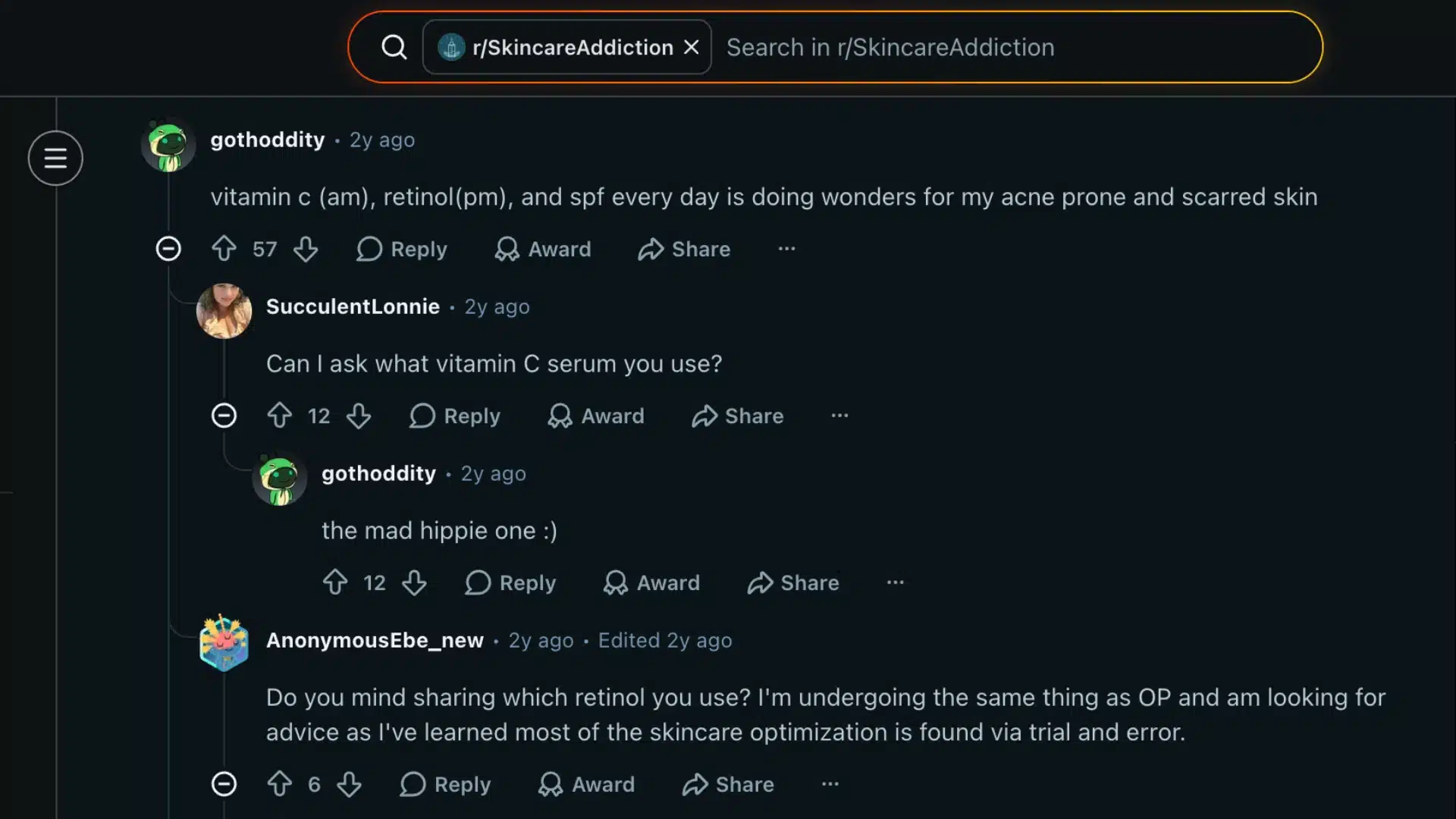
Many Reddit users say prescription tretinoin helped the most with acne scar texture. Some felt it made their skin smoother and also kept new breakouts under better control.
Azelaic acid was often mentioned for PIE, especially red marks left after acne. A few users said regular retinol also helped, but only after months of steady use.
One person used retinol at night, collagen serum in the morning, and collagen powder sometimes, and noticed their skin looked much better with patience.
Another user liked vitamin C in the morning, retinol at night, and SPF every day for acne-prone, scarred skin.
For professional treatment, PRP microneedling was seen as a strong option for the money.
Overall, the main answer to how to get rid of acne scars was simple: stay consistent and protect the skin daily.
Daily Skincare Routine for Acne Scars
A simple routine can help acne scars look softer over time while also keeping the skin calmer, cleaner, and less likely to break out again.
1. Morning Routine
Start with a gentle cleanser that does not leave the skin feeling tight or dry. After cleansing, use a vitamin C or niacinamide serum if the skin handles active ingredients well.
Follow with a lightweight moisturizer to maintain the skin barrier.
Finish with a broad-spectrum sunscreen every single morning, because sun exposure can make acne marks and scars look darker and harder to fade over time.
2. Night Routine
Wash the face gently to remove oil, dirt, sunscreen, and sweat from the day.
Use products like retinol, retinoids, or azelaic acid at night since they are commonly included in acne scar routines. Do not layer too many strong products in a single routine.
Finish with a moisturizer to reduce dryness, irritation, and peeling that may happen from active ingredients.
3. Weekly Care
Weekly skin care should focus on support, not aggressive treatment. Gentle exfoliation once or twice a week may help remove dead skin buildup and improve dull texture slowly.
Avoid rough scrubs, harsh brushes, or strong acid combinations, as they can damage the skin barrier.
A calming face mask or hydrating treatment may also help the skin feel softer and less irritated after a long week.
If the routine still feels confusing, this guide to a morning and night skincare routine can help separate daytime protection from nighttime repair.
Mistakes That Can Make Acne Scars Worse
Some everyday skincare habits can make acne scars darker, deeper, or slower to heal without people realizing it. Understanding these common mistakes can help protect the skin and support better healing over time.
- Picking pimples: Picking or squeezing pimples can cause more serious damage to the skin. It may also cause bleeding, swelling, and long-lasting marks.
- Skipping sunscreen: Sun exposure can make dark acne marks look stronger and harder to fade. SPF helps protect the skin from the sun’s UV rays.
- Using too many actives: Mixing retinol, acids, and strong serums too often can irritate the skin. Irritation may make redness and marks look worse.
- Expecting fast results: Acne scars and marks need time to improve. Switching products too quickly can stop a routine before it gets a fair chance.
- Scrubbing the skin hard: Rough scrubs can damage the skin barrier and cause more redness. Gentle cleansing works better than harsh rubbing.
When to See a Dermatologist
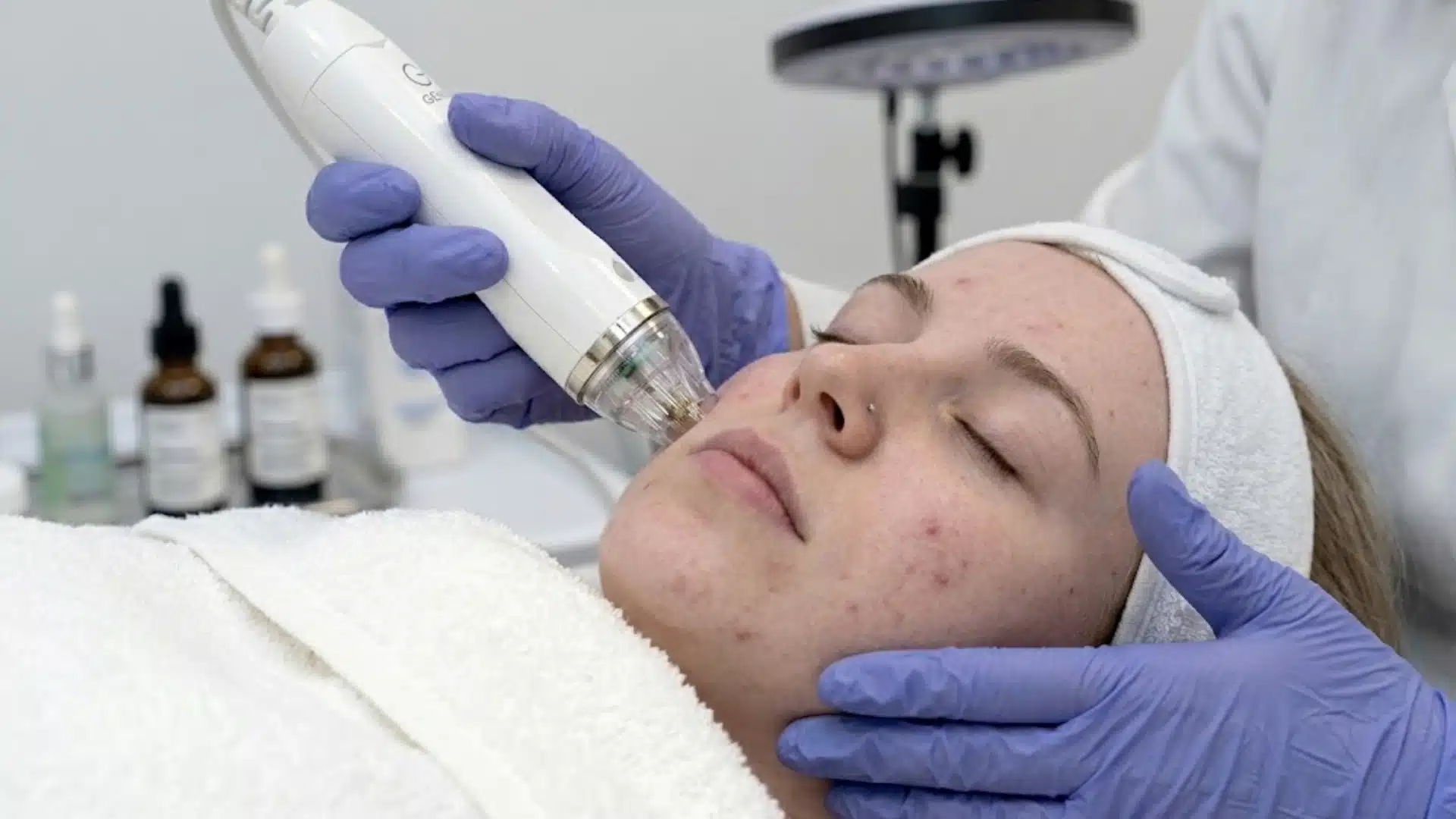
Some acne scars need more than home remedies or over-the-counter products.
Deep scars, especially ones that look like dents or uneven texture, usually do not fade fully with basic skin care alone.
A dermatologist can check the skin closely and suggest treatments based on the scar type. Painful acne is another sign that professional help may be needed.
Ongoing breakouts can create new scars, making the problem harder to manage later. If the skin still shows little improvement after months of regular care, it may be time to try stronger options.
Dermatologists may recommend treatments such as chemical peels, microneedling, or laser procedures. These treatments aim to improve texture and support smoother-looking skin over time.
Results are not instant, and some treatments need multiple sessions, but they may help more than home care for deeper scars.
Conclusion
Getting rid of acne scars takes patience, consistency, and the right approach for your skin type.
While home remedies and over-the-counter products can help fade dark marks and improve mild texture, deeper scars often need professional treatments for noticeable results.
Every person’s skin heals differently, so realistic expectations matter throughout the process. Small improvements over time are still progress.
If certain treatments are not working after a few months, speaking with a dermatologist can help you find better options.
Home care can also calm the skin, but harsh DIY tricks can make things worse. When learning how to get rid of acne scars, patience matters as much as the products used.
Some scars may require a dermatologist’s care, especially if they are deep or painful.
What has worked best for your skin so far? Share your experience in the comments below.
Frequently Asked Questions
Can Drinking More Water Remove Acne Scars?
Drinking enough water helps overall skin health, but it does not directly remove acne scars. Good hydration may help the skin look healthier, though scars usually need targeted skin care or treatments.
Do Acne Scars Get Worse with Age?
Some acne scars can become more noticeable over time as the skin naturally loses collagen with age. This may make the uneven texture appear deeper than before.
Is Makeup Safe for Acne-Prone and Scarred Skin?
Makeup is usually safe if it is non-comedogenic and removed properly at night. Heavy or pore-clogging products may trigger breakouts, which can lead to more marks or scars later.