Some hair types are easy to identify, while others leave people completely confused.
Many people spend years treating their hair the wrong way simply because they do not fully understand their texture.
That is why learning about the 1C hair type can feel like a big revelation. Suddenly, the puffiness, stubborn bends, and unpredictable volume start making sense.
Understanding what 1C hair is also helps explain why certain products work beautifully while others leave the hair dry, flat, or greasy.
The moment the right routine finally matches the hair type, styling becomes less frustrating and much more manageable.
Healthy, soft, and naturally full hair starts feeling easier to achieve every single day.
What is 1C Hair?
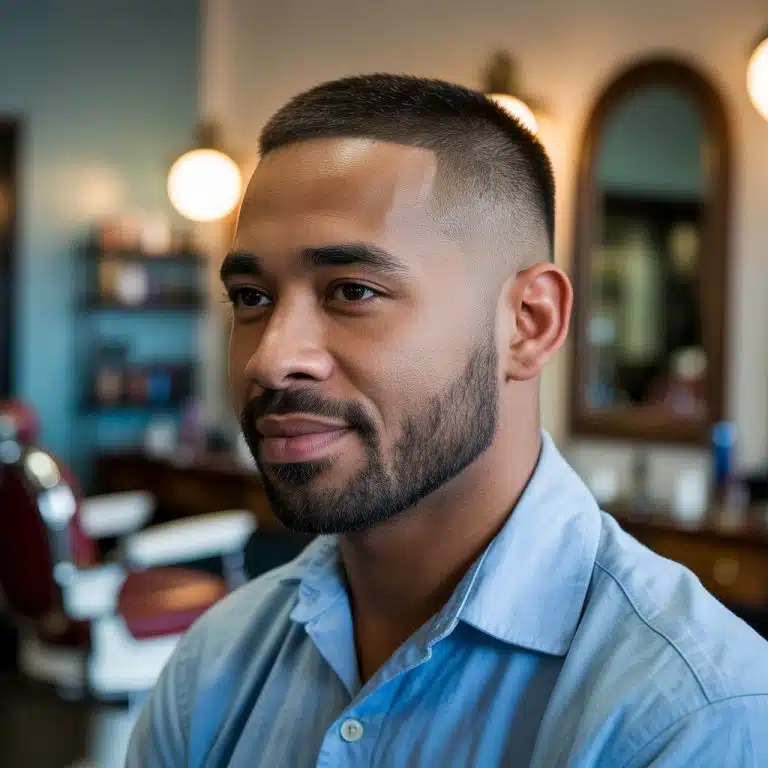
1C hair is the thickest and most textured type in the straight hair category.
It looks mostly straight, but it usually has slight bends, soft waves, or flipped ends, especially after air drying.
Compared to other straight hair types, 1C hair has more body, volume, and a rougher texture.
Many people with 1C hair also deal with frizz, puffiness, and dryness at the ends because the hair strands are naturally thicker and more porous.
This hair type can hold curls and heat styles better than fine straight hair, but it may also take longer to straighten completely.
1C hair often sits between straight and wavy hair, which is why it can sometimes be mistaken for Type 2A hair.
The quickest way to check is to wash your hair, skip the styling products, and let it air dry completely.
1C hair will look mostly straight when wet but develop subtle bends or a slight puffiness as it dries. Individual strands feel noticeably thick between your fingers.
If you run a single strand across your palm, it has texture rather than slipping through smoothly.
Characteristics of 1C Hair Type
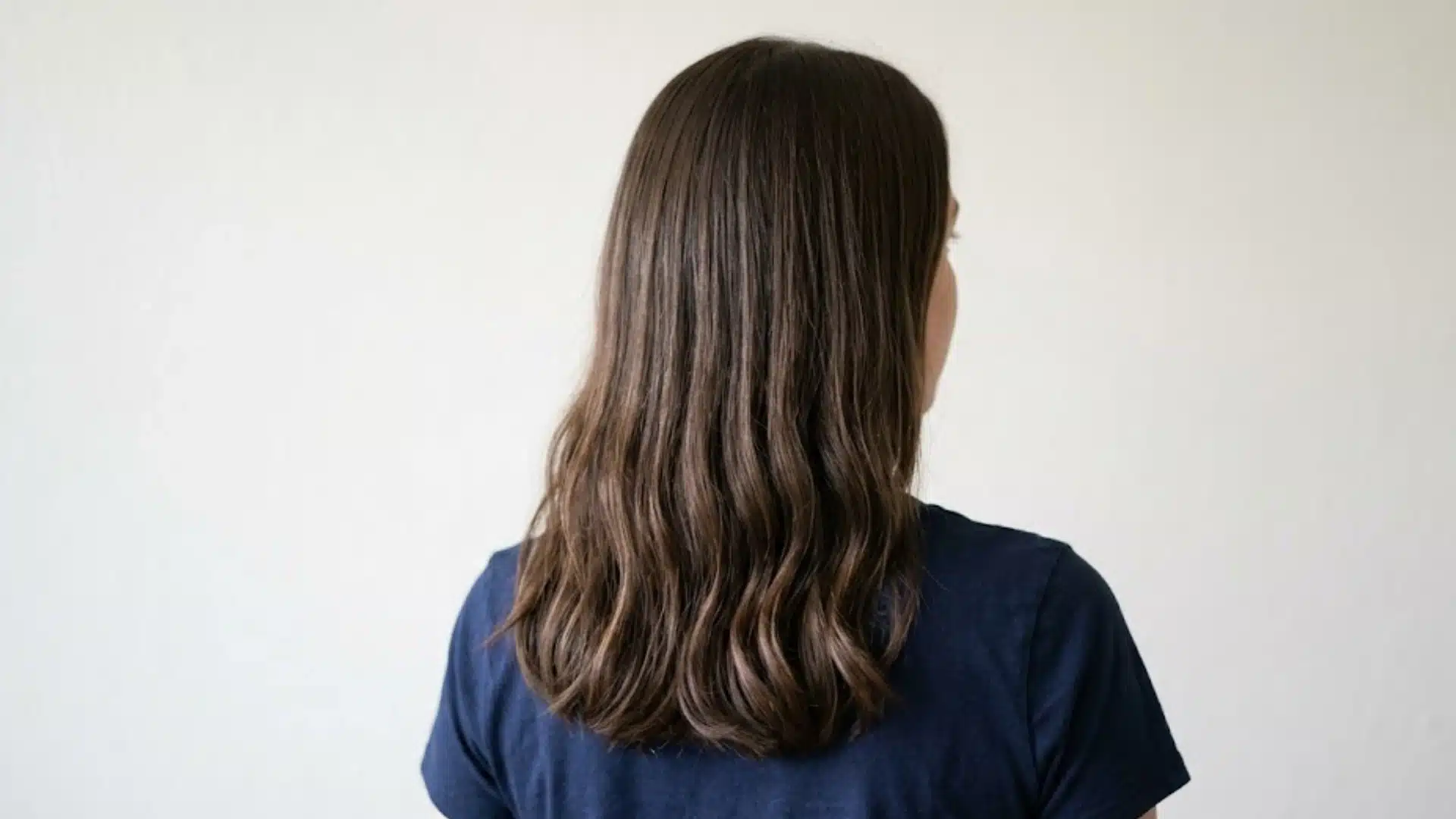
1C hair has a mix of straight texture and natural body, which makes it different from other Type 1 hair categories. Here are the most common characteristics of 1C hair type:
- Thick Hair Strands: 1C hair usually has coarse or thick strands compared to 1A and 1B hair types.
- Natural Volume: This hair type naturally looks fuller and rarely sits flat against the scalp.
- Slight Waves or Bends: Although classified as straight hair, 1C hair often develops soft bends or loose wave patterns.
- Dense Hair Appearance: Many people with 1C hair have a high hair density, which makes the hair look heavy and thick.
- Holds Hairstyles Well: Curls, waves, and heat-styled looks usually last longer on 1C hair.
- Dry Ends: The ends can become dry or rough, especially when heat tools are used often.
- Oily Scalp Possibility: Some people experience an oily scalp while the lengths stay dry.
- More Texture After Air Drying: 1C hair often looks slightly messy or textured when left to dry naturally.
- Needs Frizz Control Products: Lightweight serums, leave-in conditioners, and anti-humidity products usually work best for maintaining smoothness.
1A Vs 1B vs 1C Hair Differences
Type 1 hair is divided into three categories based on texture, thickness, volume, and natural movement. While all three hair types are considered straight, they look and behave differently when it comes to frizz, styling, and maintenance.
| Feature | 1A Hair | 1B Hair | 1C Hair |
|---|---|---|---|
| Texture | Very fine and silky | Medium texture | Thick and coarse |
| Natural Volume | Very low volume | Moderate volume | High natural volume |
| Hair Pattern | Pin straight | Straight with slight body | Mostly straight with slight bends or loose waves |
| Frizz Level | Rarely frizzy | Mild frizz | Frizz prone |
| Styling Hold | Struggles to hold curls | Holds styles moderately | Holds curls and waves well |
| Reaction to Humidity | Minimal change | Slight swelling | Easily becomes frizzy |
| Best Product Type | Lightweight volumizing products | Balancing products | Lightweight smoothing and anti-frizz products |
| Overall Appearance | Sleek and flat | Soft and natural | Full, textured, and dense |
Best Hair Care Routine for 1C Hair
1C hair needs a routine that controls frizz, keeps the hair soft, and protects its natural volume without making it greasy or heavy. The goal is to keep the hair smooth while still maintaining its natural movement and fullness.
1. Use a Lightweight Moisturizing Shampoo
Many people with 1C hair deal with oily roots and dry ends at the same time, so balance is important.
Sulfate-free shampoos are usually a better choice because they clean gently and reduce dryness. Heavy creamy shampoos can leave the hair flat or greasy, especially near the scalp.
Look for formulas that focus on hydration, frizz control, and scalp freshness without adding too much weight to the hair.
Products:
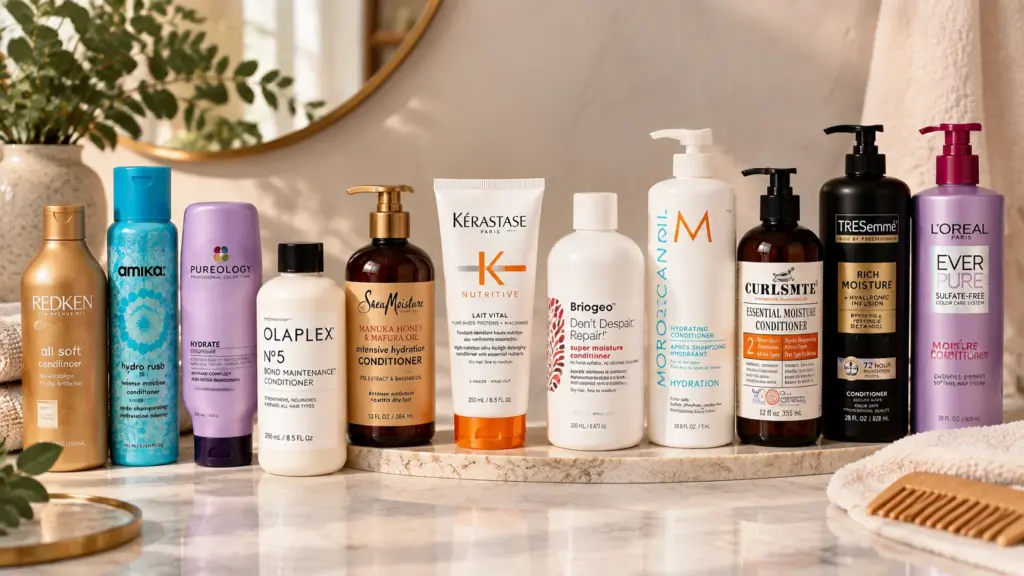
2. Condition Mid Lengths and Ends
Conditioner helps soften 1C hair and keeps the ends from becoming rough or frizzy.
Instead of applying conditioner all over the scalp, focus mainly on the mid-lengths and ends where the hair tends to be drier.
This method keeps the roots from looking oily too quickly. A lightweight smoothing conditioner usually works better than thick buttery formulas.
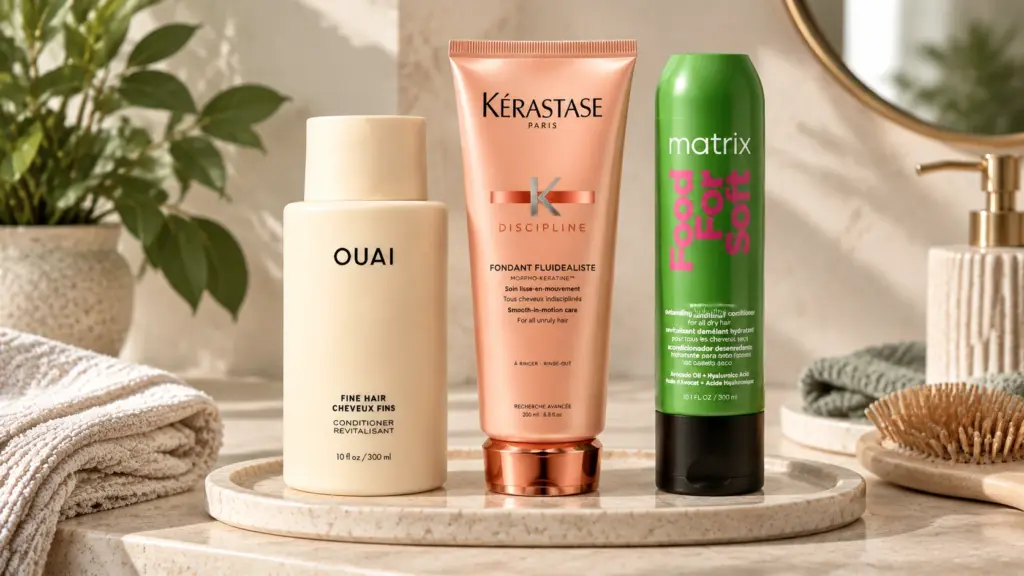
3. Use a Leave-In Conditioner for Frizz
1C hair can become puffy and hard to manage, especially in humid weather.
A lightweight leave-in conditioner helps reduce frizz while keeping the hair soft and smooth throughout the day.
Spray formulas or light conditioning milk products work best because they hydrate the hair without making it greasy. Apply a small amount to damp hair before styling or air drying.
This step also helps protect the strands from dryness, tangles, and rough texture that can appear after washing or brushing.
Products:
4. Apply Heat Protectant Before Styling
Many people with 1C hair use blow dryers, straighteners, or curling tools to manage texture and frizz.
Heat protectant is important because it creates a barrier between the hair and high temperatures. Without protection, thick hair strands can become dry, damaged, or split over time.
Use a lightweight spray or serum before any heat styling. Focus on the lengths and ends where damage usually appears first.
Products:
5. Air Dry or Diffuse on Low Heat
Air drying can help 1C hair keep its natural texture and reduce unnecessary heat exposure.
If you prefer using a blow dryer, a diffuser on low heat is a better option because it controls frizz without making the hair overly dry.
High heat settings can cause puffiness and rough ends, especially with thick textured hair. Gently pat the hair with a microfiber towel instead of rubbing it harshly.
This keeps the strands smoother and helps prevent frizz during the drying process.
Products:
6. Use Clarifying Shampoo Monthly
1C hair can collect product buildup faster because thicker strands often require styling products, serums, and leave-in conditioners.
A clarifying shampoo helps remove excess oil, dirt, and leftover product that regular shampoo may not fully clean.
Using it once a month can make the hair feel lighter, fresher, and easier to style. Always follow with a moisturizing conditioner to restore softness after deep cleansing.
Products:
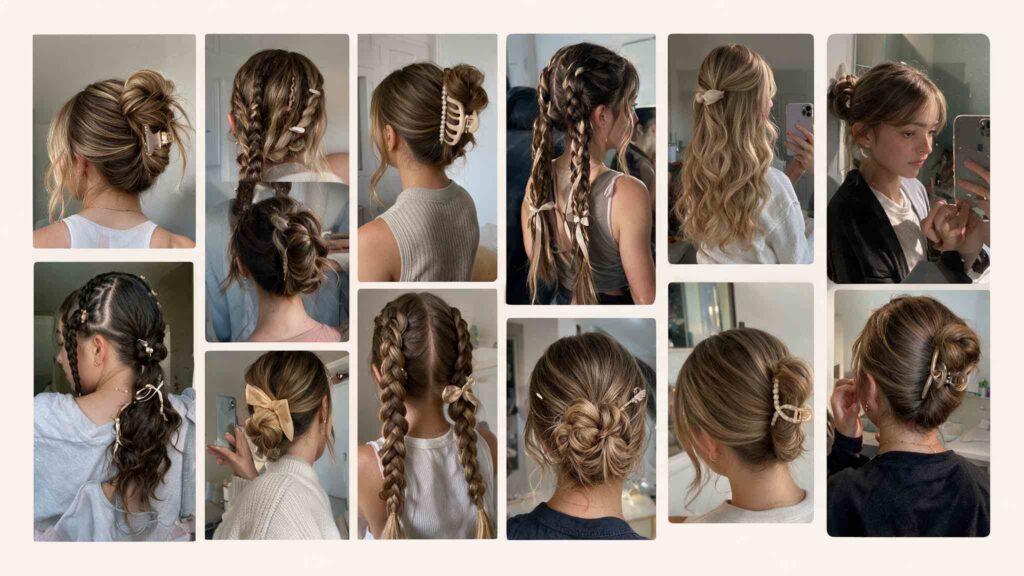
How to Style 1C Hair Without Damaging It
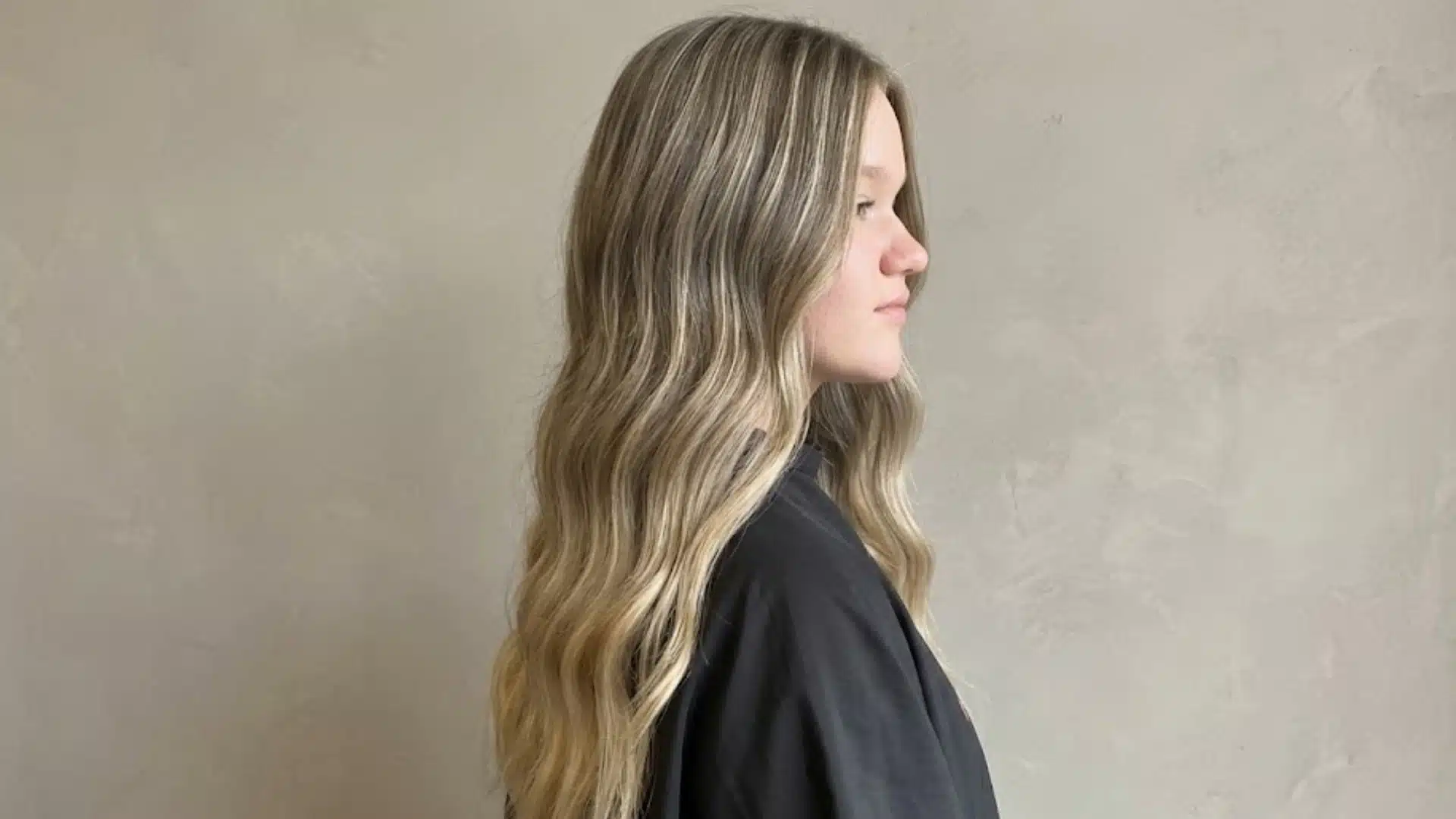
From experience, the clients who struggle most with 1C hair are the ones trying to fight it into a pin-straight silhouette every day.
Styling 1C hair works best when the focus stays on enhancing its natural texture instead of fighting against it.
Since this hair type already has volume and slight bends, layered cuts, textured layers, shag cuts, and long bobs usually help the hair look lighter and more defined.
Curtain bangs also work well because they blend naturally with the soft movement of 1C hair.
To bring out more texture, try scrunching damp hair with a lightweight mousse or using a sea salt spray for a fuller look.
These products help add definition without making the hair stiff or greasy. When using heat tools, keep the temperature lower than you might for curlier types.
1C hair responds well to medium heat settings, and lower temperatures mean less cumulative damage over time. Always use a heat protectant first.
Common Problems People with 1C Hair Face
1C hair has natural volume and texture, but it can also be difficult to manage without the right routine. Using the wrong products or too much heat can make these problems worse. Here are some of the most common issues people with 1C hair experience.
- Oily Roots: Many people notice greasy roots while the rest of the hair still feels dry or textured.
- Difficulty Keeping Hair Sleek: 1C hair can be hard to keep completely straight because bends and waves often return throughout the day.
- Product Buildup: Heavy creams, oils, and styling products can quickly make the hair feel sticky, dull, or weighed down.
- Heat Damage From Frequent Styling: Regular use of flat irons and blow dryers may lead to split ends, dryness, and weakened hair over time.
- Tangling: Thick, coarser strands catch on each other more easily than fine hair, especially overnight or after washing.
Conclusion
1C hair has its own personality, and that is what makes it stand out. It offers natural volume, texture, and flexibility that many other straight hair types do not have.
The key is learning how to work with it instead of trying to force it into a completely flat or overly styled look.
A simple routine, lightweight products, and gentle styling habits can make a big difference in how healthy and manageable the hair feels every day.
Small changes often lead to smoother, softer, and less frizzy results over time. Every person’s hair also reacts differently, so finding what works best may take a little patience.
If you have 1C hair, share your favorite products, routines, or styling struggles in the comments below. Your experience could help someone else with the same hair type.
Frequently Asked Questions
How to Sleep with Hair at Night?
Sleeping on a satin pillowcase and loosely tying the hair in a braid or low ponytail helps reduce frizz, tangles, dryness, and breakage overnight for healthier-looking hair.
How Rare is Type 1C Hair?
Type 1C hair is not extremely rare, but it is less common than other straight hair types because it combines straight texture with noticeable thickness, volume, and slight natural bends.
What Hydrates Hair the Most?
Lightweight conditioners, leave-in treatments, hydrating shampoos, and ingredients like argan oil, glycerin, and aloe vera help keep hair soft, smooth, moisturized, and easier to manage daily.