You look down at your hands or feet and notice it. A yellow tint. Maybe it is only at the tips, or maybe the whole nail looks dull and stained.
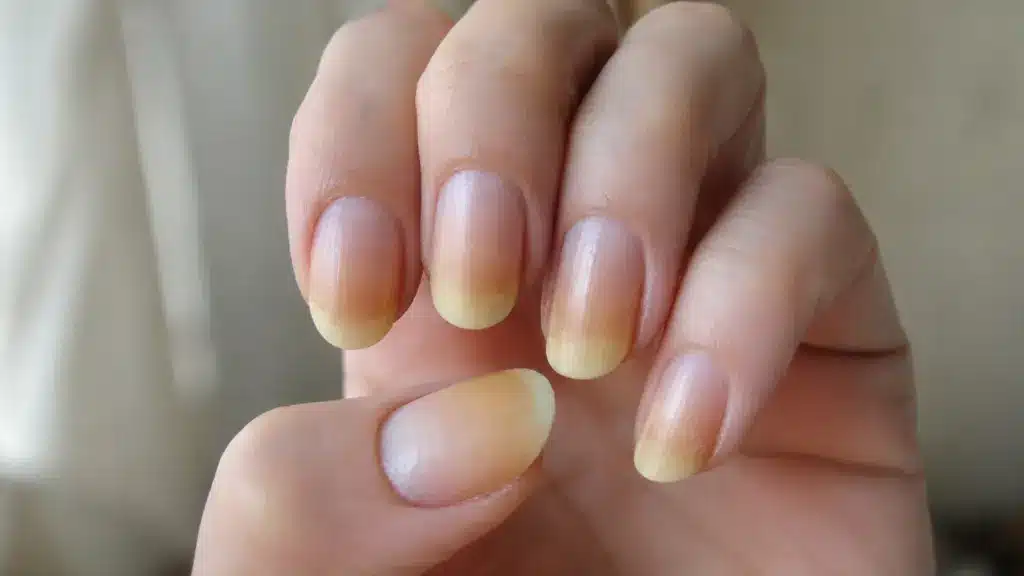
The first thought is usually, Why are my nails yellow at the tips? It can feel worrying, especially when washing, trimming, or removing polish does not fix it right away.
I remember removing a gel set and noticing my nails looked dull and yellow. Not damaged exactly, just off in a way that felt strange.
Yellow nails can happen for simple reasons, like dark nail polish, smoking, or product buildup.
They can also point to toenail fungus, nail injury, aging, or a health issue that needs attention. The good news is that the color often gives clues. Once the cause is clear, the right care becomes easier.
What Do Yellow Nails Mean?
Yellow nails happen when the nail plate absorbs pigment, picks up a fungal infection, or reacts to changes inside the body.
The most common cause is onychomycosis, though nail polish staining and smoking are also common. Treatment depends on the cause.
Polish stains fade as the nail grows out, while fungal infections need antifungal treatment.
Nails are made of porous keratin, which allows pigment, fungus, and other changes to affect their color and texture.
When healthy nail growth gets disrupted, yellowing often starts at the tip and slowly spreads toward the base. Yellow is one of the most common nail discoloration patterns, and most cases have a simple, treatable cause.
Why Are My Nails Yellow: Common Causes
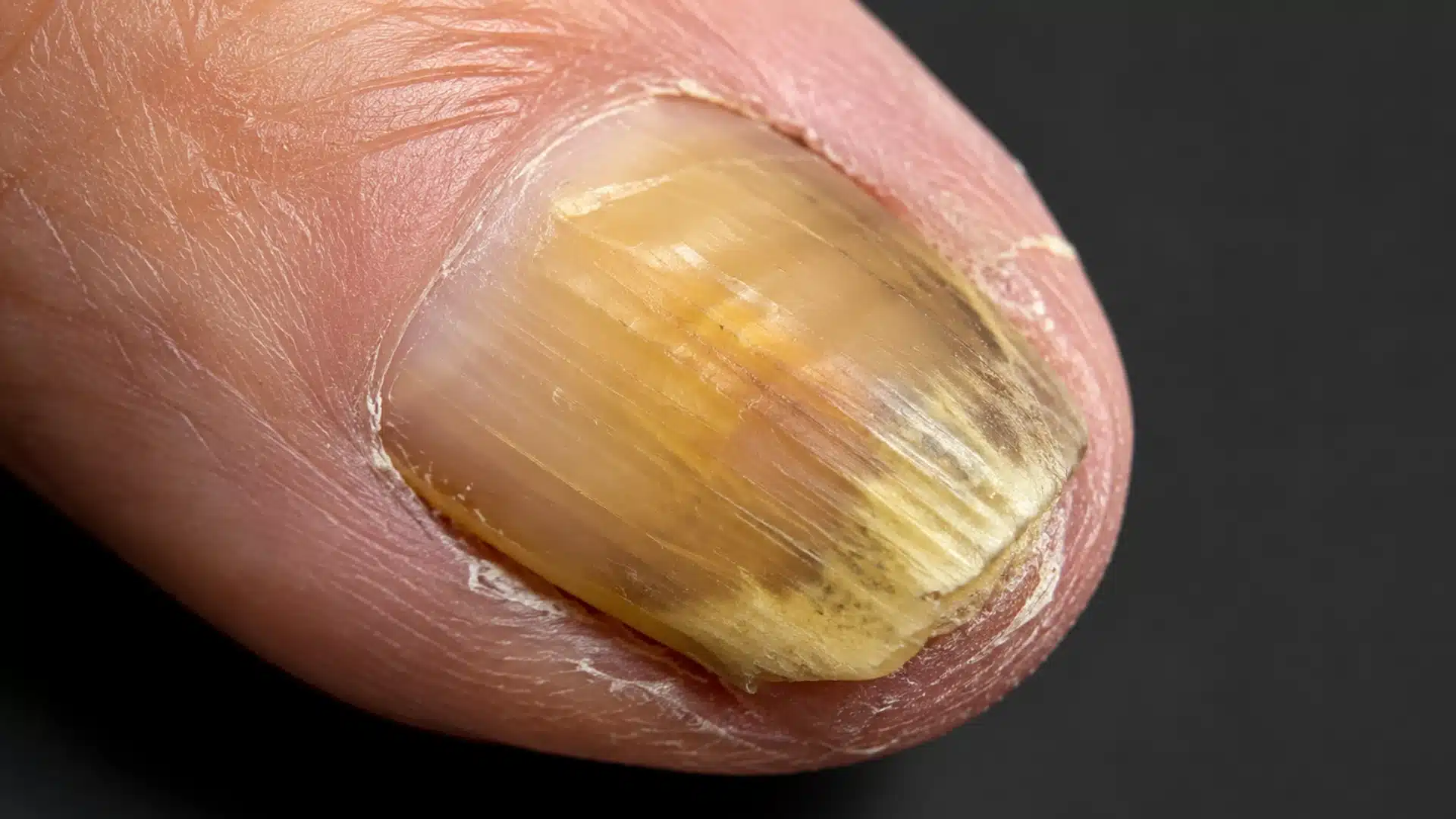
The list is longer than most people expect. Nails pick up color from a lot of sources, and the yellow you are seeing could be sitting on the surface, inside the nail plate, or coming from somewhere in the body entirely.
1. Fungal Infection (Onychomycosis)
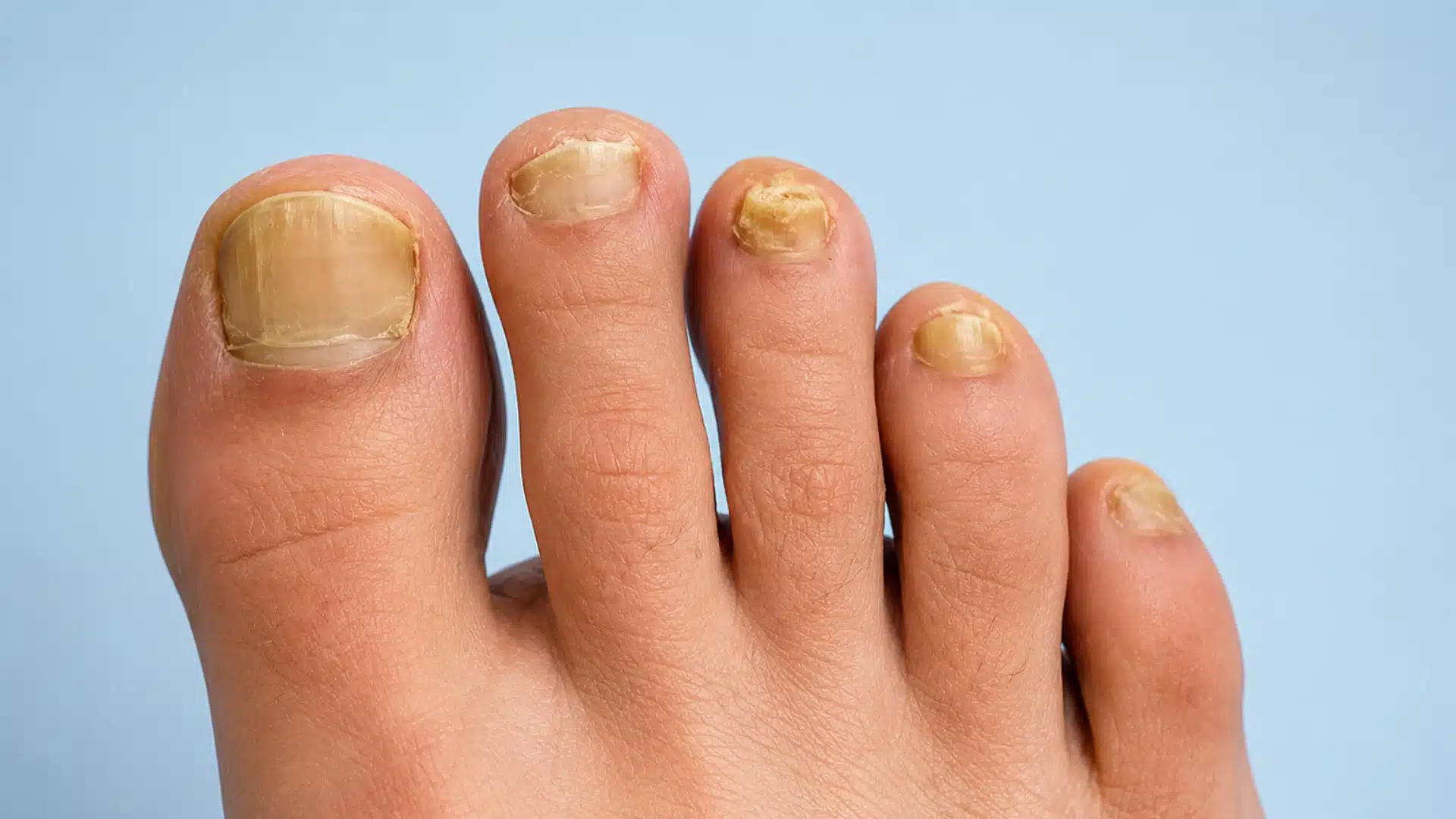
Fungi feed on keratin, the protein that makes up nails. Toenails are especially vulnerable because feet spend long hours in warm, enclosed shoes where moisture can build up.
The nail often turns yellow at the tip first, then becomes thicker, brittle, crumbly, or harder to trim.
Some infections cause a slight odor or lifting from the nail bed. This is one of the most common causes of yellow toenails, and it won’t clear up without proper antifungal treatment.
2. Nail Polish Staining
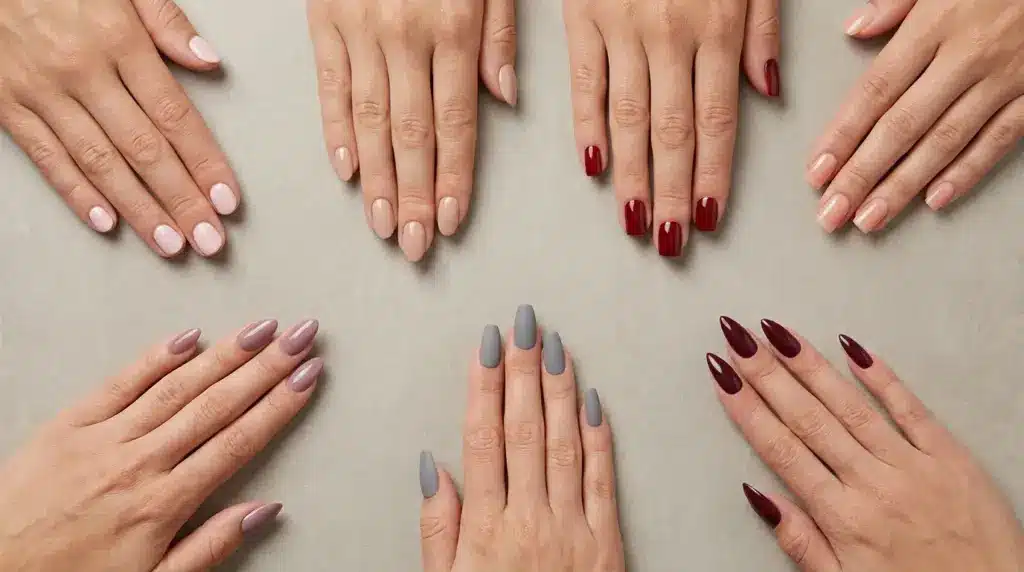
Dark pigments in red, burgundy, and black polishes can settle into the nail plate, especially when no base coat is used first.
This staining happens because nails are porous and can absorb color from strong polish shades.
The result is usually a yellow or orange tint that may look worrying, but is unrelated to infection.
It is cosmetic, but it can take months to grow out. A clear base coat helps prevent staining by protecting the nail.
If you wear gel polish regularly, it is worth understanding how gel polish affects your nails, including how curing and removal can affect the nail plate over time
3. Smoking
Nicotine from cigarettes can bond to keratin, the protein found in nails and skin. Over time, this leaves a yellowish-brown stain on the fingertips and nail surface.
The discoloration often gets deeper the longer smoking continues.
It may also show more on the fingers used to hold cigarettes because those nails have the most direct contact with nicotine and smoke.
Unlike polish staining, this color can also affect the surrounding skin. Reducing or stopping smoking may help the stains fade gradually, but the nail usually needs time to grow out fully.
4. Normal Aging
Nail growth naturally slows with age, which means nails can hold onto stains and discoloration for longer.
A mild yellow tint, light ridging, and some brittleness can appear over time as the nail plate becomes drier and less smooth.
This type of yellowing usually develops slowly and does not cause pain, odor, or significant thickening.
It is often harmless, but sudden changes should not be ignored. If the color shifts quickly or the nail starts lifting, crumbling, or hurting, another cause may be involved.
5. Vitamin Deficiency
Low levels of vitamins A, C, and E may affect nail quality because these nutrients support cell repair, moisture balance, and healthy keratin production.
When the body does not get enough of them for a long time, nails may look dull, weak, dry, or slightly discolored.
Deficiency-related yellowing is usually not bright yellow on its own, but it can make nails look less healthy overall.
A balanced diet rich in fruits, vegetables, protein, and healthy fats can support healthy nail growth. Persistent nail changes may need a doctor’s advice.
6. Medications
Some medicines can change nail color as a side effect, especially certain antibiotics, acne treatments, and chemotherapy drugs.
Tetracycline antibiotics are one known example. In some cases, pigments or drug byproducts may collect in the nail plate or affect keratin as the nail grows.
The discoloration may appear yellow, brown, gray, or uneven, depending on the medicine and length of use.
It is usually not something to treat at home without checking the medication first. A doctor or pharmacist can confirm whether nail changes are a possible side effect.
7. Underlying Health Conditions
Psoriasis, diabetes, thyroid disorders, and rheumatoid arthritis can all affect nail color, growth, and texture.
These changes may show as yellowing, thickening, ridging, lifting, or brittle edges. In many cases, other symptoms appear too, such as skin patches, fatigue, joint pain, slow healing, or frequent infections.
Sometimes, though, the nails change before the bigger pattern feels obvious.
When yellow nails come with pain, swelling, skin changes, or sudden texture shifts, it is better to get them checked. Treating the health issue often helps improve the nails over time.
8. Yellow Nail Syndrome
Yellow nail syndrome is rare, but it is worth knowing because it affects more than nail color.
It can make most or all nails turn yellow, thicken, curve, and grow very slowly. The nails may also separate from the nail bed.
This condition is often linked with breathing problems, fluid buildup, or swelling in the legs.
It is far less common than polish staining or fungal infection, but it should not be treated as a simple cosmetic issue. Persistent yellow nails with swelling or respiratory symptoms need medical care.
How to Get Rid of Yellow Toenails Quickly?
These remedies work best for surface staining and mild discoloration. They can support treatment and help nails look clearer faster.
- Baking soda soak: Mix warm water with baking soda and soak nails for 10 to 15 minutes. It may help lift surface stains and reduce mild fungal buildup. Avoid this if diabetes or skin sensitivity is a concern.
- Apple cider vinegar soak: Mix equal parts apple cider vinegar and warm water. Soak for 15 to 20 minutes daily to create a less fungus-friendly nail environment.
- Tea tree oil: Mix a few drops with coconut or jojoba oil and apply with a cotton swab twice daily. It may support antifungal care when used consistently.
- Vitamin E oil: Apply directly to the nail to help retain moisture and support healthier nail regrowth.
- Lemon juice soak: Soak nails in fresh lemon juice for 10 minutes, then rinse. It may lighten surface stains, but moisturize afterward because lemon can dry nails.
Disclaimer: These remedies are not medically proven treatments and work best alongside, not instead of, professional antifungal care where a fungal infection is involved.
Medical Treatments for Yellow Toenails
If home remedies show no visible difference after two to four weeks, or the nail thickens and lifts, medical treatment is more reliable.
- Over-the-counter antifungal treatments: Topical antifungal products containing clotrimazole or terbinafine are available without a prescription. These work best for mild cases caught early. Apply daily and keep nails trimmed short to improve penetration.
- Prescription oral antifungals: For more stubborn or widespread infections, a doctor may prescribe oral terbinafine or itraconazole. These are more effective than topical treatments for moderate-to-severe onychomycosis.
- Medicated nail lacquer: Prescription ciclopirox nail lacquer is applied directly to the nail. It is a slower option, but useful when oral medication is not appropriate.
- Nail removal: In severe cases where the nail is badly damaged, a podiatrist may recommend removing part or all of the nail to allow healthy regrowth.
- Underlying health condition treatment: For yellowing caused by a health condition rather than fungus, treating the underlying issue is what clears the nail change.
A dermatologist can test the nail to confirm the exact fungal strain and choose the right treatment. Treatment timing and medication choice should always be verified with a prescribing doctor.
Important: Not all yellow toenails are caused by fungus. Similar symptoms can result from nail trauma, skin conditions, or underlying health issues. If discoloration persists, worsens, or affects multiple nails, professional evaluation can help identify the cause and guide treatment.
How Long Does it Take Yellow Nails to Clear
Yellow nails can clear in different time ranges depending on the cause.
If the yellow color comes from nail polish stains, it may fade in a few days to a few weeks after removing the polish and giving the nails a break.
Fingernails usually clear faster because they grow more quickly, often within 2 to 6 months if the stain needs to grow out.
Toenails take longer and may need 6 to 12 months to fully replace the discolored nail.
If a fungal infection is the cause, treatment can take several months, and stubborn cases may take a year or more.
Improvement often starts slowly near the base of the nail, where healthy new nail growth appears first.
Can Yellow Nails Go Away on Their Own?
Sometimes, yes. If the yellow is from nail polish staining, taking a break from polish and letting nails breathe is usually enough.
The discoloration usually fades as the nail grows out. Smoking stains may lighten after quitting, while self-tanner or hair dye stains often improve once use stops.
Fungal infections do not go away on their own. Without treatment, the fungus can keep damaging the nail and cause more lifting or crumbling over time.
The same applies to yellowing connected to a health condition: treating the underlying issue is what clears the nail change. Waiting it out in those cases is not a useful strategy.
How to Prevent Yellow Nails
Prevention is genuinely the easier path here. Most of the common causes are avoidable with a few consistent habits.
- Always apply a base coat: This is the single most effective thing you can do to prevent polish staining, especially with darker shades. A thin base coat creates a barrier between the pigment and the nail plate. It takes thirty seconds and saves months of waiting for staining to grow out.
- Give nails a break between manicures: Keeping nails under polish continuously, particularly gel or acrylics, prevents them from breathing and can accelerate discoloration. A few days off between sets make a real difference.
- Wear protective footwear in communal spaces: Pool decks, gym locker rooms, and shared shower areas are common environments for picking up nail fungus. Flip-flops are a simple fix.
- Keep nails dry and well-trimmed: Fungus thrives in moisture. Drying feet and hands thoroughly after washing and keeping nails short enough not to collect debris reduces the conditions where fungal infections get started.
- Avoid acetone overuse: Acetone-based removers are drying and strip the nail of natural oils, leaving it more porous and more susceptible to staining and damage. Switching to a non-acetone formula for regular use makes a difference over time. If you regularly wear acrylics, switching to gentler removal methods can protect your nail plate from unnecessary drying.
When to See a Doctor
Most yellow nail cases are harmless and fixable at home, but some warrant a professional look. See a dermatologist or podiatrist if:
- The nail is thickening, crumbling, or detaching from the nail bed
- There is pain, swelling, or discharge around the nail
- The yellowing has spread to multiple nails and is getting worse
- Home treatments haven’t made a visible difference after two weeks
- You have diabetes, and even minor nail changes can signal something that needs attention sooner
A dermatologist can test the nail to identify the exact fungus and choose the right treatment. Nail changes, along with other unexplained symptoms, may also point to underlying health issues.
Conclusion
Yellow nails can look alarming at first, but in most cases, they stem from staining, fungus, or everyday habits that slowly affect nail health over time.
Small changes like using a base coat, keeping nails dry, and avoiding constant polish can make a noticeable difference.
I learned pretty quickly that covering yellow nails rarely fixes the actual problem by paying attention to texture, thickness, and how the discoloration changes matters much more.
If the yellowing sticks around or gets worse, it is always worth checking with a doctor.
Have you ever noticed yellowing of your nails after gel polish or during long periods of wearing closed shoes? Share in the comments below.
Frequently Asked Questions
Does Hydrogen Peroxide Whiten Yellow Nails?
Diluted hydrogen peroxide may lighten surface stains from polish or other products, especially when used with baking soda, but it does not treat fungal infections or internal causes.
Are Yellow Nails Contagious?
Yellow nails themselves are not contagious, but fungal nail infections can spread through shared surfaces, nail tools, shoes, and damp public areas like gyms.
Can Gel Nails Cause Yellow Staining?
Yes. Repeated gel polish use, especially dark shades without a base coat, can stain nails and leave yellow discoloration that takes time to grow out
Is it Safe to Paint over Yellow Toenails?
Painting over yellow toenails is not recommended if the cause is a fungal infection. Gel polish in particular creates an airtight seal that traps moisture, heat, and fungi, giving an existing infection better conditions to spread. If the yellowing is purely from old polish staining, a break from polish is more useful than adding another coat on top.