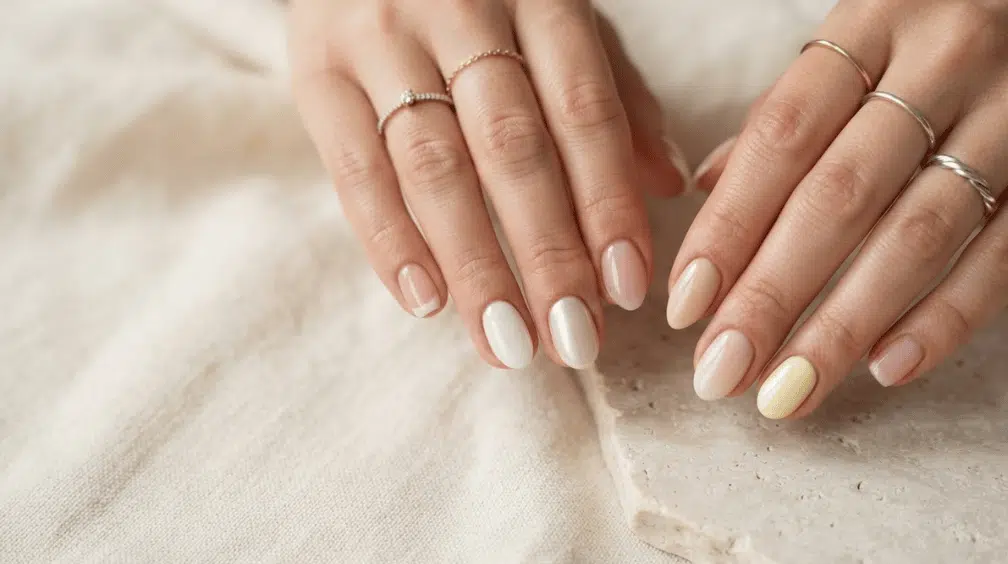
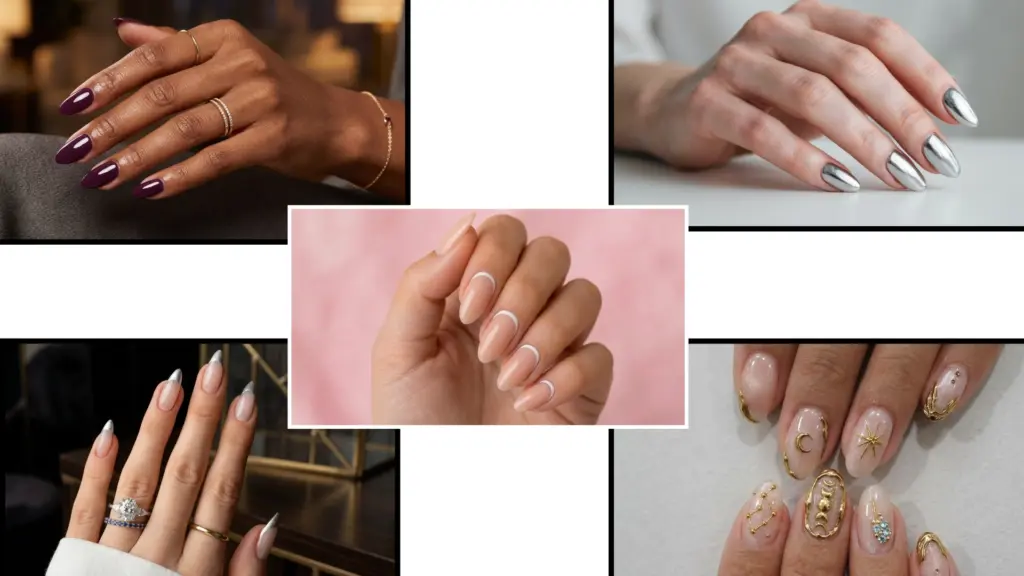
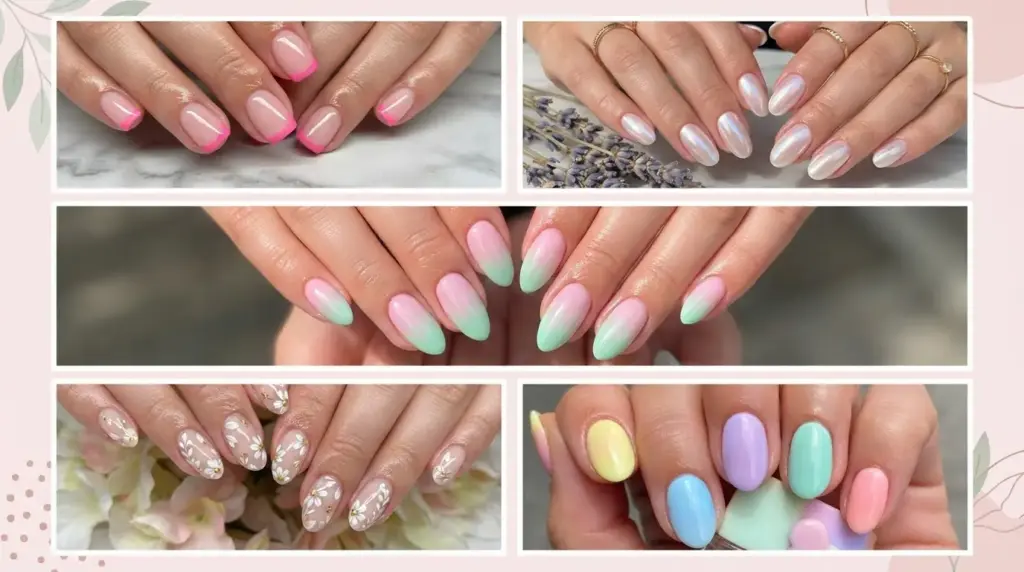
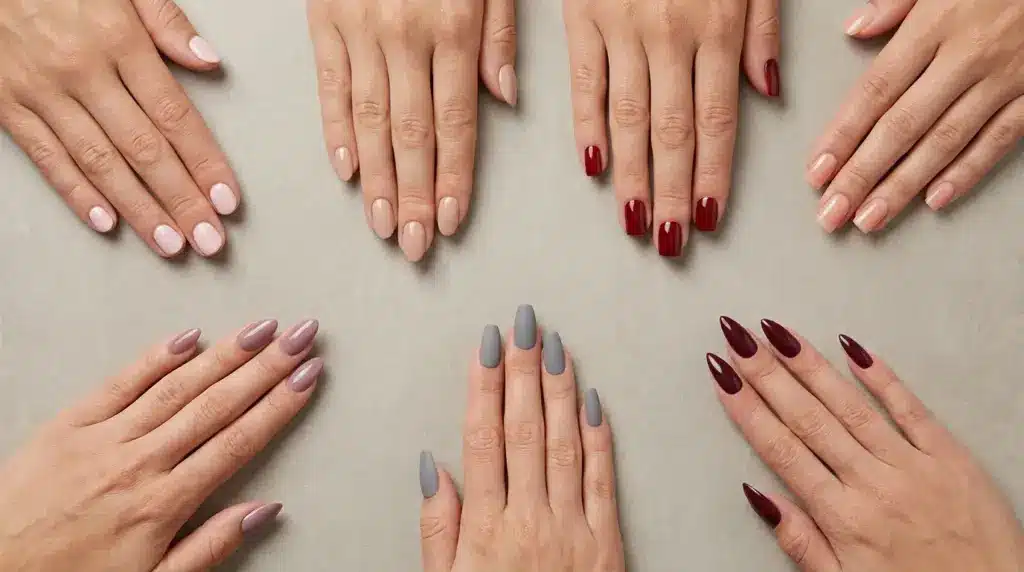
A Russian manicure can look almost too perfect at first glance. The clean edges, smooth polish, and fresh salon finish make it easy to see why so many people are curious about it.
But then comes the question that makes many pause: is it actually safe?
When a beauty trend involves detailed cuticle work and electric tools close to the skin, a little hesitation is natural.
No one wants pretty nails that come with pain, irritation, or infection later. That is why understanding what a Russian manicure is matters before booking an appointment.
This nail technique may offer a polished look, but it also has a controversial side worth knowing.
Before choosing it, it helps to know how it works, why people love it, and why some experts urge caution.
What is a Russian Manicure?
A Russian manicure is a nail care technique that uses an electric nail file, often called an e-file, to clean and shape the cuticle area around the nails.
Unlike a traditional manicure, the nails are not soaked in water before the process begins.
The technician carefully removes excess skin and lifts the cuticle to create a smooth surface, allowing nail polish or gel polish to be applied closer to the nail base.
This creates a very clean and polished appearance that many people find attractive. Russian manicures are known for their precise finish and long-lasting results.
However, the technique requires skill and proper training because it involves working closely around the cuticle area.
When performed correctly, it can produce neat-looking nails, but improper technique may increase the risk of irritation or infection.
If you are thinking about doing your nails at home, this is one technique most experts strongly advise leaving to a trained professional.
How is a Russian Manicure Different from a Regular Manicure?
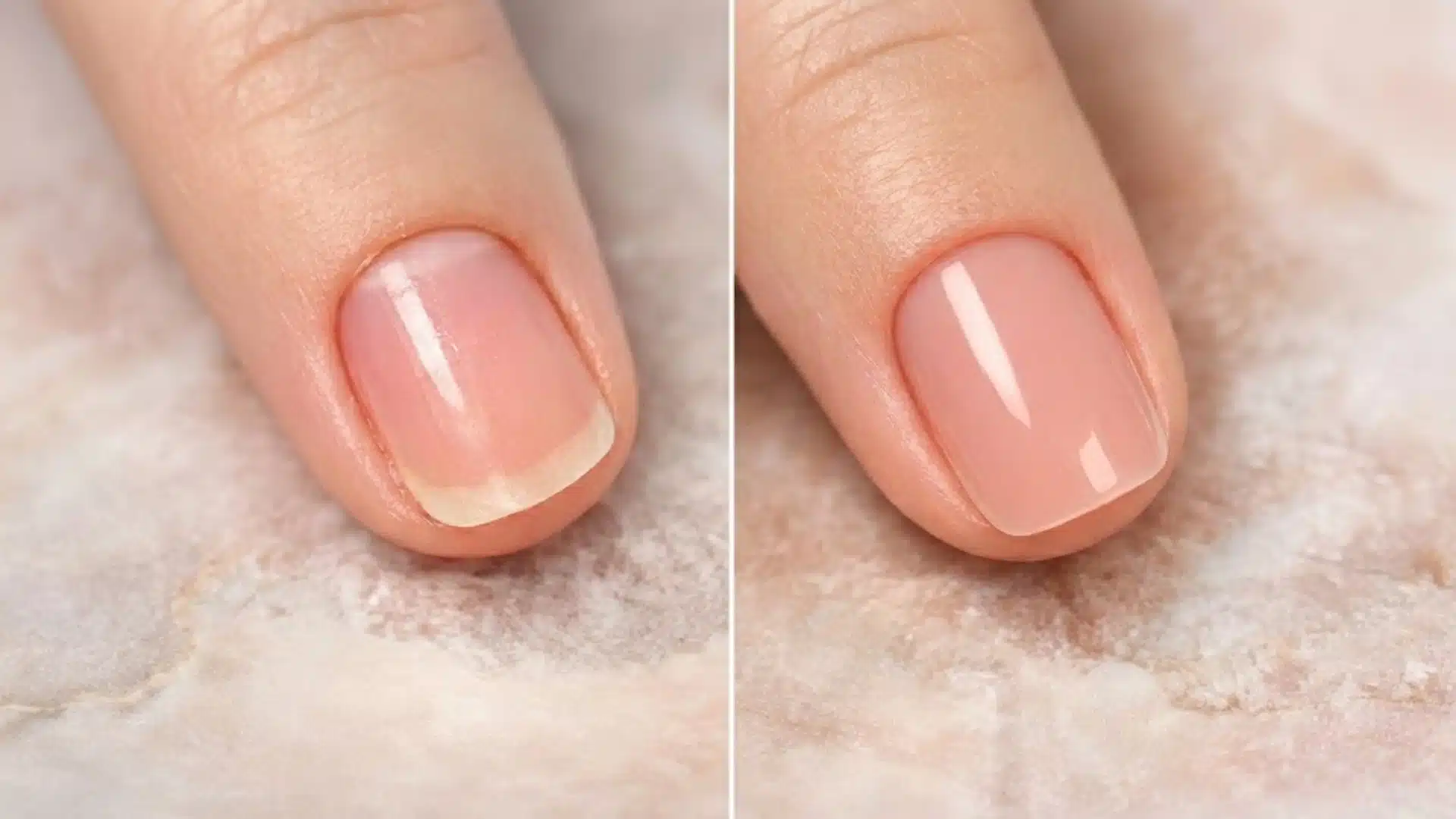
A Russian manicure differs from a regular manicure mainly in the way the cuticles are treated and the tools used during the service.
In a traditional manicure, the nails are usually soaked in warm water to soften the cuticles before they are gently pushed back and trimmed if needed.
A Russian manicure is performed on dry nails and relies on an electric file with specialized bits to clean the cuticle area in much greater detail.
This allows the technician to remove more excess skin and create a cleaner edge around the nail.
As a result, polish or gel can be applied closer to the cuticle, giving a more precise and longer-lasting finish.
While a regular manicure is generally gentler, a Russian manicure requires more skill because it involves more intensive cuticle work.
What Actually Happens During a Russian Manicure?
Understanding the process helps explain why the controversy exists. Here is a general breakdown of what a session involves:
- Dry nail prep: No water soak. The technician starts on dry nails to keep the cuticle tissue firm and easier to work with precisely.
- E-file cuticle work: A drill with a small, fine bit is used to lift and remove the pterygium (dead skin that grows over the nail plate) and tidy the proximal nail fold (the skin bordering the lower edge of the nail).
- Cuticle nipping (if needed): Any remaining dead skin is gently trimmed with nippers. A skilled technician only removes dead tissue, never living skin.
- Nail plate prep: The nail surface is lightly buffed so gel adheres properly and evenly.
- Polish or gel application: Because the nail bed is clear of excess skin, gel or polish can be applied right to the edge, creating the signature clean look.
The most important distinction and the one most frequently misunderstood in viral videos is that a correct Russian manicure never cuts living tissue. It only removes dead, keratinized skin. When live tissue gets cut, that is when infections happen.
Why is the Russian Manicure So Controversial ?
The Russian manicure has gained attention for its clean and polished results, but it has also sparked debate among nail professionals and dermatologists.
- Extensive Cuticle Removal: The procedure often removes more cuticle tissue than traditional manicures, which can weaken the nail’s natural barrier.
- Higher Infection Risk: Damaged cuticles may allow bacteria, fungi, and other germs to enter the skin around nails more easily.
- Requires Advanced Skill: Improper use of electric files can cause cuts, irritation, nail damage, or discomfort during treatment sessions.
- Potential for Overfiling: Excessive filing near the nail plate can weaken nails and increase long-term sensitivity problems.
- Concerns From Dermatologists: Many skin experts recommend preserving cuticles because they help protect nails from infections and irritation.
- Inconsistent Salon Standards: Not all technicians receive specialized training, leading to varying safety practices and different service quality.
Is a Russian Manicure Safe?
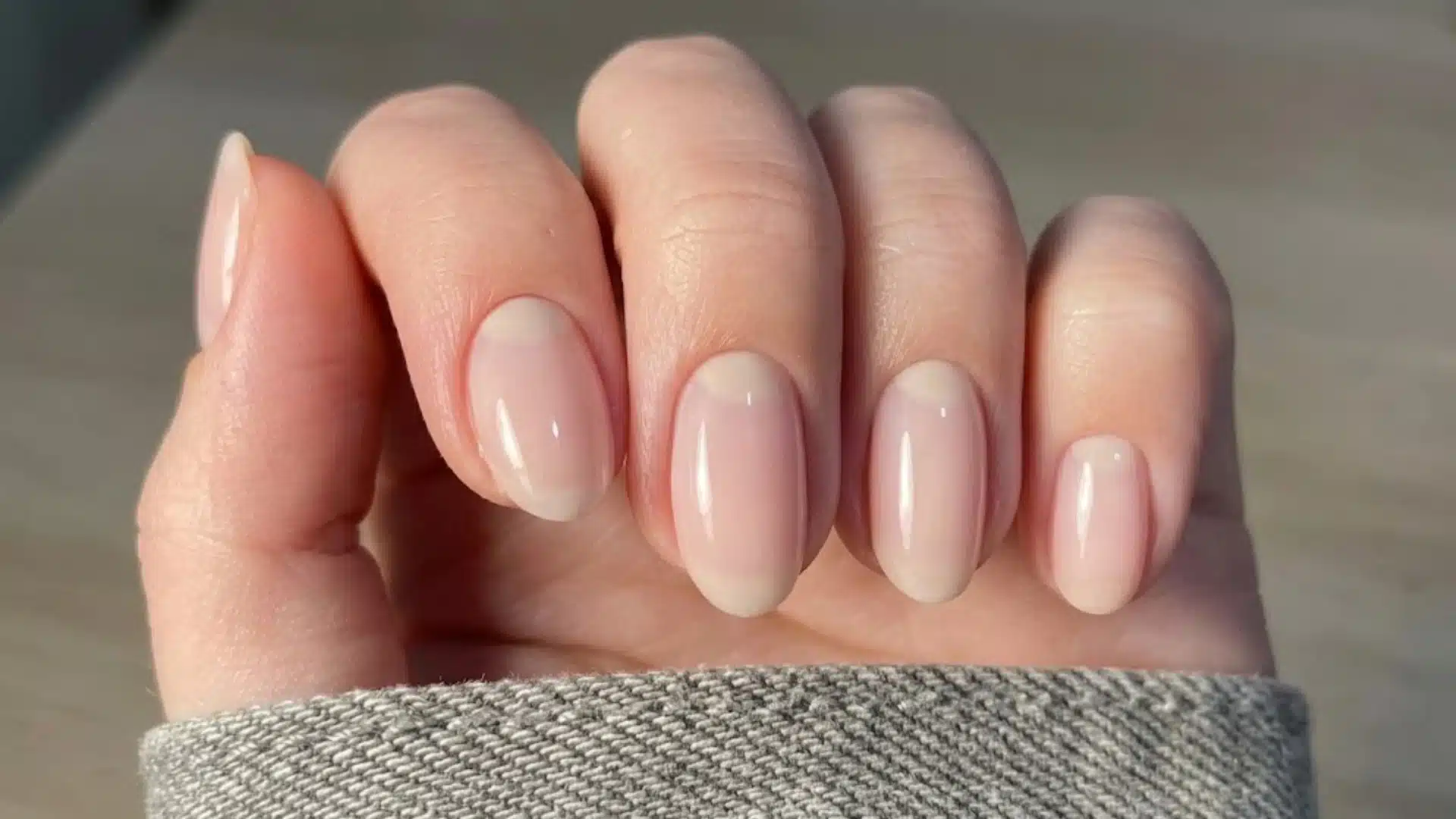
A Russian manicure can be safe when it is performed by a highly trained nail technician who follows proper hygiene and sterilization practices.
The technique itself is not automatically dangerous, but it involves detailed work around the cuticle area using an electric file, which leaves less room for mistakes.
If too much cuticle is removed or the skin is accidentally cut, the risk of irritation, bleeding, and infection can increase.
Safety also depends on whether the salon properly disinfects its tools between clients.
People with sensitive skin, diabetes, nail disorders, or existing infections should be especially cautious before booking this service.
While many clients have positive experiences with Russian manicures, the procedure requires skill and care to avoid complications.
Consult a licensed dermatologist or nail professional before making decisions about nail treatments, especially if you have a health condition that affects skin or nail healing.
Possible Risks of a Russian Manicure
A Russian manicure can create a polished and long-lasting look, but it also comes with certain risks. Most problems occur when the procedure is performed incorrectly, tools are not properly sterilized, or too much cuticle tissue is removed.
- Cuticle Damage: Excessive cuticle removal can weaken the nail’s protective barrier, leaving surrounding skin more vulnerable to irritation.
- Increased Infection Risk: Small cuts around nails may allow bacteria or fungi to enter, potentially causing painful infections later.
- Nail Plate Weakening: Aggressive filing techniques can thin the nail plate, making nails weaker and more prone to breakage.
- Skin Irritation: Sensitive skin may react to friction from electric files, leading to redness, tenderness, or discomfort afterward.
- Bleeding and Pain: Improper e-file handling can accidentally nick the skin, causing bleeding, soreness, and temporary inflammation issues.
- Long-Term Nail Problems: Repeated damage to nail folds may affect healthy nail growth and increase future sensitivity concerns.
Who Should Avoid a Russian Manicure?
While many people can get a Russian manicure without issues, it is not the best option for everyone.
Because the technique involves intensive cuticle work, certain individuals may face a higher risk of irritation, infection, or delayed healing.
People who have had reactions around the nail area from previous nail services should be especially cautious before trying this technique.
| Person/Condition | Reason |
|---|---|
| People With Sensitive Skin | The e-file and cuticle work can cause redness, irritation, or discomfort around the nails. |
| People With Weak or Brittle Nails | Aggressive filing may further weaken the nail plate and increase breakage. |
| People With Diabetes | Even small cuts can take longer to heal and may increase the risk of infection. |
| People With Active Nail Infections | The procedure can worsen existing fungal or bacterial infections and delay recovery. |
| People With Damaged Cuticles | Further manipulation of the cuticle area can cause pain and additional skin damage. |
| People With Skin Conditions Around Nails | Conditions such as eczema or psoriasis may become irritated during the manicure process. |
| People Prone to Frequent Infections | Removing too much cuticle can reduce the nail’s natural protection against germs. |
| People Recovering From Nail Trauma | Recently injured nails need time to heal and may not tolerate intensive cuticle work. |
How to Vet a Technician Before Booking
Because training standards vary so widely, choosing the right technician matters more for a Russian manicure than for almost any other nail service. Here is what to check:
- Ask about their specific training: A qualified technician should be able to name where and how they trained for e-file cuticle work, not just general nail school. Ongoing training (monthly or quarterly) is a good sign.
- Check their sterilization setup: Hospital-grade autoclaves or UV sterilizers for metal bits are what you want to see. If the salon just sprays tools with liquid disinfectant and moves on, that is not sufficient.
- Ask to see their portfolio: Look for healed results, not just freshly finished nails in ideal lighting. Healthy nail folds without redness or swelling around the cuticle area are a good indicator of technique.
- Watch how they handle the first few minutes: A careful technician takes their time on the prep, works slowly near the nail fold, and checks in with the client about pressure. Speed is not a sign of skill in this context.
- Trust discomfort as a stop signal: Burning, stinging, or sharp pain during the e-file work is not normal. Tell the technician to stop.
How to Make a Russian Manicure Safer?
A Russian manicure can be safe when performed by a skilled technician who follows proper hygiene and nail-care practices. Following these steps can help reduce the risk of irritation, infection, and nail damage.
Step 1: Choose a qualified technician with specialized training and experience in Russian manicure techniques.
Step 2: Verify that all tools and equipment are properly sterilized before the procedure begins.
Step 3: Discuss cuticle care preferences and request that healthy cuticle tissue not be removed excessively.
Step 4: Pay attention to any pain, burning, or discomfort during the service and inform the technician immediately if it occurs.
Step 5: Evaluate the salon’s cleanliness, including workstations, tools, and overall hygiene standards.
Step 6: Monitor your nails and surrounding skin after treatment for redness, swelling, tenderness, or signs of infection.
Proper technique, sanitation, and post-treatment monitoring are essential for ensuring a safe Russian manicure experience and maintaining healthy nails.
Conclusion
A Russian manicure can give nails a clean, precise, and polished look, but safety should always come first.
The main concern is the detailed cuticle work, especially when too much skin is removed or tools are not properly cleaned.
For some people, the result may feel worth it, while others may prefer a gentler manicure that protects the cuticle area.
Before booking, look for a trained nail technician, check salon hygiene, and avoid the service if the skin around the nails is sore, damaged, or infected.
A beautiful manicure should never come at the cost of healthy nails.
Have you ever tried a Russian manicure, or are you thinking about getting one? Share your experience, questions, or concerns in the comments below.
Frequently Asked Questions
How Long Does a Russian Manicure Usually Last?
A Russian manicure can last around three to four weeks, depending on nail growth, polish type, and daily hand care.
Can You Do a Russian Manicure at Home?
It is not recommended for beginners. The technique uses sharp bits near delicate skin and requires proper training.
How Much Does a Russian Manicure Cost?
A Russian manicure usually costs around $70 to $150, depending on the salon, location, technician experience, and whether gel polish is included. In high-end salons or major cities, the price may be higher.